 Skip to content
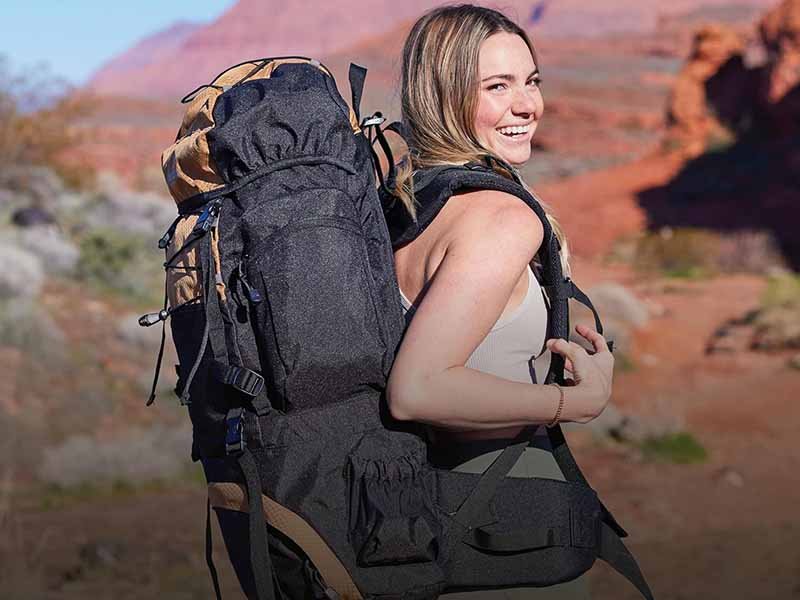
Choosing the right hiking bag is one of the most overlooked decisions in outdoor gear—but it’s also one of the most important. Many hikers focus on boots, jackets, or trekking poles, yet end up struggling with shoulder pain, poor weight balance, or limited storage simply because their backpack doesn’t match their hiking style. A bag that works perfectly for a two-hour forest walk can become a serious liability on an overnight or multi-day trek.
So what are the different types of hiking bags, and how do you know which one is right for you?
The hiking bag market is more complex than it first appears. Daypacks, overnight packs, multi-day backpacks, technical alpine packs, and ultralight systems are all designed around different trip lengths, gear requirements, and body mechanics. Understanding these differences helps hikers avoid overpacking, under-support, and unnecessary fatigue—and helps brands and retailers design products that truly fit user needs. Hiking bags are generally divided into daypacks, overnight hiking packs, multi-day backpacks, technical or alpine packs, and ultralight hiking bags. Each type is designed for specific trip lengths and gear loads. Daypacks suit short hikes, overnight packs carry basic camping gear, multi-day backpacks support extended trips, technical packs serve alpine activities, and ultralight bags focus on minimal weight and efficiency.
The right hiking bag isn’t about buying the biggest or most expensive option—it’s about choosing a system that works with your body and for your trip. Once you understand how each type is designed, the decision becomes much clearer.
Let’s start by defining what truly makes a hiking bag different.
What Is a Hiking Bag

A hiking bag is a backpack specifically designed to carry gear comfortably over uneven terrain for extended periods. Unlike regular backpacks, hiking bags use structured support systems—such as padded shoulder straps, hip belts, and back panels—to distribute weight efficiently. They are built to improve balance, reduce fatigue, and protect gear during outdoor activities like hiking, trekking, and backpacking.
What defines a hiking bag?
A hiking bag is defined by how it manages weight on the human body, not by its size or appearance. Its primary purpose is to carry gear over long distances and uneven terrain while minimizing strain on the shoulders, back, and hips.
Key defining features include:
- Load distribution systems (hip belts, sternum straps)
- Structured back panels or internal frames
- Ergonomic shoulder straps
- Balanced compartment layout
Unlike casual backpacks, hiking bags are engineered to work with body movement. When properly fitted, most of the weight rests on the hips rather than the shoulders, allowing hikers to walk longer distances with less fatigue.
In essence, a hiking bag functions as wearable equipment, not just storage.
How is a hiking bag different from a regular backpack?
The difference lies in endurance and support.
A regular backpack is designed for short, low-impact use—carrying books, laptops, or daily items across flat surfaces. It typically lacks:
- Proper hip support
- Load-adjustment straps
- Ventilation systems
- Structural reinforcement
A hiking bag, by contrast, is designed for hours or days of continuous movement. Features such as load lifter straps, adjustable harness systems, and breathable back panels reduce pressure points and heat buildup. These differences become obvious once the pack weight exceeds a few kilograms or the terrain becomes uneven.
Using a regular backpack for hiking often results in shoulder pain, poor balance, and faster exhaustion.
Why does choosing the right hiking bag matter?
Choosing the right hiking bag directly affects comfort, safety, and performance.
A poorly chosen hiking bag can:
- Cause back and shoulder strain
- Throw off balance on technical terrain
- Lead to inefficient packing and wasted energy
- Increase the risk of fatigue-related injuries
A well-designed hiking bag, on the other hand:
- Improves posture and stability
- Makes heavy loads feel lighter
- Allows better pacing on long hikes
- Keeps essential gear accessible and protected
For beginners, the right bag can determine whether hiking feels enjoyable or exhausting. For experienced hikers, it can be the difference between finishing strong or cutting a trip short.
What are hiking bags typically used for?
Hiking bags are used across a wide range of outdoor activities, including:
- Day hikes and nature walks
- Overnight and multi-day backpacking trips
- Trekking and long-distance hiking
- Alpine and technical terrain travel
Different hiking bags exist because different activities place different demands on load capacity, durability, and support. Understanding this is the foundation for choosing the correct type of hiking bag.
What Are Daypacks

Daypacks are small to medium hiking bags designed for short hikes and single-day trips. They usually range from 10 to 30 liters and carry essentials like water, snacks, a light jacket, and basic safety gear. Daypacks are lightweight, easy to carry, and ideal for beginners, casual hikers, and everyday outdoor use.
What features define a hiking daypack?
A daypack is defined by lightweight construction, simplicity, and mobility. Unlike larger hiking backpacks, daypacks are designed to carry only what’s necessary for a few hours on the trail.
Typical features include:
- Padded shoulder straps for comfort
- Breathable mesh or foam back panels
- External water bottle pockets
- Small internal compartments for essentials
Some modern daypacks also include hydration bladder sleeves, trekking pole loops, or integrated rain covers. However, heavy frames and thick hip belts are usually absent, as they are unnecessary for light loads.
The key idea behind a daypack is freedom of movement—it should feel like part of your body, not a burden.
What bag should I use for hiking short distances?
For short-distance hikes, a daypack is the best choice.
Most short hikes—typically under 10–15 kilometers—require only basic supplies:
- Water
- Snacks or lunch
- Sun or rain protection
- A phone, map, or first-aid kit
Using a larger backpack for these trips often leads to overpacking, extra weight, and reduced comfort. A properly sized daypack keeps your load minimal and your movement agile.
This is why daypacks are recommended for:
- Beginners trying hiking for the first time
- Nature walks and local trails
- Travel hikes and sightseeing trips
Are daypacks lightweight and comfortable for beginners?
Yes—daypacks are specifically suited for beginners.
Most daypacks weigh between 400 grams and 1 kilogram, depending on materials and features. This low base weight reduces fatigue and makes it easier for new hikers to focus on enjoying the hike rather than managing gear.
Comfort comes from:
- Ergonomic strap shapes
- Lightweight padding
- Breathable back panels
However, comfort depends on staying within the intended load range. Overloading a daypack reduces stability and can strain shoulders, as daypacks are not designed to carry heavy gear.
How much can a daypack realistically carry?
Daypacks are optimized for light to moderate loads.
Typical carrying capacity includes:
- 1–3 liters of water
- Light food and snacks
- A compact jacket or fleece
- Small personal items
Most daypacks perform best when carrying 5–7 kg (11–15 lbs) or less. Beyond this point, the lack of a structured frame and substantial hip belt becomes noticeable.
Understanding these limits helps users avoid discomfort and helps brands design daypacks that perform well within their intended use.
Why are daypacks the most popular hiking bags?
Daypacks dominate the hiking bag market because they are versatile and easy to use.
They work not only for hiking, but also for:
- Travel and sightseeing
- Daily commuting
- Cycling or casual outdoor activities
For brands and retailers, daypacks are often the entry point into hiking gear. Their broad appeal makes them ideal for customization, private labeling, and lifestyle-oriented designs—especially when combined with durable fabrics and thoughtful pocket layouts.
What Are Overnight Hiking Packs
Overnight hiking packs are backpacks designed for one-night hiking or camping trips. They usually range from 30 to 50 liters and are built to carry essential camping gear such as food, extra clothing, and a basic sleep system. Compared to daypacks, overnight packs provide better load support, stronger materials, and improved comfort for carrying moderate weight over longer distances.
What capacity is typical for overnight hiking packs?
Overnight hiking packs typically fall within the 30–50 liter range, which makes them the transition point between casual hiking and full backpacking.
- 30–35L: Minimalist overnight trips, warm weather, compact gear
- 40–45L: Most common choice for beginners and regular hikers
- 50L: Cold weather, bulkier gear, or less experienced packers
This capacity is enough to carry essentials for one night without forcing hikers into the complexity and weight of large multi-day backpacks. Choosing the right size depends heavily on gear volume, not just trip length.
A common mistake is choosing a pack that’s too large “just in case,” which often leads to overpacking and unnecessary fatigue.
What gear do overnight hiking packs usually carry?
Overnight packs are designed to hold a basic overnight system, often including:
- Extra clothing layers
- Food and cooking essentials
- A sleeping bag or quilt
- A sleeping pad (internal or external carry)
- Minimal shelter or shared tent components
Because space is limited, overnight hiking encourages efficient packing. This is intentional—overnight packs are meant to teach hikers how to prioritize essentials while still maintaining comfort and safety.
Well-designed overnight packs include logical compartment layouts that keep frequently used items accessible without unpacking the entire bag.
Which materials work best for overnight hiking packs?
Material choice for overnight packs is a balance between durability, weight, and cost.
Common materials include:
- 210D–420D nylon: Lightweight yet abrasion-resistant
- Ripstop fabrics: Prevent small tears from spreading
- PU or TPU coatings: Improve water resistance
Overnight packs face more stress than daypacks due to heavier loads and longer wear time, but they don’t require the extreme reinforcement found in expedition packs. For brands, this category allows performance-focused designs without excessive material weight or cost.
How do frames, straps, and suspension affect comfort?
Once pack weight exceeds 7–8 kg (15–18 lbs), suspension becomes critical.
Most overnight hiking packs include:
- Light internal frames or frame sheets
- Adjustable shoulder harness systems
- Padded hip belts to transfer weight to the hips
- Sternum straps for stability
A proper suspension system prevents shoulder strain and improves balance on uneven terrain. Poor suspension design is one of the main reasons hikers experience discomfort—even when pack size seems correct.
Are overnight hiking packs good for beginners?
Yes—overnight hiking packs are often the best next step for beginners who want to move beyond day hikes.
They allow new hikers to:
- Experience carrying camping gear
- Learn efficient packing habits
- Test comfort limits without extreme loads
However, beginners should pay close attention to fit and adjustment. A well-fitted 40L pack will feel far more comfortable than a poorly fitted 50L pack, regardless of brand or price.
How are overnight packs different from multi-day backpacks?
The key differences are capacity, structure, and intended load.
- Overnight packs prioritize flexibility and lighter weight
- Multi-day backpacks prioritize heavy-load support and endurance
Overnight packs often feel more agile and less restrictive, making them suitable for hikers who want comfort without committing to extended trips. Multi-day packs become necessary only when trip length, climate, or gear demands increase significantly.
Overnight Hiking Pack Overview Table
| Feature | Typical Specification |
|---|---|
| Capacity | 30–50L |
| Trip Length | 1 night |
| Ideal Load | Moderate (7–12 kg) |
| Frame Type | Light internal |
| Best For | Beginners, weekend hikers |
What Are Multi-Day & Extended Trip Backpacks

Multi-day and extended trip backpacks are hiking backpacks designed for trips lasting two days or longer. They usually range from 50 to 80+ liters and are built to carry heavier loads, including full camping systems, food for multiple days, and extra clothing. These backpacks feature advanced suspension systems, strong frames, and reinforced materials to maintain comfort and stability over long distances.
What sizes are used for multi-day and extended trips?
Multi-day backpacks generally start at 50 liters and scale upward depending on trip length, climate, and gear style.
Typical size ranges include:
- 50–60L: Lightweight multi-day trips in mild weather
- 60–70L: Standard backpacking trips (2–5 days)
- 70–80L+: Cold-weather trips, expeditions, or bulky gear
The right size is not determined by trip length alone. Gear compactness, personal packing habits, and seasonal requirements all influence how much volume you actually need. Beginners often require larger packs due to bulkier sleeping bags and tents, while experienced hikers can downsize significantly with optimized gear.
What makes multi-day backpacks different from overnight packs?
The main difference lies in load capacity and support, not just size.
Multi-day backpacks are designed to carry heavier, sustained loads over consecutive days. Compared to overnight packs, they feature:
- Stronger internal frames (aluminum or composite)
- Wider, more structured hip belts
- Thicker shoulder padding
- More robust compression systems
Overnight packs prioritize flexibility and lighter weight, while multi-day backpacks prioritize long-term comfort under load. Once total pack weight exceeds 12–15 kg (26–33 lbs), the benefits of a true multi-day backpack become immediately noticeable.
What are the “Big 4” in backpacking and why do they matter here?
The Big 4 in backpacking are the four items that most influence backpack size and weight:
- Backpack
- Shelter (tent or tarp)
- Sleeping bag or quilt
- Sleeping pad
These items account for a large portion of both volume and weight. A bulky tent or sleeping bag can force hikers into larger backpacks, while lightweight versions allow smaller packs and better balance.
For multi-day backpacks, designers must account for how the Big 4 are packed, accessed, and supported. This is why multi-day packs often include large main compartments, external attachment points, and reinforced load zones.
How do suspension systems support heavy loads?
Suspension is the defining feature of a good multi-day backpack.
Key elements include:
- Internal frames that transfer weight to the hips
- Load lifter straps that keep weight close to the body
- Structured hip belts that carry most of the load
- Adjustable torso lengths for proper fit
A well-designed suspension system allows hikers to maintain posture, reduce shoulder strain, and conserve energy over long distances. Poor suspension design, even in a large pack, often results in discomfort and early fatigue.
What materials are used in multi-day and extended trip backpacks?
Multi-day backpacks must withstand repeated use, heavy loads, and harsh environments.
Common materials include:
- 420D–840D nylon or polyester for durability
- Ripstop constructions to prevent tear expansion
- PU or TPU coatings for water resistance
- Heavy-duty webbings and buckles at stress points
Material choice directly affects durability and weight. High-end multi-day packs balance strength with reasonable weight, avoiding unnecessary overbuilding while still ensuring long service life.
Who should choose a multi-day or extended trip backpack?
Multi-day backpacks are ideal for:
- Backpackers hiking two or more days
- Hikers carrying full camping systems
- Cold-weather or remote-area travelers
- Users who prioritize comfort under load
They are not ideal for casual hikers or short trips. Using a large multi-day pack for light day hikes often leads to unnecessary bulk and reduced agility.
What Are Technical or Alpine Hiking Packs

Technical or alpine hiking packs are specialized backpacks designed for steep, exposed, or technical terrain such as mountaineering, scrambling, climbing, and winter hiking. They prioritize stability, durability, and precise load control over storage capacity and comfort features. These packs are streamlined, reinforced, and built to carry technical gear safely in challenging environments.
What makes a hiking pack “technical” or “alpine”?
A technical or alpine hiking pack is defined by how it performs in difficult terrain, not by how much it carries. These packs are engineered for situations where balance, freedom of movement, and gear security are critical.
Key characteristics include:
- Slim, close-to-body profiles to reduce snagging and improve balance
- High-strength fabrics in high-wear areas
- Minimal external pockets to avoid interference during climbing
- Compression systems that stabilize loads tightly
Unlike standard hiking backpacks, alpine packs are meant to feel like part of the climber’s body. Every design choice serves movement efficiency and safety.
Which activities require technical or alpine hiking packs?
Technical or alpine packs are used in activities where terrain and conditions exceed the limits of regular hiking gear, such as:
- Mountaineering and glacier travel
- Alpine climbing and scrambling
- Via ferrata routes
- Winter hiking and snowshoeing
- Mixed terrain expeditions
These activities often involve exposure, vertical movement, or snow and ice. Carrying a bulky or unstable backpack in such environments can be dangerous. Technical packs are designed specifically to handle these challenges.
How are technical packs different from standard hiking backpacks?
The difference is purpose-driven design.
Standard hiking backpacks focus on:
- Comfort for long distances
- Multiple compartments
- Easy access and organization
Technical packs focus on:
- Load stability over comfort
- Gear attachment over internal storage
- Movement efficiency over convenience
For example, alpine packs often use top-loading designs, simpler interiors, and reinforced attachment points for ropes, ice axes, or helmets. They may sacrifice padding and ventilation to maintain a low profile and reduce weight.
What capacity do technical or alpine hiking packs usually have?
Technical packs typically range from 30 to 55 liters, depending on activity type and season.
- 30–40L: Day-long alpine climbs or technical routes
- 40–55L: Multi-day alpine or winter objectives
This capacity is enough to carry safety gear, layers, food, and technical equipment—without encouraging unnecessary items. In alpine environments, carrying less is often safer.
How do materials and construction differ in alpine packs?
Durability is critical in alpine environments.
Common material choices include:
- High-denier nylon (420D–840D) in abrasion zones
- Reinforced bases and side panels
- Weather-resistant coatings for snow and moisture
Stress points such as haul loops, gear loops, and attachment anchors are heavily reinforced. These packs are built to withstand sharp rock, ice tools, crampons, and repeated abrasion.
Are technical or alpine hiking packs comfortable?
They are comfortable for their intended use, but not in the same way as regular hiking backpacks.
Technical packs prioritize:
- Load control
- Balance
- Freedom of movement
They often feature:
- Thinner padding
- Simplified harness systems
- Reduced ventilation
For long, flat-distance hiking, they may feel less comfortable. But on steep, technical terrain, they outperform standard packs by maintaining stability and reducing interference.
Who should choose a technical or alpine hiking pack—and who shouldn’t?
Technical packs are ideal for:
- Mountaineers and alpine climbers
- Experienced hikers in exposed terrain
- Winter hikers carrying specialized gear
They are not ideal for:
- Beginners
- Casual day hikers
- Travel or urban use
Using a technical pack outside its intended environment often leads to discomfort and frustration. These packs are tools, not general-purpose backpacks.
What Are Ultralight Hiking Bags

Ultralight hiking bags are backpacks designed to minimize weight while still carrying essential gear for hiking or backpacking. They typically weigh under 1 kg and are used by experienced hikers who follow a minimalist packing system. These bags sacrifice heavy padding, rigid frames, and extra features to reduce fatigue and increase efficiency on long-distance hikes.
What makes a hiking bag “ultralight”?
An ultralight hiking bag is defined by intentional weight reduction across every component, not just thinner fabric. Designers remove or simplify anything that doesn’t directly support forward movement.
Common ultralight design choices include:
- Frameless or semi-frameless construction
- Minimal padding in shoulder straps and hip belts
- Simplified pocket layouts
- Lightweight but strong fabrics (ripstop nylon, UHMWPE blends)
Instead of relying on rigid frames, many ultralight packs use packed gear itself (sleeping pad, clothing) to create structure. This design philosophy only works when users pack carefully and understand load management.
How light can ultralight hiking bags be?
Most ultralight hiking bags weigh between 400 g and 900 g, depending on capacity and materials.
Typical weight ranges:
- 30–40L ultralight packs: 400–700 g
- 40–55L ultralight packs: 700–900 g
This is a dramatic reduction compared to traditional multi-day backpacks, which often weigh 1.8–2.5 kg empty. Over long distances, saving even 1 kg on base pack weight can significantly reduce fatigue and joint stress.
However, lower weight also means lower margin for error if the pack is overloaded.
Are ultralight hiking bags suitable for long hikes?
Yes—but only under the right conditions.
Ultralight packs are ideal for:
- Long-distance trails
- Thru-hiking
- Fastpacking
- Warm to mild climates
They perform best when:
- Total pack weight stays under 10–12 kg
- Gear is compact and lightweight
- Terrain is mostly non-technical
In cold weather, alpine terrain, or when carrying heavy food and water, ultralight packs quickly reach their limits. In these situations, lack of structure can reduce comfort and control.
Who should use ultralight hiking bags?
Ultralight hiking bags are best suited for:
- Experienced backpackers
- Thru-hikers and long-distance hikers
- Minimalist hikers with optimized gear
- Users who understand their personal limits
They are not ideal for beginners. New hikers often carry extra items “just in case,” which leads to overloading and discomfort in ultralight packs. Without proper packing discipline, ultralight systems feel unstable and unforgiving.
How are ultralight packs different from traditional hiking backpacks?
The difference is philosophical as much as structural.
Traditional backpacks:
- Are designed to support heavy, variable loads
- Prioritize comfort through padding and frames
- Offer multiple compartments and features
Ultralight backpacks:
- Assume light, controlled loads
- Replace structure with efficiency
- Prioritize movement and endurance
Ultralight packs don’t make hiking easier—they make efficient hiking possible. They reward planning and punish excess.
What materials are commonly used in ultralight hiking bags?
Ultralight packs use materials that balance strength-to-weight ratio.
Common choices include:
- Ripstop nylon (70D–210D)
- High-tenacity fabrics
- UHMWPE or composite laminates in premium designs
These materials are strong for their weight but less forgiving of abrasion and misuse. Ultralight packs are tools, not abuse-resistant gear.
What are the main trade-offs of ultralight hiking bags?
The main trade-offs include:
- Reduced padding and comfort under heavy loads
- Less durability in harsh environments
- Fewer organizational features
For the right user, these trade-offs are acceptable—and even desirable. For the wrong user, they can ruin a trip.
How to Choose the Right Hiking Bag for You
To choose the right hiking bag, consider trip length, gear volume, terrain, and personal comfort. Daypacks suit short hikes, overnight packs handle basic camping, multi-day backpacks support extended trips, technical packs fit alpine terrain, and ultralight bags favor minimalists. The best hiking bag matches how you hike—not just how far you plan to go.
How much capacity do you actually need?
Capacity is the starting point—but it’s often misunderstood.
Instead of asking “How many days?”, ask “How much gear do I carry?” Gear volume varies widely based on experience, climate, and equipment quality.
A practical guideline:
- Short hikes: 10–30L
- Overnight trips: 30–50L
- Multi-day hikes: 50–80L+
Choosing a bag that’s too large encourages overpacking, while choosing one that’s too small forces uncomfortable compromises. The goal is to select the smallest pack that comfortably fits your actual gear, not your worst-case imagination.
How do hiking style and terrain affect bag choice?
Hiking style matters as much as distance.
- Casual hikers benefit from comfort-focused designs with padding and organization.
- Fast hikers or long-distance trekkers prioritize lighter weight and streamlined layouts.
- Technical or alpine hikers need stable packs with secure attachment points.
Terrain also changes requirements. Steep or uneven ground favors slim, close-to-body packs, while flat trails allow for more forgiving designs. Ignoring hiking style often leads to choosing a technically “correct” bag that feels wrong in practice.
How important is fit compared to size and brand?
Fit is more important than brand and price combined.
A well-fitted mid-range pack will outperform an expensive pack that doesn’t match your body. Key fit factors include:
- Torso length compatibility
- Hip belt positioning and padding
- Shoulder strap shape and adjustability
A properly fitted hiking bag should transfer most of the weight to your hips, not your shoulders. If the pack feels unstable or pulls backward, no amount of premium materials will fix that problem.
How much weight should you expect to carry?
Pack weight directly influences comfort and fatigue.
As a general rule:
- Daypacks perform best under 5–7 kg
- Overnight packs under 10–12 kg
- Multi-day backpacks under 20–25 kg
Exceeding these ranges increases strain and reduces efficiency. When estimating pack weight, include food and water—not just gear. Many hikers underestimate how quickly consumables add weight.
Do materials and features really matter?
Yes—but only when matched to use.
Key material considerations:
- Higher denier fabrics: More durable, heavier
- Ripstop weaves: Better tear resistance
- Water-resistant coatings: Useful, but not waterproof
Feature overload is a common mistake. Extra pockets, zippers, and straps add weight and complexity. The best hiking bag includes only the features you actually use, not everything that looks impressive online.
Should beginners choose simple or advanced hiking bags?
Beginners are often better served by simple, versatile packs.
Advanced features—complex suspension systems, ultralight construction, or technical attachments—are valuable only when users understand how to use them. For beginners, these features often add confusion rather than comfort.
A well-designed overnight pack or supportive daypack offers the best learning platform. As experience grows, hikers naturally refine their preferences.
When does customization or OEM design make sense?
Customization becomes valuable when:
- Standard products don’t match your target user
- You’re building a brand or product line
- You want control over materials, features, and cost
For brands and retailers, OEM/ODM development allows hiking bags to be designed around real user behavior, not generic assumptions. This leads to better performance, clearer positioning, and stronger customer satisfaction.
Conclusion
Lovrix is a China-based group with 19+ years of experience in fabric development, webbing engineering, and bag manufacturing, serving mid-to-high-end brands and e-commerce businesses worldwide.
Whether you are launching a new hiking bag line or upgrading an existing product, Lovrix helps turn ideas into market-ready outdoor gear.
Contact Lovrix today to discuss your project and receive a tailored quotation.


