 Skip to content
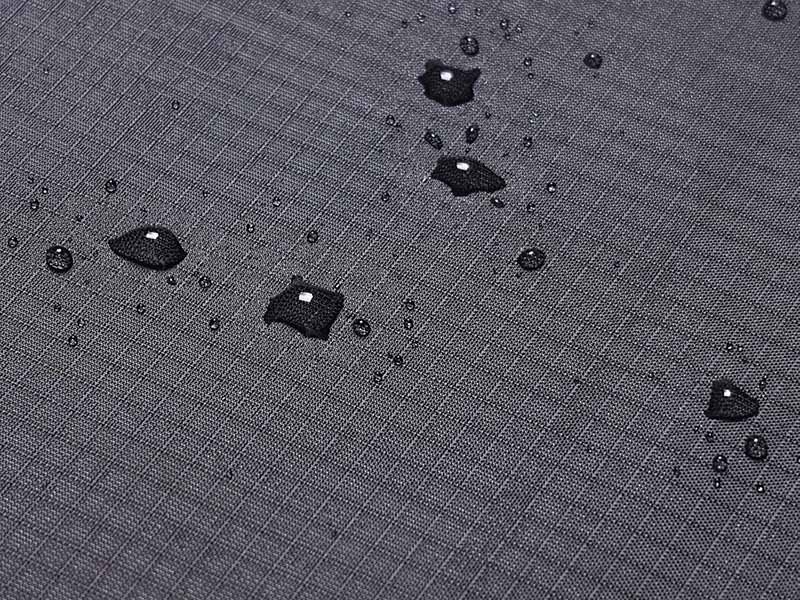
Have you ever wondered why some nylon fabrics feel stronger than others or why certain bags are more durable? The secret often lies in the denier — a term frequently mentioned but seldom understood by those who don’t deal with textiles directly. Whether you’re designing a new product, selecting the right material for your next project, or simply curious about fabric strength, understanding what denier means in nylon fabric is essential.
Denier is a unit of measurement used to describe the thickness of the individual threads or fibers in nylon fabric. In simple terms, the higher the denier, the thicker and more durable the fabric. This measurement has a significant impact on the texture, performance, and longevity of the fabric in different applications, from backpacks and outdoor gear to clothing and industrial products. By the end of this article, you’ll have a clear understanding of how denier works and why it’s crucial for selecting the right fabric for your needs.
Denier is more than just a number; it’s a key to determining fabric functionality. Whether you are considering fabrics for fashion, sports equipment, or heavy-duty work gear, knowing how to choose the right denier could be the difference between a product that performs and one that doesn’t last. Let’s dive in and explore how this seemingly simple number influences the quality and strength of your fabric choices.
What Is Denier in Nylon Fabric?
Denier is a unit of measurement that refers to the weight of the nylon fiber used in the fabric. Specifically, it measures the weight in grams of 9,000 meters of fiber. This measurement helps determine how thick or thin a nylon fiber is, and it plays a significant role in defining the fabric’s durability, flexibility, and overall performance.
To put it in simple terms:
- Low denier fabrics are thinner, lighter, and more flexible. They tend to be used for products that need to be lightweight and comfortable.
- High denier fabrics are thicker, stronger, and more abrasion-resistant, making them ideal for products that need to withstand rough conditions, such as backpacks, luggage, and outdoor gear.
Denier provides an easy-to-understand measure of fabric strength. For example, 40D nylon is ideal for lightweight jackets and sportswear that require comfort and breathability, while 1680D nylon is suited for heavy-duty applications like luggage or protective covers.
How Denier Relates to Fabric Characteristics
The denier value of nylon fabric influences several important characteristics that determine how the fabric performs in real-world applications:
1. Strength and Durability:
- Higher denier values (e.g., 600D – 1680D) produce fabrics that are more resistant to wear and tear. These thicker fibers are perfect for items exposed to high stress, such as backpacks or duffel bags that endure heavy loads.
- Lower denier fabrics (e.g., 40D – 210D) are softer but less durable, making them suitable for products like apparel or lightweight bags, which do not require as much strength.
2. Weight and Comfort:
- Low denier fabrics are significantly lighter and more comfortable to wear or carry, making them ideal for sports clothing or fashion accessories.
- High denier fabrics are heavier and less flexible but more durable, which makes them suitable for travel gear or outdoor equipment where strength outweighs the need for lightness.
3. Flexibility and Texture:
- A fabric with a low denier is generally more flexible and soft, perfect for applications requiring comfort such as sportswear or lightweight bags.
- A fabric with a high denier will feel stiffer, but this can be beneficial for products that require structure and rigidity, like luggage or protective covers.
Why Denier Matters for Your Products
When choosing fabric for your products, understanding denier allows you to balance comfort, strength, and weight according to your needs.
For instance, high-denier fabrics like 1680D nylon are perfect for products that will face rough conditions, offering exceptional abrasion resistance and long-lasting durability. In contrast, low-denier fabrics like 40D nylon are better suited for items like clothing and accessories, where the priority is lightweight comfort rather than sheer durability.
Real-World Example:
Imagine you’re creating a backpack for outdoor hiking. You’d likely choose 600D or 1680D nylon for the fabric, as the high denier value provides the strength and durability required for abrasion resistance, water resistance, and heavy loads. In contrast, for a travel bag designed for everyday use, a 420D nylon fabric might be the perfect balance, offering lightweight flexibility while still being durable enough for typical wear and tear.
Denier and Fiber Composition
Denier doesn’t just refer to the thickness of the nylon fiber; it also works in conjunction with the fiber composition. For example:
- 100% nylon fabrics may have different performance characteristics at the same denier count compared to nylon blends (e.g., nylon with polyester or spandex). Blending fibers with different properties can offer a combination of strength and comfort.
- Coated nylons (like PU-coated nylon) may increase water resistance and strength, without necessarily increasing the denier.
Common Denier Values in Nylon Fabric

Understanding the range of denier values in nylon fabric is crucial for selecting the right material for your product. Each denier range offers different benefits, and knowing these can help you choose the best fabric for your specific application. Whether you’re designing a backpack, sports gear, or lightweight apparel, here’s a breakdown of common denier values and their typical uses.
Low Denier (40D – 210D): Lightweight, Flexible Fabrics
Low-denier fabrics are characterized by thin fibers, making them lightweight and flexible. These fabrics are perfect for applications where comfort and breathability are important. Low-denier nylon is ideal for lightweight items that don’t require extreme durability but need to offer ease of movement or softness.
Common Uses:
- Sportswear: Lightweight jackets, leggings, and running gear benefit from the comfort and breathability of low-denier nylon.
- Fashion Accessories: Items like tote bags, clutches, and fashion backpacks use 40D – 210D nylon for its ability to maintain flexibility without adding bulk.
- Outdoor Gear (Light-duty): For lightweight sleeping bags or backpacks where flexibility and weight matter more than high durability.
Benefits of Low Denier Fabrics:
- Lightweight & Breathable: Ideal for active wear or travel gear.
- Comfortable Fit: Soft to the touch, making them suitable for clothing and accessories.
- Flexible & Durable Enough for Everyday Use: While these fabrics aren’t as resistant to harsh conditions as high-denier nylons, they are still durable for light to moderate use.
Example:
A 40D nylon fabric used in athletic wear offers the breathability needed for outdoor activities, such as running or hiking, without sacrificing comfort. The fabric is light enough to ensure maximum movement, but it still holds up well under mild wear and tear.
Mid Denier (250D – 420D): Balanced Durability and Flexibility
Mid-denier fabrics strike a balance between strength and flexibility. These fabrics offer greater durability than low-denier nylon, making them suitable for moderate wear-and-tear environments, such as backpacks, luggage, and travel bags. While still relatively lightweight, mid-denier fabrics can withstand more abrasion and are versatile enough for multiple applications.
Common Uses:
- Backpacks and Travel Bags: 250D – 420D nylon provides the right mix of lightness and strength, ideal for daily commuter bags and light travel bags.
- School Bags: A popular choice for school backpacks, where resilience is needed but weight isn’t an issue.
- Luggage: Often used in carry-ons or weekend bags because it’s durable enough for frequent use but doesn’t add unnecessary weight.
Benefits of Mid Denier Fabrics:
- Versatile Durability: Strong enough for daily use, with sufficient abrasion resistance for backpacks and luggage.
- Affordability: Mid-denier fabrics often strike a cost-effective balance between performance and price.
- Flexibility: Still maintains comfort and flexibility for light-to-moderate use.
Example:
A 420D nylon fabric used in a weekender bag will perform well against abrasion from daily wear, such as carrying clothes or accessories, without feeling too heavy or stiff. It’s the perfect material for bags that need a durable yet soft feel.
High Denier (600D – 1680D): Heavy-duty, Rugged Fabrics
High-denier fabrics are known for their strength and abrasion resistance. These fabrics are thick, durable, and well-suited for products that experience heavy use or need to withstand harsh conditions, such as backpacks, tents, heavy-duty luggage, and work gear. While they tend to be heavier and less flexible than low- or mid-denier fabrics, their resilience makes them ideal for high-performance items.
Common Uses:
- Heavy-duty Backpacks: For hiking backpacks, military-grade bags, and tactical backpacks, where strength and abrasion resistance are key.
- Luggage & Duffel Bags: Used in suitcases or sports bags that are exposed to frequent handling.
- Outdoor Equipment: Perfect for camping gear, tarps, and outdoor storage bags that need to resist harsh elements and heavy loads.
Benefits of High Denier Fabrics:
- Exceptional Durability: Able to withstand extreme abrasion, scratches, and rough handling, making it perfect for backpacks or luggage that see frequent use.
- Weather Resistance: Can hold up well in rain or sunlight, making it great for outdoor and travel gear.
- Heavy Load Capacity: High denier fabric can support more weight without tearing or breaking.
Example:
A 1680D nylon fabric used in a military backpack is designed to endure extreme conditions. The thick fibers provide exceptional abrasion resistance and can handle heavy loads, making it ideal for soldiers or outdoor enthusiasts who need reliable, long-lasting gear.
Choosing the Right Denier for Your Product
Selecting the appropriate denier value depends largely on the intended use of the product. To make the decision easier, consider the following points:
- For lightweight, flexible items (like clothing, sports bags, or fashion accessories), low-denier fabrics like 40D – 210D provide the necessary comfort and lightness.
- For bags and luggage that need a balance of durability and flexibility, mid-denier fabrics (such as 250D – 420D) are ideal, offering sufficient strength without adding too much weight.
- For heavy-duty items such as backpacks or outdoor gear that need to endure harsh conditions, high-denier fabrics (e.g., 600D – 1680D) provide the strength, abrasion resistance, and weather durability required.
The denier value plays a pivotal role in choosing fabric that will both perform well and offer value for money based on the specific application.
Summary of Denier Ranges and Their Common Uses
| Denier Range | Typical Applications | Key Features | Best For |
|---|---|---|---|
| 40D – 210D | Sportswear, Tote Bags, Fashion Accessories | Light, breathable, comfortable, flexible | Lightweight apparel, fashion bags |
| 250D – 420D | Backpacks, Travel Bags, Luggage | Balanced strength and flexibility | Durable, medium-duty bags |
| 600D – 1680D | Heavy-duty Backpacks, Outdoor Gear, Luggage | Extremely strong, abrasion-resistant, heavy-duty | Rough handling, outdoor gear, luggage |
How Denier Affects Nylon Fabric

When choosing nylon fabric, one of the most critical factors to consider is the denier value. This simple number has a significant impact on how the fabric behaves in real-world applications. Denier influences various performance characteristics such as strength, durability, weight, and flexibility. Understanding how denier affects nylon fabric helps ensure that the material meets your product’s specific needs.
Strength and Durability
One of the most important factors affected by denier is a fabric’s strength and resilience. As denier increases, the fiber’s thickness also increases, leading to a stronger fabric that can withstand more wear and tear. Higher denier values provide better resistance to abrasion, making them ideal for products that face rough conditions or heavy usage.
For instance, a 600D nylon fabric will be much more resistant to abrasions and tearing than a 210D nylon fabric, making it a great choice for backpacks or luggage that experience frequent friction from carrying heavy loads. The fabric is less likely to show signs of wear and damage after repeated use.
Real-World Example:
A 40D nylon fabric may be appropriate for a lightweight jacket or sportswear that experiences minimal abrasion. However, if you are creating a backpack that will be used for hiking or commuting, a 600D or 1680D nylon fabric will offer significantly better protection against abrasion and environmental wear, ensuring the product remains durable for a longer period.
Weight and Comfort
While higher denier fabrics are typically stronger, they are also heavier. The weight of a fabric is an essential consideration, especially for products like apparel and sports gear, where comfort and mobility are crucial. A high-denier fabric may add extra bulk to a jacket or tote bag, which could affect its overall wearability.
On the other hand, low-denier fabrics are lighter and more flexible, making them ideal for applications where comfort and breathability are more important than sheer strength. 40D nylon or 210D nylon fabrics are often chosen for lightweight jackets, sports clothing, and fashion accessories because they weigh less and are more comfortable to wear over long periods.
Impact on Comfort:
- Low Denier (40D – 210D): Lightweight, breathable, and soft, making it suitable for athletic wear, outerwear, and fashion accessories.
- High Denier (600D – 1680D): Heavier but much more abrasion-resistant. Ideal for products that require strength over comfort, like backpacks and luggage.
Example:
A backpack made from 1680D nylon will likely be much heavier than a backpack made from 420D nylon, but the extra durability is essential for long-term use. If you’re designing a product where comfort is the main focus, such as lightweight travel bags, you would likely lean towards a mid-range denier fabric.
Flexibility and Texture
The flexibility of a fabric is also influenced by denier. Low-denier fabrics tend to be softer and more flexible, allowing for greater mobility and comfort. They are well-suited for products like clothing and soft accessories.
In contrast, high-denier fabrics are often stiffer and can have a coarser texture. This may be suitable for products that need structure and shape, such as luggage or tactical gear, where rigidity and durability are more important than softness.
Impact on Fabric Feel and Performance:
- Low Denier (40D – 210D): Softer, more flexible, and comfortable for wearable items.
- High Denier (600D – 1680D): Stiffer and more abrasion-resistant, ideal for rigid products that need structure.
Example:
A tent made from 210D nylon would be more flexible and easier to pack than a tent made from 1680D nylon. However, the high-denier nylon would offer superior protection in rough weather conditions due to its thickness and abrasion resistance.
Weather Resistance and Water Resistance
In addition to strength and comfort, denier can influence a fabric’s weather resistance. While denier itself doesn’t determine water resistance, high-denier fabrics are often treated with additional coatings or finishes to improve waterproofing. This makes them suitable for outdoor products exposed to rain, snow, or humidity.
For instance, 1680D nylon is often used for waterproof bags and tents, where the fabric’s thickness helps provide both strength and protection against the elements. Meanwhile, lightweight nylon fabrics such as 40D or 210D are generally not as water-resistant unless specially treated.
How Denier Affects Nylon Fabric
| Denier Value | Fabric Characteristics | Typical Applications | Key Benefits |
|---|---|---|---|
| 40D – 210D | Light, soft, breathable | Sportswear, Apparel, Fashion Accessories | Lightweight, breathable, comfortable |
| 250D – 420D | Medium durability, flexible | Backpacks, Tote Bags, Luggage | Balanced strength and flexibility |
| 600D – 1680D | Heavy, durable, rigid | Outdoor Gear, Backpacks, Luggage | Strong, abrasion-resistant, durable |
As the denier increases, the fabric generally becomes stronger, thicker, and more durable, but also heavier and less flexible. The key is finding the right balance between comfort and performance based on your product’s needs.
For backpacks and outdoor gear, you may prefer high-denier fabrics like 1680D nylon for maximum durability, while for lightweight fashion accessories or sports gear, low-denier fabrics like 40D or 210D nylon are perfect for comfort and mobility.
Choosing the Right Denier for Nylon Products

Selecting the correct denier for your nylon fabric is one of the most important decisions you’ll make in the product development process. The denier value directly impacts strength, weight, comfort, and durability, which in turn affects how well your product performs. Whether you’re designing backpacks, travel bags, or apparel, understanding the relationship between denier and product performance will help you choose the best fabric for your specific needs.
Here’s how to choose the right denier for different nylon products, based on the performance requirements and intended use of the fabric.
1. Consider the Intended Use and Environment
The first step in selecting the right denier is to think about what your product will be used for and the environment it will face. Will it experience heavy wear or abrasion? Will it be exposed to moisture, extreme temperatures, or harsh conditions? These factors will help you decide between lightweight fabrics (for comfort) and heavy-duty fabrics (for strength).
Light Use (Comfort-Oriented Products)
For products like sportswear, lightweight jackets, or fashion accessories that don’t need to endure abrasion or heavy stress, you can opt for low-denier fabrics.
- 40D – 210D: Lightweight, breathable, and soft, ideal for products that need to flex and provide comfort. Example: A 40D nylon jacket is great for athletic wear, where comfort and mobility are the priority. These fabrics are soft and light, perfect for running, cycling, or travel clothing that doesn’t require heavy-duty protection.
Moderate Use (Versatile Products)
For products that require a balance of strength and comfort, like backpacks, school bags, and tote bags, mid-denier fabrics are an excellent choice.
- 250D – 420D: These fabrics are strong enough to handle moderate abrasion and wear but still lightweight and flexible. Example: A 250D nylon backpack provides sufficient durability for everyday use, such as for commuting, school bags, or day hikes. It’s light enough for comfort but durable enough to handle daily friction.
Heavy Use (Durability-Oriented Products)
For outdoor gear, luggage, or military-grade products that face extreme conditions, you’ll need high-denier fabrics that offer maximum durability.
- 600D – 1680D: Ideal for heavy-duty use, these fabrics provide exceptional abrasion resistance and weatherproofing. Example: A 1680D nylon travel bag or backpack can handle heavy loads and rough handling while remaining abrasion-resistant and weatherproof. These fabrics are built to endure constant use in harsh environments, making them perfect for long-term outdoor gear or tough luggage.
2. Understand the Trade-offs Between Durability and Weight
When selecting the denier, it’s essential to find the right balance between durability and weight. Higher-denier fabrics are more durable but also heavier, which might be undesirable for products that prioritize comfort or lightness.
For example, a high-denier fabric like 1680D nylon is perfect for tough luggage or backpacks, where durability is paramount, but it might feel too heavy for sportswear or casual bags where weight matters more.
Key Considerations:
- Comfort: Lighter fabrics are more comfortable to wear, especially for clothing or activewear.
- Strength: High-denier fabrics offer the durability you need for bags or outdoor gear that will be exposed to rough conditions.
- Weight: Keep in mind that heavier fabrics can impact mobility or wearability, especially in products like jackets or backpacks.
Example:
A backpack designed for hiking should ideally be made from 600D nylon or higher. However, if you’re creating a travel bag that won’t experience rough conditions, a 420D nylon fabric may be a better choice due to its lighter weight while still providing enough durability for moderate use.
3. Assess the Need for Additional Features (Coatings, Treatments, and Weaving Styles)
Choosing the right denier also involves considering additional fabric treatments such as waterproofing, UV resistance, or abrasion resistance. Often, high-denier fabrics are coated with waterproof or weather-resistant finishes, making them perfect for outdoor gear and travel bags.
Even mid- or low-denier fabrics can be treated with special coatings to enhance their durability without adding significant weight.
Examples of Fabric Treatments:
- Waterproof Coatings: Ideal for outdoor backpacks or tents. For instance, a 600D nylon fabric with a PU coating will protect against rain while providing the strength required for rugged outdoor conditions.
- UV Resistance: Fabrics used for outdoor equipment such as tents or canopies often require UV-resistant treatments to protect against sun damage.
- Abrasion Resistance: Fabrics like 1680D nylon are often treated for extra abrasion resistance, making them great for luggage and tactical gear.
4. Consider the Fabric’s End Use and Performance in Real Conditions
While denier gives you a good idea of the fabric’s thickness and strength, it’s essential to consider how the fabric will perform in real-world conditions. Conducting tests or ordering samples is always a good practice to ensure that the fabric meets your performance expectations.
Questions to Consider:
- Is the fabric exposed to moisture or harsh weather? If yes, consider water-resistant or coated fabrics for backpacks, tents, or outdoor gear.
- Will the product be subjected to rough handling? For frequent use and heavy loads, high-denier fabrics like 1680D nylon are ideal.
- What is the primary function of the product? Light-duty bags or sportswear will benefit from low to mid-denier fabrics like 250D nylon, which balances durability and lightweight comfort.
Choosing the Right Denier for Nylon Products
| Denier Range | Applications | Key Characteristics | Best For |
|---|---|---|---|
| 40D – 210D | Sportswear, Fashion Accessories, Tote Bags | Light, soft, breathable, flexible | Clothing, casual bags, lightweight jackets |
| 250D – 420D | Backpacks, Travel Bags, Luggage | Balanced strength, durability, and flexibility | Everyday bags, moderate outdoor gear |
| 600D – 1680D | Outdoor Gear, Backpacks, Luggage | Heavy-duty, abrasion-resistant, weather-resistant | Heavy-duty products, backpacks, luggage |
Does Higher Denier Always Mean Better Quality?

It’s a common assumption that higher denier fabrics are always of better quality because they’re stronger and more durable. However, the reality is a bit more nuanced. While higher denier fabrics do offer superior strength and abrasion resistance, they aren’t necessarily the best option for every application. Quality doesn’t always correlate directly with denier—it’s about choosing the right fabric for the intended use.
Let’s break down why higher denier fabrics are not always the superior choice and how denier interacts with other key factors that affect fabric performance and quality.
1. Higher Denier Equals More Durability, But Not Always Better Comfort
One of the main benefits of higher denier fabrics is their increased durability. High-denier fabrics, such as 1680D nylon, are thicker and more abrasion-resistant, making them perfect for products that need to withstand harsh conditions, such as backpacks, luggage, or tactical gear.
However, this added durability comes with some trade-offs, especially in terms of comfort. High-denier fabrics are often heavier and stiffer, which can make them less comfortable for applications where flexibility and softness are priorities, such as sportswear or fashion accessories.
If you’re making a lightweight jacket or running gear, high-denier nylon might not be the best choice. The stiffness and weight of 1680D nylon would hinder comfort and mobility. In contrast, a low-denier fabric like 40D nylon would provide the breathability and flexibility needed for athletic wear.
Key takeaway: For comfort-oriented products, lower-denier fabrics are often a better choice, even if they are less durable than their high-denier counterparts.
2. Higher Denier Increases Weight
While high-denier fabrics are known for their strength and abrasion resistance, they are also heavier. For lightweight products, such as travel bags, sports clothing, or outdoor wear, the extra weight of a high-denier fabric can be a downside.
For instance, 600D nylon might be ideal for a rugged backpack that’s meant to carry heavy loads, but it’s too heavy for a light travel bag. If you’re creating a casual tote bag or a weekender bag, a mid-denier fabric like 420D nylon would provide the necessary durability while keeping the weight down.
For backpacks that will be carried over long distances, such as hiking packs, you need strong fabrics that won’t tear easily. 1680D nylon would provide that strength, but it might be too heavy for a light-duty bag or weekender bag, where you’d prefer a lighter fabric for comfort.
Key takeaway: The added weight of high-denier fabrics is a consideration. If the product is lightweight by design, then a lower denier fabric will be a better choice.
3. Higher Denier Can Affect Flexibility and Feel
In addition to weight, higher denier fabrics tend to be stiffer, which affects flexibility and feel. A fabric’s texture and handfeel are key factors in its perceived quality. Products like bags, clothing, and accessories often need a fabric that is soft and flexible to improve comfort and ease of movement.
While high-denier fabrics are perfect for products that need structure, they are not ideal for products where a softer feel is needed. For example, if you’re creating a fashion bag, high-denier nylon might give the bag too much rigidity. Instead, mid-denier fabrics can provide the right mix of strength and softness.
Imagine you’re designing a premium tote bag for fashion-conscious consumers. A high-denier fabric like 1680D nylon may make the bag too stiff and detract from its luxurious feel. Instead, using 420D nylon or a softer material will maintain the quality while offering a more flexible and elegant design.
Key takeaway: The softness and flexibility of a fabric are crucial for comfort and appearance. If your product requires a more relaxed feel, lower denier fabrics should be considered.
4. The Balance Between Denier, Weaving, and Finish
Denier alone doesn’t determine fabric performance. The weaving style and finish also play a critical role. Two fabrics with the same denier can feel and perform very differently based on their construction or treatment.
For example, a high-denier fabric with a tight weave and special coatings may perform better than another fabric with a similar denier but a looser weave and fewer treatments. Coatings like PU (polyurethane) or DWR (durable water repellent) can enhance a fabric’s water resistance and abrasion resistance without necessarily increasing its denier.
A PU-coated 600D nylon fabric may provide the durability of high-denier nylon while also offering water resistance for use in outdoor gear or luggage. On the other hand, a 420D nylon fabric with a soft finish and light coating could be more suitable for casual bags that require comfort without sacrificing performance.
Key takeaway: It’s important to consider the fabric’s finish and weaving alongside its denier to get the right balance of performance and comfort.
5. Higher Denier Can Be More Expensive
Another practical consideration when choosing high-denier fabrics is the cost. Fabrics with higher denier values are generally more expensive due to the thicker, stronger fibers used in their production. If you are working with a tight budget, it may not always be necessary to opt for the most durable fabric, especially if the product doesn’t require extreme abrasion resistance or weather resistance.
A premium duffle bag that needs to resist abrasion might benefit from a 600D nylon fabric, but a mid-range bag could still perform well with a 420D nylon fabric, offering good strength at a lower cost.
Key takeaway: If cost is a concern and the product doesn’t face extreme conditions, a mid- or low-denier fabric can be a more affordable choice without compromising too much on quality.
Does Higher Denier Always Mean Better Quality?
| Denier Range | Advantages | Disadvantages | Best For |
|---|---|---|---|
| 40D – 210D | Lightweight, flexible, comfortable | Less durable, prone to abrasion | Sportswear, fashion bags, light jackets |
| 250D – 420D | Balanced durability and flexibility | Moderate strength, can still be lighter | Backpacks, tote bags, school bags |
| 600D – 1680D | Strong, abrasion-resistant, durable | Heavy, stiff, less flexible | Outdoor gear, tactical bags, luggage |
How to Select the Right Denier for Your Nylon Fabric
Choosing the right denier for your nylon fabric can make a significant difference in your product’s performance, durability, and comfort. The right fabric ensures that your product meets the quality standards your customers expect while also providing the functional characteristics needed for its intended use. Whether you are designing backpacks, luggage, clothing, or outdoor gear, understanding how denier impacts fabric choice will help you make an informed decision.
Here’s a step-by-step guide to selecting the right denier for your nylon fabric based on the specific needs of your product and the environment it will be used in.
1. Define the Product’s Primary Function
Before selecting the fabric, ask yourself: What is the main purpose of your product? This is the most important factor to consider when choosing the right denier for your nylon fabric.
- Light-duty Products (Comfort, Flexibility) If you’re creating items like sportswear, fashion accessories, or lightweight bags, comfort and flexibility will be your top priorities. In these cases, lower-denier fabrics like 40D nylon or 210D nylon are perfect because they are light, soft, and breathable, offering the comfort needed for activewear or casual bags.
- Example: For a sports jacket, 40D nylon provides the breathability and flexibility necessary for movement, without compromising on comfort.
- Moderate-duty Products (Durability and Versatility) For products that need a balance of strength and flexibility, such as travel bags, luggage, or backpacks, mid-denier fabrics like 250D or 420D will provide the right combination of durability and weight. These fabrics are strong enough to handle moderate wear and tear but are still lightweight enough for comfortable use.
- Example: A 420D nylon backpack is the ideal fabric for a daily commuter bag, offering sufficient durability to endure everyday use, without adding unnecessary weight.
- Heavy-duty Products (Maximum Strength and Durability) For tough products that will face abrasion, heavy loads, and harsh conditions, such as outdoor gear, tactical backpacks, or luggage used for frequent travel, opt for high-denier fabrics like 600D, 1200D, or 1680D. These fabrics are heavy-duty, abrasion-resistant, and can withstand rough handling in extreme environments.
- Example: For a military-grade backpack, 1680D nylon is ideal as it offers maximum durability to withstand heavy usage, dirt, and abrasion over time.
2. Consider the Environment and Conditions
Think about where and how your product will be used. Will it be exposed to extreme weather conditions? Is it likely to experience heavy friction, such as from frequent handling or carrying heavy loads? Here are a few environmental factors to consider when selecting the right denier for your fabric:
- Weather Resistance If your product will be exposed to rain, snow, or harsh weather, a high-denier fabric with a water-resistant coating may be necessary. Many high-denier fabrics like 600D nylon are water-resistant on their own or can be treated to withstand moisture and UV exposure.
- Example: Camping gear, tarps, and outdoor storage bags often use 600D nylon for its abrasion resistance and ability to resist weather elements.
- Frequent Friction or Heavy Loads For products like backpacks, luggage, or gear bags, where the fabric will face frequent abrasion or weight-bearing stress, you’ll need a fabric with higher denier to withstand the wear. High-denier nylon fabrics are ideal for these applications due to their strong fibers that resist damage from constant handling.
- Example: 1680D nylon luggage is ideal for handling heavy loads and frequent handling during travel, ensuring that the bag remains intact even after years of use.
- Indoor vs. Outdoor Use Consider whether your product will be used primarily indoors or outdoors. For indoor items like fashion bags or clothing, low to mid-denier fabrics will work well as they offer sufficient flexibility and comfort for everyday use. However, for outdoor items like camping gear, high-denier fabrics are necessary to withstand abrasion and environmental exposure.
3. Evaluate Fabric Weight and Comfort
A critical factor in fabric selection is the weight of the material. Higher-denier fabrics are typically heavier, which can affect comfort and ease of movement, especially in items like sportswear or clothing that require flexibility. While high-denier fabrics are excellent for heavy-duty bags and luggage, they may not be suitable for products where comfort and lightweight design are more important.
- Low Denier: 40D – 210D fabrics are lightweight and comfortable, ideal for sports apparel, light jackets, or fashion accessories where comfort is key.
- Mid Denier: 250D – 420D fabrics offer a good balance between durability and weight, suitable for travel bags, backpacks, and school bags that need to resist abrasion while still remaining comfortable for daily use.
- High Denier: 600D – 1680D fabrics are heavier and stiffer, making them better suited for rugged outdoor gear or heavy-duty luggage rather than products where comfort is the top priority.
Example:
If you’re designing a travel bag for casual use, a 420D nylon fabric offers a nice balance between weight and durability. However, for outdoor backpacks that need to carry heavy loads, a 600D or 1680D nylon would be more appropriate despite the added weight.
4. Test Samples Before Committing
Even after considering all these factors, it’s essential to test fabric samples before committing to a bulk order. Testing allows you to see how the fabric performs in real-world conditions and ensures it meets your product requirements.
Ask yourself:
- How does the fabric feel when used in your product?
- Does it meet your performance needs (strength, water resistance, flexibility)?
- Does the fabric hold up after being exposed to stress, abrasion, or weather conditions?
By testing samples, you ensure that you’re making an informed decision based on how the fabric actually performs in real-life situations.
How to Select the Right Denier for Nylon Fabric
| Denier Range | Ideal Use | Key Considerations | Best For |
|---|---|---|---|
| 40D – 210D | Sportswear, Fashion Accessories | Light, flexible, breathable | Lightweight apparel, jackets, bags, accessories |
| 250D – 420D | Backpacks, Travel Bags, Luggage | Balanced durability and flexibility | Everyday bags, moderate-duty outdoor gear |
| 600D – 1680D | Outdoor Gear, Heavy-duty Luggage | Strong, abrasion-resistant, weatherproof | High-stress bags, tactical gear, luggage, outdoor gear |
Conclusion
Understanding what denier means in nylon fabric is key to selecting the right material for your product. Whether you need durability, flexibility, or lightness, denier plays a vital role in fabric performance.
If you’re looking to develop custom nylon products or need guidance in choosing the right denier fabrics, Lovrix offers tailored solutions to meet your specific needs. Contact Lovrix today for expert advice and product customization!


