Skip to content
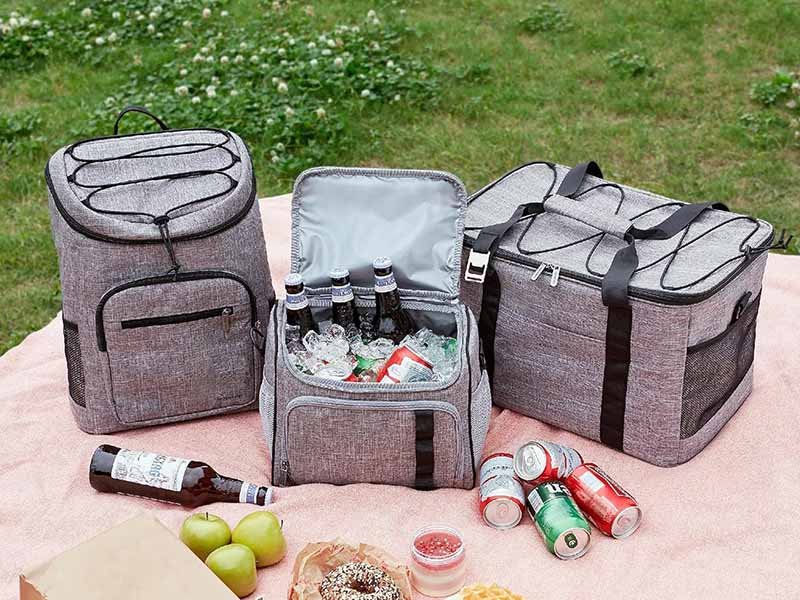
A cooler bag often looks simple—soft walls, a zipper, maybe a shoulder strap—but its role in daily life has expanded far beyond casual picnics. As people shop more frequently for fresh food, travel with temperature-sensitive items, and demand convenience without bulky equipment, cooler bags have quietly become a practical necessity rather than an optional accessory.
Unlike traditional hard coolers, cooler bags are designed for mobility, flexibility, and everyday use. They fit into car trunks, office routines, grocery trips, outdoor activities, and even medical transport scenarios. Yet many users still underestimate what cooler bags are actually built to do—and just as importantly, what they are not designed for.
Some assume cooler bags are only for short trips. Others expect them to perform like heavy-duty ice chests. Both assumptions miss the real value of a well-designed insulated cooler bag. Performance depends on insulation materials, internal construction, usage conditions, and how the bag is paired with ice packs or cold contents.
Understanding what a cooler bag is used for—and how it performs in real conditions—helps users choose the right solution instead of overpaying or under-preparing.
In this guide, we break down cooler bags from a practical, real-world perspective. You’ll learn their core purpose, how people actually use them day to day, how long they keep items cold, how they compare to hard coolers, and how to choose the right type for personal or branded use. Whether you’re a consumer, a retailer, or a brand considering custom cooler bags, this article answers the questions that matter.
A cooler bag is used to keep food, drinks, or temperature-sensitive items cool for short to medium periods while remaining lightweight and portable. It’s commonly used for grocery shopping, travel, picnics, work lunches, and outdoor activities. Unlike hard coolers, cooler bags focus on convenience and flexibility, using insulated linings and soft structures to slow heat transfer rather than fully freeze contents.
What Is a Cooler Bag

A cooler bag is a portable, insulated bag designed to slow heat transfer and keep food, drinks, or temperature-sensitive items cold for several hours. Unlike hard coolers, cooler bags use lightweight insulation layers and reflective linings instead of rigid walls, making them easier to carry and better suited for daily use, travel, grocery shopping, and short-term outdoor activities.
What Is the Core Purpose of a Cooler Bag?
At its core, a cooler bag exists to maintain temperature stability during movement.
It is not designed to actively cool items like a refrigerator, nor to preserve ice for multiple days like a heavy-duty cooler box. Instead, a cooler bag fills a very practical gap: protecting cold items from warming too quickly when refrigeration is temporarily unavailable.
Typical situations include grocery shopping, commuting with lunch, transporting drinks, traveling by car, picnics, or short outdoor events. In all of these scenarios, the goal is not extreme cold—but controlled delay of heat exposure. A well-designed cooler bag gives users flexibility and time, which is often all that’s needed.
This is why cooler bags have become everyday tools rather than occasional accessories.
How Is a Cooler Bag Constructed? (Key Structural Layers)
A functional cooler bag relies on layered construction, not a single material. Most quality cooler bags include:
- Outer fabric layer Provides durability, abrasion resistance, and visual appearance. Common materials include polyester Oxford, nylon, or TPU-coated fabrics.
- Thermal insulation layer Usually made from PE foam or EPE foam. This layer slows heat conduction and is the primary factor influencing cooling duration.
- Reflective inner lining Often aluminum foil or metallized film, used to reflect radiant heat away from the contents.
- Closure system Zippers, roll-tops, or Velcro closures help reduce cold air loss when the bag is sealed properly.
The effectiveness of a cooler bag depends on how well these layers work together—not on thickness alone.
How Does a Cooler Bag Keep Items Cold? (Simple Physics, Real Use)
A cooler bag keeps items cold by slowing down heat transfer, not by generating cold.
When cold items or ice packs are placed inside, the insulation reduces:
- Heat entering from outside air
- Radiant heat from sunlight
- Temperature exchange caused by air circulation
This creates a more stable internal environment. However, every time the bag is opened, cold air escapes and warm air enters. That’s why cooler bags perform best when:
- Contents are pre-chilled
- The bag is filled efficiently
- Openings are kept minimal
Understanding this mechanism helps users set realistic expectations and use the bag more effectively.
Cooler Bag vs Insulated Tote vs Hard Cooler — Clear Differences
Many users confuse cooler bags with other storage solutions. Here’s how they differ in practice:
| Product Type | Cooling Method | Portability | Typical Use |
|---|---|---|---|
| Insulated tote | Thin insulation | High | Short grocery trips |
| Cooler bag | Multi-layer insulation | High | Daily use, travel, picnics |
| Hard cooler | Thick rigid walls + ice | Low | Multi-day outdoor use |
A cooler bag sits in the middle ground—more effective than basic insulated bags, but far more convenient than hard coolers.
What a Cooler Bag Is NOT Designed For
Clarifying limitations is just as important as explaining benefits.
A cooler bag is not:
- A replacement for long-term refrigeration
- Suitable for multi-day ice retention
- Designed for freezing warm items quickly
When used outside its intended purpose, even a high-quality cooler bag will disappoint. When used correctly, it becomes one of the most versatile temperature-control tools people own.
What Is a Cooler Bag Used For

A cooler bag is used to keep food, drinks, and temperature-sensitive items cool during short-term transport or outdoor activities. Common uses include grocery shopping, work lunches, travel, picnics, beach trips, and food delivery. Cooler bags provide thermal protection while remaining lightweight and portable, making them ideal for everyday situations where refrigeration is temporarily unavailable.
What Do People Commonly Use a Cooler Bag For in Daily Life?
In everyday life, cooler bags solve a very practical problem: how to move cold items without rushing or risking spoilage.
Many people use cooler bags for grocery shopping, especially when buying dairy products, frozen foods, seafood, or meat. Instead of worrying about traffic delays or warm weather, a cooler bag keeps items within a safer temperature range until they reach home.
Office workers often rely on cooler bags to carry prepared lunches, salads, smoothies, or protein meals. Parents use them for school outings or children’s sports activities. In warm climates, cooler bags are not seasonal—they are part of daily routines that protect food quality and safety.
How Are Cooler Bags Used for Travel, Picnics, and Outdoor Activities?
Outdoor and travel scenarios are where cooler bags show their real value.
During road trips, camping, picnics, or beach outings, access to refrigeration is limited or nonexistent. Cooler bags allow users to carry cold drinks, fruit, sandwiches, and pre-cooked meals without relying on disposable coolers or buying food repeatedly.
Compared to hard coolers, cooler bags are easier to pack, lighter to carry, and more flexible in tight spaces like car trunks or backpacks. They are especially popular for day-use activities where cooling is needed for several hours rather than several days.
Why Are Cooler Bags Widely Used for Work Lunches and Meal Prep?
For people who bring food from home, cooler bags offer both convenience and control.
Prepared meals, dairy-based dishes, and fresh salads can lose quality quickly at room temperature. A cooler bag helps maintain freshness from morning until lunchtime without relying on shared refrigerators.
Meal-prep users also appreciate the predictability: once you understand how long your cooler bag keeps items cold, it becomes part of a reliable daily system rather than a one-off solution.
How Are Cooler Bags Used in Grocery Delivery and Food Transport?
Cooler bags play an increasingly important role in short-distance food logistics.
Local food brands, meal-prep companies, and grocery delivery services use insulated cooler bags to protect food quality during last-mile transport. Unlike refrigerated vehicles, cooler bags are flexible, cost-effective, and scalable.
For businesses, cooler bags also function as reusable packaging. Branded insulated bags reinforce professionalism, reduce waste, and improve customer experience. This is why many companies choose custom cooler bags instead of generic options.
Are Cooler Bags Used for Non-Food Items?
Yes. Cooler bags are also used for temperature-sensitive non-food products.
Common examples include:
- Insulin and medical supplies
- Probiotics and supplements
- Skincare and cosmetics sensitive to heat
- Baby food and formula
In these cases, cooler bags provide short-term thermal protection during commuting or travel. Users should always match the bag’s insulation level with the product’s temperature requirements.
When Is a Cooler Bag the Right Choice — and When Is It Not?
A cooler bag is the right choice when:
- Cooling is needed for a few hours
- Portability matters
- Space and weight are limited
- Reusability is preferred over disposable solutions
It is not ideal for multi-day cooling or situations requiring strict temperature control without monitoring. Understanding this boundary helps users choose smarter and avoid unrealistic expectations.
Which Items Can You Store in a Cooler Bag

A cooler bag can store food, drinks, and temperature-sensitive items that need short-term cooling. Common items include groceries, beverages, prepared meals, snacks, dairy products, meat, seafood, and certain medical or cosmetic products. Suitability depends on insulation quality, cooling duration required, and whether ice packs are used.
What Types of Food Are Best Stored in a Cooler Bag?
Food is the most common use case for cooler bags, especially items that degrade quickly at room temperature.
Typical foods stored in cooler bags include:
- Fresh meat, poultry, and seafood
- Dairy products such as milk, cheese, yogurt, and butter
- Prepared meals, salads, and meal-prep containers
- Fresh fruit that softens or spoils in heat
These foods benefit from slowed temperature increase, which helps preserve freshness, texture, and safety during transport. Cooler bags are particularly useful for grocery shopping, commuting, and short outdoor activities where refrigeration is temporarily unavailable.
Which Drinks Can You Store in a Cooler Bag?
Cooler bags are ideal for keeping beverages cold without bulky containers.
Common drinks include:
- Bottled or canned water
- Soft drinks and juices
- Energy drinks and sports beverages
- Beer, wine, and ready-to-drink cocktails
For social or outdoor use, cooler bags keep drinks at a more enjoyable temperature while remaining easy to carry. Using ice packs or frozen bottles significantly improves performance, especially in warm environments.
Can You Store Frozen or Chilled Groceries in a Cooler Bag?
Yes, but with realistic expectations.
Cooler bags are often used to transport frozen or chilled groceries—such as ice cream, frozen meals, or frozen vegetables—from the store to home. While they won’t keep items frozen for long periods, they slow thawing and reduce quality loss during short trips.
For best results:
- Place frozen items together
- Use ice packs or frozen gel packs
- Minimize air space in the bag
This makes cooler bags especially valuable for shoppers who travel longer distances or shop in warm climates.
Are Cooler Bags Suitable for Meal Prep and Work Lunches?
Yes. Cooler bags are widely used for daily meal transport.
People who prepare meals at home often store:
- Lunch boxes and bento containers
- Protein shakes and smoothies
- Yogurt, fruit, and cold snacks
A cooler bag helps maintain freshness from morning to lunchtime without relying on shared refrigerators. For daily use, compact cooler bags with moderate insulation often provide the best balance between performance and convenience.
Can Cooler Bags Be Used for Medicine and Temperature-Sensitive Products?
Cooler bags are commonly used for short-term transport of certain medical and wellness products.
Examples include:
- Insulin and diabetes supplies
- Probiotics and supplements
- Heat-sensitive skincare and cosmetics
- Baby food and formula
In these cases, users should confirm required temperature ranges and choose cooler bags with adequate insulation. Ice packs and minimal opening are critical to maintaining stability. Cooler bags are suitable for transport, not long-term medical storage.
What Items Should NOT Be Stored in a Cooler Bag?
Understanding limitations prevents misuse.
Cooler bags are not suitable for:
- Hot food meant to stay hot (unless specifically designed as thermal bags)
- Items requiring strict, monitored temperature control over long periods
- Electronics or items sensitive to condensation
A cooler bag is a temperature buffer, not a climate-controlled environment.
How Does the Type of Cooler Bag Affect What You Can Store?
Not all cooler bags are designed for the same items.
| Cooler Bag Type | Best For |
|---|---|
| Lunch cooler bag | Work meals, snacks |
| Soft cooler bag | Drinks, groceries |
| Premium insulated cooler | Outdoor food & beverages |
| Delivery-grade cooler bag | Food transport & logistics |
Matching bag design to item type improves performance and user satisfaction.
How Long Will Things Stay Cold in a Cooler Bag

Most cooler bags keep items cold for 4 to 12 hours, depending on insulation quality, ice packs used, ambient temperature, and how often the bag is opened. Light lunch cooler bags usually last 3–5 hours, while premium insulated cooler bags with proper ice packs can maintain cold temperatures for up to 10–12 hours in real-world use.
What Is the Typical Cooling Time for Different Types of Cooler Bags?
Cooling duration varies widely by design and use. Here is a realistic comparison based on common cooler bag categories:
| Cooler Bag Type | Insulation Level | Ice Packs Used | Typical Cooling Time |
|---|---|---|---|
| Basic lunch cooler | Thin | 1 small pack | 3–5 hours |
| Standard soft cooler | Medium | 2–3 packs | 6–8 hours |
| Premium insulated cooler bag | Thick | Multiple packs | 8–12 hours |
| Delivery-grade cooler bag | High-density | Optimized layout | 10–12 hours |
These figures reflect everyday conditions, not lab tests. Real-world results depend on how the bag is packed and used.
Which Factors Have the Biggest Impact on How Long Items Stay Cold?
Several variables influence cooling time more than brand names or appearance:
- Insulation thickness and material Thicker, multi-layer insulation slows heat transfer more effectively.
- Number and size of ice packs Ice packs are essential. Without them, cooling time drops sharply.
- Starting temperature of contents Pre-chilled items stay cold much longer than warm ones.
- Ambient temperature Heat exposure shortens cooling time significantly.
- Bag opening frequency Each opening allows cold air to escape and warm air to enter.
Understanding these factors helps users adjust expectations and improve performance.
How Does Packing Method Affect Cooling Duration?
How you pack a cooler bag matters almost as much as the bag itself.
Best practices include:
- Filling the bag as fully as possible
- Placing ice packs on top and around items
- Keeping cold items grouped together
- Minimizing empty air space
A half-empty cooler bag warms faster because air circulates more freely. Proper packing can extend cooling time by several hours without changing the bag.
Does a Cooler Bag Stay Cold Longer Than an Insulated Tote?
Yes—when properly designed.
While insulated totes provide minimal thermal protection, cooler bags use thicker foam and reflective linings. This difference often doubles effective cooling time.
| Bag Type | Average Cooling Time |
|---|---|
| Insulated tote | 2–4 hours |
| Standard cooler bag | 6–8 hours |
| Premium cooler bag | 8–12 hours |
This makes cooler bags a better choice for food safety and outdoor use.
Can a Cooler Bag Keep Items Cold Without Ice Packs?
Only for a short time.
Without ice packs, cooler bags rely solely on insulation, which slows warming but does not maintain low temperatures for long. Expect 1–3 hours of cooling in mild conditions.
For any use beyond quick transport, ice packs or frozen bottles are strongly recommended.
How Long Will a Cooler Bag Stay Cold in Hot Weather?
High ambient temperatures significantly reduce cooling time.
In environments above 30°C (86°F), cooling duration can drop by 30–50% if the bag is exposed to direct sunlight or frequently opened. Using reflective outer materials, shading the bag, and increasing ice pack quantity can partially offset this effect.
This is why cooler bags intended for outdoor or delivery use often feature upgraded insulation and heat-resistant outer fabrics.
Why Published Cooling Claims Can Be Misleading
Many advertised cooling times are based on controlled tests with:
- No bag openings
- Stable room temperatures
- Fully packed ice
Real life is less forgiving. Reliable cooler bags focus on predictable, honest performance, not exaggerated numbers. Manufacturers like Lovrix design cooler bags based on real usage scenarios rather than extreme lab conditions.
Are Cooler Bags as Good as Coolers

Cooler bags are not as cold-retentive as hard coolers, but they are often better for everyday use. Hard coolers excel at multi-day ice retention, while cooler bags focus on portability, flexibility, and convenience. For short trips, daily activities, and situations where mobility matters, a cooler bag is usually the more practical choice.
What Is the Real Difference Between a Cooler Bag and a Hard Cooler?
The difference is not just shape—it’s design philosophy.
Hard coolers are built with rigid plastic walls and thick insulation to maximize ice retention. Cooler bags use flexible insulation layers to balance cooling performance with portability.
| Feature | Cooler Bag | Hard Cooler |
|---|---|---|
| Ice retention | Short–medium | Long-term |
| Weight | Lightweight | Heavy |
| Portability | High | Low |
| Storage | Foldable | Rigid |
| Daily convenience | High | Low |
Neither is universally “better.” Each is optimized for different priorities.
Is a Cooler Bag as Good as a Cooler for Keeping Things Cold?
If “as good” means keeping ice frozen for days, then no.
Hard coolers can retain ice for 24–72 hours or more. Cooler bags typically maintain cold temperatures for 4–12 hours, depending on insulation and use.
However, many users don’t actually need multi-day cooling. For grocery shopping, lunch, picnics, or a day trip, the extra performance of a hard cooler often goes unused—while its bulk becomes a disadvantage.
When Is a Cooler Bag the Better Choice Than a Hard Cooler?
Cooler bags are often the better option when:
- Cooling is needed for less than one day
- The bag must be carried by hand or shoulder
- Space is limited (car, office, public transport)
- Weight matters
- Reusability and branding are important
In these situations, a cooler bag delivers sufficient performance with much greater convenience.
When Is a Hard Cooler the Better Choice?
Hard coolers make more sense when:
- Ice must last multiple days
- Items are stored outdoors for extended periods
- Heavy loads or rough handling are expected
- Cooling performance outweighs portability
For camping, fishing, or multi-day outdoor events, a hard cooler is often the correct tool.
Are Premium Cooler Bags Close to Hard Coolers in Performance?
High-quality cooler bags with thick insulation and proper ice packs can narrow the performance gap—but they don’t eliminate it.
Premium soft coolers may keep contents cold for 10–12 hours, sometimes longer under ideal conditions. They are excellent for day use but still not designed for multi-day ice retention.
The key advantage of premium cooler bags is not competing with hard coolers—it’s offering near-maximum convenience with predictable performance.
Why Many People Choose Cooler Bags Even When Hard Coolers Exist
People don’t always choose the strongest option—they choose the most practical one.
Cooler bags:
- Are easier to store at home
- Fit into daily routines
- Weigh less
- Adapt to different situations
- Look less industrial
This explains why cooler bags are more common in everyday life, even though hard coolers technically perform better in extreme scenarios.
How This Comparison Matters for Buyers and Brands
For users, understanding this difference prevents overbuying and disappointment.
For brands and retailers, it defines product positioning and customer expectations.
Manufacturers like Lovrix design cooler bags to perform reliably within realistic use cases rather than competing with hard coolers on exaggerated claims. The goal is trustworthy performance, not marketing numbers.
Quick Decision Guide
| Your Need | Better Choice |
|---|---|
| Grocery shopping | Cooler bag |
| Daily work lunch | Cooler bag |
| Picnic or beach day | Cooler bag |
| Multi-day camping | Hard cooler |
| Food delivery | Cooler bag |
| Fishing trip | Hard cooler |
How to Choose the Right Cooler Bag
Choose a cooler bag by matching it to your use case: required cooling time, capacity, portability, and cleaning needs. Look for multi-layer insulation, a leak-resistant liner, strong zippers/handles, and the right size for how you pack. For brand or retail programs, custom cooler bags improve fit, durability, and branding consistency while controlling cost and quality.
What Use Case Are You Buying For? (Start Here First)
Most “wrong purchases” happen because people choose by looks or size, not by scenario.
Ask these quick questions:
- Is it for work lunches (3–5 hours) or day trips (6–12 hours)?
- Will it be carried by hand, shoulder, or kept in a car?
- Will it hold drinks only, meals, or mixed groceries?
- Does it need to handle heat, sand, rain, or spills?
A lunch cooler can be small and simple. A picnic or beach cooler needs better insulation and easier cleaning. A delivery-use bag needs reinforced seams and wipe-clean interiors. When the use case is clear, every other decision becomes easier—and you avoid paying for features you won’t use.
What Size and Capacity Should You Choose?
Bigger is not always better. A cooler bag cools more efficiently when it’s packed well and has less empty air space.
Use a simple capacity rule:
- 4–8L: work lunch + snack + small drink
- 10–20L: day trip for 1–2 people (drinks + light food)
- 20–35L: family picnic, beach day, group drinks
- 35L+: events, bulk groceries, delivery routes (often specialized)
Also consider internal shape. A bag that fits “2 tall bottles upright” may be more useful than one that is technically larger but awkward. If you often pack containers, measure the footprint of your meal boxes before choosing.
Which Materials Improve Insulation and Durability?
This is where performance is won or lost.
A strong cooler bag usually includes:
- Insulation layer (EPE/PE foam): thickness influences cooling duration
- Inner liner: should be waterproof, leak-resistant, and odor-resistant
- Outer fabric: Oxford polyester/nylon for abrasion resistance; coated options for weather resistance
- Stitching and seam finishing: reinforced stress points prevent handle failure
If the bag will be used frequently, check the “failure zones” first: zipper track, handle anchors, corners, and base. These areas take the most stress—especially when packed with bottles or ice packs. For frequent outdoor use, a wipe-clean liner matters more than many people expect.
What Closure and Leak Control Features Actually Matter?
Users often focus on insulation and forget closure quality, but closure controls cold-air loss.
Look for:
- Smooth, durable zipper that closes fully without gaps
- A zipper flap or tight seam design that reduces warm air exchange
- Leak-resistant liner (important if ice melts or drinks sweat)
- A structured base to reduce tipping and internal shifting
If you’ll use ice packs, minor condensation is normal. If you plan to use loose ice, leak control becomes critical—and the bag should have a liner designed for it. In many real-life cases, ice packs are a cleaner and safer approach than loose ice.
How Do You Choose a Cooler Bag for Branding, Retail, or Bulk Programs?
If the goal is resale, promotions, or private label, the “right” cooler bag must satisfy end-user experience + manufacturing consistency.
A good program-ready cooler bag should have:
- Stable materials and color consistency
- Repeatable construction (same insulation density, same liner spec)
- Durable branding methods (heat transfer, patch, embroidery, screen print)
- Packaging compatibility and quality control checkpoints
This is where custom development pays off. Instead of adapting to whatever is available, brands can specify size, insulation level, liner grade, and reinforcement based on how customers use the product.
Lovrix supports custom cooler bag projects through integrated fabric and webbing development plus bag manufacturing lines—useful when a project needs both performance and cost control at scale.
Conclusion
A cooler bag is only effective when its design matches how people actually use it. From insulation structure to size, materials, and branding, the details matter more than most realize.
Lovrix is a China-based manufacturing group with over 19 years of experience in fabric, webbing, and bag development. With dedicated fabric factories, webbing factories, and bag production lines, Lovrix supports custom, private label, and OEM/ODM cooler bag projects for global brands and e-commerce sellers.
Whether you’re developing a new cooler bag or improving an existing one, sharing your use case, target market, and performance expectations is the fastest way to get meaningful feedback—not generic quotes.
Contact Lovrix to discuss your custom cooler bag project and request samples.
The right design starts with the right conversation.