 Skip to content
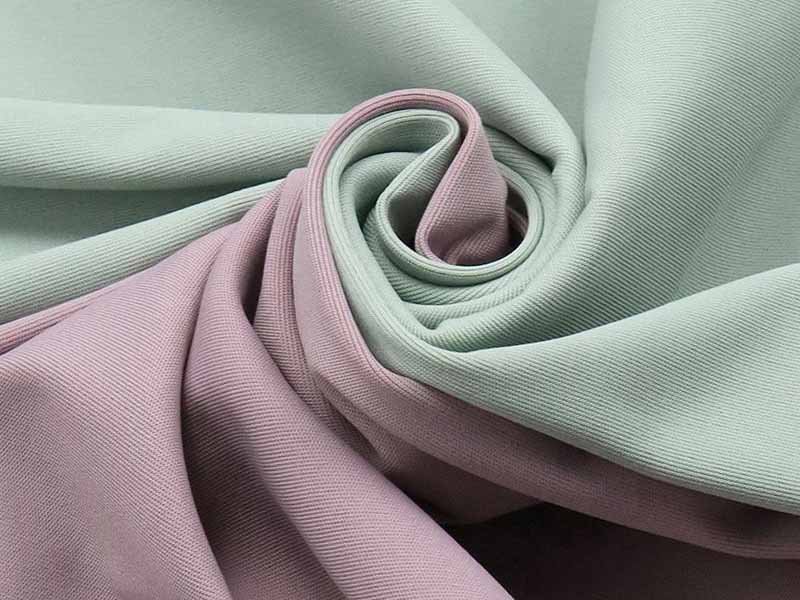
Blended fabric quietly shapes the modern textile world. From everyday T-shirts and sportswear to travel bags and upholstery, most products people use are no longer made from a single fiber. Instead, manufacturers combine natural and synthetic fibers to create materials that feel softer, last longer, resist wrinkles, and cost less to produce at scale. This shift is not just about comfort—it reflects decades of textile engineering focused on performance, sustainability, and commercial efficiency.
Blended fabric is a textile made by combining two or more different fibers—such as cotton and polyester—into a single yarn or fabric structure to improve durability, comfort, stretch, moisture control, or cost efficiency compared with single-fiber materials.
This approach allows brands to balance natural feel with technical performance, making blended textiles one of the most widely used materials in global apparel, bags, and home products.
Many product developers first encounter blended fabrics when a sample behaves “better than expected”—a cotton shirt that barely wrinkles, or a lightweight bag fabric that feels soft yet extremely strong. Behind that small surprise lies an entire supply chain of fiber science, spinning technology, and manufacturing expertise. Understanding how blended fabric works is the first step toward choosing the right material for your next product.
What Does Blended Fabric Mean?

Blended fabric means two or more fiber types are intentionally combined (in the yarn stage or fabric stage) to reach a target performance package—comfort + strength, softness + easy care, stretch + recovery, or warmth + durability—often while controlling cost and improving consistency for bulk production.
How Is Blended Fabric Different from Pure Fabric?
Pure fabrics are straightforward: 100% cotton behaves like cotton, 100% polyester behaves like polyester. That sounds simple—until your product needs multiple outcomes at once (soft feel, fewer wrinkles, stable sizing, durable seams, fast drying, repeatable color). Pure fibers tend to be “excellent in one direction, weak in another.”
Blends solve that by sharing the workload between fibers. For example, cotton contributes breathability and skin comfort, while polyester contributes abrasion resistance and shape retention. In bags and accessories, a cotton-rich blend can keep a premium hand feel, while a synthetic component improves tear strength and reduces edge fraying.
Practical difference you’ll notice in production:
- Returns & complaints: Pure fabrics often fail in care behavior (shrink/wrinkle). Blends reduce those risk points.
- Consistency across lots: Blends can be engineered for tighter tolerances when the same spec must repeat over months.
- Pattern stability: In cut-and-sew products, blends often cut cleaner and distort less during stitching.
Quick comparison table
| Feature that affects customer satisfaction | 100% Cotton | 65/35 Poly-Cotton Blend | 100% Polyester |
|---|---|---|---|
| Wrinkle visibility after wear | High | Medium–Low | Low |
| Drying speed after wash | Slow | Medium | Fast |
| Abrasion resistance (bags/uniforms) | Medium | High | High |
| Soft natural hand feel | High | Medium | Low–Medium |
| Risk of shrink complaints | Medium–High | Low–Medium | Low |
Why Do Manufacturers Create Blended Fabric?
Manufacturers blend fibers for one reason: to hit performance targets that the market expects at a price point that works. Today, customers want products that feel good, last longer, and require less effort to maintain. Blending is one of the most reliable ways to deliver that.
In real factory terms, blending is about controlling:
- Wear performance (abrasion, pilling, seam slippage, tear strength)
- Care performance (shrinkage, wrinkles, drying time, color retention)
- Production performance (yield, stability during cutting/sewing, repeatability across orders)
For brands and e-commerce sellers, blends also help reduce “hidden costs”:
- fewer size/fit complaints caused by shrinkage
- fewer “looks cheap after washing” reviews caused by pilling or deformation
- fewer damaged goods caused by weak fabric strength or unstable finishing
Common blend “goals” and the fiber choices behind them:
| Goal | What you add | What it improves |
|---|---|---|
| Reduce wrinkles | Polyester | Shape retention, smooth appearance |
| Add stretch | Spandex/Elastane (2–8%) | Fit comfort, recovery |
| Improve softness without cost spike | Rayon/Viscose | Drape, hand feel |
| Increase strength for bags | Nylon / High-tenacity polyester | Tear strength, abrasion |
| Add warmth but reduce shrink risk | Polyester / Nylon in wool blends | Stability, durability |
How Do Blend Ratios Affect Fabric Performance?
Blend ratio is not a decoration—it’s a control knob. Shifting polyester from 35% to 50% can noticeably change wrinkle behavior and drying speed. Adding just 3–5% spandex changes how a garment fits and how quickly it “bounces back.” For bag fabrics, increasing synthetic content often increases abrasion resistance and seam stability.
Below is a practical “what changes when ratio changes” view you can use when choosing specs:
| Blend change | What usually improves | What may decrease |
|---|---|---|
| More polyester in cotton blend | Wrinkle resistance, faster dry, durability | Breathability, natural touch |
| More cotton in polycotton | Softness, breathability | Wrinkle resistance, dry speed |
| Add 2–5% spandex | Stretch comfort, fit recovery | Heat sensitivity, cost, some pilling risk |
| Add rayon/viscose | Soft drape, smooth feel | Wet strength, durability if overused |
| Add nylon to wool | Abrasion resistance, longer life | Pure wool “heritage” feel |
Decision tip used in product development:
- If the product is worn close to skin and marketed as comfort-first, keep natural fiber ≥50% unless performance needs are extreme.
- If the product is used outdoors, for workwear, or for bags, prioritize abrasion and stability, often requiring higher synthetic share.
Why Is Blended Fabric Used?
Blended fabric is used because it helps products feel comfortable while staying stable, durable, and easy to care for. It reduces common problems like wrinkling, shape loss, slow drying, and inconsistent performance across production lots—especially important for brands producing repeat orders.
What Benefits Does Blended Fabric Provide?
Think of blended fabric benefits in “customer outcome” terms, not technical jargon. People don’t buy “polyester,” they buy “doesn’t look messy,” “doesn’t shrink,” “doesn’t smell,” “doesn’t fall apart.” Blends support those outcomes.
Key benefits that directly reduce complaints and returns:
- Lower wrinkle visibility (especially for shirts, uniforms, travel wear)
- Better size stability (less shrink, less distortion)
- Higher durability (abrasion + tear resistance)
- Faster drying (great for summer wear, sports, travel)
- More predictable production (stable cutting and sewing)
Where blends win hard in real usage:
| Product | Common customer pain point | How blends help |
|---|---|---|
| T-shirts & polos | Shrink + wrinkles | Poly-cotton improves stability |
| Activewear | Sweat + shape loss | Polyester + spandex handles moisture + recovery |
| Tote bags | Fraying + tearing | Stronger yarn mix increases tear resistance |
| Luggage linings | Abrasion + pilling | Polyester blends extend life |
| Workwear | Frequent washing | Blends hold shape and color longer |
Is Blended Fabric Good for Summer?
Yes—if you choose the right blend for heat, not just the cheapest blend. For summer, the fabric must manage three things: airflow, sweat, and drying speed. That’s why many hot-weather fabrics combine a breathable fiber (cotton/rayon/linen) with a fast-drying fiber (polyester) and sometimes a small stretch component.
Summer-friendly blend rules:
- Keep cotton/rayon/linen ≥50% if breathability is the selling point
- Add polyester to reduce drying time and prevent sagging
- Add 2–4% spandex when fit comfort matters (tees, tops, casual pants)
Blend examples that work well in heat:
- Cotton + polyester for daily wear (less wrinkle, quicker dry)
- Rayon + polyester for soft drape and comfort
- Linen + cotton to keep the breathable “cool touch” while improving stability
Quick selection table:
| Summer need | Good blended fabric direction | Why it works |
|---|---|---|
| “Feels cool” | Linen + cotton | Breathable, less stiff than pure linen |
| “Dries fast” | Cotton + polyester | Polyester speeds moisture evaporation |
| “Moves well” | Cotton + spandex | Stretch improves comfort without heavy weight |
| “Soft & flowy” | Rayon + polyester | Rayon adds drape, polyester adds stability |
Is Blended Fabric Good for Winter?
Yes—winter is where blending becomes especially useful because warmth alone isn’t enough. Winter fabrics must keep heat and avoid shrink and deformation when washed. That’s why many warm textiles are not pure wool; they are wool blends or brushed blends designed to be stable.
Common winter blend logic:
- Wool adds warmth; polyester/nylon adds durability and reduces shrink risk
- Brushed cotton blends trap air for insulation while improving care behavior
- Fleece blends (often polyester-based) provide warmth with fast drying
Winter blend examples:
- Wool + nylon for knitwear that lasts longer and pills less
- Wool + polyester for cost control and wash stability
- Cotton blends with brushed finishes for warm casualwear
Winter performance checkpoints:
- warmth retention (structure + finish matters)
- pilling resistance (important for sweaters and outer layers)
- shrink control (critical for sizing consistency)
When Is Blended Fabric Better Than Single-Fiber Fabric?
Blends are usually better when your product must balance competing demands, like “soft but tough” or “warm but washable.” If your product has a clear single requirement (e.g., luxury feel for a scarf), a pure fiber may work. But for mass-market, travel, workwear, and bags, blends often reduce risk.
Blended fabric is often the smarter choice when you need:
- repeatable bulk quality
- stable sizing after washing
- stronger performance for daily wear
- lower maintenance for the end user
- better cost-to-performance ratio
If your goal is fewer complaints, fewer returns, and more consistent reviews, blends give you more levers to control outcomes.
Which Blended Fabric Types Are Common?
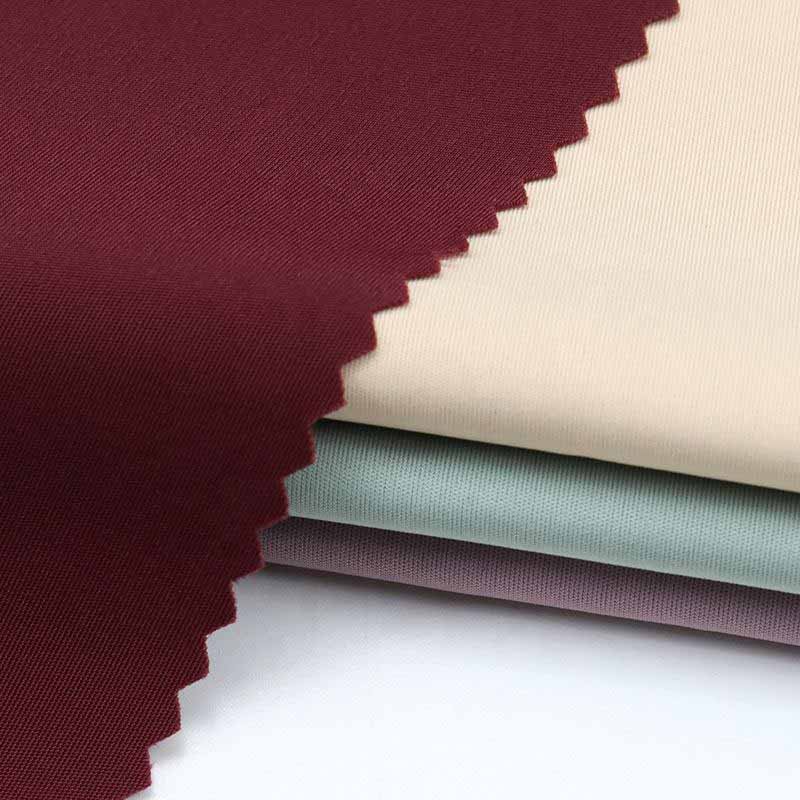
Common blended fabrics include cotton-polyester blends, stretch blends with spandex, rayon-polyester blends for softness and drape, and natural-fiber blends like wool or linen mixes that improve stability and durability.
Cotton Blended Fabric
Cotton blends are popular because they keep a familiar “natural” touch while improving everyday usability. In apparel, cotton blends reduce wrinkling and help garments hold their shape. In bags, cotton blends can make canvas-style materials stronger and less prone to deformation.
Where cotton blends shine:
- polos, tees, casual shirts
- light jackets and uniforms
- tote bags and casual backpacks
Why brands like cotton blends for repeat orders:
They provide a stable middle ground between premium feel and reliable performance. If you aim for consistent user experience across production batches, cotton blends are often easier to control than pure natural fibers.
Polyester Blended Fabric
Polyester blends are workhorses. They perform strongly in situations where abrasion, repeated washing, and color stability matter. For bags and travel products, polyester blends are commonly chosen for their strength-to-weight ratio.
Good use cases:
- uniforms, workwear, school wear
- luggage linings, organizers
- outdoor and daily-use bags
Key advantages that matter to end users:
- fabric stays “presentable” longer
- less wrinkling and faster drying
- better resistance to rubbing and scuffing
Stretch Blended Fabric
Stretch blends are about fit and comfort, but the hidden value is recovery—how well the fabric returns to shape after pulling. This is crucial for activewear and fitted casualwear, and it can also matter in bag components like flexible panels or straps that must feel comfortable.
Common stretch blend setups:
- polyester + spandex for sportswear
- cotton + spandex for comfort tees and pants
- nylon + spandex for high-performance compression and swim
Practical note: even small spandex content changes cutting, sewing tension, and size grading—so getting the right percentage early saves sampling time.
Natural Fiber Blended Fabric
Natural fiber blends are often used to keep a premium look and feel while fixing common weaknesses:
- Linen wrinkles easily → blend with cotton to improve stability
- Wool may shrink/pill → blend with nylon/polyester to improve durability
- Rayon feels luxurious but can be weak when wet → blend to strengthen and stabilize
These blends are common in:
- premium casualwear
- lifestyle textiles
- brand collections that want a “natural story” but still need commercial performance
How Is Blended Fabric Made?

Blended fabric is produced by combining different fibers during spinning, yarn formation, or fabric construction so the final textile delivers balanced comfort, strength, stability, and care performance. The exact blending stage determines how uniform the fabric behaves, how stable bulk production will be, and how predictable quality remains across repeat orders.
How Are Fibers Mixed in Blended Fabric Production?
Fiber blending usually begins before spinning, when loose staple fibers are opened, cleaned, and mechanically mixed to distribute each component evenly. This stage is critical because uneven distribution leads to streaky dyeing, inconsistent strength, or unstable shrinkage in finished products.
Factories typically control three technical checkpoints:
- Blend uniformity – measured by fiber distribution sampling
- Moisture balance – affects spinning tension and yarn strength
- Contamination control – prevents defects visible after dyeing
If blending is done correctly at this early stage, downstream processes such as weaving, knitting, dyeing, and finishing become far more stable.
Common fiber-stage blending examples:
| Blend | Reason for fiber-stage mixing |
|---|---|
| Cotton + polyester | Ensures even softness and strength |
| Wool + nylon | Stabilizes durability across yarn length |
| Recycled fiber + virgin fiber | Maintains strength while lowering cost |
Early blending is widely used in apparel fabrics and knitwear, where comfort consistency matters.
What Is the Difference Between Yarn Blending and Fabric Blending?
Not all blends are mixed at the fiber stage. Some are combined later, which changes performance and cost.
Yarn blending
Different fibers are spun into separate yarns and then twisted or plied together.
- Produces clearer visual texture
- Allows flexible ratio control
- Often used in decorative or premium textiles
Fabric blending (structural blending)
Different yarn types are woven or knitted together in the same fabric.
- Enables functional zoning (strength vs softness areas)
- Common in workwear, upholstery, and technical textiles
- Can reduce cost while maintaining performance where needed
Comparison table:
| Blending method | Uniform feel | Visual texture | Cost control | Common use |
|---|---|---|---|---|
| Fiber blend | Very high | Low | Medium | T-shirts, basics |
| Yarn blend | Medium | Medium–High | Medium | fashion textiles |
| Fabric blend | Zoned | High | High | workwear, bags |
Choosing the right method depends on product positioning, price target, and durability expectations.
How Do Weaving and Knitting Affect Blended Fabric Quality?
Even with the same fiber ratio, fabric structure changes performance dramatically.
Knitted blends
- Softer stretch and comfort
- Higher breathability
- Lower abrasion resistance
- Ideal for apparel and activewear
Woven blends
- Strong dimensional stability
- Higher tear strength
- Better for bags, uniforms, outerwear
Performance comparison:
| Structure | Stretch | Strength | Shape stability | Best for |
|---|---|---|---|---|
| Knit blend | High | Medium | Medium | clothing |
| Woven blend | Low | High | High | bags, workwear |
For product developers, this means blend ratio alone is not enough—structure must match real-world use.
Is Blended Fabric Good?
Blended fabric is generally a strong choice because it balances comfort, durability, care performance, and cost, but the outcome depends heavily on fiber ratio, construction quality, and finishing control. A well-engineered blend improves product lifespan and user satisfaction, while a poorly designed blend can create pilling, heat sensitivity, or recycling challenges.
What Are the Advantages of Blended Fabric?
Blended textiles dominate global production for clear reasons tied directly to customer experience and long-term value.
Key measurable advantages:
- Longer wear life Many poly-cotton fabrics withstand 2–3× more wash cycles before visible thinning compared with pure cotton.
- Improved dimensional stability Reduced shrinkage keeps garment sizing consistent across retail batches.
- Lower maintenance effort Wrinkle resistance and faster drying reduce ironing and care time.
- Better strength-to-weight ratio Especially important for travel bags and outdoor gear.
Customer-impact table:
| Customer concern | How blending helps |
|---|---|
| “Shrank after washing” | Synthetic fibers stabilize size |
| “Looks messy quickly” | Wrinkle resistance improves appearance |
| “Bag tore at seams” | Stronger yarn mix increases durability |
| “Takes too long to dry” | Polyester accelerates moisture release |
These are not abstract benefits—they directly influence reviews, returns, and repeat purchases.
What Are the Disadvantages of Blended Fabrics?
Blended fabrics are not perfect. Understanding limitations early helps prevent product mismatch and after-sales problems.
Common drawbacks:
- Reduced recyclability Mixed fibers are harder to separate in recycling systems.
- Heat sensitivity Synthetic components can deform under high ironing or drying temperatures.
- Possible pilling Some blends form surface fuzz if fiber strength balance is poor.
- Breathability trade-offs High polyester content may trap heat if not engineered for airflow.
Risk overview:
| Issue | When it appears | How to reduce risk |
|---|---|---|
| Pilling | Low-quality spinning | Use longer staple fibers |
| Heat damage | High dryer temperature | Provide care labeling |
| Low airflow | High synthetic ratio | Adjust weave or fiber mix |
| Recycling limits | Mixed composition | Use mono-material where required |
For responsible product planning, the goal is not avoiding blends, but choosing the right blend for the right use.
How Does Blended Fabric Compare to 100% Natural or Synthetic Fabric?
Each material direction has strengths. The correct choice depends on use environment, expected lifespan, and price positioning.
| Fabric type | Comfort | Durability | Care ease | Cost stability |
|---|---|---|---|---|
| 100% natural | High | Medium | Low | Variable |
| 100% synthetic | Medium | High | High | Stable |
| Blended | Balanced | High | Medium–High | Stable |
Blended fabric often becomes the most commercially practical solution, especially for scaled production.
How to Choose the Right Blended Fabric?

Choosing the right blended fabric is not about picking the most popular fiber mix.
It is about matching real product use, customer expectations, durability targets, and price positioning to a fabric structure that will perform consistently in mass production and long-term use.
Many product failures in apparel, bags, and home textiles do not come from poor design—they come from incorrect material selection at the beginning.
Shrinkage complaints, fabric tearing, fading, deformation after washing, and uncomfortable wear are often traced back to an unsuitable blend ratio or construction choice.
A structured decision process helps brands avoid these risks and reduce costly returns.
Which Factors Matter Most When Selecting Blended Fabric?
Five measurable factors should guide fabric selection before sampling even begins:
1. End-use stress level
Different products place very different stress on fabric.
| Product type | Main stress on fabric | Fabric priority |
|---|---|---|
| T-shirts / casualwear | Repeated washing, skin comfort | Softness + shrink control |
| Activewear | Stretch, sweat, movement | Elastic recovery + moisture control |
| Tote bags / backpacks | Weight load, abrasion | Tear strength + shape stability |
| Upholstery / home textiles | Long-term friction, sunlight | Abrasion resistance + colorfastness |
Ignoring stress level is one of the most common sourcing mistakes.
2. Washing frequency and care behavior
Products washed every few days must survive dozens of laundering cycles without losing size or appearance.
| Wash frequency | Recommended blend direction |
|---|---|
| Daily / weekly | Polyester or nylon blended for stability |
| Occasional | Cotton-rich blends acceptable |
| Dry-clean only | Higher natural fiber allowed |
Testing for 50–100 wash cycles is standard for commercial apparel durability.
3. Climate and temperature exposure
Fabric must match the environment where customers actually use the product.
| Climate | Better blend strategy |
|---|---|
| Hot & humid | Cotton / rayon + polyester for airflow and drying |
| Cold weather | Wool blends or brushed synthetic blends for insulation |
| Outdoor UV exposure | Solution-dyed polyester or nylon blends |
Climate mismatch often leads to comfort complaints rather than visible defects.
4. Target retail price and margin structure
Fiber composition strongly affects total product cost.
| Fiber direction | Cost impact | Typical positioning |
|---|---|---|
| High natural fiber | Higher, less stable | Premium / lifestyle |
| Balanced blend | Moderate, stable | Mass market |
| High synthetic | Lower, predictable | Workwear / utility |
A balanced blend usually delivers the best cost-to-performance ratio for scalable brands.
5. Brand positioning and customer expectation
Material choice must align with what customers believe they are buying.
- “Natural comfort” → cotton-rich or linen blends
- “Performance sports” → polyester + spandex
- “Durable travel gear” → nylon or high-tenacity polyester blends
Mismatch between marketing message and fabric reality quickly damages trust.
How Do End Uses Change Blended Fabric Selection?
Each product category follows its own material logic.
Using the same blend across different categories rarely works.
Apparel selection logic
| Garment type | Practical blend choice | Reason |
|---|---|---|
| Everyday T-shirt | 60/40 cotton-poly | Comfort + wrinkle control |
| Hoodie / fleece | Cotton-poly brushed knit | Warmth + durability |
| Leggings / sportswear | Poly-spandex (10–25% stretch) | Recovery + sweat control |
| Summer dress | Rayon-poly or linen-cotton | Drape + breathability |
Even small ratio changes can shift fit, drape, and washing behavior.
Bag and luggage selection logic
| Bag category | Recommended fabric direction | Key performance need |
|---|---|---|
| Canvas tote | Cotton-poly canvas | Tear resistance + structure |
| Travel backpack | Polyester or nylon blend | Abrasion + load strength |
| Cosmetic pouch | Polyester blend lining | Moisture resistance |
| Outdoor gear bag | High-denier nylon blend | Extreme durability |
For bags, strength and abrasion resistance usually matter more than softness.
Home textile selection logic
| Product | Blend priority | Reason |
|---|---|---|
| Bedding | Cotton-poly | Softness + wash durability |
| Curtains | Polyester blends | UV resistance + shape |
| Sofa upholstery | Polyester / acrylic blends | Long abrasion life |
Home products must survive years of friction and sunlight, not just comfort tests.
Can Blended Fabric Be Customized for Brands?
Yes—and this is where experienced manufacturers create real value.
Modern textile production allows brands to control far more than fiber percentage.
Key customization parameters
1. Fiber ratio engineering
Adjusting ratios by even 5–10% can change:
- shrinkage rate
- wrinkle resistance
- tensile strength
- drying speed
2. Yarn thickness and density
Higher yarn density increases:
- abrasion resistance
- structure stability
- perceived product quality
But it also affects weight and cost, so balance is required.
3. Fabric construction and finishing
Finishing treatments can add:
| Finish type | Functional result |
|---|---|
| Water-repellent coating | Outdoor protection |
| Anti-pilling finish | Longer visual lifespan |
| Enzyme wash | Softer hand feel |
| Heat setting | Reduced shrinkage |
These processes often influence customer satisfaction more than fiber name alone.
4. Colorfastness and compliance control
For global brands, fabrics must meet:
- washing fastness standards
- rubbing fastness levels
- chemical safety regulations
Failing compliance can block entire shipments, making quality control as important as design.
Practical Decision Framework for Brands
A simple three-step approach helps avoid common sourcing mistakes:
Step 1 — Define real usage
Not “fashion bag,” but daily commute bag carrying 5–8 kg.
Not “sportswear,” but high-sweat gym training 4× per week.
Specific usage leads to correct material direction.
Step 2 — Balance comfort, durability, and cost
The best fabric is rarely the most expensive or the cheapest.
It is the one that minimizes long-term problems:
- returns
- complaints
- inconsistent reorders
- negative reviews
Step 3 — Work with a manufacturer who can adjust blends
Reliable factories provide:
- rapid sampling
- small-batch testing
- stable bulk production
- repeatable quality across seasons
Without this capability, even a good fabric design may fail in scale production.
Where Is Blended Fabric Used?
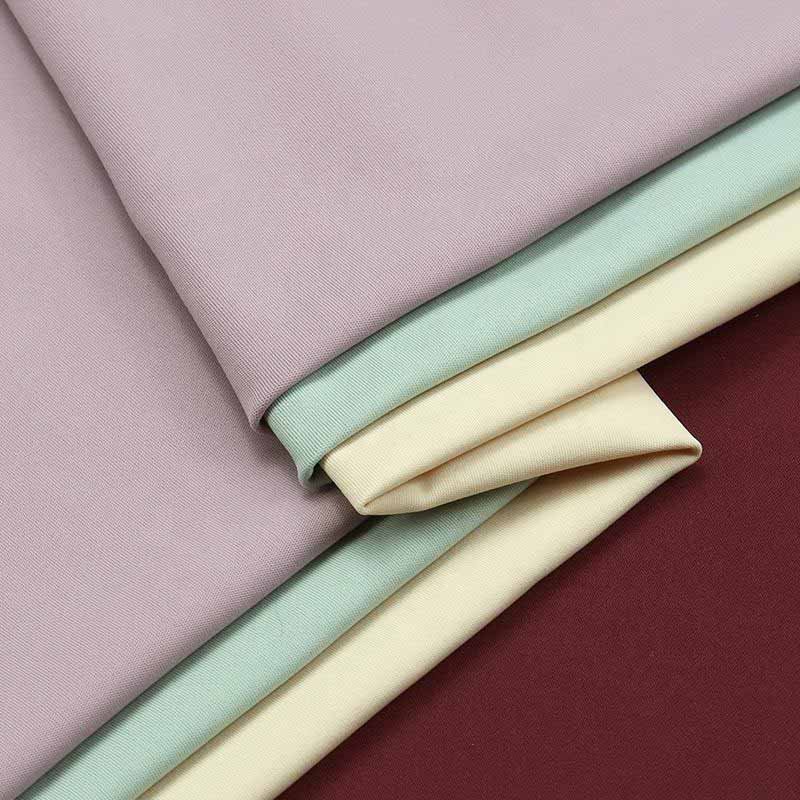
Blended fabric is used across nearly every textile category because it delivers a reliable balance of comfort, strength, stability, and cost control. From everyday clothing to high-stress travel gear, blends allow manufacturers to match material performance with real usage conditions rather than relying on a single fiber’s limitations.
Blended Fabric in Clothing
Apparel is the largest application for blended textiles. Most modern garments—T-shirts, hoodies, uniforms, sportswear, and casual pants—use blends to improve fit stability, wash durability, and wrinkle resistance.
Common clothing blend strategies:
- Cotton + polyester → everyday comfort with easier care
- Polyester + spandex → stretch and moisture control for activewear
- Rayon blends → soft drape for fashion garments
- Wool blends → warmth with reduced shrink risk
Performance expectations in clothing production:
| Requirement | Why blends are used |
|---|---|
| Repeated washing | Maintain size and color |
| Daily wear friction | Reduce thinning and tearing |
| Comfort against skin | Balance softness and airflow |
| Retail consistency | Keep sizing stable across batches |
Because clothing is worn frequently and washed often, blended fabrics help reduce returns caused by shrinkage, deformation, or early wear.
Blended Fabric in Bags and Luggage
In bags, fabric failure usually appears as tearing, seam stress, abrasion damage, or deformation after loading weight. Pure natural fibers often cannot handle these stresses alone, which is why most travel and utility bags rely on polyester, nylon, or canvas blends.
Key reasons blends dominate bag manufacturing:
- Higher tear strength for heavy loads
- Better abrasion resistance from friction during travel
- Improved moisture resistance in outdoor conditions
- Longer visual lifespan with reduced fading or fuzzing
Durability comparison for common bag materials:
| Fabric type | Tear resistance | Abrasion life | Shape retention |
|---|---|---|---|
| Pure cotton canvas | Medium | Medium | Medium |
| Cotton-poly blend canvas | High | High | High |
| Polyester blend | High | Very high | High |
| Nylon blend | Very high | Very high | High |
For brands producing tote bags, backpacks, cosmetic bags, or travel organizers, blended fabrics significantly improve customer satisfaction over time.
Blended Fabric in Home and Industrial Textiles
Beyond fashion and bags, blended fabrics are widely used in home furnishings, upholstery, curtains, bedding, and technical environments where durability and maintenance matter more than fiber purity.
Typical uses include:
- Polyester-cotton bedding for softness with wash resistance
- Upholstery blends for abrasion durability in furniture
- Curtain fabrics that resist sunlight fading
- Workwear textiles requiring strength and easy cleaning
Industrial selection priorities:
| Priority | Fabric requirement |
|---|---|
| Long service life | High abrasion resistance |
| Frequent cleaning | Dimensional stability |
| Color retention | UV-resistant fibers |
| Cost efficiency | Balanced fiber composition |
Blending allows these products to remain functional for years, reducing replacement frequency and long-term cost.
Where Is Blended Fabric Produced?
Blended fabric is produced in major textile manufacturing regions around the world, but production scale, technical capability, quality consistency, and cost efficiency vary significantly by country and supply chain maturity.
For brands sourcing blended textiles in bulk, understanding where fabrics are made helps control pricing, lead time, compliance, and long-term product stability.
Today, global blended fabric production is concentrated in Asia, with additional specialized manufacturing in Europe and the Americas for premium or technical applications.
Which Countries Produce the Most Blended Fabric?
Most of the world’s blended fabric capacity is located in countries with complete textile supply chains, including fiber production, spinning, weaving/knitting, dyeing, and finishing.
Major global production regions
| Region | Key strengths | Typical applications |
|---|---|---|
| China | Full supply chain, large capacity, stable quality, competitive cost | Apparel, bags, home textiles, technical fabrics |
| India | Strong cotton resources, competitive pricing, large workforce | Cotton blends, garments, home textiles |
| Vietnam | Fast-growing export manufacturing, good compliance for Western markets | Apparel and light textile blends |
| Bangladesh | Large garment export base, cost advantages | Basic apparel blends |
| Turkey | Flexible production, strong knitting and fashion textiles | Mid- to high-end apparel fabrics |
| Italy & EU | Premium quality, advanced finishing, design innovation | Luxury and specialty blends |
Among these regions, China remains the most comprehensive source because it combines:
- raw fiber availability
- advanced spinning and weaving technology
- large-scale dyeing and finishing capacity
- fast sampling and bulk turnaround
This integration is especially important for OEM/ODM brands that require repeatable quality across multiple production seasons.
Why Is Asia the Center of Blended Fabric Manufacturing?
Asia dominates blended fabric production due to supply chain completeness and manufacturing efficiency, not just lower labor cost.
Key structural advantages
1. Integrated raw material access
Polyester, nylon, viscose, and other fibers are produced locally at large scale, reducing:
- material shortages
- transportation delays
- price volatility
2. Mature spinning and dyeing infrastructure
Blended fabrics require precise ratio control and stable finishing, which depend on:
- automated blending systems
- consistent dye chemistry
- controlled heat-setting equipment
Regions lacking these systems often struggle with color variation, shrinkage inconsistency, or unstable bulk quality.
3. Scalable production capacity
Large factories in Asia can move from:
- sampling → pilot batch → bulk production within short timelines, which is critical for:
- fashion season launches
- e-commerce restocking
- private label expansion
Cost and lead-time comparison by region
| Region | Relative cost | Lead time | Best suited for |
|---|---|---|---|
| China | Medium | Fast | Most blended fabric categories |
| South Asia | Low | Medium | Price-sensitive basics |
| Southeast Asia | Medium | Medium | Apparel exports |
| Europe | High | Medium–Slow | Premium or small-batch textiles |
For many global brands, sourcing strategy combines:
- Asia for scale and cost control
- Europe for premium collections or specialty finishes
What Should Brands Consider When Choosing a Production Country?
Selecting where blended fabric is produced should focus on risk control and long-term reliability, not just unit price.
Four critical sourcing factors
1. Quality consistency across batches
Inconsistent dyeing or shrinkage can cause:
- size mismatch in garments
- color variation in bags
- product returns and negative reviews
Factories with stable process control and testing systems reduce this risk.
2. Compliance with global regulations
Export textiles often must meet:
- chemical safety standards
- colorfastness requirements
- environmental regulations
Non-compliant fabric can delay or block shipments, creating major financial loss.
3. Sampling speed and communication efficiency
Fast development cycles depend on:
- quick lab-dip color matching
- rapid prototype fabric production
- clear technical communication
Slow sampling often leads to missed sales seasons.
4. Ability to support customization and scaling
As brands grow, suppliers must handle:
- changing order volumes
- new color or material variations
- repeat production with identical quality
Without scalable capability, brands face supply instability during growth.
Global Trend – Shift Toward Stable, Long-Term Manufacturing Partners
In recent years, many brands have moved away from purely price-driven sourcing and toward stable manufacturing partnerships that provide:
- predictable lead times
- consistent quality across years
- technical support for new product development
For blended fabrics—where fiber ratio, finishing, and structure must remain tightly controlled—this long-term cooperation model is especially important.
Manufacturers with deep experience in fabric engineering, dyeing control, and OEM/ODM production help brands reduce:
- return rates
- quality disputes
- production delays
while improving customer satisfaction and repeat purchasing.
How Much Does Blended Fabric Cost?
The cost of blended fabric varies widely depending on fiber composition, yarn quality, fabric construction, finishing treatment, order volume, and production region.
For most commercial textile applications, blended fabric prices typically range from $1.20 to $12.00 per meter in bulk production, with everyday apparel blends at the lower end and premium or technical blends at the higher end.
Understanding what drives these price differences helps brands avoid overpaying for unnecessary specifications or choosing fabrics that later create quality complaints, returns, or durability issues.
What Is the Typical Price Range for Common Blended Fabrics?
Different fiber combinations create very different cost structures.
Below is a realistic bulk-order reference range based on global manufacturing averages.
Average bulk pricing by blend type
| Blended fabric type | Typical bulk price (USD/meter) | Common uses |
|---|---|---|
| Cotton–polyester basic knit | $1.20 – $3.50 | T-shirts, casualwear |
| Cotton–poly woven | $2.00 – $4.50 | Shirts, uniforms, tote bags |
| Polyester–spandex stretch | $3.00 – $6.50 | Sportswear, leggings |
| Rayon–polyester blend | $3.50 – $7.50 | Dresses, fashion garments |
| Wool blended fabric | $6.00 – $12.00+ | Coats, winter wear |
| Nylon or high-tenacity blends | $4.00 – $9.00 | Backpacks, outdoor gear |
Prices rise further when adding:
- functional coatings
- recycled fibers
- specialty dyeing
- low-volume customization
Because of this, the same fiber blend can differ by more than 2–3× in price depending on specification level.
Which Factors Influence Blended Fabric Pricing the Most?
Blended fabric cost is not determined by fiber name alone.
Five core variables shape the final quotation.
1. Fiber composition and quality
| Fiber factor | Cost impact | Reason |
|---|---|---|
| Higher natural fiber content | ↑ Higher | Cotton, wool, linen cost more |
| Recycled polyester | ↑ Medium | Certification + processing cost |
| High-tenacity nylon | ↑ Higher | Stronger industrial fiber grade |
| Low-grade polyester | ↓ Lower | Reduced durability |
Fiber quality also affects long-term product performance, not just price.
2. Yarn count and fabric density
Finer yarns and tighter constructions require:
- more raw material
- slower weaving speed
- stricter quality control
This can increase cost by 15–40%, but also improves:
- softness
- durability
- perceived product value
3. Dyeing, finishing, and functional treatments
Finishing processes often create the largest hidden price difference.
| Finish type | Typical cost increase | Functional value |
|---|---|---|
| Enzyme or soft wash | +5–10% | Better hand feel |
| Anti-pilling finish | +8–15% | Longer visual life |
| Water-repellent coating | +10–25% | Outdoor protection |
| Flame retardant or technical finish | +20–60% | Safety compliance |
Many low-price quotations exclude these treatments, which can lead to quality complaints after production.
4. Order quantity and production scale
Bulk volume strongly affects unit price.
| Order size | Price effect |
|---|---|
| Small sampling (<500 m) | Highest cost |
| Medium order (1,000–5,000 m) | Moderate cost |
| Large bulk (>10,000 m) | Lowest cost per meter |
Stable repeat orders allow factories to:
- optimize raw material purchasing
- reduce setup waste
- maintain consistent dye lots
This is why long-term cooperation usually lowers real cost.
5. Production country and supply chain efficiency
Regional manufacturing differences can change total landed cost by 20–50%.
| Region | Relative fabric price | Key reason |
|---|---|---|
| China | Balanced | Full supply chain efficiency |
| South Asia | Lower | Labor cost advantage |
| Southeast Asia | Medium | Export-focused apparel |
| Europe | High | Premium finishing and design |
However, the lowest unit price does not always mean lowest total cost once:
- shipping
- defect rate
- delivery delays
- compliance risks
are considered.
How Can Brands Control Blended Fabric Cost Without Reducing Quality?
Smart cost control focuses on specification optimization, not simply choosing cheaper fabric.
1. Adjust blend ratio instead of fiber type
Reducing cotton from 70% to 60% can lower price while keeping similar comfort.
2. Match fabric grade to real product positioning
Premium finishing is unnecessary for entry-level promotional products.
3. Consolidate color and fabric variations
Larger dye lots reduce:
- waste
- setup time
- per-meter cost
4. Build long-term supplier partnerships
Stable yearly volume often unlocks:
- better pricing tiers
- priority production scheduling
- consistent quality control
Real-World Cost vs. Value Perspective
The cheapest fabric frequently becomes the most expensive mistake when it causes:
- high return rates
- early product damage
- negative online reviews
- unstable repeat production
In contrast, a slightly higher-quality blended fabric can:
- extend product lifespan
- improve customer satisfaction
- reduce after-sales cost
- strengthen brand reputation
For many apparel and bag brands, improving fabric selection has reduced return-related losses by 15–35%, which far exceeds the small increase in material cost.
Cost Planning for Custom Blended Fabric Development
When developing a custom blended fabric, brands should confirm:
- target price per meter
- annual volume forecast
- required performance standards
- finishing and compliance needs
Clear early planning helps manufacturers provide accurate quotations and stable long-term pricing, avoiding unexpected increases during bulk production.
How to Care for Blended Fabric?
Blended fabric is generally easier to maintain than pure natural fibers, but correct care still determines how long the product keeps its appearance, size, and strength. Washing temperature, drying method, and ironing heat all interact with fiber composition.
Does Blended Fabric Shrink?
Shrinkage depends on fiber ratio and finishing treatment.
Natural fibers such as cotton or wool tend to shrink when exposed to heat and moisture, while synthetic fibers remain dimensionally stable. Blending the two reduces overall shrink risk.
Typical shrinkage ranges after standard washing:
| Fabric composition | Expected shrinkage |
|---|---|
| 100% cotton | 4–8% |
| Cotton-poly blend | 1–3% |
| Polyester blend | <1% |
| Wool blend (finished) | 1–4% |
Pre-shrinking, heat-setting, and controlled finishing can further stabilize blended fabrics before garments or bags are produced.
How Should Blended Fabric Be Washed and Dried?
Most blended fabrics are designed for simple, low-risk care, which is one reason they are widely used in commercial products.
General care guidelines:
- Wash in warm or cold water to protect fiber structure
- Use moderate detergent strength to prevent surface damage
- Avoid high-temperature drying when natural fibers are present
- Iron at medium temperature if synthetic fibers are included
Care impact on lifespan:
| Care habit | Effect on durability |
|---|---|
| Gentle washing | Extends fabric strength |
| High heat drying | Accelerates deformation |
| Over-ironing | Can melt synthetic fibers |
| Proper storage | Maintains shape and color |
Correct care can extend usable life by 30–50%, especially in apparel and soft bags.
How Durable Is Blended Fabric Over Time?
Durability depends on fiber strength, yarn construction, weave density, and finishing quality rather than fiber name alone. High-quality blends often outperform pure fibers in long-term testing.
Wear-cycle comparison in controlled laundering tests:
| Fabric type | Visible wear after washes |
|---|---|
| Pure cotton | 40–60 washes |
| Cotton-poly blend | 80–120 washes |
| Polyester blend | 120+ washes |
For travel goods and daily clothing, this difference directly affects customer perception of quality and value.
Common Questions About Blended Fabric
What Does Fabric Blend Percentage Mean?
The percentage shows how much of each fiber is present in the fabric.
For example, 60% cotton / 40% polyester means cotton dominates comfort while polyester improves strength and wrinkle resistance. Small percentage changes can noticeably affect performance.
Is Blended Fabric Breathable?
Breathability depends on fiber choice and fabric structure, not simply whether a fabric is blended. Cotton-rich or rayon blends usually allow strong airflow, while dense polyester blends may trap more heat unless engineered for moisture transfer.
Can Blended Fabric Be Eco-Friendly?
Blended fabrics can support sustainability when designed responsibly:
- Using recycled polyester fibers
- Increasing durability to extend product life
- Reducing water and chemical use during care
Longer-lasting textiles often reduce total environmental impact more than short-lived pure materials.
Conclusion – Choosing the Right Blended Fabric for Your Products
Blended fabric is not just a textile category—it is a practical engineering solution that helps modern products meet real expectations for comfort, durability, stability, and cost efficiency. From breathable summer clothing to heavy-duty travel bags, the right fiber combination can determine whether a product earns long-term customer trust or creates avoidable complaints.
For brands, wholesalers, and product developers, the key is not simply asking “Which fiber is best?” but rather “Which blend delivers the right performance for this exact use?”
That decision requires experience in fiber selection, ratio control, weaving structure, finishing treatment, and consistent bulk production.
With more than 18 years of expertise in fabric, webbing, and bag manufacturing, Lovrix supports global brands and e-commerce businesses with:
- Custom blended fabric development
- Private label and OEM/ODM production
- Low minimum order quantities
- Fast sampling and stable lead times
- Strict quality control across bulk orders
If you are planning a new textile product or improving an existing one, the right blended fabric can significantly enhance product reliability, customer satisfaction, and long-term brand value.
Contact Lovrix today to discuss custom blended fabric solutions tailored to your market, performance needs, and budget.


