 Skip to content
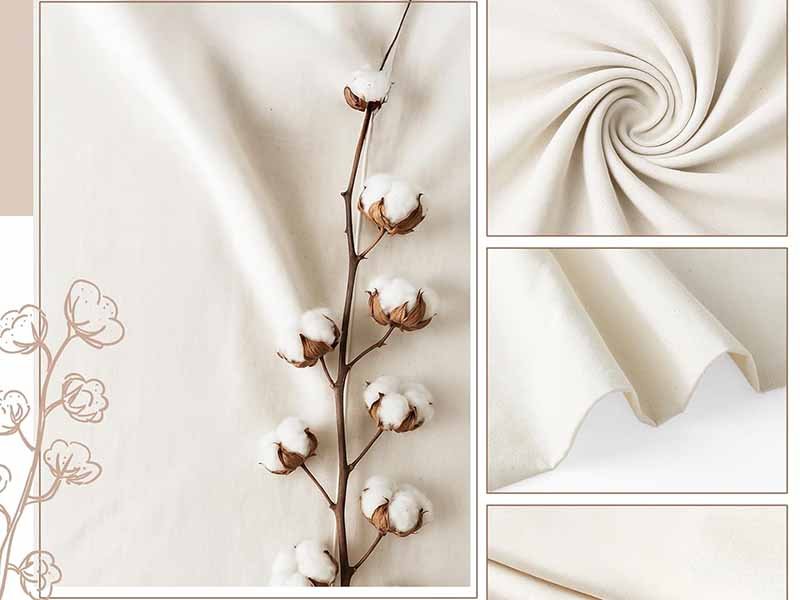
Few materials in the textile world are as widely recognized as cotton fabric. From the shirt you wear every morning to the canvas tote bag you carry to the grocery store, cotton appears almost everywhere in daily life. It has been used by humans for thousands of years, yet it remains one of the most important textile materials in modern manufacturing.
What makes cotton fabric so enduring is not just tradition. Cotton offers a combination of comfort, breathability, durability, and versatility that very few other materials can match. Designers appreciate its natural softness and adaptability, while manufacturers value its reliable processing performance and wide availability across global supply chains.
Cotton fabric is a textile made from natural fibers harvested from cotton plants. These fibers are spun into yarn and woven or knitted into fabric. Cotton fabric is widely used because it is breathable, comfortable, biodegradable, and suitable for many products including clothing, bags, home textiles, and industrial applications.
Today, cotton fabric remains one of the most traded textile materials in the world. According to industry statistics, global cotton production exceeds 25 million tons annually, supporting a massive ecosystem of farmers, spinning mills, weaving factories, and garment manufacturers.
But cotton fabric is far more complex than many people realize. Different fiber grades, weaving techniques, finishing treatments, and fabric weights can dramatically change how cotton performs in real products.
Understanding how cotton fabric is made—and how to select the right type—can help brands create better products and avoid costly sourcing mistakes. Let’s explore the fundamentals.
What Is Cotton Fabric?

Cotton fabric is a textile made from natural fibers harvested from the cotton plant, one of the oldest and most widely used fiber crops in the world. After harvesting, cotton fibers are cleaned, spun into yarn, and then woven or knitted into fabrics that can be used in clothing, bags, home textiles, and many other products.
Unlike synthetic materials such as polyester or nylon, cotton fibers come directly from nature. Each cotton fiber is composed mainly of cellulose, a natural polymer that gives the fiber its softness, flexibility, and moisture-absorbing ability.
Because cotton fibers are breathable and comfortable against the skin, cotton fabric has remained one of the most widely used textile materials for centuries. Today it continues to play a central role in global textile manufacturing.
Key facts about cotton fabric
| Property | Typical Value |
|---|---|
| Fiber composition | ~95% cellulose |
| Moisture absorption | up to 25–27% of fiber weight |
| Fiber length | 20–40 mm depending on variety |
| Global annual cotton production | ~25–26 million tons |
These natural characteristics help explain why cotton fabrics are commonly used in products that require comfort, breathability, and natural feel.
What Defines Cotton Fabric Structure?
Cotton fabric is defined not only by the fiber itself but also by how the yarns are constructed into fabric. Cotton yarn can be turned into fabric using weaving or knitting, and the structure strongly influences how the fabric behaves.
In woven cotton fabrics, yarns cross over each other in perpendicular directions. This creates fabrics that are generally more stable and resistant to stretching.
Knitted cotton fabrics use looping yarn structures instead of intersecting yarns. These fabrics tend to be more flexible and stretchable.
Major cotton fabric structures
| Structure Type | Characteristics | Common Products |
|---|---|---|
| Plain weave cotton | smooth, balanced texture | shirts, bedding |
| Twill cotton | diagonal weave pattern | denim, chinos |
| Canvas cotton | thick and durable | bags, workwear |
| Cotton knit (jersey) | stretchable and soft | t-shirts |
Because cotton yarn can be processed into many structures, manufacturers can create fabrics ranging from lightweight summer clothing to heavy-duty canvas materials used in bags or outdoor gear.
Why Is Cotton Fabric So Popular Worldwide?
One reason cotton fabric has remained popular for so long is its balance between comfort and practicality.
Cotton fibers naturally allow air to circulate through the fabric. This airflow helps regulate body temperature, which is why cotton clothing is often preferred in warm climates.
Cotton fibers also absorb moisture effectively. A cotton fiber can absorb more than one quarter of its own weight in water, helping remove sweat from the skin and improving comfort during daily wear.
Advantages of cotton fabric
| Advantage | Explanation |
|---|---|
| Breathability | allows air circulation |
| Moisture absorption | helps manage sweat |
| Skin comfort | soft natural fiber |
| Biodegradability | plant-based material |
| Dye compatibility | accepts color easily |
Another factor contributing to cotton’s popularity is processing flexibility. Cotton yarn can be spun into very fine threads for lightweight fabrics or thicker yarns for durable materials.
This versatility allows cotton to be used across a wide range of industries.
Is Cotton Fabric Natural or Synthetic?
Cotton fabric is considered a natural textile because it is made from fibers grown on the cotton plant. Unlike synthetic fibers that are produced through chemical processes, cotton fibers develop naturally around the seeds of the cotton plant.
The transformation from plant fiber to fabric involves several mechanical and chemical processes, but the fiber itself remains a natural material.
Main stages of cotton fabric production
| Production Stage | Description |
|---|---|
| Harvesting | cotton bolls collected from fields |
| Ginning | fibers separated from seeds |
| Spinning | fibers twisted into yarn |
| Weaving or knitting | yarn turned into fabric |
| Finishing | fabric treated for performance |
Because cotton is plant-based, it is renewable and biodegradable, which contributes to its continued popularity among brands and consumers looking for natural textile options.
However, cotton production also requires significant agricultural resources, including water and land. As a result, the textile industry has increasingly focused on more sustainable cotton production methods, such as organic cotton and better farming practices.
Why Cotton Fabric Still Matters in Modern Manufacturing
Even with the rise of synthetic fibers like polyester, cotton continues to hold a major position in the textile industry. Its unique combination of comfort, versatility, and natural origin makes it difficult to replace entirely.
For product designers and manufacturers, cotton fabrics remain especially valuable because they can be adapted to many different products—from lightweight garments to strong canvas materials used in bags and accessories.
Understanding how cotton fabrics are structured and produced is the first step toward selecting the right material for a specific product.
How Is Cotton Fabric Made?

Cotton fabric is produced through a series of manufacturing stages that transform raw cotton fibers from agricultural crops into finished textiles ready for clothing, bags, and other products. Although the basic principle has remained similar for centuries, modern textile mills use highly automated machinery to improve efficiency and consistency.
The production process usually involves five major stages: fiber harvesting, fiber preparation, yarn spinning, fabric construction, and finishing. Each stage influences the quality, durability, and cost of the final cotton fabric.
How Is Cotton Fiber Harvested for Cotton Fabric?
Cotton production begins in agricultural regions where cotton plants grow in warm climates. Countries such as India, China, the United States, Brazil, and Pakistan produce most of the world’s cotton supply.
Cotton plants produce fiber clusters called cotton bolls, which form around the seeds of the plant. When the cotton bolls mature, they open and expose soft white fibers that can be harvested.
Modern cotton farming relies heavily on mechanical harvesting equipment, which significantly improves productivity.
Major global cotton-producing countries
| Country | Annual Production (approx.) |
|---|---|
| India | ~6 million tons |
| China | ~5.5 million tons |
| United States | ~3.5 million tons |
| Brazil | ~2.5 million tons |
| Pakistan | ~1.7 million tons |
Once harvested, raw cotton contains seeds, leaves, and other plant material. These impurities must be removed before the fiber can be used for textile production.
This cleaning process takes place during cotton ginning.
How Do Mills Turn Cotton Fiber into Cotton Yarn?
After harvesting, cotton fibers are transported to textile processing facilities where the fibers are prepared for spinning.
The first step is ginning, where machines separate cotton fibers from seeds. After ginning, the fibers are compressed into large bales weighing approximately 200–220 kg each for transport to spinning mills.
At the spinning mill, the fibers undergo several preparation processes before becoming yarn.
Cotton yarn production stages
| Stage | Purpose |
|---|---|
| Opening | loosens compressed cotton fibers |
| Cleaning | removes dust and impurities |
| Carding | aligns fibers into thin strands |
| Combing (optional) | removes short fibers |
| Drawing | combines strands for uniformity |
| Spinning | twists fibers into yarn |
Carding machines use rotating drums covered with fine wire teeth to separate and align fibers into continuous strands called slivers.
For higher-quality cotton yarns, mills perform an additional combing process, which removes shorter fibers and improves yarn smoothness.
Once fibers are properly aligned, spinning machines twist them into yarn with specific thickness and strength characteristics.
Yarn thickness measurement
| Yarn Count (Ne) | Yarn Thickness |
|---|---|
| 10–20 Ne | thick yarn |
| 20–40 Ne | medium yarn |
| 40–80 Ne | fine yarn |
Lower yarn counts indicate thicker yarns typically used in products such as canvas or denim, while higher yarn counts produce finer yarns suitable for shirts or bedding.
How Is Cotton Yarn Turned into Fabric?
After yarn is produced, it must be converted into fabric using either weaving or knitting machines.
These processes determine the structural characteristics of the final cotton fabric.
Weaving process
Weaving is the most common method for producing cotton fabrics used in shirts, pants, and bags. In weaving, two sets of yarns intersect at right angles:
- warp yarns run lengthwise
- weft yarns run crosswise
The interlacing pattern determines the type of fabric produced.
Common cotton weave structures
| Weave Type | Characteristics | Typical Products |
|---|---|---|
| Plain weave | simple structure | shirts, bedding |
| Twill weave | diagonal texture | denim, chinos |
| Satin weave | smooth surface | luxury fabrics |
Weaving machines operate at high speeds. Modern shuttleless looms can produce 600–1000 meters of fabric per day, depending on the fabric structure.
Knitting process
In knitting, yarn loops interconnect to form fabric. This structure gives knitted cotton fabrics greater flexibility.
Knitted cotton fabrics are commonly used in garments such as:
- T-shirts
- casual wear
- sportswear
Knitting machines can produce fabric faster than weaving machines, which is why knitted fabrics dominate the global T-shirt market.
What Finishing Processes Improve Cotton Fabric?
After fabric construction, cotton textiles undergo finishing processes that enhance their appearance and performance.
These treatments are critical because untreated cotton fabrics may shrink, wrinkle easily, or lose shape after washing.
Common cotton finishing treatments
| Finishing Process | Purpose |
|---|---|
| Bleaching | removes natural color |
| Dyeing | adds color |
| Mercerization | strengthens fibers and improves dye absorption |
| Sanforization | reduces shrinkage |
| Enzyme washing | softens fabric |
Mercerization is particularly important for high-quality cotton fabrics. During this treatment, cotton fibers are exposed to a sodium hydroxide solution, which changes the fiber structure and improves strength and dye affinity.
Sanforization is another widely used process that controls shrinkage. Without this treatment, cotton fabrics can shrink by 5–10% during washing.
Modern textile factories carefully monitor these finishing steps to ensure consistent fabric quality across large production batches.
Which Materials Are Used in Cotton Fabric?
Cotton fabric is primarily made from natural cotton fibers, but in modern textile manufacturing these fibers are often blended with other materials to improve durability, elasticity, or cost efficiency. The raw cotton fiber itself comes from the cotton plant, yet different varieties of cotton and fiber processing methods can significantly influence the final fabric quality.
For brands developing textile products, understanding fiber sources and blends helps determine how cotton fabrics will perform in terms of comfort, strength, shrinkage, and long-term durability.
What Types of Cotton Are Used in Cotton Fabric?
Not all cotton fibers are the same. Cotton varieties differ in fiber length, softness, and strength. In the textile industry, fiber length is one of the most important quality indicators because longer fibers produce smoother and stronger yarns.
Common cotton fiber types used in cotton fabric
| Cotton Type | Fiber Length | Characteristics | Typical Products |
|---|---|---|---|
| Upland Cotton | 20–30 mm | widely available | everyday clothing |
| Egyptian Cotton | 30–35 mm | very soft, strong | luxury bedding |
| Pima Cotton | 35+ mm | smooth, durable | premium apparel |
| Organic Cotton | varies | grown without chemicals | eco-friendly products |
Upland cotton represents the majority of global cotton production and is widely used in everyday garments and home textiles.
Premium cotton types such as Pima and Egyptian cotton are known for their longer fibers, which allow spinning mills to produce finer yarns. Fabrics made from these fibers often feel smoother and are considered higher quality.
Organic cotton is also becoming more popular, especially in markets where sustainability plays an important role in consumer purchasing decisions.
How Do Cotton Blends Change Cotton Fabric Performance?
Although pure cotton fabrics remain popular, many manufacturers blend cotton with other fibers to improve certain performance characteristics.
Blending allows cotton fabrics to combine natural comfort with the technical benefits of synthetic materials.
Common cotton fiber blends
| Cotton Blend | Benefit | Typical Use |
|---|---|---|
| Cotton + Polyester | wrinkle resistance | casual clothing |
| Cotton + Spandex | elasticity | stretch garments |
| Cotton + Linen | improved texture | summer apparel |
| Cotton + Nylon | durability | workwear |
Cotton-polyester blends are particularly common in the apparel industry because polyester fibers reduce wrinkling and increase durability.
Cotton-spandex blends are widely used in stretch garments such as fitted shirts, sportswear, and denim.
Blended fabrics allow designers to maintain the soft feel of cotton while improving performance in specific product applications.
Are Organic Fibers Used in Cotton Fabric Production?
Yes. Organic cotton has become an important segment of the textile market in recent years. Organic cotton is grown without synthetic pesticides or fertilizers and follows agricultural practices designed to reduce environmental impact.
Differences between conventional and organic cotton
| Feature | Conventional Cotton | Organic Cotton |
|---|---|---|
| Farming method | chemical inputs allowed | natural farming practices |
| Environmental impact | higher | lower |
| Cost | lower | higher |
| Market demand | very high | growing |
Although organic cotton typically costs more to produce, many brands use it to meet sustainability goals and appeal to environmentally conscious consumers.
However, organic certification requires strict agricultural and supply chain documentation, which can increase production complexity.
What Types of Cotton Fabric Exist?

Cotton fabric is not a single material. In textile manufacturing, cotton can be woven or knitted into many different structures, and each structure produces fabrics with different weight, durability, texture, and flexibility.
For product designers and sourcing teams, understanding these fabric types helps determine whether a cotton fabric will perform well in products such as clothing, bags, upholstery, or outdoor gear.
Most cotton fabrics used in commercial products fall into several major categories, including plain weave cotton, twill cotton, cotton canvas, cotton jersey, and cotton sateen. Each type has unique characteristics that influence comfort, durability, and cost.
What Is Plain Weave Cotton Fabric?
Plain weave is the simplest and most widely used cotton fabric construction. In this structure, warp yarns and weft yarns alternate evenly, forming a balanced and stable fabric.
Because of its simple structure, plain weave cotton fabrics are usually lightweight and smooth. They are also relatively easy to produce, which makes them common in everyday garments.
Common plain weave cotton fabrics
| Fabric Name | Typical GSM | Common Use |
|---|---|---|
| Poplin | 100–140 GSM | shirts |
| Broadcloth | 110–150 GSM | dress shirts |
| Muslin | 80–120 GSM | prototypes, linings |
Plain weave fabrics generally offer moderate durability and minimal stretch. Their smooth surface also makes them suitable for printing patterns or logos.
Because plain weave fabrics are efficient to produce, they are often used for large-volume garment manufacturing.
What Is Twill Cotton Fabric?
Twill cotton fabrics are characterized by a diagonal weaving pattern that forms visible lines across the fabric surface.
This pattern is created when the weaving process offsets the interlacing of yarns, allowing the fabric to pack more yarns into the structure. As a result, twill fabrics are generally stronger and more durable than plain weave fabrics.
Key characteristics of twill cotton
| Property | Description |
|---|---|
| Durability | high |
| Wrinkle resistance | better than plain weave |
| Surface texture | diagonal lines |
Denim is the most famous example of twill cotton fabric. Other twill fabrics include chino cloth and workwear fabrics.
Typical twill cotton specifications
| Product | Fabric Weight |
|---|---|
| denim jeans | 280–400 GSM |
| chinos | 200–280 GSM |
| work shirts | 180–220 GSM |
Because twill fabrics resist wear better than plain weave fabrics, they are often selected for products that experience frequent friction or heavy use.
What Is Cotton Canvas Fabric?
Cotton canvas is a heavy-duty woven cotton fabric known for its durability and structural strength. It is usually produced using thicker yarns and a dense plain weave structure.
Canvas fabrics are commonly used in products that require strong materials capable of carrying weight.
Typical cotton canvas applications
| Product | Reason |
|---|---|
| tote bags | strong and durable |
| backpacks | abrasion resistance |
| workwear | long-term durability |
| tents | tear resistance |
Typical canvas fabric specifications
| Canvas Weight | GSM Range | Use |
|---|---|---|
| light canvas | 200–250 GSM | casual bags |
| medium canvas | 250–320 GSM | tote bags |
| heavy canvas | 320–400 GSM | backpacks, tents |
Because canvas fabrics contain thicker yarns and tighter weaving, they can support heavier loads compared with lightweight cotton fabrics.
For bag manufacturers, cotton canvas remains one of the most widely used materials due to its durability and natural appearance.
What Is Cotton Jersey Fabric?
Cotton jersey fabric is produced using knitting rather than weaving. The knitted structure forms loops that give the fabric natural elasticity and softness.
This makes jersey fabrics particularly comfortable for clothing that needs flexibility.
Characteristics of cotton jersey
| Feature | Performance |
|---|---|
| Stretch | moderate |
| softness | high |
| breathability | good |
| wrinkle resistance | better than woven cotton |
Cotton jersey fabrics are commonly used in:
- T-shirts
- casual clothing
- sportswear
Typical jersey fabric weights
| Product | GSM Range |
|---|---|
| lightweight T-shirts | 120–160 GSM |
| standard T-shirts | 160–200 GSM |
| heavy jersey | 200–260 GSM |
Knitted jersey fabrics are widely used in the global apparel market because they combine comfort with relatively low production cost.
What Is Cotton Sateen Fabric?
Cotton sateen fabrics are produced using a satin weave structure, which allows more yarns to float on the surface of the fabric.
This structure creates a smooth and slightly glossy surface that feels softer than standard cotton fabrics.
Characteristics of cotton sateen
| Property | Description |
|---|---|
| surface | smooth and soft |
| sheen | slight luster |
| durability | moderate |
Cotton sateen fabrics are commonly used in bedding, luxury garments, and high-end home textiles.
Because the satin weave uses more yarn on the fabric surface, sateen fabrics often feel softer but may be slightly less durable than twill fabrics.
Quick Comparison of Common Cotton Fabric Types
| Cotton Fabric Type | Strength | Flexibility | Typical Uses |
|---|---|---|---|
| Plain weave cotton | medium | low | shirts |
| Twill cotton | high | low | denim, workwear |
| Cotton canvas | very high | low | bags |
| Cotton jersey | medium | high | T-shirts |
| Cotton sateen | medium | medium | bedding |
Understanding these cotton fabric types helps manufacturers and product designers choose materials that match the performance requirements of their products.
For example:
- lightweight plain weave fabrics may be used for summer garments
- twill fabrics may be chosen for durable work clothing
- canvas fabrics are often used for bags and accessories
Selecting the correct cotton fabric type is one of the most important steps in ensuring a product performs well in real-world use.
Where Is Cotton Fabric Used?
Cotton fabric is used in a wide range of industries because it combines comfort, breathability, durability, and relatively low cost. Few textile materials can adapt to as many product categories as cotton.
From clothing and home textiles to bags and industrial products, cotton fabrics are chosen when manufacturers need a material that is comfortable against the skin, easy to sew, and widely available in global supply chains.
The exact cotton fabric type used often depends on fabric weight (GSM), weave structure, and finishing treatments.
How Is Cotton Fabric Used in Apparel?
Clothing remains the largest application for cotton fabric worldwide. According to textile industry statistics, more than 60% of global cotton fiber production is used in apparel manufacturing.
Cotton garments are popular because the fibers allow airflow and absorb moisture, which helps keep the body comfortable in warm conditions.
Common cotton fabrics used in clothing
| Garment Type | Cotton Fabric Type | Typical GSM |
|---|---|---|
| T-shirts | cotton jersey | 140–200 GSM |
| dress shirts | cotton poplin | 100–140 GSM |
| jeans | cotton twill (denim) | 280–400 GSM |
| hoodies | cotton fleece | 250–350 GSM |
Cotton fabrics are particularly common in casual clothing, where comfort is more important than water resistance or extreme durability.
For example, cotton jersey fabrics are widely used in T-shirts because their knitted structure allows the fabric to stretch and move with the body.
In denim jeans, cotton twill fabrics provide high durability and abrasion resistance.
Why Is Cotton Fabric Used in Bags and Accessories?
Cotton fabrics are widely used in bag manufacturing, especially for tote bags, promotional bags, and casual backpacks.
One reason cotton works well for bags is its structural strength when woven into thicker fabrics such as canvas.
Cotton canvas fabrics can support relatively heavy loads while maintaining shape.
Common cotton bag products
| Bag Type | Fabric Type | Typical GSM |
|---|---|---|
| tote bags | cotton canvas | 250–320 GSM |
| shopping bags | cotton canvas | 220–300 GSM |
| drawstring bags | cotton twill | 180–240 GSM |
| cosmetic bags | cotton canvas | 200–280 GSM |
In addition to durability, cotton bags have a natural appearance that many consumers associate with sustainability and eco-friendly products.
Because cotton fabrics accept dyes easily, brands can also apply screen printing, embroidery, or digital printing to add logos and designs.
For companies producing promotional products, cotton tote bags are particularly popular because they are cost-effective and reusable.
How Is Cotton Fabric Used in Home Textiles?
Home textile products represent another large market for cotton fabrics.
Cotton is commonly used in bedding, curtains, towels, and upholstery materials because it provides comfort and breathability.
Examples of cotton fabrics used in home textiles
| Product | Cotton Fabric Type | Typical GSM |
|---|---|---|
| bed sheets | cotton sateen | 120–200 GSM |
| pillowcases | cotton poplin | 110–160 GSM |
| curtains | cotton twill | 200–300 GSM |
| upholstery covers | cotton canvas | 250–400 GSM |
Cotton bedding fabrics are especially popular because they allow air circulation, which helps regulate sleeping temperature.
Higher-quality bedding products may use long-staple cotton fibers, such as Egyptian or Pima cotton, to create smoother yarns and softer fabrics.
How Is Cotton Fabric Used in Industrial Products?
Although cotton is widely known for clothing and home textiles, it is also used in several industrial applications.
In these cases, cotton fabrics are often selected because they can withstand moderate heat and provide comfort when worn for long periods.
Industrial uses of cotton fabrics
| Industry | Product Example |
|---|---|
| healthcare | medical gauze and bandages |
| hospitality | hotel bedding and tablecloths |
| construction | workwear fabrics |
| agriculture | filtration fabrics |
For example, cotton fabrics are often used in protective work clothing because they are breathable and can tolerate higher temperatures than some synthetic fibers.
Cotton fabrics can also be treated with special coatings to improve properties such as:
- flame resistance
- antibacterial protection
- water repellency
These finishing treatments expand the range of industrial applications for cotton textiles.
Why Do Brands Still Choose Cotton Fabric for Products?
Even with the widespread availability of synthetic fabrics, cotton continues to play an important role in product manufacturing.
One reason is consumer preference. Many customers associate cotton fabrics with comfort and natural materials.
Another reason is production flexibility. Cotton fabrics can be manufactured in a wide range of weights and structures, allowing designers to adapt the material to many product types.
Advantages of cotton fabrics for manufacturers
| Factor | Benefit |
|---|---|
| sewing compatibility | easy to cut and stitch |
| dyeing capability | strong color absorption |
| printing compatibility | suitable for logos and graphics |
| global availability | stable supply chain |
Because cotton fabrics are widely available and relatively easy to process, they remain a practical choice for manufacturers producing both small-batch and large-scale textile products.
For companies developing clothing, bags, or home textile products, cotton fabrics often provide a reliable balance between performance, cost, and consumer acceptance.
How Do You Choose Cotton Fabric?

Choosing the right cotton fabric requires more than simply selecting “100% cotton.” In practice, cotton fabrics vary widely in fiber quality, yarn thickness, weave structure, fabric weight, and finishing treatments. These differences directly affect durability, comfort, and manufacturing performance.
For product developers and sourcing teams, the selection process usually begins by identifying the intended product application, such as apparel, bags, or home textiles. Each application requires different fabric properties.
Understanding a few key parameters—such as GSM, yarn count, weave structure, and finishing processes—helps ensure the fabric performs well in the final product.
Which Cotton Fabric Weight Should You Select?
Fabric weight, measured in GSM (grams per square meter), is one of the most important indicators of cotton fabric performance. GSM determines how thick and durable a fabric will be.
Lightweight fabrics are typically used for garments that require breathability and comfort, while heavier fabrics provide greater strength and structure.
Cotton fabric weight guide
| GSM Range | Fabric Category | Typical Products |
|---|---|---|
| 80–120 GSM | lightweight cotton | summer shirts |
| 120–180 GSM | medium cotton | casual clothing |
| 180–260 GSM | heavy cotton | jackets, chinos |
| 260–400 GSM | canvas cotton | tote bags, backpacks |
For example, a cotton canvas tote bag designed to carry groceries may require 280–320 GSM fabric to prevent tearing under load.
By contrast, cotton fabrics used for lightweight shirts are often between 110–140 GSM, which provides breathability and comfort.
Selecting the correct fabric weight ensures the product maintains its shape and durability during regular use.
How Do Weave and Yarn Count Affect Cotton Fabric?
Another key factor in cotton fabric selection is yarn count and weave structure.
Yarn count refers to the thickness of the yarn used to produce the fabric. In the cotton industry, yarn count is often measured using the Ne (English cotton count) system.
Higher yarn counts indicate finer yarns, which create smoother and lighter fabrics.
Yarn count guide
| Yarn Count (Ne) | Yarn Thickness | Fabric Use |
|---|---|---|
| 10–20 Ne | thick yarn | canvas, denim |
| 20–40 Ne | medium yarn | casual clothing |
| 40–80 Ne | fine yarn | dress shirts |
The weave structure also affects fabric durability and appearance.
Common cotton weave structures
| Weave Type | Characteristics | Typical Products |
|---|---|---|
| plain weave | balanced and smooth | shirts |
| twill weave | diagonal pattern, stronger | denim |
| satin weave | smooth surface | bedding |
For example, cotton twill fabrics used in denim jeans are more durable than plain weave fabrics because the weaving structure increases yarn density.
Manufacturers often evaluate both yarn count and weave structure to ensure the fabric meets performance requirements.
What Should You Check When Sourcing Cotton Fabric?
When sourcing cotton fabrics for manufacturing, several quality indicators should be evaluated before placing large production orders.
These indicators help ensure that the fabric performs consistently during production and long-term use.
Key cotton fabric quality indicators
| Quality Factor | Why It Matters |
|---|---|
| fiber length | longer fibers create stronger yarn |
| fabric GSM | determines thickness and durability |
| color fastness | prevents fading after washing |
| shrinkage rate | affects final garment size |
| weave consistency | ensures uniform appearance |
Shrinkage is one of the most common problems in cotton fabrics. Untreated cotton fabrics may shrink by 5–10% after washing.
To prevent this issue, many cotton fabrics undergo sanforization, a finishing process that reduces shrinkage during laundering.
Manufacturers also perform testing such as tensile strength testing and color fastness evaluation to ensure fabric quality before large-scale production.
How Do Product Requirements Influence Cotton Fabric Choice?
Different products require different cotton fabric characteristics.
A cotton fabric suitable for clothing may not be strong enough for bags or upholstery. For this reason, product developers typically start by identifying performance requirements before selecting fabrics.
Cotton fabric selection by product type
| Product Type | Recommended Cotton Fabric |
|---|---|
| T-shirts | cotton jersey |
| dress shirts | cotton poplin |
| jeans | cotton twill |
| tote bags | cotton canvas |
| upholstery | heavy cotton canvas |
For example:
- A cotton jersey fabric (160–200 GSM) works well for T-shirts because it provides flexibility and comfort.
- A heavy cotton canvas fabric (300 GSM or more) is more suitable for tote bags because it provides structural strength.
Matching fabric specifications to product requirements helps prevent issues such as tearing, excessive stretching, or fabric deformation.
Where Is Cotton Fabric Produced?
Cotton fabric is produced in many regions around the world, but large-scale commercial production is concentrated in countries that have strong cotton agriculture, spinning mills, and textile manufacturing infrastructure.
Today, most cotton fabrics used in apparel, bags, and home textiles are manufactured in China, India, Pakistan, Bangladesh, Turkey, and Vietnam. These countries have built extensive textile supply chains that include cotton farming, yarn spinning, fabric weaving, dyeing, and garment manufacturing.
The location of production affects several factors that are important for buyers, including fabric price, production capacity, lead times, and quality consistency.
1.Is China the Largest Producer of Cotton Fabric?
China is currently one of the largest producers of cotton fabrics in the world. The country has developed a highly integrated textile manufacturing system that includes nearly every stage of production.
China’s textile industry includes:
- cotton farming in Xinjiang and other regions
- large spinning mills producing cotton yarn
- weaving and knitting factories
- dyeing and finishing plants
- garment and bag manufacturing facilities
Because these industries operate within the same manufacturing clusters, Chinese textile factories can produce cotton fabrics efficiently and in large volumes.
Major cotton textile regions in China
| Region | Textile Specialization |
|---|---|
| Xinjiang | cotton farming and fiber supply |
| Zhejiang | weaving and dyeing mills |
| Jiangsu | garment and textile manufacturing |
| Guangdong | bag and accessory production |
China’s textile industry benefits from advanced machinery and a large skilled workforce. Many weaving factories operate high-speed air-jet looms capable of producing hundreds of meters of cotton fabric per day.
This production efficiency helps China remain competitive in global cotton textile markets.
Which Countries Produce Large Volumes of Cotton Fabric?
In addition to China, several other countries produce large quantities of cotton fabrics.
Major cotton fabric producing countries
| Country | Industry Strength |
|---|---|
| India | large cotton farming sector |
| Pakistan | strong spinning industry |
| Bangladesh | large garment manufacturing sector |
| Turkey | high-quality textiles |
| Vietnam | apparel export manufacturing |
India is the largest producer of raw cotton fiber in the world, which gives its textile industry strong access to raw materials. Many Indian mills produce cotton yarn and export it to other textile manufacturing countries.
Pakistan also has a strong spinning industry and produces large quantities of cotton yarn and fabrics used in apparel manufacturing.
Bangladesh is one of the world’s largest garment exporters, and its textile sector focuses heavily on cotton fabrics used in clothing.
Why Are Many Cotton Fabrics Produced in Asia?
Asia dominates global cotton fabric production for several reasons. The region has developed large textile manufacturing ecosystems that connect fiber production, fabric manufacturing, and garment production.
Advantages of Asian textile production
| Factor | Benefit |
|---|---|
| raw material availability | access to cotton fiber |
| labor availability | skilled textile workforce |
| production scale | high-volume manufacturing |
| supply chain integration | spinning, weaving, dyeing in one region |
Because many clothing and bag factories are also located in Asia, producing cotton fabrics nearby helps reduce transportation costs and shorten production timelines.
For example, many global apparel brands source cotton fabrics from Asia because they can develop fabrics and produce garments within the same manufacturing region.
Are High-End Cotton Fabrics Produced in Europe?
Although Asia produces most of the world’s cotton fabrics by volume, several European countries specialize in high-end cotton textiles.
European cotton textile producers
| Country | Specialty |
|---|---|
| Italy | luxury cotton fabrics |
| Portugal | premium apparel fabrics |
| Turkey | high-quality cotton textiles |
Italian textile mills are known for producing premium cotton fabrics used by luxury fashion brands. These fabrics often use long-staple cotton fibers and advanced finishing processes.
However, the cost of producing cotton fabrics in Europe is generally higher due to labor and operational expenses. For this reason, European cotton textiles are typically used in high-end fashion markets rather than mass production.
How Much Does Cotton Fabric Cost?
The cost of cotton fabric varies widely depending on several factors, including fiber quality, yarn thickness, weave structure, fabric weight (GSM), finishing treatments, and order volume. For most commercial textile products, cotton fabric prices typically range between $1.50 and $8.00 per meter when purchased in large production quantities.
Lower-cost cotton fabrics are usually made from standard cotton fibers with simple weaving structures, while higher-priced fabrics often involve long-staple cotton fibers, complex weaving patterns, or special finishing processes.
For brands developing cotton-based products such as apparel or bags, understanding the key cost drivers can help estimate production budgets and avoid unexpected price changes during sourcing.
How Does Fiber Quality Affect Cotton Fabric Cost?
The quality of cotton fiber has a direct impact on fabric price. Cotton fibers differ in length, strength, and cleanliness, and higher-quality fibers generally cost more.
Longer cotton fibers allow spinning mills to produce smoother and stronger yarns, which results in higher-quality fabrics.
Cotton fiber types and cost impact
| Cotton Fiber Type | Fiber Length | Cost Level | Typical Use |
|---|---|---|---|
| Upland cotton | 20–30 mm | Low | everyday garments |
| Brazilian cotton | 28–32 mm | Medium | apparel fabrics |
| Egyptian cotton | 30–35 mm | High | luxury bedding |
| Pima cotton | 35+ mm | High | premium clothing |
Most mass-market cotton fabrics use upland cotton, which accounts for the majority of global cotton production.
Luxury cotton products often use long-staple cotton varieties, which increase yarn quality and fabric softness but also increase raw material cost.
How Do Fabric Weight and Yarn Count Influence Price?
Cotton fabric cost is strongly influenced by fabric weight (GSM) and yarn thickness.
Heavier fabrics require more raw material, which increases the overall production cost.
Cotton fabric price by GSM
| Fabric Weight | Typical Fabric Type | Price Range |
|---|---|---|
| 100–140 GSM | cotton poplin | $1.50 – $3.00 / meter |
| 140–200 GSM | cotton jersey | $2.00 – $4.00 / meter |
| 200–280 GSM | cotton twill | $3.00 – $5.00 / meter |
| 280–400 GSM | cotton canvas | $4.00 – $8.00 / meter |
For example, a cotton canvas fabric used in tote bags may contain two to three times more cotton fiber per square meter than a lightweight shirt fabric.
As a result, canvas fabrics generally cost more than lightweight cotton fabrics.
How Do Finishing Processes Change Cotton Fabric Pricing?
After cotton fabric is woven or knitted, manufacturers often apply finishing treatments that improve performance, durability, or appearance.
Each finishing step adds additional processing cost.
Common cotton fabric finishing treatments
| Finishing Treatment | Purpose | Cost Impact |
|---|---|---|
| dyeing | adds color | medium |
| mercerization | improves strength and dye absorption | medium |
| enzyme wash | softens fabric | low |
| sanforization | reduces shrinkage | medium |
| coating or lamination | improves durability | high |
Mercerization is commonly used for high-quality cotton fabrics because it improves fiber strength and allows fabrics to absorb dye more effectively.
Sanforization is also widely used to control shrinkage during washing, which is important for garments and home textiles.
How Does Order Quantity Affect Cotton Fabric Cost?
Production volume has a major influence on cotton fabric pricing.
Textile mills typically offer lower prices for larger orders because production setup costs can be distributed across greater quantities.
Typical price differences by order size
| Order Quantity | Price Impact |
|---|---|
| sample yardage | highest price |
| small order (300–500 meters) | moderate price |
| bulk order (2000+ meters) | lowest price |
Many weaving mills require minimum order quantities between 500 and 1000 meters per color, especially when custom dyeing is required.
For brands developing new products, the first production runs often cost more because they involve sampling, testing, and color matching.
Once the fabric enters stable bulk production, costs typically decrease.
Estimated Cotton Fabric Costs by Product Category
The table below provides a simplified reference for cotton fabric pricing in different product categories.
| Product Category | Cotton Fabric Type | Estimated Fabric Cost |
|---|---|---|
| shirts | cotton poplin | $1.50 – $3.00 / meter |
| t-shirts | cotton jersey | $2.00 – $4.00 / meter |
| denim jeans | cotton twill | $3.00 – $6.00 / meter |
| tote bags | cotton canvas | $4.00 – $8.00 / meter |
| bedding | cotton sateen | $3.00 – $7.00 / meter |
Actual fabric prices may vary depending on fabric specifications, supplier location, and market conditions, but these ranges provide a general guideline for estimating production costs.
Final Thoughts: Choosing the Right Cotton Fabric for Your Product
Cotton fabric remains one of the most important textile materials in the global manufacturing industry. Its natural origin, comfort, and adaptability make it suitable for an enormous variety of products—from clothing and home textiles to durable bags and industrial applications.
However, not all cotton fabrics perform the same. Differences in fiber quality, weaving methods, fabric weight, and finishing processes can dramatically influence the performance and cost of a product.
For brands developing new products, selecting the right cotton fabric early in the design process helps ensure durability, comfort, and manufacturing efficiency.
Lovrix is a Chinese manufacturing group with more than 18 years of experience in fabric production, webbing manufacturing, and bag development. Our integrated facilities allow us to support brands with custom textile solutions, including cotton fabric development tailored for specific product applications.
If you are developing cotton-based products such as bags, apparel, or textile accessories, our team can help you select suitable fabrics, create prototypes, and prepare bulk production.
You are welcome to contact Lovrix to discuss your project, request samples, or receive a quotation for custom cotton fabric development.


