Skip to content
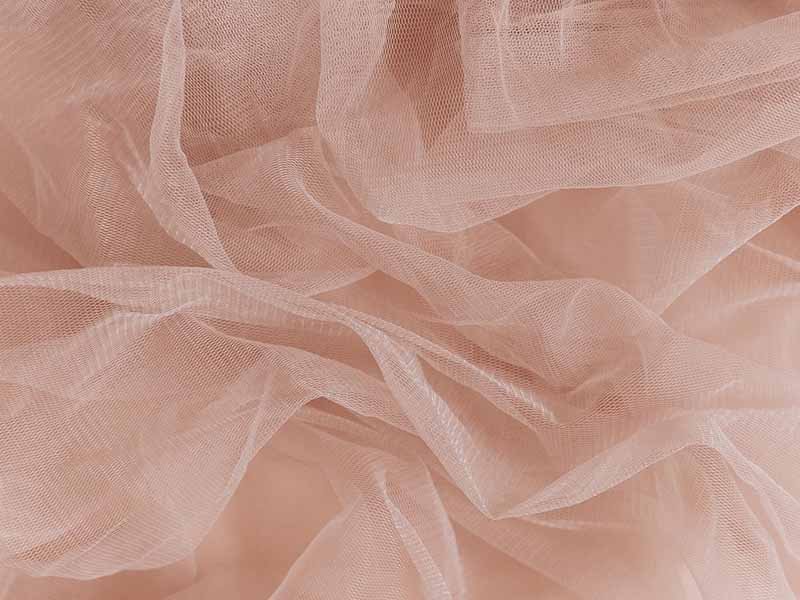
Walk into almost any sports store, luggage shop, or outdoor gear retailer and you will quickly notice one material appearing again and again: mesh fabric. It shows up in running shoes, athletic clothing, backpacks, ventilation panels, office chairs, and even medical textiles. The reason is simple—few fabrics combine breathability, lightweight performance, and structural strength the way mesh fabric does.
For designers and product developers, mesh fabric solves practical problems. It allows airflow where heat builds up, reduces weight where solid fabrics would feel bulky, and adds flexibility in areas that need stretch or ventilation. Because of this versatility, mesh textiles have become essential in industries ranging from sportswear and fashion to luggage manufacturing and industrial filtration.
Mesh fabric is a textile structure characterized by evenly spaced holes created during knitting or weaving. These openings allow air, moisture, and heat to pass through the fabric while maintaining structural integrity. Most modern mesh fabrics are produced from polyester or nylon yarns and are widely used in sportswear, bags, footwear, and technical products due to their breathability, strength, and lightweight properties.
Interestingly, mesh fabric was not originally designed for clothing at all. Early versions were used in industrial filtration and fishing nets, where durability and airflow were essential. Over time, manufacturers discovered that the same structural properties that helped nets perform in water also made fabrics perform better on land. Today, mesh fabrics are engineered with precision, tailored for comfort, durability, and brand-specific design needs.
Understanding how mesh fabric works—and how to choose the right type—can make a significant difference in product performance. In the sections below, we will break down how mesh fabric is structured, manufactured, and used across modern industries.
What Is Mesh Fabric?
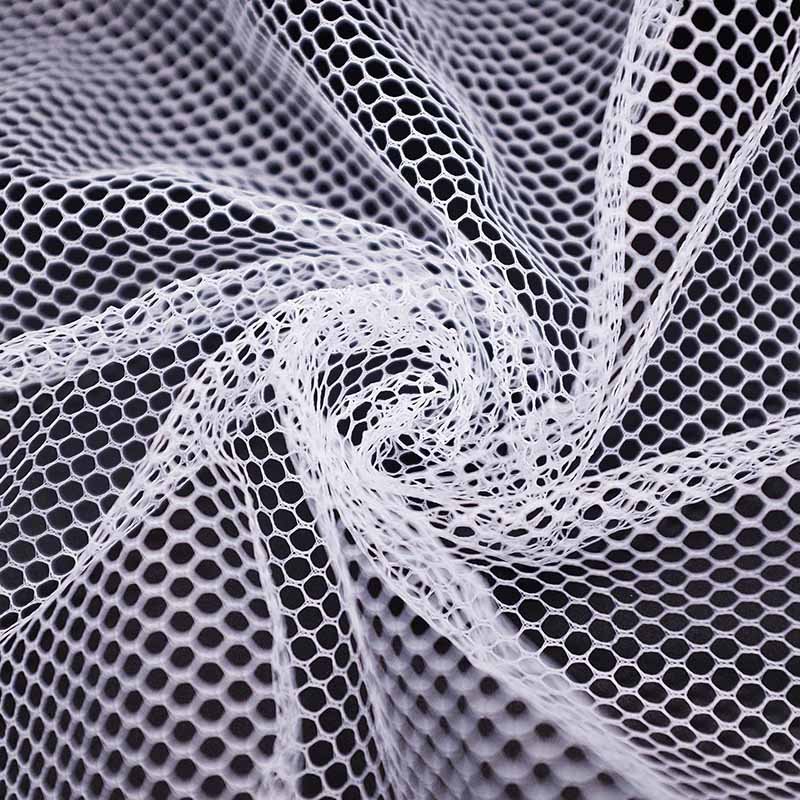
Mesh fabric is a textile made with an open-hole structure created during knitting or weaving, allowing air and moisture to pass through while maintaining fabric strength. This structure gives mesh its signature combination of breathability, flexibility, and lightweight performance, making it widely used in sportswear, bags, footwear, and technical products.
What Makes Mesh Fabric Different from Other Fabrics?
Most fabrics are designed with tightly packed yarns that create a solid surface. Mesh fabric takes a different approach. Instead of prioritizing density, mesh textiles deliberately create regular gaps between yarns.
These gaps allow air to circulate freely through the fabric. For products that trap heat—such as backpacks worn against the body or athletic clothing during exercise—this airflow becomes critical.
Consider the difference between a standard polyester fabric and a mesh structure:
| Fabric Type | Airflow | Weight | Flexibility | Common Use |
|---|---|---|---|---|
| Woven Polyester | Low | Medium | Moderate | Jackets, bags |
| Knit Fabric | Medium | Medium | High | T-shirts |
| Mesh Fabric | High | Low | High | Sportswear, backpacks |
Mesh fabric therefore functions not just as a textile, but as a ventilation system integrated into fabric design.
Another distinguishing factor is mechanical stretch. Many mesh fabrics are knitted rather than woven. Knitted structures naturally provide elasticity, allowing mesh panels to conform to body movement or curved product shapes.
This combination of airflow, flexibility, and lightweight construction is why mesh fabric is frequently used in areas where comfort and ventilation matter most.
Why Does Mesh Fabric Have Holes?
The holes in mesh fabric are not defects—they are the core engineering feature of the material.
These openings are created by looping yarns together in specific patterns during knitting or weaving. Instead of forming dense interlocking surfaces, the yarns create stable intersections that leave consistent gaps between them.
The size of these openings can vary widely depending on the intended use.
| Mesh Density | Hole Size | Typical Use |
|---|---|---|
| Fine Mesh | Very small | Lingerie, fashion |
| Medium Mesh | Moderate | Sportswear |
| Large Mesh | Wide | Bags, outdoor gear |
Smaller holes provide more structure and support, while larger openings maximize airflow and reduce weight.
For example:
- Running shoes often use fine mesh to allow airflow while maintaining durability.
- Backpacks and luggage pockets often use medium mesh for visibility and stretch.
- Fishing nets or industrial filters use large mesh for drainage or filtration.
This structural flexibility allows manufacturers to design mesh fabrics for very different industries while still using the same fundamental textile principle.
Is Mesh Fabric Woven or Knitted?
Mesh fabric can technically be produced using either weaving or knitting techniques, but in modern manufacturing, knitted mesh dominates the market.
Knitting machines create mesh by forming loops of yarn that interconnect in patterns. These loops naturally leave spaces between them, forming the open structure that defines mesh fabric.
The two most common knitting methods include:
| Production Method | Characteristics | Common Applications |
|---|---|---|
| Warp Knitting | Stable structure | Sportswear, footwear |
| Weft Knitting | Stretchier | Fashion mesh |
Warp knitting is particularly popular in technical mesh fabrics because it creates stronger and more dimensionally stable textiles.
Woven mesh, on the other hand, is less common but still used in specific industrial contexts where higher rigidity is required.
For brands sourcing mesh fabrics, understanding this distinction matters. Warp-knitted mesh fabrics generally provide better durability, consistent hole patterns, and improved structural stability, which is why they are frequently used in bags, footwear, and performance apparel.
How Is Mesh Fabric Made?
Mesh fabric is produced by knitting or weaving yarns into an open structure that creates evenly spaced holes. Most mesh textiles are manufactured using warp-knitting machines that control yarn placement precisely. After knitting, the fabric often undergoes finishing treatments such as dyeing, heat setting, or coating to improve durability, elasticity, and appearance.
Which Yarns Are Used in Mesh Fabric?
Most mesh fabrics are built from synthetic yarns because they hold shape well and resist moisture damage. The yarn choice affects cost, strength, and long-term appearance.
Yarn selection comparison
| Yarn | Strength | Abrasion resistance | Moisture behavior | Cost level | Best for |
|---|---|---|---|---|---|
| Polyester | High | Good | Very good | $ | bags, sportswear, general mesh |
| Nylon | Very high | Excellent | Good | $$ | footwear, heavy-use pockets, outdoor gear |
| Polyester + Spandex | Medium | Medium | Very good | $$ | stretch zones in apparel |
| Nylon + Spandex | High | Good | Good | $$$ | premium stretch mesh, performance apparel |
| Cotton blends | Low–Medium | Low–Medium | absorbs water | $$ | fashion mesh, not high-wear |
Factory reality: For bag mesh, polyester is common because it keeps costs controlled. For shoe uppers or high-abrasion pockets, nylon is often worth the premium because it resists scuffing better.
How Do Machines Produce Mesh Fabric?
Most mesh you see in consumer products is made with warp knitting. Warp knitting feeds multiple yarns and forms loop patterns that create stable holes. It’s popular because it produces consistent mesh at scale.
Two common machine families:
| Machine | What it produces well | Why it matters |
|---|---|---|
| Raschel warp knit | open mesh, larger patterns, 3D structures | great for pockets and technical mesh |
| Tricot warp knit | finer mesh, smoother handfeel | great for apparel and lining mesh |
When people say “mesh,” many are actually referring to Raschel mesh used in pockets, footwear panels, and ventilation zones.
What brands should ask a supplier (simple but important):
- What knitting method is used (Raschel or Tricot)?
- What yarn denier and filament type (mono vs multi-filament)?
- What is the target GSM and tolerance?
- Is the fabric heat-set? At what temperature range?
These questions matter because two meshes that look similar can behave very differently after sewing, washing, or heat exposure.
What Finishing Processes Improve Mesh Fabric?
Finishing is where mesh becomes “cheap-looking” or “premium-feeling.” It affects stability, color, handfeel, snag resistance, and even smell control.
Common finishing options and what they do
| Finish | What it improves | When you need it |
|---|---|---|
| Heat setting | stops deformation, stabilizes holes | bags, footwear, anything stitched under tension |
| Dyeing (piece dyed) | color consistency | branded products, color matching |
| Anti-snag / resin finish | reduces pulling and snag lines | backpack pockets, shoe uppers |
| Water repellent (DWR) | reduces water absorption | outdoor bags and gear |
| Antimicrobial | reduces odor build-up | sportswear, shoe lining |
| Coating / lamination | adds stiffness or barrier | structured panels, industrial uses |
Important warning: Some finishes can reduce softness or reduce breathability. For example, heavy resin finishes can improve snag resistance but make the mesh feel “plastic.” That’s why sampling is not optional—mesh performance must be checked under real use.
Mesh Fabric Specs Brands Often Request (for sampling)
Here is a practical spec checklist many brands use when requesting mesh fabric for apparel, bags, or footwear:
| Spec item | Common range | Why it matters |
|---|---|---|
| GSM | 80–380 gsm | affects weight, strength, and feel |
| Hole size | 0.5–8 mm | airflow vs snag vs appearance |
| Width | 145–200 cm | impacts cutting yield and cost |
| Yarn denier | 50D–1000D | durability and abrasion resistance |
| Stretch | 5–40% | fit and pocket recovery |
| Color fastness | 3–4 grade+ | reduces fading complaints |
| Dimensional stability | ≤ ±3% | prevents panel distortion |
Which Materials Are Used in Mesh Fabric?

Most mesh fabrics are produced from synthetic fibers, mainly polyester and nylon, because they maintain structural stability, resist moisture damage, and allow manufacturers to engineer strength without adding excessive weight. The choice of fiber determines how the mesh performs under tension, abrasion, humidity, and repeated use. For apparel and bag manufacturing, selecting the right fiber often matters more than the mesh structure itself.
Is Polyester Mesh Fabric the Most Common Type?
Yes. Polyester mesh accounts for a very large share of global mesh fabric production, especially in sportswear, backpacks, luggage organizers, and general-purpose textile products. Polyester yarns are relatively inexpensive, easy to dye, and stable under heat setting, which makes them practical for large-scale production.
Polyester mesh fabrics usually offer a balanced combination of durability, weight control, and cost efficiency. Because polyester fibers absorb very little moisture, they also dry quickly, making them suitable for products exposed to sweat, rain, or humidity.
Typical performance characteristics of polyester mesh
| Property | Polyester Mesh |
|---|---|
| Moisture absorption | Very low |
| UV resistance | Good |
| Color retention | Good |
| Abrasion resistance | Medium–High |
| Cost level | Low–Medium |
Many backpack manufacturers choose polyester mesh for side pockets and interior organizers because it maintains shape better than softer fibers while remaining lightweight.
However, polyester mesh does have limits. In extremely high-friction environments—such as hiking packs rubbing against rock surfaces—polyester mesh may show wear faster than nylon-based alternatives. For this reason, outdoor gear brands often test both materials during development.
Another advantage of polyester is dye stability. Because polyester fibers bond well with disperse dyes, they can produce consistent colors across large production runs, which helps maintain brand color standards.
How Does Nylon Mesh Fabric Compare?
Nylon mesh is widely used when strength and abrasion resistance are more important than cost efficiency. Nylon fibers have a higher tensile strength than polyester, meaning they can handle more pulling force before breaking.
This property makes nylon mesh particularly popular in:
- athletic footwear uppers
- heavy-duty backpacks
- outdoor equipment
- tactical gear
- industrial mesh applications
Nylon vs polyester mesh comparison
| Feature | Nylon Mesh | Polyester Mesh |
|---|---|---|
| Tensile strength | Higher | Moderate |
| Abrasion resistance | Excellent | Good |
| Moisture absorption | Medium | Low |
| Weight | Light | Light |
| Cost | Higher | Lower |
Nylon also tends to feel slightly softer and more flexible than polyester, which can improve comfort when the fabric touches skin or curves around product structures.
However, nylon absorbs more moisture than polyester. In humid environments this can slightly increase drying time. Because of this, some manufacturers treat nylon mesh with water-repellent finishes when used in outdoor gear.
In footwear manufacturing, nylon mesh is often chosen for high-performance running shoes, where the upper must remain breathable while withstanding repeated bending and friction.
Are Cotton and Spandex Used in Mesh Fabric?
Although synthetic fibers dominate the mesh market, some mesh fabrics incorporate cotton or spandex depending on the intended application.
Cotton mesh
Cotton mesh is sometimes used in fashion garments and casual apparel where softness and natural fiber appeal are important. Cotton fibers absorb moisture easily, which can feel comfortable against the skin in certain climates.
However, cotton mesh also has disadvantages:
- weaker structural strength compared to synthetic fibers
- slower drying time
- more shrinkage during washing
For technical products like bags, sportswear, or footwear, cotton mesh is rarely selected because durability is more important than natural fiber composition.
Spandex mesh blends
Spandex (also called elastane) is often blended with polyester or nylon to create stretch mesh fabrics. Even a small percentage—typically 5–15%—can significantly increase elasticity.
Stretch mesh fabrics are commonly used in:
- athletic apparel panels
- compression garments
- lingerie
- medical support garments
The elastic fibers allow the mesh to expand and return to its original shape without permanently deforming.
Fiber composition examples
| Mesh Fabric Type | Fiber Composition | Main Use |
|---|---|---|
| Standard bag mesh | 100% polyester | backpacks, pockets |
| Shoe mesh | nylon / polyester blends | footwear uppers |
| Stretch mesh | polyester + spandex | sportswear |
| Fashion mesh | cotton blends | garments |
Selecting the correct fiber composition is one of the most important early decisions in mesh fabric development because it directly influences durability, comfort, and long-term product performance.
What Types of Mesh Fabric Exist?
Mesh fabric is not a single material category. In manufacturing, the word “mesh” simply refers to a fabric structure with visible openings, but the actual fabrics used in products can vary greatly in terms of strength, elasticity, thickness, and durability.
For brands developing products such as sportswear, footwear, backpacks, and outdoor equipment, selecting the right mesh type is important because different structures perform very differently under stress.
In practice, most mesh fabrics used in commercial products fall into several common categories: polyester mesh, nylon mesh, power mesh, tulle mesh, and spacer mesh. Each type serves a different purpose depending on airflow needs, mechanical strength, and product design.
1.Polyester Mesh Fabric
Polyester mesh is the most widely used mesh fabric in the global textile industry because it offers a balanced combination of durability, cost efficiency, and stable production performance.
Polyester fibers resist moisture absorption and maintain structural integrity even after repeated washing or exposure to humidity. Because of this, polyester mesh is widely used in sportswear, backpacks, and general textile products.
Key properties of polyester mesh
| Property | Performance |
|---|---|
| Moisture absorption | Very low |
| Dimensional stability | Good |
| UV resistance | Moderate |
| Abrasion resistance | Medium–High |
| Production cost | Low |
Polyester mesh is particularly common in backpack side pockets and interior organizers because it provides enough stretch to hold items while maintaining shape over time.
Typical polyester mesh specifications used in bags
| Parameter | Range |
|---|---|
| GSM | 150 – 320 GSM |
| Hole size | 2 – 6 mm |
| Yarn denier | 300D – 900D |
| Fabric width | 150 – 180 cm |
For lightweight sports apparel, polyester mesh fabrics are usually thinner, often between 80 and 150 GSM, allowing greater airflow and flexibility.
Because polyester is easy to dye, it also provides consistent color matching across large production batches, which is important for branded products.
2.Nylon Mesh Fabric
Nylon mesh is commonly selected when strength and abrasion resistance are the main priorities. Compared with polyester, nylon fibers have higher tensile strength and better resistance to friction, making them suitable for products exposed to mechanical stress.
Key properties of nylon mesh
| Property | Performance |
|---|---|
| Tensile strength | Very high |
| Abrasion resistance | Excellent |
| Flexibility | High |
| Moisture absorption | Moderate |
| Cost | Medium–High |
Because of its durability, nylon mesh is often used in:
- running shoe uppers
- hiking backpacks
- military and tactical gear
- outdoor sports equipment
In footwear manufacturing, nylon mesh is often used in the upper panels of running shoes, where breathability and structural support are both required.
Example nylon mesh structure used in shoes
| Specification | Typical Value |
|---|---|
| GSM | 120 – 220 GSM |
| Yarn denier | 70D – 200D |
| Hole size | 1 – 3 mm |
Although nylon mesh performs very well mechanically, it generally costs more than polyester mesh. For this reason, brands often reserve nylon mesh for high-performance or high-wear areas.
3.Power Mesh Fabric
Power mesh is a stretch mesh fabric engineered for elasticity and body support. It is typically produced by blending nylon or polyester with spandex fibers, creating a fabric that can stretch significantly while maintaining recovery.
Unlike rigid mesh used in bags, power mesh is designed to stretch in multiple directions while still providing structural support.
Key characteristics of power mesh
| Property | Value |
|---|---|
| Stretch capability | 30 – 60% |
| Recovery | High |
| Weight range | 120 – 220 GSM |
| Fiber composition | Nylon / polyester + spandex |
Power mesh fabrics are commonly used in:
- athletic leggings
- shapewear garments
- dancewear
- swimwear linings
The elasticity allows garments to conform to body movement without restricting mobility.
In apparel manufacturing, designers often use power mesh panels to improve ventilation and flexibility in areas where fabrics must stretch frequently.
4.Tulle Mesh Fabric
Tulle mesh is a fine, lightweight mesh fabric characterized by very small holes and delicate yarn structures. It is most commonly used in decorative or fashion-oriented products rather than functional technical gear.
Tulle mesh is usually produced from polyester or nylon yarns using fine knitting structures.
Typical characteristics of tulle mesh
| Property | Range |
|---|---|
| GSM | 20 – 60 GSM |
| Hole size | <1 mm |
| Fabric feel | Soft and lightweight |
| Strength | Low–Medium |
Tulle mesh is commonly used in:
- bridal veils
- evening dresses
- decorative garments
- costume design
Because of its delicate structure, tulle mesh is rarely used in products that require significant durability or load-bearing capacity.
5.Spacer Mesh (3D Mesh Fabric)
Spacer mesh, often called 3D mesh, is one of the most advanced types of mesh fabric used in modern products. Unlike traditional flat mesh fabrics, spacer mesh consists of two outer fabric layers connected by vertical yarn filaments, creating a three-dimensional structure.
This construction forms a breathable cushion-like material that allows air circulation while maintaining structural support.
Spacer mesh structure
| Component | Function |
|---|---|
| top layer | outer surface |
| bottom layer | contact surface |
| connecting yarns | create thickness and airflow space |
Spacer mesh fabrics are commonly used in:
- backpack back panels
- office chairs
- mattress covers
- protective sports gear
Typical spacer mesh specifications
| Parameter | Range |
|---|---|
| Thickness | 2 – 20 mm |
| GSM | 300 – 800 GSM |
| Air permeability | Very high |
The thickness of spacer mesh creates a ventilation channel between surfaces, improving comfort in products that remain in contact with the body for long periods.
This is why many hiking backpacks and ergonomic chairs use spacer mesh panels to reduce heat buildup.
Choosing the Right Mesh Type for Different Products
Different mesh types serve different functional needs. Product designers usually evaluate mesh fabrics based on strength, airflow, stretch, and durability.
Quick comparison of mesh types
| Mesh Type | Strength | Stretch | Airflow | Common Use |
|---|---|---|---|---|
| Polyester mesh | Medium | Low | High | bags, apparel |
| Nylon mesh | High | Low | High | footwear, outdoor gear |
| Power mesh | Medium | Very high | Medium | sportswear |
| Tulle mesh | Low | Low | Medium | fashion garments |
| Spacer mesh | High | Medium | Very high | backpacks, furniture |
Why Is Mesh Fabric So Breathable?

Mesh fabric is breathable because its open structure allows air and moisture to pass through the fabric rather than being trapped between yarns. The holes between yarn intersections create channels where airflow can circulate freely, helping heat and sweat evaporate more efficiently than in dense textiles.
How Does Mesh Fabric Improve Airflow?
Airflow is the most important functional benefit of mesh fabric. When air moves through the openings in the fabric, it removes heat and moisture that would otherwise accumulate around the body.
This process becomes particularly important in products such as:
- running shoes
- athletic clothing
- backpacks worn against the back
- seat cushions
The size and distribution of holes directly influence airflow performance.
Air permeability comparison
| Fabric Type | Airflow Level |
|---|---|
| Cotton woven | Low |
| Polyester knit | Medium |
| Mesh fabric | High |
Larger holes increase airflow, but they must be balanced with durability. For example, a backpack pocket mesh must allow ventilation but also withstand repeated stretching when users insert water bottles.
How Does Mesh Fabric Handle Moisture?
Mesh fabrics do not absorb moisture easily, especially when made from synthetic fibers like polyester or nylon. Instead, moisture passes through the openings in the fabric and evaporates quickly.
This is why mesh panels are commonly used in sportswear and athletic footwear, where sweat management is important for comfort.
Moisture management is influenced by two factors:
- fiber moisture absorption rate
- airflow through the fabric
Because polyester absorbs less than 0.5% of its weight in water, moisture evaporates quickly when airflow is present.
Is Mesh Fabric Strong Enough for Heavy Use?
Despite its open appearance, mesh fabric can be surprisingly strong when produced with the right yarns and structures. Strength comes from the network of yarn intersections that distribute force across the fabric.
However, durability depends heavily on:
- yarn thickness (denier)
- knitting structure
- finishing treatments
Example durability comparison
| Mesh Type | Strength Level | Common Use |
|---|---|---|
| Fine mesh | Low–Medium | apparel |
| Medium mesh | Medium | bags |
| Reinforced mesh | High | outdoor gear |
Manufacturers often increase durability by using higher-denier yarns or double-layer knitting structures, which strengthen the mesh while maintaining airflow.
Where Is Mesh Fabric Used?
Mesh fabric is used across many industries because it solves three common design challenges: ventilation, weight reduction, and visibility. By allowing air and moisture to pass through while maintaining structural strength, mesh fabrics improve product comfort and performance in environments where heat buildup or moisture accumulation would otherwise cause problems.
Today, mesh fabric appears in products ranging from athletic footwear and travel bags to office furniture and medical textiles.
Why Is Mesh Fabric Used in Sportswear?
Sportswear was one of the earliest consumer markets to widely adopt mesh fabric. During physical activity, the body generates heat and moisture rapidly. Without sufficient airflow, sweat accumulates and garments feel uncomfortable.
Mesh panels are often integrated into sportswear to increase ventilation in high-heat areas such as:
- underarms
- back panels
- side body panels
- behind knees
These zones produce the most heat during exercise, making airflow critical for comfort.
Example: Mesh placement in athletic apparel
| Garment Type | Mesh Placement | Benefit |
|---|---|---|
| Running shirts | upper back panel | improves airflow |
| Training shorts | side panels | moisture release |
| Compression wear | inner thigh panels | reduces overheating |
In addition to breathability, mesh fabrics reduce garment weight. Lightweight clothing allows athletes to move more freely and reduces fatigue during long periods of activity.
Modern sportswear brands often combine mesh fabrics with moisture-wicking polyester yarns, which transport sweat away from the skin toward the surface of the fabric where evaporation occurs.
How Is Mesh Fabric Used in Bags and Backpacks?
Mesh fabric is widely used in bags because it provides a flexible and breathable storage solution while reducing overall product weight.
One of the most common applications is side pockets on backpacks, where mesh allows users to easily store water bottles, umbrellas, or other frequently accessed items.
Typical bag components using mesh
| Bag Component | Purpose |
|---|---|
| Backpack side pockets | stretch storage for bottles |
| Internal organizers | visibility of stored items |
| ventilation panels | airflow against the body |
| luggage dividers | lightweight compartment separation |
Mesh pockets also offer an advantage over solid fabrics because users can quickly see what is stored inside.
However, bag mesh must be engineered carefully. If the mesh yarn is too thin or the hole size is too large, pockets may stretch excessively or tear after repeated use.
For backpacks designed for outdoor use, manufacturers often select reinforced polyester mesh between 200–350 GSM combined with elastic binding to improve durability.
Is Mesh Fabric Used in Medical Products?
Yes. Mesh fabrics play an important role in several medical and healthcare products because they provide airflow while remaining lightweight and flexible.
Common medical uses include:
- orthopedic support braces
- rehabilitation garments
- surgical mesh implants
- medical bandages
- breathable bedding materials
In wearable medical supports such as knee braces or back supports, mesh fabrics allow heat to escape while maintaining structural compression.
Medical textiles must also meet strict performance requirements including:
- skin compatibility
- durability during repeated washing
- resistance to bacterial growth
For these reasons, medical mesh fabrics are often treated with antimicrobial finishes to reduce odor and improve hygiene.
Why Is Mesh Fabric Popular in Outdoor Gear?
Outdoor gear products are often exposed to heat, moisture, and physical abrasion. Mesh fabric helps solve several problems at once.
For example, hikers carrying backpacks for long periods benefit from ventilated back panels that reduce heat buildup between the pack and the body.
Many modern hiking backpacks include 3D spacer mesh panels, which create a small gap between the backpack frame and the user’s back to allow continuous airflow.
Outdoor gear components that commonly use mesh
| Product | Mesh Application |
|---|---|
| hiking backpacks | ventilated back panels |
| camping chairs | breathable seating surfaces |
| fishing gear | drainage pockets |
| helmets | ventilation padding |
Mesh fabrics used in outdoor gear must balance airflow with abrasion resistance. Stronger yarns such as nylon are often selected for these applications.
Where Is Mesh Fabric Produced?
Mesh fabric is produced in many regions around the world, but large-scale commercial production is concentrated in Asia, Europe, and parts of North America. The location of production often depends on factors such as textile infrastructure, raw material supply, labor costs, and manufacturing specialization.
Today, most mesh fabrics used in sportswear, bags, footwear, and technical products are manufactured in China, Vietnam, South Korea, Taiwan, and India, where strong textile supply chains and advanced knitting equipment support high-volume production.
Is China the Largest Producer of Mesh Fabric?
Yes. China is currently the largest producer of mesh fabrics in the world, supplying a significant portion of the global demand for apparel, footwear, luggage, and industrial textiles.
China’s dominance in mesh production is largely due to its complete textile supply chain, which includes:
- polyester and nylon fiber production
- yarn spinning factories
- warp knitting mills
- dyeing and finishing plants
- bag and garment manufacturing facilities
Because these industries operate within the same regions, manufacturers can control costs and maintain faster production cycles.
Major mesh fabric production regions in China
| Region | Specialization |
|---|---|
| Zhejiang Province | warp knitting and Raschel mesh |
| Fujian Province | shoe mesh fabrics |
| Guangdong Province | bag and luggage mesh |
| Jiangsu Province | technical textile production |
Factories in these regions operate advanced Raschel warp knitting machines, which are commonly used to produce open mesh structures for backpacks, sportswear, and footwear.
China also benefits from strong chemical fiber production. Polyester and nylon raw materials are widely available, helping stabilize pricing and reduce supply disruptions.
Which Countries Produce High-Performance Mesh Fabrics?
While China produces the largest volume of mesh fabrics, several other countries specialize in high-performance technical mesh materials.
Major mesh fabric production countries
| Country | Strength |
|---|---|
| South Korea | advanced textile engineering |
| Taiwan | high-quality knitting technology |
| Japan | premium performance textiles |
| Italy | luxury fashion mesh fabrics |
| Germany | technical industrial mesh |
South Korean and Taiwanese textile mills are particularly known for producing high-end mesh fabrics used in performance footwear and sports apparel.
These manufacturers often focus on:
- engineered knitting structures
- lightweight technical fabrics
- advanced moisture management finishes
However, production costs in these countries are generally higher than in China or Southeast Asia.
For brands targeting premium markets, these fabrics may offer advantages in performance consistency and material innovation.
Is Mesh Fabric Produced in Southeast Asia?
Yes. In recent years, mesh fabric production has expanded rapidly in Vietnam, Indonesia, and Thailand, driven largely by growth in garment and footwear manufacturing.
These countries often import yarns or fabrics from China and then perform additional processes such as:
- knitting
- dyeing
- garment assembly
Key mesh textile production countries in Southeast Asia
| Country | Industry Focus |
|---|---|
| Vietnam | sportswear and footwear |
| Indonesia | apparel production |
| Thailand | technical textiles |
Vietnam has become especially important for brands producing athletic footwear, as many global shoe factories operate there.
However, the mesh supply chain in Southeast Asia is still developing. Many factories continue to rely on yarns or base fabrics sourced from Chinese textile mills.
What Factors Affect Where Mesh Fabric Is Produced?
Brands sourcing mesh fabrics often evaluate production locations based on several key criteria.
Important sourcing factors
| Factor | Why It Matters |
|---|---|
| raw material supply | polyester and nylon fiber availability |
| knitting technology | machine quality affects mesh consistency |
| dyeing capability | color accuracy and durability |
| logistics infrastructure | shipping speed and export efficiency |
| production scale | ability to handle large orders |
Regions with strong textile clusters—where yarn spinning, knitting, dyeing, and product manufacturing are located close together—can often deliver better production efficiency and shorter lead times.
For example, when mesh fabrics are used in bags or backpacks, sourcing from regions where fabric and bag manufacturing are integrated can reduce development time and improve product compatibility.
How Much Does Mesh Fabric Cost?

The price of mesh fabric varies widely depending on fiber type, yarn thickness, knitting structure, finishing treatments, and order volume. For most commercial applications such as sportswear, backpacks, or footwear, mesh fabrics typically range from $0.80 to $6.00 per meter in large production orders.
Lower-cost mesh fabrics are generally made from standard polyester yarns with simple knitting structures, while higher-priced mesh materials often involve nylon fibers, stretch blends, complex knitting patterns, or special finishing treatments.
Understanding the factors that influence mesh pricing helps brands estimate material budgets and avoid unexpected cost increases during product development.
How Does Fiber Type Affect Mesh Fabric Cost?
The type of fiber used to produce mesh fabric is one of the most significant pricing factors. Synthetic fibers such as polyester and nylon dominate the market, but their costs differ.
Fiber cost comparison in mesh fabrics
| Fiber Type | Typical Price Range (per meter) | Cost Level | Common Applications |
|---|---|---|---|
| Polyester mesh | $0.80 – $2.50 | Low | bags, sportswear |
| Nylon mesh | $2.00 – $4.50 | Medium | footwear, outdoor gear |
| Polyester + spandex mesh | $2.50 – $5.00 | Medium–High | sportswear stretch panels |
| Nylon + spandex mesh | $3.50 – $6.00 | High | performance apparel |
Polyester mesh is usually the most economical option because polyester fibers are widely produced and relatively inexpensive.
Nylon mesh fabrics cost more due to the higher price of nylon raw materials and the additional durability they provide.
For products where abrasion resistance and strength are critical—such as hiking backpacks or running shoes—brands often accept the higher price of nylon mesh.
How Do GSM and Yarn Thickness Influence Price?
Fabric weight (GSM) and yarn denier directly affect the amount of raw material used in production, which in turn influences cost.
Mesh fabric price by GSM range
| GSM Range | Fabric Type | Estimated Cost |
|---|---|---|
| 80 – 120 GSM | lightweight apparel mesh | $0.80 – $1.50 / meter |
| 120 – 200 GSM | shoe mesh / sportswear | $1.50 – $3.00 / meter |
| 200 – 350 GSM | backpack mesh | $2.50 – $4.00 / meter |
| 350 – 800 GSM | spacer mesh | $3.50 – $6.00 / meter |
Heavier mesh fabrics contain thicker yarns or more complex knitting structures, which increases raw material consumption.
For example, a 300 GSM backpack mesh may contain nearly three times the material of a 100 GSM sportswear mesh, which explains the higher price.
How Do Finishing Treatments Change Mesh Fabric Pricing?
Mesh fabrics often undergo finishing treatments to improve durability, comfort, or performance. Each additional finishing process increases production cost.
Common mesh finishing treatments and cost impact
| Finishing Treatment | Function | Price Impact |
|---|---|---|
| heat setting | stabilizes mesh structure | low |
| dyeing | adds color | medium |
| water-repellent coating | improves outdoor performance | medium |
| antimicrobial treatment | reduces odor | medium |
| lamination or coating | increases stiffness | high |
For example, backpack mesh fabrics sometimes receive anti-snag or resin finishes to improve abrasion resistance, which slightly increases cost but significantly improves product durability.
Similarly, sportswear mesh fabrics may include antimicrobial treatments to reduce odor buildup.
How Does Order Quantity Affect Mesh Fabric Cost?
Order volume can significantly influence mesh fabric pricing. Textile mills typically offer lower prices when production runs are larger because machine setup and dyeing processes can be spread across more fabric.
Typical price differences by order volume
| Order Quantity | Price Impact |
|---|---|
| sample yardage | highest price |
| small orders (300–500 meters) | medium price |
| bulk orders (2000+ meters) | lowest price |
Many mesh fabric mills require minimum order quantities between 300 and 1000 meters per color, depending on the complexity of the fabric.
For brands developing new products, initial sampling runs are often more expensive because they involve machine setup, dyeing trials, and quality testing.
Once the fabric enters stable mass production, costs typically decrease.
What Other Factors Influence Mesh Fabric Cost?
Several additional factors can affect the final price of mesh fabrics.
Additional cost drivers
| Factor | Cost Impact |
|---|---|
| knitting complexity | increases production time |
| yarn denier | thicker yarns cost more |
| custom color dyeing | adds dyeing setup costs |
| performance coatings | increases finishing expenses |
| testing and certification | required for medical or technical textiles |
For example, mesh fabrics used in medical or safety equipment may require certification tests for durability, toxicity, or antibacterial performance. These tests add development costs that are not present in standard apparel mesh.
Transportation and logistics costs may also influence pricing, especially when sourcing fabrics internationally.
Estimated Mesh Fabric Costs by Product Category
The table below provides a simplified view of mesh fabric pricing used in different industries.
| Product Category | Typical Mesh Type | Estimated Fabric Cost |
|---|---|---|
| sportswear | polyester mesh | $1.00 – $2.00 / meter |
| running shoes | nylon mesh | $2.50 – $4.00 / meter |
| backpacks | reinforced polyester mesh | $2.00 – $3.50 / meter |
| outdoor gear | heavy-duty nylon mesh | $3.00 – $5.00 / meter |
| spacer mesh products | 3D mesh | $3.50 – $6.00 / meter |
Actual prices vary depending on specifications, production volume, and supplier capabilities, but these ranges provide a general reference for planning product budgets.
How Do You Choose Mesh Fabric?
Selecting the right mesh fabric requires understanding the performance needs of the final product. While many meshes may look similar, differences in yarn thickness, hole size, and finishing can significantly affect durability and comfort.
Several key parameters should be evaluated when choosing mesh materials.
Which Mesh Fabric Density Should You Choose?
Mesh density refers to how closely yarns are arranged within the fabric structure. It influences strength, airflow, and weight.
Mesh density guide
| Density Level | Characteristics | Common Applications |
|---|---|---|
| Low density | large holes, maximum airflow | sportswear |
| Medium density | balanced airflow and strength | backpacks |
| High density | small holes, stronger structure | footwear |
Lower-density meshes provide excellent ventilation but may be more prone to snagging. Higher-density meshes provide more durability but slightly reduce airflow.
The best choice depends on how the product will be used.
How Do GSM and Strength Affect Mesh Fabric?
GSM (grams per square meter) measures the weight of fabric and often correlates with durability.
Mesh fabric GSM ranges
| GSM Range | Fabric Feel | Typical Use |
|---|---|---|
| 80–120 GSM | lightweight | apparel |
| 120–200 GSM | medium weight | shoe uppers |
| 200–350 GSM | heavy duty | bags and outdoor gear |
Higher GSM fabrics generally contain thicker yarns or more complex structures, which improve durability but increase weight.
For example, a lightweight sports jersey mesh may be 100 GSM, while a reinforced backpack pocket mesh may reach 300 GSM or more.
What Should You Check When Buying Mesh Fabric?
When sourcing mesh fabrics, brands should evaluate more than just appearance. Several technical factors influence long-term product performance.
Key evaluation points
| Factor | Why It Matters |
|---|---|
| yarn denier | determines strength |
| hole stability | prevents deformation |
| color fastness | prevents fading |
| dimensional stability | prevents distortion during sewing |
| abrasion resistance | affects durability |
Testing mesh fabric before large production runs helps prevent issues such as pocket tearing, excessive stretching, or color mismatch.
How Do Manufacturers Customize Mesh Fabric?
Mesh fabrics can be customized in several ways to match the design and performance requirements of specific products. Customization often begins during the yarn selection stage and continues through knitting structure and finishing treatments.
Manufacturers may adjust multiple variables to achieve the desired balance between airflow, strength, and appearance.
How Do Factories Develop Custom Mesh Fabric?
Custom mesh development typically involves several stages:
- defining performance requirements
- selecting yarn types and thickness
- testing knitting structures
- evaluating durability and airflow
During sampling, small changes in yarn tension or knitting pattern may produce noticeable differences in hole size and elasticity.
Customization parameters
| Parameter | Adjustment Options |
|---|---|
| yarn type | polyester, nylon, blends |
| yarn denier | 50D–1000D |
| hole size | fine to large |
| GSM | lightweight to heavy-duty |
| finishing | coating, antimicrobial, dyeing |
Factories often produce several sample versions so designers can evaluate how each option performs in the final product.
What Private Label Options Exist for Mesh Fabric Products?
Brands developing products such as backpacks or sportswear frequently require mesh fabrics that match their existing materials.
Private label customization may include:
- custom color dyeing
- specific GSM targets
- reinforced mesh structures
- antimicrobial or water-repellent finishes
For bag manufacturers, mesh fabrics are often designed together with webbing, lining fabrics, and outer shell materials to ensure color consistency across the product.
How Do Manufacturers Control Mesh Fabric Quality?
Maintaining consistent mesh quality requires careful monitoring during both knitting and finishing processes.
Quality control typically focuses on several key metrics:
Mesh fabric quality checkpoints
| Inspection Item | Purpose |
|---|---|
| GSM measurement | confirms fabric weight |
| hole uniformity | ensures consistent structure |
| color consistency | avoids batch differences |
| tensile strength testing | verifies durability |
Factories also perform abrasion and washing tests to ensure mesh fabrics maintain performance after extended use.
Final Thoughts: Choosing the Right Mesh Fabric for Your Product
Mesh fabric may appear simple, but its performance depends on a combination of structural design, fiber selection, and finishing treatments. The right mesh can significantly improve product comfort, durability, and functionality, while the wrong choice can lead to issues such as tearing, stretching, or poor airflow.
For brands developing products like sportswear, backpacks, footwear, or outdoor equipment, selecting the right mesh fabric early in the design process helps avoid costly revisions later.
Lovrix specializes in the development and manufacturing of fabrics, webbing, and bags, with over 18 years of industry experience. Our integrated production system allows us to coordinate mesh fabrics with other materials used in bag construction, ensuring compatibility and consistent quality.
If you are developing a new product and need custom mesh fabrics, webbing solutions, or bag manufacturing support, our team can help you evaluate materials and create prototypes quickly.
You are welcome to contact Lovrix to discuss your project requirements, request samples, or receive a quotation for custom mesh fabric development.