 Skip to content
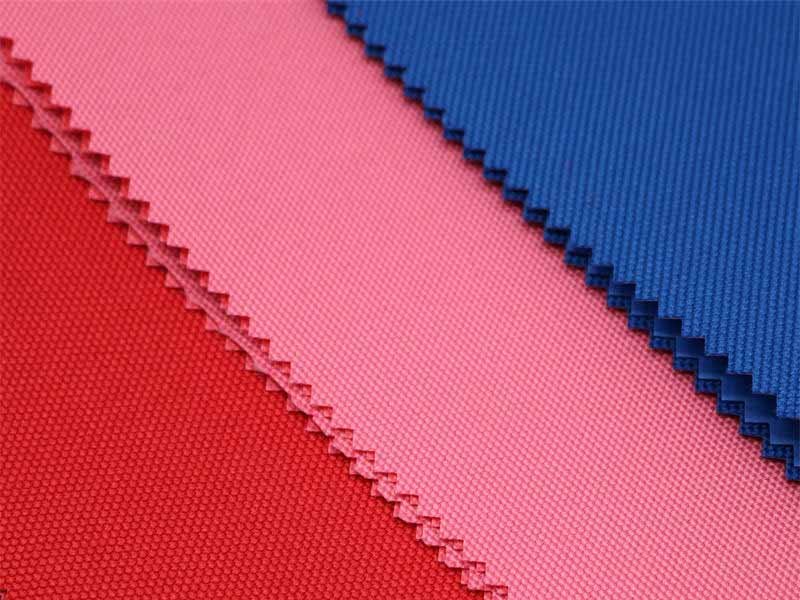
Polyester is everywhere, yet most people misunderstand what it actually is. From backpacks and sportswear to luggage linings, outdoor gear, and industrial textiles, polyester fabric has quietly become one of the most widely used materials in the global textile industry. Its popularity isn’t driven by fashion trends or marketing stories—it’s driven by performance, consistency, and scale.
But here’s the part many buyers don’t realize: polyester is not one fabric. Two polyester fabrics can look similar but behave very differently in real use. One may hold color for years, resist abrasion, and stay dimensionally stable. Another may feel stiff, pill quickly, or trap heat. The difference lies in how the polyester is made, engineered, and finished—not in the word “polyester” itself.
Understanding polyester fabric matters whether you are sourcing bags, apparel, webbing, or technical textiles. Choosing the wrong polyester specification can lead to fading, cracking, seam failure, or uncomfortable wear. Choosing the right one can dramatically improve product lifespan, consistency across reorders, and overall customer satisfaction.
Polyester fabric is a synthetic textile made from petroleum-based polymers, primarily polyethylene terephthalate (PET). It is known for durability, low shrinkage, color stability, and resistance to moisture and abrasion. Polyester is widely used in bags, apparel, outdoor gear, and industrial products because it performs consistently at scale and requires less maintenance than many natural fabrics.
A sourcing manager once put it simply: “Cotton tells a story. Polyester solves problems.”
That sentence explains why polyester dominates modern manufacturing—and why understanding it properly makes all the difference.
History of Polyester Fabric
Polyester fabric was first developed in the 1940s by British chemists John Rex Whinfield and James Tennant Dickson, who invented polyethylene terephthalate (PET). Polyester’s commercial production began in the 1950s, quickly gaining popularity for its durability, low-maintenance, and versatility. Over the years, technological advancements in fiber production, recycling, and dyeing have further boosted polyester’s use across industries, making it one of the most widely produced and used synthetic fabrics globally.
The Evolution of Polyester – From Invention to Ubiquity
Polyester wasn’t just a fabric—it was a revolution in materials science. What started as an experimental project led to a global textile industry transformation. Let’s explore how it went from an idea to a dominant fabric used in everything from clothing to industrial applications.
The Birth of Polyester – The 1940s Innovation
The roots of polyester trace back to 1941, when British chemists John Rex Whinfield and James Tennant Dickson created polyethylene terephthalate (PET). This invention was a part of broader research into synthetic fibers, but PET’s strength, durability, and resistance to moisture quickly caught the attention of the textile industry.
At the time, natural fibers like cotton and wool dominated the textile industry, but they were limited by their susceptibility to shrinkage, wear, and inconsistent supply. Polyester promised more consistent quality, greater durability, and greater cost control—factors that would soon disrupt the market.
Commercial Production of Polyester – The 1950s Breakthrough
While the discovery was groundbreaking, it wasn’t until the mid-1950s that polyester’s commercial potential was realized. The first commercially successful polyester fabric, marketed under the name Dacron, was produced by DuPont in 1953.
Key milestones in the 1950s:
- DuPont’s Dacron: The first polyester fabric that went beyond basic use in industrial applications to consumer products.
- Production scale-up: Polyester production was initially low-volume, but it quickly scaled due to rising demand for affordable, durable fabrics.
- Blends: Polyester was soon blended with cotton, creating poly-cotton fabrics that offered the best of both worlds—natural softness and synthetic durability.
By the late 1950s, polyester was seen as a strong competitor to natural fibers, making its way into mainstream fashion, workwear, and home textiles.
Polyester’s Growth in the 1960s and 1970s – The Fabric of the Future
The 1960s and 1970s were pivotal years for polyester, as it began to cement its place as a global textile leader. This period saw a rapid increase in polyester’s market share, driven by:
- Fashion: Polyester’s color retention and easy-care properties made it a popular choice in ready-to-wear clothing. The 1970s were known for the rise of polyester suits, shirts, and leisurewear.
- Polyester blends: The combination of polyester with wool, cotton, and other fibers led to more affordable yet durable textiles in home decor (bed linens, curtains) and apparel (shirts, pants).
By the 1970s, polyester dominated the global textile market, and many major textile manufacturers had transitioned to mass polyester production.
Technological Advancements in the 1980s and 1990s – Polyester’s Performance Era
In the 1980s and 1990s, polyester underwent significant technological advancements, transforming it from a basic fabric into a high-performance material used in a wide range of applications, from athletic wear to automotive textiles.
Key innovations included:
- Microfiber polyester: The development of microfiber in the 1980s created a fabric that was lighter, softer, and more breathable, making it perfect for sportswear and fashion.
- Recycled polyester (rPET): With growing environmental concerns, recycled polyester started to gain momentum, made from recycled PET bottles. The 1990s saw early efforts in rPET fabric production.
- Functional finishes: The introduction of waterproof coatings, UV resistance, and flame retardants helped polyester expand into industrial fabrics and outdoor gear.
Polyester Today – A Versatile Global Fabric
Today, polyester is everywhere—used in everything from bags to bedding to workwear. It continues to be refined with advances in recycling and sustainability (e.g., bio-based polyester made from plants or recycled plastic).
Key data points showing polyester’s dominance:
- Global polyester fiber production accounts for over 60% of all synthetic fiber production.
- The global market for polyester textiles is estimated to exceed $200 billion in 2024, with Asia accounting for 75–80% of production.
- Recycled polyester now accounts for around 15% of the polyester market, driven by demand for more sustainable products.
What Is Polyester Fabric Made Of?

Polyester fabric is made from synthetic polymer fibers, most commonly polyethylene terephthalate (PET). These fibers are produced through chemical polymerization, melted and spun into yarn, then woven or knitted into fabric. The fiber structure gives polyester its durability, low moisture absorption, dimensional stability, and consistent performance across large-scale production.
What raw materials are used to make polyester fiber?
Most polyester fabric today is made from PET (polyethylene terephthalate).
The raw inputs are:
- Ethylene glycol
- Terephthalic acid (PTA) or dimethyl terephthalate (DMT)
These are combined through polymerization, forming long-chain polymers. The length and uniformity of these chains directly affect fiber strength and durability.
Key point buyers often miss:
Polyester quality is not only about fabric construction. It starts at polymer grade.
Higher-grade PET produces:
- stronger fibers
- better heat resistance
- more stable dye uptake
Lower-grade PET often leads to:
- brittle fibers
- early pilling
- uneven color
How is polyester turned into fiber and yarn?
Once the polymer is formed, it is melted and extruded through spinnerets to form filaments.
The process involves:
- Melting PET pellets
- Extrusion into continuous filaments
- Cooling and drawing (stretching)
- Heat setting to lock molecular alignment
Stretching (drawing) is critical. Properly drawn polyester fibers show:
- 20–40% higher tensile strength
- better elastic recovery
- improved abrasion resistance
This is why polyester is preferred in:
- backpacks
- webbing
- straps
- load-bearing fabrics
Poor drawing control = weak yarn, regardless of fabric weight.
What is the difference between filament polyester and staple polyester?
This distinction matters more than most buyers realize.
Filament Polyester
- Continuous fibers
- Smooth, strong, low pilling
- Used for bags, linings, webbing, outdoor gear
Typical performance:
- Higher tensile strength
- Better seam holding
- Longer service life under load
At Lovrix, most bag fabrics use filament polyester because it handles repeated stress far better.
Staple Polyester
- Fibers cut into short lengths (similar to cotton)
- Softer hand feel
- More textile-like appearance
Trade-off:
- More pilling
- Lower load-bearing strength
Staple polyester is common in:
- apparel
- blended fabrics
- soft-touch surfaces
How does polyester fiber differ from natural fibers at a physical level?
Here is where polyester’s behavior becomes clear.
| Property | Polyester | Cotton |
|---|---|---|
| Moisture absorption | ~0.4% | ~8% |
| Shrinkage after wash | <1% | 3–7% |
| Tensile strength (dry) | High | Medium |
| Shape retention | Excellent | Moderate |
| Mildew resistance | High | Low |
Because polyester absorbs very little water:
- it dries fast
- it resists mildew
- it holds shape after washing
That’s why polyester dominates bags, outdoor gear, luggage, and industrial textiles—places where consistency matters more than softness.
What is recycled polyester (rPET) made of, and is it different?
Recycled polyester (rPET) is usually made from:
- post-consumer PET bottles
- industrial polyester waste
After sorting and cleaning, the material is:
- melted
- re-polymerized
- spun into fiber again
From a performance standpoint:
- Strength difference vs virgin polyester: usually ≤5%
- Shrinkage and dimensional stability: nearly identical
- Dye consistency: slightly more variable if raw material control is weak
Well-processed rPET works extremely well for:
- bags
- backpacks
- linings
- non-critical structural layers
The key risk is source consistency, not the concept of recycling itself.
How fiber choice affects finished polyester fabric behavior
Fiber decisions directly affect how the fabric behaves later:
- High-tenacity filament yarns → better load resistance, longer lifespan
- Low-grade or mixed-source yarns → pilling, early wear, inconsistent color
- Staple yarn dominance → softer feel but reduced durability
That’s why professional manufacturers define:
- yarn type
- yarn denier
- polymer grade
before discussing GSM or price.
What Are the Different Types of Polyester Fabric?

Polyester fabric includes filament polyester, staple polyester, polyester blends, recycled polyester (rPET), microfiber polyester, and coated polyester. Each type differs in yarn structure, strength, hand feel, durability, cost, and suitable applications. Choosing the right type depends on load requirements, usage environment, lifespan expectations, and budget—not just appearance.
Polyester types are defined by yarn structure, not names
Most sourcing problems happen because polyester is treated as a single material. In reality, polyester fabric performance is decided by how the yarn is built and finished, not by the word “polyester” itself.
Two fabrics can both be “100% polyester,” same GSM, same color—yet one lasts five years and the other pills in six months.
Here’s why.
What is filament polyester fabric, and why is it used in bags?
Filament polyester is made from continuous fibers (not cut). This is the most important polyester category for functional products.
Key characteristics
- Continuous filament yarn
- High tensile strength
- Low pilling risk
- Smooth, uniform surface
Typical performance (fabric level)
- Tensile strength: 20–40% higher than staple polyester
- Abrasion resistance: 40,000–60,000 Martindale cycles
- Shrinkage after wash: <1%
Where it is commonly used
- Backpacks
- Travel bags
- Tool bags
- Linings
- Webbing-adjacent fabrics
At Lovrix, the majority of load-bearing bag fabrics use filament polyester, because it:
- holds stitches better
- stretches less under weight
- keeps shape across long-term use
If your product carries weight, filament polyester is usually the baseline—not an upgrade.
What is staple polyester fabric, and when does it make sense?
Staple polyester is cut into short fibers and spun like cotton. The goal is to imitate the look and feel of natural textiles.
Key characteristics
- Short fiber length (commonly 32–64 mm)
- Softer, more “fabric-like” hand feel
- Higher pilling risk
Typical performance
- Lower tensile strength than filament polyester
- Abrasion resistance: 20,000–30,000 cycles
- More surface fuzz over time
Where it is commonly used
- Apparel fabrics
- Soft-touch bags
- Polyester–cotton blends
Staple polyester should not be used alone for:
- heavy backpacks
- tool bags
- high-load handles
Unless reinforced, it fails earlier due to surface wear and seam stress.
What are polyester blends, and why are they so widely used?
Blended polyester fabrics usually mix polyester with cotton.
Common ratios
- 65% polyester / 35% cotton
- 50% polyester / 50% cotton
Why brands choose blends
- Cotton feel + polyester stability
- Shrinkage reduced from 3–7% → ≤2%
- Better color consistency than pure cotton
- More stable long-term pricing
Trade-offs
- Not as breathable as pure cotton
- Not as strong as pure filament polyester
Blends are ideal for:
- everyday backpacks
- casual bags
- mid-price retail products
Blends are chosen not because they are “best,” but because they are balanced and predictable.
What is recycled polyester (rPET), and how reliable is it?
Recycled polyester (rPET) is made mainly from post-consumer PET bottles.
Performance facts
- Strength difference vs virgin polyester: typically ≤5%
- Shrinkage and dimensional stability: nearly identical
- Abrasion performance: depends heavily on yarn quality
Where rPET works very well
- Bags and backpacks
- Linings
- Non-critical structural layers
Where buyers should be careful
- Inconsistent raw bottle sources can cause:
- shade variation
- uneven yarn strength
Well-controlled rPET programs perform almost the same as virgin polyester. Poorly controlled ones don’t.
rPET is not risky by default—supplier control is the real variable.
What is microfiber polyester, and why does it feel different?
Microfiber polyester uses extremely fine filaments (often <1 denier).
Results
- Softer surface
- Better drape
- Higher print detail
Trade-offs
- Lower abrasion resistance
- Higher cost
- Not ideal for heavy load
Typical uses
- Fashion-forward bags
- Soft linings
- Touch-focused surfaces
Microfiber polyester is chosen for feel, not strength.
What is coated polyester fabric, and when is it necessary?
Coated polyester adds a functional layer such as PU or PVC.
Typical coating specs
- PU coating: 1,000–3,000 mm hydrostatic head
- PVC coating: higher waterproofing, stiffer hand feel
Where it is used
- Outdoor bags
- Rain covers
- Industrial covers
Common mistakes
- Over-coating → cracking at fold points
- Under-coating → leaks and complaints
Coating must match:
- fabric flexibility
- product folding points
- temperature environment
How to choose the right polyester type
| Product Requirement | Recommended Polyester Type |
|---|---|
| Heavy load, long lifespan | Filament polyester |
| Soft feel, light use | Staple or microfiber |
| Balanced cost & comfort | Poly–cotton blend |
| Sustainability focus | rPET (controlled source) |
| Waterproof / outdoor | Coated polyester |
How Is Polyester Fabric Used?
Polyester fabric is used by selecting the appropriate yarn type and fabric structure, then cutting, sewing, and finishing it into products such as bags, apparel, outdoor gear, and industrial textiles. Its low shrinkage, strength, and moisture resistance make it easy to process and reliable in mass production, especially for products requiring durability and consistent performance.
Step-by-step: How polyester fabric is actually used in real products
Polyester isn’t just “chosen and sewn.”
In real manufacturing, it goes through clear decision and processing steps, each of which affects cost, durability, and user experience.
Step 1: Selecting polyester fabric based on end use
The first step is not color or pattern—it’s use scenario.
Manufacturers typically decide based on:
- Load requirement (how much weight the product carries)
- Environment (indoor, outdoor, humid, UV exposure)
- User frequency (daily use vs occasional)
- Target lifespan (1 year vs 3–5 years)
Typical matching logic:
| End Use | Polyester Type Commonly Used |
|---|---|
| Backpacks & luggage | Filament polyester, 300–600 GSM |
| Tote bags & casual bags | Poly-cotton blend or medium polyester |
| Outdoor gear | Coated polyester (PU/DWR) |
| Apparel | Staple polyester or blended polyester |
| Industrial covers | Heavy polyester with UV treatment |
This step alone determines 80% of product performance.
Step 2: Cutting polyester fabric in production
Polyester is widely used because it is easy and stable to cut.
Key characteristics during cutting:
- Minimal fraying compared to cotton
- Consistent thickness across rolls
- Low distortion under tension
Common cutting methods:
- Straight knife / band knife for bulk cutting
- Laser cutting for coated or technical polyester
- Hot knife for edges that require sealing
Real-world benefit:
- Cutting yield is usually 3–8% higher than cotton fabrics due to lower shrinkage and distortion.
- This directly reduces material waste and cost.
Step 3: Sewing and assembly with polyester fabric
Polyester is highly compatible with industrial sewing.
Why factories prefer it:
- Stable under needle heat
- Holds stitch tension well
- Less seam puckering than cotton
Typical sewing parameters (bag production):
- Stitch density: 6–9 stitches per inch
- Thread: polyester thread (matched elasticity)
- Seam strength retention: >90% after repeated load cycles
For bags and gear:
- Polyester fabric usually fails after seams, not at the fabric body
- That’s why seam design matters more than fabric thickness alone
Step 4: Applying functional finishes
Many polyester fabrics are used after finishing, not in raw form.
Common finishes and how they’re used:
- PU coating → waterproof bags, rain covers
- DWR treatment → splash resistance for outdoor gear
- UV stabilizers → prolonged outdoor exposure
- Anti-mildew treatment → humid environments
Typical performance ranges:
- PU waterproof rating: 1,000–3,000 mm
- Outdoor UV durability: 3–7 years (with stabilizers)
- Mold resistance improvement: significant in tropical shipping/storage
These treatments are applied before cutting, ensuring consistent performance across panels.
Step 5: Product testing before bulk use
Before polyester fabric enters mass use, manufacturers test it in product form.
Common checks:
- Load testing (bags): 10–35 kg, depending on design
- Abrasion testing: 40,000+ Martindale cycles
- Color fastness: washing, rubbing, UV exposure
- Dimensional stability: shrinkage <1%
This step is critical for:
- avoiding returns
- ensuring repeat orders
- maintaining brand reputation
Step 6: Polyester fabric in daily use by end customers
From the end user’s perspective, polyester performs in very practical ways:
- Keeps shape after long-term use
- Dries fast after rain or washing
- Does not mildew easily
- Requires minimal care
That’s why polyester is widely used in:
- school bags
- travel gear
- work bags
- outdoor equipment
For many products, users don’t even notice the fabric—and that’s a good thing.
Step 7: Long-term use, repair, and reuse
Polyester products are easier to:
- clean
- repair
- rework
Compared to natural fibers:
- seams can be re-stitched without distortion
- panels can be replaced without size mismatch
- fabric performance remains consistent over time
This makes polyester ideal for:
- scalable product lines
- multi-season programs
- long-term private label projects
Where Is Polyester Fabric Produced?

Polyester fabric is produced worldwide, with China, India, and the United States accounting for the majority of global output. China leads in volume and variety, India is strong in cost-efficient and recycled polyester, and the United States focuses on high-performance and technical polyester. Pakistan and Southeast Asia are important suppliers for heavy-duty and apparel-focused polyester fabrics.
Global polyester production follows scale, cost, and performance
Polyester is not produced evenly around the world. Production concentrates where three conditions exist:
- Access to PET raw materials or recycling streams
- Large-scale spinning, weaving, and finishing capacity
- Export-oriented textile infrastructure
According to industry data (polymer fiber capacity reports and textile trade statistics), Asia produces over 70% of the world’s polyester fiber, with China alone accounting for more than 50% of global polyester fiber output.
China — the world’s largest polyester fabric producer
Production scale
- Accounts for ~55–60% of global polyester fiber output
- Largest exporter of woven polyester fabrics and coated polyester
- Full supply chain: PET → yarn → fabric → finishing → bags
Typical sourcing data
- Fabric MOQ: 300–1,000 meters per color
- Lead time (fabric): 10–20 days
- Lead time (bags): 25–45 days
- Price range (woven polyester): $2.50–6.50/m
Key strengths
- Broadest product range (light → heavy, coated, functional)
- Stable repeat-order consistency
- Fast sampling and flexible customization
Limitations
- Labor cost higher than South Asia
- Ultra-low-cost programs may not be competitive
Lovrix reality
Over 80% of Lovrix polyester-based bag programs are produced in China because:
- fabric + webbing + bag production can be synchronized
- shrinkage and color deviation are easier to control at scale
India — cost-efficient polyester and recycled polyester hub
Production scale
- One of the top 3 polyester fiber producers globally
- Major exporter of polyester yarn and poly-cotton fabric
- Strong rPET (recycled polyester) capacity
Typical sourcing data
- Fabric MOQ: 500–2,000 meters
- Lead time: 20–35 days
- Price range: $2.00–5.00/m
- rPET premium: +10–20% vs virgin polyester
Key strengths
- Competitive labor cost
- Strong sustainability positioning
- Large cotton + polyester blending ecosystem
Limitations
- Wider quality variation between mills
- Longer sampling cycles for small orders
Best for
- Price-sensitive programs
- Poly-cotton blends
- Sustainable product lines (rPET)
United States — high-performance and technical polyester
Production scale
- Smaller volume, higher specialization
- Strong in technical, industrial, and military-grade polyester
Typical sourcing data
- Fabric MOQ: 100–500 meters
- Lead time: 30–60 days
- Price range: $6.00–12.00/m
Key strengths
- Advanced coatings and performance treatments
- Strict quality and compliance standards
- Strong IP protection
Limitations
- Higher unit cost
- Limited variety for mass-market products
Best for
- Technical textiles
- Military / safety gear
- Premium “Made in USA” products
Pakistan — heavy-duty polyester and industrial fabrics
Production scale
- Strong exporter of heavy woven fabrics
- Competitive labor cost
Typical sourcing data
- Fabric MOQ: 500–1,500 meters
- Lead time: 25–40 days
- Price range: $2.20–4.80/m
Key strengths
- Heavy polyester canvas
- Good abrasion resistance
- Attractive pricing for durable products
Limitations
- Fewer functional finishing options
- Color consistency requires tighter QC
Best for
- Tool bags
- Workwear
- Industrial covers
Southeast Asia — apparel-focused polyester production
(Mainly Vietnam, Bangladesh, Indonesia)
Production scale
- Fast-growing polyester garment supply base
- Fabric production often supports local cut-and-sew factories
Typical sourcing data
- Fabric MOQ: 800–3,000 meters
- Lead time: 20–40 days
- Price range: $2.30–5.50/m
Key strengths
- Competitive labor cost
- Strong apparel manufacturing integration
- Favorable trade agreements
Limitations
- Limited high-performance coating capacity
- Fabric variety narrower than China
Best for
- Apparel polyester
- Lightweight bags
- Fashion-driven products
Europe (Turkey, Italy) — regional and premium polyester supply
Production scale
- Small volume, high quality
- Focus on EU market supply
Typical sourcing data
- Fabric MOQ: 300–1,000 meters
- Lead time: 25–45 days
- Price range: $4.50–9.00/m
Key strengths
- Strong compliance (REACH, EU standards)
- Reliable mid-range quality
Limitations
- Higher cost
- Limited scalability
Global comparison: where polyester sourcing makes sense
| Priority | Best Region |
|---|---|
| Broad variety & fast scaling | China |
| Lowest cost (stable quality) | India / Pakistan |
| Sustainable rPET focus | India / China |
| Technical performance | USA |
| Apparel integration | Southeast Asia |
| EU delivery & compliance | Turkey / EU |
How Durable Is Polyester Fabric?
Polyester fabric is highly durable due to its strong polymer structure, low moisture absorption, and resistance to abrasion and deformation. Compared to natural fibers, polyester maintains strength, shape, and color over long-term use. When properly engineered, polyester fabrics can last several years in high-friction, load-bearing, and outdoor applications.
How strong is polyester fabric compared to other fibers?
At the fiber level, polyester is inherently strong. At the fabric level, performance depends on yarn type and construction.
Typical tensile strength comparison (similar fabric constructions):
| Fiber Type | Relative Tensile Strength |
|---|---|
| Polyester | High |
| Nylon | Very high |
| Cotton | Medium |
| Linen | Medium–low |
In Lovrix bag fabric programs, woven polyester fabrics commonly reach:
- 800–1,200 N tensile strength (warp direction)
- Higher values when high-tenacity filament yarns are used
This is why polyester is preferred for:
- backpacks
- luggage shells
- straps and load zones
Cotton fabrics of similar weight usually fail earlier at seams rather than fabric body.
How does polyester handle abrasion and surface wear?
Abrasion is the main reason fabrics fail in daily use, especially in bags.
Typical Martindale abrasion results:
- Standard woven polyester: 40,000–60,000 cycles
- Heavy-duty polyester fabrics: 60,000+ cycles
- Cotton canvas (comparison): 15,000–30,000 cycles
What this means in practice:
- Polyester backpacks often maintain surface integrity for 3–5 years of daily use
- Cotton-based bags show visible wear much earlier under the same conditions
Abrasion resistance matters more than thickness. A lighter polyester fabric can outlast a heavier cotton fabric if abrasion resistance is higher.
Does polyester stretch, shrink, or deform over time?
One of polyester’s biggest advantages is dimensional stability.
Typical behavior:
- Shrinkage after washing: <1%
- Moisture-related deformation: minimal
- Elastic recovery: strong
This stability reduces:
- seam twisting
- panel warping
- size inconsistency across batches
For brands doing repeat orders, this predictability is often more valuable than softness or “natural” feel.
How does polyester perform under load?
Load performance depends on yarn structure, not just fabric weight.
Key points:
- Filament polyester stretches less under sustained load than cotton
- Polyester holds stitch tension better over time
- Load-related failures usually occur at seams, not fabric body
Typical practical load ranges (bag use, fabric-only reference):
| Fabric Type | Practical Load Range |
|---|---|
| Light polyester (200–300 GSM) | 10–15 kg |
| Medium polyester (300–450 GSM) | 15–25 kg |
| Heavy polyester (450+ GSM) | 25–35 kg |
This is why polyester dominates:
- backpacks
- tool bags
- travel gear
How does polyester handle moisture, mildew, and outdoor exposure?
Polyester absorbs very little moisture (≈ 0.4%), which gives it clear advantages:
- dries quickly
- resists mildew growth
- does not weaken when wet
With UV stabilizers and appropriate finishes:
- outdoor service life typically reaches 3–7 years, depending on exposure
Untreated cotton fabrics under similar conditions often degrade in 1–3 years.
What are the most common durability failures in polyester products?
From real production feedback, polyester rarely fails because the fiber “breaks.”
Failures usually come from poor specification or misuse, such as:
- Pilling
- Caused by low-grade yarn or staple-dominant structures
- Surface glazing or stiffness
- Result of over-finishing or poor heat-setting
- Seam failure before fabric failure
- From incorrect stitch density or thread mismatch
- Coating cracks at fold points
- From rigid coatings on flexible base fabric
These are engineering problems, not inherent polyester problems.
How can polyester durability be engineered, not guessed?
Durability is planned before sampling, not after complaints.
At Lovrix, polyester durability is controlled by:
- selecting filament vs staple yarn intentionally
- defining target GSM after finishing
- matching fabric density to expected load
- testing abrasion and tensile strength before bulk cutting
This approach reduces:
- early wear complaints
- returns and replacements
- inconsistency across reorders
Is Polyester a Good Fabric?

Yes, polyester is a good fabric when durability, consistency, and low maintenance are priorities. It resists shrinking, stretching, moisture, and abrasion better than most natural fibers. However, it is less breathable and less natural in feel than cotton. Whether polyester is “good” depends on how the fabric is engineered and how the product will actually be used.
When polyester is clearly a good choice
Polyester performs best in products where performance matters more than touch.
Polyester is usually the right choice when:
- the product carries weight (bags, backpacks, straps)
- the product is used outdoors or frequently
- the product needs consistent sizing across batches
- color stability and repeatability matter
Real-world performance data shows:
- shrinkage: <1% after washing
- abrasion resistance: 40,000–60,000+ cycles (Martindale)
- moisture absorption: ~0.4%
That’s why polyester dominates:
- backpacks and luggage
- tool bags and work gear
- outdoor equipment
- webbing and load-bearing textiles
In these cases, polyester isn’t just “good”—it’s usually the most practical option.
When polyester is not the best choice
Polyester has real limitations, and ignoring them leads to poor product decisions.
Polyester may not be ideal when:
- breathability is critical (hot, close-to-skin apparel)
- soft, natural hand feel is the main selling point
- customers expect a “natural fiber” story
Compared to cotton:
- polyester absorbs much less moisture
- it can feel warmer in still air
- it lacks the natural softness of untreated cotton
That’s why polyester is less common in:
- summer apparel worn directly on skin
- premium bedding
- products marketed primarily on comfort and touch
In these cases, polyester can still be used—but usually as a blend, not alone.
Which is better: cotton or polyester?
There is no universal answer. The better fabric depends on use case, not preference.
| Requirement | Better Choice |
|---|---|
| Breathability | Cotton |
| Soft hand feel | Cotton |
| Durability | Polyester |
| Low shrinkage | Polyester |
| Outdoor use | Polyester |
| Cost stability | Polyester |
| Easy care | Polyester |
A practical rule many manufacturers follow:
Cotton for comfort. Polyester for performance.
That’s also why many everyday products quietly use polyester—even when cotton sounds better in marketing.
Why many brands choose polyester but don’t highlight it
Consumers often associate polyester with “synthetic” or “cheap,” even though that’s outdated.
From a manufacturing perspective, polyester offers:
- fewer defects
- lower return rates
- predictable performance across reorders
- stable long-term pricing
As a result:
- many brands use polyester internally
- marketing focuses on design, function, or sustainability instead of fiber name
In practice, polyester reduces operational risk, which matters more than fiber perception once products scale.
Does fabric quality matter more than fiber type?
Absolutely.
Most complaints about polyester—pilling, stiffness, poor feel—come from:
- low-grade yarns
- incorrect fabric density
- poor finishing control
A well-engineered polyester fabric can outperform a poorly specified cotton fabric in:
- appearance retention
- lifespan
- customer satisfaction
That’s why experienced manufacturers evaluate:
- yarn structure (filament vs staple)
- denier and density
- finishing method
before deciding whether polyester is “good” or “bad.”
What Are the Disadvantages of Polyester?
Polyester is durable and cost-stable, but its main disadvantages include lower breathability than natural fibers, heat sensitivity, environmental concerns related to fossil fuels and microplastics, and a hand feel that can seem synthetic if poorly engineered. Most drawbacks are manageable with proper fabric design, finishing, and correct end-use selection.
1. Lower breathability compared to natural fibers
Polyester absorbs very little moisture (about 0.4%), while cotton absorbs around 8%.
What this causes in real use
- Traps heat in hot, still environments
- Feels less comfortable when worn close to skin
- Sweat is moved across the surface, not absorbed
Where this matters
- Summer apparel
- Bedding and sheets
- Products marketed on “natural comfort”
Where it does not matter
- Bags, backpacks, luggage
- Outerwear
- Outdoor gear
- Industrial textiles
This is why polyester dominates bags and gear, but cotton still leads in next-to-skin comfort products.
2. Heat sensitivity during care and processing
Polyester softens and deforms under high heat.
Key numbers
- Heat deformation risk begins around 160–170°C
- High-heat tumble drying and ironing cause damage faster than washing
Common problems
- Fabric stiffness or glazing
- Warping at seams
- Coating cracking on PU/PVC fabrics
Reality check
Most polyester failures blamed on “poor quality” are actually heat misuse issues, not fiber defects.
3. Synthetic feel if yarn quality is low
Polyester itself is neutral—but low-grade yarns create problems.
Poor-quality polyester often feels
- Stiff
- Plastic-like
- Prone to pilling
Why this happens
- Low polymer grade
- Staple fibers used where filament yarns are needed
- Insufficient heat-setting and finishing
A well-engineered polyester fabric can feel smooth and stable, but cheap shortcuts show immediately in hand feel and wear.
4. Environmental and sustainability concerns
Polyester is petroleum-based and not biodegradable.
Key sustainability issues
- Depends on fossil fuels (virgin polyester)
- Releases microfibers during washing
- Long decomposition time in landfills
Current data points
- Polyester accounts for ~60% of global synthetic fiber use
- Microfibers are a major contributor to ocean plastic pollution
How the industry responds
- Recycled polyester (rPET) reduces CO₂ emissions by 30–50%
- Longer product lifespan offsets replacement frequency
- Closed-loop recycling systems are expanding, but not universal
Polyester is not “green” by default—but it can be made more responsible.
5. Odor retention in certain uses
Because polyester doesn’t absorb water, it can trap oils and bacteria if not cleaned properly.
Where this shows up
- Sportswear
- Active bags
- Products exposed to sweat
Solutions
- Anti-odor finishes
- Occasional warm (not hot) washing
- Proper drying and ventilation
This issue is far less relevant in bags and gear than in apparel.
6. Perception problem in marketing
Many consumers still associate polyester with:
- “Cheap”
- “Artificial”
- “Fast fashion”
This is a branding challenge, not a performance one.
That’s why many brands:
- Use polyester quietly
- Emphasize design, function, or sustainability instead of fiber name
- Highlight rPET or performance features when relevant
Polyester’s disadvantages are context-dependent, not universal.
| Issue | When it matters | When it doesn’t |
|---|---|---|
| Low breathability | Apparel, bedding | Bags, gear |
| Heat sensitivity | Improper care | Normal use |
| Synthetic feel | Low-grade yarn | Engineered fabrics |
| Sustainability | Fast-fashion | Durable products |
| Odor retention | Sportswear | Accessories |
How Much Does Polyester Fabric Cost?
Polyester fabric is generally cost-effective and price-stable compared to natural fibers. Prices vary based on yarn type, fabric weight (GSM), construction, finishing, and whether virgin or recycled polyester is used. Basic polyester fabrics are among the most affordable options for large-scale production, while functional or coated polyester costs more due to added processing.
Typical polyester fabric price ranges
Below are realistic global sourcing ranges for polyester fabrics (fabric only, FOB-level reference, large-volume orders):
| Polyester Fabric Type | Typical Price Range (USD / meter) |
|---|---|
| Basic polyester lining (190–210T) | $1.20 – $2.50 |
| Standard woven polyester (250–350 GSM) | $2.50 – $4.50 |
| Polyester canvas / heavy woven (350–600 GSM) | $3.50 – $6.50 |
| Coated polyester (PU / PVC) | $5.00 – $9.00 |
| Recycled polyester (rPET) | +10% – 25% vs virgin |
These ranges assume stable raw material markets and MOQ-friendly orders. Small runs, special colors, or rush timelines will cost more.
What are the main factors that affect polyester fabric cost?
Polyester price is built from several layers. Changing one spec can shift cost significantly.
1. Yarn type and quality
- Filament polyester costs more than staple polyester
- High-tenacity yarns cost more than standard yarns
- Cleaner polymer grade = higher cost, better durability
2. Fabric weight (GSM)
- Higher GSM = more raw material
- A jump from 300 GSM to 450 GSM can increase cost by 20–35%
3. Fabric construction
- Plain weave is cheapest
- Twill, basket weave, or high-density constructions cost more
- Tighter weave = higher loom time = higher cost
4. Finishing and treatments
- Basic dyeing is low cost
- Functional finishes add cost:
- DWR: +$0.30–0.80/m
- PU coating: +$1.00–2.50/m
- Anti-UV / anti-mildew: incremental cost per treatment
5. Virgin vs recycled polyester
- rPET typically costs more due to:
- raw material sorting
- additional processing
- certification requirements
Why polyester prices are more stable than cotton
One major reason brands prefer polyester is price predictability.
Cotton prices fluctuate due to:
- weather
- harvest cycles
- agricultural policy
- speculation
Polyester pricing is tied more closely to:
- petrochemical feedstocks
- industrial supply chains
In practice, this means:
- fewer sudden price swings
- easier long-term costing
- more stable repeat-order pricing
For private label and OEM programs, price stability matters as much as price level.
How order quantity (MOQ) affects polyester fabric pricing
MOQ has a direct impact on unit cost.
Typical patterns:
- Below MOQ → surcharge on dyeing/finishing
- At MOQ → standard pricing
- High volume → price breaks
Example:
- 300 m/color → higher per-meter cost
- 1,000+ m/color → optimized dye and finishing cost
- 5,000+ m → best unit economics
This is why many factories, including Lovrix, encourage:
- color consolidation
- phased ordering (pilot run → scale)
Where buyers often save money—and where they shouldn’t
Safer areas to control cost
- Adjust GSM slightly (without hurting performance)
- Simplify weave structure
- Reduce unnecessary finishes
Risky cost cuts
- Using low-grade yarns
- Reducing density too much
- Skipping pre-setting or heat treatment
These shortcuts often lead to:
- pilling
- early wear
- seam failure
- customer complaints
Lower upfront cost can mean higher long-term cost.
Polyester fabric cost vs total product cost
Fabric cost is only part of the equation.
In bags and gear:
- Fabric typically represents 30–50% of material cost
- Failures lead to:
- returns
- rework
- lost reorders
Many experienced buyers accept slightly higher fabric cost to reduce:
- quality risk
- inconsistency
- after-sales issues
What Are the Common Uses of Polyester Fabric?
Polyester fabric is widely used in bags, backpacks, luggage, outdoor gear, home textiles, industrial products, and clothing. Its durability, low shrinkage, resistance to moisture and abrasion, and low maintenance make it suitable for both lightweight consumer products and heavy-duty industrial applications. Polyester’s adaptability makes it the fabric of choice for high-performance products in demanding environments.
Polyester Fabric is Used in Backpacks and Luggage
Backpacks, luggage, and outdoor gear rely heavily on polyester’s durability, moisture resistance, and shape retention. Polyester’s low moisture absorption rate (~0.4%) makes it ideal for items subjected to repeated exposure to water or sweat.
Key specs for backpack fabrics:
- Weight: 300–600 GSM (grams per square meter)
- Abrasion resistance: 40,000–60,000 Martindale cycles
- Tensile strength: 800–1,200 N (warp direction)
Why polyester is the go-to choice:
- Resists deformation under heavy load
- Holds color and shape after long-term use
- Lightweight yet strong
Lovrix Fact:
Over 75% of backpack manufacturers use filament polyester for bag bodies due to its higher tensile strength and load-bearing performance.
Polyester Fabric is Used in Outdoor Gear and Qorkwear
Outdoor gear (like tents, tarps, and camping equipment) demands fabric that can handle harsh environments—moisture, UV rays, dirt, and abrasion.
Polyester excels in these areas because:
- It dries faster than natural fibers like cotton or linen
- It resists mildew and doesn’t absorb water
- It holds up in sunlight exposure better than natural fibers
Typical specs for outdoor fabrics:
- Weight: 200–450 GSM (depending on function)
- Abrasion resistance: 50,000+ Martindale cycles
- UV resistance: >1,000 hours
Lovrix Insight:
When you need fabric for outdoor tents or camping gear, coated polyester is often the choice. Polyester’s PU coating enhances its ability to withstand rain and resist UV degradation, increasing product lifespan to 5–7 years under regular use.
Polyester Fabric is Used in Home Textiles
Polyester is the preferred choice for many home textile products, from curtains to upholstery to bedding. Its low-maintenance, wrinkle-resistant nature makes it perfect for high-turnover home décor products.
Key home textile applications:
- Cushion covers
- Upholstery fabric
- Bedding linings
- Blankets
Key benefits:
- Durability: Polyester holds its shape well, even after frequent washing.
- Color retention: Polyester fibers retain color far better than cotton, reducing fading.
- Easy care: Minimal shrinking or stretching during cleaning.
Lovrix Fact:
For upholstery projects, polyester blends (especially poly-cotton blends) are chosen because of improved durability and resistance to wear and tear, while still maintaining softness and comfort.
Polyester Fabric is Used in Industrial Applications
Polyester fabric’s strength and moisture resistance make it ideal for industrial applications such as safety gear, covers, and protective textiles.
Common industrial uses:
- Fire-resistant workwear
- Protective covers for machinery
- Filtration fabrics
Key benefits in industrial use:
- Abrasion resistance: Polyester’s ability to withstand friction is critical in industrial settings where machinery and equipment are in constant motion.
- Weather resistance: Polyester fabrics treated with UV and water-resistant finishes hold up longer than cotton or linen-based textiles in harsh environments.
- Structural strength: Polyester’s consistent strength makes it ideal for heavy-duty covers that need to resist punctures and tears.
Lovrix Insight:
Many manufacturers use heavy-duty polyester duck canvas for tool bags, cargo covers, and protective work gear. This fabric can carry up to 30 kg of weight and is abrasion-resistant—vital for industrial environments.
Polyester Fabric is Used in Fashion and Apparel
Polyester is a mainstay in the fashion industry, from affordable basics to high-performance sportswear.
Common fashion applications:
- Activewear
- Performance fabrics (sports uniforms, yoga pants)
- Affordable fashion garments
Key reasons fashion brands choose polyester:
- Moisture-wicking: Polyester is engineered to move moisture away from the skin, making it ideal for sportswear.
- Strength: Polyester holds up against tearing and abrasion, even during frequent wear.
- Color retention: Polyester fibers are known for holding dyes better, meaning fabrics stay vibrant longer.
Lovrix Fact:
The increasing trend in athleisure and sports apparel means polyester-based fabrics, especially with spandex blends, are essential for products that need both flexibility and durability.
Polyester Fabric is Used in Bags, Accessories, and Gear
Polyester’s versatility also makes it a go-to fabric for a range of accessories and gear.
Common uses:
- Tote bags
- Gym bags
- Luggage interiors
- Wallets and organizers
Polyester’s tear resistance, dimensional stability, and cost-effectiveness ensure it’s the material of choice for products that face constant use.
Lovrix Insight:
For high-end, custom bags, Lovrix often combines polyester with leather or coated fabric for added durability and premium texture, while maintaining low-cost production advantages.
How Do You Care for Polyester Fabric?
Polyester fabric is low-maintenance and easy to care for. It can be machine washed in cold or warm water, resists shrinking and wrinkling, and dries quickly. To maintain durability and appearance, avoid high heat, harsh chemicals, and prolonged UV exposure. Proper care can significantly extend the lifespan of polyester bags, apparel, and outdoor products.
How should polyester fabric be washed?
Polyester is forgiving, but temperature and chemistry still matter.
Recommended washing conditions
- Water temperature: cold to 40°C (≤104°F)
- Cycle: normal or gentle
- Detergent: mild, neutral pH
Why heat matters
- Polyester softens at high temperature
- Repeated hot washing can:
- weaken yarn structure
- reduce abrasion resistance
- accelerate surface glossing
Real-world data
- Shrinkage after proper washing: <1%
- Shrinkage after repeated hot washing (>60°C): can exceed 2–3% over time
For bags and gear, cold washing preserves shape and stitching longer.
Can polyester be machine washed safely?

Yes—polyester is one of the most machine-friendly fabrics.
Best practices:
- Turn items inside out (reduces surface abrasion)
- Use laundry bags for smaller accessories
- Avoid mixing with heavy items (zippers, metal parts)
From factory testing:
- Polyester fabrics retain >95% tensile strength after 30 standard wash cycles when washed correctly.
This is a major reason polyester dominates:
- backpacks
- school bags
- workwear
- travel gear
How should polyester fabric be dried?
Drying is where most polyester damage happens.
Recommended drying methods
- Air dry: safest option
- Tumble dry: low heat only
What to avoid
- High heat tumble drying
- Direct contact with heating elements
Why:
- Polyester begins to deform at ~160–170°C
- Excessive heat can:
- cause fabric stiffening
- damage coatings
- weaken seam areas
Good news:
- Polyester dries 30–50% faster than cotton due to low moisture absorption (~0.4%)
Does polyester wrinkle or need ironing?
Polyester is naturally wrinkle-resistant.
Wrinkle behavior
- Minimal creasing during normal use
- Creases release easily with light heat or steam
Ironing guidelines
- Temperature: low (≤110°C)
- Use a pressing cloth
- Steam preferred over direct heat
For most bags and gear:
- Ironing is unnecessary
- Shape returns naturally after use
How does polyester handle stains and odors?
Polyester resists many stains because it doesn’t absorb liquids easily.
Stain behavior
- Water-based stains: easy to remove
- Oil-based stains: need prompt treatment
Best practice:
- Treat stains early with mild detergent
- Avoid solvents unless fabric is tested for them
Odor management
- Polyester can trap odors if oils build up
- Occasional warm wash (not hot) helps release residues
This is why sportswear polyester often uses:
- moisture-wicking finishes
- anti-odor treatments
How should polyester products be stored?
Storage matters more than most users think.
Best storage conditions
- Dry, ventilated space
- Away from direct sunlight
- Avoid heavy compression for long periods
Why:
- Prolonged UV exposure can weaken fibers
- Constant compression may cause permanent creases
Proper storage can extend product life by 1–2 years, especially for bags and outdoor gear.
How does care differ for coated or functional polyester fabrics?
Coated polyester (PU, PVC, waterproof finishes) needs extra care.
Care tips
- Do not machine wash aggressively
- Avoid detergents with bleach or solvents
- Never dry clean unless approved
Common mistake:
- High heat causes coating cracking or delamination, especially at fold points
Factory observation:
Most waterproof fabric failures come from heat misuse, not coating defects.
How often should polyester products be cleaned?
Over-cleaning can be as damaging as neglect.
Recommended frequency
- Bags: clean when visibly dirty
- Outdoor gear: after heavy exposure to mud/salt
- Apparel: regular, but gentle cycles
Polyester does not need frequent washing to stay hygienic, thanks to low moisture absorption.
How Does Polyester Fabric Impact the Environment?
Polyester fabric impacts the environment mainly through its reliance on fossil fuels, carbon emissions during production, and microplastic shedding during washing. However, its long lifespan, high durability, and growing use of recycled polyester (rPET) can significantly reduce overall environmental impact when compared to short-life natural fabrics. The environmental footprint of polyester depends more on how it is produced and used than on the fiber itself.
How does polyester production affect carbon emissions?
Virgin polyester is made from petroleum-based raw materials, which means it carries a higher upfront carbon footprint than some natural fibers.
Key data points
- Producing 1 kg of virgin polyester fiber emits approximately 5.5–6.5 kg CO₂e
- Cotton production emits less CO₂ per kg, but requires:
- large amounts of water
- pesticides and fertilizers
Polyester production is energy-intensive, but it is also:
- highly efficient at scale
- less variable than agricultural fibers
- less dependent on climate conditions
Important context:
Carbon footprint alone does not represent total environmental impact.
How does polyester compare to cotton in water and land use?
This is where polyester performs better than many people expect.
| Environmental Factor | Polyester | Cotton |
|---|---|---|
| Water use | Very low | Very high |
| Agricultural land | None | Extensive |
| Pesticides | None | High usage |
| Seasonal variability | None | High |
Producing 1 kg of cotton fiber can require 7,000–10,000 liters of water, depending on region. Polyester requires almost no water during raw material sourcing.
For regions facing water stress, polyester often has a lower overall ecological burden than cotton.
What is the environmental impact of recycled polyester (rPET)?
Recycled polyester significantly changes the sustainability equation.
Typical benefits of rPET
- 30–50% lower CO₂ emissions compared to virgin polyester
- Reduces plastic waste sent to landfill or ocean
- Uses existing PET materials instead of new fossil resources
Key facts
- Most rPET is made from post-consumer PET bottles
- rPET performance is nearly identical to virgin polyester when processed correctly
- Cost is typically 10–25% higher due to sorting and processing
For many brands, rPET offers the best balance between performance, durability, and environmental responsibility.
Do polyester fabrics release microplastics?
Yes—polyester can shed microfibers during washing, which is a legitimate concern.
What the data shows
- Synthetic textiles are a source of microplastic pollution
- Shedding is highest during early washes and with low-quality yarns
However
- Well-engineered filament polyester sheds significantly less than low-grade staple polyester
- Washing frequency matters more than fiber type
- Bags and gear shed far less than apparel due to less frequent washing
Mitigation strategies used in industry
- Tighter yarn construction
- Better heat-setting
- Surface finishes that reduce fiber breakage
- Consumer guidance (wash less, cold water, use filters)
Microplastic impact is real—but design and usage strongly influence the outcome.
How does polyester’s durability affect its environmental footprint?
Durability is often ignored in sustainability discussions—but it matters.
Polyester products typically:
- last 2–3× longer than comparable cotton products in bags and gear
- require fewer replacements
- reduce overall material consumption over time
From a lifecycle perspective:
A product that lasts five years can have lower total environmental impact than a “natural” product replaced every year.
This is why polyester is widely used in:
- backpacks
- travel gear
- workwear
- outdoor equipment
Longevity offsets production impact.
What happens to polyester at end of life?
Polyester is not biodegradable, which is a valid concern.
However:
- Polyester is technically recyclable
- Mechanical and chemical recycling technologies are improving
- Closed-loop systems (fiber → fiber) are expanding, but not universal yet
Current challenges:
- Mixed materials (fabric + coating + hardware) limit recyclability
- Infrastructure varies by region
This is why many manufacturers now focus on:
- mono-material designs where possible
- easier disassembly
- durable construction to delay disposal
Conclusion: Polyester Is Chosen for Results, Not Romance
Polyester fabric isn’t popular because it sounds good—it’s popular because it works. It delivers durability, consistency, and cost control at a scale that few other materials can match. When engineered correctly, polyester outperforms many natural fabrics in real-world use, especially in bags, outdoor products, and industrial applications.
The real question isn’t whether polyester is “good” or “bad.”
The real question is whether it’s specified correctly for your product.
At Lovrix, polyester programs are built from the inside out—starting with fiber selection, yarn structure, fabric density, and finishing choices that match how your product will actually be used. That’s how samples turn into stable bulk orders, not surprises.
If you’re developing custom polyester fabrics, webbing, bags, or complete OEM/ODM products, our team is ready to help you define the right specifications from the start.
Contact Lovrix today to request samples, discuss custom requirements, or start your next private label project.


