 Skip to content
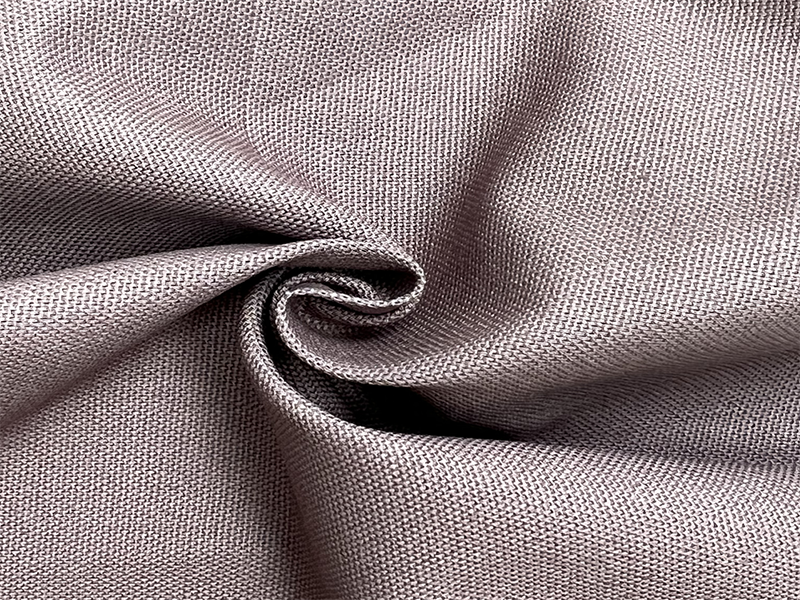
If you’ve ever owned a tote bag that kept its shape for years, or a backpack that didn’t stretch out at the seams, you’ve already felt the advantage of woven fabric—without realizing it. Woven fabric isn’t “better” for every product, but when you need strength, shape control, and predictable manufacturing, it’s often the safest choice. That’s why woven structures show up everywhere from denim and workwear to luggage, grocery bags, upholstery, and industrial covers.
Woven fabric is made by interlacing two yarn directions—warp (lengthwise) and weft (crosswise)—at right angles on a loom. This grid-like construction gives woven fabric strong shape retention, good abrasion resistance, and stable sizing with low natural stretch.
In real product terms, woven structure affects things customers actually complain about: straps tearing, corners wearing through, bags losing shape, seams twisting after washing, and coatings peeling early. A woven base helps you control these risks because performance is easier to engineer: you can adjust yarn thickness, yarn count, weave type, and finishing to hit a specific target.
One sourcing manager once told us their “cheap” bags became expensive after launch—not because the fabric price was high, but because returns, bad reviews, and reorders of replacement stock quietly ate the margin. That’s the practical side of understanding woven fabric—and why this guide starts with structure.
What Does Woven Fabric Mean?

Woven fabric refers to any textile formed by interlacing perpendicular yarn systems called warp and weft. This grid-like construction produces strong, dimensionally stable material with limited stretch and high durability, distinguishing it clearly from knitted loop structures and bonded nonwoven sheets.
At its core, weaving is one of the oldest engineered technologies in human history, dating back more than 8,000 years. Despite massive advances in automation, the principle remains unchanged: stability comes from tension and interlock. This explains why woven materials still dominate load-bearing and shape-critical products such as luggage shells, upholstery, and protective garments.
From a product-engineering perspective, woven structure provides three measurable advantages:
Why this definition matters in manufacturing
When you develop a product—especially bags, uniforms, accessories, or home textiles—you’re not just choosing “cotton vs polyester.” You’re choosing how the textile behaves under:
- Repeated bending (fold lines, corners, strap points)
- Abrasion (rubbing against clothing, floors, shelving)
- Seam stress (needle holes + stitch tension)
- Humidity / washing / heat (shrink, distortion, coating stability)
Woven fabric usually gives you a more controlled starting point.
Quick comparison table
| What customers notice | Woven fabric | Knitted fabric | Nonwoven fabric |
|---|---|---|---|
| Keeps shape (bag stands, corners stay clean) | Strong | Medium | Weak |
| Strap area resists tearing | Strong | Medium | Weak |
| Surface resists rubbing wear | Strong | Medium | Low–Medium |
| Natural stretch | Low | High | Very low |
| Cutting & sewing stability | High | Medium | High (but seams can tear) |
| Long-term reusability | High | Medium | Low–Medium |
What makes fabric “woven”?
A fabric becomes woven when yarns are interlaced in an over/under pattern. The structure is easiest to understand like a road grid:
- Warp yarns = long roads running in one direction
- Weft yarns = cross roads running across
- Intersections = where stress gets distributed instead of concentrating in one spot
That “stress distribution” is why woven fabrics often last longer in products that carry weight or face friction.
What you can engineer in woven fabric (practical knobs):
- Yarn size (denier / tex / count): thicker yarn → better tear strength
- Yarn density (ends/picks per inch): higher density → better abrasion + shape
- Weave type: plain vs twill vs satin changes durability and feel
- Finishes: coating, wax, water-repellent, anti-fray, anti-UV
If you’re making bags, the most common failure points are:
- Handle base tearing
- Bottom corner abrasion
- Seam slippage (fabric opening at stitch line)
A woven structure helps reduce these risks, especially when paired with the right density and finishing.
How do Woven Fabrics differ from Knitted Fabrics?
Knitted fabrics are made from loops, not crossings. Loops create comfort and stretch, which is great for T-shirts, base layers, and sportswear—but it changes how the fabric behaves under load.
Key differences that affect products:
- Stretch: knits stretch naturally; wovens generally don’t (unless elastane is added or weave is loose)
- Shape retention: knits can grow or deform; wovens hold edges and panels better
- Edge behavior: knits may curl; wovens tend to fray but stay flat
- Bag performance: knit fabrics often feel soft but can “sag” under weight
Real example (bag panel issue): A knit fabric tote can look good on day one, but after repeated carrying, the body panel may stretch downward and the bag looks “tired.” Woven fabric is usually chosen when brands want a bag to stay “brand-new looking” longer.
How do Woven Fabrics differ from Nonwoven Fabrics?
Nonwoven fabrics are made by bonding fibers using heat, chemical binders, or mechanical entanglement. There are good nonwovens (medical, filtration, technical) but many shopping nonwovens are designed for low cost and short life.
How they differ in day-to-day use:
- Nonwoven tends to tear from a cut or stitch line more easily because there’s no yarn structure to hold the stress.
- Woven fabric tends to resist tearing propagation, especially when density is higher and yarns are strong.
Decision guide for brands:
- If your product is one-time or short-term use → nonwoven can be OK
- If you want reusable, premium feel, and fewer complaints → woven is safer
Performance-focused table
| Requirement | Better choice | Why |
|---|---|---|
| Reusable grocery bag that carries 10–20 kg | Woven | Better tear + seam stability |
| Promotional giveaway bag (short use) | Nonwoven | Low cost, fast production |
| Bag that must look structured | Woven | Holds shape |
| Soft stretch clothing | Knit | Comfort + elasticity |
| Industrial wraps / covers | Woven | Abrasion + strength |
How Is Woven Fabric Made?
Woven fabric is produced on a loom, where warp yarns are held under tension and weft yarns interlace across them. The weave pattern and yarn settings determine strength, feel, thickness, and cost. For brands, the most important part is not just “how it’s woven,” but how weaving choices affect consistency, lead time, and defect rate. The journey from fiber to finished woven fabric involves multiple precision stages, each influencing cost and quality. Yarn spinning determines tensile strength. Warping aligns thousands of yarns under equal tension. Weaving locks structure. Dyeing and finishing add performance such as water resistance, UV protection, or abrasion coating.
What actually changes cost and quality
When customers ask “Why does one woven fabric cost 20% more?” the answer is often here:
- Yarn quality: more uniform yarn reduces breakage and defects
- Loom speed vs stability: faster looms need better yarn and tighter control
- Weave complexity: simple weaves run faster; complex patterns slow output
- Finishing: dyeing, coating, water repellency, and lamination add value and cost
- Inspection standard: stricter QC reduces risk for premium brands
Manufacturing checkpoints that impact your final product
| Stage | What can go wrong | What you should ask the factory |
|---|---|---|
| Warping | uneven tension → stripes, distortion | How tension is controlled/recorded |
| Weaving | broken yarns → defects, weak points | Defect rate target, repair rules |
| Dyeing | shade variation, poor colorfastness | Which tests are done (rub/wash) |
| Finishing | coating cracks, stiffness too high | Coating thickness, flexibility tests |
| Inspection | defects slip through | AQL standard, inspection method |
What Are Warp and Weft Threads?
Warp and weft are the two directions that build woven fabric.
- Warp (lengthwise): usually carries more tension during weaving; often contributes heavily to tear strength
- Weft (crosswise): affects drape, hand feel, and sometimes surface appearance
For product developers, this matters because performance can differ by direction.
Practical implications:
- Cutting panels in the wrong direction can change stretch feel and seam behavior.
- Strap reinforcement should consider direction of stress.
Simple rule used in many bag factories: If the bag’s main stress runs vertically (like a tote body), you often want the stronger direction aligned with that stress line—then reinforce with webbing and stitching at load points.
Which Weaving Methods Are Used?
Three weave families dominate commercial woven fabrics, and each has a “personality”:
| Weave type | What it looks like | What it’s good for | Where it’s used |
|---|---|---|---|
| Plain weave | tight grid | stability, crisp shape | linings, poplin, basic canvas |
| Twill weave | diagonal lines | durability, abrasion resistance | denim, heavy bags, uniforms |
| Satin weave | smoother surface | drape, sheen | fashion, decorative fabrics |
For bags: twill and dense plain weaves are common because they hold up better at corners and stitch lines.
What Machines Make Woven Fabric?
Modern woven fabric is usually made on shuttleless looms (rapier, air-jet, water-jet). The main reason brands care: these machines can deliver consistent density and fewer defects at large volume.
High-level differences that affect production planning:
- Rapier looms: flexible, handle more yarn types, stable for many fabrics
- Air-jet looms: very fast for certain yarns, cost-efficient at scale
- Water-jet looms: used for specific synthetic yarns (not for all materials)
For OEM/ODM projects, what matters is not the machine name—it’s whether the mill can:
- Maintain repeatable quality across batches
- Match color within your tolerance
- Deliver stable lead times even during peak seasons
That’s where integrated groups like Lovrix (fabric + webbing + bag manufacturing) become practical: the fabric is designed with the final product in mind, and sampling can move faster with fewer handoffs.
What Are Common Types of Woven Fabric?

Woven fabric is defined by how it is constructed, not by a single fiber or product category. The same weaving method can use cotton, polyester, nylon, or blended yarns, and each combination creates a different balance of strength, softness, weather resistance, cost, and long-term durability.
For brands developing bags, garments, or home products, the most useful way to understand woven fabrics is not by textbook classification, but by how they perform in real use—how long they last, how they feel to customers, and how reliably they can be produced at scale.
Across global sourcing projects, a small group of woven fabrics appears again and again because they offer predictable quality, stable supply, and clear performance advantages. The sections below focus on the types most often used in retail products, private-label programs, and OEM manufacturing.
Is Woven Fabric Made of Cotton?
Yes. Cotton is one of the oldest and most trusted fibers used in woven textiles. Customers often associate cotton with comfort, breathability, and a natural lifestyle image, which makes cotton woven fabrics especially common in:
- Tote bags and promotional bags
- Casual apparel such as shirts, pants, and aprons
- Home textiles like curtains or table covers
- Washed or vintage-style accessories
Practical performance of cotton woven fabric
Cotton performs well in skin contact and everyday indoor use, but it is not always the best choice for heavy-duty or outdoor products.
| Property | Cotton Woven Fabric Performance |
|---|---|
| Touch feeling | Soft and natural |
| Breathability | Excellent |
| Moisture absorption | High |
| Abrasion resistance | Medium |
| Shape retention under load | Medium |
| Outdoor durability | Limited without coating |
Because cotton absorbs water easily, repeated washing or humid environments may lead to:
- Slight shrinkage
- Slower drying time
- Earlier surface wear compared with synthetic fibers
For this reason, many commercial bags today use cotton-polyester blends, which keep the soft appearance of cotton while improving strength, dimensional stability, and color life.
Is Woven Fabric Made of Polyester?
Yes. Polyester is now one of the most widely used fibers in woven fabric production, especially for products that must handle weight, friction, moisture, or outdoor exposure.
You will commonly find polyester woven fabrics in:
- Backpacks and travel bags
- Reusable grocery bags
- Workwear and uniforms
- Outdoor furniture covers
- Industrial packaging materials
Why manufacturers prefer polyester in many projects
Polyester offers a balance of durability, cost control, and consistent mass production, which is critical for brands ordering thousands or millions of units.
| Property | Polyester Woven Fabric Performance |
|---|---|
| Strength | High |
| Abrasion resistance | High |
| Water absorption | Very low |
| Drying speed | Fast |
| Colorfastness | Strong |
| Wrinkle resistance | Good |
In long-term use, polyester woven bags usually:
- Keep their shape longer
- Resist fading after washing or sun exposure
- Show slower corner wear than cotton equivalents
Because of this, polyester woven fabric is often the default starting point when developing OEM bags or outdoor products where durability matters more than softness.
Which Woven Fabrics Are Most Widely Used in Products?
Beyond fiber choice, certain named woven fabrics are repeatedly selected in commercial manufacturing because their structure and cost are well understood.
Most common woven fabrics in global supply chains
| Fabric Type | Key Characteristics | Typical Uses |
|---|---|---|
| Canvas | Thick, strong, structured surface | Tote bags, tool bags, shoes |
| Oxford | Balanced strength with smooth look | Backpacks, uniforms, school bags |
| Denim (twill) | Durable with visible diagonal texture | Jeans, casual bags, jackets |
| Polyester plain weave | Stable, affordable, versatile | Shopping bags, linings, covers |
| Nylon woven | Very high strength-to-weight ratio | Outdoor gear, luggage, sports bags |
How brands usually narrow the choice
In real sourcing conversations, decision makers rarely ask “Which woven fabric is best?”
Instead, they focus on three practical questions:
- How much weight must the product carry? Heavy loads push the choice toward canvas, polyester, or nylon.
- Will the product be used outdoors or washed often? Outdoor exposure usually favors polyester or nylon over cotton.
- What price range must the final product hit? Cotton canvas may look premium, but polyester often provides longer life at a lower total cost.
This practical filtering process is far more useful than comparing fiber names alone.
How Do Blended Woven Fabrics Improve Performance?
Many modern woven textiles are not pure cotton or pure polyester. Blending fibers allows manufacturers to combine advantages and reduce weaknesses.
Common commercial blends and why they exist
| Blend Type | Purpose | Typical Result |
|---|---|---|
| Cotton + Polyester | Balance softness and strength | Durable but comfortable fabric |
| Polyester + Nylon | Increase tear and abrasion resistance | Strong outdoor material |
| Recycled Polyester Blends | Improve sustainability profile | Lower environmental impact with stable performance |
Blended woven fabrics are especially useful for:
- Mid-price retail bags
- School backpacks
- Workwear needing both comfort and durability
- Brands targeting eco-conscious consumers without losing strength
How Should Customers Compare Woven Fabric Options in Real Projects?
When choosing among woven fabric types, the most helpful approach is to evaluate real usage conditions, not just fiber labels.
Simple comparison framework used in product development
| Usage Priority | Recommended Woven Direction |
|---|---|
| Soft touch and natural look | Cotton or cotton-blend woven |
| Long service life and abrasion resistance | Polyester or nylon woven |
| Outdoor or wet environments | Coated polyester/nylon woven |
| Budget-sensitive mass promotion | Lightweight polyester woven |
| Eco-focused branding | Recycled polyester or durable cotton blend |
This kind of scenario-based comparison helps brands avoid the most common sourcing mistake: choosing fabric that looks good in a sample book but performs poorly after launch.
What Are the Properties of Woven Fabric?

Woven fabrics are known for strength, dimensional stability, and controlled stretch, but these properties vary depending on yarn, density, and finishing. Understanding the real performance behind the material helps brands avoid problems like tearing, sagging, fading, or deformation after launch.
Is Woven Fabric Stretchy?
Most woven fabrics have very limited natural stretch because yarns are locked in a perpendicular grid. Unlike knitted loops that expand easily, woven yarns resist movement unless:
- The weave is intentionally loose
- Elastic fibers (like elastane) are blended in
- Mechanical finishing adds flexibility
What this means in real products
Low stretch is often an advantage, not a weakness.
| Product type | Desired stretch level | Reason |
|---|---|---|
| Tote or grocery bag | Low | Keeps shape under weight |
| Backpack panel | Low | Prevents sagging |
| Workwear | Low–medium | Maintains structure |
| Sportswear | High | Needs body movement |
So when customers ask whether woven fabric stretches, the better question is: Should this product stretch at all?
For load-bearing items, minimal stretch usually means longer service life and better appearance retention.
Are Woven Fabrics Strong and Durable?
Yes—strength is one of the main reasons woven fabrics dominate bags, upholstery, and protective textiles. Durability depends on three technical factors:
- Fiber strength (nylon > polyester > cotton in many cases)
- Yarn thickness and density
- Weave structure and finishing
Example durability ranges in abrasion testing
| Fabric type | Typical abrasion cycles* |
|---|---|
| Light cotton woven | 5,000–10,000 |
| Polyester woven | 10,000–20,000 |
| Heavy canvas / nylon | 20,000+ |
- Values vary by test method and finishing, but the relative trend is consistent.
For brands, higher abrasion resistance usually means:
- Fewer customer complaints
- Longer replacement cycles
- Better perceived quality
How to Identify a Woven Fabric?
Identifying woven fabric is straightforward once you know what to check. This is useful when verifying incoming materials, supplier samples, or competitor products.
Simple identification methods used in factories
1. Edge fray test Cut edge shows separate yarn threads, not loops or fiber fuzz.
2. Stretch test Pulling diagonally gives very limited stretch compared with knit fabric.
3. Visual grid check Looking closely reveals a clear over-under yarn pattern.
4. Tear behavior Woven fabric usually tears along yarn direction, not randomly.
Quick field guide
| Test | Woven result | Knit result | Nonwoven result |
|---|---|---|---|
| Edge cut | Frays into threads | Curls | Fuzzy break |
| Stretch | Low | High | Very low |
| Structure view | Grid | Loops | Random fibers |
These simple checks are often enough to confirm material type before sending samples for full laboratory testing.
Where Are Woven Fabrics Used?
Because woven fabric combines strength, stability, and adaptability, it appears in a wide range of everyday and industrial products. From clothing to cargo handling, the same structural principle supports very different performance needs.
Is Woven Fabric a Good Choice for Grocery Bags?
Yes—woven fabric is one of the most reliable materials for reusable grocery bags, especially when carrying 10–20 kg loads repeatedly.
Why woven works well for shopping bags
- Strong tear resistance at handle attachment points
- Stable shape so the bag stands and packs easily
- Long reuse life compared with disposable alternatives
- Compatible with coatings for water resistance or easy cleaning
Comparison: woven vs common alternatives
| Bag material | Reusability | Load capacity | Lifespan |
|---|---|---|---|
| Thin plastic | Very low | Low | Single use |
| Nonwoven PP | Medium | Medium | Short–medium |
| Woven fabric | High | High | Long |
For retailers, longer lifespan often means:
- Better sustainability image
- Lower replacement frequency
- Higher customer satisfaction
What Other Products Use Woven Fabrics?
Beyond grocery bags, woven materials are widely used in:
Apparel
- Shirts, jeans, jackets, uniforms
- Chosen for shape retention and durability
Bags and luggage
- Backpacks, travel bags, tool bags
- Require abrasion resistance and structural strength
Home and industrial textiles
- Upholstery, curtains, covers, protective wraps
- Need dimensional stability and long wear
This wide application range explains why woven fabric remains one of the most important material categories in global manufacturing.
How to Choose the Right Woven Fabric?

Choosing woven fabric is not only a design decision—it is a risk control decision that influences product lifespan, return rate, user satisfaction, and long-term brand perception. Many sourcing problems happen because teams choose fabric based on price per meter instead of cost over the product’s life cycle.
A reliable selection process should connect real usage conditions with measurable fabric properties, rather than relying on appearance alone.
What Factors Affect Fabric Selection?
Several technical and commercial variables determine whether a woven fabric is suitable for your product.
1. Fiber composition
Different fibers solve different problems:
| Fiber | Strength | Water behavior | Typical use |
|---|---|---|---|
| Cotton | Medium | Absorbs moisture | Casual bags, apparel |
| Polyester | High | Low absorption | Backpacks, shopping bags |
| Nylon | Very high | Low absorption | Outdoor gear, luggage |
Blends are often used to balance comfort and durability while controlling cost.
2. Fabric weight and density
Fabric weight (GSM) strongly affects structure and perceived quality.
| GSM range | Feel | Common products |
|---|---|---|
| 100–200 | Light | Shirts, linings |
| 200–400 | Medium | Tote bags, uniforms |
| 400–800 | Heavy | Canvas bags, tool bags |
Higher GSM usually means:
- Better abrasion resistance
- Stronger load capacity
- Higher shipping weight and cost
So the goal is not maximum thickness, but appropriate thickness.
3. Surface finishing and coating
Finishing can dramatically change performance:
- PU or PVC coating → water resistance, easy cleaning
- Wax or oil finish → vintage look, improved abrasion life
- Anti-UV treatment → outdoor durability
- Anti-fray or stiffening finish → cleaner structure for bags
These treatments often determine whether a product feels entry-level or premium.
4. Manufacturing consistency
Even the right fabric specification can fail if batch consistency is poor. Professional suppliers control:
- Color variation between dye lots
- Shrinkage after washing
- Coating thickness stability
- Defect inspection standards
This is where experienced integrated manufacturers provide real commercial value, not just lower pricing.
How Does Fabric Choice Impact Product Lifespan?
Fabric selection directly influences how long a product stays usable and visually acceptable.
Typical failure timeline caused by weak material choice
| Time after launch | Common problem | Root cause |
|---|---|---|
| 1–3 months | Seam tearing | Low yarn strength |
| 3–6 months | Corner wear-through | Poor abrasion resistance |
| 6–12 months | Shape collapse | Fabric stretch or low density |
| 12+ months | Color fading | Weak dye or UV resistance |
When brands upgrade woven fabric quality, they often see:
- Lower return rates
- Better online reviews
- Longer reorder cycles
- Stronger brand trust
In many real projects, improving fabric quality by 10–20% in cost can reduce total after-sales loss by 30–50%. This is why experienced product teams treat fabric as a strategic decision, not a commodity.
Do Fashion Brands Prefer Woven Fabric?
Woven fabric plays a central role in modern fashion and lifestyle products because it provides structure, durability, and consistent appearance—three qualities strongly connected to perceived quality.
Why Woven Fabrics Dominate Structured Products
Products that must hold shape almost always rely on woven construction:
- Tote bags that stand upright
- Jackets that keep clean lines
- Trousers that resist knee deformation
- Backpacks that stay balanced when loaded
Knitted fabrics are excellent for comfort, but woven fabrics give designers control over silhouette and geometry, which is critical in premium positioning.
Another important factor is print and color clarity. Woven surfaces often provide:
- Sharper logo edges
- More stable color after washing
- Better compatibility with coatings and laminations
These visual advantages influence retail presentation and long-term appearance.
What Trends Are Shaping Woven Textile Demand?
Several global trends are increasing demand for advanced woven materials:
1. Reusable product movement
Retailers worldwide are replacing disposable packaging with durable woven shopping bags, driven by environmental policy and consumer behavior.
2. Performance lifestyle products
Urban travel, outdoor commuting, and hybrid work styles require:
- Lightweight but strong bags
- Water-resistant fabrics
- Long-lasting appearance
Woven polyester and nylon fabrics fit these needs well.
3. Material transparency and traceability
Brands increasingly ask suppliers for:
- Fiber origin information
- Recycled content percentage
- Chemical compliance documentation
- Quality testing data
This pushes the industry toward more professional, vertically integrated manufacturing systems.
Is Woven Fabric Sustainable?
Sustainability in textiles is complex. No single fiber or structure is automatically “green.” Real sustainability depends on lifespan, reuse frequency, recyclability, and production control.
How Eco-Friendly Are Natural vs. Synthetic Woven Fabrics?
Both natural and synthetic fibers have advantages and trade-offs.
| Aspect | Cotton woven | Recycled polyester woven |
|---|---|---|
| Renewable source | Yes | No (but recycled input) |
| Water consumption | High in farming | Low in recycling stage |
| Durability | Medium | High |
| Reuse potential | Medium | High |
From a lifecycle perspective, a long-lasting reusable woven bag can offset far more environmental impact than a short-life disposable item—regardless of fiber type.
Are Woven Fabrics Recyclable or Reusable?
Many woven fabrics today are designed for extended reuse or material recovery, including:
- Recycled polyester yarn made from plastic bottles
- Mono-material woven bags that simplify recycling
- Durable construction enabling years of repeated use
For brands, the most meaningful sustainability actions are often:
- Increasing product lifespan
- Reducing replacement frequency
- Choosing recyclable or certified fibers
- Working with factories that control waste, water, and chemicals
These practical steps usually deliver greater real-world impact than marketing claims alone.
Where Is Nylon Fabric Produced?

Nylon fabric is manufactured in several key textile regions around the world, but production is not evenly distributed. In real sourcing work, most commercial nylon woven fabric used for bags, luggage, outdoor gear, and industrial textiles comes from a relatively small group of countries with strong chemical fiber supply chains, weaving technology, and finishing capacity.
Understanding where nylon fabric is produced helps brands evaluate:
- Quality consistency
- Lead time reliability
- Price competitiveness
- Technical finishing capability
- Long-term supply stability
These factors matter far more than the country name alone.
Which Countries Produce the Most Nylon Fabric?
Today, global nylon textile production is concentrated in East Asia, where fiber polymer production, yarn spinning, weaving, dyeing, and coating are closely integrated.
Major nylon fabric manufacturing regions
| Region | Strengths | Typical market position |
|---|---|---|
| China | Complete supply chain, large capacity, competitive pricing, strong coating/lamination technology | Global primary supplier for bags and outdoor textiles |
| Taiwan | High technical quality, stable dyeing, advanced functional finishes | Premium sportswear and performance materials |
| South Korea | Strong R&D, specialty nylon, coated and technical fabrics | High-end outdoor and fashion applications |
| Japan | Precision engineering, ultra-light and specialty nylon | Luxury and technical niche markets |
| Southeast Asia | Growing capacity, cost advantages in sewing/assembly | Secondary sourcing and diversification |
In real commercial volumes, China supplies the majority of mid- to large-scale nylon woven fabric used in backpacks, luggage, and promotional bags because of its scale efficiency and integrated processing.
Why Do Many Brands Source Nylon Fabric from China?
For most international brands, sourcing decisions are driven by total project efficiency, not just raw fabric price. China’s nylon fabric industry developed alongside bag manufacturing clusters, which created several practical advantages.
Key reasons brands choose Chinese nylon production
1. Complete upstream supply chain Polymer chips → nylon yarn → weaving → dyeing → coating → bag production All steps can happen within the same industrial region, reducing:
- Transportation time
- Communication errors
- Production delays
2. Strong cost-to-performance balance Chinese mills often deliver:
- Stable abrasion resistance
- Consistent colorfastness
- Competitive pricing at scale
This balance is difficult to match in regions focused only on high-end niche textiles.
3. Flexible MOQ and sampling speed Integrated factories can usually provide:
- Faster sample yardage
- Custom coating or density adjustment
- Small-to-medium trial orders for new brands
This flexibility is critical for e-commerce and growing private-label programs.
How Do Taiwan, Korea, and Japan Differ in Nylon Production?
While China dominates volume production, Taiwan, South Korea, and Japan focus more on technical performance and specialty materials.
Regional specialization Guide
| Country/Region | Typical focus | When brands choose it |
|---|---|---|
| Taiwan | Functional sports textiles, recycled nylon, precise dyeing | Performance apparel and premium backpacks |
| South Korea | Advanced coatings, stretch nylon, fashion-tech blends | High-end outdoor or designer products |
| Japan | Ultra-lightweight, fine-denier, luxury-grade nylon | Premium and luxury market positioning |
These materials often cost 20–80% more than standard commercial nylon, so they are usually selected only when:
- Weight reduction is critical
- Brand positioning is premium
- Technical certification is required
For everyday retail bags, the performance difference may not justify the price increase, which is why many brands still rely on Chinese primary sourcing with selective premium materials for flagship products.
How Should Brands Choose the Right Nylon Production Region?
The best sourcing strategy depends on product positioning, not geography alone.
Practical decision guide used in product development
| Product Goal | Recommended Region Strategy |
|---|---|
| Cost-efficient large-volume bags | China primary sourcing |
| Mid-range quality with recycled content | China or Taiwan |
| High-performance outdoor gear | Taiwan or Korea |
| Luxury lightweight products | Japan specialty nylon |
| Supply chain diversification | China + Southeast Asia mix |
Many experienced brands use a tiered sourcing model, such as:
- Core products: China for stability and price
- Premium line: Taiwan/Korea for performance
- Flagship innovation: Japan for differentiation
This layered approach balances margin, quality perception, and risk control.
What Role Do Integrated Manufacturers Play in Nylon Fabric Supply?
One of the biggest challenges in nylon sourcing is coordination between fabric mills and bag factories. Problems often appear when:
- Fabric specifications don’t match sewing requirements
- Coating cracks during stitching
- Color variation occurs between batches
Integrated manufacturing groups—such as Lovrix, which combines fabric development, webbing production, and bag manufacturing—help reduce these risks by aligning:
- Material engineering
- Structural design
- Production testing
- Quality inspection standards
This integration often results in:
- Faster development cycles
- Fewer production errors
- More stable long-term supply
For brands planning custom nylon bags or outdoor products, this coordination can be as important as the fabric itself.
How Much Does Woven Fabric Cost?
The cost of woven fabric can vary widely, and many first-time buyers are surprised by how large the price range is. In real sourcing projects, woven fabric is not priced only by fiber type—it is influenced by yarn quality, fabric weight, weave density, finishing treatment, order quantity, and regional production efficiency.
For example, two fabrics that both look like “canvas” may differ in price by more than 2–3×, simply because one uses thicker yarn, tighter density, and waterproof coating. Understanding what drives these differences helps brands avoid the common mistake of choosing fabric based only on price per meter instead of total product value.
What Is the Typical Price Range of Woven Fabric?
In global wholesale markets, standard woven fabrics used for bags, garments, and home textiles usually fall within several broad pricing bands.
Approximate commercial price reference (bulk production)
| Fabric Type | Typical Price per Meter (USD) | Common Applications |
|---|---|---|
| Lightweight cotton woven | $1.00 – $2.50 | Shirts, linings, light totes |
| Medium cotton canvas | $2.00 – $4.50 | Tote bags, aprons, casual bags |
| Polyester woven (standard) | $1.20 – $3.50 | Shopping bags, backpacks |
| Heavy canvas / oxford | $3.00 – $6.50 | Tool bags, structured bags |
| Nylon technical woven | $4.00 – $10.00+ | Outdoor gear, luggage |
These ranges assume factory-level bulk orders. Small sampling quantities or retail yardage can cost significantly more.
Which Factors Influence Woven Fabric Pricing the Most?
Several technical elements explain why woven fabric prices change so much between suppliers.
1. Yarn material and quality
Higher-strength yarns, recycled fibers, or specialty filaments increase cost. For example:
- Recycled polyester may cost 10–30% more than standard polyester.
- High-tenacity nylon used in outdoor gear can cost 50%+ more than regular nylon.
2. Fabric weight and density
Heavier fabrics require more raw material and slower weaving speed, which raises price.
| Fabric Weight (GSM) | Cost Impact | Typical Use |
|---|---|---|
| 100–200 GSM | Low | Apparel, linings |
| 200–400 GSM | Medium | Tote bags, uniforms |
| 400–800 GSM | High | Canvas bags, work gear |
A useful rule in sourcing: Higher GSM almost always means higher durability—but also higher shipping and material cost.
3. Finishing, coating, and treatments
Finishing processes can add significant value and cost:
- PU/PVC waterproof coating: +15–40%
- Water-repellent or anti-UV finish: +10–25%
- Flame-retardant or technical coating: +30–80%
These treatments often determine whether a product is positioned as basic retail or professional-grade equipment.
4. Order quantity and supply chain efficiency
Price is strongly tied to production scale.
| Order Size | Pricing Effect |
|---|---|
| Sampling (tens of meters) | Highest cost per meter |
| Small production | Moderate cost |
| Large bulk order | Lowest unit cost |
Factories with integrated weaving, dyeing, and bag production can usually offer better pricing because they reduce:
- Internal transport
- Middle-layer markups
- Production downtime
How Does Fabric Cost Affect Final Product Pricing?
Fabric is often one of the largest cost components in sewn products, especially bags and apparel.
Typical cost share in bag manufacturing
| Component | Share of Total Cost |
|---|---|
| Fabric material | 30–50% |
| Labor & sewing | 20–35% |
| Accessories (zippers, webbing, buckles) | 10–20% |
| Packaging & logistics | 5–15% |
Because fabric can represent nearly half of total cost, even a small fabric upgrade may noticeably change the retail price.
However, higher-quality woven fabric often leads to:
- Fewer returns and defects
- Longer product lifespan
- Better customer reviews
- Stronger brand positioning
Many experienced brands find that increasing fabric cost by 10–15% can improve overall product value far more than cutting material cost.
What Is the Best Way to Control Woven Fabric Cost Without Losing Quality?
Smart cost control focuses on optimization, not simply choosing the cheapest fabric.
Practical strategies used in real OEM projects
1. Match fabric strength to real usage Avoid over-engineering heavy fabric when medium weight is sufficient.
2. Use blended or recycled materials wisely Blends can reduce price while keeping performance close to premium options.
3. Standardize colors and finishes Custom dyeing or special coating increases both cost and lead time.
4. Work with integrated manufacturers Suppliers that handle fabric + webbing + bag production together can often reduce total project cost while keeping quality stable.
Work with Lovrix to Develop High-Quality Woven Products
Understanding woven fabric is only the first step. Turning that knowledge into a reliable, sellable, and scalable product requires the right manufacturing partner.
Lovrix is a Chinese manufacturing group with more than 18 years of experience in:
- Fabric development and production
- Webbing manufacturing
- Bag design and OEM/ODM production
This integrated structure allows:
- Faster sampling and material matching
- Stable quality control across batches
- Flexible low-MOQ customization for growing brands
- Consistent lead times for international delivery
Whether you are developing:
- Reusable shopping bags
- Backpacks or travel gear
- Workwear or promotional textiles
- Custom private-label fabric products
the most efficient path is to start with clear technical guidance and real production support.
If you are planning a new woven fabric product or improving an existing one, you are welcome to contact Lovrix for material suggestions, sampling, and quotation support. A short discussion about use scenario, target price, and expected lifespan is often enough to identify the most suitable woven solution—and prevent costly mistakes before production begins.


