Skip to content
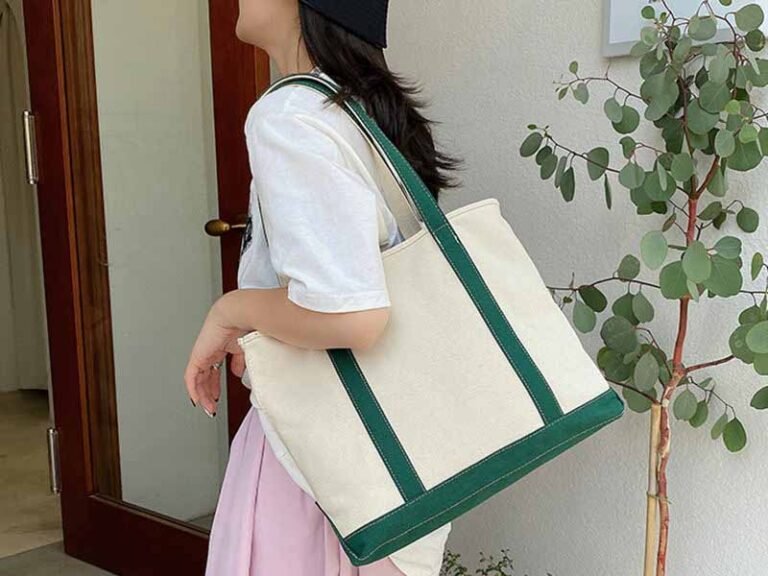
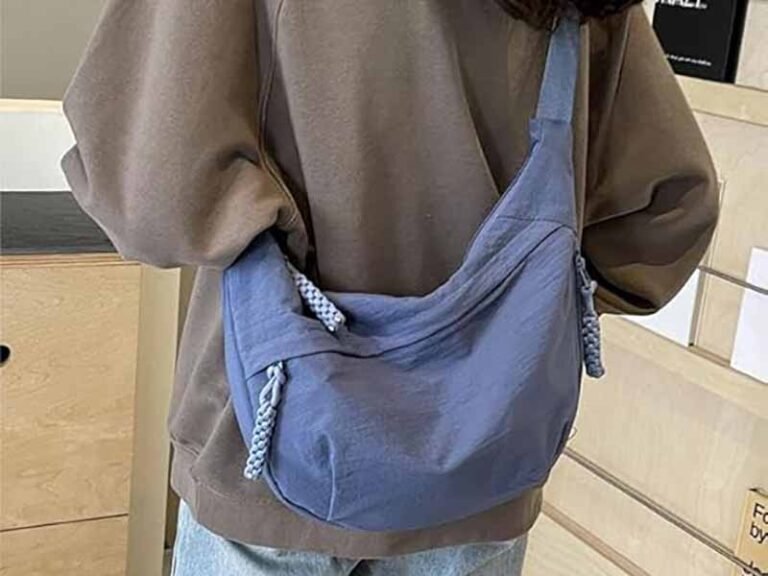
Canvas has been a staple fabric in the world of bags for centuries, known for its strength, durability, and versatility. But what exactly makes canvas the ideal material for so many bags, from backpacks to tote bags and beyond? While it may seem like just a simple, everyday fabric, the true value of canvas lies in its construction, materials, and practical properties. In this article, we will explore everything you need to know about canvas—what it’s made of, how it’s used, and why it’s so popular in bag manufacturing. Whether you are a brand looking to create custom canvas bags or just a curious shopper, this guide will give you an in-depth look at why canvas continues to dominate the bag market.
Canvas is a durable, versatile fabric primarily made from cotton, linen, or synthetic fibers, woven tightly to provide strength. Its uses in bags are due to its long-lasting qualities, eco-friendliness, and ability to withstand heavy-duty use.
Canvas has been trusted by designers and manufacturers for its performance in high-demand industries. However, not all canvas is created equal. The choice of materials, weave, and finish all play a role in making the right canvas for your specific bag needs. Keep reading to uncover the secrets behind this popular fabric and how it continues to shape the bags we use every day.
What Is Canvas in Canvas Bags

Canvas is a robust fabric widely used in bag manufacturing, and it’s recognized for its unique combination of strength, durability, and flexibility. When we talk about canvas in the context of canvas bags, we’re referring to a specific type of woven fabric that is usually made from cotton, linen, or sometimes a blend of synthetic fibers.
What makes canvas stand out from other fabrics is its distinctive plain weave structure, where horizontal (weft) and vertical (warp) fibers are interlaced in a simple, over-under pattern. This structure creates a dense, thick fabric that can withstand heavy use and bear significant weight, making it ideal for bags designed to carry everything from books and groceries to laptops and outdoor gear.
What Defines Canvas as a Fabric?
Canvas is not just any fabric—its strength comes from its weave and material. The tightness of the weave provides stability, which is critical for bags that need to maintain their structure and hold heavy loads. This woven structure is what makes canvas so durable. It’s particularly valued in bags that experience a lot of wear and tear, as it resists punctures and tearing better than many other materials.
The weight of the canvas can vary depending on the type of bag being made. For example:
- Lightweight canvas (around 6-8 ounces per square yard) is used for casual tote bags or shopping bags.
- Heavier canvas (12-24 ounces per square yard) is ideal for backpacks, duffel bags, and work bags where extra durability is required.
In addition to the weave, canvas bags can be treated with coatings (such as wax or polyurethane) to provide water resistance, UV protection, or added durability, making them more suitable for outdoor and heavy-duty use.
What Materials Are Used in Canvas Bags?
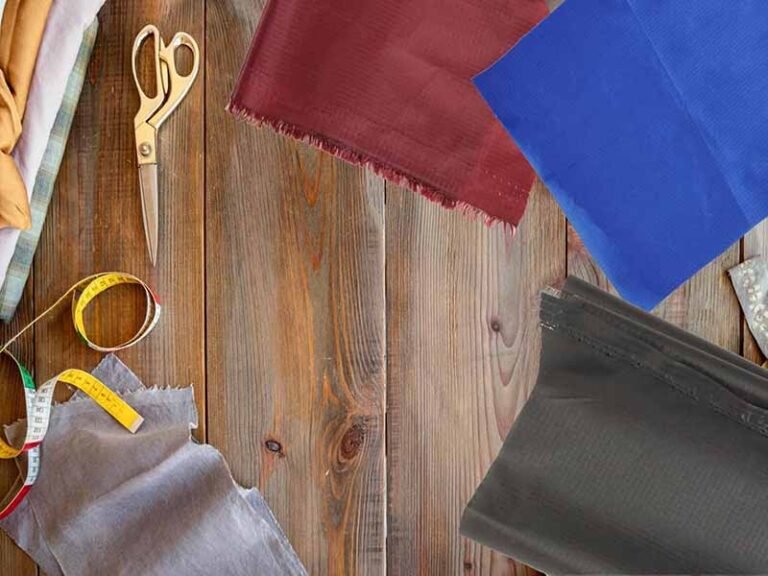
Canvas fabric can be made from natural fibers, such as cotton, linen, or hemp, or from synthetic fibers like polyester or nylon. The choice of material plays a major role in the bag’s performance, feel, and environmental impact.
- Cotton canvas is the most commonly used material due to its softness and availability. It is breathable, making it a popular choice for casual bags, such as everyday totes and grocery bags.
- Hemp canvas is another natural option that is stronger and more eco-friendly than cotton. Hemp is a sustainable crop and offers excellent durability, making it ideal for rugged bags used in outdoor activities or work environments.
- Linen canvas is less common but has a sleek finish and is used in fashion-forward bags. It’s known for being lighter than cotton canvas but still relatively strong.
- Synthetic canvas made from polyester or nylon is often used for bags that require water resistance or extra durability. These synthetic options are typically more resistant to UV damage and mildew, making them ideal for travel or camping bags.
Why Is Canvas the Preferred Material for Bags?
Canvas bags stand out because of their unique blend of strength, versatility, and aesthetic appeal. Below are some reasons why canvas is the material of choice for so many bag manufacturers:
- Durability: Canvas bags can handle heavy items without tearing or losing their shape. The fabric’s resistance to wear and tear makes it ideal for heavy-duty bags, such as backpacks and tool bags.
- Eco-Friendliness: Natural fibers like cotton and hemp make canvas bags more environmentally friendly than synthetic materials. Hemp canvas, in particular, is gaining popularity because it is more sustainable and biodegradable.
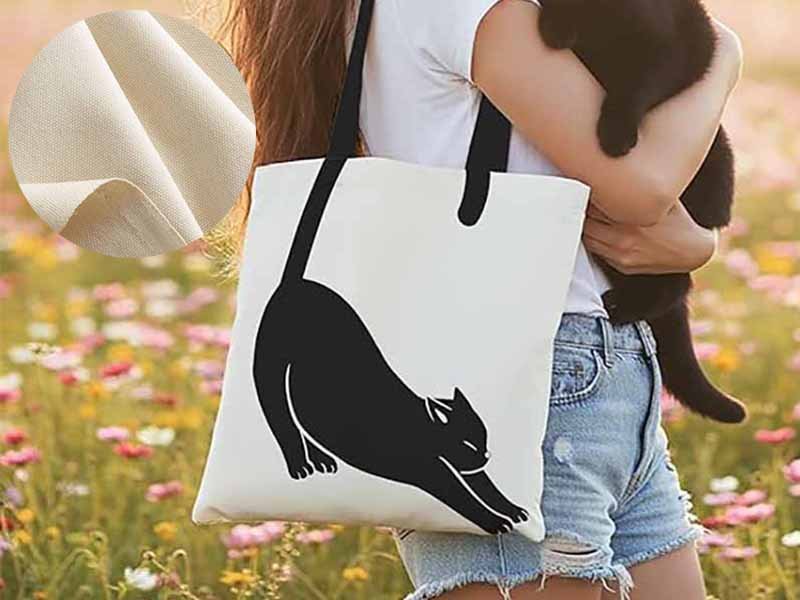
- Customizability: Canvas is easy to work with, making it a go-to fabric for custom bags. Brands can print logos, artwork, and designs onto the fabric with ease, ensuring that their bags stand out. The fabric’s surface is also receptive to dyes, so canvas bags come in a variety of colors and patterns.
- Breathability: Since canvas is made of natural fibers, it allows air to circulate, reducing moisture buildup. This makes canvas bags suitable for carrying clothing, food, or other items that need ventilation.
- Weight-Bearing Capacity: Thanks to its tight weave and weight, canvas fabric can bear significant weight without sagging or tearing, making it an ideal material for bags designed to carry heavy items, such as books, tools, or groceries.
- Water Resistance: While regular canvas is not waterproof, many manufacturers offer waxed canvas or coated canvas options that provide water resistance, making canvas bags suitable for use in rainy conditions or for outdoor activities.
Canvas Vs. Other Bag Fabrics
When comparing canvas to other popular materials used in bag production, such as nylon and polyester, several differences come to light:
| Feature | Canvas | Nylon | Polyester |
|---|---|---|---|
| Durability | High | Medium | Medium |
| Water Resistance | Can be treated | High | High |
| Weight | Heavier | Lightweight | Lightweight |
| Eco-Friendliness | High (if natural) | Low | Low |
| Flexibility | Stiff, but softens over time | Flexible | Flexible |
| Aesthetic | Natural look, stylish | Shiny, smooth | Shiny, smooth |
Canvas, especially cotton canvas, tends to be heavier and more rigid than nylon or polyester, but it offers superior durability and a more natural aesthetic. Nylon and polyester bags, while lighter and more flexible, often lack the robust structure that canvas bags provide.
Which Materials Are Used to Make Canvas

Canvas is a highly versatile fabric, and the materials used to make it can vary significantly, each offering its own set of benefits for specific uses. The choice of material not only affects the durability and feel of the fabric but also its cost, eco-friendliness, and suitability for different types of bags. Understanding the key materials used in canvas can help you make an informed decision, whether you’re a manufacturer looking to create custom bags or a customer choosing the right bag for your needs.
Cotton Canvas: The Most Common Material
The most widely used material for making canvas bags is cotton. Cotton canvas is durable, breathable, and relatively easy to work with, making it a favorite among manufacturers for both custom and off-the-shelf bags.
- Strength and Durability: Cotton canvas offers good strength for general use bags like totes, backpacks, and shopping bags. It can handle moderate loads without tearing, though it may not be as durable as heavier fabrics for carrying very heavy items.
- Softness and Comfort: One of the reasons cotton canvas is so popular is because of its soft feel compared to synthetic materials. It’s comfortable to wear against the skin and doesn’t cause irritation, which makes it perfect for casual bags like beach bags or gym bags.
- Environmental Impact: As a natural fiber, cotton canvas is biodegradable and, if grown organically, can be a more sustainable option compared to synthetic alternatives. Organic cotton canvas is especially favored by eco-conscious consumers looking for bags made from sustainable materials.
Hemp Canvas: The Eco-Friendly Alternative
Another natural option used in canvas production is hemp. Known for its strength and sustainability, hemp canvas is an increasingly popular choice for those looking for a more eco-friendly material.
- Strength: Hemp canvas is known for being stronger and more durable than cotton, making it perfect for heavy-duty bags. It can easily carry large loads without deteriorating, which makes it ideal for work bags, tool bags, and outdoor gear.
- Environmental Benefits: Hemp is one of the most eco-friendly materials available. It requires fewer chemicals to grow compared to cotton, needs less water, and is naturally resistant to mold and mildew. Bags made from hemp canvas are also biodegradable, contributing to a reduced carbon footprint.
- Appearance and Feel: Hemp canvas has a more rough texture compared to cotton, which gives it a rustic, natural appearance. This makes it suitable for brands that want to promote a natural or earthy aesthetic.
Linen Canvas: Lightweight and Luxurious
Linen canvas is made from the fibers of the flax plant, and it has a smooth, fine texture that gives it a more elegant and luxurious look compared to cotton or hemp canvas.
- Softness and Finish: Linen is softer and more smooth than cotton or hemp, which makes it perfect for fashion-forward bags and high-end designer totes. It has a slightly glossy finish, making it visually appealing for customers looking for a stylish, polished bag.
- Lightweight: Linen canvas is generally lighter than cotton or hemp, which makes it an ideal choice for summer bags and lightweight fashion accessories. However, it’s still durable enough for everyday use in a bag.
- Durability: While linen is strong, it is not as durable as cotton or hemp for heavy-duty use. It is better suited for bags that won’t be exposed to rough wear, such as cosmetic bags, handbags, or lightweight travel bags.
Polyester and Cotton-Polyester Blends: Durable and Cost-Effective
While natural fibers like cotton and hemp are favored for their eco-friendliness, synthetic materials like polyester are also commonly used to make canvas, especially when the bags need to be more resistant to moisture and easier to clean.
- Polyester Canvas: Polyester is a synthetic fiber that’s water-resistant, durable, and lightweight. It’s commonly used in outdoor bags, sports bags, and travel bags because of its ability to resist wear and fading. Polyester canvas bags are easy to maintain and can be wiped clean, making them a great option for customers who prioritize low-maintenance bags.
- Cotton-Polyester Blends: Blended fabrics that combine cotton with polyester offer a balance of the best qualities of both fibers. The cotton provides a natural feel and breathability, while the polyester increases the fabric’s strength, water resistance, and wrinkle resistance. These blends are often used in backpacks, school bags, and custom bags, offering an affordable yet durable option for manufacturers and customers alike.
Nylon Canvas: Strong and Weather-Resistant
Nylon is another synthetic material often used to make canvas for bags, particularly for items that need to withstand extreme conditions or heavy use.
- Durability and Resistance: Nylon canvas is lightweight, abrasion-resistant, and waterproof, making it suitable for outdoor or sports bags that need to endure tough environments. Nylon bags can be found in a wide range of applications, from camping backpacks to weather-resistant duffel bags.
- Smooth Finish: Nylon canvas has a slicker texture compared to cotton or hemp, which gives it a more modern, sleek look. It’s often used for bags that need to be waterproof or easy to clean, such as laptop bags or diaper bags.
Choosing the Right Material for Your Canvas Bag
The right material for your canvas bag depends on several factors, including:
- Use Case: Think about what you need the bag for. Will it carry heavy tools or be used for daily commuting? A hemp canvas or duck canvas may be best for heavy-duty bags, while a linen or cotton blend could be better for fashion or casual use.
- Environmental Considerations: If sustainability is a priority, consider organic cotton canvas or hemp. These materials are biodegradable and have a smaller environmental footprint compared to synthetic fibers.
- Aesthetic and Feel: The texture and appearance of the fabric matter, especially if you’re designing custom bags. Linen canvas offers a high-end, smooth finish, while hemp provides a more rugged, earthy look.
- Durability vs. Weight: If you need a bag that can carry heavy loads, opt for a heavier canvas material like duck weave or cotton-polyester blend. For lightweight, easy-to-carry bags, go with cotton canvas or linen canvas.
How Is Canvas Fabric Made

Canvas fabric is made through a weaving process that turns raw fibers into a strong, durable material. It’s the specific type of weave and the materials used that give canvas its distinct properties of strength, flexibility, and durability, which make it the go-to fabric for everything from bags and tents to shoes and upholstery. In this section, we’ll walk through the steps involved in the manufacturing process of canvas, focusing on what really matters for users who are looking to understand how this robust fabric is created.
What Are the Key Materials Used to Make Canvas?
Before we dive into the manufacturing process, it’s essential to know what materials are used to create canvas. Most canvas is made from cotton, hemp, or linen, though synthetic fibers like polyester and nylon are also increasingly popular due to their added durability and water resistance.
- Cotton is the most common material for canvas production due to its availability, softness, and versatility.
- Hemp is used for its eco-friendly nature and superior strength, often found in heavy-duty bags and outdoor gear.
- Polyester and Nylon are used in synthetic canvases that require extra durability, water resistance, and a lighter weight.
Step 1: Preparing the Raw Material
The first step in making canvas is preparing the raw material (usually cotton or other natural fibers). These fibers are sourced from plants and undergo a cleaning and carding process, where any impurities such as dirt or seeds are removed.
- Cotton fibers are separated from the seeds and then combed and straightened into a more consistent form using machines called carding machines.
- Hemp fibers undergo a similar process but may require additional steps to remove the woody material (called lignin) that surrounds the fiber.
Once the fibers are cleaned and carded, they are spun into yarn. The yarn is the foundation of the canvas fabric, and the quality of the yarn can affect the final product’s durability and appearance.
Step 2: Spinning the Yarn
The carded fibers are then spun into yarn. This is a crucial step because the thickness, twist, and quality of the yarn directly influence the strength and texture of the final fabric.
- For a strong, durable canvas, manufacturers typically use thicker yarns that can withstand heavy use. The yarn is spun by twisting the fibers together, and the tighter the twist, the stronger the yarn will be.
- In some cases, multiple strands of yarn are twisted together to create even thicker, more durable threads.
Once the yarn is spun, it’s wound onto spools and ready for the weaving process.
Step 3: Weaving the Yarn into Fabric
Canvas fabric is made using a specific weaving pattern known as the plain weave. This is one of the oldest and most straightforward methods of weaving. In this pattern, the warp threads (vertical threads) pass over and under the weft threads (horizontal threads). This alternating over-and-under arrangement creates a simple, sturdy structure that’s perfect for heavy-duty fabric like canvas.
- Plain weave creates a firm, balanced fabric where each thread is tightly interlaced, which gives the material its strength.
- The density of the weave—the number of threads per inch—can be adjusted based on the desired weight and texture. More threads per inch create a denser, heavier fabric, while fewer threads create a looser weave with a more breathable texture.
The warp and weft threads are placed onto a loom, which is a machine used to interlace the threads together. The loom moves the threads back and forth while interlocking them, creating a continuous piece of fabric.
Step 4: Dyeing and Finishing
Once the fabric is woven, it goes through a series of finishing steps that can include dyeing, washing, and coating to give the canvas its final look and texture.
- Dyeing: Canvas is often dyed during the manufacturing process to give it color. This can be done by submerging the fabric in dye baths or using more advanced methods such as piece dyeing (where the finished fabric is dyed after weaving). Some canvas is left undyed, which gives it its natural color.
- Washing: To give the canvas a softer feel and prevent it from shrinking excessively when used, manufacturers often pre-wash the fabric. This softens the material and makes it more flexible, improving the bag’s overall comfort.
- Coating: Canvas can also be coated with various substances, such as wax, polyurethane, or PVC, to make it water-resistant, stain-resistant, or give it additional durability. Waxed canvas, for example, is often used for outdoor bags as it provides water resistance while still maintaining the breathability and strength of cotton.
Step 5: Cutting and Sewing
Once the canvas has been woven and finished, it is ready to be cut into shapes for the final product. For custom bags, manufacturers use patterns to cut the fabric into pieces that fit together to create the bag’s design. The cutting can be done by hand or using automated cutting machines for precision and speed.
After the pieces are cut, they are sewn together. This is usually done using heavy-duty sewing machines that can handle the thicker fabric without breaking. The sewing process adds additional durability to the bag, ensuring the seams are strong enough to carry heavy loads.
For some bags, additional reinforcements, such as rivets, reinforced stitching, and straps, may be added to ensure the bag can handle frequent use without wearing out.
Step 6: Quality Control and Packaging
The final step in canvas bag production is quality control. After the bags are sewn, they are inspected for any defects in stitching, fabric, or overall construction. This step ensures that only high-quality bags make it to the market. Once inspected, the bags are packaged and ready for shipment.
What Makes Canvas Ideal for Bags

Canvas is one of the most popular materials used for bags, and for good reason. It offers a unique combination of strength, versatility, eco-friendliness, and aesthetic appeal that makes it suitable for various types of bags, from backpacks to tote bags and luggage. But what exactly makes canvas stand out in the crowded world of bag materials? Let’s explore the specific attributes that make canvas an ideal choice for bags.
1. Durability and Strength
Canvas is known for its strength and ability to withstand wear and tear, which is one of the key reasons it is so often used in bags that carry heavy loads. The tightly woven structure of canvas, especially when made from natural fibers like cotton or hemp, provides a sturdy base that can handle substantial weight without tearing or wearing down.
- Tested Load-Bearing: Canvas can typically carry up to 50-100 pounds without any significant strain, depending on the thickness and quality of the fabric. This makes it ideal for tote bags, school bags, and backpacks, where users need a fabric that can bear weight consistently.
- Resistance to Punctures and Tears: Canvas’s tightly woven fibers create a fabric that is resistant to punctures. This is particularly important for bags that will be exposed to sharp objects or rough handling, such as outdoor bags or work bags.
Canvas bags can be used for years without significant degradation, making them an excellent long-term investment for anyone who needs durable storage on the go.
2. Flexibility and Comfort
While canvas is known for being durable, it’s also relatively flexible, which makes it comfortable for daily use. When compared to synthetic fabrics like nylon or polyester, canvas feels softer and more breathable.
- Softens Over Time: One of the unique features of canvas is that it softens and molds to your shape over time. New canvas bags may feel stiff at first, but with use, the fabric becomes more pliable and comfortable, which is a big plus for shoulder bags or tote bags.
- Breathability: Canvas made from cotton or hemp is naturally breathable. Unlike synthetic bags that may trap moisture inside, canvas allows airflow, preventing your bag from feeling too heavy or damp, even if it’s carrying bulky items.
3. Eco-Friendly and Sustainable
One of the main reasons why many consumers choose canvas for bags is its eco-friendliness. Unlike synthetic materials like PVC, nylon, or polyester, which take hundreds of years to break down, canvas—especially when made from organic cotton or hemp—is biodegradable.
- Sustainable Sourcing: Hemp canvas is particularly valued for its environmental sustainability. Hemp grows with little water and without the use of pesticides, making it a more sustainable option for eco-conscious consumers.
- Low Environmental Impact: Organic cotton canvas is grown without harmful chemicals, reducing environmental impact. By choosing canvas bags made from these materials, consumers are contributing to a cleaner planet.
As the world becomes more environmentally aware, sustainable bags are in demand. If your brand offers custom canvas bags made from organic cotton or hemp, you’ll be appealing to a growing base of eco-conscious consumers who care about the materials their products are made from.
4. Water-Resistant and Weather-Proof Options
While raw canvas is not inherently waterproof, it can be treated with coatings to improve its water resistance and durability in harsh weather conditions.
- Waxed Canvas: One of the most popular treatments for canvas is waxing. Waxed canvas is coated with a layer of wax that makes it water-resistant and stain-resistant. This treatment gives the fabric a unique, rustic look while enhancing its ability to handle rain or spills, which is ideal for outdoor bags, camping gear, or any bag exposed to the elements.
- Polyurethane Coating: Some canvas bags are treated with a polyurethane coating to provide waterproof properties. This is commonly used for travel bags and backpacks, where a higher level of water resistance is required to protect electronics or clothes inside the bag.
For customers living in rainy or humid climates, the option to choose a water-resistant canvas bag adds an extra layer of protection against the elements without sacrificing style or durability.
5. Easy to Customize and Print
Canvas is a highly customizable fabric, making it the perfect material for branded bags or personalized items. The texture and finish of canvas allow for different types of printing techniques that are not possible with more synthetic materials.
- Printing: Canvas can be easily screen printed, embroidered, or digitally printed, allowing brands to put logos, patterns, and designs on their bags. This makes canvas a go-to material for custom orders and promotional products.
- Dyeing: Canvas fabric can be dyed in almost any color, from classic neutrals to vibrant hues. This versatility allows brands to create bags that align with their brand identity, whether they want a minimalist design or something bold and eye-catching.
The ability to customize canvas bags opens up endless possibilities for businesses that want to create unique, high-quality products. Whether you’re creating branded merchandise, custom giveaways, or high-end fashion accessories, canvas offers a great platform for creative expression.
6. Versatility and Aesthetic Appeal
Canvas is not only functional but also has a timeless aesthetic that appeals to many consumers. Its natural look and feel work well with a wide range of styles, from casual to high-end fashion.
- Timeless Design: The minimalist aesthetic of canvas bags gives them a classic appeal that never goes out of style. A simple canvas tote bag is perfect for a trip to the farmer’s market, while a canvas backpack can be used for hiking or everyday wear.
- Customization for All Ages: Whether it’s a designer canvas handbag or a school backpack, canvas is suitable for all age groups and offers a broad spectrum of design possibilities. The fabric pairs well with leather, suede, and other materials, allowing it to blend into both casual and sophisticated designs.
Do Different Types of Canvas Affect Bag Use

When choosing canvas for bags, it’s important to understand that not all canvas is created equal. The type of canvas weave and the thickness of the fabric play a crucial role in determining how suitable a canvas bag is for different uses. Different types of canvas are better suited for specific tasks, and selecting the right one can make a big difference in the performance and longevity of the bag. Here’s a closer look at how various canvas types affect bag use, helping you make the right choice for your needs.
What Are the Different Types of Canvas Weaves?
Canvas fabric can be woven in different patterns, each of which offers unique benefits. The most common types are plain weave, duck weave, and twill weave. Each of these weaves has its own set of characteristics that can influence the strength, flexibility, and aesthetic of the finished bag.
- Plain Weave Canvas: This is the most common and simple weave, where each horizontal thread (weft) goes over and under each vertical thread (warp) in a simple pattern. The result is a strong, stable fabric that is both durable and breathable, but it tends to be stiffer compared to other types of canvas. Plain weave canvas is often used for everyday bags like tote bags, shopping bags, and book bags.
- Duck Weave Canvas: Duck weave is a variation of plain weave but with a tighter weave. The threads are packed closer together, which results in a denser and stronger fabric. Duck canvas is ideal for bags that need to withstand heavy-duty use, such as work bags, outdoor gear, and military bags. It is often thicker and more rigid, making it less flexible than plain weave but much more durable.
- Twill Weave Canvas: Twill weave creates a fabric with a distinctive diagonal pattern. This pattern makes the fabric softer and more flexible compared to plain or duck weave, while still maintaining durability. Twill canvas is often used for fashionable bags, such as designer totes, handbags, and crossbody bags, because it has a smoother texture and drapes better. It’s also a popular choice for bags that need a more polished, sleek appearance.
Each type of weave has its advantages, but the best choice will depend on the type of bag you need.
How Does the Weight of Canvas Affect Its Use in Bags?
The weight of the canvas is a crucial factor in determining the strength and flexibility of the bag. Canvas weight is typically measured in ounces per square yard (oz/yd²), and heavier canvas provides more strength and durability. Lighter canvas is more flexible and comfortable to carry, but may not be as resilient in carrying heavy items.
Here’s how different weights affect bag use:
- Lightweight Canvas (6-8 oz/yd²): Lightweight canvas is used for casual bags and fashionable accessories. It is ideal for tote bags, gym bags, and shopping bags where flexibility and ease of use are more important than load-bearing capacity. These bags are great for carrying light items like books, clothes, or groceries. However, if you plan to carry heavy or sharp objects, a lightweight canvas bag might not be the best option.
- Medium-Weight Canvas (10-12 oz/yd²): Medium-weight canvas strikes a balance between strength and comfort. It’s commonly used for backpacks, shoulder bags, and duffel bags where a combination of durability and flexibility is required. It’s sturdy enough to handle everyday use without being too heavy or stiff. This is a great option for people looking for everyday use bags that can handle a moderate load of books, electronics, or personal items.
- Heavy-Duty Canvas (14-24 oz/yd²): Heavy-duty canvas is thick, strong, and capable of withstanding a lot of wear and tear. Bags made from heavy-duty canvas are perfect for work bags, tool bags, and outdoor gear where you need to carry heavy items. This type of canvas is also ideal for military bags, luggage, or furniture upholstery. However, keep in mind that heavy-duty canvas is stiffer and less flexible, which can make it bulkier and less comfortable for carrying lighter items.
The weight of the canvas you choose should match the weight of the items you plan to carry and the amount of wear and tear the bag will experience.
How Does Canvas Texture and Finish Affect Bag Use?
The texture and finish of canvas can significantly affect the overall look, feel, and functionality of the bag. Canvas bags are often available in raw, bleached, or treated finishes, and the finish can impact how the bag performs over time.
- Raw Canvas: Raw canvas is untreated and has a natural, rough texture. This type of canvas is breathable and eco-friendly, making it a great choice for lightweight bags. However, it can be more prone to staining and is less water-resistant than treated canvas. It’s ideal for bags that will be used in dry conditions and require a natural, rustic appearance.
- Bleached or Dyed Canvas: Bleached canvas is a lighter color, usually cream or white, which can be used as a base for custom designs or prints. Dyed canvas can be produced in a wide range of colors, from vibrant hues to muted tones, offering more style options. Dyed canvas bags are used for fashionable totes, laptop bags, and custom promotional items. The texture tends to be smoother compared to raw canvas, offering a more polished look.
- Waxed Canvas: One of the most popular treatments for canvas is waxing. Waxed canvas is coated with a layer of wax, making it water-resistant and stain-resistant. This treatment is ideal for outdoor bags, travel bags, and work bags that need to withstand rain, dirt, or heavy exposure to the elements. Waxed canvas has a unique, rugged look, with the wax giving the fabric a slightly glossy appearance. Over time, the wax may fade, creating a vintage, worn-in effect.
- Polyurethane-Coated Canvas: For bags that need to be fully waterproof and easy to clean, polyurethane-coated canvas is a great option. This finish creates a smooth surface that repels water and dirt, making it ideal for bags used in wet conditions. This type of treated canvas is commonly used for outdoor gear and travel bags where the bag will be exposed to rain or snow.
The texture and finish of canvas directly affect both its appearance and performance, and the right choice depends on the conditions and style you want for your bags.
How to Choose the Right Canvas for Your Bags

Choosing the right canvas for your bag is crucial, whether you’re designing a custom bag for your brand or picking one for personal use. The fabric’s strength, durability, feel, and appearance directly affect the bag’s functionality and style. With different types of canvas available, understanding the various factors that influence your choice will ensure that you get a bag that performs well, lasts long, and meets your specific needs. Here’s how you can make an informed decision when selecting the right canvas for your bags.
1. Consider the Bag’s Purpose
The first and most important step is to consider how the bag will be used. Different bags have different requirements when it comes to the type of canvas fabric. Are you designing a tote bag for groceries or a backpack for hiking? The bag’s intended use will dictate the type of canvas needed. Here’s a breakdown of which types of canvas work best for specific bag purposes:
- Everyday Use (Totes, School Bags, Handbags): For light to moderate use, a medium-weight canvas (around 8-12 oz/yd²) is usually the best choice. It offers durability without feeling too stiff, making it ideal for casual tote bags or gym bags.
- Heavy-Duty Bags (Work Bags, Outdoor Gear, Luggage): If you’re designing a bag for carrying heavy items or using it in rugged environments, a heavy-duty canvas (12 oz/yd² and up) is ideal. For example, duck canvas or waxed canvas would be suitable for work bags, tool bags, and travel gear due to their strength and water-resistant properties.
- Fashion or Designer Bags (Handbags, Fashion Totes): If the bag needs to have a polished or luxurious feel, twill canvas or linen canvas is a great option. These types have a smoother finish and are more flexible, making them a better fit for designer bags or fashion-forward totes.
2. Evaluate the Canvas Weight
The weight of the canvas is a critical factor in determining how suitable the fabric is for your bag. Heavier canvas is great for durability but can feel bulky, while lighter canvas is easier to carry but may not withstand the same level of wear and tear. Here’s a guide to help you decide which canvas weight is best:
- Lightweight Canvas (6-8 oz/yd²): This is the best choice for fashion bags and light-use bags, such as tote bags, shopping bags, and gym bags. It offers enough durability for everyday items but remains light and flexible, making it ideal for casual use.
- Medium-Weight Canvas (10-12 oz/yd²): Perfect for backpacks, laptop bags, and school bags. It strikes a balance between strength and comfort. This weight is sturdy enough to carry heavier items but doesn’t feel too bulky or rigid, which makes it ideal for general use.
- Heavy-Duty Canvas (14-24 oz/yd²): This heavy canvas is used for work bags, outdoor gear, and tool bags. It’s tough and durable, able to handle significant weight and resist wear over time. However, it’s also heavier and stiffer, which can make it less comfortable for carrying lighter items over long periods.
3. Think About Durability and Strength
How long will your bag be used, and what kind of load will it carry? The canvas needs to be strong enough to handle the weight and stress your bag will endure. There are a few ways canvas manufacturers improve durability:
- Weave Type: As mentioned before, the tighter the weave, the stronger the fabric. Duck weave canvas, for example, has a denser weave than plain canvas, making it ideal for heavy-duty bags that need extra strength. If durability is a priority, look for duck canvas or waxed canvas for added strength and water resistance.
- Fabric Treatments: If you need your bag to be water-resistant or stain-resistant, consider waxed canvas or polyurethane-coated canvas. These treatments give canvas added protection without sacrificing its breathable and strong nature. Waxed canvas, in particular, is perfect for outdoor bags and travel gear because it provides both durability and resistance to the elements.
- Stitching and Reinforcements: The way a bag is stitched is just as important as the canvas material itself. Double stitching and reinforced seams in areas that bear the most weight (like handles or straps) can significantly improve the durability of your canvas bag. Make sure the bag is designed with durability in mind, especially if it will be used frequently or carry heavy items.
4. Consider the Bag’s Style and Appearance
While functionality is key, the style of the bag also matters. Canvas is available in different finishes and textures, which can influence the bag’s overall appearance.
- Raw Canvas: If you’re looking for a natural, rustic look, raw, unbleached canvas provides an earthy, authentic feel. This is often used for eco-friendly bags or casual totes. However, raw canvas tends to stain more easily and is more susceptible to dirt and water.
- Dyed Canvas: Dyed canvas is available in many colors and can be customized to match your brand or personal style. It’s commonly used in fashionable bags or branded promotional items. The color can affect the look of the bag, but it also influences the fabric’s resistance to fading over time. Some dyed canvas fabrics are treated to resist UV damage.
- Waxed Canvas: For a rugged, vintage look that still offers water resistance, waxed canvas is a great choice. It has a unique texture and appearance, with a slightly shiny finish that fades over time, adding to the bag’s character. Waxed canvas is used for bags that need to look stylish while still being tough and weather-resistant.
- Twill Canvas: If you’re designing a more polished, refined bag, twill canvas offers a smoother, slightly shiny finish with diagonal patterns. This type of canvas is more flexible and soft, making it ideal for bags that require a sleek, fashionable appearance, like handbags or designer totes.
5. Environmental Impact and Sustainability
Today’s consumers are increasingly concerned about the environmental impact of their purchases. Canvas, particularly when made from organic cotton or hemp, is a more sustainable option compared to synthetic materials like nylon or polyester. If eco-friendliness is a priority for your brand or customers, choosing organic cotton canvas or hemp canvas can help your bags stand out in the sustainable fashion market.
- Organic Cotton Canvas: Organic cotton is grown without harmful pesticides or chemicals, making it more environmentally friendly. Choosing this option for your bags can appeal to customers who prioritize sustainable, eco-conscious products.
- Hemp Canvas: Hemp is one of the most sustainable fibers because it requires fewer pesticides and fertilizers to grow, and it uses less water compared to cotton. Plus, hemp canvas is incredibly durable, which means your bags will last longer and need fewer replacements, reducing waste in the long run.
6. The Budget and Production Timeline
Finally, consider your budget and production timeline. Heavy-duty canvas may come at a higher cost due to its durability and strength, and it may require more time to produce, especially if you’re opting for custom treatments or sustainable materials. On the other hand, lightweight canvas can be more affordable and quicker to manufacture, which might be a better option if you’re working on a budget or have a tight deadline.
What Are Common Questions About Canvas Bags
Canvas bags are incredibly popular because of their strength, eco-friendliness, and versatility. Whether you’re buying one for personal use or designing them for your brand, you probably have some important questions about canvas bags. In this section, we’ve answered the most common questions people ask when choosing or using canvas bags, based on user needs and real-world experiences.
1. What Is Louis Vuitton Canvas Made Of?
Louis Vuitton’s iconic Monogram Canvas is not made from traditional canvas fabric but rather a coated canvas. The canvas itself is a blend of cotton and PVC (polyvinyl chloride). This combination makes it more durable, water-resistant, and long-lasting compared to standard canvas.
- Cotton Base: The cotton fibers provide a solid structure, but they are coated with a layer of PVC to give the canvas its stiffness, waterproof qualities, and resistance to fading.
- Why PVC?: The PVC coating is what makes the bag resistant to scratches and stains, while also allowing it to hold its shape over time.
- Monogram Design: The famous monogram pattern is printed onto this coated canvas, making it instantly recognizable.
So, while Louis Vuitton’s canvas looks and feels like traditional fabric, the addition of PVC gives it an enhanced, luxurious performance that’s perfect for high-end fashion.
2. What Makes Canvas Bags Last Longer Than Other Bag Materials?
One of the standout features of canvas is its durability, which is why canvas bags can last so much longer than other materials, like leather or nylon. Here’s why:
- Tight Weave Structure: Canvas has a plain weave (or sometimes a duck weave), which makes it stronger. The weave tightly interlaces horizontal and vertical fibers, giving it the ability to withstand heavy use and resist tearing.
- Natural Fiber Strength: Canvas made from cotton, hemp, or linen offers the added benefit of being naturally stronger than many synthetic fabrics. Even with repeated use, the fabric maintains its integrity.
- Reinforced Seams: High-quality canvas bags often feature double-stitched seams and reinforced corners to prevent wear and tear at critical stress points, making them even more resilient.
- Versatile Treatment Options: Many canvas bags are treated with coatings like wax or polyurethane, which adds water resistance and helps protect the fabric from dirt and stains, extending the bag’s lifespan.
A canvas bag, if well-made and treated, can last for years—even decades—making it a fantastic long-term investment.
3. How Do Canvas Bags Compare to Polyester or Nylon Bags?
Canvas bags are often compared to polyester and nylon because these synthetic fabrics are also commonly used in bag production. However, there are several key differences:
- Durability: While nylon and polyester are strong and lightweight, canvas generally has superior tear resistance and can handle heavier loads. For heavy-duty use, duck canvas or heavyweight canvas is better than most synthetic alternatives.
- Water Resistance: Polyester and nylon tend to be naturally water-resistant, while plain canvas is not. However, canvas bags can be waxed or coated to provide water resistance. So, if you need a bag to handle the elements, waxed canvas could be your best option.
- Eco-Friendliness: Canvas—especially when made from organic cotton or hemp—is more eco-friendly than polyester or nylon, which are petroleum-based products. Canvas is biodegradable, whereas synthetic fibers can take hundreds of years to decompose.
- Feel and Appearance: Canvas provides a more natural, rustic look, while nylon and polyester bags often have a shinier and smoother finish. Canvas offers a more classic, earthy aesthetic, making it ideal for eco-conscious brands and casual style.
In short, while polyester and nylon bags might be lightweight and affordable, canvas bags offer better durability, comfort, and sustainability, especially when treated properly.
4. Are Canvas Bags Waterproof?
Raw canvas (untreated) is not waterproof. However, there are ways to waterproof canvas bags:
- Waxed Canvas: One of the most popular methods of making canvas water-resistant is by treating it with wax. Waxed canvas is great for outdoor bags and work bags because it repels water while keeping the bag breathable.
- Polyurethane-Coated Canvas: Another option is polyurethane coating, which provides a completely waterproof finish. This is commonly used for bags that need to resist moisture while maintaining strength, such as travel bags and luggage.
- DWR (Durable Water Repellent) Coating: Some canvas bags are treated with a DWR finish, which adds water resistance without changing the texture or appearance of the fabric.
If you need a waterproof canvas bag, make sure to look for bags labeled waxed canvas or waterproof canvas. These will keep your items dry even in rainy weather.
5. How to Clean and Maintain Canvas Bags?
One of the reasons canvas bags are so popular is because they’re relatively easy to clean and maintain. Here’s how to keep your canvas bag looking fresh:
- Spot Cleaning: For minor stains, use a soft cloth and mild detergent to spot clean the fabric. Avoid using harsh chemicals or bleach, as this can damage the canvas and strip away any treatments.
- Machine Washing: Many lightweight canvas bags can be machine washed on a gentle cycle with cold water. However, it’s best to check the care instructions, as some bags (especially waxed canvas) should never be machine washed. To avoid damaging the fabric, wash your bag in a laundry bag.
- Drying: After washing, air-dry your canvas bag by laying it flat or hanging it up. Avoid using a dryer, as the heat can cause the fabric to shrink or lose its shape. Waxed canvas bags should never be washed in water, and should instead be spot cleaned and re-waxed periodically to maintain their water resistance.
- Re-Waxing: If your waxed canvas bag begins to lose its water resistance, you can re-wax it using a specialized canvas wax. Apply the wax evenly with a cloth and then use heat (such as a hair dryer) to help the wax soak into the fabric.
Regular cleaning and re-waxing will help your canvas bag last for years while maintaining its appearance and functionality.
6. Why Do Brands Choose Canvas for Custom and Private-Label Bags?
Canvas is a popular choice for custom bags and private-label products for several reasons:
- Customizability: Canvas is highly customizable and can easily be screen printed, embroidered, or embroidered with logos, designs, and patterns. This makes it ideal for brand promotion and custom giveaways.
- Eco-Friendly Option: Many brands are looking to appeal to eco-conscious consumers by choosing organic cotton or hemp canvas, which are more sustainable compared to synthetic materials like polyester or nylon.
- Durability: Canvas provides long-lasting quality for bags that will be used repeatedly, whether they’re for promotional purposes or everyday carry.
Choosing canvas for custom bags gives brands the ability to create high-quality, durable, and stylish products that stand out in the marketplace.
Conclusion
Looking for custom canvas bags that combine durability and style? Contact Lovrix today to explore our wide range of high-quality, sustainable canvas products. We offer 100% quality assurance, free design, and low MOQ customization. Whether you need private label bags, OEM/ODM services, or bespoke designs, we’re here to help bring your ideas to life.