 Skip to content

Few everyday accessories have a name as curious—or as debated—as the fanny pack. The bag itself is simple: a small pouch worn around the waist, designed for hands-free convenience. Yet its name sparks confusion, laughter, and even discomfort depending on where you’re from. In the United States, the term sounds casual and slightly old-fashioned. In other English-speaking countries, it can feel awkward or inappropriate. And among younger consumers, the phrase is often avoided altogether.
So why does this bag have such a strange name—and why does that name still matter today?
The answer is more than linguistic trivia. The term fanny pack reflects how language, culture, and product function intersect. It also reveals why many modern brands deliberately avoid the term, choosing alternatives like waist bag, belt bag, or crossbody pouch instead. Naming influences perception, pricing, and even whether a product feels fashionable or outdated.
As waist-worn bags re-enter mainstream fashion—especially among Gen Z and urban consumers—the question isn’t just what to call them, but why naming shapes market success. Understanding where the term came from, how it spread globally, and why it evolved helps brands, retailers, and designers make smarter decisions.
A fanny pack is called a fanny pack because it was originally worn at the front of the waist, positioned over the “fanny,” a term that refers to the buttocks in American English. The name emerged in the U.S. during the mid-20th century as a casual description of the bag’s placement. Over time, cultural differences and fashion trends led many brands to adopt alternative names such as waist bag or belt bag.
A European buyer once told us she loved the product—but refused to sell it under the name “fanny pack.” The bag didn’t change. The name did. And sales followed.
To understand why, we need to start with the most basic question.
What Is a Fanny Pack
A fanny pack is a compact bag designed to be worn around the waist or across the body, allowing hands-free carrying of small essentials like phones, wallets, and keys. Originally created for utility and travel convenience, modern fanny packs—often called waist bags or belt bags—have evolved into versatile fashion accessories used in daily, outdoor, and urban lifestyles.
At first glance, a fanny pack looks simple: a small pouch with a strap. But in practice, it represents a distinct bag category defined by wear style, function, and usage context, not just size.
To fully understand what a fanny pack is today, it’s important to look at how it’s worn, what problems it solves, and how it differs from similar bags.
What defines a fanny pack structurally?
Structurally, a fanny pack is defined by three core elements:
- A compact main compartment designed for essentials only
- An adjustable strap intended for waist or crossbody wear
- Front-access orientation, allowing items to be reached without removing the bag
Unlike backpacks or totes, a fanny pack is meant to stay within the wearer’s line of sight. This design improves security and convenience, especially in crowded or mobile environments.
From a construction standpoint, balance matters. The bag must remain stable against the body without swinging, folding, or collapsing when partially filled. This is why strap width, back-panel material, and weight distribution play a much larger role than people expect.
How is a fanny pack different from other small bags?
Many bags look similar in size but function very differently.
A fanny pack differs from pouches, sling bags, and mini crossbody bags in how it integrates with the body. It is designed to move with the wearer rather than hang from the shoulder.
Key differences include:
- Versus a pouch: a pouch is stored inside another bag; a fanny pack is worn
- Versus a crossbody bag: crossbody bags hang and swing; fanny packs stay anchored
- Versus a sling bag: sling bags are larger and back-oriented; fanny packs are front-oriented
This anchoring effect is why fanny packs are favored for travel, festivals, walking, and active urban use.
What was a fanny pack originally used for?
Originally, fanny packs were designed for pure utility.
Early use cases included:
- Hiking and outdoor activities
- Tourist sightseeing
- Running and light sports
- Theme parks and travel
The goal was simple: carry valuables securely while keeping hands free. Fashion was not a consideration.
This function-first origin explains the straightforward construction and practical naming. Only later did designers and brands reinterpret the form for lifestyle and fashion markets.
How has the meaning of “fanny pack” changed over time?
The product stayed. The meaning changed.
In the past, “fanny pack” described a tool. Today, it often describes a style category—even when the bag is no longer worn strictly at the waist.
Modern users may wear the same bag:
- Around the waist
- Across the chest
- Over the shoulder
- Layered over clothing
Because of this evolution, many brands prefer terms like waist bag or belt bag, which describe flexibility rather than a single position.
The original function remains—but the identity expanded.
Why do modern consumers still use fanny packs?
Despite changing names, the underlying reasons for using a fanny pack haven’t disappeared.
Consumers still value:
- Hands-free convenience
- Quick access to essentials
- Better security than backpacks
- Compact carry without bulk
Urban living, public transportation, travel, and casual lifestyles all reinforce demand for small, body-hugging bags.
What changed is expectation: users now want better materials, cleaner design, and comfort-focused construction—without sacrificing function.
Why does this category matter for brands and manufacturers?
For brands, fanny packs represent a low-volume, high-frequency-use product. They are seen daily, worn close to the body, and often purchased repeatedly.
For manufacturers, this category demands precision:
- Incorrect strap design causes discomfort
- Poor material choice leads to sagging or odor
- Weak construction shows wear quickly
Because the bag is small, every detail is visible. Quality—or lack of it—cannot hide.
This is why integrated development—aligning fabric, webbing, pattern, and construction—is critical for success in this category.
Why Is It Called a Fanny Pack
It is called a fanny pack because the bag was originally worn at the front of the waist, positioned opposite the “fanny,” a casual American English term for the buttocks. The name emerged in the United States as a practical description of the bag’s placement rather than a formal product name. Over time, cultural differences and global markets made the term less suitable, leading to alternative names like waist bag or belt bag.
The term fanny pack did not come from branding meetings, trend forecasting, or marketing strategy. It came from ordinary people describing where the bag sat on the body.
To understand the name properly, you need to look at three things together: body placement, American English usage, and historical context.
Why do they call a fanny pack a fanny pack?
The simplest reason is location.
Early versions of the bag were designed to be worn at the front of the waist, resting against the lower abdomen. In American English, the word fanny has long been a casual, non-offensive term referring to the buttocks. Since the bag sat directly opposite the backside, calling it a “fanny pack” was an intuitive way to explain its position.
At the time, the name was not meant to be clever or provocative. It was descriptive, practical, and easy to remember—exactly what you’d expect for a utilitarian accessory used by hikers, tourists, and families.
In other words, the name answered a basic question: “Where do you wear this bag?”
What does “fanny” mean in American English, and why does it matter?
In American English, fanny traditionally refers to the buttocks and is considered mild, informal, and suitable for everyday conversation. This cultural context is critical.
Because the word carried no strong taboo in the U.S., the term “fanny pack” felt harmless and even friendly. It fit naturally into outdoor culture, travel gear, and casual lifestyle products.
However, this meaning is not universal. In British English and some other regions, fanny refers to female genitalia, which gives the phrase a very different—and often uncomfortable—connotation.
This linguistic gap is the main reason the term struggled internationally, even though it worked perfectly well in its original market.
Why was the name accepted so easily in the past?
Timing played a huge role.
When the term became popular (roughly from the 1960s through the 1990s), products were mostly designed and sold for local markets, not global audiences. International branding consistency was not a major concern.
The bag itself was also viewed as purely functional. It wasn’t a fashion statement—it was equipment. Functional products often tolerate blunt, literal names because users care more about utility than image.
There was also less cultural cross-exposure. Without global e-commerce or social media, a name that worked in the U.S. didn’t immediately face scrutiny elsewhere.
By the time global markets noticed the linguistic issue, the name was already deeply established.
How did cultural differences turn the name into a problem?
As the bag spread globally, the word fanny began to work against the product rather than for it.
In the UK, Australia, and parts of Europe, retailers avoided the term altogether, choosing alternatives like bum bag. Fashion brands later rejected both terms in favor of more neutral language.
This shift wasn’t about sensitivity alone—it was about market acceptance. A name that causes confusion, embarrassment, or jokes reduces a product’s perceived value and limits pricing potential.
What had once been a neutral descriptor became a branding liability.
Is “fanny pack” considered outdated today?
For many consumers—especially Gen Z and fashion-conscious buyers—the answer is yes.
Today, fanny pack often sounds:
- Informal
- Slightly humorous
- Strongly associated with past decades
This doesn’t mean the product is obsolete. In fact, waist-worn bags are more popular than ever. What changed is the language used to frame them.
Modern brands intentionally choose names like waist bag or belt bag to signal design intention, versatility, and global relevance. The product evolved, but more importantly, the narrative evolved.
Why does the name still matter in modern markets?
Names influence how people feel before they even touch the product.
Calling a bag a fanny pack can subconsciously position it as casual, nostalgic, or low-priced. Calling the same bag a belt bag can instantly make it feel modern and premium.
For brands, this affects:
- Customer perception
- Willingness to pay
- Market positioning
- International scalability
For manufacturers and OEM/ODM partners, understanding this naming logic is essential when advising clients on product development and branding.
How Did the Term Fanny Pack Spread Globally
The term “fanny pack” spread globally through American tourism, outdoor culture, and mass media during the late 20th century. As U.S. travelers, hikers, and pop culture exports introduced the bag worldwide, local markets adopted the product but often replaced the name with regionally appropriate terms such as “bum bag” or “waist bag” to match cultural and linguistic norms.
The global spread of the fanny pack did not follow the traditional fashion pipeline of runways and luxury brands. Instead, it followed people, movement, and practicality.
Understanding how the term traveled—and why it changed along the way—requires looking at tourism, media, and language adaptation together.
How did American travel and tourism export the term?
The earliest global exposure to the fanny pack came from American tourists.
From the 1960s onward, U.S. travelers visiting Europe, Asia, and Latin America often wore fanny packs because they were secure, visible, and convenient for carrying passports, cash, and cameras. The bag was functional, and its use was immediately understandable—even if the name was not.
Local observers first learned the product visually, not linguistically. They saw Americans wearing a small pouch at the waist and later learned it was called a “fanny pack.” The product spread faster than its terminology.
In many cases, locals adopted the bag first and the name second—or not at all.
How did outdoor and sports culture accelerate adoption?
Outdoor recreation played a major role in normalizing the bag internationally.
Hiking, cycling, running, skiing, and camping communities across different countries independently discovered the same need: hands-free storage. When outdoor brands began exporting gear inspired by U.S. designs, the waist-worn pouch came with it.
However, outdoor culture often favors descriptive, technical language. As a result, terms like waist pack or hip pack became more common than fanny pack in non-U.S. markets.
This divergence shows a key pattern: utility globalizes easily; slang does not.
How did pop culture make the term recognizable worldwide?
American pop culture gave the term global visibility—even when it didn’t drive long-term acceptance.
Movies, TV shows, music videos, and sporting events in the 1980s and 1990s frequently featured fanny packs as part of everyday American life. This exposure made the phrase recognizable to international audiences, even if it sounded strange.
Ironically, pop culture also contributed to the term’s decline. As fashion cycles moved on, the fanny pack—and its name—became visually associated with outdated styles. The phrase stuck in memory, but often as a joke rather than a desire.
This created a paradox: people knew the name, but didn’t want to use it.
Why did the name change when it reached other countries?
Language friction forced adaptation.
In British English and some other regions, the word fanny carries a more explicit meaning, making “fanny pack” uncomfortable or inappropriate in retail settings. To solve this, local markets created alternative terms that described the same object without cultural tension.
Examples include:
- UK: bum bag
- Europe: waist bag, hip bag
- Asia: waist bag, utility pouch
The product remained the same. The name evolved to fit social norms.
This process highlights a fundamental truth of global commerce: products travel better than words.
How did globalization and e-commerce influence naming consistency?
As global e-commerce expanded, brands faced a new challenge: naming products for multiple markets at once.
Using the term “fanny pack” risked misunderstanding or rejection in certain regions, while maintaining different names increased operational complexity. Most brands resolved this by choosing neutral, descriptive terms that worked everywhere.
This shift accelerated the decline of “fanny pack” as a primary commercial label, even though it remained part of cultural vocabulary.
In modern product catalogs, the name is often avoided entirely—not because it’s unknown, but because it’s inefficient.
What can brands learn from how the term spread?
The global journey of the fanny pack teaches three important lessons:
- Function travels faster than language
- Local slang rarely scales globally
- Names must evolve as markets expand
For brands and manufacturers, this insight is critical when developing products intended for international audiences. Naming decisions should consider not just origin, but future reach.
Which Names Are Used Today Instead of Fanny Pack
Today, “fanny pack” is often replaced by terms such as waist bag, belt bag, bum bag, hip bag, sling bag, or crossbody bag. These alternatives sound more modern, neutral, and globally acceptable. Younger consumers and fashion brands prefer names that describe how the bag is worn or styled rather than using the outdated or region-specific term “fanny pack.”
Although “fanny pack” is still widely understood, it is no longer the default or preferred term in most markets. Modern naming reflects how consumers think, search, and shop today.
Below is a clear breakdown of the most common alternatives—and why each one is used.
What do Gen Z and younger consumers call fanny packs today?
Gen Z rarely uses the term “fanny pack” in everyday language. Instead, they choose names that feel style-driven and flexible, such as:
- Belt bag
- Crossbody bag
- Sling bag
- Mini bag
This shift happens because Gen Z often wears these bags across the chest or over the shoulder, not strictly around the waist. Naming the bag by its wear style feels more natural than naming it by body placement.
In short, Gen Z doesn’t reject the product—they reject the old label. The language they use reflects modern styling rather than historical function.
Why is “waist bag” the most common replacement?
“Waist bag” has become the most widely accepted neutral term.
It works because it is:
- Descriptive without slang
- Easy to translate
- Suitable for fashion, travel, and outdoor use
- Acceptable in both casual and premium contexts
Unlike “fanny pack,” the term “waist bag” focuses on location, not humor or cultural nuance. This makes it ideal for international brands and e-commerce platforms.
As a result, many global retailers use “waist bag” as the main category name, even when customers still search for “fanny pack.”
How is “belt bag” different from “waist bag”?
Functionally, belt bags and waist bags are often the same product. The difference lies in branding and perception.
“Belt bag” sounds more intentional and fashion-oriented. It suggests a designed accessory rather than a utility pouch. This term is especially popular among:
- Fashion and luxury brands
- Lifestyle and premium collections
- Urban and minimalist designs
Because of this, “belt bag” often supports higher price points even when construction is similar to a waist bag.
Language shapes value perception.
Why do British and European markets use “bum bag”?
In the UK and some parts of Europe, “bum bag” is the traditional alternative to “fanny pack.”
The reason is linguistic necessity. In British English, the word “fanny” has a very different and more sensitive meaning, making “fanny pack” inappropriate for retail use.
“Bum bag” describes the same concept using local language. However, outside the UK, the term can sound informal or dated, so many European brands now prefer “waist bag” instead.
This shows how regional language determines product acceptance.
Are “sling bag” and “crossbody bag” the same thing?
Not exactly—but overlap is common.
- Sling bag usually refers to a slightly larger, one-strap bag worn diagonally across the body
- Crossbody bag is a broader term covering many shapes and sizes
When small waist bags are styled across the chest, they often get labeled as sling or crossbody bags—even if their structure originated as a fanny pack.
This renaming reflects how consumers actually wear the product, not how it was originally designed.
Why do brands avoid the term “fanny pack” today?
Most modern brands avoid “fanny pack” because it feels:
- Informal
- Nostalgic
- Region-specific
- Less premium
Even when consumers still search for the term online, brands often use it only as a secondary keyword, while presenting the product as a waist bag or belt bag.
This allows brands to capture search traffic without positioning the product in an outdated way.
Which name should brands and sellers use today?
For most global markets, the safest and most effective options are:
- Primary name: waist bag or belt bag
- Supporting terms: crossbody bag, sling bag
- SEO support only: fanny pack
This layered naming strategy aligns with how users search, how brands want to be perceived, and how products scale internationally.
How Has the Fanny Pack Evolved in Design and Use
The fanny pack has evolved from a purely functional waist pouch into a versatile lifestyle and fashion accessory. While early designs focused on utility and hands-free storage, modern versions emphasize refined silhouettes, premium materials, adjustable wear styles, and brand aesthetics. Today’s fanny packs are worn at the waist, across the chest, or over the shoulder, serving both functional and stylistic purposes.
The fanny pack did not change overnight. Its evolution reflects how people move, dress, travel, and shop across decades.
What began as a problem-solving tool gradually adapted to new lifestyles, new aesthetics, and new consumer expectations. Below is how—and why—that evolution happened.
How did the fanny pack start as a purely functional product?
The original fanny pack was designed with utility as the only priority.
Early versions focused on:
- Hands-free carrying
- Quick front access
- Secure storage in crowded or active environments
- Lightweight construction
These bags were commonly used by hikers, tourists, runners, and families. Design was minimal, often boxy, and made from basic nylon or canvas. Straps were narrow but adjustable, and interiors were simple single compartments.
At this stage, the fanny pack was not a fashion item—it was equipment. Its value came from what it allowed users to do, not how it looked.
How did wear style expand beyond the waist?
One of the most important design shifts came when users stopped wearing the bag strictly around the waist.
As urban lifestyles changed, people began wearing the same bag:
- Slung diagonally across the chest
- Over one shoulder
- Layered over outerwear
This shift required structural changes. Straps needed to be longer, wider, and more comfortable. Buckles had to be stronger. Weight distribution became critical to prevent twisting or bouncing.
Designers realized that how a bag is worn defines how it should be built. The product evolved from a fixed-position pouch into a multi-position accessory.
How did materials and fabrics evolve over time?
Material choice became a key differentiator as the category matured.
Early fanny packs used basic synthetic fabrics for cost and durability. Modern versions now use:
- High-density nylon or recycled polyester for lifestyle brands
- Coated or laminated fabrics for water resistance
- Leather and premium textiles for fashion collections
- Technical fabrics for outdoor and travel use
Lining materials also improved, with wipe-clean coatings, reinforced seams, and moisture resistance becoming standard expectations.
These upgrades reflect a shift in consumer expectations: durability is assumed, but comfort, feel, and aesthetics now matter just as much.
How did internal organization change with modern use?
Early fanny packs were simple: one compartment, one zipper.
Modern users expect more thoughtful organization, such as:
- Separate pockets for phones, keys, and wallets
- Anti-theft zipper placement
- Soft-lined pockets for electronics
- Slim profiles that don’t bulge
As people began carrying smartphones, earbuds, power banks, and cards, internal layout became a design priority.
A small bag now needs to work harder than ever. Good organization turns limited space into usable space.
How did fashion influence design aesthetics?
Once fashion brands adopted the form, aesthetics changed rapidly.
Design evolution included:
- Cleaner silhouettes
- Reduced bulk
- Minimal logos or intentional branding
- Coordinated color palettes
- Elevated hardware and webbing
Instead of standing out as “gear,” the bag began blending into outfits. This allowed it to cross categories—from sportswear to streetwear to luxury.
Fashion didn’t remove function; it reframed it.
How did consumer groups reshape the category?
Different user groups pushed the evolution in different directions:
- Urban commuters demanded comfort and security
- Travelers wanted anti-theft features and durability
- Gen Z prioritized styling flexibility and identity
- Lifestyle buyers expected quality and sustainability
As a result, the same core structure was adapted into multiple sub-categories—fashion belt bags, utility waist packs, travel hip bags—each with distinct design priorities.
Customization and private-label development accelerated this diversification.
Why does this evolution matter for brands and manufacturers?
The evolution of the fanny pack shows that categories don’t disappear—they transform.
For brands, this means success depends on understanding not just what the product was, but what it represents now. For manufacturers, it means aligning fabric development, webbing engineering, pattern design, and construction methods with modern usage.
A fanny pack designed like it’s still 1995 will struggle in today’s market—even if the idea is trending again.
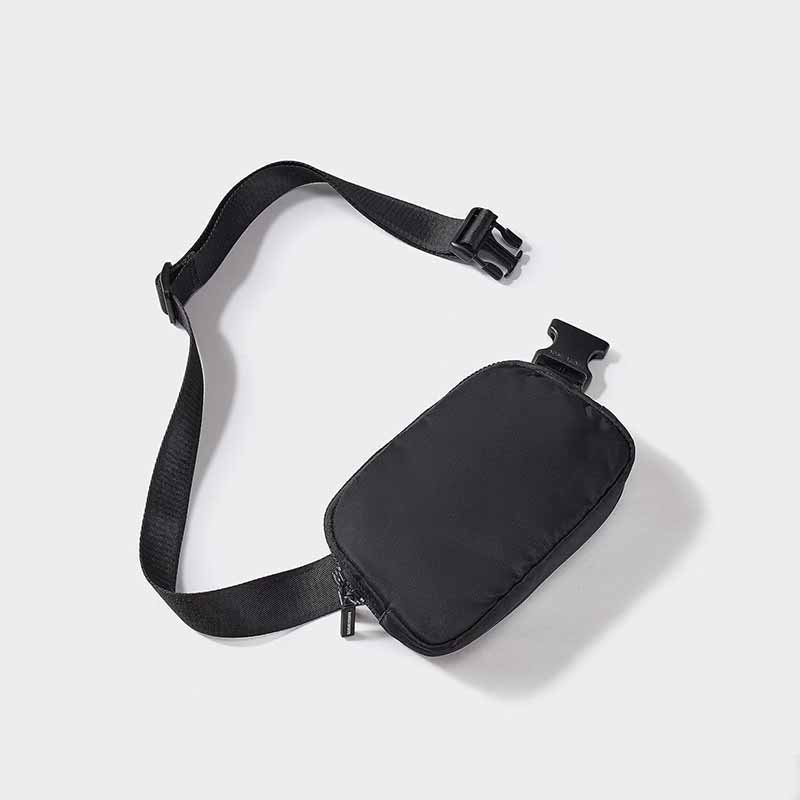
Why Do Brands Avoid or Rebrand the Term Today
Brands avoid or rebrand the term “fanny pack” because it feels outdated, informal, and culturally limited. While the product remains popular, the name carries nostalgic or humorous associations that conflict with modern, premium, or global branding. Replacing it with terms like waist bag or belt bag allows brands to reposition the same product as contemporary, versatile, and internationally acceptable.
Most brands did not stop selling fanny packs. They stopped calling them that.
The decision to avoid or rebrand the term is rarely emotional—it is strategic. Below are the real reasons driving this shift.
Why does “fanny pack” sound outdated to modern consumers?
Language ages faster than products.
For many consumers, especially millennials and Gen Z, “fanny pack” is strongly associated with:
- 1980s–1990s tourist imagery
- Utility-first, unfashionable accessories
- Humor or irony rather than intention
Even when the bag itself is redesigned with premium materials and modern silhouettes, the old name can anchor it to a past aesthetic.
Modern consumers don’t just buy function—they buy identity. A name that feels dated reduces emotional appeal before the product is even evaluated.
How does the term affect brand positioning and price perception?
Names influence willingness to pay.
Calling a product a “fanny pack” often places it mentally in a lower-price, casual category. The same item labeled as a “belt bag” or “waist bag” feels more deliberate and fashion-driven.
This affects:
- Perceived quality
- Brand sophistication
- Acceptable price range
Luxury and premium brands, in particular, avoid terminology that limits pricing power. Rebranding allows the product to move upmarket without changing its physical design.
Language becomes a pricing tool.
Why is the term risky for global brands?
The word “fanny” does not translate cleanly.
In American English, it is mild. In British English and some other regions, it carries a more explicit meaning. This creates discomfort, confusion, or even rejection in international retail environments.
For global brands, using a term that works in one region but fails in another increases friction across:
- Marketing materials
- E-commerce listings
- Packaging and labeling
Neutral terms like waist bag or belt bag reduce this risk and simplify global operations.
How do search behavior and SEO influence rebranding?
Search behavior tells brands how consumers think.
While many users still search “fanny pack,” they increasingly click and convert on listings labeled as waist bags or belt bags. Brands respond by using “fanny pack” as a secondary keyword rather than a primary product name.
This dual strategy allows brands to:
- Capture legacy search traffic
- Present a modern product identity
- Align with AI and marketplace categorization
Rebranding isn’t about ignoring search—it’s about guiding perception after discovery.
Why do fashion and lifestyle brands prefer neutral naming?
Neutral names allow flexibility.
A “fanny pack” suggests one wear style and one context. A “waist bag” or “belt bag” can be worn:
- At the waist
- Across the chest
- Over the shoulder
This flexibility matches modern styling and content marketing. It also allows brands to show the same product in multiple looks without contradicting the name.
Good naming supports storytelling instead of restricting it.
Is rebranding about avoiding the past or building the future?
Rebranding is not about rejecting history—it’s about removing limitations.
The product category remains strong because the function still matters. What changed is how brands want consumers to feel about it.
By updating language, brands give the same product permission to live in new spaces: fashion, lifestyle, premium retail, and global e-commerce.
The bag evolved. The name had to catch up.
Are Fanny Packs Still Relevant in Modern Markets
Yes, fanny packs are still highly relevant in modern markets. While the name has changed, demand for compact, hands-free waist and crossbody bags continues to grow due to urban lifestyles, travel needs, and fashion trends. Modern designs, updated materials, and new wear styles have repositioned the product as a lifestyle and fashion accessory rather than a purely functional item.
The idea that fanny packs became “obsolete” is a misunderstanding. What actually happened is simpler—and more important:
The product adapted faster than its reputation.
To understand why fanny packs are still relevant, we need to look at how people live today, not how the bag was used decades ago.
Why do modern lifestyles still favor fanny-pack-style bags?
Modern life rewards mobility and minimalism.
People walk more in cities, commute on public transport, travel frequently, attend events, and carry fewer—but more valuable—items. Phones, cards, keys, earbuds, and small power banks define daily carry.
Fanny-pack-style bags solve this perfectly because they:
- Keep essentials close to the body
- Allow hands-free movement
- Offer faster access than backpacks
- Feel more secure in crowded spaces
These needs are not disappearing—they are intensifying. That alone keeps the category relevant regardless of what it’s called.
Which consumer groups are driving demand today?
The strongest demand comes from younger and urban consumers, but not exclusively.
- Gen Z adopts waist bags as fashion pieces, often worn crossbody
- Millennials value practicality for travel, parenting, and commuting
- Urban professionals use compact bags for daily essentials
- Travelers prefer hands-free security
What’s notable is that adoption is no longer niche. The same core product now serves multiple age groups—just styled and marketed differently.
Relevance today comes from versatility across demographics.
How did fashion and streetwear revive the category?
Fashion didn’t revive the fanny pack by copying the past. It revived it by reframing the product.
Streetwear, athleisure, and minimalist fashion embraced the waist bag as:
- A layering accessory
- A statement of functionality
- A gender-neutral design element
By changing materials, proportions, and wear style, designers removed the stigma associated with older designs. The bag became intentional instead of accidental.
Once fashion validated the form, consumer acceptance followed quickly.
Are waist-worn bags still selling in real markets?
Yes—and consistently.
While exact numbers vary by region and channel, waist bags, belt bags, and small crossbody bags remain high-rotation SKUs in:
- Fashion retail
- Travel and outdoor categories
- E-commerce platforms
- Brand accessories collections
Importantly, these products often have:
- Short development cycles
- Strong repeat purchase rates
- High visibility in daily use
For brands, this makes them ideal as entry-level or add-on products with strong ROI.
How do naming and design affect perceived relevance?
Relevance is not just about function—it’s about presentation.
The same bag labeled as a “fanny pack” may feel dated, while labeled as a “belt bag” it feels current. Design choices—clean silhouettes, neutral colors, premium fabrics—further reinforce relevance.
In other words, relevance today depends on:
- Language
- Styling
- Material quality
- Wear flexibility
Brands that update these elements find the category highly viable. Those that don’t often assume the market is gone—when it’s not.
Why does this category still matter for brands and manufacturers?
From a development perspective, fanny-pack-style bags offer strategic advantages:
- Lower material consumption than large bags
- Faster prototyping and sampling
- Easier customization and private labeling
- Strong cross-market adaptability
For manufacturers like Lovrix, integrated fabric, webbing, and bag production enables brands to quickly adapt designs to different markets without reinventing the product.
A category that can evolve cheaply and sell broadly stays relevant.
What Should Brands Know Before Developing Fanny Packs
Before developing fanny packs, brands must understand that success depends on positioning, wear style, materials, construction, and naming—not the bag shape alone. Modern consumers expect versatile wear options, durable yet lightweight fabrics, comfortable webbing systems, and globally acceptable naming. Strong OEM/ODM capability is essential to balance cost, quality, speed, and market relevance.
Fanny packs look easy to make. In reality, they are one of the easiest bag categories to get wrong.
Because the product is small, worn close to the body, and used daily, every design mistake is immediately felt. Before development begins, brands need clarity in five critical areas.
What role does positioning play before design even starts?
Before sketches or samples, brands must answer one core question: Who is this bag for—and in what context?
A fanny pack for:
- Urban fashion users
- Travelers
- Outdoor sports
- E-commerce impulse buyers
will require completely different priorities.
Positioning determines:
- Size and silhouette
- Fabric choice
- Strap width and hardware strength
- Acceptable cost range
Brands that skip this step often end up with a “middle” product that pleases no one. Clear positioning simplifies every downstream decision.
How important is wear style in modern fanny pack design?
Wear style is no longer optional—it is the core design driver.
Modern consumers expect one bag to work in multiple ways:
- Around the waist
- Crossbody across the chest
- Over the shoulder
This affects strap length, adjustability, balance points, and buckle placement. Poor strap design leads to twisting, bouncing, or discomfort—one of the most common reasons for negative reviews.
Brands should treat the strap and webbing system as a primary product component, not an accessory.
What materials work best—and what mistakes should brands avoid?
Material choice directly impacts perception, durability, and cost.
Successful modern fanny packs often use:
- High-density nylon or recycled polyester for lifestyle use
- Coated or laminated fabrics for water resistance
- Leather or premium textiles for fashion positioning
Common mistakes include:
- Using fabric that is too soft, causing collapse
- Ignoring lining quality, leading to staining or odor
- Choosing webbing that curls or irritates skin
Because the bag is small, material flaws are highly visible. Quality expectations are higher than many brands anticipate.
How does construction quality affect comfort and returns?
Construction is where many low-cost fanny packs fail.
Key construction points include:
- Reinforced strap attachment areas
- Smooth, even stitching along stress zones
- Proper seam allowance to prevent edge wear
- Balanced pattern design to avoid sagging
Because the bag rests against the body, discomfort or imbalance is noticed immediately. Poor construction leads to higher return rates—even if the bag “looks fine” online.
For brands, investing slightly more in construction often saves significantly in after-sales cost.
Why does naming and language matter before production?
Naming affects more than marketing—it affects product direction.
Calling a product a “fanny pack” suggests:
- Casual
- Utility-focused
- Region-specific
Calling it a “waist bag” or “belt bag” allows:
- Broader wear interpretation
- Higher price acceptance
- Easier global distribution
Brands should align naming with intended market positioning before finalizing design, packaging, and labeling. Renaming after production often creates inconsistency and wasted inventory.
What should brands expect from OEM/ODM partners?
A capable OEM/ODM partner does more than produce samples.
Brands should expect support in:
- Fabric and webbing recommendation
- Strap engineering and comfort testing
- Pattern optimization for balance and fit
- MOQ flexibility for testing markets
- Fast sampling to validate demand
Why is this category ideal for brand testing and scaling?
Fanny packs offer strategic advantages:
- Lower development cost than large bags
- Faster sample-to-market cycles
- Easier customization and private labeling
- Strong repeat purchase potential
For emerging brands, they are ideal test products. For established brands, they are reliable add-on SKUs with strong ROI.
When designed correctly, this “small bag” can play a big role in brand growth.
Final
The evolution of the fanny pack proves one thing: products survive when they adapt—names, materials, and all.
If you are a brand owner, retailer, or e-commerce seller looking to develop modern waist bags, belt bags, or crossbody styles, Lovrix is ready to support you.
With over 19 years of experience across fabric manufacturing, webbing engineering, and bag production.
Contact Lovrix today to discuss your next waist bag project—and build products that speak the right language to the right market.
The bag may be familiar. The future depends on how you define it.


