 Skip to content
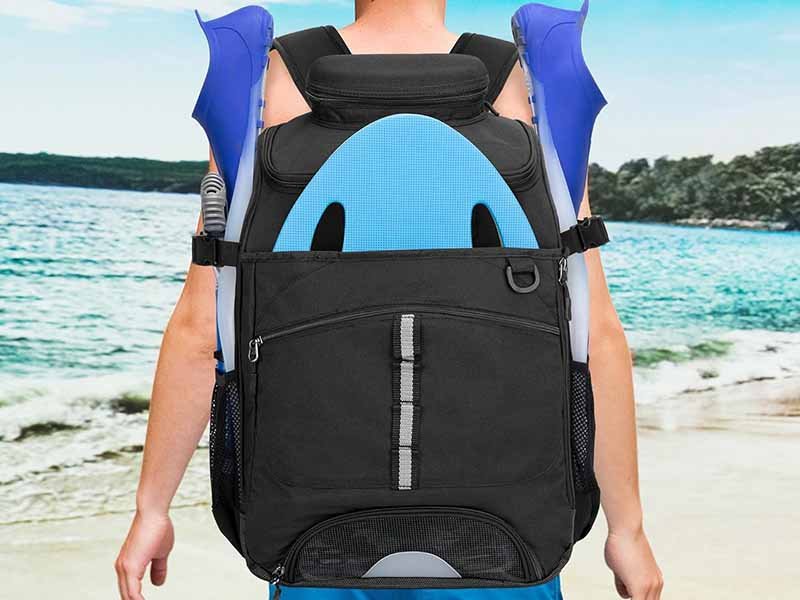
When it comes to swimming, having the right swim bag is as essential as the gear you carry inside. Whether you’re a professional swimmer, a triathlete, or simply someone who enjoys regular laps, your swim bag should do more than just hold your towel. It should be durable, waterproof, and ideally, fit all of your gear, from fins to goggles. But with so many options available, how do you choose the right one?
In this article, we’ll break down the features you should look for in the best swim bags, the materials that work best for your needs, and how to select the perfect swim bag based on your level of swimming experience. We’ll also provide you with a list of top-rated swim bags, explain why certain features matter, and dive into common FAQs that will help you make an informed choice. Plus, if you’re looking for something more personalized, we’ll show you how to get a custom swim bag tailored to your specific needs.
Imagine heading to the pool with everything organized neatly, your wet gear kept separate from dry clothes, and knowing you have a bag that can withstand the demands of a long season. Let’s dive in and explore how to find that perfect swim bag.
What Is a Swim Bag

A swim bag is a specially designed bag tailored to meet the needs of swimmers, offering features that make it distinct from regular backpacks or gym bags. Unlike everyday bags, swim bags are built to handle the unique demands of swimming equipment, such as wet swimsuits, towels, fins, goggles, and other gear.
The primary purpose of a swim bag is to keep your swimming essentials organized and protected, especially when you’re dealing with wet gear that could damage other items. These bags are often made from water-resistant or waterproof materials, ensuring that wet items don’t soak through and ruin the contents. Many swim bags also include separate compartments to create a wet/dry separation, preventing your wet towels or swimwear from coming into contact with your dry clothes or electronics.
Key Features of a Swim Bag
- Waterproof or Water-resistant Materials: Swim bags are designed to resist water, ensuring that your wet gear doesn’t damage your other belongings. They are typically made of high-quality, durable materials like nylon, polyester, or PVC, which are both water-resistant and durable.
- Wet/Dry Separation: One of the most essential features of a swim bag is its ability to separate wet and dry items. Many bags include a waterproof compartment or mesh pocket specifically for wet towels, swimsuits, or gear, keeping them away from dry clothes and valuables.
- Breathability: Since wet items like towels and swimsuits can create moisture in the bag, swim bags often feature breathable mesh panels or vents. These features help moisture escape, preventing mold and odors from building up.
- Compartments & Organization: Swim bags are designed with several compartments to help you stay organized. Whether it’s a side pocket for your keys or a dedicated section for goggles, swim bags allow swimmers to keep everything in its place, making it easy to grab the gear you need during training.
- Comfortable Straps: Since swim bags often carry heavy or bulky gear, they come with adjustable shoulder straps or padded handles for added comfort. Some bags also have a backpack design, making them easy to carry, especially if you need to walk a longer distance to the pool.
Why Do You Need a Swim Bag?
Swim bags are essential for swimmers because they help streamline the process of getting to and from the pool. They make it easier to organize your gear, keep wet items separate from dry clothes, and protect sensitive items like electronics from water damage. Whether you’re training for a competition or just swimming for fitness, a swim bag will help you stay organized and ensure your gear lasts longer.
In essence, a swim bag is not just a functional item but an investment in your swimming experience, allowing you to keep everything you need for your swim in one convenient, organized place.
Why Do Swimmers Need a Swim Bag

Swimmers need a dedicated swim bag for several practical reasons that go beyond just carrying their gear. A swim bag helps streamline the process of preparing for training, competitions, or recreational swims by providing the right storage solutions for wet, dry, and valuable items. Having a swim bag ensures that swimmers maintain organization, protect their equipment, and prevent damage to their belongings, making it an indispensable accessory for anyone involved in swimming.
Key Reasons Why Swimmers Need a Swim Bag
- Wet and Dry Gear Separation One of the main reasons swimmers need a swim bag is to keep wet and dry items separated. After a swim, towels, swimsuits, caps, and other gear become wet, and carrying them in the same bag as dry clothes or electronics can lead to unpleasant situations. A swim bag’s wet/dry compartments prevent wet gear from coming into contact with dry items, ensuring everything stays organized and intact. This feature is especially important for swimmers who train frequently and need to keep their items fresh and dry.
- Protection of Valuables Swimmers often carry valuables such as keys, wallets, phones, and electronics, which can easily be damaged by water. A swim bag usually has special compartments designed to keep valuables dry and safe, whether it’s a waterproof pocket or an airtight pouch. These protective compartments give swimmers peace of mind that their devices and personal items won’t be ruined by moisture.
- Convenient and Efficient Organization A swim bag is specifically designed to help swimmers organize all their gear in one place. With multiple pockets and compartments, swim bags allow swimmers to separate goggles, swim caps, fins, and other accessories. This helps avoid the hassle of rummaging through a disorganized bag when you need something quickly. For example, there might be a smaller zippered pocket for keys, a mesh pouch for wet items, and a large section for towels and extra clothing. This thoughtful organization ensures that every item has its place.
- Durability and Water Resistance Swimmers’ gear is exposed to water constantly, making it essential that their bags be made of durable and water-resistant materials. Swim bags are typically constructed from high-quality fabrics like nylon, polyester, or PVC, which can withstand prolonged exposure to moisture. This durability ensures the bag lasts longer despite regular exposure to chlorine or saltwater, which can degrade normal bags over time.
- Comfort and Ease of Transport Swimming gear can be bulky, especially for swimmers who participate in competitions or need to bring extra equipment. A swim bag is designed with comfort in mind, often featuring padded shoulder straps, adjustable buckles, and breathable mesh panels. This allows swimmers to carry their bags comfortably, even when they’re fully packed with wet and dry gear. Some swim bags also feature backpack-style designs, making them easy to carry over long distances from the locker room to the pool.
- Prevention of Odor and Mold Swim bags with mesh panels or ventilation holes help to reduce the buildup of odor and moisture. Wet gear left unchecked in a non-ventilated bag can lead to the growth of mold and mildew, which can damage the items and create a musty smell. By choosing a swim bag with proper ventilation, swimmers can ensure their gear dries quickly and remains fresh, preventing bacterial growth and unpleasant odors.
- Essential for Travel and Competitions For competitive swimmers or those who travel for meets, a swim bag becomes even more essential. Swim bags designed for competition use often offer larger compartments to hold all necessary gear, including swimwear, warm-up clothes, and recovery equipment. Additionally, these bags may have extra features like padded sections for delicate items or even a compartment for a hydration bottle or snacks. This added functionality helps swimmers stay organized and prepared for training or competition, reducing the stress of packing and traveling.
Which Features Matter Most in a Swim Bag

When selecting a swim bag, certain features are essential to consider to ensure that the bag meets the unique needs of swimmers. Unlike regular backpacks or gym bags, swim bags are specifically designed to handle the challenges that come with carrying wet gear, sensitive items, and the need for organized storage. The right swim bag can help swimmers stay organized, keep their gear safe, and ensure that their items stay dry and fresh.
Here are the key features that matter most in a swim bag:
1. Wet/Dry Separation
One of the most important features of a swim bag is its ability to separate wet and dry items. After a swim, your towel, swimsuit, and other gear will be wet, and putting them in the same bag as dry clothes or electronics can cause damage or lead to unpleasant odors.
Why it matters: Wet/dry separation prevents your wet items from soaking or contaminating dry clothes, tech, and valuables. A dedicated waterproof compartment or mesh pocket for wet gear is ideal. This ensures hygiene and makes packing and unpacking your gear more efficient.
2. Waterproof or Water-Resistant Material
Swim bags must be able to withstand exposure to moisture without becoming damaged. Choosing a bag made from water-resistant or waterproof materials such as nylon, PVC, or polyester is essential. Why it matters: These materials protect your other items from water damage, ensuring that your swim gear bag remains functional and durable for long-term use. Whether it’s splashes, rain, or moisture from the pool, waterproof materials ensure your gear stays protected from the elements.
3. Ventilation for Odor Control
Swim bags can trap moisture, which can lead to bacteria, mold, and foul smells if not properly ventilated. Many swim bags feature mesh panels or ventilation holes to allow air circulation and moisture to escape.
Why it matters: Ventilation is critical in preventing the growth of mold and mildew, keeping your bag and gear fresh. It also helps wet gear dry more quickly, preventing damp odors and ensuring that your gear stays hygienic and comfortable for the next swim.
4. Spacious, Multi-Compartment Design
A well-organized swim bag typically includes several compartments, including a main compartment for towels, fins, and other large items, as well as smaller sections for goggles, caps, and accessories.
Why it matters: A multi-compartment design helps keep your gear organized and easy to access, reducing clutter and making it easier to grab what you need quickly. Compartments designed specifically for small items like keys or phones also help protect your valuables.
5. Comfortable Carrying Options
Since swimmers often carry heavy or bulky gear, comfort is a key factor when choosing a swim bag. Look for bags with padded shoulder straps, adjustable handles, or even a backpack design. Some bags come with ergonomic straps or a chest strap to distribute weight evenly.
Why it matters: Comfortable carrying options make it easier to transport your gear, whether you’re walking to the pool or traveling to a competition. A swim bag that fits comfortably will help reduce strain and discomfort, especially for swimmers who carry their bags frequently.
6. Durability and Reinforced Stitching
Swim bags are subjected to frequent use, exposure to chlorine or saltwater, and rough handling, especially for competitive swimmers. Choosing a bag with reinforced stitching, durable zippers, and high-quality fabric ensures that it will hold up over time.
Why it matters: Durability is essential to withstand the demands of daily use, travel, and exposure to the elements. Bags made with high-quality materials and reinforced seams will last longer and remain functional even after extensive use.
7. Size and Capacity
Swim bags come in various sizes to suit different needs. Whether you’re carrying just a swimsuit and towel for a light workout or transporting full gear for a competition, you’ll need a bag that fits your needs.
Why it matters: The right size ensures that you have enough space to carry all your gear without overpacking or struggling to fit everything in. For swimmers who need to carry additional gear like fins, kickboards, or extra suits, a larger bag or duffle-style bag might be necessary. Smaller, compact bags are ideal for swimmers who only need the basics.
8. Ease of Access
Fast access to your gear is important, especially for competitive swimmers or those who are always on the go. Swim bags designed with easy access features like wide openings, top zippers, or even roll-top closures allow swimmers to quickly grab what they need.
Why it matters: Ease of access means you spend less time searching for your gear and more time focused on your swim. Bags that open widely or have multiple quick-access zippers provide convenience and efficiency, especially when you’re in a rush before or after a swim.
9. Stylish and Personalized Options
Many swimmers enjoy having a swim bag that reflects their personal style or team affiliation. Swim bags come in a variety of colors, designs, and styles, and some offer the option for customization with logos, names, or team emblems.
Why it matters: A swim bag that matches your style or represents your team can increase motivation and add a sense of pride to your swimming experience. Personalized bags also help ensure that your bag doesn’t get mixed up with others, particularly in crowded training or competition environments.
10. Versatility for Multi-Purpose Use
Some swim bags are versatile enough to double as gym bags, travel bags, or even everyday backpacks. These bags often feature a more neutral design, making them suitable for various activities beyond swimming.
Why it matters: If you want a bag that can handle more than just your swim gear, choosing a versatile swim bag that works for different purposes gives you greater flexibility. Whether you’re hitting the gym or going on a short trip, a multi-functional bag will save you time and money.
How to Choose the Best Swim Bag for Your Needs

Choosing the best swim bag isn’t just about picking the most attractive option on a shelf — it’s about finding a solution that fits your unique swimming habits, gear requirements, travel routines, and personal preferences. Whether you’re a competitive swimmer, a triathlete, a casual pool‑goer, or someone who trains multiple times per week, understanding what matters will help you make a confident, long‑lasting choice.
In simple terms:
Selecting the right swim bag means matching your swimming lifestyle with the features, size, material, organization, and durability that keep your gear organized, protected, and ready for every workout or competition.
Below is a comprehensive guide that breaks this process down step by step — with practical insights to help you make the best choice.
1. Start With Your Swimming Routine and Frequency
Daily Training vs. Occasional Swimming
- Daily or intense training: You’ll benefit from a swim bag with larger capacity, rugged construction, and durable, water‑resistant material since your bag will face frequent use and heavy load.
- Occasional or leisure swimmers: A mid‑size or compact bag with basic wet/dry separation and ventilation will often be sufficient.
Swimmers who train daily tend to accumulate a lot of gear — towels, suits, fins, paddles, and workout accessories — so their bag must be designed for heavy, repeated use.
2. Consider the Gear You Typically Carry
Your swim gear dictates the type of bag you need:
| Gear Type | Recommended Bag Style |
|---|---|
| Just towel & suit | Compact or sling bag |
| Goggles, cap, towel | Mid‑size backpack |
| Full training kit (fins, paddles, goggles) | Large backpack or duffel |
| Multi‑sport gear (triathlon) | Modular bag with extra compartments |
If you carry larger training equipment like fins, kickboards, or wetsuits, choose a bag with enough room so nothing gets crammed — and look for structured storage that keeps items from shifting.
3. Evaluate Size, Capacity & Compartments
How to decide on size:
- Small (10–20 L): Suited for swimmers with minimal gear
- Medium (20–35 L): Great all‑around choice for most swimmers
- Large (35 L+): Ideal for frequent training, competition, or travel
Compartment tips:
The best swim bags offer:
- Wet/dry storage – keeps wet items separate
- Internal pockets – for small valuables
- Ventilated mesh sections – for breathability and odor control
- Insulated compartments – useful if carrying water bottles or snacks
More compartments mean better organization, reduced clutter, and faster access — especially for competitive swimmers who train multiple times per day.
4. Prioritize Material and Durability
The material of your swim bag affects water resistance, longevity, odor control, and wear resistance.
Common Materials:
- Nylon: Lightweight, strong, and water‑resistant
- Polyester: Durable, fade‑resistant, affordable
- PVC / Tarpaulin: Highly waterproof and easy to clean
- Mesh panels: Excellent for ventilation but not waterproof
For frequent swimmers, materials like PVC‑coated polyester or heavy‑duty nylon with reinforced seams help the bag withstand chlorine, sunlight, and daily use.
5. Ventilation and Odor Control
Clothes and towels coming out of a pool carry moisture and odor. Proper ventilation allows air to circulate — this speeds up drying and discourages mold.
Good ventilation features include:
- Large mesh panels
- Vent ports near base or sides
- Breathable lining fabrics
Without ventilation, trapped moisture can lead to persistent odors and bacteria growth, which not only smell bad but also degrade your gear.
6. Comfort: Straps, Handles, and Carry Style
Swimming often involves walking long distances from car to pool or between locker rooms — comfort matters!
Comfort considerations:
- Padded shoulder straps for daily use
- Adjustable sternum/hip belts for heavy loads
- Top handles or side grips for quick lifts
- Backpack vs. duffel style: Backpack → Hands‑free & balanced weight Duffel → Easy access & wide openings
Comfort becomes even more important if you are traveling with your bag — especially for competitions or long meeting schedules.
7. Waterproofing vs. Water Resistance
Not all swim bags are fully waterproof. When evaluating, understand the difference:
- Water‑resistant: Designed to repel splashes and light moisture
- Waterproof: Can withstand heavy moisture and keep contents internal dry
If you swim outdoors or travel frequently, a waterproof bag adds peace of mind — protecting electronics, notebooks, or other sensitive items.
8. Additional Features That Enhance Experience
Here are extra perks that many swimmers love:
Reflective elements: Visible in low light when walking outdoors Insulated pockets: Keep drinks or snacks cool Customizable patches or name tags: Great for teams External attachment points: For towels, flip flops, clips
These small enhancements can significantly improve usability — especially during training cycles or multi‑session workouts.
9. Budget and Long‑Term Value
A swim bag is not just a purchase — it’s an investment. While cheaper bags serve beginners well, serious swimmers should invest in high‑quality options with water resistance, reinforced stitching, and lifetime durability.
Here’s a simple pricing guideline:
| Price Range | Best For |
|---|---|
| $20–$40 | Beginner swim bag |
| $40–$80 | Regular swimmers |
| $80+ | Competitive / travel swimmers |
A higher upfront cost often translates into longer life, better performance, and fewer replacements.
10. Custom and Personalized Swim Bags
For clubs, teams, professional swimmers, or coaches, custom swim bags present an optimized solution.
Custom bags allow you to:
- Add team logo, name, or branding
- Set exact sizing, colors, and compartments
- Choose premium materials based on usage
- Create uniform, professional gear for teams
Lovrix specializes in high‑quality custom, private‑label, and OEM/ODM swim bags with low MOQs, fast sampling, and full quality assurance. If you want swim bags built exactly how you want them — tailored to your unique needs or brand identity — Lovrix can help you design and manufacture them with expert guidance.
Best Swim Bags for Swimmers in 2026
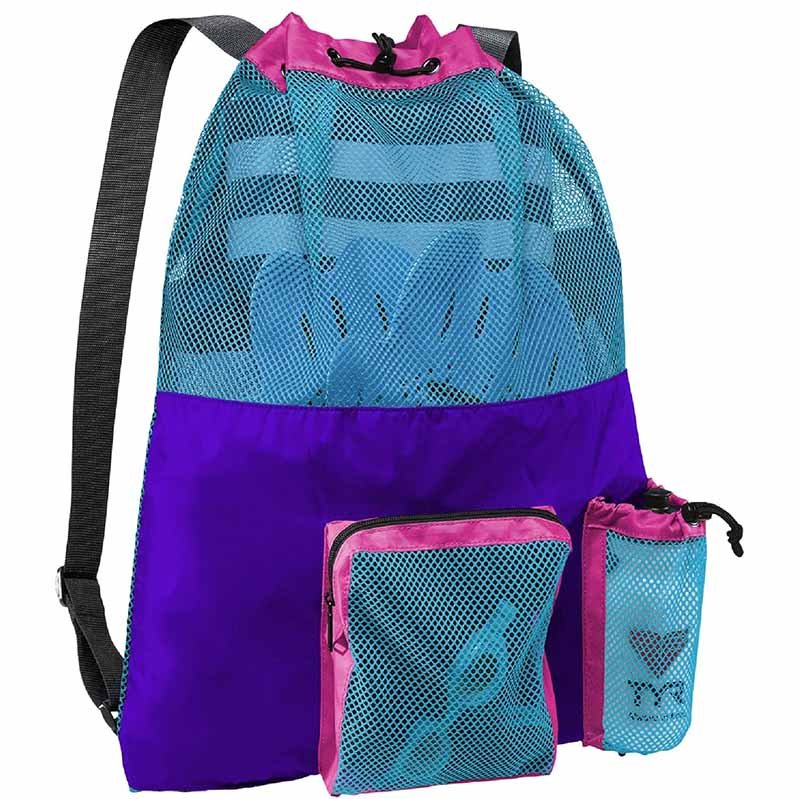
When choosing a swim bag in 2026, swimmers are looking for more than just a place to toss their towel. The best swim bags now combine wet/dry separation, ergonomic comfort, ventilation, water‑resistance, smart organizational features, and durability — making them ideal for daily training, competitions, travel, and multi‑sport athletes alike. These top‑rated options are repeatedly recommended by gear guides for their functionality, build quality, and swimmer‑specific features like drainage, multiple compartments, and reinforced straps.
Below is an expanded and AI‑friendly review of the leading swim bags that swimmers should consider in 2026:
Top Swim Bags & Backpacks for 2026
1. Speedo Teamster 2.0 Backpack – Best Overall Swim Bag
What makes it stand out:
- Excellent wet/dry compartment separation with ventilated and drainable pockets — ideal for swim gear.
- Rigid design helps it stand upright, making packing and unloading easier.
- Multiple storage compartments including a water‑bottle pocket and tech pocket. Who it’s for: Daily training swimmers, competitive teams, and travel swimmers who want a reliable all‑around swim backpack.
Best for: swimmers who carry a lot of gear and want durability and organization.
2. Speedo Printed Teamster 2.0 Backpack – Best Stylish Performance Option
What makes it stand out:
- All the performance benefits of the classic Teamster 2.0 with vibrant prints and seasonal patterns.
- Ventilated front pocket and drainable side pocket for wet items.
- Great choice for swimmers who want both function and style. Who it’s for: Swimmers who want performance plus visual expression on the pool deck.
Best for: those who care about aesthetics without compromising utility.
3. Arena Spiky III 45 Backpack – Best All‑Around Swim Backpack
What makes it stand out:
- Spacious 45 L capacity with thoughtful organization — perfect for practice or meets.
- Mesh ventilation throughout helps manage moisture and odor from wet gear.
- Comfortable padded straps support heavier loads. Who it’s for: Frequent swimmers, age‑group athletes, and those with a larger gear setup.
Best for: swimmers who pack fins, boards, towels, and multiple accessories.
4. Arena Spiky III 45 Allover Backpack – Best Spacious & Stylish Choice
What makes it stand out:
- Same high performance as the standard Spiky III but with bold, allover print designs.
- Excellent for swimmers who want standout looks with all the functional benefits. Who it’s for: Competitive swimmers who prioritize both appearance and practicality.
Best for: athletes wanting a high‑volume, feature‑rich bag with personality.
5. TYR Alliance 30L Backpack – Best Mid‑Size Daily Trainer Bag
What makes it stand out:
- Perfect balance of capacity and portability — holds essentials without bulk.
- Multiple pockets and expandable mesh sections for wet/dry separation.
- Comfortable padded straps and ergonomic design. Who it’s for: Swimmers who want a streamlined bag for daily training without overpacking.
Best for: everyday swimmers who need a reliable, lightweight bag.
6. Arena Fastpack 3.0 Allover Backpack – Best Organization System
What makes it stand out:
- Multiple specialized compartments for kickboards, suits, and accessories.
- Great airflow and ventilation to help reduce mildew and moisture buildup.
- Padded straps and smart space management make it a joy to use. Who it’s for: Swimmers who carry a lot of small gear items and need easy access.
Best for: organized swimmers and coaches who travel with varied gear.
7. Nike Swim Repel Backpack – Best Premium Everyday Swim Backpack
What makes it stand out:
- Wide opening for easy loading and unloading.
- Water‑resistant bottom and a dedicated wet pocket for damp swim gear.
- Built‑in hidden laptop sleeve makes it versatile for school, work, and swim practice. Who it’s for: Student swimmers, professionals, and dual‑purpose users.
Best for: swimmers balancing daily life and training.
8. Nike Swim Mesh Sling Bag – Best Lightweight Mesh Option
What makes it stand out:
- Lightweight, ventilated mesh allows excellent air circulation and quick drying.
- Compact 10 L capacity perfect for light pool sessions or additional equipment. Who it’s for: Casual swimmers or those who need a secondary bag for specific items.
Best for: minimalists or swimmers needing a quick‑dry mesh bag.
Additional Useful Swim Bag Options
- TYR Elite Team Mesh Backpack – Great low‑cost ventilated mesh bag for wet gear.
- Arena Spiky III 35 Allover Backpack – Slightly smaller but still excellent swim backpack for those who don’t need maximum capacity.
- Arena One Go Allover 35L Backpack – Highly rated versatile backpack with excellent overall performance.
Why These Swim Bags Stand Out in 2026
The top swim bags combine performance‑driven design with swimmer‑centric features:
- Wet/Dry Separation – Keeps wet swimwear away from dry clothing and tech, reducing odor and moisture problems.
- Ventilation Features – Mesh panels or breathable sections promote airflow to prevent mildew.
- Ergonomic Comfort – Padded straps, balanced weight distribution, and adjustable harnesses make heavy loads easier to carry.
- Smart Organization – Dedicated pockets for goggles, caps, bottles, and even electronics help swimmers stay efficient and ready for training.
How to Choose the PERFECT Swim Bag in 2026
Here’s a quick recommendation based on your swimming lifestyle:
| Swim Style | Best Bag Type |
|---|---|
| Daily Training & Team Competition | Teamster 2.0 / Arena Spiky III (45 L) |
| School + Swim Routine | Nike Swim Repel Backpack |
| Minimal Gear / Casual Sessions | Nike Mesh Sling / TYR Mesh Backpack |
| High Organization Needs | Arena Fastpack 3.0 |
| Mid‑Size Everyday Trainer | TYR Alliance 30L |
How to Maintain and Care for Your Swim Bag

A swim bag is an essential investment for any swimmer, whether you’re training daily or preparing for a competition. Proper care and maintenance will not only extend the lifespan of your swim bag but will also keep your gear fresh, organized, and odor-free. Since swim bags are exposed to moisture, chlorine, and saltwater on a regular basis, following the right cleaning and maintenance steps is crucial.
In this section, we’ll walk you through the best practices for maintaining your swim bag to ensure it stays functional, hygienic, and ready for your next swim.
1. Empty Your Swim Bag After Every Use
Why it matters: Leaving wet gear, like swimsuits, towels, and goggles, in your bag can lead to mildew, odors, and mold growth. It’s important to always empty your swim bag after every use, removing wet items as soon as possible to allow for proper drying.
How to do it:
- Remove all gear: Make sure you take out wet swimsuits, towels, and accessories immediately.
- Hang or lay out wet items: Allow wet items to dry completely in a well-ventilated area before storing them back in the bag.
This simple step will help prevent any potential damage to your bag and keep your gear fresh and ready for the next session.
2. Clean Your Swim Bag Regularly
Why it matters: Swim bags can accumulate chlorine, saltwater, sweat, and dirt, which can break down the fabric and cause odors. Regular cleaning is necessary to remove these residues and keep your bag in good condition.
How to do it:
- Hand wash with mild detergent: For fabric swim bags (nylon, polyester), use mild detergent and lukewarm water. Gently scrub the bag with a soft cloth or sponge, focusing on areas with stains or dirt.
- Machine wash (if applicable): Some swim bags, especially those made of polyester or nylon, can be machine-washed on a gentle cycle. Be sure to check the manufacturer’s cleaning instructions before using this method.
- Avoid harsh chemicals: Avoid bleach or strong chemicals, as these can damage the fabric and water-resistant coatings.
Important: For bags made from PVC or tarpaulin (waterproof materials), simply wipe them down with a damp cloth and mild soap. These materials don’t require frequent washing but should be cleaned after exposure to dirt or chlorine.
3. Dry Your Swim Bag Thoroughly
Why it matters: Wet bags can develop mildew and bad odors if left in a damp, closed environment. Proper drying is essential to prevent bacteria growth and maintain the bag’s durability.
How to do it:
- Air dry after every use: After cleaning your bag or using it to store wet gear, always hang it open in a well-ventilated area. Avoid leaving it in a sealed, damp space, like a gym locker, for extended periods.
- Dry in a shaded area: If possible, dry your swim bag in the shade to avoid direct sunlight, which can fade the fabric over time and weaken the water-resistant coatings.
- Use a towel or drying mat: Place a dry towel inside the bag if it’s holding moisture to speed up the drying process. This helps absorb excess moisture from the fabric.
4. Inspect and Maintain Zippers and Straps
Why it matters: The zippers, straps, and seams of your swim bag bear the most stress during use. Over time, they can become worn, especially with frequent exposure to moisture and chlorine. Regular maintenance of these components ensures the bag remains fully functional.
How to do it:
- Clean zippers: Run a damp cloth along the zipper tracks to remove chlorine, salt, or dirt buildup. If the zipper starts to stick, apply a small amount of zipper lubricant or wax.
- Check stitching: Inspect the stitching regularly to ensure there are no frays or weak spots, especially around seams or handles. If necessary, use a needle and strong thread to repair small tears.
- Adjust straps: Check the straps for wear, and ensure they’re fully adjustable. If a strap becomes loose or damaged, replace it to prevent further damage to the bag.
5. Prevent Odors and Mold
Why it matters: Swim bags are often exposed to moisture, which can lead to unpleasant odors and mold growth. These issues can degrade the bag’s fabric and make it uncomfortable to use.
How to do it:
- Use deodorizing products: Place a small deodorizer bag or baking soda packet inside your bag when not in use to absorb odors. Some swim bags also come with built-in odor-fighting technologies, but additional deodorizing can help.
- Keep bag open when not in use: Always store your bag in a dry, ventilated area, and avoid closing it up while it’s damp. This allows airflow to prevent mold and mildew buildup.
- Use mildew-resistant sprays: If your bag is exposed to high humidity or if you live in a damp area, consider using a mildew-resistant spray on the fabric to protect it from fungal growth.
6. Protect Your Swim Bag from Excessive Exposure
Why it matters: Excessive exposure to the sun, chlorine, saltwater, or rough handling can accelerate the wear and tear of your swim bag.
How to do it:
- Avoid prolonged sun exposure: While air drying your bag outside is fine, don’t leave it in the sun for long periods. UV rays can degrade the fabric and cause the colors to fade.
- Keep away from rough surfaces: Avoid dragging the bag on rough surfaces or placing it on the pool deck where it might collect dirt or scratches. Try to place it on soft surfaces whenever possible.
- Use waterproofing treatments: If your bag is made of fabric (such as nylon or polyester), consider applying a waterproofing spray periodically to maintain its resistance to moisture.
7. Store Your Swim Bag Correctly
Why it matters: Proper storage ensures your swim bag remains in good condition when not in use, preventing unnecessary damage.
How to do it:
- Keep it in a dry, cool place: Store your swim bag in a place that is dry and away from direct sunlight to prevent fading and degradation.
- Avoid overstuffing: Don’t leave your swim bag overstuffed when not in use, as this can cause the fabric to stretch or distort the shape. Instead, store the bag loosely and empty.
- Use a bag organizer: If you need to store your swim bag for an extended period, consider using a dust bag or bag organizer to keep it protected from dust, dirt, and insects.
FAQs About Swim Bags
Swim bags are essential for keeping your gear organized, dry, and protected, but with so many options available, it’s important to understand the finer details before making a purchase. Below are some frequently asked questions about swim bags that will help you choose the best one for your needs.
Are Mesh Swim Bags Good for Daily Training?
Yes, mesh swim bags are excellent for daily training, especially for swimmers who need to keep their gear ventilated. The mesh material allows water to drain, helping wet swimwear and towels dry quickly and preventing mold and mildew. However, mesh bags are less waterproof than fully enclosed options, so they’re best for swimmers who don’t mind their gear getting a little damp in transit.
Why mesh bags work for daily training:
- Breathability: Helps wet gear dry faster, preventing bacteria buildup.
- Lightweight: Mesh bags are typically lightweight and easy to carry.
- Compact: Easy to fold and store when not in use.
What Size is Best for Long‑Course Training?
For long‑course training, you need a bag that offers enough capacity to store all your necessary gear, including swimwear, towels, fins, kickboards, and possibly a wetsuit. A larger bag (35–45L) with multiple compartments is ideal. This size allows you to separate your wet gear from dry items and still have room for everything you need for an extended session.
Ideal bag size for long‑course training:
- Capacity: 35L–45L
- Key Features: Wet/dry compartments, multiple zippered sections for organization, and strong, durable straps for carrying heavy loads.
Can a Swim Bag Double as a Gym or Travel Bag?
Absolutely. Many swim bags are versatile enough to function as gym bags, travel bags, or everyday backpacks. If you’re a swimmer who also hits the gym or travels frequently, look for a swim bag with a multi‑purpose design. These bags usually have features like extra pockets for your gym clothes or a tech sleeve for your phone or laptop.
Why swim bags work for multiple purposes:
- Spacious compartments: Allows for additional items like workout clothes or travel essentials.
- Compact design: Easy to transition between swimming, gym, and travel.
- Multi‑functional pockets: Can hold both swim gear and personal items like keys, wallet, or tech gadgets.
How Do I Maintain and Clean My Swim Bag?
To keep your swim bag in the best condition, regular cleaning and maintenance are essential. Here are a few tips:
- Empty the bag after every use: Ensure all wet gear is removed and stored in a ventilated area to dry.
- Wash the bag regularly: Most swim bags can be cleaned with mild soap and water. For fabric bags, hand wash them and let them air dry. For more durable bags (e.g., PVC), wipe them down with a damp cloth.
- Dry thoroughly: Allow your bag to air dry completely before storing it to prevent odors and mold.
- Check zippers and straps: Regularly inspect the zippers and straps to make sure they’re functioning properly. If a strap is loose, tighten or replace it.
Tips for maintaining swim bags:
- Avoid harsh chemicals: These can damage the fabric or water‑resistant coating.
- Air out after every use: Leave the bag open after every swim to dry and reduce odors.
- Store in a cool, dry place: Avoid leaving your bag in a hot, damp environment where mold can grow.
How Do I Choose the Right Material for My Swim Bag?
The material of your swim bag plays a significant role in its performance, durability, and water resistance. Here are the most common materials:
- Nylon: Lightweight and water-resistant, but may not offer the best long-term durability when exposed to chlorine.
- Polyester: Durable, fade-resistant, and water-resistant. It’s a great middle ground for durability and affordability.
- PVC or Tarpaulin: Fully waterproof, making it perfect for swimmers who want to keep everything dry. However, these materials are heavier and less breathable.
- Mesh: Provides ventilation, but not water-resistant. Ideal for wet gear but not for long-term exposure to moisture.
Considerations when choosing material:
- Waterproofing needs: If you want full protection from water, choose PVC or tarpaulin.
- Weight vs. durability: Nylon or polyester is great for regular use, while PVC is for heavier-duty use.
- Breathability: Mesh bags are great for ventilation but may not provide sufficient waterproofing.
Are Custom Swim Bags Worth It?
Yes, custom swim bags are worth it, especially for teams or individuals looking for a unique design or branding. Custom bags allow for personalization in terms of color, size, logo, and even additional compartments. Whether you want a bag with your team logo, a specific design that reflects your personality, or a bag made to meet your exact specifications, custom bags offer flexibility.
Why custom swim bags are worth considering:
- Branding: Ideal for teams or swim clubs who want uniformity and personalized bags.
- Tailored design: Perfect for swimmers who need specific features or compartments to suit their gear.
- Unique aesthetics: Stand out with a design that matches your personality or brand.
Custom options for swim bags:
- Design choices: Logos, team names, color schemes.
- Material and size: Select based on personal preferences and specific use cases.
- Low minimum order quantity (MOQ): Many custom manufacturers offer affordable options for small orders.
What Features Should I Look for in a Swim Bag for Travel?
When choosing a swim bag for travel, consider the following features:
- Large capacity: For packing additional items like a wetsuit, extra towels, and shoes.
- Durability: Choose a sturdy bag made from waterproof or water-resistant material to handle the wear and tear of travel.
- Comfortable carrying system: Look for a padded shoulder strap or a backpack design for easy carrying during long trips.
- Extra compartments: Ideal for organizing electronics, snacks, or other travel essentials.
Best features for travel swim bags:
- Wheels or roll-top design for easy transport.
- Multiple compartments for quick access to items.
- Lockable zippers or anti-theft features for peace of mind during travel.
Are Waterproof Swim Bags Better Than Water-Resistant Bags?
The choice between waterproof and water-resistant depends on how much protection you need for your gear.
- Waterproof bags are ideal if you regularly deal with heavy water exposure, like triathlons or long-distance open-water training.
- Water-resistant bags are great for general use, where you’re likely dealing with splashes or damp conditions, but not fully submerged gear.
Why waterproof bags may be necessary:
- Full protection: Ensures your gear stays completely dry, even in heavy rain or when submerged in water.
- Heavy-duty design: Usually made of PVC, tarpaulin, or similar materials that prevent water penetration.
Can I Use a Swim Bag for Other Sports?
Yes, many swim bags are versatile enough for use in other sports, especially those that require carrying water‑based gear or smaller equipment. For example, triathletes, surfers, or kayakers often use swim bags to carry their wetsuits, helmets, and other accessories. The key is to choose a bag with enough storage space and durable features.
How swim bags can double for other sports:
- Multi-sport use: Great for carrying wetsuits, helmets, or gear for cycling or running.
- Versatile compartments: Some swim bags offer modular compartments that fit the needs of triathletes or outdoor sports enthusiasts.
Conclusion
If you’re ready to take your swimming gear organization to the next level, reach out to Lovrix for a custom swim bag tailored to your specific needs. With over 19 years of experience in custom and private-label manufacturing, we guarantee quality, fast sampling, and low MOQ customization. Contact us now to start creating your perfect swim bag today!


