 Skip to content
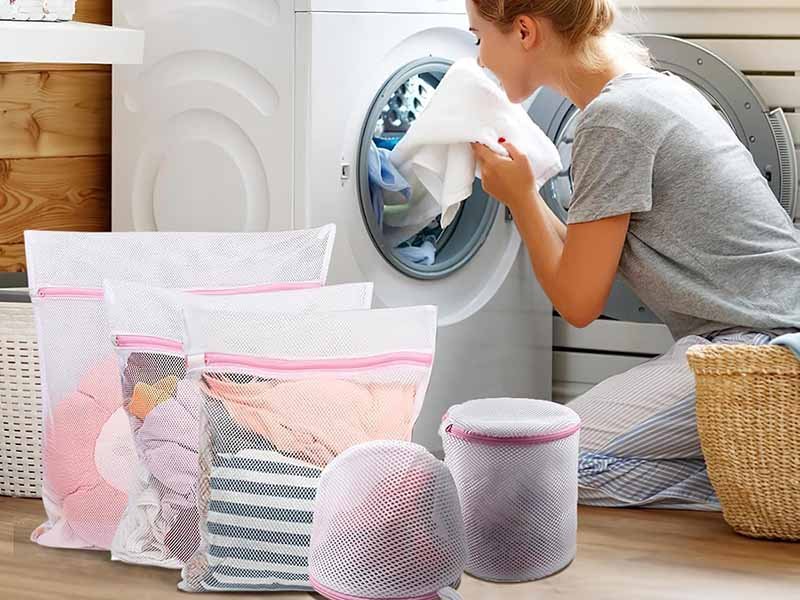
Laundry may seem like one of the most routine parts of daily life, yet many people unknowingly damage their clothes during washing. Delicate fabrics lose shape, straps tangle, small garments disappear, and colors fade faster than expected. In many cases, the problem isn’t the washing machine—it’s how clothes are washed.
This is where laundry bags quietly make a big difference. Often underestimated as a simple accessory, a laundry bag is actually a functional tool designed to protect garments, improve washing efficiency, and organize clothing throughout the laundry process. From homes and dorm rooms to hotels, gyms, baby care, and travel, laundry bags have become an essential item for modern lifestyles.
A laundry bag is a reusable bag, usually made of mesh or fabric, designed to hold clothes during washing, storage, or transport. It helps protect delicate garments, prevent tangling, and improve organization. Laundry bags are commonly used for washing machines, travel, dorm living, baby clothes, and commercial laundry. Choosing the right size and material ensures better cleaning results and longer garment lifespan.
But what is meant by a laundry bag exactly, and how should it be used correctly? Let’s start with the basics.
What Is a Laundry Bag

A laundry bag is a reusable bag designed to hold clothing during washing, storage, or transport. It helps protect garments from damage in washing machines, prevents tangling, and keeps laundry organized. Laundry bags are commonly made from mesh or fabric and are widely used for delicate clothes, baby garments, travel packing, dorm living, and commercial laundry services.
At its core, a laundry bag is not just a container—it is a functional layer of protection between your clothes and the mechanical forces of washing, handling, and transport.
Unlike laundry hampers or baskets, which are designed only to hold clothes, a laundry bag is often designed to:
- Go inside a washing machine
- Move with garments through the laundry cycle
- Reduce friction, stretching, and tearing
- Keep small or delicate items contained and secure
In modern households and commercial environments, laundry bags are part of a garment-care system, not an afterthought.
What Is Meant by a Laundry Bag?
When people ask “what is meant by a laundry bag?”, they are usually trying to distinguish it from similar products.
A laundry bag typically has these defining characteristics:
- Reusable (not disposable)
- Flexible and lightweight
- Breathable or semi-breathable (especially mesh types)
- Wash-safe, often machine washable itself
- Designed for laundry protection or organization
This distinguishes laundry bags from:
- Laundry hampers (collection only)
- Storage bins (non-washable, rigid)
- Plastic bags (non-breathable, short-term use)
What Is a Laundry Bag Used For in Real Life?
Laundry bags are used in far more situations than many people realize:
In washing machines
- Protecting delicate fabrics like silk, lace, or knits
- Preventing bras, straps, and hooks from tangling
- Keeping socks and baby clothes from getting lost
In daily organization
- Sorting laundry by color, fabric, or family member
- Managing small garments efficiently
For travel
- Separating clean and dirty clothes in luggage
- Containing odors after workouts or swimming
- Improving packing efficiency
In commercial settings
- Hotels and resorts for guest laundry
- Gyms and sports clubs for uniforms and towels
- Baby care centers for small garments
This versatility is why laundry bags are now considered an essential everyday accessory, not a niche product.
What Are Laundry Bags Usually Made Of?
Most laundry bags fall into two material categories:
| Material Type | Primary Purpose | Key Benefits |
|---|---|---|
| Mesh | Machine washing | Breathable, fast-drying, protects garments |
| Fabric / Canvas | Storage & transport | Durable, high capacity, reusable |
Mesh laundry bags dominate the consumer market because they balance protection and cleaning efficiency, allowing water and detergent to circulate while minimizing damage.
Are Laundry Bags Necessary or Optional?
Technically, laundry bags are optional—but practically, they are highly recommended.
Without laundry bags:
- Delicate garments wear out faster
- Small items get lost or damaged
- Clothes tangle and stretch
- Washing results become inconsistent
With laundry bags:
- Garments last longer
- Laundry becomes more organized
- Washing machines experience less strain from loose items
For households, travelers, and brands focused on garment care, laundry bags are a low-cost, high-impact solution.
Why Laundry Bags Matter More Today Than Before
Modern washing machines are more powerful than ever:
- Higher spin speeds
- Stronger agitation
- Larger load capacities
At the same time, clothing fabrics are often lighter, stretchier, and more delicate than in the past.
Laundry bags exist precisely to bridge this gap—protecting modern garments in modern machines.
Which Types of Laundry Bags Are There

There are several types of laundry bags, including mesh laundry bags, fabric or canvas laundry bags, drawstring laundry bags, and specialty laundry bags for delicates, travel, or baby clothes. Each type is designed for different uses such as machine washing, storage, or transport. Choosing the right laundry bag depends on how and where it will be used.
Laundry bags may look simple, but they vary widely in material, structure, and intended function. Understanding these differences helps users avoid common mistakes—such as washing clothes in non-breathable bags or overloading delicate items.
1. Mesh Laundry Bags (Most Common Type)
Mesh laundry bags are the most popular and widely used type, especially for washing machines.
Key characteristics:
- Breathable mesh structure
- Allows water and detergent to circulate freely
- Lightweight and quick-drying
- Designed to withstand repeated wash cycles
Best used for:
- Delicate fabrics (silk, lace, fine knits)
- Bras and underwear
- Socks and small garments
- Baby clothes
Why they work: Mesh bags protect garments from friction and tangling while still allowing effective cleaning. This balance makes them ideal for everyday machine washing.
2. Fabric or Canvas Laundry Bags (Storage & Transport Focused)
Fabric or canvas laundry bags are thicker and more durable but are not primarily designed for washing.
Key characteristics:
- Heavy-duty fabric construction
- High load capacity
- Less breathable than mesh
- Often larger in size
Best used for:
- Dorm rooms and shared housing
- Hotels and resorts
- Gyms and sports facilities
- Transporting laundry to laundromats
Important note: Because they restrict water flow, fabric bags should not be used inside washing machines unless clearly labeled as wash-safe.
3. Drawstring Laundry Bags (Convenience-Oriented)
Drawstring laundry bags focus on ease of use and portability.
Key characteristics:
- Adjustable opening
- Simple closure system
- Lightweight and foldable
Best used for:
- Travel laundry
- Temporary storage
- Gym clothes
- Daily household organization
Drawstring bags can be made from mesh or fabric, and their suitability for washing depends on the material used.
4. Zippered Laundry Bags (Secure Washing)
Zippered laundry bags are a subtype commonly found in mesh designs.
Key characteristics:
- Secure zipper closure
- Prevents clothes from escaping during washing
- Often includes zipper covers to protect garments
Best used for:
- Washing bras and lingerie
- Items with hooks, buttons, or embellishments
- Frequent machine washing
These bags offer better containment than drawstring styles during high-speed wash cycles.
5. Specialty Laundry Bags (Purpose-Specific Designs)
Specialty laundry bags are designed for specific use cases:
Delicate Laundry Bags
- Extra-fine mesh
- Reinforced seams
- Designed for fragile garments
Travel Laundry Bags
- Compact and foldable
- Used to separate clean and dirty clothes
- Sometimes include odor-resistant lining
Baby Laundry Bags
- Smaller sizes
- Gentle materials
- Designed for socks, bibs, and baby garments
Wet Laundry Bags
- Water-resistant or lined interiors
- Ideal for swimwear and sportswear
Common Laundry Bag Types
| Laundry Bag Type | Primary Use | Wash-Safe | Best For |
|---|---|---|---|
| Mesh Laundry Bag | Machine washing | Yes | Delicates, underwear |
| Fabric/Canvas Bag | Storage/transport | No* | Dorms, hotels |
| Drawstring Bag | Travel/storage | Depends | Gym, travel |
| Zippered Mesh Bag | Secure washing | Yes | Bras, small items |
| Specialty Bags | Specific needs | Varies | Baby, wet clothes |
- Only washable if specified by manufacturer.
Which Laundry Bag Type Is Best?
There is no single “best” laundry bag for everyone. The best choice depends on:
- Whether the bag will go into a washing machine
- The type of clothing being washed
- Frequency of use
- Need for portability or storage
For most households, mesh laundry bags with zippers provide the best balance of protection, durability, and cleaning performance.
Are You Supposed to Wash Clothes in a Laundry Bag

Yes, you are supposed to wash certain clothes in a laundry bag. Laundry bags are recommended for delicate garments, underwear, baby clothes, and items with straps or hooks. They help protect fabrics from damage, prevent tangling, and extend garment lifespan. However, heavy or very dirty clothes should be washed directly in the washing machine for effective cleaning.
Laundry bags are protective tools, not a requirement for every garment. Knowing when to use them—and when not to—is essential for proper laundry care.
Which Clothes Should Be Washed in a Laundry Bag?
Laundry bags are best used for clothes that are vulnerable to mechanical stress.
Recommended items include:
- Delicate fabrics such as silk, lace, chiffon, and fine knits
- Bras and lingerie, especially those with underwires or hooks
- Underwear and socks, to prevent loss and stretching
- Baby clothes, which are small and easily damaged
- Clothes with straps, ties, or embellishments, which can tangle or snag
Using a laundry bag for these items reduces friction, limits stretching, and keeps garments in better condition over time.
Why Laundry Bags Protect Clothes During Washing
Modern washing machines are powerful. High-speed spins and strong agitation can be harsh on lightweight fabrics.
Laundry bags help by:
- Acting as a buffer between clothes and the drum
- Reducing direct friction between garments
- Preventing twisting and knotting of straps and sleeves
- Limiting impact during spin cycles
This protection is especially important for garments designed with elastic fibers or decorative elements.
Which Clothes Should NOT Be Washed in a Laundry Bag?
Not all clothes benefit from laundry bags.
Avoid using laundry bags for:
- Heavy items like towels, jeans, or hoodies
- Extremely dirty clothes that need strong agitation
- Large loads packed into a single bag
These items require full water flow and movement to get clean. A laundry bag can restrict cleaning effectiveness if misused.
How to Use a Laundry Bag Correctly
Proper usage matters just as much as having the right bag.
Best practices:
- Do not overfill the bag (leave space for movement)
- Close zippers or drawstrings securely
- Use the correct bag size for the garment type
- Wash similar fabrics together
Following these steps ensures garments are protected without compromising cleanliness.
Do Laundry Bags Affect Washing Performance?
When used correctly, laundry bags do not reduce washing effectiveness for appropriate garments. In fact, they often improve outcomes by preventing damage and uneven wear.
Problems arise only when:
- Bags are overfilled
- Non-breathable materials are used for washing
- Heavy items are placed inside
This is why mesh laundry bags are recommended for machine washing.
Are Laundry Bags Required or Optional?
Laundry bags are optional—but highly recommended for:
- Anyone washing delicate or high-value clothing
- Families with baby garments
- People using high-speed washing machines
- Travelers managing small or lightweight clothes
For these users, laundry bags are a simple, low-cost solution that significantly improves garment care.
How Do You Choose the Right Laundry Bag

To choose the right laundry bag, consider what you will wash, how often you wash, and where the bag will be used. Focus on bag size, material, mesh density, and closure type. Mesh laundry bags are best for machine washing, while fabric bags suit storage or transport. Choosing the correct laundry bag improves garment protection, washing efficiency, and long-term durability.
Choosing a laundry bag may seem simple, but the wrong choice can lead to poor cleaning results, damaged clothes, or short product lifespan. The right laundry bag should match your washing habits, garment types, and usage scenarios.
Below is a step-by-step framework that mirrors how experienced users—and professional buyers—make the right choice.
1. What Will You Wash in the Laundry Bag?
This is the most important starting point.
Best for laundry bags:
- Delicate fabrics (silk, lace, fine knits)
- Bras, lingerie, underwear
- Baby clothes and socks
- Lightweight activewear
- Items with straps, hooks, or embellishments
Not ideal for laundry bags:
- Heavy towels and denim
- Thick hoodies or jackets
- Heavily soiled workwear
Laundry bags work best when they reduce friction, not when they restrict cleaning.
2. What Size Laundry Bag Do You Need?
Laundry bag size directly affects washing performance.
General sizing guide:
| Bag Size | Recommended Use |
|---|---|
| Small | Underwear, socks, baby clothes |
| Medium | T-shirts, lingerie, light garments |
| Large | Sweaters (washed individually) |
Key rule: Never overfill a laundry bag. Clothes need space to move so water and detergent can circulate effectively.
3. Which Material Is Best for Your Needs?
Material choice determines whether a laundry bag is wash-safe or storage-only.
Mesh Laundry Bags (Best for Washing)
- Breathable and lightweight
- Allow water and detergent flow
- Quick-drying
- Ideal for machine washing
Fabric or Canvas Laundry Bags (Best for Storage/Transport)
- Thicker and more durable
- Higher capacity
- Less breathable
- Not suitable for washing unless specified
For washing machines, mesh is almost always the correct choice.
4. How Does Mesh Density Affect Performance?
Not all mesh laundry bags are the same.
- Fine mesh: Better protection for delicate garments, slightly slower water flow
- Standard mesh: Balanced protection and cleaning
- Coarse mesh: More airflow, less protection
For most households, standard or fine mesh offers the best balance.
5. Which Closure Type Is Better: Zipper or Drawstring?
Closures affect both safety and convenience.
Zipper Closures
- More secure during high-speed spins
- Prevent garments from escaping
- Often include zipper covers to protect fabrics
- Preferred for washing machines
Drawstring Closures
- Easy to use
- Adjustable capacity
- Better for storage or travel
- Less secure for machine washing
For frequent washing, zippered mesh laundry bags are recommended.
6. How Often Will You Use the Laundry Bag?
Frequency of use determines quality requirements.
- Occasional use: Standard consumer-grade mesh is sufficient
- Daily or commercial use: Reinforced stitching, higher-quality mesh, stronger zippers are essential
If you wash delicate clothes multiple times per week, investing in a higher-quality laundry bag saves money long-term.
7. Are You Choosing for Personal Use or Brand Customization?
For brands, retailers, and eCommerce sellers, the decision goes beyond function.
Custom laundry bags should consider:
- Target customer use case (home, travel, baby, gym)
- Brand positioning (eco-friendly, premium, minimalist)
- Print durability and logo visibility
- Packaging and unboxing experience
- Minimum order quantities and scalability
This is where OEM / private label manufacturing becomes critical.
Choosing the Right Laundry Bag
| Factor | Best Choice for Washing | Best Choice for Storage |
|---|---|---|
| Material | Mesh | Fabric / Canvas |
| Size | Small–Medium | Medium–Large |
| Closure | Zipper | Drawstring |
| Breathability | High | Low |
| Durability | Reinforced mesh | Heavy fabric |
Common Mistakes to Avoid When Choosing a Laundry Bag
- Buying oversized bags and overfilling them
- Using fabric bags in washing machines
- Choosing weak zippers that break quickly
- Ignoring mesh quality and seam strength
Avoiding these mistakes dramatically improves both garment care and product lifespan.
Are Laundry Bags Useful for Travel and Storage

Yes, laundry bags are highly useful for travel and storage. They help separate clean and dirty clothes, contain odors, protect garments, and improve organization. Lightweight mesh or fabric laundry bags are widely used in luggage, dorm rooms, gyms, and closets. Choosing the right type makes packing easier and keeps clothes cleaner and better organized.
Laundry bags are often associated only with washing machines, but their real value becomes even more apparent outside the laundry room. In daily life and travel, clothes are constantly moved, stored, and mixed—creating disorder, odor, and damage. Laundry bags provide a simple but effective solution.
Why Laundry Bags Are Essential for Travel
Travel creates a unique laundry challenge: clean and dirty clothes coexist in a confined space.
Laundry bags help travelers by:
- Separating worn clothes from clean ones
- Preventing odors from spreading in luggage
- Containing damp clothes after swimming or workouts
- Keeping small garments together during trips
- Making unpacking and repacking faster
For frequent travelers, a foldable laundry bag becomes as essential as packing cubes.
Mesh vs Fabric Laundry Bags for Travel
Different travel scenarios call for different materials.
Mesh laundry bags:
- Breathable and quick-drying
- Ideal for humid environments
- Reduce odor buildup
- Lightweight and space-efficient
Fabric laundry bags:
- Offer privacy (no visible contents)
- More durable for long trips
- Better for dry clothing and storage
Many travelers carry both types—mesh for dirty or damp clothes, fabric for general organization.
How Laundry Bags Improve Storage at Home
At home, laundry bags function as flexible storage tools.
Common uses include:
- Sorting laundry by family member
- Organizing baby socks and small items
- Managing gym or sports uniforms
- Temporary closet organization
- Dorm rooms with limited space
Unlike rigid baskets, laundry bags are collapsible, washable, and easy to move.
Are Laundry Bags Useful for Dorms and Shared Living?
Yes—especially in dormitories and shared housing.
Benefits include:
- Easy transport to shared laundry rooms
- Lightweight design for stairs or long hallways
- Personal laundry separation
- Reduced clutter in small spaces
For students, laundry bags are often more practical than hampers.
What Can You Use Instead of a Laundry Bag?
Some people use:
- Pillowcases
- Tote bags
- Plastic bags
However, these alternatives are inferior because they:
- Restrict airflow (causing odors)
- Tear or stretch easily
- Trap moisture
- Lack secure closures
Laundry bags are specifically designed to solve these problems through breathable materials and reinforced construction.
Do Laundry Bags Help with Odor Control?
Yes—especially mesh laundry bags.
Breathable materials allow moisture to evaporate, reducing:
- Mildew smell
- Bacterial growth
- Lingering sweat odors
This makes laundry bags particularly valuable for travel, gyms, and active lifestyles.
Are Laundry Bags Worth Carrying While Traveling?
For short trips, a simple foldable laundry bag is often sufficient. For longer trips, travel laundry bags become indispensable, saving time, space, and frustration.
They:
- Improve hygiene
- Simplify organization
- Protect clothing investments
Why Do Brands and Businesses Choose Custom Laundry Bags

Brands and businesses choose custom laundry bags because they are practical, reusable, and deliver long-term brand exposure. Custom laundry bags enhance user experience, support sustainability goals, and serve as functional branded products used repeatedly at home, during travel, or in commercial settings. They are widely adopted by hotels, gyms, baby brands, travel companies, and eCommerce sellers as high-value OEM or private label items.
Custom laundry bags are no longer simple accessories—they are multi-purpose brand assets. Compared with disposable packaging or short-lived promotional items, laundry bags offer continuous use, repeated visibility, and genuine utility, making them especially attractive to modern brands and businesses.
1. Laundry Bags Are High-Frequency, Long-Life Products
One of the biggest reasons brands choose custom laundry bags is usage frequency.
Unlike:
- Paper packaging (used once)
- Plastic polybags (discarded quickly)
- Flyers or inserts (often ignored)
Laundry bags are:
- Used weekly or even daily
- Kept for months or years
- Integrated into everyday routines
Each use reinforces brand recognition without additional marketing spend. This makes custom laundry bags a low-cost, long-term branding tool.
2. Custom Laundry Bags Improve Customer Experience
Brands increasingly compete on experience, not just product price.
Custom laundry bags help by:
- Protecting garments after purchase
- Helping customers care for their clothes correctly
- Reducing damage, tangling, and washing complaints
- Adding a sense of thoughtfulness and professionalism
For apparel, baby, and lifestyle brands, including a custom laundry bag signals attention to detail and garment care, which directly improves brand perception.
3. Strong Alignment with Sustainability & Reusability Trends
Sustainability is no longer optional—it is a purchasing factor.
Custom laundry bags support sustainability by:
- Replacing disposable packaging
- Extending garment lifespan
- Reducing textile waste
- Encouraging reusable habits
Many brands position custom laundry bags as:
- Eco-friendly accessories
- Reusable alternatives to plastic
- Part of a circular lifestyle approach
This aligns perfectly with ESG goals and eco-conscious consumer expectations.
4. Wide Industry Applicability
Custom laundry bags are used across a broad range of industries, making them extremely versatile OEM products.
Common industries include:
- Hotels & Resorts Guest laundry services, housekeeping workflows, branded in-room amenities.
- Gyms & Sports Clubs Uniforms, towels, odor control, team kits.
- Baby & Family Brands Baby socks, bibs, small garments, gentle-care positioning.
- Travel & Lifestyle Brands Luggage organization, clean/dirty separation, travel kits.
- eCommerce & Subscription Brands Value-added packaging, retention tools, subscription box accessories.
Because laundry bags are universally useful, they translate well across markets and regions.
5. Customization Enables Clear Brand Differentiation
OEM / private label laundry bags offer multiple customization dimensions:
- Material choice (mesh density, fabric type)
- Size & structure (small, medium, multi-compartment)
- Closure systems (zipper, drawstring, reinforced seams)
- Branding methods (screen print, woven label, heat transfer)
- Color & packaging (brand-aligned palettes)
This allows brands to create laundry bags that feel purpose-built, not generic.
6. Cost-Effective OEM & Private Label Production
From a sourcing perspective, laundry bags are attractive because they:
- Have relatively simple construction
- Scale well in production
- Support low MOQ manufacturing
- Offer strong perceived value relative to cost
This makes them ideal for:
- New brands testing the market
- eCommerce sellers adding accessories
- Established brands expanding product lines
With the right OEM partner, brands can move from concept to production quickly.
7. Why OEM / ODM Manufacturing Matters for Custom Laundry Bags
Professional OEM/ODM manufacturers provide:
- Material R&D and sourcing
- Pattern development and prototyping
- Durability and wash testing
- Consistent quality control
- Scalable production capacity
This ensures custom laundry bags meet both functional standards and brand expectations, especially for mid-to-high-end positioning.
Custom Laundry Bags vs Disposable Packaging
| Factor | Custom Laundry Bags | Disposable Packaging |
|---|---|---|
| Reusability | High | None |
| Brand Exposure | Long-term | One-time |
| Sustainability | Strong | Weak |
| Customer Value | Practical | Minimal |
| Cost Efficiency | High over time | Short-term |
FAQ — Common Laundry Bag Questions
What is meant by a laundry bag?
A laundry bag is a reusable bag designed to hold clothing during washing, storage, or transport. It helps protect garments from damage, prevents tangling, and keeps laundry organized. Most laundry bags are made from breathable mesh or fabric and are suitable for household, travel, dorm, and commercial use.
Are you supposed to wash clothes in a laundry bag?
Yes, certain clothes should be washed in a laundry bag. Delicate fabrics, underwear, baby clothes, and items with straps or hooks benefit most. Laundry bags reduce friction and prevent damage. Heavy or heavily soiled garments should be washed directly in the machine without a bag.
What can I use instead of a laundry bag?
People sometimes use pillowcases or tote bags, but these are not ideal. They restrict water flow, tear easily, and trap moisture. Purpose-made laundry bags are designed to be breathable, durable, and safe for repeated washing.
Is a laundry bag the same as a hamper?
No. A hamper is used to collect dirty clothes before washing, while a laundry bag is designed to protect and organize clothes during washing, storage, or transport.
Do laundry bags really protect clothes?
Yes. Laundry bags protect clothes by reducing friction, preventing tangling, and limiting direct contact with the washing machine drum. This helps extend garment lifespan and maintain shape and fabric quality.
Which laundry bag is best for delicate clothes?
Fine-mesh laundry bags with secure zipper closures are best for delicate garments. They allow water and detergent to circulate while minimizing fabric stress.
Can laundry bags go in washing machines?
Yes. Most mesh laundry bags are designed to go directly into washing machines. Always avoid overfilling the bag to ensure effective cleaning.
Can laundry bags go in dryers?
Many mesh laundry bags can be tumble-dried on low heat, but air-drying is recommended to extend the bag’s lifespan. Always follow the manufacturer’s care instructions.
Are laundry bags reusable and eco-friendly?
Yes. Laundry bags are reusable and help reduce textile waste by protecting clothes from damage and extending their usable life. They also reduce reliance on disposable packaging.
How often should laundry bags be washed?
Laundry bags should be washed regularly, especially after holding dirty or damp clothes. Most can be cleaned together with laundry or separately using mild detergent.
Do laundry bags affect washing performance?
When used correctly, laundry bags do not reduce washing effectiveness for appropriate garments. Problems only occur if bags are overfilled or made from non-breathable materials.
Are laundry bags useful for travel?
Yes. Laundry bags are very useful for travel as they help separate clean and dirty clothes, control odors, and organize luggage efficiently.
What size laundry bag should I choose?
Choose a size based on garment type. Small bags are ideal for underwear and baby clothes, medium bags for light garments, and large bags for single bulky items. Avoid overfilling.
Are custom laundry bags good for brands and businesses?
Yes. Custom laundry bags are popular with hotels, gyms, baby brands, travel companies, and eCommerce sellers. They offer practical value, long-term brand exposure, and support sustainability goals.
Conclusion
If you’re developing custom laundry bags that reflect real quality—not just a logo—Lovrix is your manufacturing partner.
With 19+ years of experience across fabric finishing, webbing, and bag manufacturing.
Whether you serve hotels, gyms, baby brands, travel brands, or eCommerce customers, we help turn a simple laundry bag into a high-value, repeat-use branded product.
Contact Lovrix today to request samples or a tailored quotation for your custom laundry bag project.


