 Skip to content
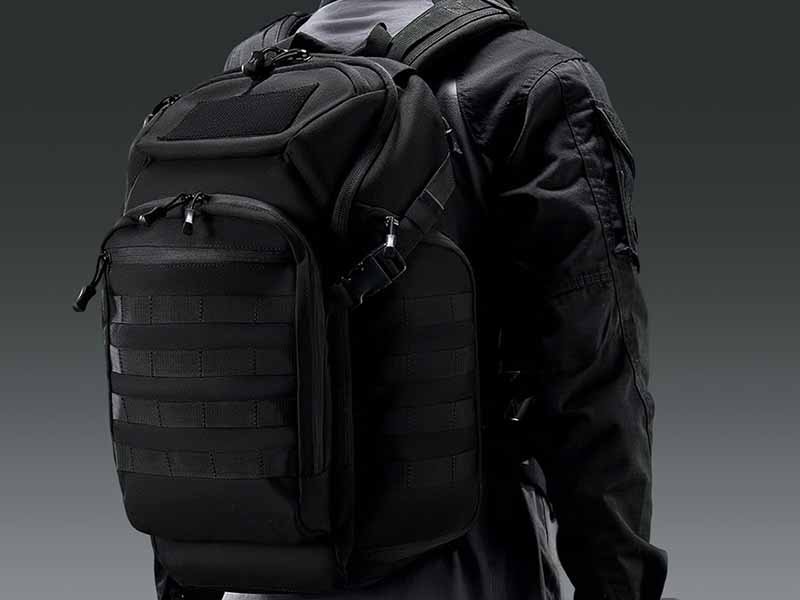
The idea of a backpack stopping a bullet sounds extreme—almost cinematic. Yet in recent years, bulletproof backpacks have moved from niche tactical gear into everyday discussions around school safety, urban commuting, executive travel, and personal protection. This shift raises a fundamental question: are bulletproof backpacks practical safety tools, or do they create a false sense of security?
Unlike traditional backpacks designed purely for storage and comfort, bulletproof backpacks integrate ballistic protection—materials originally developed for military and law-enforcement armor—into a product meant to blend into daily life. The challenge lies not only in stopping a projectile, but in doing so discreetly, legally, and without turning a backpack into an unwearable burden.
For parents, the concern is obvious: can a backpack realistically help protect a child in a worst-case scenario? For professionals and travelers, the question shifts toward risk mitigation—whether a lightweight armored backpack can offer meaningful protection during unpredictable events without drawing attention. For brands and buyers, there is a different layer altogether: material credibility, certification standards, manufacturing consistency, and long-term reliability.
A bulletproof backpack is a backpack designed with integrated or removable ballistic panels that help stop or slow handgun threats, most commonly rated at NIJ Level IIIA. It works by dispersing a bullet’s energy across layered fibers such as aramid or UHMWPE. While not invincible, bulletproof backpacks can offer practical protection when used correctly and within certified limits.
Understanding how these backpacks actually work—and where their limitations lie—requires moving beyond marketing claims and into materials science, certification standards, and real-world use cases. That’s where this guide begins.
What Is a Bulletproof Backpack
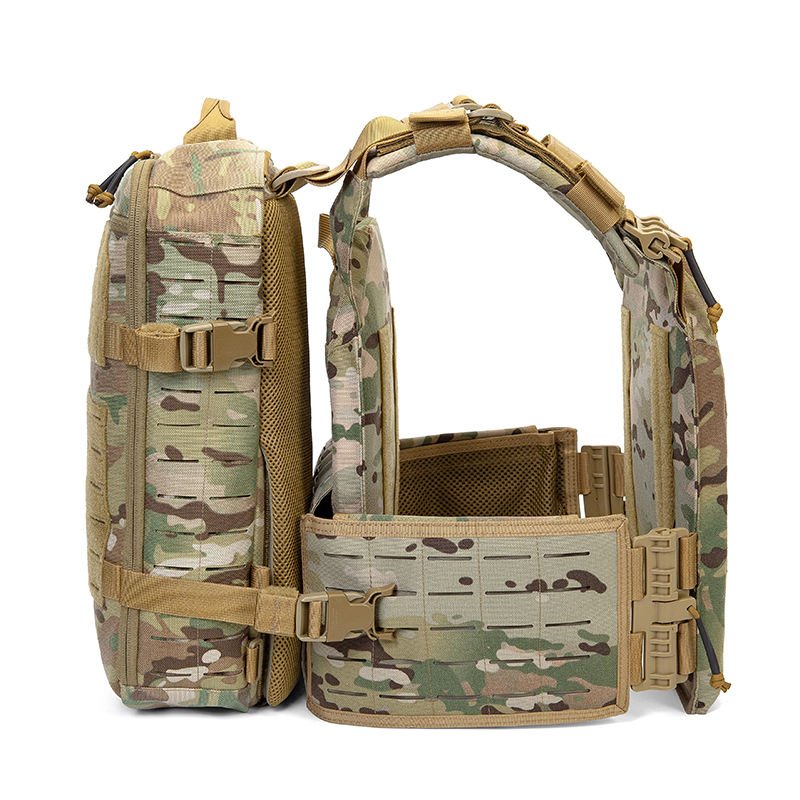
A bulletproof backpack is a backpack designed with integrated or removable ballistic armor panels that help stop or slow handgun bullets, most commonly rated at NIJ Level IIIA. It uses advanced materials such as aramid fibers or UHMWPE to disperse impact energy and reduce penetration. Bulletproof backpacks are intended as passive personal protection tools, not full-body armor, and are designed to look and function like everyday backpacks.
What does “bulletproof” actually mean in backpack products?
The term bulletproof backpack is widely used, but technically imprecise. In professional and regulatory contexts, the correct term is bullet-resistant backpack.
This distinction matters. “Bulletproof” does not mean a backpack can stop all bullets, at all angles, under all conditions. Instead, it means the backpack has been engineered and tested to resist specific firearm threats, under defined standards and velocities.
Most civilian bulletproof backpacks are designed to meet NIJ Level IIIA, which covers common handgun rounds such as:
- 9×19mm (9mm)
- .357 SIG
- .44 Magnum
Anything beyond that—such as rifle protection—requires hard armor plates and is rarely practical for backpacks intended for daily use.
For users and buyers, the key question is not “Is it bulletproof?” but
“What threats is it certified to stop?”
How is a bulletproof backpack different from a regular backpack?
At first glance, a bulletproof backpack may look no different from a standard backpack. The difference lies in what’s inside and how it’s engineered.
A regular backpack focuses on:
- Storage capacity
- Comfort
- Fabric durability
A bulletproof backpack adds:
- A dedicated ballistic panel compartment
- Reinforced structure to prevent panel shifting
- Weight-balanced strap and back panel systems
- Fabrics that can withstand impact stress and long-term panel load
Importantly, the ballistic panel is not simply “inserted.” High-quality designs ensure the panel stays in the correct anatomical position during movement, sitting, or emergency use—otherwise protection can be compromised.
Can a bulletproof backpack really protect you from a bullet?
Yes—but only within defined limits.
A certified bulletproof backpack can:
- Stop or slow handgun bullets within its NIJ rating
- Reduce penetration and fatal injury risk
- Act as a mobile shield when positioned correctly
However, it cannot:
- Protect the entire body
- Stop rifle rounds (unless using hard armor)
- Guarantee zero injury (blunt force trauma may occur)
From a safety perspective, stopping penetration alone can dramatically change outcomes. Independent ballistic testing consistently shows that non-penetrating impacts result in significantly higher survival rates than unprotected strikes.
This is why bulletproof backpacks are best understood as risk-reduction tools, not invincibility gear.
What are the main types of bulletproof backpacks?
Bulletproof backpacks generally fall into two categories:
| Type | Description | Best For |
|---|---|---|
| Insert-based | Removable ballistic panel placed in a dedicated sleeve | Schools, travelers, modular use |
| Integrated armor | Armor permanently built into backpack structure | Professional or premium designs |
Insert-based designs dominate the civilian market because they:
- Allow easier replacement or upgrades
- Simplify shipping and customs compliance
- Enable the backpack to be used normally when armor is removed
This modular approach is also preferred for OEM / private label projects, where flexibility matters.
Who are bulletproof backpacks designed for?
Bulletproof backpacks are not limited to one type of user. They are commonly designed for:
- Students and parents focused on discreet school safety
- Professionals working in unpredictable environments
- Travelers and commuters in high-density urban areas
- Executives and journalists seeking passive protection
What unites these users is not fear—but practicality. The backpack does not change behavior, attract attention, or require training. It simply adds a layer of protection to something already used every day.
Why has demand for bulletproof backpacks increased?
Demand growth is driven by three converging factors:
- Urban density – More people in shared spaces increases exposure to unpredictable risks
- Material advancement – Lighter, thinner ballistic panels improve comfort
- Design evolution – Modern backpacks no longer look tactical or military
As a result, bulletproof backpacks have shifted from niche security gear to mainstream safety products, especially among brands targeting practical, everyday users.
Which Materials Make a Backpack Bullet-Resistant

A backpack becomes bullet-resistant through the use of certified ballistic materials such as aramid fibers (e.g., Kevlar) and UHMWPE (ultra-high-molecular-weight polyethylene). These materials absorb and disperse a bullet’s kinetic energy across multiple layers, preventing penetration within defined NIJ threat levels. Outer fabrics, lamination quality, and structural construction also play a critical role in real-world performance.
What ballistic materials are actually used inside bulletproof backpacks?
Despite many marketing terms, nearly all legitimate bullet-resistant backpacks rely on two material families:
- Aramid fibers (para-aramid)
- UHMWPE fibers (polyethylene-based armor)
Both materials were originally developed for military and law-enforcement armor, then adapted for civilian soft-armor applications such as backpacks.
These materials are not used as single layers. Instead, they are stacked, woven, or laminated into multi-layer ballistic panels. The performance of a backpack depends not only on the fiber itself, but also on:
- Fiber orientation
- Layer count
- Bonding method
- Edge sealing
This is why two backpacks claiming the “same material” can perform very differently in real ballistic tests.
How do aramid fibers stop bullets?
Aramid fibers (commonly associated with Kevlar) are high-tensile, heat-resistant fibers known for their stability and durability.
When a bullet strikes an aramid panel:
- The bullet begins to deform
- Fibers stretch rather than break
- Impact energy spreads outward across multiple layers
Key advantages of aramid fibers:
- Stable performance across temperature ranges
- Proven long-term durability
- Strong resistance to abrasion and aging
Trade-offs:
- Slightly heavier than UHMWPE
- Can absorb moisture if not properly sealed
Because of their reliability, aramid panels are widely used in school backpacks, commuter backpacks, and long-term daily-use designs.
How does UHMWPE differ from aramid in bullet resistance?
UHMWPE (ultra-high-molecular-weight polyethylene) is a lighter, higher energy-dispersion material increasingly used in modern ballistic panels.
Its key properties include:
- Extremely high strength-to-weight ratio
- Lower density than aramid
- Excellent multi-hit energy dispersion
In backpack applications, UHMWPE panels are often:
- 20–30% lighter than equivalent aramid panels
- More comfortable for children or long wear
However, UHMWPE requires:
- Strict temperature control during lamination
- Careful protection from prolonged heat exposure
For this reason, high-quality UHMWPE backpacks rely heavily on manufacturing precision, not just raw material sourcing.
Are hybrid ballistic panels better than single-material panels?
Many premium bulletproof backpacks now use hybrid panels, combining aramid and UHMWPE layers.
Why hybrid designs are used:
- Aramid adds thermal and structural stability
- UHMWPE reduces weight
- Combined layers improve multi-hit performance
Hybrid panels are often found in mid- to high-end products because they require:
- Advanced lamination processes
- Higher material cost
- More rigorous quality control
From a buyer’s perspective, hybrid panels often represent the best balance between comfort, durability, and protection.
Does the outer backpack fabric affect bullet resistance?
Yes—indirectly, but critically.
While the ballistic panel stops the bullet, the outer fabric and construction determine whether the panel stays correctly positioned at the moment of impact.
High-quality bullet-resistant backpacks typically use:
- High-denier nylon or polyester (600D–1000D range)
- Reinforced webbing around panel compartments
- Tight-tolerance panel sleeves to prevent shifting
Poor outer construction can cause:
- Panel folding
- Vertical slipping
- Reduced coverage of vital areas
This is one of the most common failure points in low-cost, uncertified products.
Why lamination, stitching, and edge sealing matter
Ballistic fibers lose effectiveness if:
- Layers separate
- Edges fray
- Moisture penetrates the panel
Professional ballistic panels are:
- Thermally laminated or stitched in controlled patterns
- Edge-sealed to prevent delamination
- Protected by moisture-resistant covers
From an OEM standpoint, lamination quality often matters more than the fiber brand itself. Two panels using the same fiber can differ dramatically in performance if manufacturing standards differ.
How do material choices affect weight, comfort, and daily use?
Material selection directly impacts:
- Backpack weight
- Long-term comfort
- Willingness to use the product consistently
Approximate comparison (Level IIIA panels):
| Material Type | Weight Feel | Durability | Daily Comfort |
|---|---|---|---|
| Aramid | Medium | Very high | Good |
| UHMWPE | Light | High | Excellent |
| Hybrid | Medium-light | Very high | Excellent |
This is why most civilian bulletproof backpacks prioritize comfort over extreme ratings—protection only works if the backpack is actually used.
How Does a Bulletproof Backpack Work

A bulletproof backpack works by using layered ballistic panels that deform a bullet, absorb its kinetic energy, and disperse the impact across high-strength fibers. Instead of stopping bullets with hardness, soft armor materials slow and spread force, preventing penetration within certified NIJ threat levels. Proper panel placement, structural support, and material integrity are critical for real-world effectiveness.
What happens the moment a bullet hits a backpack?
When a bullet strikes a bulletproof backpack, three physical processes occur almost simultaneously:
- Bullet deformation – The projectile begins to flatten or yaw upon contact.
- Fiber engagement – High-tensile fibers catch the bullet and resist forward motion.
- Energy dispersion – Impact energy spreads radially across multiple fiber layers.
This process happens in milliseconds. Unlike metal plates, soft armor does not rely on hardness. Instead, it relies on controlled failure—fibers stretch, but do not break, converting kinetic energy into tensile strain and heat.
The success of this moment depends on layer count, fiber alignment, and bonding quality. A poorly laminated panel can fail even if the fiber itself is technically “ballistic-grade.”
How do ballistic fibers absorb and dissipate kinetic energy?
Ballistic fibers work because of their exceptional tensile strength and elasticity.
When stretched rapidly:
- Fibers elongate instead of snapping
- Adjacent layers share the load
- Energy spreads over a wider surface area
Think of it like catching a fast ball with both hands instead of one finger. The force is the same, but how it’s distributed determines injury—or failure.
This is why NIJ testing specifies:
- Minimum layer counts
- Impact velocities
- Multiple-shot spacing
Energy absorption is engineered, not accidental.
Why is layer structure more important than material name?
Many consumers fixate on fiber brand names, but in practice, panel architecture matters more.
Two panels using the same aramid fiber can perform very differently depending on:
- Layer orientation (0° / 90° vs random)
- Stitching vs thermal lamination
- Edge sealing quality
- Panel thickness consistency
In backpack applications, uneven thickness or poorly sealed edges often lead to premature failure—especially after repeated bending or daily use.
For OEM buyers, this is why panel test reports are more important than marketing labels.
What role does backpack structure play in ballistic performance?
A ballistic panel alone does not provide protection unless it stays correctly positioned at the moment of impact.
High-performance bulletproof backpacks are engineered with:
- Dedicated armor sleeves
- Reinforced vertical anchoring
- Load-bearing back panels that prevent sagging
If a panel slides downward or folds during movement, coverage is lost. This is one of the most common real-world failure points in low-cost backpacks.
From a design perspective, backpack structure is part of the armor system, not just a container.
How do soft armor backpacks differ from hard armor systems?
Most bulletproof backpacks use soft armor, typically NIJ Level IIIA.
Soft armor:
- Stops handgun threats
- Is flexible and wearable
- Disperses energy gradually
Hard armor (ceramic or steel):
- Stops rifle rounds
- Is heavy and rigid
- Can cause secondary injury from spall or fragments
For daily backpacks, soft armor offers the best balance between protection and usability. Hard armor is rarely appropriate for civilian backpack use due to weight, visibility, and comfort issues.
How many hits can a bulletproof backpack handle?
Ballistic panels are tested for multi-hit capability, but this does not mean unlimited protection.
Factors affecting hit capacity:
- Shot spacing
- Impact velocity
- Panel size and construction
Most Level IIIA panels are designed to withstand multiple hits if impacts are spaced apart. Repeated hits in the same area can overwhelm fibers and cause penetration.
This reinforces a key concept: bulletproof backpacks reduce risk—they do not eliminate it.
Does stopping a bullet mean zero injury?
No. Even when penetration is prevented, blunt force trauma can occur.
Possible effects include:
- Bruising
- Internal tissue stress
- Rib or soft-tissue injury
However, medical and ballistic research consistently shows that non-penetrating trauma is far less lethal than penetrating gunshot wounds.
From a safety perspective, stopping penetration is the primary goal—and bulletproof backpacks are designed to do exactly that.
What Protection Levels Do Bulletproof Backpacks Offer
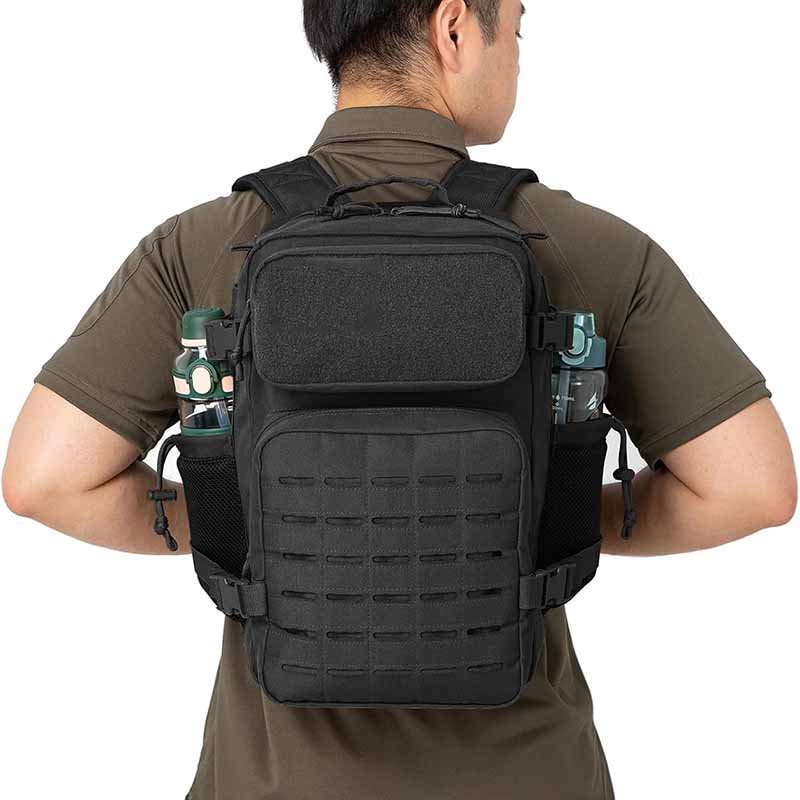
Bulletproof backpacks most commonly offer NIJ Level IIIA protection, designed to stop handgun threats such as 9mm and .44 Magnum. Lower levels provide limited protection, while higher rifle-rated levels exist but are rarely practical for backpacks due to weight and rigidity. Choosing the correct protection level depends on realistic threat assessment, daily wearability, and certified testing—not maximum ratings.
What is the NIJ standard and why does it matter?
The NIJ (National Institute of Justice) standard is the most widely accepted ballistic testing system for body armor and ballistic panels worldwide. It defines:
- Which ammunition types are tested
- Impact velocities
- Shot spacing and multi-hit requirements
For backpacks, NIJ standards provide a clear, objective benchmark. Claims like “military grade” or “tactical protection” mean very little without an NIJ reference.
For buyers and brands, NIJ certification helps answer one critical question:
Has this panel actually stopped real bullets under controlled conditions?
What are the main NIJ protection levels relevant to backpacks?
Although the NIJ system includes several levels, only a few are realistic for backpacks.
| NIJ Level | Designed to Stop | Typical Use in Backpacks |
|---|---|---|
| Level II | 9mm, .357 Magnum | Entry-level, lightweight |
| Level IIIA | 9mm, .357 SIG, .44 Magnum | Most civilian backpacks |
| Level III | 7.62×51mm rifle | Rare, heavy, impractical |
| Level IV | Armor-piercing rifle | Not used in backpacks |
Level IIIA dominates because it covers the most common civilian firearm threats while remaining wearable.
Which threats can Level IIIA bulletproof backpacks stop?
A certified NIJ Level IIIA backpack can stop:
- 9mm FMJ rounds
- .357 SIG
- .44 Magnum
These threats account for the majority of handgun incidents in civilian contexts. IIIA panels are also tested for multi-hit performance, meaning they can stop multiple rounds if impacts are spaced apart.
What IIIA cannot stop:
- Rifle rounds (5.56mm, 7.62mm)
- Armor-piercing ammunition
This limitation is not a flaw—it reflects realistic design intent.
Why are rifle-rated (Level III / IV) backpacks rarely practical?
Rifle-rated armor requires hard plates made from ceramic, steel, or composite materials. While effective against rifles, they introduce major trade-offs:
- Significant weight increase
- Rigid, uncomfortable structure
- Reduced daily usability
- Higher injury risk from blunt force and spall
For backpacks intended for students, commuters, or travelers, these drawbacks often lead to inconsistent use—negating safety benefits.
In real life, a wearable IIIA backpack used daily provides more protection than a heavier system left at home.
How does protection level affect weight and comfort?
Protection level and comfort are directly linked.
Approximate comparison for backpack armor:
| Protection Level | Weight Feel | Flexibility | Daily Wearability |
|---|---|---|---|
| Level II | Very light | High | Excellent |
| Level IIIA | Moderate | Medium-high | Very good |
| Level III | Heavy | Low | Poor |
| Level IV | Very heavy | None | Not practical |
This is why most civilian bulletproof backpacks prioritize balanced protection, not extreme ratings.
Can two Level IIIA backpacks perform differently?
Yes—dramatically.
Even within the same NIJ level, performance varies based on:
- Material quality
- Layer count
- Lamination method
- Panel size and coverage area
A poorly made IIIA panel may barely pass minimum tests, while a well-engineered panel offers greater safety margins.
For OEM buyers, reviewing ballistic test reports and production consistency matters more than the level label alone.
What protection level should most users realistically choose?
For most civilian users:
- Level IIIA is the optimal choice
It balances:
- Realistic threat coverage
- Wearability
- Comfort
- Legal accessibility
Lower levels may save weight but reduce safety margins. Higher levels sacrifice daily usability without addressing common threats.
Protection works best when it matches how people actually live, not hypothetical extremes.
Who Uses Bulletproof Backpacks & Why

Bulletproof backpacks are used by students, parents, professionals, travelers, executives, journalists, and individuals in high-density urban environments. They are chosen as discreet, passive safety tools that integrate protection into daily routines without changing behavior. Most users prioritize realistic handgun protection, comfort, and normal appearance rather than extreme tactical defense.
Why do parents and students choose bulletproof backpacks?
For parents, the decision is rarely about fear—it is about risk reduction. A backpack is already worn every school day, making it one of the few safety tools that does not require additional behavior or training.
Parents typically look for:
- Discreet appearance (no tactical or military look)
- Lightweight construction suitable for children
- Certified handgun-level protection (usually NIJ IIIA)
- Comfort that supports long school days
For students, especially teenagers, social acceptance matters. Backpacks that look normal are far more likely to be used consistently. This is why modern bulletproof school backpacks resemble standard laptop or daypacks rather than armor carriers.
Why do professionals use bulletproof backpacks for work?
Professionals who work in unpredictable environments often prefer passive protection over visible gear. This includes:
- Business travelers
- Field engineers
- Journalists
- NGO workers
For these users, a bulletproof backpack provides:
- Protection during transit
- A mobile shield if needed
- No interference with professional appearance
The appeal lies in non-disruption. A backpack that looks ordinary but quietly adds protection fits seamlessly into meetings, flights, and daily commutes.
Why are bulletproof backpacks popular among travelers and commuters?
Travelers and commuters are exposed to variable, uncontrollable environments—airports, stations, public transport, and unfamiliar cities.
They choose bulletproof backpacks because:
- Backpacks are already part of travel routines
- Armor adds minimal weight compared to benefit
- No training or activation is required
For frequent travelers, especially in large cities, bulletproof backpacks function as situational insurance rather than constant vigilance.
Why do executives and high-profile individuals use armored backpacks?
Executives and high-profile individuals prioritize discretion and image. Visible armor can draw attention, while a cleanly designed backpack does not.
Their key requirements include:
- Slim-profile ballistic panels
- Premium materials and finish
- Ergonomic comfort for long wear
- Integration with laptops and work essentials
For this group, bulletproof backpacks are not about confrontation—they are about reducing vulnerability during routine movement.
Are bulletproof backpacks used by journalists and media professionals?
Yes. Journalists often work in environments where risks are situational rather than constant.
A bulletproof backpack allows:
- Protection during transport
- Quick access to equipment
- A low-profile alternative to wearing armor
Many journalists prefer backpacks over vests because they can be used when needed and ignored when not, offering flexibility without stigma.
Do bulletproof backpacks make sense for everyday urban residents?
In dense urban environments, risk exposure is often about probability, not intent. Most users do not expect violence—but they acknowledge unpredictability.
Urban residents choose bulletproof backpacks because:
- They already carry backpacks daily
- Protection is passive and invisible
- It provides peace of mind without changing lifestyle
This mindset explains why demand is growing among ordinary consumers, not just high-risk groups.
What all bulletproof backpack users have in common
Despite different backgrounds, users share three core motivations:
- Discretion – Protection without attention
- Integration – No change to daily habits
- Realism – Handgun-level threats, not extremes
Bulletproof backpacks succeed when they feel like normal products with extra capability, not emergency gear.
Are Bulletproof Backpacks Legal and Practical

In most countries, bulletproof backpacks are legal because they are classified as passive protective equipment, not weapons. However, legality can vary by region, armor type, and import regulations. Practically, bulletproof backpacks are effective when they balance certified protection with comfort, discretion, and daily usability—making them suitable for civilians when chosen and used correctly.
Are bulletproof backpacks legal in the United States?
In the United States, bulletproof backpacks are legal for civilian ownership and use in the vast majority of states. They are classified as protective gear, similar to helmets or safety equipment.
Key points:
- No federal law bans civilian ownership of soft body armor
- Bulletproof backpacks are not considered weapons
- NIJ Level IIIA soft armor is widely permitted
Some states impose restrictions only on who may purchase body armor (e.g., convicted violent felons), not on the product itself. For most consumers, legality is straightforward.
This legal clarity is one reason the U.S. remains the largest market for bulletproof backpacks.
Are bulletproof backpacks legal in other countries?
Outside the U.S., legality depends on local interpretation of body armor laws.
General patterns:
- Many countries allow civilian ownership of soft armor
- Some regulate hard armor or military-grade protection
- Import declarations and customs classification matter more than use
In regions with stricter regulations, removable ballistic inserts are often preferred because:
- The backpack itself remains a normal consumer product
- Inserts can be shipped separately
- Compliance can be managed region by region
For global brands, this modular design approach significantly reduces legal risk.
Are there restrictions on shipping or importing bulletproof backpacks?
Yes—this is one of the most overlooked issues.
While ownership may be legal, cross-border shipping can trigger export or customs controls, especially for ballistic materials. Issues may include:
- Material classification (aramid vs PE)
- Declared protection level
- Documentation requirements
This is why professional manufacturers work closely with logistics teams to:
- Classify products correctly
- Provide material datasheets
- Avoid mislabeling that could cause delays or seizures
For OEM buyers, manufacturing experience matters as much as armor quality.
Are bulletproof backpacks practical for daily use?
Practicality depends on design discipline, not just armor performance.
A practical bulletproof backpack must:
- Be light enough for daily carry
- Maintain comfort during long wear
- Look normal in social and professional settings
- Keep ballistic panels stable during movement
Backpacks that are too heavy, rigid, or tactical-looking often end up unused—which defeats their purpose.
In practice, a wearable Level IIIA backpack used daily is far more effective than a heavier system left at home.
Do bulletproof backpacks create a false sense of security?
They can—if misunderstood.
Bulletproof backpacks are risk-reduction tools, not guarantees. They protect only:
- A defined area
- Against specific threats
- When positioned correctly
Responsible manufacturers and sellers emphasize:
- Clear threat limitations
- Proper use scenarios
- Certification transparency
Education—not exaggeration—is what makes these products practical rather than misleading.
How do discretion and social acceptance affect practicality?
One of the biggest shifts in the market is design normalization.
Modern bulletproof backpacks:
- Look like everyday laptop or commuter bags
- Avoid military aesthetics
- Blend into schools, offices, and public spaces
This matters because social comfort drives consistent use. Products that draw attention or stigma are less likely to be worn—even if technically effective.
Practicality is not just physical—it is psychological.
When are bulletproof backpacks not practical?
They may not be practical when:
- Users expect full-body or rifle protection
- Weight tolerance is extremely low
- Local laws restrict armor ownership
- Products are uncertified or poorly constructed
In such cases, expectations and reality diverge. Matching product design to actual use cases is essential.
How to Choose the Right Bulletproof Backpack

Choose the right bulletproof backpack by matching a certified protection level (usually NIJ IIIA) to realistic threats, then balancing panel coverage, weight, comfort, and legality for your region. Verify certification and test reports, check that the armor compartment holds the panel securely, and compare total cost (backpack + panel) against daily usability. A backpack that is worn every day is safer than heavier armor that stays at home.
Step 1 — What protection level is realistic for your use case?
Most civilian users should start with NIJ Level IIIA, because it targets common handgun threats and remains wearable. In everyday use, protection that people can actually carry matters more than “maximum rating.”
Quick rule of thumb
- Students / commuters / travelers: NIJ IIIA is the practical default
- Special high-risk roles: consider plate-compatible options only if daily carry remains realistic
- Avoid vague claims: “military grade” without NIJ level is not decision-grade information
Why IIIA dominates (data-driven logic): IIIA panels are typically flexible and lighter than rifle-rated plates, which makes consistent daily use far more likely. Consistency is the hidden variable that drives real-world protection.
Step 2 — How much coverage do you actually get?
A common buyer mistake is focusing on “level” while ignoring coverage area. A small IIIA panel may leave critical zones exposed.
Ask these coverage questions
- Does the panel cover the center back from shoulder blades down to mid/lower torso?
- Is there an option for front coverage (secondary sleeve or insert)?
- Does the backpack keep the panel positioned correctly when walking and sitting?
Coverage checklist
- Panel size stated in inches/cm
- Panel position shown in real photos
- Panel sleeve has retention (velcro / straps) to prevent sliding
Step 3 — How heavy is it, and will you actually wear it daily?
Weight drives comfort, and comfort drives usage. For daily carry, the best backpack is the one that stays on your back all day without fatigue.
Typical weight ranges (industry-normal)
- IIIA soft panel: ~0.9–1.8 kg (2–4 lb) depending on size/material
- Rifle plate: often 2.5–3.5 kg (5.5–7.7 lb) per plate (not including bag)
Practical decision rule
If total loaded weight (laptop + books + water + armor) exceeds your comfort threshold, the backpack becomes “occasion-only,” which reduces real protective value.
Step 4 — Which ballistic material should you prefer: aramid, UHMWPE, or hybrid?
If you’re choosing between common panel material families:
| Panel Material | Typical Feel | Strengths | Watch-outs |
|---|---|---|---|
| Aramid (Kevlar-type) | Medium weight | Stable, proven, durable | Needs proper moisture protection |
| UHMWPE | Lighter | Great strength-to-weight | Heat sensitivity; needs good lamination |
| Hybrid | Medium-light | Balanced comfort + stability | Higher cost; needs strong QC |
Buyer guidance:
If your priority is daily comfort (students/commuters), UHMWPE or hybrid is often favored. If your priority is long-term durability across conditions, aramid remains a strong choice—but only when sealed and built correctly.
Step 5 — How do you verify certification and avoid “fake armor” claims?
This is where many buyers get burned. A “Level IIIA” tag on a product page is not proof.
What to request (consumer + B2B)
- NIJ level stated clearly (e.g., IIIA)
- Test report summary (threat types + velocities)
- Panel construction info (material family + size + weight)
- Manufacturing batch consistency (for OEM projects)
Red flags
- No level stated, only “bulletproof”
- No panel size/weight shown
- Claims that it stops “all bullets”
- Suspiciously low price with no documentation
Step 6 — Is it legal where you live, and can it be shipped there?
In many markets, bulletproof backpacks are legal, but cross-border shipping and customs classification can create friction—especially with armor inserts.
Practical selection tip
- Prefer removable insert designs for international brands and multi-region distribution
- Keep documentation ready (material datasheets / product description consistency)
For private label brands, modular inserts also reduce operational risk: you can adjust offerings per region without redesigning the whole backpack.
Step 7 — What features matter beyond ballistic protection?
For real users, ballistic protection is only one part of the product. The backpack still needs to function.
High-value features (most requested):
- Laptop sleeve (15–17″) with shock padding
- Anti-theft zipper paths / hidden pockets
- Water-resistant outer fabric + sealed seams (when applicable)
- Ergonomic back panel + load-lifter straps
- Reinforced webbing and stitching at stress points
Usability matters because the more the bag behaves like a normal premium backpack, the more it gets used—meaning protection stays present.
A Buyer-Friendly Decision Table
Use this as a quick match table for common needs:
| User Scenario | Recommended Level | Material Preference | Key Design Priority |
|---|---|---|---|
| Student / school | IIIA | UHMWPE or hybrid | Low weight + discreet look |
| Urban commuter | IIIA | Hybrid or aramid | Comfort + anti-theft |
| Frequent traveler | IIIA | Hybrid | Modular insert + laptop safety |
| Executive / professional | IIIA | Hybrid | Minimalist styling + durability |
| High-risk field work | IIIA (default) | Hybrid | Stability + coverage + rugged build |
Are Bulletproof Backpacks Worth the Investment
Bulletproof backpacks are worth the investment when used as part of a realistic safety strategy, combining certified handgun-level protection (e.g., NIJ IIIA) with daily usability, comfort, and discretion. They provide meaningful risk reduction not through paranoia, but by integrating protection into something people are already inclined to carry. Value is maximized when certification, material quality, and design align with user needs instead of chasing extreme ratings.
What “worth” really means in protective products
Before evaluating bulletproof backpacks, we must define “worth” in a safety product:
- Outcome relevance: Does it meaningfully reduce harm in plausible scenarios?
- Consistency of use: Will the user wear it regularly?
- Cost-benefit logic: Is the price proportional to expected utility?
- Longevity: Will it still be functional, comfortable, and certified over time?
Put simply:
A product is worth it only if it works where and when it matters, and the user actually uses it.
This is a practical safety metric—far more important than price alone.
What risks does a bulletproof backpack actually mitigate?
A bulletproof backpack primarily mitigates injury risk from handgun threats that occur unexpectedly in daily environments, such as:
- Sudden criminal incidents
- Random active threats in public spaces
- Isolated workplace incidents
- Transportation hubs and crowded areas
According to crime data in major metropolitan regions, handgun-related incidents account for the majority of firearm-related civilian injuries. NIJ Level IIIA ballistic panels are explicitly designed to counter these common handgun threats. This alignment between real risk distribution and what the product protects against is crucial for understanding value.
How much protection do you actually get for the investment?
A certified NIJ Level IIIA backpack typically includes:
- A ballistic panel that stops common handgun rounds
- Structural design that keeps the panel correctly positioned
- Everyday backpack functionality (laptop sleeve, compartments, etc.)
Many user surveys indicate that perceived value is high when products deliver protection without lifestyle compromise.
Compare typical outcomes:
| Outcome | Regular Backpack | Bulletproof Backpack (IIIa) |
|---|---|---|
| Everyday usability | ✔ | ✔ |
| Ballistic protection | ✘ | ✔ |
| Daily comfort | ✔ | ✔ |
| Discreet appearance | ✔ | ✔ |
| Training required | ✘ | ✘ |
This shows that bulletproof backpacks often provide incremental safety with minimal daily burden—the essence of value in preventative gear.
What about long-term cost vs short-term benefit?
Instead of thinking in terms of sticker price, consider a simple value equation:
Value = (Probability x Severity reduction) ÷ Total cost
Where:
- Probability = likelihood of a threat scenario
- Severity reduction = how much injury the product prevents
- Total cost = purchase price + maintenance + comfort cost
Even if the probability of a firearm incident is statistically low in everyday life, the severity reduction is high when protection works. This creates a favorable value ratio—because bulletproof backpacks reduce severe injury outcomes without implying constant danger.
How do bulletproof backpacks compare with alternative safety investments?
| Safety Option | Pros | Cons |
|---|---|---|
| Bulletproof backpack | Passive protection without behavior change | Limited to rated threats |
| Personal alarm | Low cost, easy to use | No ballistic protection |
| Body armor vest | High protection | Low daily wearability |
| Training programs | Improves awareness | Doesn’t provide physical protection |
A bulletproof backpack uniquely combines protection + integration, which few other options accomplish simultaneously.
What do real users say about perceived worth?
User feedback patterns show:
- High appreciation for discretion
- Many users prefer designs that look like standard lifestyle backpacks.
- Comfort is a deciding factor
- Users report higher likelihood of consistent use when weight is balanced and panels do not interfere with mobility.
- Peace of mind matters
- Even users who never encounter threats often value the product for situational assurance.
Importantly, “peace of mind” is not an emotional statement only—many users describe it as confidence to move through daily life without fear of the unknown.
When might a bulletproof backpack not be worth it?
A bulletproof backpack might be a less justifiable investment when:
- Protection levels do not align with specific threats (e.g., expecting rifle protection from soft armor)
- Materials and certification are unclear (no test reports, no NIJ level)
- The backpack is too heavy or uncomfortable (leading to inconsistent use)
- The design is overly tactical (discouraging real-world use)
- The product lacks everyday features (laptop sleeves, compartments, comfort padding)
In all these cases, the product fails the usage test, which is a prerequisite for being “worth it.”
Conclusion
Lovrix is a China-based manufacturing group with 19+ years of experience in fabric development, webbing engineering, and backpack production. With dedicated fabric factories, webbing mills, and bag manufacturing facilities, Lovrix supports custom, private label, and OEM/ODM bulletproof backpack projects for global brands and e-commerce sellers.
If you’re developing a bulletproof backpack line or upgrading an existing design, share your target market, protection level, design concept, and estimated volume.
Lovrix’s team will help translate your requirements into a reliable, compliant, and scalable product solution.
Start your custom inquiry with Lovrix today.


