 Skip to content
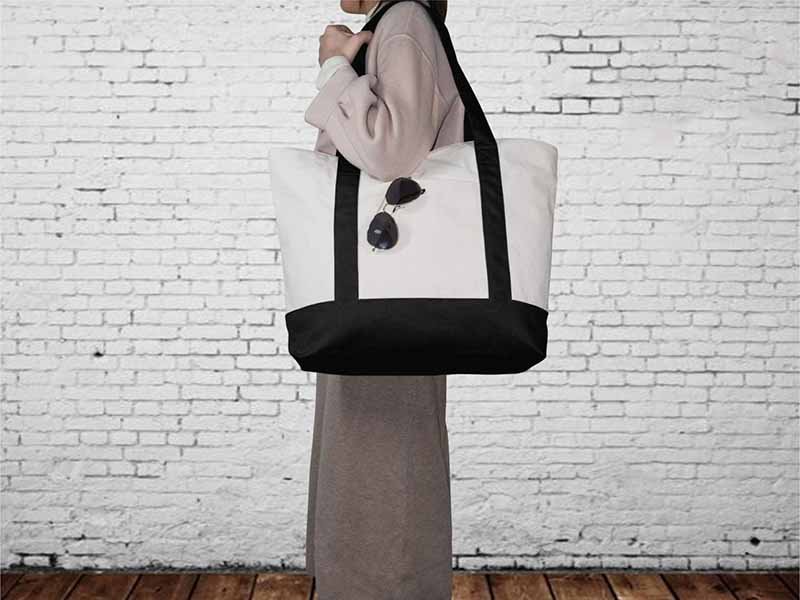
Choosing fabric for a bag is often treated as a design decision. In real manufacturing, it’s a business decision—one that affects cost, durability, customer satisfaction, and long-term brand reputation.
Many bags look great on a sample table but fail after months of real use. Handles stretch, corners wear through, coatings peel, or the bag simply feels “cheap” once it leaves the showroom. In most cases, the problem isn’t stitching or hardware. It’s fabric selection made without fully understanding how materials behave under daily stress, weight, weather, and repeated handling.
At Lovrix, after more than 19 years working with brands across fabric, webbing, and bag manufacturing, one lesson is consistent: there is no universally “best” fabric for bag making. The best fabric depends on how the bag will be used, who will carry it, and what the brand promises its customers.
The best fabric for bag making depends on usage, durability needs, and brand positioning. Canvas and polyester are ideal for everyday bags due to balance and cost efficiency, nylon excels in lightweight and waterproof designs, while leather and high-density woven fabrics dominate luxury bags. Choosing the right material requires matching fabric performance with structure, frequency of use, and customer expectations—not just appearance.
Yet material decisions are rarely that simple. Two brands may use “canvas,” but one lasts years while the other fails in months. The difference lies in fabric construction, coating choices, weave density, and manufacturing standards—details most buyers never see but always feel.
One of our long-term clients once told us:
“Our first bag sold well. Our second failed because we chose the wrong fabric, not the wrong design.”
That moment usually becomes the turning point where brands stop asking “What fabric looks good?” and start asking “What fabric actually works?”
Let’s answer that question—properly.
What Are the Most Popular Fabrics for Bag Making

The most popular fabrics for bag making are canvas, polyester, nylon, leather, and Oxford fabric. These materials dominate global bag manufacturing because they offer proven durability, stable supply, scalable production, and predictable performance. Each fabric serves a different purpose: canvas for structure and printability, polyester for cost efficiency, nylon for lightweight strength, leather for premium value, and Oxford fabric for balanced everyday use.
When people ask “What are the most popular fabrics for bag making?”, they often expect a trend-based answer.
In reality, popularity in bag manufacturing is driven by repeat performance, not fashion cycles.
A fabric becomes “popular” only after it survives:
- Mass production
- Daily use by real consumers
- Shipping, storage, and climate variation
- Cost pressure at scale
Based on long-term factory data and OEM/ODM production experience, the following fabrics consistently appear across tote bags, backpacks, travel bags, fashion bags, and utility bags worldwide.
Canvas: The Most Widely Used Fabric for Structured Bags
Canvas remains one of the most popular and reliable fabrics in bag making, especially for everyday and lifestyle bags.
Why manufacturers use canvas so often:
- Thick plain weave provides natural structure
- Excellent abrasion resistance
- Easy to print, dye, and wash
- Ages gradually instead of failing suddenly
Typical canvas used in bags ranges from 10 oz to 18 oz, with heavier weights preferred for totes, tool bags, and structured shoppers.
From a manufacturing perspective, canvas is forgiving. It tolerates stitching, reinforcements, and heavy loads without tearing easily. This is why canvas dominates:
- Tote bags
- Shopping bags
- Promotional and retail bags
- Casual backpacks
Canvas is popular not because it is trendy, but because it fails slowly and predictably, which reduces returns and complaints.
Polyester: The Most Common Fabric in Large-Scale Production
Polyester is arguably the most produced bag fabric globally, especially in private label and e-commerce markets.
Key reasons for polyester’s popularity:
- Stable cost and global availability
- Excellent color consistency between batches
- Low moisture absorption
- Easy maintenance for end users
Common specifications include 300D, 600D, and 900D polyester, often combined with PU coating for water resistance.
Polyester dominates:
- School bags
- Everyday backpacks
- Promotional and giveaway bags
- Mid-range retail bags
From a factory standpoint, polyester is popular because it is predictable. It behaves consistently across large volumes, which is critical for brands managing repeated restocks.
Nylon: The Preferred Fabric for Lightweight & Functional Bags
Nylon is the fabric of choice when strength-to-weight ratio matters.
Compared with polyester, nylon:
- Is lighter at the same strength level
- Handles repeated folding better
- Resists tearing under dynamic load
High-tenacity nylon and ripstop nylon are especially common in:
- Travel backpacks
- Outdoor bags
- Sports and gym bags
- Foldable or packable bags
Nylon’s popularity is highest in performance-driven categories, where comfort and mobility matter more than cost. Manufacturers choose nylon when they need durability without bulk.
Oxford Fabric: The Balanced Choice for Everyday Bags
Oxford fabric sits between canvas and polyester in terms of performance.
Typically woven from polyester or nylon yarns, Oxford fabric is popular because it offers:
- Tighter weave than plain polyester
- Better abrasion resistance
- Moderate structure without stiffness
Oxford fabric is widely used for:
- Laptop bags
- Business backpacks
- Travel organizers
- Mid-range everyday bags
Its popularity comes from balance—it performs well across many use cases without extreme trade-offs.
Leather: The Most Popular Material for Premium Bags
While leather is not the most volume-produced fabric, it is the most recognized premium bag material.
Leather remains popular because it:
- Communicates quality instantly
- Develops patina instead of visible wear
- Has high perceived value
Common leather types used in bags include:
- Full-grain leather
- Top-grain leather
- Corrected-grain leather
Leather dominates:
- Luxury handbags
- High-end briefcases
- Premium travel bags
From a manufacturing perspective, leather’s popularity is driven by brand positioning, not efficiency.
Why These Fabrics Stay Popular Over Time
Across thousands of bag projects, these fabrics remain dominant because they share three traits:
- They are easy to source consistently
- They scale well from sampling to mass production
- They meet user expectations in real-life use
| Fabric | Why It Stays Popular |
|---|---|
| Canvas | Structure, durability, printability |
| Polyester | Cost control, consistency |
| Nylon | Lightweight performance |
| Oxford | Balanced everyday use |
| Leather | Premium perception |
Trends change. Performance expectations do not.
That is why these fabrics continue to dominate global bag manufacturing year after year.
Top 20 Best Fabrics for Bag Making

The best fabrics for bag making include canvas, polyester, nylon, Oxford fabric, leather, PU leather, Cordura, ripstop, denim, twill, microfiber, neoprene, PVC, TPU-coated fabric, tarpaulin, jute, felt, mesh, waxed cotton, and recycled fabrics. Each fabric offers different advantages in durability, weight, appearance, and cost, making them suitable for specific bag types and usage scenarios.
Listing fabrics without context does not help buyers make decisions.
In real bag manufacturing, fabrics are chosen based on how they behave under load, friction, moisture, and repeated use.
Natural & Cotton-Based Fabrics
1. Canvas
Canvas is one of the most widely used bag fabrics due to its high strength, thick structure, and long service life. Commonly used in weights from 10 oz to 18 oz, canvas works well for tote bags, shoppers, tool bags, and casual backpacks. It offers excellent printability and ages gradually instead of tearing suddenly.
2. Denim
Denim is a cotton twill fabric known for abrasion resistance and durability. Its diagonal weave makes it suitable for everyday bags, casual backpacks, and fashion-oriented totes. Denim provides a familiar look while maintaining good load-bearing capacity.
3. Cotton Twill
Cotton twill is softer than canvas but still durable. It is often used when a bag needs flexibility and comfort rather than rigidity, such as lightweight shoulder bags or soft fashion bags.
4. Waxed Cotton
Waxed cotton combines natural fiber with water resistance. It offers a vintage appearance and moderate waterproofing, commonly used in heritage-style bags and outdoor lifestyle products. It requires more maintenance but delivers strong aesthetic value.
5. Jute
Jute is a coarse natural fiber used mainly for eco-focused or promotional bags. While it is sustainable, it lacks flexibility and often needs reinforcement to improve durability.
Synthetic Woven Fabrics
6. Polyester
Polyester is one of the most common bag fabrics globally. It is cost-effective, color-stable, and easy to clean. Typical specifications include 300D–900D polyester, often with PU coating for added water resistance. It is widely used for backpacks, school bags, and promotional products.
7. Nylon
Nylon is valued for its high strength-to-weight ratio. Compared to polyester, it is lighter and more flexible, making it ideal for travel bags, sports bags, and foldable backpacks. High-tenacity nylon offers excellent tear resistance.
8. Oxford Fabric
Oxford fabric is a tightly woven synthetic fabric that balances structure and flexibility. It is commonly used in laptop bags, business backpacks, and everyday carry bags due to its abrasion resistance and clean appearance.
9. Ripstop Fabric
Ripstop fabric includes reinforced grid yarns that prevent small tears from spreading. It is popular in outdoor, tactical, and lightweight bags where failure prevention is critical.
10. Cordura Fabric
Cordura is a branded high-performance nylon fabric known for extreme abrasion resistance. It is commonly used in military, tactical, and heavy-duty utility bags where durability is prioritized over weight.
Coated & Waterproof Fabrics
11. PU-Coated Fabric
PU coating improves water resistance while keeping fabric relatively flexible. It is widely used in backpacks, gym bags, and everyday bags where light rain protection is needed.
12. TPU-Coated Fabric
TPU-coated fabrics offer better elasticity and durability than PU. They are preferred for premium waterproof bags and outdoor products that require longer lifespan and flexibility.
13. PVC Fabric
PVC fabric provides complete waterproofing and easy cleaning. It is heavier and stiffer, making it suitable for cooler bags, tool bags, and industrial applications.
14. Tarpaulin
Tarpaulin is a heavy-duty laminated fabric designed for extreme conditions. It is used in dry bags, duffel bags, and marine-related products due to its high waterproof performance and tear resistance.
Leather & Leather Alternatives
15. Genuine Leather
Leather remains the most recognized premium bag material. Full-grain and top-grain leather are commonly used for luxury handbags, briefcases, and travel bags. Leather offers long lifespan, patina development, and strong perceived value.
16. PU Leather (Faux Leather)
PU leather is a synthetic alternative that mimics leather appearance at lower cost. Quality varies significantly, and lifespan depends on coating thickness and base fabric quality. It is widely used in fashion bags and entry-level premium products.
17. Microfiber Leather
Microfiber leather is an engineered material offering consistent texture, high abrasion resistance, and lighter weight than genuine leather. It is increasingly used in premium and vegan bag collections.
Specialty & Functional Fabrics
18. Neoprene
Neoprene is a spongy synthetic rubber fabric known for shock absorption and flexibility. It is commonly used for protective sleeves, sports bags, and electronic cases.
19. Felt
Felt provides structure and softness simultaneously. It is often used in minimalist bags, laptop sleeves, and organizers, though it is less suitable for heavy loads.
20. Mesh Fabric
Mesh fabric is lightweight and breathable. It is typically used as secondary panels or pockets in sports bags, gym bags, and beach bags.
Fabric Selection by Key Performance
| Fabric | Strength | Weight | Water Resistance | Typical Use |
|---|---|---|---|---|
| Canvas | High | Heavy | Low | Totes, shoppers |
| Polyester | Medium–High | Medium | Medium | Backpacks |
| Nylon | High | Light | Medium–High | Travel bags |
| Leather | High | Heavy | Low | Luxury bags |
| Tarpaulin | Very High | Heavy | Very High | Dry bags |
Which Fabric Is Best for Everyday Bags

The best fabric for everyday bags is mid-weight canvas, polyester, or nylon, depending on how the bag is used. Canvas is ideal for structure and durability, polyester offers cost efficiency and easy care, and nylon provides lightweight strength and water resistance. The right choice depends on daily load, frequency of use, and how much maintenance the user is willing to handle.
Everyday bags face a very different test from travel or luxury bags.
They are used often, casually, and without much care.
People throw them on chairs, overfill them, leave them in cars, or carry them in light rain. This is why the “best” everyday fabric is not the strongest or most expensive—it is the one that forgives daily abuse.
From Lovrix’s long-term production and feedback data, everyday bag issues typically appear within 30–90 days, and most are directly related to fabric behavior.
What Is the Best Material for Everyday Bags?
For daily use, a fabric must meet four practical criteria:
- Adequate durability without excessive stiffness
- Comfortable weight for long carrying periods
- Low maintenance requirements
- Stable appearance over time
Based on these factors:
- Canvas (12–14 oz) works best for shoppers, totes, and casual shoulder bags.
- Polyester (600D–900D) is ideal for backpacks and school bags where cost and easy cleaning matter.
- Nylon excels in commuter and lightweight backpacks where comfort is critical.
Lovrix generally avoids recommending heavy leather or stiff coated fabrics for true everyday bags because they reduce comfort and increase fatigue.
Canvas vs Polyester vs Nylon for Daily Use
This comparison appears frequently in search results because each fabric solves a different daily problem.
| Factor | Canvas | Polyester | Nylon |
|---|---|---|---|
| Durability | High | Medium–High | High |
| Weight | Heavy | Medium | Light |
| Water Resistance | Low | Medium | Medium–High |
| Maintenance | Moderate | Easy | Easy |
| Comfort for Long Carry | Medium | Good | Excellent |
| Visual Style | Natural | Functional | Sporty |
Canvas feels solid and trustworthy but becomes heavy when fully loaded.
Polyester offers the most practical balance for families and students.
Nylon is preferred by commuters who carry bags for hours.
How Much Weight Should an Everyday Bag Fabric Handle?
From real-world usage analysis:
- Light everyday bags: 3–5 kg
- Typical daily carry: 5–8 kg
- Heavy daily use: 8–10 kg
Most fabric failures occur when:
- A lightweight fabric is used beyond its design load
- Stitching and reinforcement do not match fabric strength
Lovrix tests everyday bag fabrics under repeated load cycles, not just static weight, because daily movement causes more damage than weight alone.
Why Water Resistance Matters for Daily Bags
Everyday bags rarely face storms, but they frequently encounter:
- Light rain
- Wet surfaces
- Accidental spills
This is why PU-coated polyester or nylon with water-repellent treatment performs better than untreated cotton in many urban environments.
However, full waterproof materials like PVC are usually unnecessary for everyday bags and reduce comfort.
The best approach is water resistance, not waterproofing.
How Brands Choose Fabrics for High-Frequency Everyday Use
Experienced brands do not select everyday fabrics based on laboratory extremes.
They focus on failure prevention.
Lovrix’s most successful everyday bag projects share three traits:
- Fabric is strong enough, not excessive
- Weight is controlled to reduce user fatigue
- Appearance remains acceptable after visible wear
In internal reviews, everyday bags built with mid-weight fabrics outperform heavy-duty alternatives in customer satisfaction, repeat purchases, and review scores.
How Do You Choose the Right Fabric for Different Bag Types

To choose the right fabric for different bag types, match the material to load, movement, weather exposure, and brand positioning. Backpacks and travel bags need lightweight tear resistance (nylon, ripstop, Oxford), totes require structure and abrasion resistance (canvas, twill, denim), fashion bags prioritize texture and appearance (leather, microfiber, PU), and functional waterproof bags require coated fabrics (TPU, tarpaulin). The best choice is performance-driven, not trend-driven.
If you’ve ever launched a bag that looked perfect in samples but failed in real life, you already know the hard truth:
bag fabric selection is not about “best fabric”—it’s about “best match.”
At Lovrix, we don’t start fabric selection with the fabric. We start with the bag’s behavior profile:
- Load (how much weight, how often)
- Motion (folding, swinging, compression, dragging)
- Environment (rain, heat, sweat, UV, sand, salt)
- Customer expectations (premium feel vs rugged utility)
Below is a bag-type-by-bag-type method you can use immediately.
Which Fabric Is Best for Tote Bags and Shopper Bags?
Totes are deceptively simple. They don’t have complex structure, but they carry unpredictable daily loads—groceries, laptops, books, samples.
Fabric priorities for totes:
- Abrasion resistance (bottom corners wear fast)
- Structure (bag should not collapse)
- Printability (logos and graphics are common)
- Reinforcement compatibility (webbing handles, binding)
Best fabric choices:
- Canvas (12–16 oz): strong structure, premium “natural” look
- Denim / cotton twill: durable with softer drape
- 600D–900D polyester: practical, cost-efficient, stain-resistant
thin cotton or lightweight canvas for heavy-use totes—these often deform and tear around handle stress points.
Which Fabric Is Best for Backpacks?
Backpacks are a “movement bag.” Even if the load is moderate, the bag experiences constant motion—walking, bouncing, pulling straps.
Fabric priorities for backpacks:
- Tear resistance at stress points
- Lightweight comfort
- Stitch stability (seams should not shift)
- Surface durability (abrasion from clothing)
Best fabric choices:
- Oxford fabric (polyester or nylon base): balanced structure + toughness
- Nylon: excellent for lightweight performance
- Ripstop: prevents tears from spreading, ideal for commuters/travel
use reinforcement panels (bottom + strap anchors) with stronger fabric or additional layers. This improves durability without making the whole bag heavy.
Which Fabric Is Best for Travel Bags and Duffel Bags?
Travel bags face aggressive conditions: airline handling, hotel floors, compression, and heavy packing.
Fabric priorities for travel bags:
- Abrasion and scuff resistance
- Fold endurance (fabric shouldn’t crack after repeated bending)
- Easy cleaning (travel bags get dirty fast)
- Weight control (a heavy bag becomes painful quickly)
Best fabric choices:
- High-tenacity nylon: strong but light
- TPU-coated polyester/nylon: water resistance + durability
- Tarpaulin (for rugged/travel utility): high protection, heavier
low-quality PU coatings that crack at fold lines—many travel returns come from coating failure, not stitching.
Which Fabric Is Best for Laptop Bags and Briefcases?
Laptop bags are about protection and appearance. They must look clean, feel premium, and resist deformation.
Fabric priorities:
- Clean surface appearance (less wrinkling)
- Structure and shape retention
- Moderate abrasion resistance
- Compatibility with padding/foam lamination
Best fabric choices:
- Oxford fabric (smooth and stable)
- Microfiber (premium look with good abrasion resistance)
- PU leather / microfiber leather (business styling)
laptop bags often fail at the handle anchors first—matching webbing strength and reinforcement is as important as fabric choice.
Which Fabric Is Best for Luxury or Fashion Handbags?
Luxury bags are purchased by feel, sound, and micro-details—not just durability.
Fabric priorities:
- Tactile quality (hand feel)
- Consistency across panels (batch uniformity)
- Surface aging behavior (patina vs peeling)
- Brand positioning (heritage, modern, vegan)
Best material choices:
- Full-grain / top-grain leather (premium longevity + patina)
- Microfiber leather (vegan premium consistency)
- High-density woven fabric + leather trim (lightweight luxury)
low-grade PU leather in premium positioning—peeling destroys brand trust fast, even if the design is beautiful.
Which Fabric Is Best for Waterproof and Outdoor Bags?
Outdoor and waterproof bags are exposed to rain, mud, sand, UV, and frequent cleaning.
Fabric priorities:
- Waterproof performance (not just water-resistant)
- Seam compatibility (heat sealing vs sewing)
- Abrasion resistance in wet conditions
- UV and aging behavior
Best fabric choices:
- TPU-coated fabric (flexible, durable waterproof)
- Tarpaulin (extreme durability, heavier)
- Ripstop nylon with coating (lightweight outdoor)
true waterproof bags require system design—fabric + seam method + closure (roll-top, waterproof zipper). Fabric alone doesn’t make a bag waterproof.
Which Fabric Is Best for Cooler Bags, Lunch Bags, and Food Carriers?
These bags face moisture, temperature variation, and repeated cleaning.
Fabric priorities:
- Easy cleaning (oil and spills)
- Moisture resistance
- Structure for insulation layers
- Odor control compatibility
Best fabric choices:
- PVC / TPU laminated materials (wipe-clean)
- Polyester with coating (cost effective)
- Tarpaulin (heavy-duty cooler bags)
Bag Type → Fabric Match
| Bag Type | Best Fabrics | Why It Works |
|---|---|---|
| Tote / Shopper | Canvas, denim, twill, polyester | structure + abrasion resistance |
| Backpack | Oxford, nylon, ripstop | lightweight + tear resistance |
| Travel / Duffel | Nylon, TPU-coated, tarpaulin | fold endurance + scuff resistance |
| Laptop / Briefcase | Oxford, microfiber, PU leather | shape + clean surface |
| Luxury handbag | Leather, microfiber leather, woven premium | tactile + premium aging |
| Waterproof / Outdoor | TPU, tarpaulin, coated ripstop | waterproof + durable |
| Cooler / Lunch | PVC/TPU laminate, coated polyester | wipe-clean + moisture resistance |
What Material Are Luxury Bags Made Of

Luxury bags are primarily made from full-grain or top-grain leather, high-density woven fabrics, premium microfiber leather, and carefully engineered coated textiles. These materials are chosen for durability, tactile quality, aging behavior, and consistency. In luxury manufacturing, the value of a material is defined by how it feels, wears, and performs over time—not by rarity or cost alone.
In luxury bags, material selection follows a different rule than mass-market products.
The question is not “How does it look today?” but “How will it look after years of use?”
True luxury materials share three defining traits:
- They age gracefully (patina, softening, character)
- They tolerate hand finishing (edge paint, folding, stitching)
- They remain consistent across production batches
This is why some expensive-looking bags fail early, while understated ones last decades.
Full-Grain Leather: The Gold Standard of Luxury Bags
Full-grain leather is the most widely used material in genuine luxury bags.
Why full-grain leather is preferred:
- The surface is not sanded or corrected
- Natural grain structure remains intact
- Fibers are strongest at the surface layer
- Develops patina instead of peeling
Luxury brands choose full-grain leather because it shows wear as character, not damage. Scratches blend into the surface over time, enhancing rather than degrading appearance.
In manufacturing, full-grain leather demands:
- Skilled cutting and panel matching
- Careful thickness control
- Strict quality grading
This labor intensity is part of what defines luxury.
Top-Grain Leather: Consistency with a Premium Feel
Top-grain leather is slightly corrected to remove surface imperfections, making it more uniform.
Why luxury brands use top-grain leather:
- More consistent appearance across panels
- Easier color matching
- Better yield efficiency than full-grain
While it develops less dramatic patina, high-quality top-grain leather still ages well and maintains structural integrity.
Many luxury brands use top-grain for structured handbags where visual consistency matters more than natural variation.
High-Density Woven Fabrics in Luxury Bags
Not all luxury bags are leather.
High-density woven fabrics—often custom-developed—are increasingly used in premium collections.
Why luxury brands choose premium fabrics:
- Lighter weight than leather
- Excellent dimensional stability
- Precise color and texture control
- Suitable for monogram printing and jacquard weaving
These fabrics are commonly combined with leather trims to balance durability, weight, and luxury perception.
From a manufacturing perspective, these fabrics reduce batch variation, making them ideal for global luxury brands with multiple production runs.
Microfiber Leather: Engineered Luxury Material
Microfiber leather is an engineered material designed to replicate—and in some ways improve upon—natural leather.
Key advantages:
- Uniform texture and thickness
- High abrasion resistance
- Lighter weight than genuine leather
- Stable performance across climates
Luxury brands using microfiber leather often do so intentionally, especially for:
- Vegan luxury lines
- Travel-focused luxury bags
- High-wear areas like bag bottoms and corners
Microfiber leather’s popularity in luxury bags is driven by predictability and performance, not cost reduction.
Why Luxury Brands Avoid Low-Grade PU Leather
PU leather is not inherently bad—but low-grade PU leather is incompatible with luxury positioning.
Common issues with poor-quality PU:
- Surface peeling after 12–24 months
- Cracking at fold points
- Inconsistent texture between batches
Luxury brands either invest in high-spec PU or microfiber, or avoid PU entirely. The risk of visible failure outweighs any short-term savings.
Fabric vs Leather in Modern Luxury Bags
Modern luxury is not defined by leather alone.
Why some luxury brands choose fabric-based bags:
- Reduced weight for daily comfort
- Better suitability for travel and urban use
- Compatibility with modern design aesthetics
- Sustainability and vegan positioning
Fabric-based luxury bags succeed when:
- The fabric has premium hand feel
- Construction quality is visibly high
- Trims and hardware reinforce luxury perception
How Luxury Brands Evaluate Materials Before Production
Luxury brands test materials differently from mass-market brands.
Key evaluation factors include:
- Fold endurance (no cracking after repeated bending)
- Edge paint adhesion
- Stitch hole stability
- Aging under heat, humidity, and UV exposure
At Lovrix, materials proposed for luxury bags go through extended wear simulation, not just lab tests. This approach prevents long-term failures that damage brand reputation.
Common Luxury Bag Materials & Why They Are Used
| Material | Why Luxury Brands Use It |
|---|---|
| Full-grain leather | Natural patina, durability |
| Top-grain leather | Visual consistency |
| High-density woven fabric | Lightweight luxury |
| Microfiber leather | Engineered consistency |
| Premium coated fabric | Weather resistance |
Are Durable Fabrics Always Better for Bags

No, durable fabrics are not always better for bags. While durability is important, overly heavy or rigid fabrics can reduce comfort, increase weight, raise costs, and negatively affect user experience. The best bag fabric balances strength, flexibility, weight, and intended use. Fabric durability should match real-world usage—not exceed it unnecessarily.
Durability sounds like a universal advantage, but in bag manufacturing, over-engineering is one of the most common mistakes.
Many brands assume that choosing the strongest or thickest fabric will automatically lead to better products. In reality, this often results in bags that feel uncomfortable, look bulky, or fail in unexpected ways—despite being “technically durable.”
At Lovrix, fabric failures rarely come from insufficient durability. They come from misaligned durability—fabric strength that does not match how the bag is actually used.
What Does “Durable” Really Mean in Bag Fabrics?
Durability is not a single property. It includes several different behaviors:
- Tensile strength – resistance to pulling force
- Tear resistance – ability to stop small cuts from spreading
- Abrasion resistance – how fabric handles friction over time
- Fold endurance – resistance to cracking after repeated bending
- Surface aging – how wear appears visually
A fabric can score high in one area and poorly in another.
For example, a very thick coated fabric may resist tearing but crack at fold points—making it unsuitable for daily-use bags.
True durability is context-specific, not absolute.
Why Overly Durable Fabrics Can Hurt Everyday Bags
For everyday bags, excessive durability often creates new problems:
- Increased bag weight, causing shoulder and back fatigue
- Reduced flexibility, making bags uncomfortable to carry
- Stiffer hand feel, lowering perceived quality
- Higher material and shipping costs
In real user feedback, bags are more likely to be abandoned due to discomfort than fabric failure.
Lovrix data shows that everyday bags built with mid-weight fabrics receive higher satisfaction scores than those using heavy-duty materials designed for industrial use.
When High Durability Is Actually Necessary
There are situations where maximum durability is the correct choice.
Highly durable fabrics are essential for:
- Tool bags and utility bags
- Military or tactical packs
- Outdoor expedition bags
- Industrial or worksite use
In these cases, users expect:
- Heavier weight
- Stiffer structure
- Rugged appearance
Durability aligns with function, and comfort becomes secondary.
The mistake happens when these materials are used in casual, fashion, or daily-use bags, where the user does not benefit from extreme strength.
How Fabric Durability Affects Bag Comfort and Usability
Fabric behavior directly influences how a bag feels in daily life.
Key comfort-related factors include:
- Drape – how fabric hangs when loaded
- Edge softness – stiffness around seams and bindings
- Flex recovery – how fabric responds after bending
A slightly less durable but more flexible fabric often performs better in real-world satisfaction, even if it would fail a laboratory stress test sooner.
This is why Lovrix evaluates fabrics using wear simulation, not just static strength testing.
Durability vs Weight: A Critical Trade-Off
One of the most overlooked factors is weight accumulation.
A fabric that is 20–30% heavier may seem insignificant, but once combined with:
- Padding
- Lining
- Webbing
- Hardware
The final bag weight can increase dramatically.
For commuters, students, and travelers, lighter bags are used more often and for longer periods—which matters more than theoretical lifespan.
How Professional Manufacturers Define “Enough Durability”
Experienced manufacturers do not aim for “maximum durability.”
They aim for “sufficient durability with margin.”
At Lovrix, fabric selection follows this logic:
- Define expected load range
- Define frequency of use
- Add a reasonable safety margin
- Avoid unnecessary overbuilding
This approach reduces:
- Material waste
- User fatigue
- Shipping costs
- Return rates
And it leads to better long-term brand perception.
How to Care for Different Bag Fabrics
Different bag fabrics require different care methods. Canvas and cotton need regular cleaning and full drying, polyester and nylon are low-maintenance and easy to wipe clean, leather requires conditioning and moisture control, and coated or waterproof fabrics should avoid prolonged folding and heat. Proper care extends bag lifespan, preserves appearance, and prevents premature fabric failure.
Most bags don’t fail because of bad materials.
They fail because of mismatched care expectations.
From Lovrix’s post-production analysis, more than 60% of visible bag damage is caused by incorrect cleaning, storage, or drying—not structural defects.
That’s why understanding how to care for different bag fabrics is essential for both users and brands.
How to Care for Canvas and Cotton Bags
Canvas and cotton are durable but absorb moisture and dirt easily.
Best care practices:
- Spot clean with mild soap and cold water
- Avoid machine washing unless fabric is pre-shrunk
- Air dry completely before storage
- Store in a dry, ventilated space
What to avoid:
- High-temperature washing (causes shrinkage)
- Tumble drying (distorts shape)
- Long-term damp storage (leads to mildew)
Canvas bags last longest when cleaned gently and infrequently. Over-washing weakens fibers faster than everyday use.
How to Care for Polyester and Nylon Bags
Polyester and nylon are low-maintenance fabrics, which is why they dominate everyday bags.
Best care practices:
- Wipe clean with damp cloth
- Use mild detergent for deeper cleaning
- Air dry or towel dry
What to avoid:
- Strong solvents or bleach
- High heat exposure (can warp coatings)
Because these fabrics resist moisture, most issues come from surface contamination, not fiber damage.
How to Care for Leather Bags (Luxury & Premium)
Leather requires preventive care, not aggressive cleaning.
Best care practices:
- Wipe regularly with dry or slightly damp cloth
- Condition leather every 3–6 months
- Store with shape support (stuffing or inserts)
- Use breathable dust bags
What to avoid:
- Direct sunlight for long periods
- Excess moisture or sealed plastic storage
- Alcohol-based cleaners
Leather ages well when cared for consistently. Neglect leads to cracking; over-cleaning removes natural oils.
How to Care for PU Leather and Microfiber Leather
PU and microfiber leather are easier to maintain than genuine leather but less tolerant of heat.
Best care practices:
- Wipe with soft damp cloth
- Dry immediately after cleaning
- Store away from heat sources
What to avoid:
- Folding tightly for long periods
- Exposure to high temperatures
- Abrasive brushes
High-quality microfiber leather can outperform low-grade PU in long-term durability if treated gently.
How to Care for Waterproof and Coated Fabrics (PU, TPU, PVC)
Coated fabrics protect against water but are sensitive to aging stress.
Best care practices:
- Rinse dirt with clean water
- Dry fully before storage
- Store loosely (avoid sharp folds)
What to avoid:
- Prolonged folding at the same crease
- High heat or direct sun
- Harsh detergents
Most coating failures happen during storage, not use. Allowing fabric to “relax” extends coating life.
How to Care for Neoprene, Felt, and Specialty Fabrics
Neoprene:
- Rinse with clean water
- Air dry away from heat
- Avoid compression during storage
Felt:
- Spot clean only
- Avoid soaking
- Keep away from friction
Mesh:
- Rinse thoroughly
- Air dry completely
- Remove sand or salt promptly
Specialty fabrics perform best when cleaned minimally and stored properly.
Storage Tips That Apply to All Bag Fabrics
Regardless of material:
- Empty bags before storage
- Maintain shape with soft fillers
- Avoid airtight containers
- Store in cool, dry environments
Proper storage can extend bag life as much as good material selection.
| Fabric Type | Cleaning | Drying | Storage |
|---|---|---|---|
| Canvas | Spot clean | Air dry | Dry, ventilated |
| Polyester | Wipe clean | Air dry | Cool, dry |
| Nylon | Wipe clean | Air dry | Cool, dry |
| Leather | Condition | Air dry | Breathable bag |
| PU / Microfiber | Wipe clean | Immediate dry | Away from heat |
| Coated fabrics | Rinse | Full dry | Loose, no folds |
Conclusion
Choosing the right fabric is the difference between a bag that sells once and a bag that builds a brand.
With 19+ years of experience, dedicated fabric mills, webbing factories, and bag production lines, Lovrix helps brands choose materials that perform—not just photograph well. From low-MOQ sampling to full OEM/ODM production, our team supports every step with tested materials, honest recommendations, and fast turnaround.
Request fabric options, samples, or a custom quotation today.
Let’s build bags that customers actually keep using.


