 Skip to content
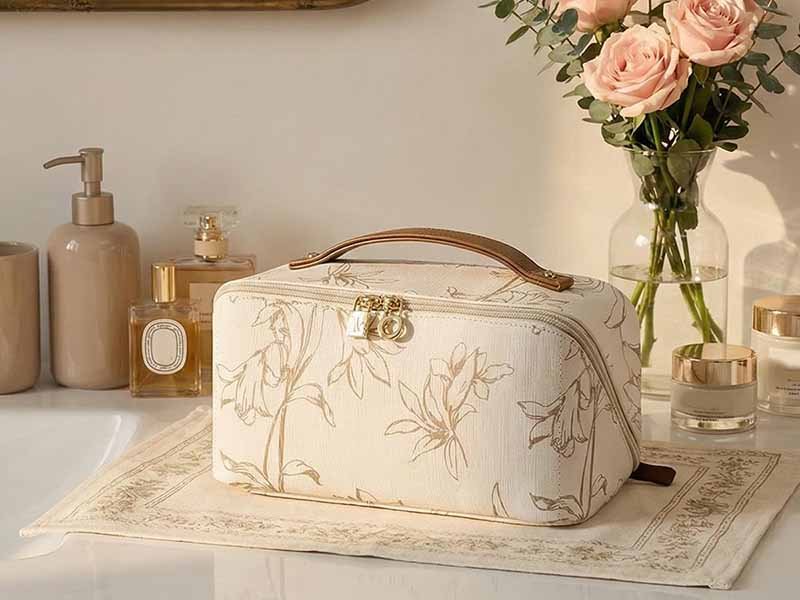
Walk into any beauty store or scroll through an online marketplace, and you’ll see hundreds of makeup bags that look similar at first glance—but behave very differently once you actually use them. Some stain after one spill. Some lose shape in weeks. Others survive years of daily use, travel, and messy cosmetics without complaint.
The difference rarely comes down to design alone. Material choice is what determines whether a makeup bag becomes a long-term essential or a short-lived accessory.
For brands, sellers, and product developers, makeup bags are deceptively complex. They must resist moisture, oils, powders, and friction. They must hold shape without adding weight. They need to feel good in the hand, look good on camera, and still perform after repeated cleaning. Choosing the wrong fabric can lead to high return rates, negative reviews, or costly redesigns—especially in private label or OEM production.
The best material for makeup bags depends on how the bag will be used. Waterproof synthetic fabrics like nylon, polyester, TPU, and EVA offer superior stain resistance, durability, and easy cleaning, making them ideal for daily and travel use. Natural fabrics such as cotton and canvas work well for light cosmetics and eco-focused designs but require coatings or linings for long-term performance. The right choice balances durability, cleanability, cost, and brand positioning.
Yet material decisions are rarely black and white. A travel pouch for liquid cosmetics has very different needs than a minimalist cotton zip pouch for dry makeup. As we break down real use cases, popular materials, and long-term performance, you’ll see why there is no single “best” fabric—only the best fit for your product goals.
What Are Makeup Bags Used For

Makeup bags are used to store, organize, protect, and transport cosmetics, skincare products, and beauty tools. They help prevent leaks, stains, and damage while keeping daily or travel essentials easy to access. Depending on how they are used, makeup bags must handle moisture, oils, abrasion, and frequent opening, which makes material choice critical to performance and lifespan.
What makes a good makeup bag for daily use?
For daily use, a makeup bag functions less like storage and more like a high-frequency personal tool. It is opened multiple times a day, often with makeup residue on hands, and frequently placed on bathroom counters, handbags, or desks.
A good daily makeup bag must:
- Resist oil stains from foundation and concealer
- Handle powder buildup without trapping residue
- Stay flexible while maintaining basic shape
- Be easy to wipe clean without special care
This is why smooth synthetic fabrics or lined constructions outperform untreated cotton in real life. Many daily-use failures—odor, discoloration, sticky interiors—can be traced directly to material absorption rather than design flaws.
What functions do makeup bags need to support beyond storage?
In practice, makeup bags serve four core functions, not just one:
- Containment – preventing liquids from leaking into handbags or luggage
- Protection – shielding fragile items like compacts or glass bottles
- Organization – keeping tools, brushes, and products separated
- Hygiene control – limiting moisture, odor, and bacterial buildup
Each function places different stress on materials. For example, containment depends on waterproof linings, while hygiene control depends on non-porous surfaces that don’t trap oils or moisture.
What material features matter most in real use scenarios?
From a user perspective, the most important material features are not marketing terms, but performance behaviors:
| User Need | Material Feature That Solves It |
|---|---|
| Easy cleaning | Smooth, coated, or laminated surfaces |
| Spill protection | Waterproof or water-resistant linings |
| Long lifespan | High abrasion resistance & seam stability |
| Daily comfort | Lightweight, flexible fabrics |
| Travel safety | Shape retention + impact resistance |
Lovrix evaluates these features during sampling by simulating real use—spills, wiping, abrasion—rather than relying on lab data alone, which helps brands avoid post-launch complaints.
How do makeup bag uses change by scenario
Makeup bag usage changes dramatically depending on context:
- Home use: Prioritizes ease of access and cleanability
- Travel use: Requires spill containment, compression resistance, and durability
- Professional use: Demands structure, long-term wear resistance, and hygiene control
A material that works well at home may fail during travel. This is why many successful designs use hybrid constructions—for example, a fabric outer shell with a waterproof interior—rather than relying on a single material layer.
Which Makeup Bag Materials Are Most Popular
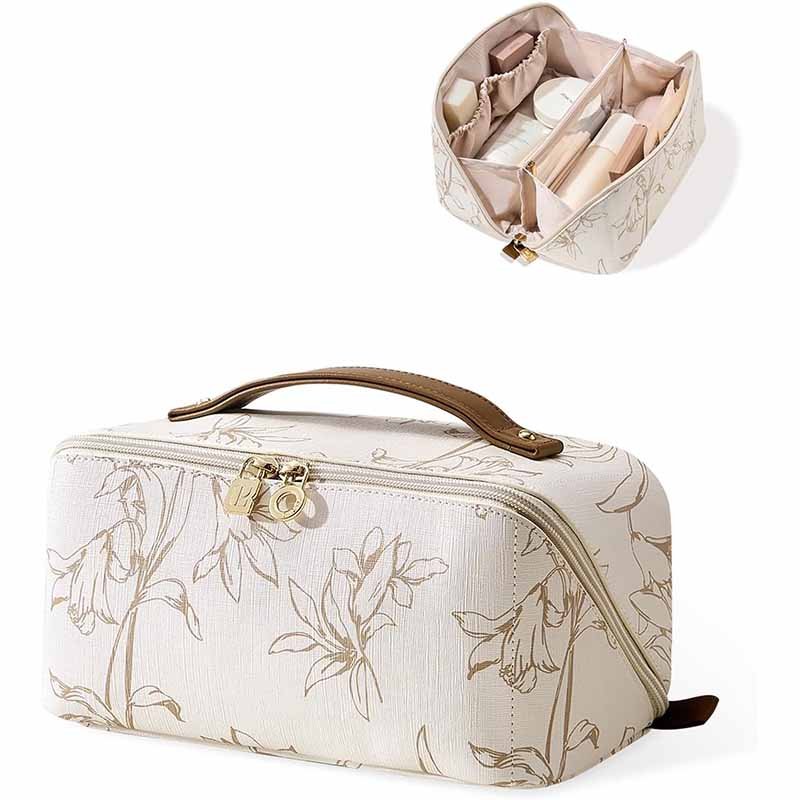
The most popular makeup bag materials are polyester, nylon, PU-coated fabrics, TPU-laminated fabrics, EVA, and cotton canvas. Polyester and nylon dominate the market due to durability, affordability, and easy cleaning, while TPU and EVA are preferred for waterproof and travel-focused designs. Cotton and canvas remain popular for eco and lifestyle collections when combined with protective linings.
What are most makeup bags made of today?
Across global cosmetic brands, e-commerce sellers, and private label lines, polyester-based fabrics account for the majority of makeup bags. The reason is simple: polyester offers stable sourcing, consistent quality, strong abrasion resistance, and excellent compatibility with printing, embroidery, and coatings.
In Lovrix’s custom makeup bag projects, over 60–70% of orders use polyester or polyester blends, often paired with PU or TPU coatings. This combination provides a clean surface that resists makeup stains while keeping production costs predictable—an important factor for scaling brands.
Why is nylon still widely used in premium and travel makeup bags?
Nylon remains a preferred material for travel and performance-oriented makeup bags. Compared to polyester, nylon offers:
- Higher tear strength
- Better flexibility under stress
- Improved resistance to cracking in cold environments
This makes nylon especially suitable for bags that are frequently squeezed into luggage or backpacks. While nylon is typically more expensive than polyester, many brands justify the cost through longer product lifespan and reduced customer complaints.
Why are PU-coated and laminated fabrics so common in cosmetic bags?
PU-coated and laminated fabrics solve one of the biggest makeup bag problems: liquid spills. These coatings create a smooth, semi-waterproof barrier that prevents foundation, toner, and oils from soaking into the fabric.
From a user perspective, this means:
- Easier wipe-down cleaning
- Less odor retention
- Better hygiene over time
For manufacturers like Lovrix, coated fabrics also allow controlled performance tuning—adjusting coating thickness to balance flexibility, durability, and cost.
Why do TPU and EVA dominate waterproof makeup bag designs?
When full waterproofing is required, TPU and EVA are the most common choices.
- TPU-laminated fabrics offer flexibility with high transparency and durability
- EVA provides rigid structure and complete liquid containment
These materials are widely used in professional makeup kits and travel organizers. However, they add weight and cost, which is why they are often reserved for functional or premium product lines rather than everyday pouches.
Why are cotton and canvas still popular despite performance limits?
Cotton and canvas remain popular for branding, gifting, and eco-focused collections. They offer a natural look, tactile appeal, and strong consumer familiarity.
However, most commercially successful cotton makeup bags now use:
- Waterproof linings
- Laminated interiors
- Blended fabric constructions
Without these enhancements, natural fabrics tend to stain quickly and lose shape—issues that lead to high return rates in online sales.
Popular Makeup Bag Materials at a Glance
| Material | Why It’s Popular | Typical Use |
|---|---|---|
| Polyester | Cost-effective, durable, easy to clean | Daily & private label bags |
| Nylon | Strong, flexible, long-lasting | Travel & premium bags |
| PU-coated fabric | Stain-resistant, smooth surface | Everyday cosmetic bags |
| TPU-laminated | Waterproof, durable | Travel & professional use |
| EVA | Rigid, fully waterproof | Makeup organizers & kits |
| Cotton/Canvas | Natural look, eco appeal | Lifestyle & gift collections |
Are Natural Materials Good for Makeup Bags

Natural materials such as cotton, canvas, and linen can be good for makeup bags when the use case involves dry cosmetics, light daily use, or eco-focused designs. However, untreated natural fabrics absorb oils, liquids, and pigments easily, which limits durability and hygiene. In most commercial makeup bags, natural materials perform best when combined with waterproof linings or coated interiors.
What kind of fabric should I use to make a makeup bag by hand or in small batches?
For handmade, DIY, or small-batch makeup bags, cotton and canvas are the most commonly chosen natural fabrics. They are easy to cut, sew, print, and source, and they offer a familiar, lifestyle-oriented look that many consumers like.
For dry-use scenarios—such as storing brushes, powder compacts, or non-liquid cosmetics—natural fabrics perform adequately. However, once liquid or cream products are involved, their limitations become clear. Oil-based foundation and concealer penetrate fibers quickly and often leave permanent stains, even after washing.
This is why experienced makers often add:
- A polyester or PU lining
- A laminated interior layer
- Or a light coating on the fabric back side
These additions dramatically improve usability without sacrificing the natural exterior appearance.
Are cotton and canvas durable enough for cosmetics?
Durability in natural fabrics depends heavily on fabric weight and construction, not just fiber type. Lightweight cotton (6–8 oz) tends to wear out quickly, while heavier canvas (12–14 oz) offers much better abrasion resistance and shape stability.
That said, even heavy canvas has a critical weakness: absorption. Repeated exposure to makeup oils, moisture, and alcohol-based products gradually breaks down fibers and stitching. In Lovrix’s internal evaluations, untreated cotton makeup bags used daily showed visible staining and odor retention within 2–4 weeks, while lined canvas versions extended usable life to 6–12 months, depending on care.
Are natural fabrics easy to clean and maintain in real use?
Natural fabrics are often described as “washable,” but washability is not the same as easy maintenance. Machine washing can cause:
- Shrinkage
- Color fading
- Shape distortion
- Weakened zipper seams
From a consumer perspective, makeup bags that require special washing instructions are more likely to be replaced than cleaned. This directly affects customer satisfaction and repeat purchase behavior.
For this reason, most commercially successful natural-fabric makeup bags today use wipe-clean interiors, allowing users to clean spills without washing the entire bag.
Are natural materials more eco-friendly in makeup bag production?
Natural materials are often perceived as more sustainable, but the reality is more nuanced. While cotton and linen are biodegradable, their performance limitations can shorten product lifespan, which reduces sustainability in practice.
A makeup bag that needs replacement every few months may have a higher environmental footprint than a durable synthetic bag used for years. Many brands now address this by choosing:
- Organic cotton with durable lining
- Recycled polyester linings
- Blended constructions that extend product life
Lovrix supports this approach by helping clients balance environmental messaging with real-world durability.
When are natural materials the right choice—and when are they not?
Natural materials are a good choice when:
- The bag is used for dry cosmetics only
- The product is positioned as lifestyle, gift, or promotional
- The brand values texture and natural aesthetics
They are not ideal when:
- Liquids or creams are involved
- The bag is used for travel or daily heavy use
- Hygiene and wipe-clean performance are critical
In these cases, natural fabrics should be treated as an outer shell, not the primary protective layer.
Is Waterproof Material Better for Makeup Bags

Waterproof materials are better for makeup bags that store liquid or cream-based cosmetics because they prevent leaks, stains, and odor buildup. However, fully waterproof materials are not always the best choice for every makeup bag. Many high-performing designs use waterproof linings combined with durable outer fabrics to balance protection, comfort, weight, and cost.
What makes a makeup bag material waterproof?
A makeup bag material is considered waterproof when it blocks liquid penetration, not just surface splashes. This protection usually comes from structural treatments rather than the base fabric itself.
Common waterproof constructions include:
- PU-coated fabrics (polyurethane layer applied to fabric)
- TPU-laminated fabrics (thermoplastic polyurethane film bonded to fabric)
- EVA (closed-cell foam material)
Plain polyester or nylon without coating is only water-resistant, meaning it can delay absorption but will eventually allow liquids to seep through—especially under pressure inside a bag.
Do waterproof materials really protect cosmetics better in real use?
Yes, but the protection works both ways. Waterproof materials protect:
- The outside environment from leaking cosmetics
- The inside of the bag from moisture, humidity, and residue buildup
In real-world use, makeup bags often fail not because they aren’t waterproof, but because only part of the bag is protected. For example, a waterproof exterior with an absorbent interior still traps spills and odors.
This is why Lovrix frequently recommends waterproof linings, even when the outer fabric is not fully waterproof.
Are fully waterproof makeup bags always the best option?
Not necessarily. Fully waterproof materials like EVA or thick TPU offer excellent spill containment, but they also introduce trade-offs:
- Increased weight
- Reduced flexibility
- Higher material and production costs
- Limited breathability
For daily-use or fashion-oriented makeup bags, these drawbacks can reduce comfort and user satisfaction. Fully waterproof designs are best suited for travel kits, professional makeup cases, or liquid-heavy storage.
What is the difference between waterproof and water-resistant fabrics?
This distinction is critical and often misunderstood:
| Term | What It Means in Practice |
|---|---|
| Water-resistant | Slows liquid absorption |
| Waterproof | Blocks liquid penetration entirely |
Water-resistant fabrics handle light splashes but fail under pressure or prolonged exposure. Waterproof fabrics maintain protection even when cosmetics leak and sit inside the bag.
Many user complaints arise when expectations don’t match material performance—another reason clear material selection matters.
Why do many high-quality makeup bags use waterproof linings instead of waterproof shells?
Using a waterproof lining with a durable outer fabric is often the most balanced solution. This design:
- Contains spills at the source
- Keeps the exterior lightweight and soft
- Reduces cost compared to full waterproof shells
- Improves comfort and aesthetics
In Lovrix’s experience, makeup bags with waterproof linings show significantly lower leakage-related complaints than unlined designs, without the stiffness of full EVA constructions.
When is waterproof material the right choice—and when is it not?
Waterproof materials are ideal when:
- Liquid cosmetics are frequently stored
- The bag is used for travel or professional work
- Hygiene and easy cleaning are priorities
They may be unnecessary when:
- The bag stores dry makeup only
- The design focuses on fashion or gifting
- Lightweight feel is more important than spill protection
In many cases, a hybrid construction offers the best performance-to-cost ratio.
How Do Different Materials Compare in Real Performance

In real use, coated synthetics (PU-coated polyester/nylon, TPU laminate, EVA) generally outperform natural fabrics in stain resistance, wipe-clean maintenance, and long-term shape retention. The best-performing makeup bags usually use a durable outer fabric plus a waterproof lining, rather than relying on a single layer. Material choice should be based on spill risk, cleaning frequency, abrasion level, and required structure.
Before comparing materials, one practical truth matters: a makeup bag doesn’t “fail” because of fabric alone. It fails because the full system can’t handle real behaviors—foundation spills, zipper friction, repeated wiping, humid bathrooms, and luggage pressure.
So below, “real performance” is measured by what customers actually feel and complain about:
- Does it stain quickly?
- Can it be wiped clean?
- Does it keep shape over time?
- Do seams/zipper areas tear?
- Does it smell after repeated use?
What bag material lasts the longest under daily use?
In daily use (opened/closed frequently, handled with makeup residue), the longest-lasting materials are:
- TPU-laminated fabrics (high durability + wipe-clean)
- PU-coated polyester/nylon (best overall cost-to-performance)
- High-density nylon (e.g., twill/oxford) (strong tear resistance, needs lining)
- EVA (very long life but heavier and stiffer)
- Canvas/cotton (only long-lasting if lined/coated)
A common mistake is using uncoated natural fabric for a bag meant for liquid makeup. It may look premium at day 1, but in real life it becomes “hard to keep clean,” which shortens usable life and drives replacement.
If you expect spills more than once per month, wipe-clean interior performance matters more than outer fabric aesthetics.
How do durability and abrasion resistance differ by fabric?
Abrasion comes from brushes, zipper teeth, travel friction, and repeated wiping. Here’s what typically holds up best:
- Nylon: excellent tear strength; good abrasion resistance; flexible under stress
- Polyester: strong abrasion resistance; more stable pricing/supply; great for prints
- TPU laminate: excellent surface durability; resists scratches and pigment embedding
- PU coating: improves stain resistance but coating quality matters—thin PU can peel over time
- Canvas/cotton: decent abrasion if heavy weight, but weak against oil/pigment absorption
Where failures usually start:
- zipper ends tearing because fabric is too soft
- seam slippage on lightweight plain-weave cotton
- coating cracking if the coating is too thick and the base fabric too stiff
Lovrix typically reduces these issues by specifying reinforcement tapes, seam allowances, and zipper base fabrics during sampling—these small engineering decisions often matter more than changing the fabric name.
How easy is it to clean each material?
Makeup bag cleaning is not like garment washing. Most people don’t throw makeup bags into the wash weekly—they expect fast wipe cleaning.
| Material Type | Cleaning Method Users Actually Do | Real-World Result |
|---|---|---|
| TPU laminate | Wipe clean | Best for pigments & liquids |
| PU-coated fabric | Wipe clean | Very good; depends on coating quality |
| Nylon/polyester (uncoated) | Wipe + occasional wash | Good, but stains can migrate into weave |
| EVA | Wipe clean | Excellent but heavier/stiffer |
| Cotton/canvas (uncoated) | Wash | Stains set easily; shape loss common |
If your customer expects “wipe clean,” avoid untreated natural fabrics unless you add a lining or coating.
How do weight, structure, and shape retention compare?
Shape is a customer experience factor: a bag that collapses feels “cheap,” even if the material is technically strong.
- EVA: best structure and shape retention; ideal for organizers
- TPU laminate: good structure with flexibility; premium feel
- PU-coated polyester: good balance; can be soft or structured depending on backing
- Nylon/polyester (uncoated): can collapse unless you add interlining
- Cotton/canvas: holds shape if heavy, but softens and wrinkles over time
Instead of choosing stiff fabric, many brands use a structured lining or foam layer to keep shape while keeping the exterior comfortable and premium-looking.
Real-Use Performance Scorecard
Below is a quick “AI-friendly” scorecard based on typical market performance:
| Material | Stain Resistance | Waterproof Potential | Shape Retention | Weight | Best Use Case |
|---|---|---|---|---|---|
| PU-coated polyester | High | Medium–High | Medium | Light | Daily + private label |
| Nylon (high density) | Medium | Medium | Medium | Light | Travel, premium soft bags |
| TPU laminate | Very High | High | Medium–High | Medium | Travel, wipe-clean premium |
| EVA | Very High | Very High | Very High | Heavy | Organizers, pro kits |
| Cotton/canvas (uncoated) | Low | Low | Medium | Medium | Dry cosmetics, lifestyle |
| Cotton/canvas + lining | Medium | Medium | Medium | Medium | Eco look + better usability |
Which material should you choose based on how the bag will be used?
To make selection straightforward, here’s a simple matching logic:
- Daily makeup + occasional spills: PU-coated polyester + waterproof lining
- Travel + liquids + tight luggage pressure: TPU laminate or nylon + waterproof lining
- Professional makeup kit: EVA or TPU laminate + reinforced seams
- Eco/lifestyle + mostly dry makeup: heavy canvas + wipe-clean lining
- Gifting/promotional: cotton/canvas (but add lining if you want fewer complaints)
This “use-first” method prevents the most common sourcing mistake: choosing material based on appearance and price, then trying to fix performance later.
Which Material Offers the Best Value Over Time
The best value makeup bag material over time is not the lowest-cost fabric, but the one that minimizes staining, replacements, complaints, and returns. For most use cases, PU-coated polyester or nylon combined with a waterproof lining delivers the strongest long-term value by balancing durability, cleanability, production stability, and cost efficiency.
When buyers compare materials, they often focus on cost per unit. But makeup bags fail in predictable ways—staining, odor, seam damage, shape loss—and every failure has a cost: refunds, replacements, negative reviews, or brand damage.
Real value comes from reducing these downstream costs, not from shaving a few cents off raw materials.
Why the cheapest material often costs more in the long run
Uncoated cotton or low-density fabric may reduce initial cost, but they frequently cause:
- Early staining from oils and pigments
- Odor retention that cannot be cleaned
- Shape collapse after washing
- Higher return and complaint rates
In e-commerce scenarios, even a 2–3% increase in returns can erase material cost savings entirely. That’s why many experienced brands treat ultra-low-cost fabrics as false economy for makeup bags.
Which materials consistently deliver the best cost-to-performance ratio?
Based on long-term production and customer feedback, the strongest value performers are:
- PU-coated polyester – stable cost, good durability, easy cleaning
- High-density nylon + waterproof lining – longer lifespan, slightly higher cost
- Recycled polyester (rPET) + lining – sustainability + performance balance
These materials reduce maintenance issues without requiring premium pricing. Lovrix uses them frequently for private label and OEM clients who need predictable quality at scale.
How lining choice directly affects lifetime value
Many makeup bag problems come not from the outer shell, but from the inside. A waterproof or wipe-clean lining:
- Contains spills before they spread
- Prevents fabric saturation and odor
- Reduces the need for full washing
- Extends usable life significantly
In internal comparisons, makeup bags with waterproof linings show 20–40% fewer post-sale complaints than unlined versions in similar price ranges.
How durability reduces returns, reviews, and replacements
From a buyer’s perspective, durability translates directly into:
- Fewer customer service cases
- Lower replacement frequency
- Better product ratings
A makeup bag that lasts 18–24 months instead of 6–9 months creates far more value, even if its material cost is slightly higher. This is especially critical for brands relying on repeat customers and marketplace reviews.
Value comparison by material type
| Material | Initial Cost | Usable Lifespan | Maintenance Cost | Overall Value |
|---|---|---|---|---|
| Uncoated cotton/canvas | Low | Short | High | Low |
| Cotton/canvas + lining | Medium | Medium | Medium | Medium |
| PU-coated polyester | Medium | Long | Low | High |
| Nylon + lining | Medium–High | Long | Low | High |
| TPU laminate | High | Very long | Very low | Medium–High |
| EVA | High | Very long | Very low | Medium |
The highest value materials sit in the middle of the price range, not at the extremes.
How brand positioning changes the definition of “best value”
“Best value” is contextual:
- Mass-market & private label: durability + stable cost matter most
- Premium & professional: lifespan and performance justify higher cost
- Eco-focused brands: longer product life improves sustainability impact
Lovrix helps brands define value based on their market, not generic rankings.
How Lovrix helps optimize material value over the full product lifecycle
With over 19 years of integrated experience in fabric, webbing, and bag manufacturing, Lovrix evaluates value across the entire lifecycle:
- Material selection based on use case
- Construction choices that prevent early failure
- Sampling that simulates real use, not just appearance
- Stable repeatability to avoid batch inconsistencies
This approach helps clients avoid “cheap today, expensive tomorrow” decisions.
How to Choose the Right Material for Your Makeup Bag Project
Choose the right makeup bag material by starting with real use scenarios (daily vs travel vs professional), then matching required performance (wipe-clean, leak containment, abrasion resistance, shape retention) to an outer fabric and an interior lining. The best results often come from hybrid construction—durable outer + waterproof lining—tested through sampling before bulk production.
How should material choice change by customer use scenario?
Start by defining what the end user actually does. This one step prevents most material mistakes.
Common scenarios and what they demand:
- Daily carry (handbag/desk): wipe-clean surface, light weight, moderate structure
- Travel (luggage pressure + liquids): spill containment, abrasion resistance, zipper strength
- Professional makeup (tools + heavy use): structure, durable seams, easy sanitation
- Lifestyle / gifting / eco lines: natural look, good branding surface, stable shape
If your bag will carry liquids or creams, prioritize lining and waterproof behavior first. If it’s mostly dry makeup, you can prioritize texture and aesthetics more.
How do you balance performance, look, and cost without over-engineering?
A simple rule works well: engineer only where the bag gets abused.
Most value comes from three places:
- Interior wipe-clean lining (stops stains and odor)
- Reinforced zipper zones (prevents tearing at the ends)
- Right level of structure (so it doesn’t collapse)
You don’t always need full EVA or fully waterproof shells. Many brands get 80% of the benefit with PU-coated polyester + waterproof lining, at a much better cost and user comfort level.
How to choose the outer fabric vs the inner lining (the hybrid method)
Instead of searching for one “perfect fabric,” choose a two-layer strategy:
- Outer fabric = brand feel + durability
- Inner lining = hygiene + spill protection
Here’s a practical pairing guide:
| Project Goal | Outer Fabric | Inner Lining |
|---|---|---|
| Best all-around value | PU-coated polyester | Waterproof wipe-clean lining |
| Premium travel pouch | Nylon or TPU laminate | Seam-sealed lining option |
| Eco look, better usability | Heavy canvas/cotton | Laminated wipe-clean lining |
| Professional organizer | TPU laminate / EVA panels | Fully waterproof lining |
This approach is popular because it protects performance without forcing the entire bag to be stiff, heavy, or expensive.
What specs should you confirm before approving a material?
To make sourcing decisions reliable, confirm measurable specs—not just fabric names. A real buyer checklist includes:
Fabric specs
- Fabric composition (polyester/nylon/cotton + %)
- Weight range (GSM or oz) and tolerance
- Weave type (plain, twill, oxford) and density
- Coating type (PU/TPU) and target coating weight
Performance specs
- Water resistance level (water-resistant vs waterproof)
- Stain resistance expectation (oil/pigment wipe test)
- Abrasion resistance target (rub test goal)
- Colorfastness to rubbing (dry/wet rub)
- Odor retention risk (porosity + cleaning method)
Construction specs
- Zipper type/size and zipper tape reinforcement
- Seam allowance and stress reinforcement points
- Lining attachment method (bagged lining vs bonded)
- Optional: seam sealing for travel/liquid-heavy use
Lovrix typically confirms these specs during sampling so material decisions don’t rely on guesswork.
How to choose material based on brand positioning
Material is also branding. Two bags can perform similarly but feel completely different to customers.
- Minimalist premium: nylon twill or matte-coated fabric, clean hardware
- Eco lifestyle: canvas/cotton shell with wipe-clean interior
- Beauty influencer / camera-ready: smooth TPU laminate, glossy finishes, vivid prints
- Mass-market private label: polyester with stable color matching and print consistency
The “right material” supports your brand story while preventing typical failure points (stains, leaks, collapse).
How to test materials quickly during sampling
Instead of waiting months for market feedback, do simple sampling tests that simulate real use:
- Spill test: drop foundation/toner inside, wait 10 minutes, wipe
- Powder test: press powder into surface, check residue removal
- Abrasion test: rub zipper tape and corners repeatedly
- Shape test: fill and compress the bag, release and observe recovery
- Odor test (short): store oily residue for 48 hours, check smell
These tests reveal 90% of real problems early. Lovrix often runs these checks during rapid sampling to speed up approvals.
How Lovrix supports material selection and custom development
Lovrix is built for projects where material choice matters—not just sewing.
With 19+ years of integrated experience across fabrics, webbing, and bag manufacturing, Lovrix supports:
- Material recommendation based on usage scenario
- Custom fabric development (coatings, laminations, blends)
- Low MOQ customization for brand testing
- Fast sampling with iterative revisions
- Stable quality control from fabric to finished bag
This integrated setup reduces delays and improves consistency—especially important for private label, e-commerce, and mid-to-high-end brand programs.
Conclusion
Choosing the best material for a makeup bag is not about following trends—it’s about understanding how the product will actually be used, how long it needs to last, and how it represents your brand.
Whether you’re developing a new private label cosmetic line, upgrading an existing product, or exploring OEM/ODM manufacturing, material decisions define customer experience long after the sale.
Lovrix works closely with brands and sellers worldwide to design, test, and manufacture custom makeup bags with the right materials, structures, and finishes—backed by 100% quality assurance, low MOQs, free design support, fast sampling, and short lead times.
Contact Lovrix today to discuss your custom makeup bag project, request samples, or receive a tailored material recommendation.


