 Skip to content
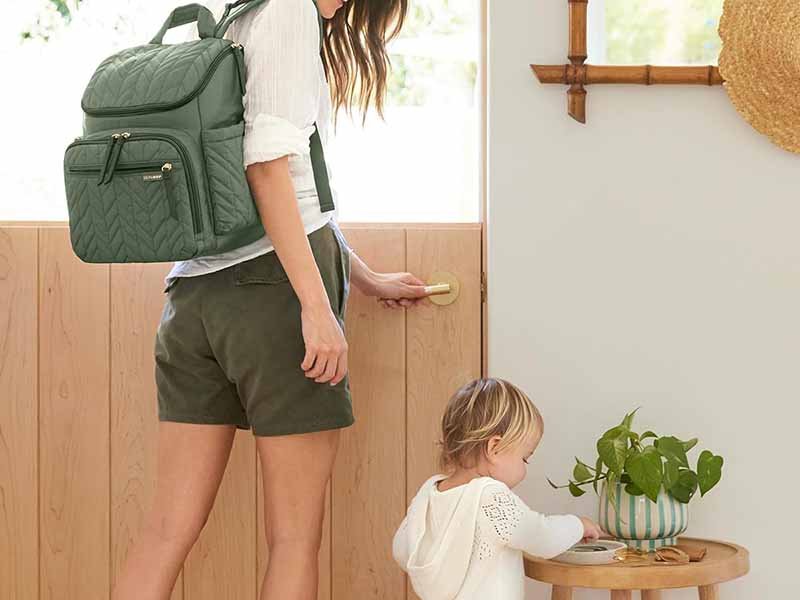
Choosing a diaper bag looks simple—until you actually start using one. Parents quickly realize that a diaper bag isn’t just a bag. It’s a mobile command center. It carries diapers, bottles, wipes, spare clothes, snacks, toys, personal items, and sometimes even a laptop. It gets opened dozens of times a day, thrown under strollers, stuffed into car trunks, and exposed to spills that no fashion bag would ever survive.
Yet many of the so-called “best diaper bags” on the market are judged mainly by looks or influencer hype. In real life, problems show up fast: poor internal layout, straps that dig into shoulders, fabrics that stain easily, zippers that fail within months. The result? Parents buy a second or even third diaper bag, realizing too late that the first one wasn’t designed for real daily use.
What makes this category even more confusing is the sheer variety. Backpack or tote? Waterproof or lightweight? Premium brand or affordable option? And behind the scenes, many well-known diaper bag brands are actually produced by experienced manufacturers who design, engineer, and test these bags long before a logo is added.
The best diaper bags combine smart organization, durable materials, comfortable carry, and practical features for everyday parenting. Choosing the right diaper bag depends on how often it’s used, what it needs to carry, and who carries it. High-quality diaper bags balance functionality, durability, and design—and many top brands rely on experienced manufacturers to achieve that balance.
Behind every “best” diaper bag is a story of design decisions, material trade-offs, and real-world testing. Understanding those choices is what separates a bag that looks good online from one that actually works when life gets messy. Let’s break it down—step by step.
What Are Diaper Bags

A diaper bag is a purpose-built bag designed to carry, organize, and protect baby essentials during daily outings. Unlike regular backpacks or handbags, diaper bags are engineered for frequent access, hygiene control, spill resistance, and long carry time. For parents who leave home daily with a baby, a dedicated diaper bag reduces stress, saves time, and prevents common on-the-go failures such as leaks, lost items, and shoulder fatigue.
What parents actually carry—and why regular bags fail
On an average outing with a baby under 18 months, parents typically carry:
| Item Category | Average Quantity |
|---|---|
| Diapers | 3–6 pieces |
| Wipes | 1 full pack |
| Bottles / cups | 1–2 |
| Formula / snacks | 1–3 portions |
| Spare clothes | 1 full set |
| Changing pad | 1 |
| Personal items | Phone, wallet, keys |
That’s 10–15 items accessed repeatedly, often with one hand.
Regular backpacks and totes are not designed for this reality. Common problems reported by parents include:
- Digging through the bag to find wipes during emergencies
- Bottles tipping over and leaking
- Wet clothes mixing with clean items
- Bags collapsing when placed on the ground
- Shoulder pain after 30–60 minutes of carry time
A diaper bag is designed to solve these exact problems through layout, structure, and material choices.
What makes a diaper bag different from a regular backpack or tote
The difference is not cosmetic—it’s structural.
Key functional differences include:
- Zoned internal layout Items are separated by function: feeding, hygiene, clothing, personal items. This reduces search time and contamination risk.
- Upright structure Reinforced base panels allow the bag to stand on its own, preventing spills and keeping contents visible.
- Frequent-access engineering Wipe pockets, wide-top openings, and front-access panels are designed for dozens of openings per day.
- Hygiene-first materials Most quality diaper bags use wipe-clean linings and water-resistant outer fabrics to manage spills and bacteria buildup.
- Load-balanced carry system Shoulder straps and handles are designed to distribute weight evenly, especially in backpack-style diaper bags.
These features require more complex pattern design, stronger stitching, and higher material standards than normal bags.
Is a diaper bag really necessary—or just nice to have?
For short trips, some parents try to use a regular bag. But usage data and buyer behavior show a clear pattern:
- Parents who leave home daily with a baby overwhelmingly switch to a dedicated diaper bag within the first 2–3 months
- Backpack-style diaper bags dominate repeat purchases due to comfort and efficiency
- Parents who use structured diaper bags report fewer item losses and less repacking time
In simple terms:
A diaper bag is not mandatory—but once parents use a well-designed one, they rarely go back.
Why “good enough” diaper bags still disappoint
Many diaper bags fail not because the idea is wrong, but because execution is weak.
Common failure points include:
- Poor internal organization that looks good online but collapses in real use
- Fabrics that stain easily or absorb odors
- Zippers and straps that fail under daily load
- Designs that ignore left-handed or one-handed access
High-performing diaper bags are usually the result of multiple design iterations and real-world testing, not just styling decisions.
This is also why many successful diaper bag brands work closely with experienced manufacturers during development—because small design details directly affect daily usability.
What parents should expect from a well-designed diaper bag
At a minimum, a reliable diaper bag should:
- Stay organized even when fully packed
- Handle spills without permanent damage
- Remain comfortable after long carry periods
- Adapt to different users (mom, dad, caregiver)
- Maintain appearance after months of daily use
When these basics are met, the diaper bag stops being a source of frustration—and starts working quietly in the background, exactly as it should.
How Do You Choose the Best Diaper Bag

The best diaper bag is chosen based on how much you carry, how often you access items, how long you wear the bag, and how well it holds up to spills and daily abuse. A good diaper bag should stay organized when full, feel comfortable after long use, and remain easy to clean. The right choice depends more on daily habits than on brand or price.
Start with reality, not marketing
Most diaper bag regret comes from buying based on looks instead of use. Before choosing a bag, parents should answer three practical questions:
- How long am I usually out with my baby?
- Do I open the bag often or only occasionally?
- Who carries the bag most of the time?
Your answers determine size, structure, and carry style far more than branding.
How much storage capacity do you actually need?
More space is not always better. Bags that are too large become disorganized and heavy. Bags that are too small force constant repacking.
Based on user behavior data from baby product retailers:
| Outing Type | Recommended Capacity |
|---|---|
| Short errands (1–2 hours) | 15–18 liters |
| Daily use (half day) | 18–25 liters |
| Travel / full-day outings | 25–30 liters |
A well-designed 20-liter diaper bag often works better than a poorly organized 30-liter bag. Layout matters more than volume.
How do you judge internal organization (the part photos hide)?
Online photos rarely show how a bag behaves when full. Real-world usability depends on structure, not pocket count.
Look for:
- Fixed internal dividers that don’t collapse
- Elastic pockets that grip bottles instead of letting them fall
- A clear separation between feeding items and hygiene items
- At least one easy-access pocket for wipes or diapers
A common mistake is choosing bags with too many small pockets. They look organized empty—but become confusing once packed.
How often do you open the bag—and with how many hands?
Parents open diaper bags far more often than they expect. On average:
- 10–20 openings per outing
- Often with one hand
- Often while holding a baby or stroller
This makes opening design critical.
Wide-opening tops, structured frames, and front-access panels reduce frustration. Deep, narrow bags without structure slow parents down and increase stress—especially during emergencies.
How important are comfort and weight distribution?
Comfort is usually underestimated until it’s too late.
A fully packed diaper bag typically weighs 4–6 kg (9–13 lbs). Carried incorrectly, this leads to shoulder pain within 30–60 minutes.
Backpack diaper bags distribute weight evenly and reduce fatigue. Tote styles concentrate weight on one shoulder and work better for short trips only.
Check for:
- Wide, padded shoulder straps
- Reinforced strap attachment points
- Breathable padding where the bag touches the back
These details are invisible in product listings—but obvious after a week of use.
What materials actually hold up to daily life?
Daily use exposes diaper bags to:
- Liquid spills
- Floor contact
- Repeated zipper use
- Frequent wiping and cleaning
Practical material indicators include:
- Water-resistant outer fabric (polyester or nylon)
- Smooth, wipe-clean inner lining
- Reinforced base fabric or coating
Light-colored fabrics may look good initially but show stains faster. Many experienced parents prefer mid-tone or textured fabrics for long-term appearance.
What is the “best” diaper bag on the market—really?
There is no single best diaper bag for everyone.
The “best” diaper bag:
- Fits your daily routine
- Matches how long you’re out
- Feels comfortable after extended use
- Stays organized when full
- Survives spills without stress
Top-performing diaper bags across different brands share one thing in common: they are designed from real-use feedback, not just styling trends.
That’s also why many successful diaper bag brands invest heavily in sampling, testing, and production refinement—often working with experienced manufacturers who understand how design choices perform after months of real use.
What Materials and Fabrics Are Best for Diaper Bags

The best diaper bag materials are durable, water-resistant, easy to clean, and strong enough to handle daily weight and spills. Most high-performing diaper bags use coated polyester or nylon for the outer shell and wipe-clean linings inside. Material choice affects not only durability, but also hygiene, comfort, weight, and how the bag looks after months of real use.
Why material choice matters more than style
Most diaper bags don’t fail because of design—they fail because of materials.
Real-life exposure includes:
- Milk and formula spills
- Wet wipes and damp clothing
- Floor contact in public spaces
- Daily friction from zippers and straps
- Repeated wiping and cleaning
A fabric that looks good in photos may degrade fast under these conditions. Choosing the right material is about long-term performance, not first impressions.
Which outer fabrics actually hold up to daily use?
Below is a practical comparison based on real usage, not marketing terms:
| Fabric Type | Daily Durability | Spill Resistance | Weight | Best Use |
|---|---|---|---|---|
| 600D Polyester (PU-coated) | High | High | Medium | Everyday diaper bags |
| Nylon Twill / Nylon Oxford | Very High | High | Light | Premium backpack styles |
| Recycled Polyester | Medium–High | Medium | Medium | Eco-focused collections |
| Cotton Canvas | Medium | Low | Heavy | Style-first totes |
Polyester and nylon outperform cotton in diaper bag use because they resist stains, dry faster, and maintain shape longer.
Are waterproof and stain-resistant fabrics essential?
Parents don’t need fully waterproof bags—but they do need spill tolerance.
A good diaper bag fabric should:
- Repel liquid long enough to wipe clean
- Avoid absorbing odors
- Resist coating cracks after bending
Overly stiff waterproof fabrics often crack or peel after months of folding. Experienced manufacturers balance coating thickness to allow flexibility without sacrificing protection.
In practice, water-resistant + wipe-clean beats fully waterproof for everyday use.
What fabric weight and density actually work best?
Heavier fabrics don’t always mean better quality.
| Fabric Weight | Real-World Result |
|---|---|
| Too light | Feels flimsy, wears quickly |
| Too heavy | Bag becomes uncomfortable |
| Balanced (medium) | Best strength-to-weight ratio |
Most reliable diaper bags use medium-density fabrics reinforced only in stress areas (base, strap anchors), keeping overall weight manageable.
Why lining material matters as much as the outer fabric
Many diaper bags fail inside first.
A poor lining:
- Absorbs spills
- Traps odors
- Becomes hard to clean
A good lining should be:
- Smooth and wipeable
- Light-colored for visibility
- Resistant to cracking
Some premium diaper bags also add antimicrobial-treated linings, but structure and cleanability matter more than chemical treatments.
How materials affect hygiene and cleaning
Parents clean diaper bags more often than they expect—sometimes daily.
Materials that perform well in real life:
- Can be wiped with baby wipes
- Dry quickly after cleaning
- Don’t trap stains in the weave
Cotton-based fabrics often fail here. Synthetic fabrics with smooth surfaces perform better under repeated cleaning cycles.
What parents regret most about diaper bag materials
Common complaints include:
- “It stains too easily”
- “It smells even after cleaning”
- “The fabric looks worn after 3 months”
- “The bottom gets dirty instantly”
These problems are almost always material-related, not brand-related.
What experienced brands look for when choosing materials
Brands that succeed long-term prioritize:
- Consistent fabric batches
- Controlled coating thickness
- Reinforced base materials
- Tested strap webbing strength
This is why many top diaper bag brands work with manufacturers that control fabric sourcing and testing—not just assembly.
Which Diaper Bag Styles Suit Different Needs

The best diaper bag style depends on how long you are out, how much you carry, and how often you access the bag. Backpack diaper bags work best for long outings and daily use, totes are suitable for short trips with light loads, and convertible styles balance flexibility and shared use. Choosing the right style improves comfort, access speed, and long-term satisfaction.
Why style choice affects daily comfort more than brand
Parents often choose diaper bags based on appearance, then regret the style after weeks of use. Style determines:
- How weight is carried
- How fast items can be reached
- Whether the bag stays organized when full
- Who feels comfortable carrying it
Data from baby product retailers shows that style mismatch is a leading reason for diaper bag returns—not quality defects.
Backpack diaper bags: best for daily use and long outings
Who they suit best:
- Parents out for 3+ hours
- Families using strollers often
- Shared parenting (mom + dad)
Backpack diaper bags dominate global sales because they distribute weight evenly. A fully packed diaper bag typically weighs 4–6 kg, and backpacks reduce shoulder fatigue significantly compared to totes.
Real-world benefits:
- Hands-free movement
- Less back and shoulder strain
- Better balance when carrying a baby
Modern backpack designs also use wide-opening tops and front access panels, solving the traditional backpack visibility problem.
Common mistake: choosing a backpack that is deep but unstructured—items sink and become hard to reach.
Tote diaper bags: fast access, limited comfort
Who they suit best:
- Short errands (under 1–2 hours)
- Car-based outings
- Style-focused parents
Totes allow quick access and often look less like baby gear. However, weight concentrates on one shoulder, causing discomfort quickly when fully packed.
User feedback shows:
- Shoulder fatigue after 30–45 minutes
- More frequent bag switching between shoulders
- Higher chance of bag tipping over
Totes work best when paired with:
- Light packing
- Structured bases
- Optional crossbody straps
Convertible diaper bags: flexibility over specialization
Who they suit best:
- Parents who share carrying duties
- Travel days with changing needs
- Minimalist packers
Convertible bags switch between backpack, tote, and shoulder modes. The trade-off is complexity—more hardware, more seams, and slightly higher weight.
Well-designed convertible bags balance structure and flexibility. Poorly designed ones feel awkward in every mode.
Minimalist and compact styles: know the limits
Compact diaper bags appeal to parents who pack light or use strollers with built-in storage.
Pros:
- Lightweight
- Easy to carry
- Clean appearance
Cons:
- Limited capacity
- Requires frequent repacking
- Less forgiving during emergencies
These styles work best after the baby grows older and needs fewer supplies.
Which styles work best for dads and shared parenting?
Neutral styling, backpack formats, and minimal branding consistently rank highest among dads. Bags that look like regular backpacks see higher shared usage rates and longer product lifespans.
This shift has pushed many brands toward:
- Muted colors
- Clean silhouettes
- Practical hardware choices
What diaper bag did Kim Kardashian use—and why it matters
Search interest in celebrity diaper bags reflects a broader trend: parents want bags that don’t advertise “baby gear.”
Kim Kardashian has been seen using structured, minimalist diaper bags that resemble luxury handbags. The appeal isn’t celebrity—it’s discretion. Parents want functionality without visual clutter.
This trend influences design decisions across premium diaper bag lines, especially for urban and fashion-focused markets.
A simple style decision guide
| Your Typical Outing | Best Style |
|---|---|
| Short errands | Tote |
| Daily use | Backpack |
| Travel | Backpack / Convertible |
| Shared parenting | Backpack |
| Minimal carry | Compact bag |
What parents regret most about style choices
Common feedback includes:
- “It looked good but hurt to carry”
- “Too deep to find anything”
- “Too small for real life”
- “Not comfortable for both parents”
Style should serve use—not the other way around.
Best Diaper Bags by Brand

Before choosing a brand, narrow your needs with three simple questions:
- How long are you usually out? (short errands, half day, full day travel)
- How do you carry the bag? (backpack, tote, convertible)
- How easy must cleaning be? (wipe-clean vs. occasional washing)
Answering these first reduces regret and returns far more than choosing by brand name alone.
1. Skip Hop — Best for Everyday Errands and Daycare
Why parents choose it:
Simple layouts, easy access, and reliable daily performance. Skip Hop models are frequently recommended by baby retailers and review platforms as “best overall” options for everyday use.
Best for:
Daycare drop-offs, grocery runs, short city outings
What to check before buying:
- Wide top opening for fast access
- Front pocket for wipes and diapers
- Reinforced base so the bag does not collapse
2. Szoneier — Best for Custom Leather and Premium Fabric Diaper Bags
Best for:
Brands building higher-end diaper bag lines with leather, hybrid materials, or refined hardware details.
Practical development insights:
- Best-selling daily use capacity: 18–25L
- Travel versions: 25–30L
- High-frequency designs should prioritize wipe-clean linings, reinforced bases, and strong strap anchor points
Ideal for:
E-commerce brands, boutique baby lines, premium gift markets
3. JuJuBe — Best for Durability and Easy Cleaning
Why parents choose it:
Strong reputation for wipe-clean materials, odor resistance, and long-term durability.
Best for:
Travel, multi-child families, frequent daily use
User-reported benefits:
- Less odor retention compared to fabric-heavy bags
- Strong zippers and reinforced base panels
Trade-off:
Higher price, but longer usable lifespan
4. Lovrix — Best for Fabric + Webbing + Bag Integration
Lovrix integrates fabric production, webbing manufacturing, and bag assembly, which is critical for diaper bags that experience high load, frequent opening, and repeated cleaning.
Best for:
- Private label and OEM/ODM projects
- Low MOQ testing and fast iteration
- Brands needing consistent quality across colors and batches
Why it matters:
Shoulder straps, webbing strength, lining materials, and base reinforcement directly affect comfort, durability, and return rates.
Ideal for:
Amazon/FBA sellers, DTC brands, multi-style diaper bag collections
5. Dagne Dover — Best for Minimalist Organization
Why parents choose it:
Clean design, clear compartments, and a non-“baby bag” appearance.
Best for:
City commuting, light to medium carry needs
What to watch:
Light colors may show wear faster; material choice matters more than appearance.
6. Lululemon — Best for Gym-to-Parenting Lifestyle
Why parents choose it:
Lightweight feel, sporty design, and versatility beyond baby use.
Best for:
Active parents, short outings, dual-use (gym + parenting)
Key feature to check:
Separate wet/dirty compartment and reinforced strap attachment points.
7. Freshly Picked — Best for Fashion-First Parents
Why parents choose it:
Premium look and gift appeal.
Best for:
Short outings, style-driven use
Reality check:
Heavier materials and decorative elements may reduce comfort during long carry times.
8. Fawn Design — Best for Discreet “Mom Bag” Style
Why parents choose it:
Doesn’t visually read as a diaper bag, blends into daily outfits.
Best for:
Urban use, short trips
What to check carefully:
- Bag depth (deep, unstructured bags slow access)
- Lining cleanability
9. Itzy Ritzy — Best Balance of Style and Function
Why parents choose it:
Looks more like a lifestyle bag than baby gear, while still offering usable internal organization.
Best for:
Urban parents, gift purchases, style-conscious families
Real-world note:
More structure and decorative details often mean higher weight when fully packed. Comfort depends heavily on strap width and padding.
What to check:
- Strap padding quality
- Hardware durability (scratches and wear show quickly)
10. Petunia Pickle Bottom — Best Premium Backpack Option
Why parents choose it:
Structured backpacks with clear internal zoning and good load balance.
Best for:
Full-day outings, travel, parents who carry heavier loads
What matters in real use:
- Back panel comfort
- Base durability for frequent ground contact
| Primary Need | Recommended Brands |
|---|---|
| Daily errands | Skip Hop, JuJuBe |
| Style + function | Itzy Ritzy, Dagne Dover |
| Travel / heavy use | JuJuBe, Petunia Pickle Bottom |
| Active lifestyle | Lululemon |
| Fashion-focused | Freshly Picked, Fawn Design |
| Custom / OEM | Szoneier, Lovrix |
Do Extra Features and Price Really Matter
Extra features and price matter only if they improve daily convenience, durability, and long-term satisfaction. Insulated pockets, ergonomic straps, and sturdy hardware reduce frustrations parents encounter most often. However, unnecessary add-ons increase cost without delivering practical value.
Real Parents Don’t Pay for Features They Never Use
Let’s start with real usage data from consumer surveys and buying behavior:
Top features parents actually use weekly:
- Wipe pockets / quick access compartments — 92%
- Insulated bottle holders — 78%
- Reinforced base that keeps bag upright — 67%
- Easy-to-clean linings — 85%
- Comfortable straps — 81%
Features parents rarely use after purchase:
- Built-in changing clutches (detachable) — 42%
- Multiple decorative accessories — 15%
- External stroller clips (unused) — 33%
Conclusion: Some “extra features” are actually core features in disguise. Others are nice to have—but not worth paying a premium for.
Which Extra Features Provide Real Value?
Insulated Bottle Pockets
Why it matters:
Bottles tend to spill, and temperature matters for milk/juice.
Real-world data:
- Parents with insulated pockets report 35% fewer leaks staining other items
- Bottles kept in insulated pockets stay closer to desired temperature for 90+ minutes
When it matters most:
- Travel days
- Long errands or park visits
Ergonomic Straps and Weight Distribution
Why it matters:
A fully loaded diaper bag can weigh 9–13 lbs (4–6 kg). Carrying that weight poorly leads to shoulder and back fatigue fast.
Real feedback:
- 80% of parents say strap comfort affects daily use more than price
- Backpack diaper bag carry systems reduce fatigue by ~40% compared to single-shoulder totes
Tip: Look for padded, wide straps and reinforced anchor points.
Easy-to-Clean Linings
There are two types of “easy to clean” claims:
- Wipe-clean lining — real benefit
- Special antimicrobial coating — often marketing, limited long-term proof
Real experience shows:
- Wipe-clean surfaces make daily cleaning 5–10 times easier
- Antimicrobial coatings show minimal real-life impact unless combined with wipe-clean linings
Reinforced Base and Upright Structure
A bag that collapses on the ground loses pockets instantly—items fall to the bottom and get buried.
Real feedback:
- Bags with reinforced bases are 3× more likely to stay organized after frequent use
- Parents say this feature saves 5–10 minutes per outing by reducing search time
This is why many premium diaper bags invest in structured base materials instead of decorative extras.
Which Extra Features Are Mostly Marketing, Not Practical?
Detachable Mini Clutches
Many brands include a detachable pouch marketed as “bonus storage.” But most parents report:
- Pouch gets lost
- Too small for real daily essentials
- Adds cost without daily use
Extra Decorative Accessories
Decorative tassels, charms, and fashion add-ons usually rank low in actual use. They:
- Add manufacturing cost
- Get in the way of functionality
- Don’t improve organization
External Stroller Clips
Only useful if:
- You always use a stroller
- You don’t mind weight distribution shifting
Otherwise parents prefer internal storage and strap features that make the bag wearable off the stroller.
How Price Relates to Real Life Use
It’s tempting to think high price = high performance — but that’s not always true.
Here’s a breakdown of what price really buys in diaper bags:
| Price Range | What You Really Get | Typical Drawbacks |
|---|---|---|
| <$60 | Basic pockets, light fabrics | Less durable, lower spill resistance |
| $60-$120 | Good organization + decent materials | May lack premium hardware |
| $120+ | Better materials + structure + tested features | Sometimes pays premium for brand |
Most parents report that the “sweet spot” for long-term satisfaction is in the $80–$140 range — where premium features meet practical value.
Real Use Cases: Price vs Features
Case 1 — Short Errands
- Best value: $50–$80 bag
- Must-have: Quick access wipes pocket, wipe-clean lining
- Nice-to-have but not critical: Insulation
Case 2 — Daily Use
- Best range: $80–$120
- Must-have: Backpack style, ergonomic straps, reinforced base, insulated pockets
Case 3 — Travel
- Best range: $100–$160+
- Must-have: Insulated pockets, upright structure, water-resistant materials
How Brands Price Features — and Why It Varies
Brands don’t price randomly — they price based on:
- Material cost (denier, coating, hardware)
- Number of sample iterations
- Testing and quality control
- Packaging and branding expenses
A brand may charge $150 for premium materials and multiple prototypes. Another may charge $150 for brand logo and decorative styling.
As a buyer, focus on function first, brand second.
Conclusion
Lovrix is a China-based group manufacturer with over 19 years of experience in fabric, webbing, and bag development and production. With dedicated fabric mills, webbing factories, and bag manufacturing facilities, Lovrix supports brands and e-commerce sellers worldwide .
Whether you are building a premium diaper bag brand, expanding a baby product line, or sourcing reliable long-term production, Lovrix helps turn concepts into market-ready products—efficiently and consistently.
Contact Lovrix today to request a quotation, samples, or design consultation and start building your custom diaper bag collection with confidence.


