 Skip to content
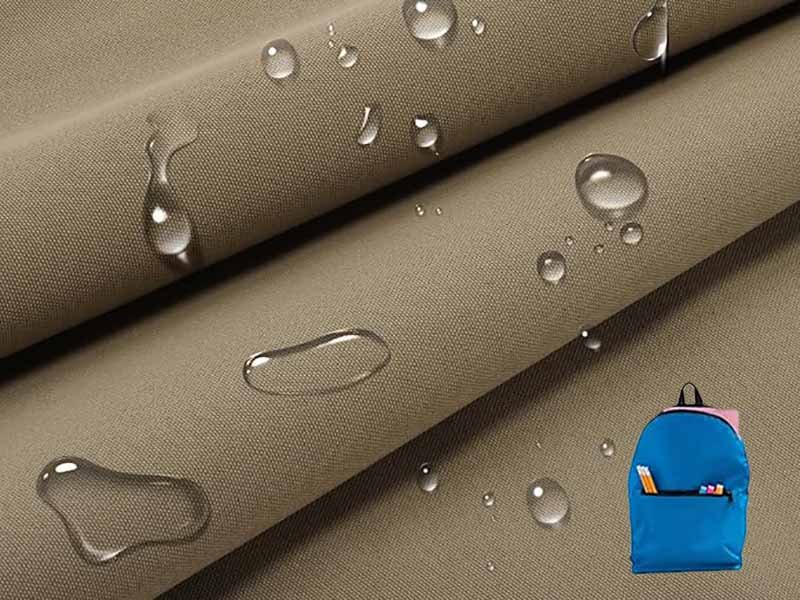
“Waterproof” is one of the most abused words in the bag industry. Nearly every product page claims it. Yet anyone who has carried a bag through rain, snow, airport floors, or a wet boat deck knows the truth: most bags fail not because they aren’t stylish, but because the fabric choice was wrong for real use.
For buyers, the confusion starts early. Is water-resistant the same as waterproof? Is PU coating enough? Why does one bag survive a storm while another leaks after five minutes? And perhaps the most searched question of all—which fabric is actually 100% waterproof?
The reality is uncomfortable but important: there is no single “best” waterproof fabric for all bags. A fabric that performs perfectly in a dry bag may be a terrible choice for a backpack. A lining that blocks water completely may trap moisture and shorten product life. Waterproof performance is not just about the fabric—it’s about structure, coating, lamination, seams, and use case.
The best waterproof fabrics for bags depend on how the bag is used. Fully waterproof materials like TPU-laminated fabrics and PVC provide maximum water protection, while PU-coated nylon and polyester balance waterproofing with flexibility and weight. Choosing the right waterproof fabric requires understanding performance ratings, construction methods, and real-world use conditions rather than relying on marketing claims alone.
A sourcing manager once told us: “Our bag passed the lab test, but customers still complained.” That single sentence captures why waterproof fabrics deserve a deeper look—one grounded in reality, not labels. Let’s break it down.
What Is a Waterproof Fabric

A waterproof fabric is a material that prevents water from passing through under sustained exposure and pressure. True waterproof performance comes from coatings, laminations, or non-porous layers—not from the fiber itself. A fabric is only considered waterproof when it can block water beyond light rain and resist penetration during real use, not just brief contact.
Why most “waterproof” fabrics confuse buyers
If you search online, almost everything is labeled waterproof. In reality, many of those fabrics only resist water briefly.
Here’s what buyers usually experience:
- A bag survives light rain
- Then leaks during heavy rain
- Or feels dry outside but damp inside
That’s because waterproof is not a material name—it’s a performance level.
Most failures happen when buyers assume:
- Fabric name = waterproof
- Thick fabric = waterproof
- Tight weave = waterproof
None of these are reliable on their own.
Waterproof vs water-resistant: the difference that matters
This is where real confusion starts.
| Term | What it actually means in use |
|---|---|
| Water-resistant | Slows water entry |
| Waterproof | Blocks water under pressure |
| Fully waterproof | Blocks water + sealed construction |
Water-resistant fabrics work for:
- Short exposure
- Light rain
- Splash protection
Waterproof fabrics are required for:
- Prolonged rain
- Wet ground contact
- Outdoor or marine environments
Most everyday backpacks are water-resistant, even if marketed otherwise.
How waterproof performance is actually defined
In manufacturing and testing, waterproofness is measured by hydrostatic head (mm)—how much water pressure a fabric can resist before leaking.
| Rating (mm) | Real-world meaning |
|---|---|
| < 1,000 mm | Splash only |
| 1,500–3,000 mm | Rain protection |
| 5,000 mm+ | Heavy rain |
| 10,000 mm+ | Near full waterproof fabric |
Important detail most buyers don’t know:
This test is done on new, flat fabric—before sewing, folding, or wear.
So a fabric rated 5,000 mm can still leak in a finished bag.
What actually makes a fabric waterproof
No common textile fiber—nylon, polyester, cotton—is waterproof by itself.
Waterproof performance comes from what’s added to the fabric:
- PU coating – flexible, common, moderate waterproofing
- TPU lamination – physical barrier, higher protection
- PVC coating – non-porous, fully waterproof
The base fabric provides strength.
The coating or film provides waterproofing.
If the coating fails, the fabric fails—no matter how strong the weave is.
What fabric is the most waterproof?
From a purely technical standpoint:
- PVC-coated fabrics
- TPU-laminated fabrics
These materials do not absorb water and do not rely on weave density. Water simply cannot pass through the material itself.
However, this comes with trade-offs:
- Heavier weight
- Stiffer feel
- Less breathability
That’s why these materials are used for dry bags, not daily backpacks.
Why “waterproof fabric” does not mean “waterproof bag”
This is one of the biggest real-world problems.
Even if the fabric is waterproof, bags still fail at:
- Stitch holes
- Seams
- Zippers
- Base corners
That’s why:
- Dry bags are welded, not sewn
- Most backpacks leak from seams, not panels
Without seam sealing or welding, no bag is truly waterproof—no matter what the fabric label says.
Real-world example buyers recognize
A common complaint:
“The fabric feels waterproof, but water still got inside.”
In most cases:
- The fabric passed lab testing
- The bag construction did not
This is why experienced brands look at fabric + construction + use case, not fabric alone.
What buyers should realistically expect
If a bag is made with:
- PU-coated fabric → expect rain protection, not submersion
- TPU-laminated fabric → expect strong moisture resistance
- PVC fabric + welded seams → expect true waterproof performance
Understanding this saves buyers from unrealistic expectations—and reduces returns and complaints.
Which Waterproof Fabrics Are Best for Bags

The best waterproof fabrics for bags depend on how the bag is used. PU-coated nylon and polyester work best for everyday backpacks and travel bags. TPU-laminated fabrics are better for outdoor and high-moisture environments. PVC-coated fabrics provide full waterproof protection but are mainly suitable for dry bags. The right choice balances waterproof level, weight, flexibility, and comfort.
Start with a reality check: bags don’t all need the same waterproof level
Most bags fail not because they are “not waterproof enough,” but because the fabric does not match the use case.
For example:
- A city backpack rarely needs submersion protection
- A travel bag needs spill and rain protection, not stiffness
- A dry bag must survive water exposure, even at the cost of comfort
Choosing the most waterproof fabric is often the wrong decision.
PU-coated nylon: the most balanced option for everyday bags
Why it’s widely used
PU-coated nylon is the most common waterproof fabric for backpacks because it balances weight, durability, and rain protection.
What it does well
- Resists rain and splashes
- Stays flexible after folding
- Handles abrasion better than polyester at similar weight
Typical performance
- Waterproof rating: 1,500–3,000 mm
- Fabric feel: soft to medium
- Weight impact: low
Best for
- Everyday backpacks
- Laptop bags
- Urban travel bags
Real-world limitation
Not designed for standing water or heavy pressure. Water usually enters through seams first, not the fabric.
PU-coated polyester: stable, cost-efficient, and consistent
Why brands choose it
Polyester holds color better than nylon and behaves more consistently in mass production.
What it does well
- Good rain resistance
- Lower cost than nylon
- Less stretch under load
Typical performance
- Waterproof rating: 1,500–3,000 mm
- Fabric feel: slightly stiffer than nylon
- Color performance: excellent
Best for
- Travel bags
- Promotional or private label bags
- Products needing color consistency across batches
Trade-off
Slightly lower abrasion resistance than nylon, but acceptable for most daily uses.
TPU-laminated fabrics: when water exposure is frequent
Why they exist
TPU lamination adds a physical waterproof film that water cannot pass through.
What it does well
- High waterproof reliability
- Better durability than PU coatings
- Resists cracking from flexing
Typical performance
- Waterproof rating: 5,000–10,000 mm+
- Fabric feel: medium-stiff
- Cost: higher
Best for
- Outdoor gear
- Marine and watersport bags
- Bags exposed to prolonged moisture
Real-world consideration
Heavier and less breathable. Overkill for daily carry.
PVC-coated fabrics: maximum waterproof, minimum comfort
Why they are used
PVC is non-porous. Water simply cannot pass through it.
What it does well
- Fully waterproof
- Can be welded instead of stitched
- Excellent for submersion resistance
Typical performance
- Waterproof rating: effectively unlimited
- Fabric feel: stiff
- Weight: heavy
Best for
- Dry bags
- Industrial and marine use
Why it’s rarely used for backpacks
- Uncomfortable to wear
- Poor flexibility in cold weather
- Excess weight for daily use
Which fabric is actually “100% waterproof”?
At the fabric level only:
- PVC-coated fabrics
- TPU-laminated fabrics
But at the bag level, waterproof performance also depends on:
- Seam construction
- Zipper type
- Welding vs stitching
A “100% waterproof fabric” can still result in a leaking bag.
which waterproof fabric fits which bag
| Bag Type | Best Fabric Choice | Reason |
|---|---|---|
| Daily backpack | PU-coated nylon | Light, flexible, rain-ready |
| Travel bag | PU-coated polyester | Stable, cost-efficient |
| Outdoor / marine | TPU-laminated fabric | High moisture resistance |
| Dry bag | PVC-coated fabric | Full waterproof protection |
| Premium lifestyle bag | PU or TPU hybrid | Balance of look & function |
How Do You Test Waterproof Performance

Waterproof performance is tested by measuring how much water pressure a fabric can resist before leaking, most commonly expressed as hydrostatic head (mm). However, lab test results alone do not guarantee a waterproof bag. Real-world performance depends on fabric condition after flexing, seam construction, and how the bag is actually used.
Why most buyers misunderstand waterproof testing
Many buyers see a number like “5,000 mm” and assume the bag is waterproof. Then they use the bag in rain—and water gets inside.
That happens because:
- The test was done on new, flat fabric
- The bag has stitches, seams, and folds
- Water pressure in real use is uneven
Testing numbers are useful—but only if you understand what they do and don’t measure.
How waterproofness is measured in the lab (mm explained simply)
The most common test measures how high a column of water can sit on the fabric before water passes through.
| Rating (mm) | What it actually means |
|---|---|
| 500–1,000 | Splash protection |
| 1,500–3,000 | Rain protection |
| 5,000+ | Heavy rain resistance |
| 10,000+ | Near full fabric waterproofing |
Important detail:
- This test uses clean, unused fabric
- No stitching, no seams, no wear
So a 5,000 mm fabric can still leak once sewn into a bag.
Why lab ratings don’t match real-world use
In real life, bags experience:
- Folding and creasing
- Abrasion against clothing and floors
- Pressure from packed contents
- Long exposure to moisture
Each of these reduces waterproof performance over time.
Most failures occur at:
- Stitch holes
- Seam overlaps
- Zipper edges
- Bottom panels
None of these are evaluated in standard lab fabric tests.
How coatings and laminations change test results
Waterproof performance comes from coatings or films, not the base fabric.
- PU coating: flexible, moderate waterproofing
- TPU lamination: stronger barrier, higher durability
- PVC coating: non-porous, fully waterproof
However:
- PU coatings thin with abrasion
- Laminations resist wear but increase stiffness
- PVC stays waterproof but adds weight
Two fabrics with the same mm rating may perform very differently after months of use.
Why flex testing matters
Bags are bent thousands of times.
After repeated flexing:
- PU coatings develop micro-cracks
- Lamination edges may peel
- Waterproof ratings drop significantly
Experienced manufacturers test fabrics after flex cycles, not just once. This step is often skipped to save time or cost—but it’s where problems appear.
Simple real-world tests buyers can actually do
You don’t need a lab to catch major issues.
Basic checks that reveal problems:
- Pour water on a folded area and wait 10 minutes
- Press water against the fabric with a weight
- Check the backside for damp spots
- Repeat after bending the fabric several times
If water shows through, real-world use will expose it faster.
Testing the bag, not just the fabric
A fabric can pass all tests—and the bag can still fail.
Critical bag-level checks:
- Seam leakage under pressure
- Zipper water entry
- Base panel resistance to wet ground
This is why dry bags use welded seams, not stitching.
What good testing looks like in real projects
Reliable projects usually include:
- Lab hydrostatic head testing
- Flex testing after coating
- Sample bag rain testing
- Bottom panel stress testing
Skipping any of these increases failure risk.
What Are Common Waterproof Coatings and Finishes

Common waterproof coatings and finishes for bag fabrics include PU coating, TPU lamination, PVC coating, and DWR surface treatment. These finishes differ greatly in waterproof level, durability, flexibility, and weight. Choosing the right one depends on how long the bag is exposed to moisture, how often it is flexed, and whether comfort or full waterproof protection matters more.
Why coatings matter more than fabric names
Most buyers focus on fabric names—nylon, polyester, canvas.
In reality, coatings and finishes determine waterproof performance, not the base fabric.
Two bags made from the same polyester can perform completely differently if:
- One uses thin PU coating
- One uses thick PU coating
- One uses TPU lamination
This is also why “same material” products from different suppliers behave differently after a few months.
PU Coating (Polyurethane): the most common choice
What PU coating actually does
PU coating is a liquid polyurethane layer applied to the back of fabric. Once cured, it slows or blocks water penetration.
Typical waterproof range:
1,500–5,000 mm (depending on thickness)
Why it’s widely used
- Flexible and soft
- Lightweight
- Cost-effective
- Suitable for daily carry bags
Where PU coating works best
- Backpacks
- Travel bags
- Laptop bags
- Everyday waterproof bags
Real-world limitations
PU coating wears down with:
- Repeated folding
- Abrasion at base panels
- Long-term humidity
Most customer complaints (“waterproof at first, then leaks”) trace back to PU coating thinning over time, not fabric failure.
TPU Lamination: when waterproof reliability matters more
What TPU lamination is
TPU lamination bonds a solid waterproof film to the fabric surface. Water cannot pass through the film itself.
Typical waterproof range:
5,000–10,000 mm+
Why brands choose TPU
- More durable than PU coating
- Resistant to cracking
- Maintains waterproofing longer
Where TPU works best
- Outdoor backpacks
- Marine and watersport bags
- High-humidity environments
Trade-offs users feel
- Slightly stiffer fabric
- Less breathable
- Higher cost
TPU is often unnecessary for city bags but essential for prolonged moisture exposure.
PVC Coating: maximum waterproof, maximum trade-offs
What PVC coating does
PVC creates a non-porous surface. Water cannot penetrate the material at all.
Waterproof level:
Effectively 100% waterproof at fabric level
Why it’s used
- Allows heat welding instead of stitching
- Ideal for submersion resistance
Best applications
- Dry bags
- Marine gear
- Industrial waterproof containers
Why it’s rarely used for backpacks
- Heavy
- Stiff, especially in cold weather
- Uncomfortable for long wear
PVC solves water problems—but creates comfort problems.
DWR (Durable Water Repellent): the most misunderstood finish
What DWR really is
DWR is a surface treatment that makes water bead and roll off.
It does not block water.
Typical behavior
- Works well when new
- Wears off with use and washing
- Needs reapplication
Where DWR is useful
- As a first barrier on coated or laminated fabrics
- To reduce surface wetting and dirt buildup
Where DWR fails
- Used alone
- Expected to provide waterproofing
Many “waterproof” marketing claims rely heavily on DWR—but once it wears off, water penetrates quickly.
coatings and finishes that matter
| Finish Type | Waterproof Level | Durability | Flexibility | Weight | Best Use |
|---|---|---|---|---|---|
| PU coating | Medium | Medium | High | Light | Daily bags |
| TPU lamination | High | High | Medium | Medium | Outdoor / marine |
| PVC coating | Full | Very high | Low | Heavy | Dry bags |
| DWR only | Low | Low | High | None | Surface protection |
Why many waterproof bags fail after launch
Most failures happen because:
- Coating thickness was reduced to cut cost
- Only lab tests were done on new fabric
- High-wear zones weren’t reinforced
- Wrong coating was chosen for the use case
This is why experienced manufacturers don’t ask “Which coating is the best?”
They ask “Where will this bag actually fail first?”
How experienced brands choose coatings
Brands with low return rates usually:
- Combine finishes (PU + DWR, TPU + reinforced base)
- Use stronger coatings only where needed
- Balance waterproofing with flexibility
Over-engineering waterproofing often hurts comfort and usability.
Simple rule that prevents most mistakes
If the bag is:
- Worn daily
- Folded often
- Carried for hours
Choose flexible waterproofing (PU or TPU).
If the bag is:
- Exposed to water constantly
- Possibly submerged
Choose PVC or welded TPU.
Why coating experience matters in OEM projects
Two suppliers may both offer “PU-coated fabric.”
The difference lies in:
- Coating weight control
- Cure consistency
- Aging performance
That’s why waterproof projects benefit from suppliers who understand both fabric finishing and bag construction, not just material sourcing.
How to Choose Waterproof Fabric Based on Use Case

The right waterproof fabric depends on where, how long, and how often the bag is used. Daily backpacks need flexible, lightweight waterproof fabrics, while outdoor and marine bags require fully waterproof materials. Choosing by use case—not by the highest waterproof rating—results in better comfort, longer lifespan, and fewer real-world failures.
Start with use, not fabric names
Most buyers start by asking “Which fabric is most waterproof?”
Experienced buyers start by asking “Where will water actually come from?”
In real life, water exposure usually comes from:
- Rain during commuting
- Wet floors, snow, or spills
- Condensation inside the bag
- Long contact with damp surfaces
Very few bags are actually submerged. Designing for submersion when it’s not needed often creates new problems: excess weight, stiffness, and poor comfort.
Everyday backpacks and laptop bags
Typical water risks
- Rain for 10–30 minutes
- Placing the bag on wet ground
- Accidental bottle spills inside
What matters most
- Flexibility
- Light weight
- Comfort during long wear
Best fabric choice
- PU-coated nylon
- PU-coated polyester
Why this works
- Waterproof rating of 1,500–3,000 mm is enough for rain
- Fabric stays soft and wearable
- Lower weight reduces shoulder fatigue
Common mistake
Choosing TPU or PVC “just to be safe” often results in a stiff bag that users dislike after a week.
Travel bags and carry-on luggage
Typical water risks
- Airport floors
- Overhead bin condensation
- Rain during transfers
- Long storage in damp environments
What matters most
- Stable waterproof performance
- Good abrasion resistance
- Easy cleaning
Best fabric choice
- PU-coated polyester
- PU-coated nylon with reinforced base
Why
- Polyester offers better color consistency across batches
- Reinforced base panels protect against floor moisture
- Waterproof rating around 2,000–3,000 mm is sufficient
Travel bags see higher wear on the bottom panel than on side panels—reinforcement matters more than higher overall waterproof ratings.
Outdoor, hiking, and camping bags
Typical water risks
- Prolonged rain
- Wet vegetation
- High humidity
- Occasional heavy splash
What matters most
- Reliable waterproofing
- Coating durability under flexing
- Resistance to abrasion
Best fabric choice
- TPU-laminated fabric
- Heavy-duty PU-coated nylon
Why
- TPU resists cracking better than thick PU alone
- Higher waterproof rating (5,000 mm+) adds margin for prolonged exposure
Trade-off
- Slightly heavier
- Less breathable
For outdoor use, reliability matters more than softness.
Dry bags and marine use
Typical water risks
- Direct water contact
- Splashing
- Short submersion
What matters most
- Zero leakage
- Seam integrity
Best fabric choice
- PVC-coated tarpaulin
- TPU laminated fabric with welded seams
Why
- Non-porous materials
- Heat-welded construction eliminates stitch holes
These bags are waterproof but uncomfortable for daily wear. They are tools, not lifestyle products.
Premium lifestyle and fashion bags
Typical water risks
- Light rain
- Spills inside the bag
- Occasional wet surfaces
What matters most
- Appearance
- Hand feel
- Weight control
Best fabric strategy
- Moderate PU-coated outer fabric
- Waterproof, wipe-clean lining
Why
- Full waterproof outer fabric often ruins drape and texture
- Waterproof lining protects contents from internal spills
This approach solves real problems without sacrificing design.
Which fabric works best for bag lining
Many waterproof failures start inside the bag, not outside.
Best lining materials
- PU-coated polyester lining
- TPU laminated lightweight fabric
- PEVA or similar wipe-clean synthetics
Why
- Liquids don’t soak in
- Odors are reduced
- Easy to clean with wipes
Avoid cotton or brushed linings in waterproof bags—they absorb moisture and cause long-term complaints.
Quick use-case selection table
| Use Case | Best Fabric | Waterproof Level |
|---|---|---|
| Daily backpack | PU-coated nylon | Medium |
| Travel bag | PU-coated polyester | Medium |
| Outdoor backpack | TPU laminate | High |
| Dry bag | PVC / welded TPU | Full |
| Fashion bag | PU outer + waterproof lining | Controlled |
What buyers often get wrong
- Choosing the highest waterproof rating for city use
- Ignoring stiffness and added weight
- Forgetting lining waterproofing
- Expecting stitched bags to be fully waterproof
These mistakes lead to discomfort, higher return rates, and poor reviews.
Do Waterproof Fabrics Affect Comfort and Weight
Yes. Higher waterproof performance usually increases fabric weight and stiffness. Fully waterproof fabrics protect better against water but reduce flexibility and add noticeable weight, which can cause shoulder and back fatigue during daily use. For most everyday bags, moderate waterproofing provides better comfort than maximum waterproof protection.
Why this matters more than most buyers expect
Most people focus on whether a bag keeps water out. They rarely think about how the bag feels after one hour of carrying.
In real use:
- Waterproof layers add weight
- Stiffer fabrics don’t move with the body
- Heavier bags amplify shoulder strain
These effects don’t show up in product photos—but they show up quickly in real life.
How much weight waterproofing actually adds
Waterproof performance comes from extra material layers. Each layer adds grams—and those grams add up.
Typical fabric weight impact
| Waterproof Method | Added Fabric Weight |
|---|---|
| Light PU coating | +5–10% |
| Thick PU coating | +10–20% |
| TPU lamination | +15–25% |
| PVC coating | +25–40% |
On a medium backpack, this often translates to:
- +300–800 grams total bag weight
That’s the difference between “easy to carry” and “feels heavy after 30 minutes.”
Why stiffness affects comfort more than weight
Weight matters—but stiffness matters more.
What stiff fabrics do in real life
- Dig into shoulders instead of draping naturally
- Create pressure points along the back
- Feel worse in cold weather
Fully waterproof fabrics rely on non-porous layers. Those layers reduce stretch and airflow, making the bag feel rigid.
This is why dry bags feel uncomfortable to wear, even when empty.
How different waterproof fabrics feel when carried
PU-coated fabrics (most daily bags)
- Soft and flexible
- Move with the body
- Comfortable for long wear
TPU-laminated fabrics (outdoor use)
- Noticeably firmer
- Less breathable
- Acceptable for shorter or utility-focused use
PVC-coated fabrics (dry bags)
- Very stiff
- Heavy
- Not suitable for extended carry
Choosing a fabric that “feels wrong” leads to user fatigue, even if waterproofing is excellent.
Why lining choice also affects comfort
Comfort isn’t only about the outer fabric.
Heavy linings:
- Add unnecessary weight
- Reduce internal flexibility
- Trap heat and moisture
Light, wipe-clean linings:
- Keep weight down
- Improve internal airflow
- Reduce odor buildup
Many complaints about “heavy bags” are actually caused by overbuilt linings, not shells.
Where users feel discomfort first
Based on user feedback, discomfort usually appears in this order:
- Shoulders
- Upper back
- Lower back
This happens faster when:
- Bag weight exceeds 5–6 kg
- Fabric stiffness prevents load from distributing evenly
Waterproof fabric choice directly affects how weight is distributed.
Why “maximum waterproof” is often the wrong goal
Daily bags don’t face submersion. They face:
- Rain
- Wet floors
- Spills
Designing for extreme waterproofing introduces problems users didn’t ask for:
- Extra weight
- Reduced comfort
- Higher cost
That’s why many premium daily bags intentionally limit waterproofing to maintain usability.
How good designs balance comfort and waterproofing
Experienced designers often:
- Use waterproof fabric only on the outer shell
- Reinforce the base panel, not the whole bag
- Pair moderate waterproofing with wipe-clean linings
This targeted approach protects where water exposure is highest—without making the bag uncomfortable.
Quick comfort-first fabric guide
| Use Case | Comfort Priority | Best Waterproof Choice |
|---|---|---|
| Daily backpack | High | Light PU-coated nylon |
| Travel bag | Medium-High | PU-coated polyester |
| Outdoor pack | Medium | TPU-laminated fabric |
| Dry bag | Low | PVC-coated fabric |
Conclusion
Lovrix is a China-based group manufacturer with over 19 years of experience in fabric development, webbing production, and bag manufacturing. Unlike suppliers that only assemble bags, Lovrix controls critical components that determine waterproof performance:
- Fabric coating and lamination options
- Webbing strength and water resistance
- Bag structure and seam engineering
Whether you are developing a waterproof backpack, travel bag, dry bag, or premium lifestyle product, Lovrix helps you choose the right waterproof solution—not just the highest rating.
Contact Lovrix today to request samples, technical advice, or a custom quotation and turn waterproof claims into real performance.


