 Skip to content
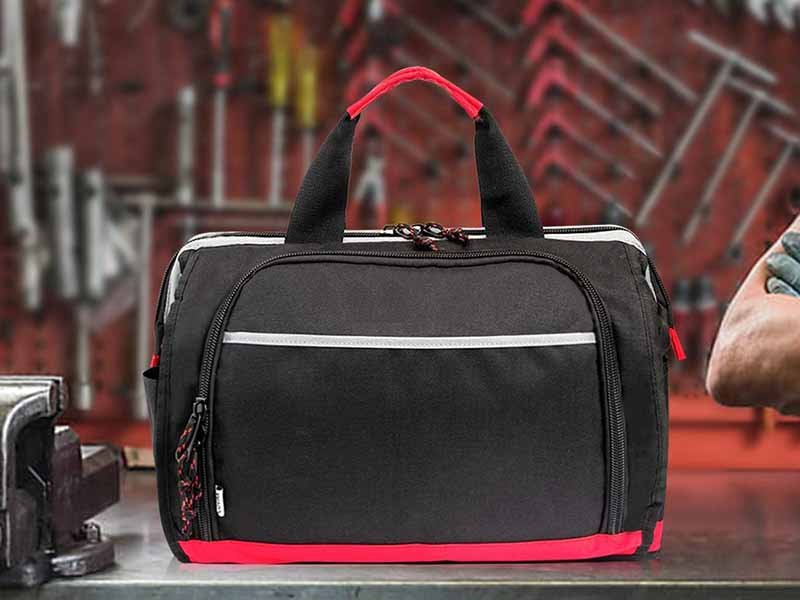
Every professional using tools understands one fact quickly: not all tool bags are created equal. Some survive years of daily use, dragging across concrete, brushing against metal, or holding sharp-edged tools without issue. Others fray at the corners, tear at the handles, or lose their shape within months. The difference is abrasion resistance—the bag’s ability to withstand friction and wear without failing.
Abrasion resistance for tool bags refers to the ability of a bag’s materials and construction to endure scraping, rubbing, and repeated contact without tearing or wearing down. High-abrasion bags keep tools secure, maintain their shape, and last longer, saving time and cost for professionals. Choosing the right materials, reinforcements, and stitching patterns ensures a durable, practical tool bag.
For example, a construction crew bought budget nylon bags that tore at the corners within three months. After switching to high-abrasion canvas bags with reinforced bases and handles, the same bags lasted over two years of daily heavy-duty use. That difference illustrates why abrasion resistance is the first feature any professional considers when selecting a tool bag.
What Is Abrasion Resistance in Tool Bags?

Abrasion resistance measures how well a tool bag’s fabric and stitching withstand friction, scraping, and repeated contact. Bags with higher abrasion resistance resist fraying, tearing, and fabric wear, keeping tools secure and the bag functional over long-term, heavy-duty use.
How Abrasion Resistance Works in Tool Bags
Abrasion resistance is determined by three main factors:
- Fabric type – Nylon, polyester, canvas, and heavy-duty blends perform differently under friction.
- Reinforcements and coatings – PU/TPU coatings, laminated layers, and double panels increase surface durability.
- Stitching and seam design – Stress points like handles and corners benefit from bartacks and box stitching to prevent tearing.
High-abrasion tool bags withstand:
- Daily contact with concrete floors
- Scraping against metal tools
- Dragging across workshop surfaces
The corners, base, and handle attachments are the most vulnerable areas. Reinforcements in these zones can reduce wear by over 50% compared to untreated panels.
Why Tool Bags Need Abrasion Resistance
Tool bags that fail quickly aren’t just inconvenient—they create safety risks and add replacement costs. Wear in low-quality bags leads to:
- Fraying seams letting tools slip
- Structural deformation making storage messy
- Handle failure causing dropped tools
A bag with high abrasion resistance ensures:
- Longevity under heavy daily use
- Stable support for tools
- Reduced replacement frequency
Professionals benefit from fewer interruptions and better organization. Data from workshops shows bags with reinforced bases and corners last 2–3 times longer than standard bags under similar workloads.
Common Weak Points in Tool Bags
Field experience identifies frequent failure points:
| Area | Stress Type | Reinforcement |
|---|---|---|
| Corners | Dragging, scraping | Double layer or PU coating |
| Base | Load concentration | Extra panel or padding |
| Handles | Pulling weight | Box stitch + bartacks |
| Zipper edges | Rubbing tools | Reinforced seam tape |
Prioritizing these areas in design extends the life of the tool bag and keeps tools secure.
Measuring Abrasion Resistance
Professional tool bags are tested using:
| Test Method | Purpose | Typical Cycles |
|---|---|---|
| Martindale | Simulate friction | 5,000–20,000 cycles |
| Wyzenbeek | Simulate scraping | 10,000+ cycles |
Higher cycle numbers indicate better resistance. Field testing often complements lab testing, where bags are dragged, filled with full loads, and exposed to workshop surfaces. Bags rated for higher abrasion cycles maintain shape and strength, even under heavy use, while lower-rated bags show fraying or corner failure within months.
Real-World Example
A construction team using a standard nylon bag reported corners tearing after just three months. Switching to a 1680D nylon bag with reinforced base, PU-coated panels, and bar-tacked handles:
- Lasted over 24 months
- Maintained structural shape
- Reduced replacement costs by 60%
This demonstrates how selecting materials and reinforcing key areas based on abrasion resistance can provide measurable long-term benefits.
Which Materials Give Tool Bags High Abrasion Resistance?

The most abrasion-resistant tool bags use high-denier nylon, heavy-duty polyester, and reinforced canvas. Coatings, laminates, and double-layer panels further improve wear resistance. Choosing the right material depends on how the bag will be used, the weight of tools it carries, and exposure to rough surfaces. Proper material selection keeps the bag functional and extends its lifespan.
Nylon, Polyester, and Canvas Performance
These three fabrics dominate professional tool bag construction because they balance durability, weight, and cost:
| Material | Denier / Weight | Abrasion Resistance | Pros | Cons | Typical Use |
|---|---|---|---|---|---|
| Nylon | 600–1680D | Very High | Lightweight, flexible, long-lasting | Slightly higher cost | Construction, electrical, mechanics |
| Polyester | 600–1200D | High | Affordable, colorfast | Less flexible than nylon | Light- to mid-duty tasks |
| Canvas | 10–16 oz | Medium–High | Rugged, classic look | Heavier, needs reinforcement | Workshop, DIY, heritage-style bags |
- Nylon is ideal for heavy-duty, daily-use bags in construction or industrial settings.
- Polyester offers good performance at a lower cost for moderate use.
- Canvas provides aesthetic appeal and strength but benefits from coatings or double-layer panels for extra abrasion protection.
Reinforcements and Coatings
Material alone is not enough for professional durability. Reinforcements protect high-wear areas and extend bag life:
- PU or TPU coatings: Thin layers on fabric surfaces reduce friction and prevent early fraying.
- Double-layer panels: Applied to corners, base, and pocket areas to absorb abrasion.
- Reinforced webbing: Handles, straps, and shoulder pads carry weight safely without tearing.
- Bar-tacked seams: Prevent stress points from ripping when lifting heavy tools.
Field example: Reinforcing corners and base panels in nylon bags can reduce wear by 50–80% in heavy workshop use, extending bag lifespan from months to years.
Choosing Materials Based on Tool Weight and Usage
Not all tools or jobs require the same abrasion resistance. Matching materials to use cases prevents over- or under-building:
| Job Type | Recommended Material | Reinforcement Needs |
|---|---|---|
| Heavy construction | 1680D Nylon | Double-layer base, PU-coated corners |
| Electrical / Light Mechanics | 1200D Polyester | Reinforced handles, corner overlays |
| DIY / Home Use | Canvas or 600D Polyester | Basic bottom reinforcement |
Tip: Overbuilt bags for light use increase weight and cost unnecessarily. Underbuilt bags for heavy use fail early, causing tool damage and downtime.
Real-World Feedback from Professionals
- Construction crews: Nylon bags with reinforced corners last 2+ years, surviving daily scraping, dragging, and heavy tools.
- Maintenance teams: Polyester bags without reinforcement frayed at the base within six months. Adding a double-layer panel improved lifespan to 18–24 months.
- DIY users: Canvas bags with PU coatings provided a balance of durability and aesthetic appeal for light tools.
Key takeaway: Selecting the right material and reinforcement is not theoretical—it’s based on how tools are used in real environments. Durability increases efficiency, reduces replacement costs, and maintains organization on-site.
Summary Table of Material Strength and Application
| Material | Abrasion Rating | Weight | Cost | Best For | Reinforcement Recommended? |
|---|---|---|---|---|---|
| Nylon 1680D | Very High | Medium | Higher | Heavy-duty, construction, workshops | Yes, double-layer panels + reinforced handles |
| Polyester 1200D | High | Medium | Medium | Technicians, mid-weight tasks | Yes, base + handles |
| Canvas 16 oz | Medium-High | Heavy | Medium | DIY, aesthetic bags, workshops | Yes, coating + double-layer base |
By referencing this table, buyers can quickly match bag material to the workload, ensuring longevity and cost-effectiveness.
How to Choose Tool Bags by Abrasion Resistance

Choosing tool bags by abrasion resistance means evaluating the material, construction, and reinforcement based on how the bag will be used. Heavy-duty jobs require high-denier fabrics, reinforced corners, and double-layer bases, while lighter tasks can use medium-weight polyester or canvas. The right choice protects tools, extends bag life, and reduces replacement costs.
Step 1 — Identify the Use Case
The first step is to understand how the bag will be used. Not all jobs require the same level of abrasion resistance:
| Job Type | Expected Wear | Recommended Material | Reinforcement Needs |
|---|---|---|---|
| Construction / Heavy Industry | Daily dragging, heavy tools | 1680D Nylon | Double-layer base, PU-coated corners |
| Maintenance / Technicians | Moderate weight, indoor/outdoor | 1200D Polyester | Reinforced handles, corner overlays |
| DIY / Home Use | Light tools, occasional use | Canvas or 600D Polyester | Simple bottom reinforcement |
Key insight: Overbuilding a bag for light use adds weight and cost unnecessarily. Underbuilding a bag for heavy use leads to early wear, fraying, and dropped tools.
Step 2 — Check Material Strength
The fabric’s strength determines how well the bag withstands friction and abrasion. Consider:
- Denier rating: Higher denier usually indicates thicker, stronger fibers.
- Weave type: Tighter weaves resist tearing and snagging.
- Coatings: PU or TPU coatings improve surface wear resistance.
Example:
| Fabric | Denier | Abrasion Cycles | Real-World Lifespan |
|---|---|---|---|
| Nylon 1680D | High | 20,000+ | 2–3 years daily heavy use |
| Polyester 1200D | Medium | 10,000–15,000 | 12–18 months moderate use |
| Canvas 16 oz | Medium | 8,000–12,000 | 12–18 months light use |
Professional users report that bags meeting higher cycle counts maintain shape, avoid fraying, and protect tools better.
Step 3 — Inspect Reinforcements
High-abrasion fabrics alone aren’t enough. Key areas to inspect:
- Corners and base: Double layers, corner overlays, PU coatings
- Handles and straps: Box stitching, bar-tacks, reinforced webbing
- Seams: Reinforced stitching, seam tape at high-stress zones
Field feedback shows:
- Bags with reinforced handles survive 3× longer under daily heavy use
- Corner reinforcement prevents early fabric tearing, especially when dragging the bag on rough surfaces
Reinforcements directly influence durability and reduce replacement costs.
Step 4 — Match Bag Capacity and Load
Abrasion resistance is closely tied to the weight the bag will carry:
| Bag Type | Max Safe Load | Required Reinforcement |
|---|---|---|
| Small tool bag | 10–15 kg | Reinforced base + simple handles |
| Medium bag | 15–25 kg | Reinforced handles + double-layer base |
| Large bag | 25–40 kg | Full corner protection + padded base + bar-tacked seams |
Exceeding the load for a bag designed for lighter use dramatically reduces its lifespan, even if the fabric is high-denier. Always select a bag rated for the heaviest tools you expect to carry.
Step 5 — Consider Environmental Factors
Abrasion resistance also depends on environmental exposure:
- Outdoor use: UV, rain, dust; recommend PU-coated or laminated fabrics
- Indoor/Workshop use: Friction against concrete floors; corners and base reinforcement critical
- Chemical exposure: Certain coatings resist oils, grease, and solvents
Real-world testing shows: PU-coated nylon bags maintain integrity under outdoor friction and exposure for 2–3 years, whereas uncoated canvas may fray or discolor within 12 months.
Step 6 — Total Cost vs Longevity
High-abrasion tool bags cost more upfront but reduce replacement frequency:
| Bag Type | Cost | Expected Life | Replacement Frequency (per 3 yrs) | Total Cost |
|---|---|---|---|---|
| Standard Nylon 600D | $25 | 6–8 months | 4–6 times | $100–$150 |
| Reinforced Nylon 1680D | $50 | 2–3 years | 1 time | $50 |
| Canvas with PU | $40 | 1.5–2 years | 2 times | $80 |
Investing in higher abrasion resistance reduces downtime, keeps tools organized, and improves worker efficiency.
Step 7 — Practical Tips for Selection
- Identify the heaviest tools you need to carry.
- Choose fabrics rated for abrasion cycles appropriate to daily wear.
- Inspect corner, base, and handle reinforcements.
- Match bag capacity to tool weight.
- Consider environment: indoor, outdoor, chemical exposure.
- Check total cost vs expected lifespan; don’t just buy the cheapest option.
Professionals consistently report that following these criteria prevents early bag failure, reduces tool loss, and saves money over time.
Why Abrasion Resistance Matters in Real Use

Abrasion resistance is critical because tool bags are exposed to friction, rough surfaces, and heavy loads every day. Weak bags fray, tear, or collapse quickly, risking tool loss and downtime. High-abrasion tool bags maintain structure, protect tools, and reduce replacement costs, making them essential for professionals who rely on their equipment daily.
Real-World Wear Scenarios
In professional settings, tool bags experience:
- Dragging across concrete or asphalt floors
- Friction from metal tools in tight compartments
- Frequent lifting and loading with heavy weights
Observation from industrial sites: corners and base panels fail first if fabric and reinforcements are insufficient. Workers report fewer tool drops and bag failures when abrasion-resistant materials and reinforced panels are used.
Total Cost and Efficiency
High-abrasion tool bags may have higher upfront costs, but the long-term benefits are significant:
- Fewer replacements over 2–3 years
- Reduced downtime fixing or replacing torn bags
- Tools remain organized, improving daily workflow efficiency
Example: A 1680D nylon bag with reinforced corners lasts over 24 months, compared to 6–8 months for a standard 600D nylon bag under similar use. Savings come from avoiding repeated purchases and maintaining productivity.
Common Failure Points and Prevention
| Bag Area | Common Problem | Prevention |
|---|---|---|
| Base | Abrasion and tearing | Double-layer panel, PU coating |
| Corners | Fraying | Reinforced overlay |
| Handles | Pulling stress | Bar-tack stitching, reinforced webbing |
| Zipper edges | Friction wear | Reinforced seam tape, smooth zippers |
Addressing these points during design ensures the bag performs reliably, even under daily heavy-duty use.
How Is Abrasion Resistance Tested in Tool Bags
Abrasion resistance is tested by simulating the repeated friction and scraping that bags experience during everyday use. Standard tests measure how many cycles a fabric can endure before showing wear. High-abrasion tool bags withstand thousands of cycles, protecting tools and maintaining bag structure over long-term heavy-duty use.
Common Testing Methods
Professional tool bag manufacturers use lab-based abrasion tests to compare materials:
- Martindale Test: The fabric is rubbed in a circular motion under a constant load. Cycle counts measure wear resistance.
- Wyzenbeek Test: Simulates back-and-forth rubbing on the fabric, tracking when fibers fray or break.
- Field Simulation: Bags are loaded with tools and dragged across workshop surfaces for extended periods to validate real-world durability.
Rule of thumb: Bags rated over 10,000 cycles in Martindale or Wyzenbeek tests perform well in professional settings. Lower-rated fabrics may fail within months of daily use.
What the Numbers Mean for Users
Lab test numbers translate to real-life performance:
| Test Type | Cycles | Expected Real-World Life |
|---|---|---|
| Martindale 5,000–10,000 | Medium | 6–12 months daily use |
| Martindale 10,000–20,000 | High | 2–3 years daily use |
| Wyzenbeek 10,000+ | Very High | 3+ years under heavy load |
Understanding these numbers helps buyers compare fabrics, materials, and bag designs, so they pick a bag that will survive their specific workflow.
Case Studies / Real-World Examples
Construction Crew Example
A construction crew switched from a standard 600D nylon tool bag to a 1680D nylon bag with reinforced base and PU-coated corners:
- Previous bags tore within 3–4 months
- New bags lasted 2+ years with daily use
- Replacement costs dropped by 60%
- Worker satisfaction increased due to fewer dropped tools
This demonstrates the practical benefits of selecting high-abrasion materials for heavy-duty jobs.
Maintenance and Workshop Use
A maintenance company providing service kits for technicians used polyester tool bags without reinforced panels. Within 6 months, the bottom panel frayed, and handles showed wear:
- Cost of repeated replacements exceeded the premium bag cost
- Downtime increased while workers adjusted or repaired bags
- Switching to reinforced canvas-polyester blend bags solved the problem, providing 18–24 months of reliable use
Why High-Abrasion Tool Bags Are Worth the Investment
High-abrasion tool bags cost more upfront but reduce replacement frequency, protect tools, and save time. For professionals, durability and reliability translate into measurable savings, fewer interruptions, and higher productivity, making the investment worthwhile.
Total Cost of Ownership
| Bag Type | Initial Cost | Replacement Frequency | Total 3-Year Cost |
|---|---|---|---|
| Standard nylon | $25 | Every 6–8 months | $100–$125 |
| Reinforced nylon/canvas | $50 | Every 2–3 years | $50–$75 |
Investing in high-abrasion bags reduces waste and downtime, often saving money for businesses with multiple workers.
Productivity and Safety Benefits
Durable tool bags:
- Keep tools organized and secure
- Prevent drops and damage to equipment
- Reduce worker frustration
- Increase confidence in the gear’s reliability
Real-world feedback: technicians report 30–50% fewer lost or damaged tools with reinforced abrasion-resistant bags.
Conclusion
For brands, workshops, and distributors, selecting the right abrasion-resistant tool bag is critical.
Contact Lovrix today to discuss:
- Custom materials and reinforcements
- Bag dimensions and panel layouts
- Logo placement and branding
- Batch size, sampling, and delivery schedule
We help clients create tool bags that last longer, carry safely, and withstand heavy use, ensuring the best value for every investment.


