 Skip to content
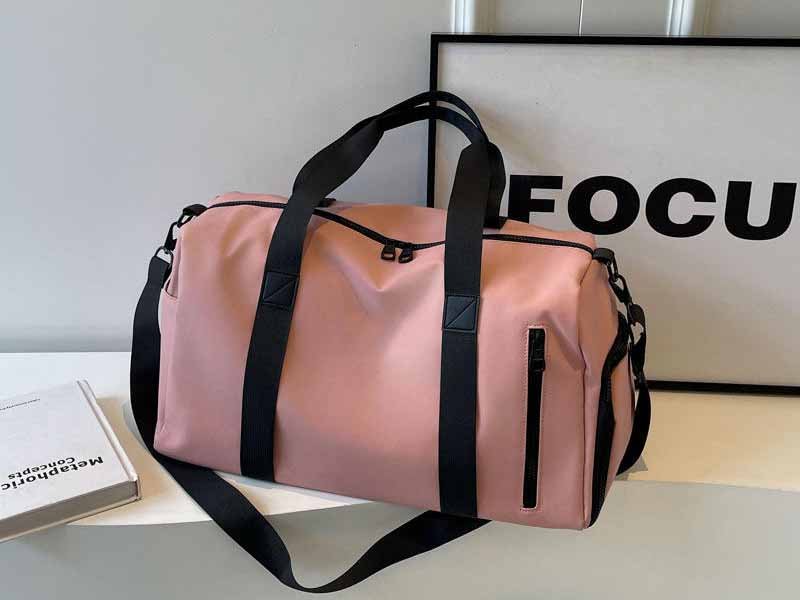
A premium bag does not become premium because the marketing team calls it premium. It becomes premium when the material, structure, hand feel, color, stitching, lining, hardware, logo process, and final use experience all support the same promise. Many brands start material selection by asking, “Which material looks expensive?” That is the wrong first question. A better question is: “Which material can carry our design, survive real use, match our price tier, and stay consistent in bulk production?” When a customer touches a bag, they judge the surface before they read the label. When they carry it, they judge the weight, balance, handle comfort, and zipper movement before they think about the material name. That is why material selection should be treated as a commercial decision, not a decorative choice.
To choose materials for premium bags, brands should match the material to the bag’s use, structure, target price, durability needs, logo method, compliance requirements, and bulk production plan. The best material is not always the most expensive one. It is the material that makes the final bag look refined, feel reliable, perform well, and stay repeatable across future orders.
One small material decision can change the whole project. A tote that looked beautiful in a soft fabric may collapse when filled. A laptop bag made from a luxury-looking surface may fail if the foam, lining, and seam reinforcement are weak. A travel bag can look strong in photos but feel cheap if the webbing, zipper, and coating do not match the main fabric. This is why material selection should happen before sampling, not after the first sample fails.
What Makes a Bag Material Premium?

A premium bag material is not defined by price alone. It should combine refined appearance, stable hand feel, suitable structure, durability, color consistency, branding compatibility, and repeatable bulk production performance. The right material makes the bag look valuable, feel reliable, work in real use, and remain consistent across different production batches.
Material Is the First Quality Decision
In bag manufacturing, quality does not begin at the sewing line. It begins when the material is selected. The same design can feel completely different when made with full-grain leather, coated nylon, waxed canvas, microfiber PU, or recycled polyester. A premium material should support the product’s purpose before it supports the brand story.
For example, a soft leather may look refined on a small handbag, but it may sag on a large tote without reinforcement. A technical nylon may not look “luxury” in the traditional sense, but it can feel premium in a travel bag because it is light, strong, water-resistant, and practical. A thick canvas may feel authentic and durable, but if shrinkage and color variation are not controlled, it can create problems in bulk production.
A good material choice should answer five questions: Does it fit the bag type? Does it support the target price? Does it match the brand image? Does it perform under real use? Can the same quality be repeated in mass production? If one of these answers is weak, the material may still be attractive, but it may not be right for the project.
Premium Means Balanced Performance
Many brands overfocus on surface appearance. The material looks good in a photo, so the team assumes the bag will feel premium. In real use, customers judge more than appearance. They feel the surface, open the zipper, carry the handle, look inside the lining, check the logo, and notice whether the bag keeps its shape after being filled.
Premium performance usually includes several layers. The outer material creates first impression. The lining affects the opening experience. Foam or interlining controls body and protection. Webbing affects comfort and load bearing. Hardware and zippers affect movement and perceived reliability. Stitching affects strength and visual cleanliness.
A bag made from an expensive outer material can still feel average if the lining is noisy, the zipper is rough, or the handles feel weak. On the other hand, a well-developed polyester or nylon bag can feel premium when the coating, structure, reinforcement, and finishing are carefully controlled. Premium is rarely one material. It is usually a controlled material system.
Premium Material Evaluation Points
| Premium Factor | What It Means in Real Use | Common Checkpoint |
|---|---|---|
| Hand feel | Surface should feel refined, not rough or plastic-like | Touch, fold, rub, and compare with target product tier |
| Structure | Bag should hold the intended shape | Fill test, standing test, panel stiffness review |
| Durability | Material should resist daily wear | Abrasion, tear strength, coating stability |
| Color consistency | Bulk color should stay close to approved sample | Lab dip, swatch approval, batch comparison |
| Logo compatibility | Branding should apply cleanly | Logo trial on actual material |
| Production repeatability | Same look and feel should be achievable in bulk | Material availability and supplier consistency |
The Hidden Layers Matter
Premium bags are layered products. Customers may first notice the outside, but long-term satisfaction often depends on the hidden materials. Lining, foam, backing, interlining, binding, edge tape, reinforcement tape, and bottom support all influence the final experience.
A laptop bag needs protective foam and a soft lining, not only a good-looking shell. A cosmetic bag needs a lining that can be wiped clean and does not stain easily. A tote bag may need backing or bottom support if the brand wants a structured silhouette. A travel bag may require stronger webbing, reinforced handles, and a durable bottom panel.
The mistake is thinking of material as one fabric. In serious bag development, material means the full material system. A premium result comes from matching every layer to the product’s purpose. This is especially important for brands that want repeat orders, because hidden material decisions strongly influence complaints, returns, and long-term customer satisfaction.
Premium Must Be Repeatable
A sample can look excellent once. A premium commercial product must look consistent across hundreds or thousands of pieces. This is where material selection becomes a supply chain issue, not just a design decision.
Before bulk production, brands should confirm whether the chosen material is regularly available, whether the same color can be reproduced, whether coating quality is stable, whether the fabric width affects cutting efficiency, and whether the material has minimum order requirements. These questions are not glamorous, but they protect the product line.
Premium brands should also consider future reorders. If a collection is expected to run for several seasons, material stability becomes very important. A beautiful rare material may create problems if it cannot be sourced again after the first order. For long-term product lines, repeatability is part of premium quality.
Which Materials Are Best for Premium Bags?

The best materials for premium bags depend on the bag type, target user, price tier, structure, function, and brand image. Leather, nylon, canvas, PU leather, microfiber leather, recycled polyester, coated fabrics, and specialty textiles can all be premium when matched correctly to product use and controlled through proper sampling.
Leather and Leather Alternatives
Leather remains one of the strongest premium materials because it offers natural texture, depth, aging character, and a high-value hand feel. It works well for handbags, briefcases, trims, wallets, laptop sleeves, cosmetic bags, and structured accessories. However, leather is not always the most practical choice.
Genuine leather can be heavier, more expensive, and more sensitive to moisture than synthetic or textile alternatives. It also requires careful cutting because natural grain, scars, thickness variation, and yield loss affect cost. For large bags, leather may increase product weight quickly. For travel bags, leather trim may be more practical than full leather construction.
PU leather, microfiber leather, and vegan leather can also be used in premium collections when the grade is high enough. They offer consistent surface, easier color matching, lower cutting loss, and good visual control. The weakness is that low-grade PU can peel, crack, smell, or crease. For premium use, brands should test flex resistance, backing strength, odor, surface scratch resistance, and logo compatibility. A smart material decision is not “leather or not leather.” It is whether the material supports the product’s use case, price tier, maintenance expectation, and production plan.
Nylon and Polyester
Nylon and polyester are often underestimated in premium bag development. In modern travel, laptop, outdoor, sports, and lifestyle bags, these materials can perform extremely well. They are light, flexible, easier to coat, and suitable for functional designs.
Nylon usually offers better strength-to-weight performance and a softer technical feel. Polyester is often more cost-efficient, stable, and widely available. Both can be upgraded with higher denier yarns, dense weaving, PU coating, TPU film, water-resistant finishing, ripstop construction, or matte surface treatments.
The premium result depends heavily on specification. A thin, loose polyester may feel ordinary. A dense 600D or 900D Oxford with good coating and lining can feel much more reliable. A high-quality nylon with smooth finish and clean hardware can fit premium travel or business products very well. For many commercial bag projects, nylon and polyester offer a strong balance between cost, function, and repeatability. They are especially useful when the brand wants consistent color, multi-SKU development, and long-term production stability.
Canvas and Cotton
Canvas has a strong place in premium casual, lifestyle, outdoor, heritage, and eco-positioned bags. It feels natural, sturdy, and familiar. It is often used for tote bags, weekend bags, tool bags, aprons, shopping bags, retail merchandise, and lifestyle collections.
The quality difference in canvas can be significant. A thin, loose canvas may wrinkle, shrink, or lose shape. A dense canvas with proper finishing can feel structured and durable. Weight is usually measured in ounces per square yard or grams per square meter. Heavier canvas generally feels stronger, but it may also make the bag bulky or harder to sew.
Canvas is also highly compatible with printing, embroidery, woven labels, leather patches, and metal hardware. It can be combined with PU, leather trim, recycled webbing, or contrast stitching to create a more premium look. The main risks are shrinkage, color variation, staining, and seam bulk. For serious production, brands should test washing behavior if relevant, printing result, colorfastness, handle reinforcement, and whether the final bag keeps the intended shape.
Recycled and Specialty Materials
Recycled polyester, recycled nylon, recycled cotton blends, jute, hemp blends, neoprene, mesh, TPU-coated fabrics, PVC-coated fabrics, and laminated materials can all support premium products when selected with the right purpose.
Recycled materials are useful for brands that want sustainability messaging, but sustainability alone does not make a product premium. The material must still perform. It should have stable color, suitable hand feel, good sewing performance, and reliable documentation when claims are used in retail or marketplace channels.
Specialty materials are often chosen for function. Neoprene provides softness, stretch, and padding, making it suitable for sleeves, bottle bags, sports products, and protective soft goods. TPU-coated fabric can support waterproof or outdoor-oriented designs. Mesh can provide ventilation for sports, pet, and outdoor bags. Transparent PVC or TPU can work for cosmetic and stadium bags, but odor, cold resistance, yellowing, and cracking should be checked.
Premium Bag Material Comparison
| Material | Common Premium Use | Typical Strength | Common Risk |
|---|---|---|---|
| Full-grain leather | Handbags, briefcases, trims | Natural texture, long-term value | Cost, weight, moisture care |
| Microfiber PU | Cosmetic bags, fashion bags, accessories | Consistent surface, good color control | Must test peeling and flexing |
| Nylon | Travel bags, laptop bags, backpacks | Lightweight strength | Can feel cheap if low-grade |
| Polyester Oxford | Travel, outdoor, cooler, tool bags | Cost-performance, coating options | Hand feel varies by grade |
| Canvas | Totes, weekenders, lifestyle bags | Natural look, printability | Shrinkage, staining, color variation |
| Recycled polyester | Totes, backpacks, organizers | Sustainability story, flexible use | Documentation and batch consistency |
| Neoprene | Sleeves, bottle bags, sports goods | Soft protection, elasticity | Thickness and odor control |
| TPU/PVC-coated fabric | Outdoor, waterproof, cosmetic bags | Water resistance, cleanability | Cracking, stiffness, heat sensitivity |
How Do You Match Materials to Bag Types?

Brands should match materials to the real use of the bag before choosing based on appearance. Tote bags need shape and branding space. Travel bags need strength and weight control. Laptop bags need protection. Cosmetic bags need cleanability. Outdoor bags need abrasion and weather resistance. The right material depends on how the bag will be carried, packed, cleaned, and sold.
Tote Bags
Tote bags seem simple, but they are unforgiving because large panels expose material quality immediately. A tote with poor fabric looks flat. A tote with weak handles feels unsafe. A tote with the wrong structure collapses in use or looks different from product photos.
Canvas, cotton, recycled cotton, recycled polyester, nylon, PU leather, and leather-trimmed fabrics are common choices. For casual premium totes, 12 oz to 16 oz canvas is often used, depending on size and desired structure. For foldable shopping totes, lighter polyester or nylon may work better. For work totes, brands may need heavier fabric, lining, bottom support, and reinforced handles.
The material should match the sales scenario. Retail tote bags need strong logo presentation. Work totes need structure and load support. Gift totes need consistent color and clean finishing. Fashion totes need touch, drape, and visual appeal. A premium tote is not only a fabric panel with handles. It should be tested with realistic weight, checked for handle comfort, reviewed for seam strength, and evaluated after filling. The bottom should not sag unless the design intentionally requires a soft shape.
Travel Bags
Travel bags face heavier and rougher use than most bags. They are packed, lifted, placed on floors, stored in cars, pushed into overhead compartments, and exposed to friction. Material choice must balance strength, weight, flexibility, water resistance, and appearance.
Common premium choices include nylon, polyester Oxford, coated canvas, TPU-coated fabric, PU leather accents, and leather trim. For a lightweight travel duffel, nylon may be a better choice than heavy canvas. For a heritage weekender, canvas with leather trim may create a strong visual identity. For a rugged outdoor travel bag, coated polyester or TPU fabric may perform better.
Travel bag materials should be reviewed together with webbing, zipper, bottom panel, lining, and hardware. A strong body fabric does not prevent failure if the shoulder strap attachment is weak. A beautiful leather trim does not help if the zipper is rough. A coated material does not make the whole bag water-resistant if the seams and zipper are not designed for that claim. For travel bags, brands should test filled weight, handle strength, strap comfort, zipper movement under pressure, and bottom abrasion.
Laptop Bags
Laptop bags need both appearance and protection. The user expects the bag to look professional, but the real value is inside: foam, lining, structure, pocket layout, zipper protection, and corner safety.
Nylon, polyester, PU leather, microfiber leather, neoprene, canvas, and hybrid materials can all work. For business laptop bags, matte nylon, textured polyester, or PU leather may create a clean professional look. For lifestyle laptop totes, canvas with padded lining can work well. For sleeves, neoprene or padded polyester can provide flexibility and protection.
The outer material should not be selected without confirming foam and lining. A laptop bag usually needs enough padding to protect the device but not so much that the bag looks bulky. Foam thickness often ranges from about 3 mm to 8 mm depending on product type, but density and construction matter as much as thickness. Key points include zipper clearance, corner protection, anti-scratch lining, handle reinforcement, shoulder strap strength, and internal pocket structure. A premium laptop bag should feel secure when carried, not just attractive when empty.
Cosmetic and Outdoor Bags
Cosmetic bags require cleanability, shape control, and attractive finishing. PU leather, TPU, PVC, coated polyester, nylon, and wipeable lining materials are often used. The material should resist staining from makeup, lotion, and daily handling. It should also handle curved seams, zipper stress, and small-item friction.
Outdoor bags need a different logic. Materials must resist abrasion, moisture, dirt, pulling, and repeated movement. High-denier polyester Oxford, nylon, ripstop fabrics, TPU-coated fabrics, PVC-coated fabrics, mesh, and reinforced webbing are common options. The right choice depends on whether the product is for hiking, camping, cycling, fishing, tactical storage, pet travel, or sports.
Cosmetic bags should be tested with real bottles, brushes, and tools. Outdoor bags should be tested with realistic load, friction, and weather expectations. Both categories show why material matching matters: a material that works beautifully for beauty retail may fail outdoors, and a rugged outdoor fabric may feel too rough for a cosmetic pouch.
Material Matching by Bag Type
| Bag Type | Practical Material Choices | Useful Spec Range | Key Test |
|---|---|---|---|
| Premium tote | Canvas, cotton, recycled polyester, PU, nylon | Canvas often 10-18 oz | Fill test and handle pull |
| Travel duffel | Nylon, 600D-900D polyester Oxford, coated canvas | Common fabric 300D-900D | Loaded carry and bottom abrasion |
| Laptop bag | Nylon, polyester, PU, neoprene, padded canvas | Foam often 3-8 mm | Device fit and corner protection |
| Cosmetic bag | PU, TPU, PVC, coated polyester, nylon | Wipeable lining when needed | Stain and zipper curve test |
| Outdoor bag | Ripstop nylon, coated polyester, TPU/PVC fabric | Higher denier for stress areas | Abrasion and water exposure |
| Cooler bag | Oxford fabric, PEVA, foil lining, foam | Foam varies by insulation goal | Leak and temperature retention check |
How Do Materials Affect Durability?
Materials affect durability through abrasion resistance, tear strength, tensile strength, coating stability, seam performance, colorfastness, and structural compatibility. A durable premium bag is not created by one strong outer fabric. The full system – fabric, lining, foam, webbing, zipper, hardware, stitching, and reinforcement – must support the same use case.
Abrasion and Surface Wear
Abrasion resistance matters because bags constantly rub against clothing, floors, desks, luggage racks, car seats, walls, tools, cosmetics, and outdoor surfaces. Surface wear is often the first visible sign that a bag is aging. This is especially important for travel bags, backpacks, tool bags, outdoor bags, pet bags, and daily work bags.
A smooth fashion material may look beautiful but show scratches quickly. A dense nylon or polyester Oxford may resist abrasion better in travel or outdoor use. A waxed canvas may develop marks that some customers see as character, while others see as defects. The brand’s target market decides what kind of aging is acceptable.
Abrasion should be considered by panel. The bottom, corners, handle contact areas, strap points, and front panels may need different levels of reinforcement. Sometimes the best solution is not using the strongest material everywhere, but adding stronger material where wear happens most. For premium products, durability should not make the bag unnecessarily stiff or heavy. The goal is controlled durability: enough resistance for real use, while keeping the product comfortable and visually aligned with the brand.
Tear Strength and Load Points
Tear strength is critical in bags because products are pulled, lifted, filled, hung, and carried. A material may look thick but still tear if the weave, backing, coating, or seam construction is weak. Load failures often happen around handles, strap anchors, zipper ends, side seams, pocket corners, and bottom panels.
The material itself is only part of the answer. Tear resistance depends on how the material is sewn and reinforced. Stitch density, seam allowance, bar tack placement, binding, reinforcement tape, webbing width, and pattern shape all affect durability.
For example, a tote handle sewn directly onto thin fabric may fail under repeated load. A travel bag with a strong main fabric may still fail if the shoulder strap is attached at a poor angle. A laptop bag may tear at the top opening if the zipper end and side seam are not reinforced. Brands should define expected carrying weight during development. A small cosmetic pouch and a tool bag cannot share the same durability logic. A premium product should not be overbuilt blindly, but it should be engineered around real stress points.
Coating and Water Resistance
Coatings can improve water resistance, surface body, stiffness, cleanability, and visual finish. PU coating, TPU film, PVC coating, wax finishing, and other treatments are often used in travel, outdoor, cooler, cosmetic, and waterproof-related products.
However, coating is not automatically better. Poor coating can crack, peel, smell, stiffen the fabric, reduce flexibility, or create sewing issues. A fabric may look excellent as a flat swatch but show cracks after folding, stitching, turning, or packing. This is why coated materials should be tested in the actual product shape.
Water-resistant and waterproof are different claims. A coated fabric may resist light rain, but needle holes, seams, zippers, and openings can still allow water to enter. Waterproof bags usually require special construction such as welded seams, roll-top closures, sealed zippers, or other technical solutions. Before making a performance claim, brands should confirm the level of protection needed. Is the bag for light rain, wipe-clean use, insulation support, outdoor exposure, or true waterproof storage? Each claim requires a different material and construction approach.
Lining, Foam, and Reinforcement
The hidden materials inside a bag often decide whether it feels premium after use. Lining affects touch, sound, stain resistance, and interior appearance. Foam affects protection and shape. Reinforcement affects load strength. Binding and edge materials affect finishing and wear.
A laptop bag with weak foam does not protect well. A cosmetic bag with poor lining stains quickly. A travel bag with thin lining may tear from packing friction. A tote without bottom support may sag. These problems may not be obvious in product photos, but customers notice them in daily use.
Foam thickness should be chosen by function. A laptop sleeve may need more cushioning than a fashion tote. A cooler bag needs insulation foam selected for thermal performance and construction stability. A structured handbag may need interlining or stiffener rather than soft foam. Durability is a system. A premium outer fabric can only perform well when the inside materials, seam construction, and reinforcement strategy are designed to support it.
How Do Materials Affect Branding?

Materials affect branding by changing logo clarity, color expression, surface texture, label placement, embroidery quality, print result, hardware match, and customer perception. A logo process that works well on canvas may fail on soft PU or coated nylon. Premium branding should always be tested on the real production material before bulk approval.
Logo Methods
Different materials accept logo processes differently. Canvas usually works well with screen printing, embroidery, woven labels, and patches. Nylon and polyester may work with heat transfer, rubber patches, woven labels, or embroidery depending on coating and thickness. PU leather may work with debossing, embossing, metal plates, patches, or selected heat transfer methods. PVC and TPU need careful testing because heat, pressure, and needle holes can affect the surface.
A digital mockup is not enough for premium branding. It cannot show ink bleeding, embroidery puckering, heat marks, color shift, coating reaction, needle holes, or edge lifting. The only reliable method is to test the logo on the actual material, in the actual color, with the intended placement.
Branding should also match product positioning. A large printed logo may work for promotional totes but feel too loud for premium travel goods. A small woven label may feel understated and high-end. A metal plate may raise perceived value but increase cost and require stronger attachment control. Logo choice should support the material, not fight it.
Logo Method and Material Fit
| Logo Method | Best Material Fit | Main Advantage | Key Risk |
|---|---|---|---|
| Screen printing | Canvas, cotton, some polyester | Clear and cost-effective for flat panels | Ink bleeding or cracking |
| Heat transfer | Polyester, nylon, some coated fabrics | Clean detail and flexible graphics | Heat marks or peeling |
| Embroidery | Canvas, cotton, stable polyester | Durable and textured | Puckering on thin fabric |
| Woven label | Most fabrics | Stable, subtle, brand-friendly | Needs good placement |
| Rubber patch | Nylon, polyester, outdoor bags | Strong visual identity | Attachment and edge lifting |
| Leather patch | Canvas, denim, lifestyle bags | Premium heritage feel | Color and edge consistency |
| Metal plate | PU, leather, structured bags | Refined appearance | Cost and attachment strength |
| Debossing | Leather, microfiber PU, selected PU | Clean premium effect | Weak visibility on soft surfaces |
Color Matching
Color is one of the hardest details to control across a bag. The same Pantone reference can look different on canvas, nylon, PU, webbing, zipper tape, lining, rubber patch, leather patch, and packaging. This happens because each material absorbs dye and reflects light differently.
Canvas may look softer and more natural. Nylon may appear brighter or slightly glossy. PU may show deeper color but different undertones. Webbing may have stock color limitations. Zipper tape may not match perfectly unless custom dyed. Metal hardware may shift the overall visual tone depending on plating.
For premium collections, color tolerance should be defined before bulk production. Brands should review swatches under natural light and indoor light. They should also compare main fabric, lining, zipper, webbing, logo material, and packaging together. A small mismatch may be acceptable if it looks intentional. Random color variation looks careless. Multi-SKU collections need even more control. If a brand launches tote, pouch, travel bag, and laptop sleeve in the same color story, material differences must be managed carefully. Premium branding depends on consistency across the whole product line.
Hardware and Webbing
Hardware and webbing are part of the brand experience. They affect how the bag feels, sounds, moves, carries, and ages. Low-grade hardware can make a good material feel cheap. Weak webbing can make a strong bag feel unsafe. Poor zipper pulls can damage the opening experience.
Webbing should match both function and appearance. A heavy travel bag needs wider, stronger webbing. A fashion tote may need softer cotton webbing. An outdoor bag may need high-strength synthetic webbing. A premium product may use custom jacquard webbing to build brand recognition.
Hardware should be selected by load, finish, corrosion resistance, weight, and style. Metal hardware may look premium but adds weight and cost. Plastic buckles may be better for lightweight or outdoor applications if quality is high. Zipper teeth, zipper tape, sliders, pullers, D-rings, hooks, rivets, and magnetic buttons should all match the product’s expected use. When a customer opens, carries, or adjusts a bag, these small components become touchpoints. Premium branding is often felt through these details.
Label and Packaging Consistency
Branding does not stop at the logo on the bag. Woven labels, care labels, hangtags, barcode labels, dust bags, polybags, retail boxes, carton marks, and instruction cards all affect how the product is received. For premium bags, these details should feel organized and consistent.
A beautiful bag packed in weak, wrinkled, or poorly sized packaging loses perceived value. A high-end cosmetic bag with a cheap hangtag creates mixed signals. A travel bag without clear carton protection may arrive compressed or deformed. Packaging should protect the material as well as present the brand.
Some materials need special packaging attention. PU leather may show pressure marks if packed too tightly. Canvas may pick up dust. Metal hardware may scratch surfaces. Transparent PVC or TPU may need protection from creasing. Structured bags may require stuffing to hold shape. A premium bag should arrive looking like the approved sample. Packaging is part of material protection, not only shipping preparation.
How Should Brands Test Materials Before Bulk Production?
Brands should test materials through swatches, sample prototypes, logo trials, structure checks, function tests, packaging review, and pre-production approval before bulk production. The goal is to approve the complete material system, not only the outer fabric. Proper testing reduces color issues, durability failures, logo defects, and production inconsistency.
Swatch Review
Swatches are useful, but they are only the starting point. A swatch tells you surface look, hand feel, color, thickness, backing, and basic flexibility. It does not fully show sewing behavior, folding marks, panel structure, logo effect, shipping pressure, or daily use performance.
Brands should review swatches in a practical way. Fold the material. Rub the surface. Compare it under different lighting. Check the backing. Smell it. Press it. Place it beside zipper tape, lining, webbing, and logo materials. Ask whether it fits the product’s use, not just whether it looks attractive.
Useful swatch questions include: Does it feel right for the target price? Is it too stiff or too soft? Will it hold shape? Can it be printed or embroidered? Is the color stable enough? Is it available for repeat orders? Does it have a high MOQ? Does the lead time fit the launch schedule? A material that wins in a swatch review should still move into sample testing before final approval.
Prototype Testing
A prototype shows how the material behaves as a real bag. This stage reveals problems that swatches cannot show. The material may wrinkle at curves, become too bulky at seams, stretch at handles, crack after turning, distort under embroidery, or look different once lined.
Prototype testing should use realistic conditions. A tote should be filled with expected weight. A laptop bag should be tested with the correct laptop size. A travel bag should be packed and carried. A cosmetic bag should be tested with bottles, brushes, and small items. An outdoor bag should be checked for friction, opening convenience, and load points.
The prototype should be reviewed for shape, comfort, zipper movement, seam quality, logo result, lining fit, foam performance, weight, and packaging condition. If the material is changed after the first sample, the structure and cost may also change. A good sample is not only one that looks nice. It is one that proves the product can be made repeatedly and used confidently.
Pre-Production Approval
Before bulk production, brands should approve a final material standard. This usually includes the confirmed outer material, lining, foam, webbing, zipper, hardware, logo process, color references, packaging method, and final sample. The approved sample becomes the reference for production and inspection.
This stage is important because small unclear details can create large bulk problems. If the logo size is not final, the factory may apply the wrong placement. If the lining is not confirmed, the hand feel may change. If the webbing color is not approved, the finished bag may look inconsistent. If packaging is not tested, the product may arrive compressed.
Pre-production approval should also confirm tolerance. Not every material can be perfectly identical piece by piece, especially natural materials, canvas, and certain recycled fabrics. The brand and manufacturer should agree on acceptable variation before production begins. Clear approval protects both sides. It helps the factory execute correctly and helps the brand judge quality fairly.
Bulk Risk Control
Bulk production risk is usually caused by unclear specifications, unstable materials, untested branding methods, rushed sampling, or late changes. Premium bags need discipline before cutting begins.
A practical bulk risk control checklist should include confirmed BOM, approved sample, material swatches, color standard, logo file, packaging instruction, quality checklist, inspection points, carton information, and shipment plan. For long-term product lines, the manufacturer should also keep records of material codes, pattern versions, logo standards, and previous production notes.
The safest approach is to treat material testing as part of product development, not as a delay. A few days spent checking material behavior can prevent weeks of rework, rejected goods, or customer complaints. Premium bags are not created by lucky material choices. They are created by clear decisions, tested samples, and controlled production standards.
Pre-Production Material Approval Checklist
| Approval Item | Why It Matters | What to Confirm Before Bulk |
|---|---|---|
| Outer material | Controls appearance and main performance | Material code, color, finish, thickness |
| Lining | Affects interior experience | Color, texture, stain resistance, sewing fit |
| Foam/interlining | Controls protection and structure | Thickness, density, placement |
| Webbing | Affects load and comfort | Width, strength, color, hand feel |
| Zipper/hardware | Affects function and perceived value | Size, finish, puller, smoothness |
| Logo process | Controls brand presentation | Size, placement, method, color |
| Packaging | Protects material during shipping | Folding, stuffing, carton size, labels |
| Final sample | Production reference | Signed or clearly approved standard |
Final Thoughts
Choosing materials for premium bags is not about finding one universal best material. It is about making the right material decision for the product, customer, market, price tier, brand image, function, and bulk production plan. Leather, nylon, canvas, PU leather, recycled polyester, coated fabric, neoprene, TPU, PVC, mesh, lining, foam, webbing, and hardware can all be premium when they are used correctly.
The safest way to choose is to think in systems. The outer material decides first impression. Lining affects daily use. Foam affects protection and structure. Webbing affects comfort and load. Zippers affect opening experience. Coatings affect function and aging. Logo process affects brand perception. Sampling confirms whether the idea can become production. Bulk standards protect consistency.
A premium bag should not only look good in a product photo. It should feel right when carried, open smoothly when used, hold its shape after packing, protect what it needs to protect, and represent the brand after repeated use.
Lovrix supports global brands, importers, retailers, and e-commerce companies with material-driven OEM/ODM custom bag development, including material selection, structure development, sampling, logo customization, quality control, packaging, and worldwide shipment. Send your drawings, reference images, material preferences, target quantity, logo files, packaging needs, and delivery plan to Lovrix. The team can evaluate your project and provide a structured custom manufacturing proposal for premium bags built for real commercial use.


