 Skip to content
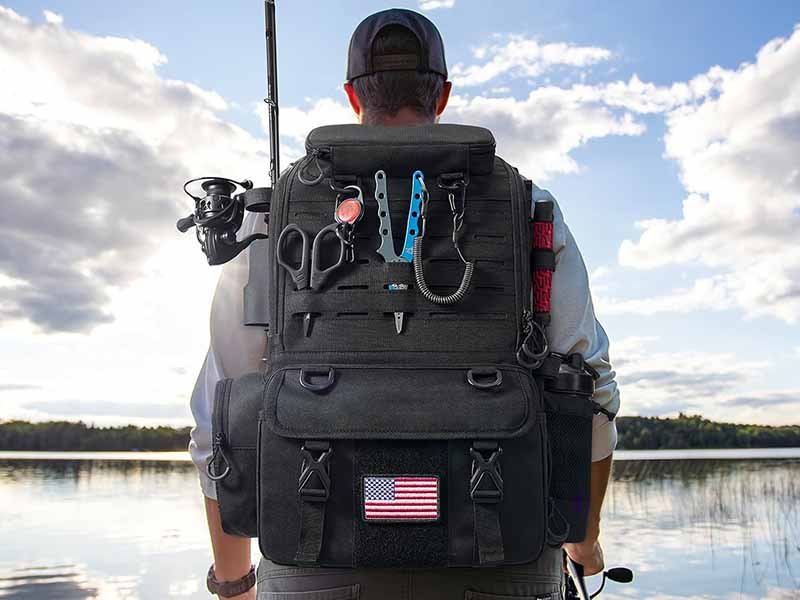
A fishing bag may look like a simple product, but anglers know the difference very quickly once they start using it in the real world. A bag that works well for a quiet freshwater trip can perform poorly the moment it is exposed to salt spray, wet decks, heavy jigs, and abrasive marine conditions. That is why fishing bag design should never be treated as one-size-fits-all.
Freshwater and saltwater anglers often carry different gear, fish in different environments, and face very different wear conditions. A freshwater angler may care most about lightweight carry, quick tackle access, and comfortable walking to a riverbank or lake. A saltwater angler may need stronger fabric, anti-rust hardware, larger compartments, and better water resistance because the bag could spend hours on a boat surrounded by salt, moisture, sand, and heavier tools.
Freshwater fishing bags are usually lighter, more compact, and designed around smaller tackle trays, lighter lures, and easier carrying. Saltwater fishing bags are built tougher, with stronger fabrics, corrosion-resistant hardware, larger storage zones, and better protection against moisture and harsh marine use. The difference is not just about size. It is about structure, material choice, and how the bag survives in the place where it is actually used.
For brands developing fishing gear, this distinction matters a lot. A bag that feels well-designed in the right environment earns trust quickly. A bag that fails in wet, salty, or heavy-load conditions can damage the brand just as fast. Once you start comparing freshwater and saltwater fishing bags from that angle, the design differences become much more meaningful.
What Are Freshwater Fishing Bags and Saltwater Fishing Bags?

Freshwater fishing bags are generally designed for lighter tackle, smaller accessories, and easier mobility around lakes, rivers, and ponds. Saltwater fishing bags are made for harsher environments, heavier gear, and stronger resistance to corrosion, moisture, and abrasion. The difference starts with fishing conditions, but it quickly extends to bag structure, storage layout, hardware choice, and fabric durability.
What Are Freshwater Fishing Bags Used For?
Freshwater fishing bags are mostly used for bank fishing, kayak fishing, pond fishing, river fishing, and small-boat fishing where the gear load is moderate and the angler often moves between spots. In these situations, the fishing bag needs to be practical, comfortable, and easy to organize rather than excessively heavy or overbuilt.
A freshwater angler often carries a smaller and more controlled gear setup. In many cases, that includes:
- 2 to 4 tackle trays
- soft bait packs
- smaller crankbaits and spinnerbaits
- line spools
- pliers or scissors
- one water bottle
- a phone, wallet, and keys
- sometimes a rain layer or gloves
A common freshwater bag load might look like this:
| Gear Item | Common Quantity | Estimated Weight |
|---|---|---|
| Small tackle trays | 2–4 pcs | 0.8–1.8 kg |
| Soft bait packs | 5–12 packs | 0.3–0.8 kg |
| Tools | 1–3 pcs | 0.2–0.5 kg |
| Line and hooks | 1–3 sets | 0.1–0.3 kg |
| Personal items | 1 set | 0.3–0.8 kg |
| Total load | — | 1.7–4.2 kg |
That weight range explains why freshwater fishing bags often focus on:
- lighter fabrics
- better shoulder comfort
- quick-access pockets
- compact or medium size
- smaller tray compatibility
Another important point is movement. Freshwater anglers often walk more. They may move along a riverbank, climb around rocks, or fish from multiple spots in one session. A large and stiff marine-style bag may feel unnecessary in that setting. A lighter bag with better organization usually makes more sense.
So when people talk about freshwater fishing bags, they are really talking about bags designed for mobility, easy tackle access, and lighter equipment loads.
What Are Saltwater Fishing Bags Used For?
Saltwater fishing bags are used in much harsher and more demanding conditions. They are commonly taken onto piers, jetties, surf zones, inshore boats, and offshore fishing trips where the environment is wetter, dirtier, heavier, and much more punishing on equipment.
The gear profile is also very different. Saltwater anglers often carry:
- larger tackle trays
- heavier jigs and plugs
- leader wire and stronger hooks
- corrosion-prone tools
- extra pliers
- knives
- fish grippers
- larger spools of line
- gloves
- waterproof personal storage
A common saltwater bag load may look like this:
| Gear Item | Common Quantity | Estimated Weight |
|---|---|---|
| Large tackle trays | 3–6 pcs | 1.8–4.5 kg |
| Metal lures / jigs | 10–30 pcs | 0.8–2.5 kg |
| Tools and pliers | 2–5 pcs | 0.5–1.2 kg |
| Leader, hooks, terminal tackle | 1 set | 0.3–0.8 kg |
| Personal gear | 1 set | 0.4–1.0 kg |
| Total load | — | 3.8–10.0 kg |
That is a very different loading condition from freshwater use. The bag needs to handle more weight, more moisture, more metal exposure, and rougher surfaces such as wet decks, sand, or concrete docks.
Because of that, saltwater fishing bags usually need:
- stronger shell fabrics
- stronger stitching
- anti-rust or corrosion-resistant hardware
- waterproof or highly water-resistant construction
- drainage-friendly design in some cases
- larger compartments for bulkier gear
In other words, saltwater fishing bags are not just “bigger freshwater bags.” They are usually engineered for heavier loads, tougher environments, and longer-term material survival.
How Do Freshwater and Saltwater Fishing Bags Differ?
The main difference comes from the combination of gear size + environment + wear conditions. Once those three variables change, almost every design choice changes with them.
A simple comparison helps show the gap clearly:
| Design Area | Freshwater Fishing Bags | Saltwater Fishing Bags |
|---|---|---|
| Main use area | Lakes, rivers, ponds | Coast, surf, piers, boats |
| Gear size | Small to medium | Medium to large |
| Average carry weight | 1.7–4.2 kg | 3.8–10.0 kg |
| Moisture exposure | Light to moderate | High |
| Corrosion risk | Low | High |
| Fabric demand | Lightweight, durable | Heavy-duty, abrasion-resistant |
| Hardware demand | Standard outdoor grade | Corrosion-resistant grade |
| Storage style | Smaller trays, more small-item access | Larger trays, tool-heavy storage |
The user experience is also different.
A freshwater angler often wants the bag to feel:
- light on the shoulder
- easy to move with
- simple to organize
- compact enough for short sessions
A saltwater angler often wants the bag to feel:
- strong and dependable
- resistant to spray and rust
- able to hold larger tackle
- stable on rough ground or boat floors
This is why using one generic design for both environments usually creates compromises. A compact freshwater backpack may be overwhelmed by heavy saltwater gear. A heavy marine tackle bag may feel oversized and tiring for someone walking a reservoir shoreline all afternoon.
Why Do Freshwater and Saltwater Fishing Bags Need Different Designs?
They need different designs because the cost of design mistakes is much higher in fishing than many people expect. If the bag fails, it is not just inconvenient. It can affect the whole trip.
For example, if a freshwater bag is used in saltwater conditions without the right protection, several problems often appear quickly:
- metal parts begin to corrode
- zipper action becomes rough
- wet fabric stays damp too long
- hooks and lures create more internal abrasion
- shoulder straps strain under heavier loads
On the other hand, if a saltwater-style bag is sold to a light freshwater user, the bag may feel:
- too bulky
- too heavy
- too stiff
- overbuilt for the actual need
- less comfortable for walking access fishing
This matters for product development because customers usually notice function before they talk about styling. They may like the color and logo, but what they remember is whether the bag worked.
From a factory perspective, the design direction should start with usage conditions:
| Design Question | Freshwater Direction | Saltwater Direction |
|---|---|---|
| Will the user walk a lot? | Yes, often | Sometimes less, but load heavier |
| Is corrosion a major issue? | Usually low | Yes, critical |
| Are tackle trays small or large? | Mostly small-medium | Often medium-large |
| Are tools heavier? | Usually fewer | Usually more |
| Does the bag need stronger base support? | Moderate | High |
For brands, this is where good product positioning begins. The more clearly the fishing scenario is defined, the easier it becomes to choose the right materials, layout, and construction level. A strong fishing bag product line usually does not begin by asking, “What looks good?” It begins by asking, “Where will this bag be used, and what will it need to survive?”
Which Materials Work Best for Freshwater Fishing Bags and Saltwater Fishing Bags?

Freshwater fishing bags usually work best with lighter but durable fabrics such as 420D–900D nylon or polyester with basic water resistance. Saltwater fishing bags need stronger materials such as 900D–1680D polyester, ballistic nylon, TPU-laminated fabrics, and corrosion-resistant hardware because they face more moisture, more abrasion, and heavier gear loads.
Which Fabrics Are Used in Freshwater Fishing Bags?
Freshwater fishing bags usually prioritize a balance between durability, weight, and cost. The user often carries the bag for longer distances, so keeping the structure reasonably light is important. That is why many freshwater products are built from mid-weight outdoor fabrics.
Common fabric choices include:
- 420D nylon
- 600D polyester
- 840D nylon
- 900D polyester
- ripstop nylon in selected lightweight styles
These materials are popular because they offer enough strength for normal tackle use without making the finished bag too heavy.
Here is a practical comparison:
| Fabric Type | Common Denier | Weight Feel | Abrasion Resistance | Cost Level | Freshwater Use Fit |
|---|---|---|---|---|---|
| Nylon | 420D | Light | Medium | Medium | Good for backpacks |
| Polyester | 600D | Medium | Medium | Lower | Good for entry to mid-range bags |
| Nylon | 840D | Medium | Good | Medium-high | Good for stronger all-around bags |
| Polyester | 900D | Medium-heavy | Good | Medium | Good for structured tackle bags |
In freshwater bag design, fabric coatings also matter. Many products use:
- PU coating for basic splash resistance
- PVC backing in more structured economy bags
- water-repellent surface treatment in higher-end products
These bags do not always need extreme waterproofing. In many real freshwater situations, what matters more is:
- resisting damp grass
- handling light rain
- surviving occasional splashes
- drying reasonably fast after use
A good freshwater bag fabric should also be flexible enough to stay comfortable when the load is not full. If the shell is too stiff, the bag may feel awkward for casual or mobile fishing. So the best fabric is not always the strongest one. It is the one that matches how the angler actually fishes.
Which Materials Resist Saltwater in Saltwater Fishing Bags?
Saltwater fishing bags need more than basic outdoor durability. They need material systems that can survive repeated exposure to salt, wet air, metal gear, sand, UV, and heavier loading. This is where the material specification often steps up noticeably.
Common shell materials for saltwater fishing bags include:
- 900D high-density polyester
- 1000D ballistic nylon
- 1200D or 1680D polyester in reinforced areas
- TPU-laminated fabric for high water resistance
- coated tarpaulin panels in high-exposure zones
These materials are chosen because they do three important jobs:
- resist abrasion from heavy tackle and rough surfaces
- support heavier bag loads without excessive sagging
- perform better in wet and dirty marine conditions
A useful comparison looks like this:
| Material | Strength Level | Water Resistance | Abrasion Resistance | Best Saltwater Use |
|---|---|---|---|---|
| 900D polyester | Good | Moderate-good | Good | Inshore and pier bags |
| 1000D ballistic nylon | Very good | Moderate | Very good | Premium heavy-duty bags |
| 1680D polyester | Very good | Moderate-good | Very good | Reinforced tackle bags |
| TPU laminated fabric | Good | Excellent | Good | Waterproof gear bags |
| Tarpaulin panel | Good | Excellent | Very good | Wet deck and surf use |
However, shell fabric is only part of the story. In saltwater bags, the following components also become critical:
- zipper material
- D-rings
- slider finish
- hook holders
- buckle quality
- thread performance
If the shell fabric is strong but the hardware corrodes, the product still fails. That is why better saltwater bags often use:
- anti-rust zipper systems
- coated metal hardware
- selected stainless components
- marine-suitable plastic parts in corrosion-prone areas
This is one reason saltwater fishing bag development usually requires a higher material budget than freshwater products. The bag is not just carrying more gear. It is being asked to survive a more punishing environment.
How Do Waterproof Coatings Improve Fishing Bags?
Coatings are one of the most important hidden layers in fishing bag construction. Customers usually notice the outer fabric first, but the coating is often what determines how much water protection the bag actually gives.
In fishing bags, the most common coating systems include:
- PU coating
- PVC backing
- TPU lamination
- water-repellent surface finish
Each one has a different role.
| Coating Type | Main Benefit | Common Use |
|---|---|---|
| PU coating | Light splash protection, flexibility | Freshwater backpacks and soft tackle bags |
| PVC backing | Better body support, moderate water block | Structured fishing bags |
| TPU lamination | High water resistance, cleaner premium feel | Higher-end waterproof bags |
| DWR surface finish | Helps water bead off fabric | Added exterior protection |
For freshwater bags, PU coating is often enough if the product is mainly meant for short trips, light rain, and accidental splashes.
For saltwater bags, better coating systems become much more important because the bag may be exposed to:
- repeated spray
- wet boat surfaces
- fish slime
- puddled water
- damp storage conditions
Still, there is an important design decision here. Not every fishing bag should be fully waterproof. Full waterproof construction usually adds cost, stiffness, and sometimes weight. In many products, what the customer really needs is strong water resistance + easy cleaning + faster drying, not deep-submersion performance.
That is why good development starts with the use case. A boat deck tackle bag and a bank-fishing shoulder bag should not automatically use the same coating strategy.
Do Saltwater Fishing Bags Need Stronger Hardware?
Yes, and this is one of the most overlooked differences between entry-level fishing bags and genuinely dependable saltwater products.
Saltwater is extremely hard on metal parts. Even if the fabric remains intact, a weak zipper, poor D-ring finish, or low-grade rivet can become the first failure point. Once corrosion starts, the user quickly notices it in everyday handling:
- zipper becomes rough
- sliders stick
- metal coating peels
- rings stain surrounding fabric
- structural reliability drops
That is why saltwater fishing bags usually need upgraded hardware in areas such as:
- zipper sliders
- pullers
- D-rings
- snap hooks
- buckle springs
- strap adjusters
A practical hardware comparison looks like this:
| Component | Freshwater Bag Level | Saltwater Bag Level |
|---|---|---|
| Zipper | standard outdoor zipper | anti-rust or corrosion-resistant zipper |
| D-ring | standard plated metal / plastic | coated metal or high-strength plastic |
| Hook | basic hook | stronger anti-corrosion hook |
| Buckle | normal acetal buckle | higher-load outdoor buckle |
| Thread need | standard heavy thread | stronger thread with better wet durability |
In many well-developed saltwater bags, designers also reduce unnecessary exposed metal. In some cases, high-strength plastic hardware is actually the smarter choice because it avoids rust entirely while keeping weight down.
For customers, stronger hardware translates into confidence. The bag feels more trustworthy, especially when loaded with expensive lures, reels, and tools. For brands, this is also where product reviews are often won or lost. The fabric may look good on day one, but the hardware tells the truth after weeks of use.
How Do Freshwater Fishing Bags and Saltwater Fishing Bags Store Gear?

Freshwater fishing bags and saltwater fishing bags organize gear differently because the tackle size, quantity, and weight vary significantly between the two environments. Freshwater bags usually focus on organizing smaller tackle trays and soft bait packs, while saltwater bags prioritize larger compartments, stronger load support, and faster access to heavy tools and lures.
How Do Freshwater Fishing Bags Organize Small Tackle?
Freshwater fishing bags are usually designed to keep many small items organized rather than carrying large equipment. Lures, soft plastics, hooks, and small tackle boxes need to be easy to find quickly when an angler changes bait frequently.
Because of this, freshwater bags typically include:
- multiple small accessory pockets
- compact tackle tray storage
- mesh pockets for quick access
- tool sleeves for pliers or cutters
- soft bait storage areas
The goal is to make it easy to manage a variety of small items without digging through the bag.
A typical freshwater tackle organization setup may look like this:
| Storage Area | Purpose |
|---|---|
| main compartment | holds 2–4 small tackle trays |
| front pocket | small lure boxes and tools |
| side pockets | line spools or water bottles |
| mesh pockets | quick-access bait packs |
| top pocket | phone, wallet, keys |
Most freshwater tackle trays are smaller than marine trays and measure around 27 × 18 cm, which allows them to fit neatly inside compact fishing backpacks or shoulder bags.
Another important detail is accessibility. Freshwater anglers often change lures many times during a fishing session. A well-designed bag allows the angler to open a pocket, grab a lure, and continue fishing without unpacking the entire bag.
Because of this frequent access pattern, freshwater fishing bags often prioritize organization and accessibility over maximum capacity.
Why Do Saltwater Fishing Bags Need Larger Compartments?
Saltwater fishing gear is generally larger, heavier, and more rugged than freshwater equipment. The bag must accommodate bigger tackle trays, heavier metal lures, and additional tools.
Large saltwater lures such as jigs, plugs, and trolling lures often require deeper compartments to prevent hooks from tangling or damaging other equipment.
Typical saltwater tackle tray size:
| Tray Type | Dimensions |
|---|---|
| standard freshwater tray | ~27 × 18 cm |
| saltwater tray | ~36 × 23 cm |
| offshore tray | ~36 × 28 cm |
Because of these larger tray sizes, saltwater fishing bags usually have larger main compartments and stronger structural panels.
Saltwater bags also need to support heavier loads. Some fully loaded tackle bags may carry 6–10 kg of equipment.
Design adjustments that help handle heavier loads include:
- reinforced base panels
- wider shoulder straps
- stronger internal support walls
- larger main compartment openings
In many saltwater designs, quick-access pockets are also placed on the outside of the bag so anglers can grab pliers, leader line, or hooks quickly while standing on a boat deck.
Which Fishing Bags Hold More Tackle Boxes?
Capacity is one of the most noticeable differences between freshwater and saltwater fishing bags.
Freshwater bags are usually built around smaller tray systems, while saltwater bags are designed to carry larger and heavier tackle storage.
Typical tray capacity comparison:
| Bag Type | Tackle Tray Capacity |
|---|---|
| compact freshwater bag | 2–3 trays |
| freshwater backpack | 3–4 trays |
| saltwater tackle bag | 4–6 trays |
| offshore tackle bag | 6–8 trays |
Freshwater anglers often carry fewer trays because they rely on more specialized lure selections rather than large quantities of gear.
Saltwater anglers frequently bring more tackle options due to varying ocean conditions and target species.
However, capacity is not the only consideration. If the bag becomes too large, it can become uncomfortable to carry. This is why designers balance storage capacity with portability.
Many modern fishing bags use modular tray systems, allowing anglers to remove trays they do not need and reduce the bag weight for shorter trips.
Do Saltwater Fishing Bags Need Tool Storage?
Tool storage is significantly more important in saltwater fishing bags.
Saltwater anglers often rely on specialized tools to handle larger fish and stronger equipment.
Common tools carried in saltwater fishing bags include:
- heavy-duty fishing pliers
- hook removers
- fish grippers
- line cutters
- crimping tools
- knife or multitool
These tools are often made of metal and can damage fabric if stored loosely inside the bag. For this reason, saltwater fishing bags usually include dedicated tool holders.
Examples of tool storage design features:
| Feature | Function |
|---|---|
| external plier holster | quick access tool storage |
| reinforced tool pocket | protects bag interior |
| elastic loops | holds small tools securely |
| magnetic closure pocket | fast tool retrieval |
External tool holders are especially useful when fishing from a boat or shoreline where anglers need to reach tools quickly.
Another advantage of external storage is safety. Sharp tools such as pliers or knives remain separated from other gear and are easier to handle.
Which Sizes Are Common for Freshwater Fishing Bags and Saltwater Fishing Bags?

Fishing bag sizes vary depending on the type of fishing and how much gear the angler typically carries. Freshwater fishing bags are generally smaller and lighter, while saltwater fishing bags tend to be larger and built to handle heavier tackle loads.
What Size Freshwater Fishing Bags Are Most Popular?
Freshwater fishing bags are usually designed for mobility and convenience. Many anglers walk along riverbanks or hike to fishing spots, so lightweight bags are preferred.
Common freshwater bag sizes:
| Bag Type | Dimensions |
|---|---|
| compact shoulder bag | ~30 × 20 × 15 cm |
| small backpack | ~35 × 25 × 18 cm |
| medium backpack | ~40 × 28 × 20 cm |
These bags typically hold:
- 2–4 tackle trays
- basic fishing tools
- personal items
Because freshwater fishing sessions may involve frequent movement, smaller bags are often more practical.
Many anglers also prefer backpacks for freshwater fishing because they distribute weight evenly across both shoulders.
What Size Saltwater Fishing Bags Are Most Popular?
Saltwater fishing bags are generally larger to accommodate heavier gear and larger tackle trays.
Common saltwater tackle bag sizes:
| Bag Type | Dimensions |
|---|---|
| medium marine tackle bag | ~42 × 30 × 25 cm |
| large tackle storage bag | ~45 × 35 × 28 cm |
| offshore tackle bag | ~50 × 38 × 30 cm |
These bags can carry:
- 4–8 large tackle trays
- heavy lures and jigs
- multiple tools
- extra fishing lines and leaders
Because of the larger load, these bags often include reinforced handles and stronger shoulder straps.
Some marine fishing bags also include waterproof compartments to protect electronics such as GPS devices or phones.
How Do Fishing Bag Sizes Affect Capacity?
Even small differences in bag dimensions can significantly affect internal storage capacity.
For example:
| Bag Size | Estimated Volume |
|---|---|
| 40 × 28 × 20 cm | ~22 L |
| 45 × 30 × 25 cm | ~33 L |
That additional space may allow the angler to carry:
- two more tackle trays
- additional lure boxes
- extra clothing or rain gear
However, increasing size also increases weight. A bag that is too large may become uncomfortable during long fishing sessions.
For this reason, many anglers prefer bags sized specifically for the type of fishing they do most often rather than simply choosing the largest bag available.
Which Fishing Bags Work Best for Travel Fishing?
Travel fishing introduces additional considerations because anglers may need to transport their gear by car, airplane, or boat.
Travel-friendly fishing bags usually focus on versatility and compact design.
Features that support travel include:
- modular tackle storage
- removable trays
- compression straps
- lightweight materials
Common travel fishing bag size:
| Bag Type | Dimensions |
|---|---|
| travel tackle backpack | ~40 × 28 × 20 cm |
| compact travel tackle bag | ~38 × 26 × 18 cm |
These sizes are easier to carry and store in vehicles or luggage compartments.
Some travel fishing bags also include rod holders or attachment points for additional gear.
How Do Manufacturers Design Freshwater Fishing Bags and Saltwater Fishing Bags?
Fishing bag manufacturers do not start product development with appearance alone. The design process usually begins with the fishing environment, gear load, and user behavior. Freshwater and saltwater fishing bags require different structural planning, material selection, and durability standards because the conditions in which they are used are very different.
A fishing bag that works well in calm lake conditions may fail quickly when exposed to ocean spray, sand, and heavier equipment. Because of this, experienced manufacturers often separate freshwater and saltwater products during the early design stage.
Key design questions typically include:
- What type of fishing environment will the bag be used in?
- How much gear weight must the bag carry?
- How frequently will the bag be exposed to water?
- What type of tackle trays will the bag hold?
- How often will the user move while carrying the bag?
The answers to these questions influence every part of the product—from fabric choice to pocket layout.
How Do Factories Develop Fishing Bags for Different Waters?
Professional bag factories usually begin with a usage scenario analysis. This step determines the required performance level of the fishing bag.
A simplified development workflow often looks like this:
| Development Stage | Key Focus |
|---|---|
| market analysis | identify target fishing environment |
| gear study | analyze typical tackle size and weight |
| structural planning | determine compartment layout |
| material selection | choose fabrics and hardware |
| sample development | build prototype and adjust design |
| field testing | verify durability and usability |
For freshwater fishing bags, development often prioritizes:
- lightweight design
- comfort during walking
- compact storage layout
- easy tackle access
For saltwater fishing bags, the priorities shift toward:
- corrosion resistance
- heavy-load support
- waterproof protection
- reinforced base structures
Another important design factor is bag stability. A freshwater backpack may only need a flexible fabric structure, while a saltwater tackle bag may require internal reinforcement panels to keep the bag upright when placed on a boat deck.
Which Features Do Brands Request for Fishing Bags?
Brands developing fishing gear often request specific functional features based on the needs of their target market.
Common customization requests include:
- waterproof pockets for phones and electronics
- plier holders and tool loops
- removable tackle tray systems
- rod holder attachments
- insulated pockets for bait storage
These features are often integrated into the bag structure rather than simply added afterward.
Example feature distribution in fishing bags:
| Feature | Freshwater Bags | Saltwater Bags |
|---|---|---|
| waterproof pocket | optional | common |
| tool holders | moderate | essential |
| rod holders | sometimes | often |
| removable tray system | common | common |
| reinforced base | moderate | strong |
Brands selling fishing gear through online channels also frequently request aesthetic customization.
Typical branding options include:
- embroidered logos
- rubber logo patches
- woven labels
- custom zipper pullers
- branded inner lining
While branding improves product identity, the structural performance of the bag remains the most important factor influencing long-term customer satisfaction.
How Are Fishing Bags Tested for Durability?
Durability testing helps ensure that a fishing bag can survive real-world fishing conditions. Reliable manufacturers often perform several types of product testing during development.
Common durability tests include:
| Test Type | Purpose |
|---|---|
| load test | evaluate maximum carrying weight |
| zipper cycle test | verify zipper durability |
| abrasion test | measure fabric wear resistance |
| water resistance test | check protection against moisture |
| seam strength test | confirm stitching durability |
Load testing is especially important for saltwater fishing bags. Fully loaded marine tackle bags can weigh more than 10 kilograms, so straps, handles, and stitching must be strong enough to handle repeated stress.
Abrasion resistance is another important factor. Fishing bags are often placed on rough surfaces such as rocks, sand, wooden docks, and boat decks. Reinforced bottom panels or thicker fabrics help extend product lifespan.
Zipper durability also plays a major role in user satisfaction. Fishing gear bags are opened frequently during a fishing session. High-quality zippers can endure thousands of opening and closing cycles without failure.
Manufacturers may also perform environmental exposure tests to simulate:
- moisture exposure
- temperature changes
- UV exposure
These tests help ensure the bag continues to function properly after repeated outdoor use.
How Does Lovrix Produce Custom Fishing Bags?
Lovrix has more than 18 years of experience in fabric development, webbing manufacturing, and bag production, which allows the company to support fishing bag development from raw materials to finished products.
Unlike trading companies that rely on external suppliers, Lovrix operates with an integrated manufacturing system that includes:
- fabric production facilities
- webbing manufacturing lines
- bag development workshops
- sample development teams
- production assembly lines
This integrated structure allows Lovrix to control material quality, improve development speed, and maintain consistent production standards.
The custom fishing bag development process typically includes the following steps:
| Development Stage | Description |
|---|---|
| design consultation | discuss product concept and target market |
| technical planning | determine bag structure and materials |
| prototype development | create functional sample |
| performance testing | verify durability and usability |
| design refinement | adjust based on feedback |
| mass production | begin manufacturing |
One advantage of working with a factory that also produces fabrics and webbing is improved material consistency. Many bag defects occur when different suppliers produce inconsistent materials. By controlling these components internally, Lovrix can maintain more stable quality.
Lovrix also supports customization options such as:
- private label production
- OEM manufacturing
- custom fabric colors
- custom hardware finishes
- custom packaging solutions
This flexibility allows outdoor gear brands, fishing equipment companies, and e-commerce sellers to develop fishing bags that match their product positioning and brand identity.
Conclusion: Choosing the Right Fishing Bag Design for Your Market
Freshwater fishing bags and saltwater fishing bags may appear similar at first glance, but their design requirements differ significantly once real fishing conditions are considered.
Freshwater fishing bags are usually designed for:
- lighter gear loads
- compact tackle organization
- comfortable carrying during long walks
- quick access to smaller equipment
Saltwater fishing bags must be engineered for more demanding environments. They often require:
- stronger fabrics
- corrosion-resistant hardware
- larger storage capacity
- reinforced structures for heavier gear
Understanding these differences helps fishing gear brands create products that perform well in real-world fishing situations.
For companies developing new fishing bags, working with an experienced manufacturer can significantly improve product quality and development efficiency. A factory that understands outdoor equipment design can help optimize material selection, structural layout, and durability performance before the product enters mass production.
Lovrix supports fishing gear brands with custom fishing bag development, private label manufacturing, and OEM production services. With integrated fabric production, webbing manufacturing, and bag assembly capabilities, Lovrix can help transform product concepts into reliable fishing bags designed for both freshwater and saltwater environments.
If you are planning to develop a new fishing tackle bag, upgrade an existing product line, or launch a private label fishing gear brand, the Lovrix team can assist with material selection, structural design, sampling, and full-scale manufacturing.
You are welcome to contact Lovrix to discuss your fishing bag project and receive professional support for your next product development.


