 Skip to content
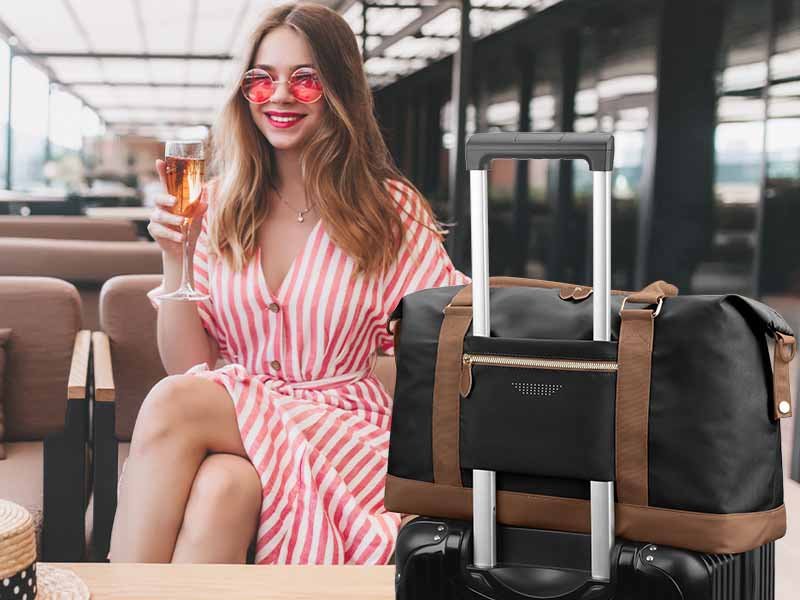
A duffle bag may start as a simple product, but printing is what turns it into a retail item, a sports team bag, a travel brand piece, or a serious promotional product. The wrong print can make even a well-made bag look cheap after a few weeks. The right print can hold color, stay sharp through handling, and make the whole bag feel more valuable. That is why printing should never be treated as a final decoration step only. It is part of product development.
For most custom duffle bags, the three main printing choices are screen print, heat transfer, and digital print. Screen print is usually the strongest fit for simple logos, bold spot colors, and larger runs because setup cost is spread across volume. Digital textile printing is often chosen for complex artwork, many colors, and smaller runs because it skips screen setup and handles detail well. Heat transfer is often selected when brands want flexible short runs, photo-like graphics, or placement on difficult panels. Industry sources also note that digital and transfer methods are especially useful when designs change often, while screen printing remains attractive for larger quantities and straightforward artwork.
The hard part is that there is no single best method for every bag. A polyester gym duffle, a 16 oz canvas overnight bag, and a coated nylon travel bag do not behave the same under ink, heat, pressure, or rubbing. A logo that looks perfect on sample day can crack, fade, or feel too stiff once the bag is folded, packed, and used in real life. That is exactly why experienced factories like Lovrix look at print method, fabric structure, logo size, quantity, and expected wear together before making a recommendation. If you want a printed duffle bag that sells well and stays looking good after use, the printing decision matters almost as much as the bag design itself.
What Are Printing Methods for Duffle Bags?

Printing methods for duffle bags are the production processes used to add logos, text, graphics, or full-color artwork onto the bag surface. The three most common choices are screen print, heat transfer, and digital print. They differ in how the image is applied, how much detail they can handle, how they perform on different fabrics, and how cost changes with order size. Industry guidance consistently points to screen printing for volume efficiency, digital for complex artwork and short runs, and transfer-based methods for flexibility across materials and placements.
What Is Screen Print in Printing Methods for Duffle Bags?
Screen print is one of the most established printing methods for duffle bags. In simple terms, ink is pushed through a mesh screen onto the fabric, one color layer at a time. If a design has one logo color, one screen is used. If it has three solid colors, three separate screens are usually needed. That is why screen print setup is heavier at the beginning but becomes very cost-effective once quantity increases. Industry sources continue to describe screen printing as a strong fit for larger orders and simple-to-moderate artwork where setup can be spread across many units.
For customers, the real value of screen print is not just price. It is performance in daily use. On many duffle bags, especially promotional, sports, school, and travel styles, customers want:
- a bold logo that can be seen from a distance
- strong opacity on dark fabrics
- low unit cost on larger runs
- good resistance to rubbing and handling
- repeatable quality from one batch to the next
That is where screen print often does well.
A practical way to understand screen print is to look at what kind of design it favors:
| Screen Print Strength | Why It Matters on Duffle Bags |
|---|---|
| Solid logo colors | Cleaner, more recognizable branding |
| Larger production runs | Lower unit cost at scale |
| Strong ink coverage | Better visibility on dark fabrics |
| Good outdoor visibility | Useful for sports, travel, promo bags |
| Durable surface print | Better resistance in everyday handling |
Screen print is especially common on these duffle bag types:
| Bag Style | Why Screen Print Fits |
|---|---|
| Gym duffle bags | Simple logos, bulk orders, bold branding |
| Sports team bags | Names, numbers, clear graphics |
| Promotional duffle bags | Low unit cost at larger quantity |
| School and club bags | Flat panels suit logo placement |
| Canvas weekend bags | Ink sits well on stable fabric surfaces |
But customers also need to understand its limits. Screen print is not always the best choice when:
- the artwork has photo-like detail
- the logo uses many gradient colors
- the order quantity is small
- the print area crosses seams or uneven panels
- the fabric coating causes ink adhesion issues
For example, if a brand wants a large scenic image with shadows and color transitions on only 80 bags, screen print may not be the smartest route. The screen setup cost can become hard to justify, and the artwork may need simplification.
Another important point is ink feel. Screen print often leaves a more noticeable hand-feel than some digital methods, especially when the logo is large or uses thick ink layers. For some customers, that is a good thing because it signals strong coverage. For others, especially in premium lightweight travel bags, too much print thickness can feel stiff.
At Lovrix, screen print is usually recommended when a customer wants a commercially safe method for medium to large orders, clear brand logos, and stable output across repeating production. It is often the most dependable choice when the bag design is straightforward and the logo needs to hold up through real handling, folding, and packing.
What Is Heat Transfer in Printing Methods for Duffle Bags?
Heat transfer printing works by first printing the design onto a transfer film or paper, then using heat and pressure to bond that image onto the duffle bag surface. For many customers, this method feels attractive right away because it handles detailed artwork more easily than traditional screen print and avoids making separate screens for each color. That flexibility is one reason transfer-based decoration remains popular for custom products, short runs, and graphics that change frequently.
From a customer’s point of view, heat transfer is often chosen for three practical reasons:
- the logo has many colors
- the order is not large enough for efficient screen setup
- the artwork includes small details, shading, or photo-like elements
This makes it useful for:
| Heat Transfer Use | Why It Works |
|---|---|
| Small custom runs | Low setup burden |
| Multi-color graphics | Easier than multi-screen printing |
| Event bags | Fast artwork changes |
| Brand trials and samples | Good for testing graphics before scale |
| Personalized bags | Names, numbers, short-run customization |
Heat transfer is often a good fit for promotional duffle bags, influencer merch drops, event bags, school team bags, and product tests where artwork may change from one order to the next.
There is also a production advantage. When customers need faster pre-production for a small batch, heat transfer can reduce the time spent preparing screens and color separations. That can help speed up samples and early launch runs.
But heat transfer is not a universal solution. Customers should think carefully about performance expectations. On a bag that gets folded, rubbed, overpacked, or exposed to repeated friction, some transfer prints may show wear earlier than a well-executed screen print. Industry sources also note that transfer and digital options often trade setup flexibility for different durability profiles depending on film, ink system, and fabric choice.
The key decision points are:
| Question | Why It Matters |
|---|---|
| How often will the bag be used? | Daily-use bags need stronger wear performance |
| Does the bag fold often? | Large transfers can crease on flexible panels |
| Is the logo small or oversized? | Big transfers may affect hand-feel |
| Is the fabric heat-sensitive? | Coated fabrics need careful press settings |
| Is the order a one-time short run? | Transfer can be more efficient than screens |
Customers often focus on print appearance first, but they should also ask how the print will behave after:
- repeated bag compression in cartons
- surface rubbing during travel
- exposure to sunlight and heat in shipping
- cleaning or spot wiping
- long-term storage in folded form
A good transfer print can look excellent and solve many short-run design problems. A poor transfer selection can lead to peeling edges, film feel, surface cracking, or reduced flexibility. That is why experienced factories test transfer film, adhesive strength, pressing temperature, and panel compatibility before approving bulk production.
What Is Digital Print in Printing Methods for Duffle Bags?
Digital print for duffle bags usually refers to direct digital textile printing or related digital decoration methods that place artwork onto fabric with very high detail and wide color range. Instead of creating physical screens, the printer uses a digital file, which makes it especially attractive for complex designs, gradients, photographic effects, and short-to-medium runs where artwork flexibility matters. Industry sources describe digital printing as a strong option for intricate graphics and low-quantity jobs that do not justify screen setup.
For customers, digital print is often the answer when the design includes:
- fine lines
- gradient color fades
- photo-style graphics
- many colors in one image
- frequent artwork changes between SKUs
Here is where digital print usually stands out:
| Digital Print Strength | Benefit for Duffle Bag Projects |
|---|---|
| High image detail | Better for art-heavy branding |
| Unlimited color appearance | No separate color screens needed |
| Fast design change | Easy to switch between artworks |
| Lower setup for short runs | Good for smaller launch quantities |
| Sample efficiency | Faster design testing |
This can be very useful for fashion duffle bags, limited-edition collaborations, seasonal collections, and e-commerce products where visual uniqueness matters more than the lowest bulk print cost.
Digital print also opens up more room for storytelling on the product itself. Instead of placing only a simple chest logo-style mark on the bag, a brand can create a larger visual identity with pattern, illustration, or all-over style placement on selected panels. For some markets, especially fashion, travel, and lifestyle categories, that design freedom matters.
Still, customers need to be realistic. Digital print is not automatically the best choice simply because it looks advanced. On certain heavy fabrics and high-friction use cases, durability expectations must be matched to the right digital system, ink chemistry, and finishing process. Industry sources note that direct-to-garment or direct-to-fabric digital methods can be excellent for detailed graphics and smaller runs, while transfer-based digital solutions can improve material flexibility and, in some cases, durability depending on the process.
That means a customer should evaluate digital print with practical questions such as:
| Decision Point | What to Check |
|---|---|
| Fabric composition | Cotton, polyester, nylon, coated blends behave differently |
| Use environment | Daily gym use is harder than light occasional use |
| Logo size | Larger prints may need more careful testing |
| Color expectation | Brightness and color depth depend on fabric and ink system |
| Quantity | Digital becomes attractive when screens are not economical |
For Lovrix customers, digital print is often a strong option when a duffle bag project needs visual complexity, lower initial volume, and faster artwork changes. But it works best when fabric, artwork, and end use are matched carefully from the start. A beautiful design file alone does not guarantee a successful printed bag. The print method still has to fit the bag structure and the way the customer will actually use the product.
Which Printing Methods for Duffle Bags Work Best?

Different printing methods for duffle bags perform better depending on the fabric type, logo design, and production quantity. Screen printing is often preferred for large orders with simple graphics. Heat transfer printing is useful for small runs or designs with many colors. Digital printing works well when artwork contains gradients, complex illustrations, or frequent design changes.
Choosing the right method requires understanding how each printing technique interacts with the bag’s material, surface texture, and expected use conditions. A sports duffle bag used daily in gyms may require stronger abrasion resistance than a promotional travel bag used occasionally.
Which Duffle Bags Suit Screen Print in Printing Methods for Duffle Bags?
Screen printing works best for duffle bags that use stable fabrics and require bold logos with strong color coverage. Because the ink layer is applied directly onto the fabric surface, screen printing produces solid and highly visible graphics.
This method performs particularly well on fabrics that have a relatively smooth and consistent surface.
| Fabric Type | Screen Print Performance | Notes |
|---|---|---|
| Cotton canvas | Excellent | Ink bonds well and produces sharp logos |
| Polyester fabric | Very good | Works well for sports bags |
| Oxford fabric | Very good | Durable and widely used for travel bags |
| Nylon fabric | Good | Requires proper ink formulation |
Screen printing is commonly chosen for:
- gym duffle bags with large brand logos
- sports team bags with names or numbers
- corporate promotional bags produced in large quantities
- school or club bags with simple text logos
Another reason brands select screen printing is cost efficiency at scale. When production volumes increase, the initial screen setup cost becomes less significant.
A simplified cost pattern often looks like this:
| Order Quantity | Screen Print Cost Efficiency |
|---|---|
| 100 units | Higher setup cost per bag |
| 500 units | Balanced cost |
| 1000+ units | Very cost efficient |
For brands launching large product runs, this method provides stable and repeatable results.
Which Duffle Bags Suit Heat Transfer in Printing Methods for Duffle Bags?
Heat transfer printing is often used when brands require flexible artwork options or smaller production quantities. Because the design is printed onto transfer film first, it can handle detailed graphics and multiple colors without requiring separate printing screens.
This printing method is especially suitable for bags that need complex designs but are produced in limited quantities.
Common applications include:
- promotional duffle bags for events
- sports team bags with changing player names
- customized merchandise bags
- seasonal product collections
Heat transfer printing is also useful for certain bag structures where direct screen printing may be difficult.
| Bag Type | Why Heat Transfer Works |
|---|---|
| Structured gym bags | Pressing provides even surface contact |
| Polyester duffle bags | Smooth surface supports transfer bonding |
| Lightweight travel bags | Suitable for flexible panels |
However, brands should consider how the bag will be used. On bags that experience heavy friction or frequent folding, large transfer prints may show wear faster than screen printing.
Which Duffle Bags Suit Digital Print in Printing Methods for Duffle Bags?
Digital printing is often chosen when design detail is the top priority. Unlike screen printing, digital print machines apply ink directly from digital artwork files, allowing highly detailed images and full-color designs.
This method works well for projects where the visual impact of the design is more important than minimizing production cost.
Digital printing is frequently used for:
- fashion travel bags
- designer duffle bag collections
- limited edition products
- bags with photographic or artistic graphics
The method allows designers to produce images that include gradients, shading, and complex color transitions.
| Design Feature | Digital Print Advantage |
|---|---|
| Photo-style artwork | High detail reproduction |
| Multi-color graphics | Unlimited color capability |
| Complex illustrations | Accurate line detail |
| Frequent design changes | No screen setup required |
For smaller production runs, digital printing also allows brands to experiment with different artwork variations before committing to larger orders.
When working with experienced manufacturers such as Lovrix, the printing method is selected based on both design requirements and expected product usage. Matching the printing process to the right bag material ensures that the final product not only looks good but also maintains its appearance after extended use.
How Durable Are Printing Methods for Duffle Bags?

Durability is one of the most important factors when selecting printing methods for duffle bags. Printed graphics must withstand repeated handling, friction from travel, exposure to sunlight, and occasional cleaning.
Different printing methods perform differently under these conditions.
Is Screen Print Durable in Printing Methods for Duffle Bags?
Screen printing is widely regarded as one of the most durable printing methods for duffle bags. Because the ink layer penetrates the fabric surface and forms a relatively thick coating, screen printed logos often maintain their appearance after long-term use.
The durability benefits include:
- strong adhesion to fabric fibers
- resistance to cracking during folding
- good performance under repeated friction
- stable color visibility over time
Screen printed graphics are often chosen for products used in active environments such as sports bags or gym duffle bags.
Do Heat Transfer Prints Last in Printing Methods for Duffle Bags?
Heat transfer prints can also provide reliable durability when applied correctly. However, the lifespan of the print depends heavily on the quality of the transfer film and adhesive layer.
High-quality transfer materials can perform well under normal use conditions, particularly for bags that are not exposed to extreme friction.
Factors that influence durability include:
| Factor | Effect on Transfer Print |
|---|---|
| Adhesive quality | Stronger bonding |
| Press temperature | Improves adhesion |
| Fabric compatibility | Prevents peeling |
| Graphic size | Larger prints experience more stress |
When properly produced, heat transfer printing can maintain good appearance across multiple uses.
How Long Does Digital Print Last in Printing Methods for Duffle Bags?
Digital printing durability depends on the ink system and fabric compatibility. In many cases, modern digital textile inks are designed to bond directly with fibers, providing strong color stability.
Digital prints generally perform well in terms of color detail and image clarity. However, abrasion resistance may vary depending on the fabric surface.
For duffle bags used mainly for travel or casual activities, digital printing can maintain appearance for extended periods.
Manufacturers often evaluate digital printing durability through testing methods such as:
| Test Method | Purpose |
|---|---|
| Abrasion testing | Measures resistance to rubbing |
| Color fastness testing | Evaluates color stability |
| Flex testing | Simulates folding and bending |
These tests help determine whether the printed graphics will remain intact during normal product use.
How Do Printing Methods for Duffle Bags Compare?

When brands develop custom duffle bags, one of the most common questions is how the main printing methods compare in terms of cost, design flexibility, and production scale. Screen printing, heat transfer printing, and digital printing each have advantages depending on the project requirements. Understanding the differences helps product teams choose the right method early in development, avoiding unnecessary sampling costs or production delays.
How Do Costs Compare in Printing Methods for Duffle Bags?
Printing cost is influenced by several factors, including setup preparation, artwork complexity, and order quantity. Screen printing generally requires the highest setup preparation because individual screens must be produced for each color in the design. However, once the screens are ready, the cost per bag decreases significantly when production volume increases.
Heat transfer printing usually requires less initial preparation because designs are printed onto transfer films rather than individual screens. This makes it attractive for smaller orders or designs that change frequently.
Digital printing offers the most flexibility for small quantities because the artwork file is sent directly to the printer without additional setup materials.
A simplified cost comparison can be summarized as follows:
| Printing Method | Setup Cost | Best Order Size | Cost Trend |
|---|---|---|---|
| Screen printing | Higher | 500+ units | Lowest cost per unit at scale |
| Heat transfer | Medium | 100–500 units | Balanced cost |
| Digital printing | Low | 50–300 units | Higher unit cost but flexible |
For brands launching new product lines, digital or heat transfer printing can help test designs before committing to large production runs. Once a design proves successful in the market, screen printing is often used for larger orders because it reduces long-term production costs.
How Do Design Limits Affect Printing Methods for Duffle Bags?
Each printing method handles design complexity differently. Some logos are simple and bold, while others include gradients, shadows, or photographic details. Selecting the appropriate printing method ensures that the final product accurately represents the brand’s visual identity.
Screen printing works best for graphics that contain limited colors and clean shapes. Because each color requires a separate screen, highly complex designs may increase production time and cost.
Heat transfer printing provides greater design flexibility. Multi-color graphics, gradients, and detailed illustrations can be transferred onto the bag without needing separate screens.
Digital printing offers the highest level of graphic detail. Designs with photographic elements, shading, and fine line work can be reproduced directly from digital files.
The design compatibility of each method can be summarized below:
| Design Feature | Screen Print | Heat Transfer | Digital Print |
|---|---|---|---|
| Solid logos | Excellent | Good | Good |
| Multi-color graphics | Moderate | Very good | Excellent |
| Photo-style images | Limited | Good | Excellent |
| Fine detail artwork | Moderate | Good | Excellent |
For brands focusing on bold logo visibility and long-term durability, screen printing often remains the preferred method. For fashion-oriented products with complex artwork, digital printing can offer greater creative freedom.
Which Bulk Orders Fit Printing Methods for Duffle Bags?
Production volume plays a major role when deciding which printing method to use. Manufacturers typically evaluate order size early in the production planning stage.
Large-scale orders usually favor screen printing because setup costs are spread across thousands of units. This keeps the final cost per bag lower.
Smaller production runs or custom merchandise projects often use heat transfer or digital printing because these methods do not require expensive setup preparation.
A general guideline used by many bag manufacturers looks like this:
| Order Size | Recommended Printing Method |
|---|---|
| 50–150 units | Digital printing |
| 150–500 units | Heat transfer printing |
| 500+ units | Screen printing |
Of course, these numbers may vary depending on artwork complexity and bag material. Experienced factories evaluate the entire project to recommend the most practical printing solution.
How Do Factories Use Printing Methods for Duffle Bags?
Professional bag factories combine material knowledge, printing technology, and quality testing to ensure that printed logos remain clear and durable throughout the life of the product. The printing process does not operate independently—it is closely linked to fabric selection, bag construction, and expected product use.
How Does Lovrix Use Printing Methods for Duffle Bags?
At Lovrix, custom duffle bag printing begins during the product development stage. The engineering team evaluates several factors before recommending a printing method.
Key evaluation factors include:
| Factor | Why It Matters |
|---|---|
| Fabric material | Some fabrics bond better with certain inks |
| Logo size and complexity | Determines printing technique |
| Production quantity | Affects cost efficiency |
| Product positioning | Influences visual style and durability requirements |
Because Lovrix operates integrated factories for fabrics, webbing, and bag manufacturing, the team can optimize printing processes for different bag structures.
For example, heavy-duty polyester sports duffle bags often use screen printing for durability, while lightweight travel bags designed for fashion markets may use digital printing for detailed graphics.
The company’s integrated manufacturing system also helps control production timelines. Customers can move from product design to sample development quickly, which is especially important for brands preparing seasonal product launches.
How Are Printing Methods for Duffle Bags Tested?
Before mass production begins, printed samples typically undergo several quality checks. These tests ensure that the printing method selected during development will perform well under normal usage conditions.
Common quality tests include:
| Test Type | Purpose |
|---|---|
| Abrasion testing | Evaluates resistance to rubbing |
| Adhesion testing | Ensures ink bonds securely to fabric |
| Color fastness testing | Confirms color stability under light exposure |
| Flex testing | Checks resistance to cracking when folded |
These tests simulate real-life use conditions such as travel friction, repeated handling, and storage pressure.
By testing printing durability before production begins, manufacturers reduce the risk of product defects appearing after the bags reach the market.
How Can Brands Start Printing Methods for Duffle Bags Projects?
Brands that want to develop custom printed duffle bags usually begin by preparing several pieces of information for the manufacturer.
This typically includes:
| Project Information | Description |
|---|---|
| Logo artwork | Vector or high-resolution design file |
| Bag size and style | Example or reference design |
| Target quantity | Estimated production volume |
| Fabric preference | Polyester, canvas, nylon, etc. |
| Target market | Retail, promotional, sports, travel |
With this information, manufacturers can recommend suitable printing methods and provide initial cost estimates.
Working with an experienced manufacturer also helps brands avoid common production mistakes such as selecting incompatible printing methods for specific fabrics or underestimating durability requirements.
Start Your Custom Printed Duffle Bag Project with Lovrix
Printed duffle bags are more than functional travel accessories—they are powerful branding tools. The right printing method ensures that logos remain sharp, colors stay vibrant, and the overall product reflects the quality of the brand behind it.
Choosing between screen printing, heat transfer printing, and digital printing depends on several factors including design complexity, production quantity, and durability expectations. Each method has its own strengths, and selecting the right one during the product development stage can significantly improve the final result.
Lovrix brings together more than 18 years of experience in fabric development, webbing production, and bag manufacturing to support brands looking for reliable custom bag solutions. With integrated production facilities and experienced engineering teams, the company provides comprehensive services from product design and sampling to mass manufacturing and packaging development.
Whether you are developing promotional duffle bags, sports bags, travel bags, or private label collections, Lovrix can help you choose the most suitable printing method and create products that meet your brand’s quality standards.
If you are planning to produce custom printed duffle bags, the Lovrix team welcomes you to share your project requirements. From concept design to finished production, we are ready to help you bring your ideas to life with durable materials, professional printing techniques, and efficient manufacturing solutions.


