 Skip to content
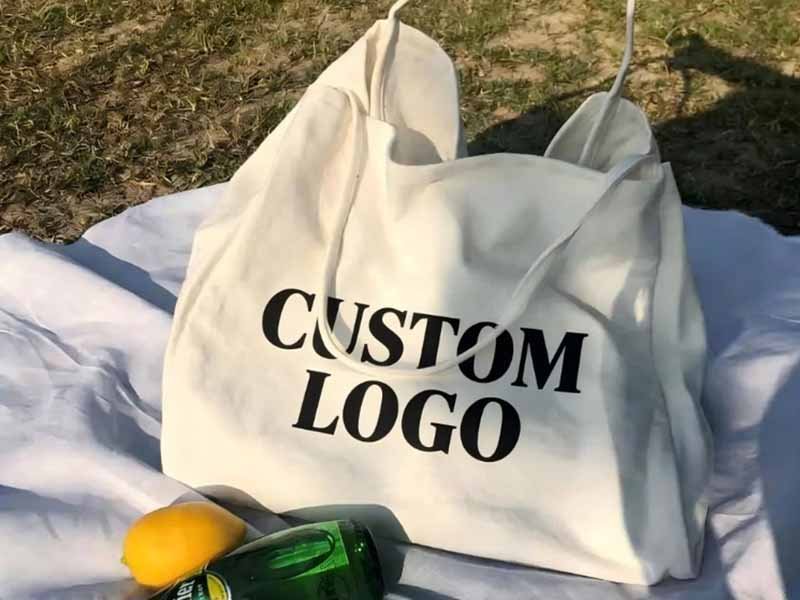
Many companies think a tote bag is a simple product. It looks easy: two body panels, two handles, one logo, one price. But once a real order starts, the difficult questions appear immediately. Will the fabric feel too thin in hand? Will the handles tear when the bag carries 8 to 10 kilograms? Will the screen print crack after repeated folding? Will the bottom corners deform after one month on a retail shelf? Can the factory keep color, size, stitching, and packaging consistent from the first carton to the last? This is why the difference between an ordinary sewing workshop and a real tote bags manufacturer matters so much.
A tote bags manufacturer is not defined by whether it can sew a bag. It is defined by whether it can help a brand turn a concept into a repeatable, saleable, margin-friendly product. That means material control, pattern development, sampling speed, printing accuracy, production planning, defect prevention, and delivery discipline all have to work together.
A professional tote bags manufacturer is a factory or integrated production partner that develops, samples, customizes, and mass-produces tote bags for brands, retailers, and e-commerce sellers. Its value is not only in stitching. Its value is in controlling materials, structure, branding details, quality standards, and delivery so the finished bag performs well in the market and can be reordered with confidence.
For a growing brand, that difference can decide whether the first order becomes a repeat business line or an expensive lesson. A tote bag may look simple on the table. In production, it exposes everything a factory is good at, and everything it is not.
What Is a Tote Bags Manufacturer?

A tote bags manufacturer is a factory that specializes in making tote bags with controlled materials, workmanship, branding options, and production systems. A capable manufacturer does more than assemble fabric panels. It supports product development, sampling, cost control, quality inspection, and stable bulk production so brands can launch, test, and scale tote bag programs with fewer risks.
What Does a Tote Bags Manufacturer Do?
A real tote bags manufacturer works across the whole product chain, not only at the sewing stage. In practical terms, the work usually starts before the first sample is cut. The factory reviews the target market, carrying purpose, artwork, fabric choice, size, handle structure, accessory needs, and packaging method. From there it translates those ideas into something production can actually follow: dimensions, seam allowances, stitch type, reinforcement points, printing area, washing or colorfastness expectations, barcode placement, and carton packing rules.
For a client, this matters because most tote bag problems are not “sewing problems.” They are specification problems. A bag may fail because the handle webbing width is too narrow, because the fabric weight does not match the use case, because the gusset is not balanced with the body size, or because the logo print method was chosen by price alone instead of by durability. A qualified tote bags manufacturer helps prevent these mistakes before bulk production starts.
In the daily workflow, manufacturers usually handle these jobs:
| Production Function | What the Factory Actually Does | Why It Matters to the Client |
|---|---|---|
| Product review | Checks dimensions, use case, target price, branding method | Prevents unrealistic designs and hidden cost issues |
| Material sourcing | Matches fabric, webbing, zipper, thread, label, packaging | Affects cost, feel, durability, and lead time |
| Pattern making | Builds the production pattern and construction details | Determines bag shape, structure, and consistency |
| Sampling | Produces prototypes for approval and adjustment | Reduces bulk order risk |
| Printing and branding | Applies logo, wash label, hangtag, woven label, patch | Impacts shelf appearance and brand perception |
| Bulk production | Cuts, prints, sews, trims, inspects, packs | Controls output, quality, and schedule |
| Quality control | Inspects material, in-line sewing, finished goods, packing | Reduces returns and complaint rates |
| Shipping support | Prepares cartons, labeling, loading, export coordination | Helps clients receive goods correctly and on time |
For companies like Lovrix, the advantage is stronger when the business is not only a bag workshop but also connected to fabric and webbing manufacturing. That changes the conversation from “what material is available this week” to “what material is best for this product and target price.” For clients, that usually means better consistency, faster troubleshooting, and less back-and-forth during development.
Is a Tote Bags Manufacturer the Same as a Bag Factory?
Not always. The two terms sound similar, but in business reality they can mean very different things.
A basic bag factory may only do cutting and sewing. It often works from fixed materials, has limited development ability, and depends heavily on whatever instructions the client already prepared. If the tech pack is incomplete, if the logo method is unsuitable, or if the handle reinforcement is weak, that kind of factory may still proceed exactly as instructed. The result can be a bag that technically matches the drawing but performs badly in use.
A tote bags manufacturer, by contrast, is expected to challenge weak specifications before they become expensive problems. It should know when 6 oz cotton is too light for a structured retail tote, when a 2.5 cm handle is not comfortable enough for a heavy grocery bag, when a zipper top changes the bag opening behavior, and when printing placement will distort on a sewn panel.
Here is the practical difference many clients see during a project:
| Area | Basic Sewing Factory | Professional Tote Bags Manufacturer |
|---|---|---|
| Material suggestions | Limited, often reactive | Proactive, based on use and price |
| Development support | Follows instructions | Improves structure and specifications |
| Sampling revisions | Slow, inconsistent | Organized, with change tracking |
| Logo application | Only common methods | Recommends method by artwork and fabric |
| Quality standards | Final inspection only | Material check, in-line check, final check |
| Reorder consistency | Depends on worker memory | Depends on records, approvals, and control sheets |
| MOQ flexibility | Often rigid | Usually more adaptable by item type |
| Problem solving | After defects appear | Before defects scale in production |
This difference becomes very obvious in three situations.
First, when the order contains multiple SKUs. Color variation, logo positions, and packaging labels can easily get mixed if the factory does not run organized line control.
Second, when the product is intended for retail rather than giveaway use. Retail bags are judged more harshly. Stitch lines, fabric hand feel, alignment, logo sharpness, and edge cleanliness all matter.
Third, when the client expects repeat orders. A one-time sample can look good because senior workers handled it manually. Bulk production is where the factory’s real level shows. If the process is not standardized, the second and third orders often drift in size, shape, and finish.
So yes, every tote bags manufacturer is a kind of bag factory, but not every bag factory operates like a real manufacturer.
Are Tote Bags Manufacturers Only for Large Brands?
No. That idea is outdated.
Years ago, many factories preferred very large orders because development work took time and factory planning was less flexible. Today, the tote bag market is broader. It includes promotional campaigns, boutique brands, museum shops, subscription boxes, DTC sellers, supermarket private label lines, event merchandise, eco packaging programs, and startup brands testing a first launch. That has pushed many capable manufacturers to support smaller trial runs and more flexible development models.
For clients, this is important because a tote bag is often a test product before a larger collection. A company may start with one everyday canvas tote in two colors, then expand into zip totes, cosmetic pouches, cooler totes, and gift-with-purchase bags after the market responds. If the factory only wants very large quantities from day one, the client carries too much inventory risk.
A more practical production structure often looks like this:
| Order Stage | Common Client Goal | More Flexible Factory Approach |
|---|---|---|
| First sample | Check shape, material, logo, workmanship | 1–3 prototype rounds |
| Pilot order | Test market response | 100–300 pcs, depending on material and print method |
| Growth order | Improve margin and broaden variants | 500–1000 pcs with more colorways |
| Repeat order | Stabilize quality and delivery | Production by approved standards and retained records |
For many small and mid-sized brands, the real issue is not only MOQ. It is whether the factory is willing to treat a smaller order seriously. Clients still need clear costing, fast sample communication, logo advice, defect control, and on-time delivery. A professional tote bags manufacturer understands that today’s 200-piece project can become tomorrow’s 5,000-piece monthly program.
This is where Lovrix’s positioning makes commercial sense. A group structure with fabric, webbing, and bag manufacturing capacity is especially useful for clients who are not ordering huge volumes yet but still want professional development support. They may need low MOQ, quick sampling, and material guidance without being treated like a low-priority order. In practice, that can be more valuable than simply getting the cheapest quote.
What Makes a Professional Tote Bags Manufacturer Different?
The easiest way to judge a manufacturer is not by what it promises, but by what it can control.
A professional tote bags manufacturer controls four areas better than a normal workshop: material stability, construction logic, quality checkpoints, and delivery predictability. These four directly affect whether a client can reorder with confidence.
1. Material stability
The bag has to feel the same from approved sample to mass production. That means the factory must manage fabric weight, dye lot consistency, webbing color match, shrinkage behavior, print compatibility, and trim availability. If the base material changes, the finished product changes.
For tote bags, material control often affects these client concerns most:
- Whether the bag feels cheap or premium in hand
- Whether the body stands or collapses
- Whether the logo prints cleanly
- Whether the color is consistent across different production lots
- Whether the handle and body match visually
2. Construction logic
Good bag making is not random sewing. It is engineered sewing. For example:
- A 38 cm handle drop may suit shoulder carry, but it must be matched with the body height.
- A boxed corner improves capacity, but it changes how the print area looks when worn.
- A binding finish can make the inside cleaner, but it increases labor and cost.
- A reinforced X-stitch at the handle root improves strength, but if the thread tension is wrong, puckering appears.
A strong manufacturer understands these trade-offs and explains them clearly.
3. Quality checkpoints
Many clients only ask, “Do you inspect before shipment?” That is too late. The smarter question is whether the factory checks the product before problems multiply.
A more reliable inspection flow looks like this:
| QC Stage | What Gets Checked | Why It Matters |
|---|---|---|
| Incoming material check | Fabric color, thickness, defects, webbing, hardware | Stops bad inputs before cutting |
| Pre-production review | Sample match, logo position, measurement tolerance | Aligns the line before sewing starts |
| In-line inspection | Stitching, panel match, reinforcement, cleanliness | Catches defects while they are still fixable |
| Final inspection | Measurement, appearance, packing, quantity | Confirms shipment standard |
| Carton audit | Assortment, barcode, carton marks, carton strength | Prevents warehouse and delivery problems |
4. Delivery predictability
A late tote bag order can miss a campaign, a product launch, a seasonal promotion, or a retail reset. Clients often focus on price, but timing can cost more than price when goods arrive too late to sell.
A dependable manufacturer does not simply give a short lead time. It gives a realistic lead time based on actual steps: material arrival, printing queue, sewing load, QC, packaging, and export preparation.
What Should Clients Check Before Calling a Factory “Reliable”?
Clients usually remember defects they can see, like crooked stitching or dirty fabric. But the deeper problems often sit behind the scenes. A factory can look professional in photos and still fail in planning, communication, or standard control.
A more useful evaluation checklist is below:
| Checkpoint | What to Ask | What a Strong Answer Looks Like |
|---|---|---|
| Sampling | How many days for the first prototype? | Clear timeline with revision steps |
| MOQ | What is the MOQ by material and logo method? | Flexible explanation, not one fixed number for all products |
| Material options | Can you recommend fabric by target price and use? | Specific comparisons, not vague sales language |
| Logo method | Which printing method lasts best on this fabric? | Recommendation tied to artwork and bag use |
| QC | How do you control quality during bulk production? | Stage-by-stage explanation |
| Records | Can you keep approved swatches and specs for reorders? | Yes, with retained references |
| Packaging | Can you support hangtags, barcodes, polybags, carton labels? | Yes, with examples and tolerances |
| Communication | Who follows the order from sample to shipment? | Named process owner or team |
A serious client should also pay attention to how the factory asks questions. A manufacturer that asks about load-bearing use, target market, selling price, intended print effect, and packaging channel is usually thinking like a production partner. A factory that only asks for quantity and logo file is usually thinking like a processor.
Why Does This Matter So Much for Tote Bags?
Because tote bags are deceptively simple.
Simple products expose factory discipline more clearly than complicated products do. There are fewer components to hide behind. If the stitching is uneven, everyone sees it. If the handle length varies, the bag looks wrong immediately. If the logo cracks, the whole product feels low grade. If the fabric is too soft, the customer notices it the first time the bag is picked up.
Tote bags also sit in a wide price range. Some are low-cost giveaway items. Some are lifestyle products with real retail value. Some are part of a larger brand identity program. That means the manufacturer has to understand positioning, not just production.
Here is a quick way to connect product type with factory expectations:
| Tote Bag Type | Client Priority | What the Manufacturer Must Control |
|---|---|---|
| Promotional tote | Cost and speed | Fast production, acceptable print quality, simple packing |
| Retail canvas tote | Hand feel and appearance | Fabric weight, shape consistency, cleaner finishing |
| Grocery tote | Load-bearing strength | Handle reinforcement, seam durability, fabric thickness |
| Fashion tote | Detail and presentation | Shape, trims, stitching cleanliness, branding finish |
| Eco tote | Material credibility | Recycled or organic material traceability and safe chemical standards |
For clients targeting eco or premium segments, material claims matter more than ever. For example, OEKO-TEX STANDARD 100 is a textile label for harmful-substance testing, and GOTS covers processing and manufacturing requirements for textiles made from certified organic fibers. Textile Exchange states that the Global Recycled Standard includes a minimum recycled content threshold of 50% plus additional social, environmental, and chemical requirements. These standards do not automatically make a tote bag better designed, but they do help clients verify certain material and processing claims when those claims are part of the sales story.
For that reason, a good tote bags manufacturer is not just a place to place an order. It is a filter between your brand and avoidable production mistakes.
How Does a Tote Bags Manufacturer Work?

A tote bags manufacturer operates through a structured development and production workflow that converts a client’s idea into a finished, retail-ready product. The process typically includes concept evaluation, material selection, pattern development, sampling, printing, bulk manufacturing, quality inspection, and shipment coordination. When each stage is controlled carefully, brands receive products that match approved samples, maintain consistent quality, and arrive on schedule.
How Does a Tote Bags Manufacturer Develop Samples?
Sampling is the stage where ideas become real products. For most brands, this is also where the most valuable technical adjustments happen. A drawing or digital mockup rarely captures the physical behavior of fabric, stitching tension, reinforcement, or printing alignment. A well-managed sampling stage allows those details to be tested before a full production order begins.
A typical sample development sequence looks like this:
| Sampling Step | What Happens | Why It Matters |
|---|---|---|
| Design review | Factory reviews size, structure, and logo placement | Identifies potential production issues early |
| Material selection | Fabric, webbing, lining, and accessories are chosen | Ensures materials match intended price and durability |
| Pattern creation | Technical patterns and seam allowances are prepared | Determines the bag’s shape and proportions |
| Prototype sewing | First sample is constructed manually | Allows evaluation of structure and workmanship |
| Client evaluation | Client checks appearance, size, and feel | Provides feedback before bulk production |
| Sample revision | Adjustments to fabric, stitching, or printing | Improves functionality and aesthetics |
For most tote bag projects, sampling takes between 5 and 10 working days, depending on material availability and logo method. Complex projects involving special materials or multiple compartments may take slightly longer.
From the client’s perspective, sampling answers several practical questions:
- Does the bag stand properly or collapse too easily?
- Is the handle length comfortable for shoulder carry?
- Does the logo appear sharp and correctly positioned?
- Is the fabric weight appropriate for the bag’s intended use?
Factories with internal development teams often handle sampling more efficiently. For example, manufacturers like Lovrix maintain access to fabric and webbing production, which reduces the time needed to source materials for prototype development. This integrated approach allows the sampling stage to move faster and helps clients evaluate product ideas earlier in the development process.
How Does a Tote Bags Manufacturer Manage Production?
Once the sample is approved, the order moves into bulk production. At this stage, the focus shifts from experimentation to consistency. The factory must reproduce the approved sample repeatedly while keeping measurements, stitching, materials, and branding elements stable across hundreds or thousands of units.
Bulk tote bag manufacturing typically includes the following operational stages:
| Production Stage | Description |
|---|---|
| Material procurement | Fabric, webbing, thread, labels, and packaging are ordered |
| Fabric cutting | Panels are cut according to approved patterns |
| Printing or embroidery | Logos and graphics are applied before assembly |
| Sewing assembly | Panels and handles are stitched together |
| Reinforcement | Stress points such as handle attachments are strengthened |
| Trimming and cleaning | Loose threads and dust are removed |
| Inspection | Products are checked for measurement and appearance |
| Packing | Bags are folded, polybagged, and packed into cartons |
Production capacity varies widely depending on the factory’s size and automation level. In many mid-sized facilities, a sewing line can produce 800 to 1,200 tote bags per day when the design is simple and materials are readily available.
Production planning also plays an important role in delivery schedules. Factories must coordinate material arrival, printing queues, sewing line allocation, and inspection time. If one stage falls behind, the entire schedule can shift. A well-organized manufacturer keeps these steps aligned so the order progresses smoothly from one stage to the next.
For clients, this means fewer surprises during the order cycle. Instead of discovering delays at the shipping stage, the factory can update production status earlier and adjust scheduling if necessary.
How Does a Tote Bags Manufacturer Control Quality?
Quality control is one of the clearest indicators of a professional tote bags manufacturer. Unlike handmade samples, bulk production involves many workers, machines, and materials moving through the production line simultaneously. Without systematic inspection procedures, inconsistencies can spread quickly.
Most reliable factories divide quality control into several checkpoints:
| Inspection Stage | Key Items Checked |
|---|---|
| Incoming material inspection | Fabric defects, color consistency, material thickness |
| Pre-production confirmation | Measurement tolerances, printing position, handle alignment |
| In-line inspection | Stitching accuracy, seam strength, reinforcement points |
| Final product inspection | Overall appearance, dimensions, logo clarity |
| Packaging inspection | Carton quantity, labeling, packing quality |
Measurement tolerances are another important part of quality control. Even well-produced bags will have small size variations due to fabric flexibility and sewing behavior. Manufacturers typically define acceptable tolerances to keep production consistent.
For example:
| Component | Standard Tolerance |
|---|---|
| Bag width and height | ±1 cm |
| Handle length | ±0.5–1 cm |
| Logo placement | ±0.5 cm |
| Stitch density | Within specified stitches per inch |
When factories maintain records of these standards, repeat orders become easier to manage. The approved sample, fabric swatches, and measurement sheets provide reference points that guide future production runs.
Quality control also protects the client’s brand reputation. Retailers and e-commerce sellers rely on consistent product quality to maintain positive customer reviews and reduce product returns. Even small improvements in manufacturing consistency can significantly affect long-term product performance.
Which Materials Do Tote Bags Manufacturers Use?

Material selection is one of the most important decisions in tote bag manufacturing. The choice of fabric influences the bag’s durability, appearance, printing compatibility, and price. Professional tote bags manufacturers usually maintain a library of commonly used fabrics so clients can select materials based on intended usage and target price.
The most widely used tote bag materials fall into three categories: natural fabrics, synthetic fabrics, and specialty materials designed for sustainability or waterproof performance.
Which Fabrics Do Tote Bags Manufacturers Use Most?
Cotton and canvas fabrics remain the most common materials used in tote bag manufacturing. These fabrics are widely available, easy to print on, and comfortable to handle. They also support a wide range of product styles, from promotional giveaway bags to retail merchandise.
Below are several fabrics frequently used in tote bag production:
| Fabric Type | Typical Weight | Common Applications |
|---|---|---|
| Cotton | 6–10 oz | Promotional bags, event giveaways |
| Canvas | 10–16 oz | Retail totes, grocery bags |
| Polyester | 150–600D | Lightweight shopping bags |
| Oxford fabric | 210–600D | Durable travel or utility bags |
| Jute | Natural fiber | Eco-themed retail packaging |
Canvas is often preferred for retail tote bags because its heavier structure allows the bag to hold shape better. Polyester fabrics, on the other hand, are lightweight and water-resistant, making them suitable for folding shopping bags or travel accessories.
The fabric weight is a key specification. For example:
| Fabric Weight | Product Behavior |
|---|---|
| 6 oz cotton | Lightweight, flexible |
| 8 oz cotton | Balanced weight and softness |
| 12 oz canvas | Structured retail tote |
| 16 oz canvas | Heavy-duty grocery tote |
Factories guide clients through these options based on how the bag will be used. A tote designed for daily grocery shopping requires stronger fabric and reinforced handles, while a promotional bag for trade shows may prioritize lower cost and lighter weight.
Do Tote Bags Manufacturers Use Eco Materials?
Sustainability has become a major focus in the bag industry. Many brands now prefer materials that reduce environmental impact or align with eco-conscious branding.
Several materials are increasingly common in eco-oriented tote bag production:
| Eco Material | Characteristics |
|---|---|
| Organic cotton | Produced without synthetic pesticides |
| Recycled polyester | Made from recycled plastic bottles |
| RPET fabric | Durable synthetic recycled material |
| Jute fiber | Biodegradable plant-based fiber |
| Hemp fabric | Strong natural textile with low water consumption |
Among these materials, recycled polyester (RPET) has grown rapidly in popularity. Plastic bottles are cleaned, melted, and spun into polyester yarn, which is then woven into fabric. According to industry recycling studies, approximately 10–12 plastic bottles can produce enough fiber for one medium tote bag, depending on fabric thickness.
Brands that emphasize sustainability often request documentation verifying the recycled or organic origin of the materials used. Manufacturers working with these materials typically coordinate with certified suppliers to ensure traceability.
How Do Tote Bags Manufacturers Test Materials?
Material testing helps ensure that the chosen fabric performs well under everyday use. Testing may occur at the supplier level or within the manufacturer’s own quality control system.
Several common tests evaluate tote bag materials:
| Test Type | Purpose |
|---|---|
| Tensile strength test | Measures how much force the fabric can withstand |
| Colorfastness test | Checks whether dyes bleed or fade |
| Abrasion resistance | Evaluates wear from repeated friction |
| Load test | Verifies that handles and seams support weight |
A simple load test illustrates why material selection is so important. During testing, a tote bag may be filled with 10–15 kilograms of weight and suspended for several hours. If the handles stretch or stitching fails, the design must be reinforced before production continues.
Testing data helps both the manufacturer and the client understand how the bag will behave in real-world use. For retail brands, this reliability is essential because product durability directly affects customer satisfaction and repeat purchases.
What Capabilities Should a Tote Bags Manufacturer Have?

A professional tote bags manufacturer must combine technical expertise, flexible production capacity, and strong development support. Beyond sewing bags, the factory should be able to guide brands through material selection, structural design, logo application, and packaging solutions. These capabilities ensure that a tote bag can move from concept to mass production while maintaining consistent quality, predictable costs, and reliable delivery timelines.
Does a Tote Bags Manufacturer Offer Custom Design?
Custom design capability is one of the most important qualities of a professional tote bags manufacturer. Many clients approach factories with only a rough concept: a size reference, a fabric preference, or a logo idea. Translating these ideas into a production-ready product requires pattern development and structural engineering.
A strong development team usually helps clients refine several aspects of the bag:
| Design Element | What the Manufacturer Helps Define |
|---|---|
| Bag dimensions | Width, height, gusset depth |
| Handle design | Length, width, reinforcement structure |
| Fabric weight | Based on carrying capacity |
| Logo placement | Alignment, printing method compatibility |
| Structural details | Pockets, closures, bottom panels |
For example, if a client wants a tote bag suitable for daily grocery shopping, the manufacturer may recommend:
- 12–14 oz canvas fabric for strength
- 3–4 cm wide webbing handles for comfort
- Cross-stitch reinforcement at handle attachment points
- Boxed bottom gusset to increase capacity
Without these adjustments, the bag might look correct visually but fail during regular use.
Factories that provide design support also help optimize product cost. Small design changes can significantly affect production efficiency. For instance, reducing the number of fabric panels or simplifying pocket construction can shorten sewing time and lower labor cost while maintaining functionality.
This collaborative development process is particularly useful for startups and new brands that do not yet have extensive manufacturing experience.
Can a Tote Bags Manufacturer Support Private Label?
Private label production allows companies to sell tote bags under their own brand name while outsourcing manufacturing. A capable tote bags manufacturer supports this process by integrating branding elements into the product during production.
Common private label features include:
| Branding Component | Purpose |
|---|---|
| Printed logo | Brand visibility on bag exterior |
| Woven labels | Permanent brand identification |
| Hangtags | Retail presentation and product information |
| Care labels | Fabric care instructions |
| Custom packaging | Retail-ready product presentation |
Different printing technologies suit different materials and design goals. For example:
| Printing Method | Best Used For |
|---|---|
| Screen printing | Large logos and simple designs |
| Heat transfer printing | Detailed graphics and color gradients |
| Embroidery | Premium branding with texture |
| Digital printing | Complex artwork or photographic images |
Choosing the correct printing method affects durability and appearance. Screen printing, for instance, works well for cotton and canvas tote bags because the ink bonds strongly with natural fibers. Heat transfer printing may be more suitable for synthetic fabrics like polyester.
Manufacturers also coordinate packaging details required for retail distribution. These may include barcode labels, carton markings, and protective polybags. Retail brands often require packaging formats that align with warehouse and logistics systems, so the factory must be able to follow precise packing instructions.
For brands building long-term product lines, private label support ensures that every production run maintains consistent branding and presentation.
How Fast Can a Tote Bags Manufacturer Deliver?
Delivery speed depends on several variables, including material availability, order quantity, printing method, and factory workload. However, experienced tote bags manufacturers structure their operations to maintain predictable timelines.
Typical production timelines for tote bag orders may look like this:
| Production Stage | Typical Time |
|---|---|
| Sample development | 5–10 days |
| Sample revision | 3–7 days |
| Bulk material preparation | 7–10 days |
| Mass production | 15–25 days |
| Final inspection and packing | 2–3 days |
For many standard orders, the full process from initial sample approval to shipment takes approximately 30–40 days.
Factories improve delivery reliability by coordinating several internal systems:
- Production line scheduling
- Material inventory management
- Printing and embroidery queue planning
- Quality inspection checkpoints
Manufacturers with integrated supply chains can shorten certain stages. For example, companies like Lovrix maintain access to internal fabric and webbing production, which reduces sourcing delays and allows development teams to secure materials more quickly.
Consistent delivery timelines are particularly important for clients operating seasonal sales cycles or promotional campaigns. Missing a delivery window can mean missing a key retail opportunity.
How Do You Choose a Tote Bags Manufacturer?
Selecting the right tote bags manufacturer requires careful evaluation of several operational factors. Price is important, but it should not be the only consideration. Production quality, communication efficiency, sampling ability, and supply chain stability all influence whether a factory will become a reliable long-term partner.
What Questions Should You Ask a Tote Bags Manufacturer?
Before placing an order, clients should gather detailed information about the factory’s capabilities and production process. Clear communication during the early stages helps prevent misunderstandings later.
Here are several practical questions clients often ask:
| Question | Why It Matters |
|---|---|
| What is your minimum order quantity? | Determines whether the order size is feasible |
| How long does sampling take? | Indicates development efficiency |
| What fabrics do you recommend for this design? | Reveals material expertise |
| Which printing method works best for this logo? | Ensures durability and visual quality |
| How do you control quality during production? | Shows reliability and inspection standards |
| What is the estimated delivery timeline? | Helps plan inventory and marketing schedules |
The factory’s answers can reveal whether it has real manufacturing experience or simply acts as a trading intermediary. Experienced manufacturers typically provide detailed explanations rather than brief generic responses.
Clients should also evaluate how quickly and clearly the factory communicates during the sampling phase. Efficient communication often reflects a well-organized production management system.
How Do MOQ and Price Affect a Tote Bags Manufacturer?
Minimum order quantity (MOQ) and unit price are closely connected in manufacturing. Smaller orders usually cost more per unit because setup costs—such as pattern preparation, printing screens, and production line adjustments—are spread across fewer pieces.
The relationship between order size and unit cost often looks like this:
| Order Quantity | Unit Cost Trend |
|---|---|
| 100–200 pcs | Higher per-unit cost |
| 300–500 pcs | Moderate cost reduction |
| 1000+ pcs | Significant cost efficiency |
Factories sometimes provide cost optimization suggestions. For example, increasing order quantity slightly may reduce the price per unit by allowing more efficient material utilization or printing setup.
Clients should also compare quotations carefully. A lower price may reflect thinner fabric, simpler construction, or fewer quality inspections. Reviewing detailed product specifications ensures that price comparisons remain accurate.
Why Do Many Brands Work With Overseas Tote Bags Manufacturers?
Many brands source tote bags from overseas manufacturers because international production hubs often offer strong manufacturing ecosystems. Regions with established textile and bag industries provide access to skilled workers, specialized equipment, and extensive material suppliers.
China remains one of the largest centers for tote bag manufacturing due to its integrated supply chain. A single production region may contain:
- Fabric mills
- Webbing and accessory suppliers
- Printing facilities
- Sewing factories
- Packaging manufacturers
This concentration of suppliers allows manufacturers to coordinate materials and production stages efficiently.
Companies like Lovrix operate within this environment, combining fabric production, webbing manufacturing, and bag assembly under one group structure. This integration allows them to provide services such as:
- Material customization
- Private label production
- Low MOQ orders for new brands
- Rapid sample development
For many international clients, working with a specialized overseas manufacturer allows them to access professional development resources while maintaining competitive product pricing.
Work With Lovrix to Develop Your Custom Tote Bags
Developing a successful tote bag product requires more than selecting a fabric and adding a logo. The manufacturer must understand how materials behave, how structures support weight, how printing methods affect durability, and how production systems maintain consistency across large orders.
Lovrix has built its manufacturing system around these principles. With more than 18 years of experience in fabric, webbing, and bag production, the company operates integrated facilities that support every stage of tote bag development.
Whether you are launching a new product line, expanding an existing collection, or sourcing reliable production for retail distribution, working with an experienced manufacturer can simplify the entire process.
If you are planning a custom tote bag project, the Lovrix team can review your design ideas, recommend suitable materials, and provide detailed quotations based on your requirements.
Send your inquiry today and start developing your next tote bag product with Lovrix.


