 Skip to content
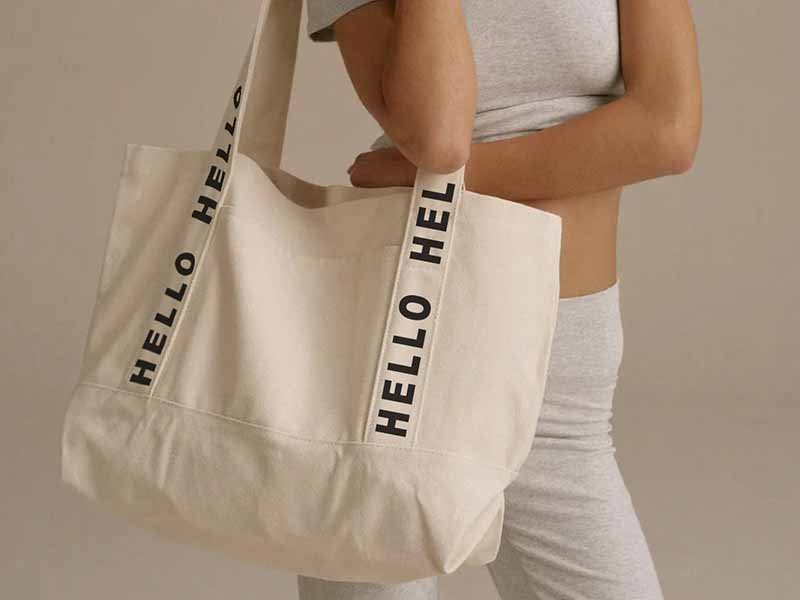
When a tote bag arrives on the shelf, it might look simple — a fabric container with handles — but the reality behind its creation is far more complex. Every tote bag involves careful planning, selection, and craftsmanship to ensure it meets both functional and aesthetic standards. For businesses, understanding this process is crucial. A well-made tote not only carries products or personal items but also reflects the quality of the brand.
Tote bags are increasingly used by mid-to-high-end brands, e-commerce sellers, and custom product lines. From a 2025 market analysis, reusable tote bags make up over 55% of promotional bag sales globally, with canvas and cotton totes dominating 60% of the volume due to durability and branding potential.
This guide explains each stage of tote bag production, covering materials, cutting, sewing, assembly, customization, and quality inspection. By reading this, businesses can make informed decisions on OEM/ODM services, private label options, and production strategies. For example, knowing the right canvas weight or webbing type can prevent product failures, reduce returns, and improve customer satisfaction.
What Is a Tote Bag?

A tote bag is more than just a simple carrying solution — it’s a combination of practicality, durability, and brand opportunity. Structurally, a tote bag typically has an open-top main compartment, a reinforced base, and two handles designed for either shoulder or hand carrying. Depending on the material and construction, a tote can carry anywhere from 5 kg to 20 kg reliably, making it suitable for groceries, books, laptops, or travel essentials.
Modern tote bags are used not only for personal use but also as marketing tools, corporate gifts, and eco-conscious alternatives to plastic bags. Their versatility allows brands to implement full customization, including logo placement, color, printing methods, and hardware attachments, ensuring that every bag aligns with the client’s identity and customer expectations.
Size & Capacity
The size of a tote bag directly impacts its usability and target audience. Tote bags can be segmented as follows:
- Small (30×30 cm): Ideal for light promotional items or small personal belongings. Typical weight capacity is 5–7 kg, sufficient for books, stationery, or cosmetics. Use case example: Event giveaways, boutique packaging.
- Medium (40×40 cm): The most commonly produced size for retail and e-commerce. Can carry 7–12 kg comfortably, including groceries, lunch, or electronics. Use case example: Grocery stores, fashion retail, branded online orders.
- Large (50×50 cm+): Designed for heavy-duty use or travel. Handles reinforced with double stitching or bartacks allow for up to 20 kg of load. Use case example: Weekend bags, travel totes, corporate gifts with multiple items.
- Custom Shapes: Trapezoid, box-style, or foldable totes are increasingly requested by brands to differentiate products. These shapes require precise pattern design to maintain durability while maximizing space efficiency.
Material & Strength
Material choice determines not only the bag’s durability but also its look, feel, and printability.
| Material | Weight / Thickness | Durability | Water Resistance | Typical Use |
|---|---|---|---|---|
| Cotton Canvas | 12–16 oz | Very high | Low | Premium tote bags, retail, reusable bags |
| Polyester Canvas | 9–12 oz | Medium-high | Medium | Branded promotional bags, e-commerce shipments |
| Nylon (420D–600D) | 0.2–0.5 mm | High | High | Travel bags, outdoor use, lightweight totes |
| Oxford Fabric | 210–600D | Medium-high | Medium | Daily-use bags, corporate gifts |
| Recycled PET | 300–600D | Medium-high | Medium | Sustainable tote bags for eco-conscious branding |
Key Notes for Brands:
- Cotton canvas provides the best printing surface and a premium feel.
- Nylon and Oxford fabrics are lighter and more water-resistant, ideal for active users.
- Recycled PET communicates sustainability and aligns with eco-friendly marketing trends.
Handle Design
The handles are the most critical structural component, as they bear the weight of the bag’s contents.
- Material: Cotton, polyester, or nylon webbing. Reinforced with bartacks or box stitching.
- Length: Standard shoulder length is 50–60 cm; adjustable options are available for crossbody carrying.
- Strength: Industrial standards require handles to withstand ≥15 kg pull force for heavy-duty canvas totes.
- Comfort Features: Wider webbing, padded handles, or fabric covers improve carrying comfort when heavy loads are used.
Case Example: A client selling grocery totes in Europe requested 12 oz cotton canvas with double-layered 2.5 cm wide webbing handles, capable of carrying 18 kg without seam failure. The design was tested and approved before full production.
Customization Potential
Customization enhances brand visibility and customer appeal:
- Printing & Branding: Screen printing, heat transfer, sublimation, embroidery. Each technique has durability and visual differences:
- Screen print: High color opacity, medium durability
- Heat transfer: Complex graphics, medium durability
- Sublimation: Full-color designs, permanent on polyester or nylon
- Embroidery: Luxurious feel, high durability
- Pockets & Compartments: Optional inner compartments, zippers, pen slots, or padded laptop pockets.
- Hardware: Metal rivets, snaps, zippers, and adjustable buckles tested for corrosion resistance and strength.
Example: A fashion brand ordered medium cotton canvas totes with front zip pockets, reinforced handles, and embroidered logo. Testing showed all handles supported ≥15 kg, and embroidery maintained quality after 50+ wash cycles.
Typical Use Cases
- Retail & E-Commerce: Tote bags can act as packaging and marketing tool, providing repeat brand exposure as customers reuse the bag.
- Corporate & Events: Custom tote bags serve as functional gifts for conferences, workshops, or brand launches.
- Travel & Daily Use: Lightweight nylon totes are favored by commuters and travelers for their durability, water resistance, and packability.
- Sustainability & Eco-Friendly Programs: Cotton or recycled PET totes replace single-use plastic bags and are often branded with eco-conscious messaging, adding value for environmentally aware consumers.
How Are Tote Bags Made?
Tote bag production is a step-by-step process combining material selection, precise cutting, sewing, assembly, printing, and quality control. Each step influences the bag’s durability, usability, and visual appeal. For businesses, understanding production specifics allows better decisions on material, customization, lead time, and cost, while ensuring the final product meets consumer expectations.
A typical production workflow at Lovrix involves in-house fabrics, webbing, and bag assembly, which reduces lead times by 30–50% compared to outsourced operations and ensures consistent quality across batches.
Material Selection
Choosing the right material is critical because it impacts strength, weight, appearance, and longevity. Lovrix works with a range of fabrics tested for load-bearing capacity, abrasion resistance, and print performance:
| Material | Thickness / Weight | Load Capacity | Water Resistance | Typical Uses | Key Client Benefit |
|---|---|---|---|---|---|
| Cotton Canvas | 12–16 oz | 15–20 kg | Low | Premium totes, retail, reusable bags | Strong, long-lasting, great print surface |
| Polyester Canvas | 9–12 oz | 7–12 kg | Medium | Promotional or retail bags | Lightweight, cost-effective, colorfast |
| Nylon (420D–600D) | 0.2–0.5 mm | 10–15 kg | High | Travel, outdoor bags | Durable, water-resistant, light |
| Oxford Fabric | 210–600D | 8–15 kg | Medium | Daily-use, corporate gifts | Flexible, lightweight, easy to sew |
| Recycled PET | 300–600D | 8–12 kg | Medium | Eco-friendly totes | Sustainability appeal for branding |
Additional Notes for Clients:
- Tensile strength tests ensure fabrics can handle intended loads without tearing.
- Water-resistance tests measure absorption under 30 minutes of simulated rainfall for nylon/oxford.
- Colorfastness is measured under ISO 105 standards, ensuring logos don’t fade after washing or sunlight exposure.
Case Example: A corporate client required 500 recycled PET totes with a ≥10 kg load capacity. Lovrix conducted tensile pull tests, confirming compliance before bulk production.
Pattern Design & Planning
The pattern design phase determines the structural integrity and final appearance of the tote bag. At Lovrix:
- CAD & Tech Packs: Specify panel dimensions, seam allowances, strap lengths, pocket placements, and reinforcement points.
- Prototyping: Initial prototypes are produced to test balance, load distribution, and printing alignment.
- Waste Reduction: Layouts are optimized to minimize fabric waste, often saving 10–15% of material costs.
- Stress Analysis: Heavy-duty totes undergo simulated stress testing on handles and seams.
Client Insight: For a large 50×50 cm tote, the team ensures the base panel is double-layered, preventing sagging even under 20 kg loads.
Fabric Cutting
Cutting must be precise to maintain uniformity across hundreds or thousands of units:
- Fabrics are layered (10–15 layers for canvas) and cut with CNC machines for large batches.
- Accuracy tolerance is ±2 mm, preventing misalignment in sewing.
- Defective fabric areas are marked and discarded before production to avoid failed bags.
Efficiency Metrics:
| Fabric Type | Average Yield | Notes |
|---|---|---|
| 12 oz Canvas | 0.55 medium totes per meter | Optimized cutting layout |
| Nylon 600D | 0.60 medium totes per meter | Light fabric allows denser stacking |
| Recycled PET | 0.50 medium totes per meter | Slightly thicker material reduces yield |
Sewing & Assembly
Sewing is where the tote bag becomes functional:
- Stitch Types: Straight stitch, overlock, and bartack reinforcement for stress points.
- Handle Attachment: Handles are double-stitched or bartacked to support ≥15 kg load.
- Internal Features: Pockets, zippers, or padded compartments are added at this stage.
- Batch Testing: Each batch undergoes a sample pull test for handles and seams.
Detailed Stitching Table:
| Tote Type | Stitching | Load Test | Notes |
|---|---|---|---|
| Heavy-duty Canvas | Double stitch + bartacks | ≥15 kg | Premium grocery tote |
| Nylon Travel Tote | Overlock + straight stitch | ≥10 kg | Lightweight and flexible |
| Embroidered Canvas Tote | Reinforced seams | ≥12 kg | Supports design elements |
Client Case: A client ordering 200 travel totes requested reinforced nylon straps. Lovrix performed pull tests at 12–15 kg, ensuring safety and durability before full production.
Printing & Branding
Branding is essential for marketing and visibility:
- Techniques: Screen printing, heat transfer, sublimation, embroidery.
- Placement: Can be applied on panels before or after sewing, depending on the design.
- Durability: Embroidery threads withstand 50+ wash cycles; heat transfer and screen printing tested for colorfastness and adhesion.
Printing Insights Table:
| Method | Ideal Material | Durability | Use Case |
|---|---|---|---|
| Screen Print | Cotton Canvas | Medium-High | Logos, simple graphics |
| Heat Transfer | Polyester, Nylon | Medium | Complex graphics, vivid color |
| Sublimation | Polyester | High | Full-color patterns |
| Embroidery | Cotton, Canvas | Very High | Premium branding, tactile effect |
Quality Inspection & Finishing
Lovrix implements multi-step inspections to maintain 100% quality assurance:
- Material Check: Fabric weight, tensile strength, and webbing durability.
- Stitching Check: Seam alignment, stitch count, and handle reinforcement.
- Hardware Check: Rivets, zippers, snaps tested for corrosion resistance and strength.
- Logo & Print Check: Position, color accuracy, and adhesion verified.
- Final Load Test: Bags tested to full capacity before packing.
QC Table Example:
| Inspection Item | Standard | Result Requirement |
|---|---|---|
| Seam Strength | Industrial Standard | ≥10–15 kg/cm |
| Handle Pull | All Bags | ≥15 kg |
| Panel Accuracy | ±2 mm | Checked for uniformity |
| Logo / Print | ±1 mm | Alignment and color accuracy |
| Hardware | Functional | No defects |
Packaging & Delivery
- Packing Options: Individual polybags or folded bulk cartons.
- Private Label: Custom tags, hangtags, inserts, or eco-friendly boxes.
- Lead Times:
- Sample: 3–5 days
- Small Bulk (200–500 pcs): 15–20 days
- Large Bulk (1000+ pcs): 25–30 days
Example: A client ordering 500 embroidered canvas totes with reinforced handles received samples in 4 days. Full bulk order was shipped within 18 days, meeting the e-commerce launch timeline.
Which Materials Are Best for Tote Bags?

The best tote bag material is not the one with the nicest name on a spec sheet. It is the one that matches your product positioning, selling price, usage scenario, branding method, and return-risk tolerance. A tote bag used for a fashion retail brand, a grocery program, a corporate event, and a beach product line may all look similar at first glance, but they should not be built the same way.
In real production, material selection affects at least six core results at the same time: bag weight, carrying strength, surface texture, print effect, unit cost, and long-term customer experience. A bag that feels soft and premium may not be the best choice for heavy loads. A fabric that is highly water-resistant may not deliver the natural look a lifestyle brand wants. A low-cost option may help initial sales, but if handles twist, seams deform, or the surface pills after use, the hidden cost shows up later through complaints, negative reviews, and lower repeat orders.
For most tote bag projects, the main material options are cotton canvas, polyester canvas, nylon, Oxford fabric, non-woven fabric, jute, and recycled materials such as rPET. Each one has a different balance of durability, appearance, print compatibility, and cost. That is why experienced manufacturers do not simply recommend the “best” fabric. They recommend the right fabric for the target market.
A premium brand selling customized retail totes may choose 14 oz to 16 oz cotton canvas because it gives a thicker hand feel, a cleaner structure, and stronger brand perception. A travel-focused product may work better in 420D or 600D nylon because customers care more about light weight and water resistance than a natural cotton touch. A supermarket promotion may choose 80gsm to 120gsm non-woven polypropylene because price control is more important than long-term reuse. An eco-positioned brand may prefer recycled PET because the sustainability story supports both product value and marketing content.
Cotton Canvas
Cotton canvas remains one of the most widely used materials in custom tote bag manufacturing because it offers a strong combination of structure, durability, printability, and premium appearance. For many brands, especially in retail, gifting, lifestyle, and eco-conscious product lines, canvas is still the safest and most reliable starting point.
Canvas weight is usually discussed in ounces per square yard. In tote production, the most common range is 8 oz to 16 oz, with 10 oz, 12 oz, 14 oz, and 16 oz being the most practical choices. Lighter canvas, such as 8 oz or 10 oz, is more affordable and easier to fold, but it feels softer and has less load stability. Heavier canvas, such as 14 oz or 16 oz, gives better body, better handle support, and a more premium hand feel, but it raises both material cost and shipping weight.
For daily retail use, 12 oz canvas is often the balance point. It is thick enough to feel reliable, strong enough for grocery or book use, and still manageable in price. For a more premium tote, especially one with embroidery, structured bottom panels, or reinforced pockets, 14 oz to 16 oz canvas is a stronger option. In real production, a well-made 14 oz cotton canvas tote with reinforced handles can typically support 15 kg to 20 kg, depending on the stitch construction, handle webbing, and panel dimensions.
Canvas also performs well in branding. It accepts screen printing, heat transfer, digital printing, and embroidery more naturally than many synthetic fabrics. Screen printing on canvas usually produces crisp logo edges and strong color coverage. Embroidery on thick canvas creates a high-value look, especially for minimalist brand logos. This matters for brands that want the bag itself to function as a walking advertisement.
Another reason clients choose canvas is customer perception. Even before a buyer checks the stitching or specifications, they can feel that a thick canvas tote is more substantial. That first-hand feel can influence whether the bag is seen as disposable or worth keeping. A reusable bag that stays in daily rotation gives a brand much longer visibility than a one-time promotional giveaway.
That said, canvas is not perfect for every project. It is heavier than nylon or polyester, absorbs moisture more easily, and generally costs more than non-woven or light synthetic fabrics. If the bag may be used in humid, rainy, or beach environments, untreated canvas can stain or hold moisture more easily. In those cases, waxed canvas, laminated canvas, or a synthetic alternative may perform better.
Canvas Weight Reference Table
| Canvas Weight | Approx. Feel | Common Use | Suggested Load Range | Brand Positioning |
|---|---|---|---|---|
| 8 oz | Light | Basic promo tote, event giveaway | 5–7 kg | Entry level |
| 10 oz | Medium-light | Retail tote, daily casual use | 6–9 kg | Practical value |
| 12 oz | Medium | Grocery tote, book bag, e-commerce gift | 8–12 kg | Mid-range |
| 14 oz | Medium-heavy | Premium retail, structured tote | 10–15 kg | Higher-end |
| 16 oz | Heavy | Luxury tote, heavy-load carry bag | 12–20 kg | Premium |
A client selling home and lifestyle goods may not need the heaviest fabric, but they do need enough structure so the bag does not collapse visually when photographed. In that case, 12 oz or 14 oz canvas is often more commercially useful than 8 oz canvas, even if the cost is higher. The extra material cost can be offset by stronger visual presentation and lower complaint rates.
Polyester Canvas
Polyester canvas is often chosen by clients who want a tote bag that looks clean, keeps color well, and controls cost better than cotton canvas. It is especially common in promotional programs, branded corporate gifts, school bags, and light retail packaging where the customer expects a neat appearance and functional performance, but not necessarily a natural or luxury touch.
Compared with cotton canvas, polyester canvas usually has better wrinkle resistance, better dimensional stability, and stronger color consistency across large production runs. This matters when a brand orders multiple colors or needs repeat orders over time. Cotton can have slight tone variations depending on dye lots and wash finishing, while polyester is usually easier to control visually in bulk production.
Polyester canvas is commonly used in the 210D to 600D range, though some tote projects also use polyester blends or heavier coated constructions. For standard tote applications, the most commercially practical range is often 300D to 600D. These fabrics can support around 7 kg to 12 kg depending on bag size, seam design, and handle reinforcement.
One of polyester’s major strengths is surface stability for printing. Sublimation printing works particularly well on white or light polyester because it allows bright, full-color graphics with good wash resistance. This makes polyester attractive for brands wanting complex artwork, gradients, or photographic prints. Heat transfer also performs well, especially for medium-sized logo applications.
From a commercial point of view, polyester canvas often gives better production efficiency than cotton canvas. It is generally easier to cut, creates less dust in sewing, and can be more consistent in thickness. That can support cleaner production flow and reduce waste in some factories. For clients placing large-volume orders, this consistency helps control rework rates and improves shipment reliability.
Still, polyester does not fully replace canvas. Some customers feel it is less natural and less premium. On high-end lifestyle products, cotton usually wins on touch and brand emotion. Polyester also behaves differently in stitching and edge finishing, so if the design aims for a soft luxury aesthetic, it may not deliver the same visual warmth.
Polyester Canvas Practical Comparison
| Factor | Polyester Canvas | What It Means for Clients |
|---|---|---|
| Wrinkle resistance | Good | Better shelf appearance |
| Color consistency | Strong | Easier repeat orders |
| Water resistance | Moderate | Better than raw cotton |
| Printing for full-color art | Very good | Suitable for vivid artwork |
| Natural hand feel | Lower than cotton | Less ideal for premium natural style |
| Cost control | Good | Useful for large-volume programs |
For a conference tote, a school giveaway bag, or a practical brand project where function and print clarity matter more than a natural cotton touch, polyester canvas is often a very sensible choice.
Nylon
Nylon is one of the strongest lightweight materials used in tote bag manufacturing. It is widely chosen for travel totes, sports totes, commuter bags, foldable totes, and outdoor-use bags because it offers a combination that many brands want: low weight, high tear resistance, and good water resistance.
The most common tote bag nylon specifications include 210D, 420D, and 600D. Lower denier fabrics feel lighter and softer, making them suitable for foldable shopping totes or secondary carry bags. Higher denier fabrics, especially 420D and 600D, are better when clients want stronger structure and longer service life. A well-made 600D nylon tote with reinforced webbing handles can usually support 10 kg to 15 kg in routine use, and sometimes more in lab testing, although real-life safe load recommendations should always remain conservative.
Nylon performs very well in abrasion resistance. That is why it is often used for products that face frequent friction, such as travel bags, gym bags, or beach carry bags. Compared with cotton canvas, it dries faster, absorbs less moisture, and is easier to wipe clean. For customers who actually carry items in changing environments, this can matter more than whether the fabric looks “natural.”
From a customer experience perspective, nylon helps reduce one common problem: bag self-weight. A large cotton tote can feel heavy before anything is placed inside it. Nylon lets brands offer larger bag dimensions without creating that same burden. This is useful for travel, shopping, and urban commuting product lines.
Branding on nylon usually works best with heat transfer, screen printing with appropriate ink systems, or embroidery. Sublimation is possible on polyester more often than on nylon, so the branding plan should be confirmed before material is fixed. If the logo needs extremely sharp photographic color, nylon may not be the easiest route.
The trade-off is that nylon can look more technical and less warm than cotton. It does not usually communicate “artisan,” “natural,” or “organic.” So while it performs very well, the visual message must match the brand’s identity.
Nylon Performance Table
| Nylon Type | Typical Use | Strength Level | Water Resistance | Hand Feel |
|---|---|---|---|---|
| 210D | Foldable tote, backup shopping bag | Light-medium | Good | Soft, light |
| 420D | Daily tote, commuter tote | Medium-high | Good | Balanced |
| 600D | Travel tote, gym tote, utility tote | High | Good | Firmer, stronger |
If a client’s main concern is that the tote should be practical, strong, and easy to carry in different environments, nylon often gives better real-world performance than canvas.
Oxford Fabric
Oxford fabric is a practical option for tote bags that need a balance between structure, cost, and daily usability. It is commonly made from polyester or nylon yarn in a basket weave, which gives the material a distinct textured surface and moderate strength. In tote production, Oxford is popular for daily-use totes, commuter bags, light travel totes, corporate gifts, and medium-price custom projects.
Oxford specifications often range from 210D to 600D. The lower range is useful when the bag needs to stay light and economical. The higher range provides more body and durability, especially when the bag includes pockets, zippers, or a wider bottom gusset. Depending on specification and handle construction, Oxford totes generally support around 8 kg to 15 kg.
One advantage of Oxford is that it offers better body than some thin polyester fabrics while remaining lighter than heavy cotton canvas. That makes it useful for brands that want a cleaner structure but do not want the cost or weight of 14 oz to 16 oz cotton. It also handles light moisture better than untreated natural fibers, making it suitable for mixed-use environments such as office commuting or daily shopping.
Oxford is also a commercially efficient fabric for mass production. It sews relatively well, is widely available, and works with several finishing treatments such as PU coating, PVC backing, or water-repellent finishes. These treatments can improve stiffness, water resistance, and overall performance.
The limitation is that Oxford does not usually feel as premium as thick canvas, and it may not carry the same eco-friendly or natural message. For brand storytelling, it works best when the focus is function, practicality, and moderate price rather than luxury or sustainability emotion.
Oxford Fabric Selection Guide
| Spec | Best Use | Key Strength | Watch Point |
|---|---|---|---|
| 210D | Light giveaway tote, event tote | Lightweight and affordable | Lower load stability |
| 300D | Daily use tote, commuter bag | Balanced performance | Less premium than canvas |
| 420D | Retail utility tote | Good strength and body | Surface feel is more synthetic |
| 600D | Heavy-duty practical tote | Stronger and more structured | Heavier than light promo fabrics |
For brands that need a durable everyday tote at a controlled price, Oxford is often underrated. It may not be the most fashionable material, but it is often one of the most commercially useful.
Recycled PET
Recycled PET, often called rPET, has become a serious material choice rather than just a marketing add-on. It is made from recycled plastic bottles processed into yarn and woven into fabric. For brands that want to combine practical performance with a sustainability message, rPET is one of the most commercially relevant options in the current tote bag market.
From a performance point of view, rPET fabric often behaves similarly to polyester because it is effectively recycled polyester. Common tote bag specifications range from 300D to 600D, with load performance typically around 8 kg to 12 kg, depending on construction. It works well for reusable retail totes, eco campaign products, trade show bags, and branded merchandise where the environmental story supports a premium or mission-driven product message.
What clients usually care about is whether recycled material still performs well enough in real use. In well-controlled production, the answer is yes. The bag still needs strong seam construction, proper webbing, and reinforcement, but the base fabric can absolutely be suitable for standard tote functions. In many projects, the material story itself helps the bag sell more effectively.
There is also a content and branding benefit. If a brand is building product pages, packaging text, trade show messaging, or Amazon listing copy, rPET gives them more usable value points than a standard synthetic fabric. That can help both conversion and market differentiation.
Still, clients should not choose rPET only because it sounds good. They should confirm actual fabric feel, thickness, print results, and certification needs. Some recycled fabrics feel slightly different from virgin polyester, and that should be checked at the sample stage.
rPET Client Decision Factors
| Factor | Why It Matters |
|---|---|
| Fabric certification | Supports sustainability claims |
| Surface feel | Affects premium perception |
| Color and print result | Important for brand consistency |
| Actual load requirement | Must match end use, not just marketing |
| Price increase vs standard polyester | Should be justified by brand value |
For a sustainability-led brand, rPET can be one of the strongest options because it combines useful product performance with a clear commercial story.
Non-Woven Fabric
Non-woven polypropylene is widely used for budget-friendly tote bags, supermarket bags, event bags, and short-cycle promotional programs. It is not the strongest or most premium option, but it is often the most cost-efficient when the goal is wide distribution at a controlled budget.
Common specifications are usually measured in gsm, often 70gsm to 120gsm. A 70gsm non-woven bag may be enough for light event materials. A 100gsm or 120gsm bag offers better body and better reuse value. Depending on fabric weight and stitch or ultrasonic sealing method, non-woven totes often support around 3 kg to 8 kg safely.
The biggest reason clients choose non-woven is cost. For high-quantity programs, the difference in unit price between non-woven and thick cotton canvas can be significant. This makes it useful for chain stores, exhibitions, political campaigns, supermarket promotions, and short-term branding activities.
However, the limits should be clear. Non-woven fabric generally does not create a premium feel. It is more likely to crease, stretch, or lose shape over time. It can work very well for price-sensitive campaigns, but it is usually not the right material for brands positioning themselves as premium, durable, or design-focused.
Non-Woven Use Positioning
| GSM | Suggested Use | Approx. Performance Level |
|---|---|---|
| 70gsm | Event tote, flyers, light product handout | Basic |
| 80gsm | Promotion tote, simple retail use | Standard |
| 100gsm | Reusable shopping tote | Better |
| 120gsm | Stronger supermarket tote | Best within non-woven category |
If the business model depends on low-cost mass distribution, non-woven remains very relevant. But for long-term reusable brand exposure, clients usually get better value from canvas, Oxford, or recycled fabric.
Jute and Natural Blends
Jute is often chosen for brands that want a natural, rustic, handmade, or eco-market look. It works especially well in grocery, gift packaging, wine bag, seasonal retail, and artisanal product categories. Jute offers strong visual identity, but it requires careful design planning because it behaves differently from canvas or synthetics.
Jute fabric is coarse, textured, and naturally stiff. It gives a very distinctive shelf look, which can be a real advantage if that look matches the brand. It also tends to perform well in heavier shopping applications when paired with laminated backing or cotton handles. But the rougher surface can limit certain print styles, and edges must be managed carefully to reduce fiber shedding.
For many commercial jute totes, manufacturers combine jute with cotton webbing handles, cotton canvas pockets, or laminated interiors. This mixed-material approach improves both usability and brand presentation.
Jute is not the most flexible material, and it is not ideal for every type of detailed construction. But for brands wanting a visible natural look with higher perceived eco value, it can be very effective.
Material Selection by Use Scenario
Choosing material becomes easier when the real usage scenario is clear.
| Use Scenario | Best Material Options | Why |
|---|---|---|
| Premium retail tote | 12–16 oz cotton canvas | Strong, structured, premium feel |
| Grocery / heavy carry tote | 14–16 oz canvas, 600D Oxford | Better load support |
| Travel / commuting tote | 420D–600D nylon | Lighter, water-resistant |
| Corporate giveaway | Polyester canvas, Oxford, non-woven | Cost control and print flexibility |
| Eco campaign tote | rPET, cotton canvas, jute | Stronger sustainability message |
| Event distribution tote | Non-woven, light polyester | Best for high quantity at lower cost |
| Fashion lifestyle tote | Cotton canvas, canvas blend | Better hand feel and shelf appeal |
This is where many projects go wrong. Some brands pick materials based only on price or appearance, without checking the actual use case. That often creates avoidable issues such as strap failure, bag body collapse, poor print results, or a mismatch between product feel and selling price.
What Clients Should Ask Before Choosing Tote Bag Material
Before confirming material, a serious client should ask the factory these questions:
Load Requirement
How much weight should the bag safely carry in daily use? A bag for cosmetics and brochures does not need the same build as a grocery tote.
Selling Price
What price range will the final product sit in? Material must match the expected customer perception at that price.
Brand Style
Does the brand want natural, technical, eco, premium, or promotional positioning? Material is part of the message.
Print Method
Will the logo be screen printed, heat transferred, sublimated, or embroidered? Not all fabrics support each method equally well.
Shipping Cost
Heavier materials improve structure but also raise shipping weight. This matters for e-commerce and export calculations.
Reuse Frequency
Is the bag meant to be used once, ten times, or for years? The answer changes the material decision completely.
Final Material Advice
There is no single best tote bag material for every project. The best choice depends on what the bag needs to do, how the customer should feel when holding it, what branding method will be used, and what price the market will accept.
If a client wants a strong all-around option with premium feel and strong branding value, 12 oz to 16 oz cotton canvas is often the most dependable route. If the goal is lighter weight, travel use, or better moisture resistance, nylon is usually stronger in practice. If cost efficiency and broad usability matter most, Oxford or polyester canvas can be a smart middle ground. If sustainability is central to the product story, rPET or jute can add commercial value beyond simple bag function. If the project is purely price-driven and high-volume, non-woven still has a place.
What Are Custom Tote Bag Options?

Custom tote bag options refer to the range of design, material, structural, and branding choices a brand can control when developing a tote bag product. Instead of purchasing a generic bag from stock, companies can adjust the size, fabric, handle construction, pockets, printing methods, colors, and packaging to align the product with their brand identity and target market.
For many businesses, customization is not only about appearance. It directly affects durability, usability, selling price, and customer perception. A well-designed tote bag can function as a daily-use product that promotes a brand for years, while a poorly designed bag may be used once and discarded.
In real production, customization usually happens across six major areas: bag dimensions, materials, handle construction, internal structure, branding methods, and packaging. Understanding these options allows brands to create products that match both their functional requirements and their market positioning.
Bag Size and Structure Customization
The first stage of customization usually involves determining the size and shape of the tote bag. This decision influences production cost, material consumption, load capacity, and shipping efficiency.
Standard tote sizes are commonly based on practical daily uses:
| Size Type | Typical Dimensions | Capacity | Typical Uses |
|---|---|---|---|
| Small Tote | 30 × 30 cm | 5–7 kg | Cosmetics, books, promotional items |
| Medium Tote | 40 × 40 cm | 8–12 kg | Grocery, retail purchases |
| Large Tote | 50 × 40 cm or larger | 12–20 kg | Travel, shopping, beach bags |
However, many brands request non-standard sizes to differentiate their products. Examples include:
- Wide-bottom totes with 10–15 cm gussets for grocery capacity
- Tall vertical totes used by bookstores or document carriers
- Foldable travel totes that pack into a small pouch
- Box-shaped totes with rigid bases used for luxury retail packaging
Structural design also affects how the bag behaves when filled. A tote with a flat bottom gusset can carry heavier items more evenly than a flat single-panel bag. For grocery or heavy retail totes, manufacturers often add a reinforced base panel or double-layer fabric to prevent sagging.
Another structural factor is bag opening width. If the bag opening is too narrow relative to the height, the bag becomes difficult to pack efficiently. Experienced manufacturers often maintain a height-to-width ratio between 0.9 and 1.1 for balanced usability.
Material and Fabric Customization
Material selection determines how the tote bag feels, how long it lasts, and how well branding appears on the surface. While common tote materials include canvas, polyester, nylon, Oxford fabric, and recycled textiles, customization also includes fabric weight, coating, and finishing treatments.
For example:
| Fabric Type | Typical Weight | Best Application | Key Benefit |
|---|---|---|---|
| Cotton Canvas | 12–16 oz | Premium retail totes | Strong, natural appearance |
| Polyester Canvas | 9–12 oz | Promotional bags | Cost-efficient and color stable |
| Nylon | 420D–600D | Travel or gym totes | Lightweight and water-resistant |
| rPET | 300–600D | Eco-conscious brands | Sustainability appeal |
Brands may also customize fabric finishing:
- Water-resistant coating for outdoor or beach totes
- Waxed canvas finishing for vintage or lifestyle brands
- Laminated interiors for grocery or food-related uses
Fabric color is another important variable. Some brands request Pantone color matching, ensuring the bag fabric aligns with the company’s brand palette. This process requires careful dye control, particularly in cotton canvas production.
For large orders, factories usually provide lab dip samples first. These small dyed fabric samples allow clients to approve the exact shade before full production begins.
Handle and Strap Customization
Handles are the most stressed component of any tote bag. Customization options here affect both comfort and durability.
Standard tote handles are typically 50–60 cm in length, allowing the bag to be carried comfortably on the shoulder. However, strap width and reinforcement methods vary depending on the bag’s intended load.
| Strap Width | Typical Use | Load Capacity |
|---|---|---|
| 2 cm | Light promotional totes | 5–7 kg |
| 2.5 cm | Retail tote bags | 8–12 kg |
| 3–4 cm | Heavy grocery or travel totes | 12–20 kg |
Handle materials also differ:
- Cotton webbing: soft and natural feel, common for canvas bags
- Polyester webbing: strong and durable, often used for nylon or polyester bags
- Nylon webbing: very high tensile strength, suitable for travel or heavy-duty bags
To prevent handle tearing, manufacturers usually reinforce attachment points using box stitching or bartack reinforcement. In laboratory testing, well-constructed handles can withstand 15–20 kg pull force without seam failure.
Some brands also request additional strap features:
- Adjustable shoulder straps
- Crossbody straps for convertible tote bags
- Padded handles for heavy loads
These options improve usability but slightly increase production complexity.
Internal Structure and Functional Features
Modern tote bags are rarely just empty fabric containers. Many brands add internal features that improve organization and practicality.
Common structural additions include:
- Internal zipper pockets for valuables such as phones or wallets
- Laptop compartments for commuting bags
- Bottle holders or elastic pockets for sports totes
- Magnetic or zipper closures to secure the bag opening
For example, a commuter tote designed for office workers may include:
- A padded laptop sleeve (fits 13–15 inch devices)
- A small zipper pocket for keys
- Two interior pockets for chargers or notebooks
Adding these components increases sewing complexity but significantly improves user experience.
Another feature often requested is a bottom board insert. This removable or sewn-in panel prevents the bag from collapsing when heavy items are placed inside. It is commonly used in grocery or retail packaging totes.
Logo Printing and Branding Methods
One of the main reasons brands produce custom tote bags is branding visibility. Tote bags are used repeatedly, which means each bag can generate long-term brand exposure.
Different printing methods create different visual and durability effects:
| Printing Method | Best Fabric | Durability | Typical Use |
|---|---|---|---|
| Screen Printing | Canvas, cotton | High | Logos and simple graphics |
| Heat Transfer | Polyester, nylon | Medium-high | Complex color artwork |
| Sublimation | Polyester | Very high | Full-color patterns |
| Embroidery | Canvas, cotton | Very high | Premium branding |
Screen printing remains one of the most cost-effective methods for large production runs. It produces strong color coverage and works well for bold logos.
Embroidery is commonly used for higher-end products because it creates a textured, three-dimensional appearance. However, it requires thicker fabric to maintain stitch quality.
For brands targeting retail markets, combining minimalist embroidery with natural canvas fabric often produces a premium aesthetic that customers associate with higher value.
Color and Design Customization
Color plays a major role in customer perception. Tote bag projects often involve:
- Solid color fabric matching brand identity
- Two-tone combinations for visual contrast
- Printed patterns covering the entire bag surface
For large orders, factories usually conduct Pantone color matching to ensure the fabric dye aligns with the client’s brand color.
Example process:
- Client provides Pantone reference code
- Factory produces small dyed fabric sample (lab dip)
- Client approves or requests adjustments
- Bulk dyeing begins after approval
Color consistency is particularly important when brands plan repeat production orders.
Packaging and Private Label Options
Packaging customization allows brands to turn tote bags into retail-ready products. This includes not only protective packaging but also brand presentation.
Typical private label options include:
- Woven brand labels sewn inside the bag
- Printed care labels showing washing instructions
- Hangtags with brand stories or QR codes
- Custom boxes or recyclable packaging
For e-commerce sellers, packaging can also influence shipping cost and product presentation. Many brands choose foldable packaging designs that reduce carton volume during transport.
Example packaging comparison:
| Packaging Type | Purpose | Benefit |
|---|---|---|
| Polybag | Basic protection | Cost-effective |
| Paper wrap | Eco-friendly retail | Sustainable image |
| Custom box | Premium retail packaging | Strong brand presentation |
Is Quality Control Important in Manufacturing?

Quality control is one of the most critical parts of tote bag manufacturing because it directly determines whether the final product meets durability, safety, and appearance standards. A tote bag may look simple, but it is expected to carry weight, maintain its shape, and display the brand clearly over long-term use. Without proper inspection during production, problems such as weak handles, uneven stitching, fabric defects, or printing misalignment can easily appear.
For brands and retailers, quality issues usually show up after the product reaches customers. A handle that breaks under load, a logo that fades after washing, or a zipper that fails after a few uses can lead to product returns, negative reviews, and damage to brand reputation. Because of this, experienced manufacturers implement multiple inspection stages throughout production rather than relying only on a final check.
A reliable quality control system usually covers five key areas: material inspection, cutting accuracy, stitching and structural strength, printing and branding verification, and final load testing before packaging.
Raw Material Inspection
Quality control begins before production even starts. Every batch of fabric, webbing, thread, and hardware must be inspected to ensure it meets the required specifications.
Fabric inspection normally includes checking:
- Fabric weight (GSM or oz) to confirm thickness matches the order specification
- Color consistency across the entire roll to avoid shade variations
- Tensile strength to ensure the fabric will not tear under normal use
- Surface defects, such as holes, stains, or weaving irregularities
For example, a 12 oz cotton canvas fabric should typically measure around 340–360 grams per square meter. If the fabric is significantly lighter, the tote bag may lose structure and durability.
Webbing straps and handle materials are also tested because they carry the full weight of the bag’s contents. Polyester or cotton webbing commonly used for tote handles should support at least 15 kg pull force before any deformation occurs.
Hardware components such as zippers, rivets, snaps, or buckles must also pass durability checks. Manufacturers typically test these components by opening and closing them repeatedly or applying pressure to ensure they do not break during daily use.
| Material Component | Inspection Method | Typical Standard |
|---|---|---|
| Canvas Fabric | GSM weight measurement | 340–450 GSM for 12–16 oz canvas |
| Webbing Straps | Pull force test | ≥15 kg |
| Zippers | Repeated open/close test | 500+ cycles without failure |
| Rivets & Snaps | Pressure test | No loosening or cracking |
These inspections prevent weak or defective materials from entering the production line.
Cutting Accuracy and Panel Consistency
After materials are approved, the next important stage is fabric cutting. Tote bags consist of multiple fabric panels—front panel, back panel, gussets, and handles—and each piece must be cut precisely to ensure the final bag shape is consistent.
Factories normally maintain a cutting tolerance of ±2 millimeters for each panel. If cutting errors exceed this range, the bag may appear uneven or difficult to assemble during sewing.
In large production runs, fabric layers are stacked and cut simultaneously using CNC cutting machines or industrial cutting knives. This approach improves both efficiency and accuracy.
Quality control teams often check several randomly selected pieces from each batch to confirm that:
- Panel dimensions match the pattern design
- Fabric grain direction remains consistent
- No fabric defects appear in critical areas
Accurate cutting also affects material utilization. When cutting layouts are optimized, factories can reduce fabric waste by 10–15%, which helps control overall production cost.
Stitching and Structural Strength Inspection
The sewing stage determines whether the tote bag can handle real-world usage. Weak stitching or poor reinforcement is one of the most common reasons bags fail after purchase.
During sewing inspections, quality control teams examine:
- Stitch density, usually between 6–8 stitches per inch depending on fabric thickness
- Seam alignment, ensuring panels join evenly without twisting
- Reinforcement points, especially where handles connect to the bag body
Handle attachment is particularly important. Most tote bags use box stitching or bartack reinforcement at the handle base. These techniques distribute weight across a wider area of fabric, preventing tearing.
Manufacturers often conduct pull tests on finished samples to confirm structural integrity.
| Inspection Area | Standard Measurement | Purpose |
|---|---|---|
| Seam Strength | ≥10 kg per cm | Prevent seam splitting |
| Handle Pull Test | ≥15 kg | Ensure safe load capacity |
| Stitch Density | 6–8 stitches per inch | Maintain seam durability |
| Bartack Reinforcement | Double reinforcement | Strengthen handle attachment |
For heavy-duty canvas totes designed for grocery or book carrying, reinforced handles and double-layer seams may support 20 kg or more in controlled testing.
Printing and Branding Verification
Branding quality is another critical inspection point, especially for companies using tote bags as promotional or retail products.
Common checks include:
- Logo alignment to ensure graphics appear centered and level
- Color accuracy compared to the approved Pantone reference
- Ink adhesion to confirm the print does not peel or crack
For screen printing, inspectors verify that ink coverage is even and that edges remain sharp. For embroidery, thread tension and stitching accuracy must be checked to prevent loose threads or distortion.
Printing durability may also be tested through wash tests or abrasion tests, especially when the tote bag is designed for repeated use.
| Branding Method | Quality Check | Expected Result |
|---|---|---|
| Screen Printing | Ink adhesion test | No peeling or cracking |
| Heat Transfer | Heat resistance test | Image remains stable |
| Embroidery | Thread tension inspection | No loose threads |
| Sublimation | Color fastness test | No fading after washing |
These checks ensure the brand logo remains clear and professional even after long-term use.
Final Inspection and Load Testing
Before packaging, finished tote bags usually undergo a final inspection. This stage confirms that the bag meets both the client’s design requirements and functional standards.
Typical final checks include:
- Bag size and dimension verification
- Visual inspection for stains, loose threads, or wrinkles
- Handle alignment and strap length consistency
- Hardware functionality (zippers, snaps, buttons)
Some manufacturers also perform load testing to simulate real usage. A tote bag is filled with weight equivalent to its intended capacity and suspended for a set period, often 30 minutes to 1 hour, to confirm the seams and handles remain intact.
| Final Check | Standard Requirement |
|---|---|
| Size Tolerance | ±2 mm |
| Load Capacity | 10–20 kg depending on design |
| Handle Alignment | Symmetrical placement |
| Surface Finish | No visible defects |
After passing inspection, the bags are folded and packed according to the client’s packaging requirements.
How Lovrix Develops and Delivers Custom Tote Bags
Developing a successful custom tote bag requires more than simply sewing fabric together. Brands need a manufacturing partner that can translate ideas into reliable products while maintaining quality, cost control, and predictable delivery timelines. Lovrix supports this process through an integrated workflow that includes design consultation, material sourcing, sample development, structured production, and final quality inspection.
Because Lovrix operates fabric production, webbing manufacturing, and bag assembly within the same supply chain, the company is able to control key variables that often cause delays or inconsistencies in outsourced production. This structure helps reduce material shortages, stabilize quality, and shorten overall development time. For many clients, this integrated approach allows products to move from concept to bulk production in approximately 20–35 days depending on order volume and customization complexity.
Initial Consultation and Product Planning
Every project begins with a discussion about the product’s intended use and target market. Instead of starting directly with price quotations, the development team focuses on understanding the client’s goals. This stage determines the bag’s functional requirements and helps avoid design problems later in production.
Clients are usually asked to provide basic information such as:
- Intended use of the bag (retail, grocery, travel, promotional events, etc.)
- Preferred materials or reference products
- Target selling price or budget range
- Estimated order quantity
- Branding requirements (printing, embroidery, woven labels)
Based on these inputs, Lovrix’s development team recommends appropriate specifications such as fabric weight, handle width, stitching method, and bag dimensions.
For example, if a brand plans to sell grocery tote bags, the team may suggest:
- 12–14 oz cotton canvas for durability
- 3 cm wide cotton webbing handles for better load distribution
- Bottom gusset structure for increased carrying capacity
This early planning stage prevents structural issues that often occur when bags are designed without considering weight distribution or material strength.
Material Selection and Sourcing
After the design concept is confirmed, the next step involves selecting the exact materials used in production. Because Lovrix works with internal fabric and webbing resources, material sampling can usually be arranged quickly.
Material evaluation typically includes:
- Fabric thickness verification (measured in oz or GSM)
- Color matching according to Pantone references
- Handle webbing tensile strength testing
- Hardware compatibility with fabric type
For example, a typical 12 oz canvas tote bag fabric weighs approximately 340–360 GSM. This thickness provides enough strength for everyday carrying while maintaining flexibility for folding and shipping.
If the project requires custom colors, the factory prepares lab dip samples, which are small dyed fabric swatches used to verify the final color. Clients approve these samples before full fabric dyeing begins.
Material testing may also include:
| Material Component | Test Method | Typical Requirement |
|---|---|---|
| Cotton Canvas | Fabric weight measurement | 12–16 oz |
| Polyester Webbing | Tensile pull test | ≥15 kg |
| Nylon Fabric | Abrasion resistance test | No tearing after repeated friction |
| Zippers | Opening/closing cycles | 500+ cycles |
These tests help confirm that the materials will perform properly once the tote bag is in daily use.
Sample Development
Once materials and specifications are confirmed, the factory produces a physical prototype. This sample allows the client to evaluate the product before committing to bulk production.
Sample development normally takes 3–5 working days, depending on complexity. During this stage, the production team focuses on:
- Confirming bag dimensions and panel alignment
- Checking handle length and comfort
- Verifying logo placement accuracy
- Testing the bag’s structure under load
Clients often request minor adjustments after reviewing the first sample. Common revisions include:
- Increasing handle length by 2–3 cm for shoulder comfort
- Adjusting pocket size for phones or accessories
- Changing print size or location
These refinements ensure the final product meets both functional and branding expectations.
Bulk Production Process
After the sample is approved, the project moves into bulk manufacturing. Production usually follows a structured workflow to maintain efficiency and consistency.
The main production stages include:
- Fabric preparation and cutting
- Panel sewing and structural assembly
- Handle attachment and reinforcement
- Logo printing or embroidery application
- Quality inspection and packaging
Production timelines vary depending on order size.
| Order Quantity | Estimated Production Time |
|---|---|
| 200–500 units | 12–18 days |
| 500–1000 units | 15–22 days |
| 1000+ units | 20–30 days |
Because Lovrix manages several stages internally, coordination between material preparation and sewing operations can happen more efficiently than when different suppliers are involved.
Quality Inspection During Production
Quality checks occur throughout production rather than only at the end. This helps identify problems early and prevents large batches from being affected.
Inspections usually include:
- Panel dimension checks to ensure cutting accuracy within ±2 mm
- Stitching inspection to verify consistent seam strength
- Handle reinforcement testing to confirm weight support capacity
- Logo alignment verification to ensure branding accuracy
Handle strength is particularly important for tote bags. During testing, finished samples may be loaded with 10–20 kg of weight depending on the bag design. The bag is suspended for a period of time to confirm that seams and webbing attachments remain intact.
| Inspection Area | Standard |
|---|---|
| Stitch Density | 6–8 stitches per inch |
| Handle Pull Test | ≥15 kg |
| Panel Alignment | ±2 mm tolerance |
| Logo Position | Within ±1 mm of design placement |
These controls help maintain consistency across the entire production batch.
Packaging and Delivery Preparation
Once production is complete and the bags pass final inspection, the packaging process begins. Packaging methods depend on the client’s distribution channel.
Common packaging options include:
- Individual polybags for e-commerce shipping protection
- Folded bulk packaging for wholesale distribution
- Custom retail boxes for branded products
- Recyclable packaging materials for eco-focused brands
Packaging design can also include private label elements such as:
- Woven brand labels
- Hangtags with product information
- Printed care labels
- QR codes linking to brand websites
Cartons are then prepared for international shipping, and logistics arrangements are confirmed according to the client’s preferred shipping method.
Tips for Choosing a Tote Bag Manufacturer
Choosing the right tote bag manufacturer has a direct impact on product quality, delivery reliability, and overall business cost. While many factories may appear similar at first glance, their actual capabilities can differ significantly in terms of material sourcing, production consistency, customization support, and communication efficiency.
For brands, retailers, and e-commerce sellers, the goal is not simply to find the lowest price supplier. The real objective is to work with a manufacturer that can produce stable quality, support customization, control timelines, and scale production as the business grows. A poorly selected manufacturer may cause delays, inconsistent products, or high defect rates, which ultimately increase costs and damage customer trust.
Below are several practical factors that experienced buyers usually evaluate before selecting a tote bag manufacturing partner.
Manufacturing Experience and Industry Focus
Experience in bag manufacturing is one of the first indicators of reliability. Factories that have produced bags for many years generally have stronger process control, more skilled workers, and more stable supply chains.
For example, manufacturers with 10–20 years of experience usually understand how different fabrics behave during cutting and sewing. They know how to prevent issues such as:
- Fabric distortion during stitching
- Handle reinforcement failure
- Logo printing misalignment
- Inconsistent bag dimensions
Factories that specialize in bags also tend to maintain dedicated production lines for items such as tote bags, backpacks, cosmetic bags, and travel bags. This specialization improves efficiency because workers are familiar with bag construction techniques.
Buyers often evaluate experience by reviewing:
- Factory establishment year
- Existing product portfolio
- Long-term client relationships
- Production case studies
A manufacturer with a stable track record is more likely to deliver consistent results across repeated orders.
Material Supply and Fabric Capabilities
The availability of stable material sources is another important factor. Tote bags rely heavily on fabrics such as canvas, polyester, nylon, Oxford, and recycled materials, and quality can vary between suppliers.
Factories with access to internal or long-term fabric suppliers can maintain better control over:
- Fabric thickness consistency
- Color matching accuracy
- Delivery timelines for raw materials
For instance, a 12 oz cotton canvas fabric should normally measure around 340–360 GSM. If a factory purchases lower-grade canvas without proper inspection, the fabric may be thinner than expected, resulting in weaker bags.
Reliable manufacturers usually perform material checks before production begins.
| Material | Typical Specification | Expected Strength |
|---|---|---|
| Cotton Canvas | 12–16 oz | 15–20 kg load capacity |
| Polyester Canvas | 9–12 oz | 7–12 kg load capacity |
| Nylon Fabric | 420–600D | 10–15 kg load capacity |
| Recycled PET | 300–600D | 8–12 kg load capacity |
Factories that can provide fabric samples and testing reports give buyers more confidence when selecting materials.
Customization and Product Development Support
Most brands require some level of customization, even for simple tote bags. A manufacturer should be able to support design adjustments and provide guidance during development.
Customization usually involves several elements:
- Bag dimensions and shape
- Fabric selection and color matching
- Handle width and reinforcement method
- Printing or embroidery options
- Packaging and labeling
A professional manufacturer will often recommend structural improvements based on the intended use of the bag.
For example, if a tote bag is designed to carry groceries, the factory may suggest:
- Adding a bottom gusset panel to increase volume
- Reinforcing handle attachment with bartack stitching
- Using 3 cm wide webbing handles instead of thinner straps
These adjustments help ensure the bag performs well once customers begin using it.
Factories that provide sample development within 3–5 days allow buyers to test the product before committing to large production orders.
Production Capacity and Lead Time
Another important consideration is whether the manufacturer can produce the required quantity within the expected timeframe. Tote bags are often used in retail promotions or product launches where timing is critical.
Typical production timelines in bag manufacturing look like this:
| Order Quantity | Production Time |
|---|---|
| 200–500 bags | 12–18 days |
| 500–1000 bags | 15–22 days |
| 1000+ bags | 20–30 days |
Factories with organized production lines can maintain these schedules more reliably.
Buyers should also ask whether the manufacturer can scale production if demand increases. For example, if a product sells well and orders increase from 500 units to 5000 units, the factory must have sufficient labor and machine capacity to handle the growth.
Quality Control Systems
Quality control is essential in tote bag manufacturing because defects can affect durability and brand appearance.
Professional factories typically conduct inspections at several stages:
- Raw material inspection
- Cutting accuracy checks
- Stitching and reinforcement inspection
- Logo printing verification
- Final load testing
Some of the common quality metrics used in tote bag production include:
| Quality Check | Standard |
|---|---|
| Stitch Density | 6–8 stitches per inch |
| Handle Pull Test | ≥15 kg |
| Panel Size Accuracy | ±2 mm |
| Logo Alignment | Within ±1 mm tolerance |
These inspections help ensure that every batch of bags meets the required specifications.
Without these controls, even a small defect rate can cause large problems. For example, if a shipment of 3000 bags has a 3% defect rate, approximately 90 bags may be defective, which can create customer complaints and replacement costs.
Communication and Project Management
Communication plays a major role in successful manufacturing partnerships. Even when factories have strong technical capabilities, poor communication can create misunderstandings that delay production.
Reliable manufacturers usually provide:
- Clear quotation breakdowns
- Detailed sample confirmations
- Production progress updates
- Prompt responses to questions
Buyers should evaluate how quickly the supplier replies to inquiries and whether the information provided is clear and consistent.
Good communication becomes even more important when working with international suppliers across different time zones.
Packaging and Logistics Support
Another factor that buyers often overlook is packaging and shipping preparation. The way products are packed can influence shipping costs and product presentation.
Manufacturers may offer different packaging options such as:
| Packaging Type | Purpose |
|---|---|
| Polybag packaging | Basic protection during transport |
| Bulk carton packaging | Efficient for wholesale orders |
| Retail box packaging | Suitable for branded retail products |
| Eco-friendly packaging | Supports sustainable branding |
Factories experienced in international shipping can also help prepare export cartons and coordinate with logistics providers.
This reduces the risk of delays during customs clearance or shipping.
Conclusion
Tote bags may appear simple, but producing a reliable, well-designed product requires careful decisions at every stage—from material selection and structural design to printing methods and quality control. A strong tote bag is not just about fabric and stitching; it is the result of coordinated planning, precise manufacturing, and consistent inspection. When these elements are managed correctly, the final product delivers durability, visual appeal, and long-term usability for customers.
For brands, retailers, and e-commerce sellers, understanding the tote bag manufacturing process helps reduce risks and improve product outcomes. Choosing the right materials ensures the bag performs as expected. Thoughtful customization allows the product to reflect the brand’s identity. Reliable manufacturing and quality control protect the brand from defects, delays, and customer complaints.
Working with an experienced manufacturer makes this process significantly easier. A factory that understands fabric performance, bag structure, and production management can guide clients through design decisions, recommend practical improvements, and maintain stable production timelines. This support becomes especially valuable when launching new products or scaling up order quantities.
If you are planning to develop a custom tote bag for your brand, the next step is to start with a clear design concept and discuss it with a reliable manufacturing partner. Lovrix’s team can assist with material selection, structure planning, logo application, and production scheduling, ensuring that the final product meets both functional and branding expectations.
You can contact the Lovrix team to request a sample, discuss customization options, or receive a quotation for your project.


