 Skip to content
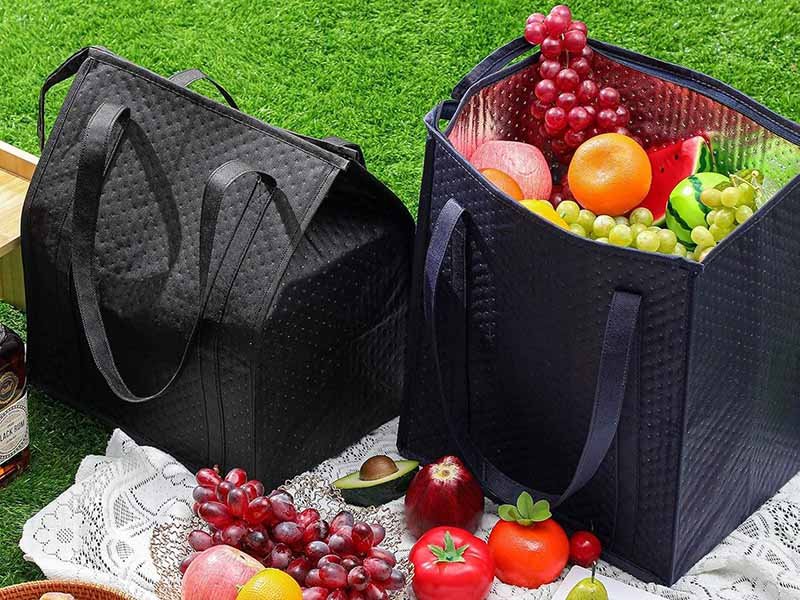
Most people see a cooler bag as a simple product: fabric outside, silver lining inside, zipper on top, handles on the sides. But once you start developing one for a real market, things get more serious very quickly. A cooler bag has to look good on the shelf, feel light in the hand, hold enough weight for daily use, resist leakage, and keep food or drinks cold long enough to match the promise on the product page. Two bags may look almost the same in photos, yet one performs well for months while the other starts leaking, collapsing, or losing insulation after only a short period of use. The reason is usually not the sketch. It is the manufacturing structure behind the product.
Cooler bags are manufactured by combining outer fabric, insulation foam, lining material, webbing, zipper, and reinforcement parts into a multi-layer bag structure. The process usually includes material selection, lamination, cutting, sewing, assembly, insulation construction, quality inspection, and packing. A reliable cooler bag factory does not only make the bag shape. It builds a product system that balances temperature retention, weight capacity, durability, cost, and appearance.
For brands, importers, retailers, and e-commerce sellers, this topic matters because the manufacturing method directly affects product quality, customer reviews, and repeat orders. At Lovrix, with more than 18 years of experience across fabric production, webbing manufacturing, and bag development, we have seen the same pattern again and again: the best cooler bags are not created by luck. They come from the right material choices, the right structure, and a factory that understands how every layer works together. Once you understand how cooler bags are actually manufactured, it becomes much easier to develop a product that sells well and lasts longer.
What Are Cooler Bags?

Cooler bags are insulated soft bags made to slow down temperature change during transport or short-term storage. They are usually built with an outer shell, insulation layer, and inner lining, so they can carry food, drinks, medicine, or temperature-sensitive products more safely and conveniently than a normal bag.
What Are Cooler Bags Used For?
Cooler bags are used in far more situations than most people expect. Many customers first think of beach trips or grocery shopping, but in manufacturing reality, cooler bags are a broad product category with many sub-types. The same basic insulated structure can be adjusted for daily lunch use, frozen-food transport, baby bottle storage, meal delivery, pharmaceutical packaging, outdoor sports, and event giveaways.
The real reason brands keep investing in cooler bags is that they solve a practical problem: they help customers move temperature-sensitive products without carrying a heavy hard cooler. Soft insulated bags are easier to fold, easier to store, lighter to ship, and easier to customize with logos and retail packaging.
Common end-use categories include:
- lunch and office meals
- grocery shopping and supermarket use
- picnic and family outings
- beach and camping activities
- takeout and food delivery
- baby milk and bottle storage
- medical sample or medicine transport
- promotional and retail gift sets
Different uses require different product structures. A compact lunch bag does not need the same foam thickness or handle strength as a 30-liter grocery tote. A food delivery bag needs stronger panel stability and better seam control than a simple promotional cooler bag.
Here is a practical size and use reference:
| Cooler Bag Type | Approx. Capacity | Common Weight Load | Main Use |
|---|---|---|---|
| Lunch cooler bag | 5–8 L | 2–4 kg | Office, school, meal prep |
| Bottle cooler bag | 4–10 L | 1–3 kg | Drinks, baby bottles |
| Grocery cooler tote | 15–25 L | 6–12 kg | Supermarket shopping |
| Picnic cooler bag | 20–30 L | 8–15 kg | Outdoor family use |
| Food delivery cooler bag | 25–60 L | 10–20 kg | Restaurant and takeaway |
From a customer point of view, this matters because many sourcing mistakes happen at the beginning. People ask for “a cooler bag” without clearly defining the use scenario. But cooler bag manufacturing always starts with one question: what exactly should this bag do in real life?
Why Are Cooler Bags Popular?
Cooler bags are popular because they sit at the intersection of convenience, health awareness, outdoor lifestyle, and reusable product demand. People want to carry cold drinks, fresh food, frozen groceries, or prepared meals without relying on disposable packaging or bulky containers. A good cooler bag gives them flexibility without taking up too much storage space.
From a market perspective, several product trends continue to support demand:
- more consumers bring their own lunch to work
- grocery buyers want reusable insulated totes
- food delivery brands need temperature control
- travel and outdoor categories keep expanding
- gift and promotional markets want practical products
There is also a price advantage at retail. Compared with many other sewn products, cooler bags are easy for customers to understand. The function is clear. The value is easy to demonstrate. And the product can often be sold in different market levels, from low-cost giveaways to premium lifestyle collections.
Why cooler bags are attractive to brands:
- the function is easy to explain
- the product supports strong seasonal sales
- there is room for material upgrades
- custom logos are easy to add
- multiple sizes can be built from one design concept
- repeat orders are common if performance is stable
The popularity of cooler bags is also linked to product versatility. One base factory structure can be adapted into a lunch tote, wine cooler, beach bag, grocery tote, picnic basket bag, shoulder cooler, backpack cooler, or delivery bag. That flexibility makes cooler bags especially appealing for brands that want to expand product lines without starting from zero each time.
Are Cooler Bags Different from Thermal Bags?
In everyday conversation, many people use “cooler bag” and “thermal bag” as if they mean the same thing. In manufacturing and product development, the difference is more about usage focus than completely different construction. A cooler bag is usually marketed around keeping contents cold. A thermal bag is a broader term and may be used for products that keep items either cold or warm.
In real factory production, both products often share the same core structure:
- outer shell fabric
- insulation foam
- inner lining
- zipper or closure system
- carrying handles or straps
The main difference usually comes from the sales angle and product positioning. A meal delivery company may call the product a thermal delivery bag. A supermarket brand may call the same structure an insulated grocery bag. A beach retailer may call it a cooler tote.
Here is a practical comparison:
| Product Term | Main Sales Focus | Usual Use Scenario | Structure Difference |
|---|---|---|---|
| Cooler bag | Keeping contents cold | Drinks, groceries, picnics | Usually none or very small |
| Thermal bag | Holding hot or cold temp | Delivery, meal transport | Usually none or very small |
| Insulated bag | General temperature retention | Retail and generic use | Broad umbrella term |
For customers developing private label products, this is important for two reasons. First, naming affects SEO and category positioning. Second, the bag structure should still match the promised use case. If the product is sold as a food delivery thermal bag, customers expect stronger insulation, better shape retention, and more professional construction than a simple family picnic tote.
So yes, there can be a marketing difference. But from a factory point of view, the bigger question is not what the product is called. The bigger question is how long it needs to hold temperature, how much it needs to carry, and where it will be used.
How Do Cooler Bags Maintain Temperature?
Cooler bags maintain temperature by slowing down heat transfer. They do not generate cold by themselves. The cold comes from chilled food, frozen products, ice packs, or cold bottles placed inside the bag. The bag’s job is to reduce how quickly outside heat moves inward and how quickly the cold inside escapes.
In practical manufacturing terms, a cooler bag usually controls heat through a layered structure. Each layer contributes something different.
| Layer | Common Materials | Main Job |
|---|---|---|
| Outer shell | Polyester, nylon, Oxford fabric | Strength, abrasion resistance, printing surface |
| Insulation core | EPE foam, PE foam, XPE foam | Reduce heat transfer |
| Reflective support | Aluminum foil or metallized film | Reflect radiant heat, support insulation effect |
| Inner lining | PEVA, EVA, PVC, TPU | Moisture control, leak resistance, easy cleaning |
The way temperature is controlled depends on three basic ideas:
- reducing heat conduction through foam
- reducing radiant heat through reflective inner surfaces
- reducing air exchange and moisture leakage through lining and closure design
This is why structure matters so much. A cooler bag with poor seams or thin foam can look attractive but perform badly. Even if the outer fabric is premium, poor insulation construction will lead to fast temperature loss.
For customers, one common misunderstanding is assuming the silver lining is doing most of the work. In fact, the insulation foam usually contributes more to cold retention than the shiny film alone. The reflective layer helps, but without the right foam thickness and density, the result will still be weak.
Another key point is that performance is always relative. A soft cooler bag used under summer sunlight, opened many times, and filled with only one small ice pack will never perform the same as the same bag used indoors with full ice support. That is why honest product development should always connect insulation design with real use conditions.
Why Do Brands Invest in High-Quality Cooler Bag Manufacturing?
Brands invest in better cooler bag manufacturing because end users notice failure very quickly. A cooler bag is not a product that can hide weak construction for long. If the handle tears, the zipper jams, the foam collapses, the lining leaks, or the bag fails to hold temperature during normal use, customers respond fast and often publicly through reviews.
For B2B customers, this is where product cost and product value become very different things. A cheaper quote may reduce the first order price, but weak manufacturing often increases the real cost later through complaints, returns, replacements, and lost trust.
The most common cooler bag quality problems are easy to recognize:
- handles tearing away from the body
- lining leakage at the bottom seam
- foam becoming flat after repeated use
- zipper failure under load
- poor edge binding or uneven stitching
- bag collapsing when filled
- logo peeling or printing fading
High-quality manufacturing reduces these problems by controlling both materials and process details. That includes:
- correct foam thickness for bag size
- stronger webbing attachment
- suitable zipper size and sewing margin
- reinforced bottom panel
- stable lamination of lining and foam
- cleaner cutting accuracy for better panel alignment
At Lovrix, the advantage is not only bag sewing capacity. The group also works with its own fabric and webbing capabilities, which allows closer control over key inputs before they enter final production. That matters because cooler bags are not one-material products. If the shell fabric, webbing, and insulation structure are developed separately with poor coordination, the finished bag often shows inconsistency.
Here is a simple view of what customers usually care about most when selecting a manufacturing partner:
| Customer Concern | What the Factory Must Control |
|---|---|
| Will the bag keep cold long enough? | Foam type, thickness, lining structure |
| Will it carry weight safely? | Webbing quality, reinforcement, stitching |
| Will it look premium in retail? | Fabric finish, logo quality, clean sewing |
| Will bulk production match the sample? | Process control, inspection standards |
| Can the cost stay competitive? | Material planning, factory coordination, yield control |
That is why good cooler bag manufacturing is not only about making a bag. It is about building a product that can survive transport, usage, retail scrutiny, and repeat purchase expectations.
Why Does Lovrix Have an Advantage in Cooler Bag Manufacturing?
For brands developing insulated bags, Lovrix offers an advantage because it is not operating as a single isolated sewing workshop. It is a group with experience in fabric development, webbing production, and bag manufacturing. That broader control matters in cooler bag projects because insulated bags depend heavily on how different materials work together.
A cooler bag may look simple, but its final quality depends on the coordination of several systems:
- shell fabric performance
- webbing and handle strength
- insulation structure
- lining compatibility
- sewing quality
- accessory selection
When those parts are sourced and controlled separately with weak coordination, problems happen more easily. Fabrics may look good but wrinkle badly in production. Webbing may not match the load requirement. Foam structure may feel fine in the sample but become unstable in bulk. Lovrix’s integrated manufacturing background helps reduce those risks.
For customers, this usually means:
- faster material matching
- easier sampling adjustments
- more stable bulk consistency
- better communication during development
- stronger support for OEM and private label projects
This is especially useful for brands serving mid-range and higher-end markets, where product quality needs to match a stronger retail story.
What Should Customers Confirm Before Developing a Cooler Bag?
Before sampling begins, customers should confirm more than the appearance. Many delays and misunderstandings happen because the visual design is approved first while the technical structure stays vague.
The most important items to confirm early are:
- target use scenario
- bag dimensions and volume
- expected load weight
- required cold retention time
- outer fabric type
- foam type and thickness
- lining material
- zipper and handle specification
- logo method
- packaging requirements
A practical pre-sampling checklist is below:
| Check Item | Why It Matters |
|---|---|
| Use scenario | Decides structure and material level |
| Bag size | Affects foam thickness and handle strength |
| Weight load | Affects webbing and reinforcement method |
| Insulation target | Affects foam and lining selection |
| Logo process | Affects cost, appearance, lead time |
| MOQ target | Affects material sourcing flexibility |
| Retail channel | Affects finish level and packaging |
If these points are clear early, the factory can recommend a more accurate structure and quote. If they are unclear, the sample may look acceptable but fail later in real use or bulk production.
This is also where experienced manufacturers create value. A strong factory will not only ask what the bag should look like. It will ask how the bag should work.
Which Materials Are Used in Cooler Bag Manufacturing?

Cooler bag manufacturing depends heavily on selecting the right combination of materials. A cooler bag is not built from a single fabric; instead, it is a layered product system. The outer fabric provides durability and visual appeal, insulation foam controls temperature transfer, the inner lining prevents leaks and simplifies cleaning, while webbing and accessories support structural strength.
For brands developing cooler bags, material choice determines several key outcomes:
- how long the bag can maintain temperature
- how much weight the bag can safely carry
- how durable the bag will be during daily use
- how the product looks and feels at retail
- how much the final product costs to produce
Many cooler bag problems in the market—such as poor insulation, weak handles, or leaking interiors—come from incorrect material combinations rather than poor sewing alone. That is why experienced manufacturers begin every project with material planning.
Below is a simplified overview of the main material layers used in most cooler bags.
| Cooler Bag Layer | Common Materials | Primary Function |
|---|---|---|
| Outer shell | Polyester, nylon, Oxford fabric | Strength and abrasion resistance |
| Insulation core | PE foam, EPE foam, XPE foam | Temperature control |
| Reflective layer | Aluminum foil or metallized film | Heat reflection |
| Inner lining | PEVA, PVC, EVA | Waterproof interior |
| Reinforcement parts | Webbing, zippers, piping | Load bearing and structure |
Each of these materials must work together. If one layer is weak, the entire product performance can be compromised.
Which Fabrics Are Used for Cooler Bags?
The outer shell fabric is the first thing customers see, but it also serves an important functional role. The shell must protect the insulation layers while withstanding abrasion, sunlight, and frequent handling.
Several fabric types are widely used in cooler bag manufacturing.
| Fabric Type | Key Features | Typical Applications |
|---|---|---|
| 210D Polyester | Lightweight, affordable | Promotional cooler bags |
| 420D Polyester | Stronger durability | Lunch cooler bags |
| 600D Polyester | Balanced strength and weight | Grocery cooler totes |
| Oxford Fabric | Textured and durable | Outdoor cooler bags |
| Nylon Fabric | Higher tear resistance | Premium insulated bags |
Polyester fabrics are the most common because they offer a good balance between cost, durability, and printing compatibility. For example, 600D polyester with PU coating is widely used for grocery cooler bags because it resists abrasion and provides light water resistance.
Nylon fabrics are usually chosen for higher-end products. Nylon has stronger tear resistance and smoother texture, which improves the perceived quality of the finished bag. However, nylon is generally more expensive than polyester.
Fabric coatings also matter. Many cooler bag fabrics use coatings such as PU or PVC backing, which improve water resistance and help maintain fabric shape.
From a product development perspective, the outer fabric must be matched with the intended usage scenario. A lightweight lunch bag does not require the same heavy-duty fabric used in a large picnic cooler.
What Foam Is Used in Cooler Bags?
Foam insulation is the most important material responsible for temperature retention. Without insulation foam, a cooler bag would simply be a fabric tote with a shiny lining.
Several types of foam are commonly used in cooler bag manufacturing.
| Foam Type | Characteristics | Performance Level |
|---|---|---|
| PE Foam | Lightweight and economical | Standard insulation |
| EPE Foam | Flexible and shock absorbing | Entry to mid-level products |
| XPE Foam | Higher density and durability | Premium insulation |
| PU Foam | Strong thermal resistance | High-performance bags |
The most common choice for cooler bags is EPE foam, which balances cost, flexibility, and insulation performance. EPE foam contains closed air cells that slow down heat transfer, helping maintain cold temperatures inside the bag.
Foam thickness is another important factor. Most cooler bags use foam thickness between 3 mm and 10 mm, depending on the size and expected performance.
| Foam Thickness | Cooler Bag Type | Cooling Duration* |
|---|---|---|
| 3 mm | Small lunch bags | 2–3 hours |
| 5 mm | Standard cooler bags | 3–5 hours |
| 8 mm | Picnic cooler bags | 5–7 hours |
| 10 mm | Large insulated bags | 7+ hours |
- Cooling duration depends on ice packs and environmental conditions.
Thicker foam improves insulation performance but also increases product weight and cost. Manufacturers therefore adjust foam thickness depending on the bag’s capacity and target market.
Which Linings Are Used in Cooler Bags?
The inner lining is the material that comes into direct contact with food containers, ice packs, or beverages. It must be waterproof, easy to clean, and durable enough to handle frequent use.
Several lining materials are widely used in cooler bags.
| Lining Material | Advantages | Common Use |
|---|---|---|
| PEVA | Food-safe, flexible | Lunch bags and grocery bags |
| PVC | Strong waterproof performance | Utility cooler bags |
| EVA | Soft and flexible | Mid-range cooler bags |
| Aluminum foil film | Reflective heat barrier | Added insulation layer |
PEVA has become one of the most common lining materials because it combines water resistance, flexibility, and food-contact safety. Many brands prefer PEVA because it is considered more environmentally friendly than PVC.
The lining also plays an important role in cleaning convenience. Customers often carry melted ice, spilled drinks, or food containers inside cooler bags. A smooth PEVA lining allows users to wipe the interior clean with a damp cloth.
In addition to lining material, seam construction is critical. If seams are not sealed properly, melted ice may leak through stitch holes.
Common seam finishing methods include:
- stitched seams with reinforced binding
- folded seams for stronger structure
- heat-sealed seams for leak resistance
Higher-end cooler bags often combine thicker lining materials with heat-sealed seams to reduce leakage.
Which Webbing and Accessories Are Used in Cooler Bags?
Webbing and accessories provide structural support for cooler bags. These components determine how much weight the bag can carry and how comfortable it feels when transported.
Common reinforcement components include:
| Component | Material | Function |
|---|---|---|
| Carry handles | Polyester webbing | Weight support |
| Shoulder straps | Nylon webbing | Comfortable carrying |
| Zippers | Nylon or metal zippers | Secure closure |
| Piping | Polyester binding | Edge reinforcement |
| Buckles | Plastic or metal hardware | Adjustable straps |
Webbing handles are particularly important because cooler bags often carry heavy loads. A large grocery cooler bag filled with frozen food and drinks can easily weigh 10–15 kg. Without strong webbing reinforcement, handles may tear away from the bag body.
Manufacturers therefore reinforce handle attachment points using several techniques:
- cross stitching
- reinforcement patches
- double stitching lines
Zipper selection also influences durability. For insulated bags that are opened frequently, stronger zippers such as #8 or #10 nylon coil zippers are commonly used.
Accessory choices can also improve functionality. For example:
- mesh pockets allow extra storage for utensils or napkins
- bottle openers can be attached for picnic use
- adjustable straps improve carrying comfort
These small details help differentiate products in competitive retail markets.
Why Material Selection Determines Cooler Bag Quality
Material selection is often the most critical stage of cooler bag manufacturing. Even the best sewing techniques cannot compensate for poor materials.
A cooler bag built with thin foam, weak lining, and low-strength webbing may look acceptable initially but will likely fail under regular use.
When evaluating cooler bag materials, manufacturers usually consider:
- insulation performance
- durability and abrasion resistance
- weight and comfort
- ease of cleaning
- cost efficiency
By carefully balancing these factors, brands can develop cooler bags that meet both performance expectations and market pricing targets.
For customers working with Lovrix, one advantage is that the company integrates fabric development, webbing production, and bag manufacturing within the same group. This allows better coordination between material selection and final product construction.
How Does Cooler Bag Manufacturing Work?

Cooler bag manufacturing is a multi-step production process that transforms raw materials—fabric, foam insulation, lining, webbing, and accessories—into a finished insulated product. While cooler bags appear simple, producing them consistently at scale requires careful coordination between material preparation, panel cutting, sewing, lamination, and quality inspection.
Factories usually divide production into several controlled stages so each component can be checked before moving to the next step. This workflow helps ensure consistent insulation performance, structural durability, and visual quality across large production orders.
Below is a simplified overview of the standard cooler bag production workflow used by many manufacturers.
| Manufacturing Stage | Key Tasks |
|---|---|
| Material preparation | Fabric inspection, foam selection, lining preparation |
| Lamination | Bonding foam with lining or fabric layers |
| Panel cutting | Cutting bag panels according to pattern |
| Sewing & assembly | Stitching panels, attaching zippers and handles |
| Reinforcement | Strengthening load-bearing areas |
| Quality inspection | Checking appearance, seams, and insulation |
| Packaging | Folding, packing, and preparing shipment |
Each stage plays a role in determining how well the final cooler bag performs in real use.
How Are Materials Prepared for Cooler Bags?
The first stage of cooler bag manufacturing is material preparation. Factories must ensure that every component used in production meets the required specifications before cutting or sewing begins.
This stage usually includes several inspection steps:
- fabric thickness and color consistency
- foam density and thickness verification
- lining flexibility and waterproof performance
- webbing tensile strength
- zipper quality and smooth operation
Material inspection is particularly important for insulation foam because foam thickness variations can significantly affect cooling performance.
Example inspection parameters used in some factories:
| Material | Inspection Item |
|---|---|
| Fabric | Color difference, coating consistency |
| Foam | Thickness tolerance and density |
| Lining | Waterproof test |
| Webbing | Tensile strength |
| Zipper | Smooth opening test |
After passing inspection, materials are prepared for lamination or cutting depending on the design structure.
For cooler bags using laminated insulation structures, foam and lining materials may be bonded together before panel cutting. This improves production efficiency and ensures consistent insulation layers.
How Are Cooler Bags Cut and Sewn?
Once materials are prepared, the next stage is cutting and sewing. Cooler bags consist of multiple panels including front panels, back panels, side panels, bottom panels, lids, and pockets.
Factories typically use two cutting methods:
| Cutting Method | Advantage |
|---|---|
| Die cutting | Fast production for large orders |
| CNC cutting | High precision for complex designs |
Die cutting uses steel molds to stamp out fabric panels quickly and consistently. CNC cutting machines are often used during the sampling stage or for products with irregular shapes.
After cutting, the panels move to sewing lines where skilled operators assemble the bag structure.
The sewing stage generally includes:
- stitching the main body panels
- attaching insulation layers
- installing zippers and closures
- attaching webbing handles
- adding pockets and accessories
Because cooler bags include foam insulation, sewing machines must handle thicker materials compared with ordinary fabric bags. Industrial sewing machines with stronger needles and feed systems are used to maintain stitching accuracy.
How Are Cooler Bags Assembled?
Assembly is the stage where separate components are combined into the final bag structure.
Key assembly tasks include:
- attaching handles and shoulder straps
- installing zippers and closure systems
- reinforcing corners and stress points
- binding edges with piping or fabric tape
Handle attachment is one of the most critical structural points in cooler bag assembly. Many cooler bags carry heavy loads such as frozen food or beverages. A fully loaded grocery cooler bag may weigh 10–15 kilograms, so handle attachment must distribute this weight evenly.
Factories often reinforce handle areas using techniques such as:
| Reinforcement Method | Benefit |
|---|---|
| Cross stitching | Distributes stress across stitching area |
| Reinforcement patches | Strengthens load-bearing areas |
| Double stitching | Improves seam durability |
Edge binding is another important step. Cooler bag edges must be finished neatly to prevent fraying and to maintain a clean appearance.
How Is Cooler Bag Quality Checked?
Quality inspection is the final stage before packaging and shipment. Cooler bag factories typically conduct both visual inspections and functional tests.
Common inspection checks include:
| Inspection Type | Purpose |
|---|---|
| Visual inspection | Check stitching, fabric alignment, and logo placement |
| Load test | Verify handle strength |
| Zipper test | Ensure smooth opening and closing |
| Insulation check | Confirm foam thickness and lamination quality |
| Leak test | Verify lining waterproof performance |
Load testing is especially important for large cooler bags. During this test, the bag is filled with weighted objects to simulate real use.
Example load test standards:
| Bag Size | Test Weight |
|---|---|
| Small lunch cooler | 6 kg |
| Medium cooler tote | 10 kg |
| Large grocery cooler | 15 kg |
If seams or handles fail during testing, the product design must be revised before mass production continues.
Quality control teams also inspect finished products for appearance defects such as uneven stitching, fabric wrinkles, or misaligned logos.
How Long Does Cooler Bag Production Take?
Production lead time depends on order size, customization requirements, and material availability. However, most cooler bag projects follow a predictable timeline.
Typical production schedule:
| Production Stage | Time Required |
|---|---|
| Design confirmation | 1–2 days |
| Material preparation | 3–5 days |
| Sample production | 5–7 days |
| Mass production | 20–30 days |
Brands preparing seasonal products—such as summer beach cooler bags—should plan development well in advance to allow sufficient time for sampling, testing, and production.
How Do Brands Customize Cooler Bag Manufacturing?

Customization allows brands to create cooler bags that reflect their identity and meet specific market needs. Cooler bag factories usually support a wide range of customization options including logo printing, color selection, structural design, and packaging.
How Are Logos Added to Cooler Bags?
Logo branding is an essential part of private label cooler bag production. Several logo application methods are commonly used depending on the bag material and desired visual effect.
| Logo Method | Characteristics |
|---|---|
| Screen printing | Simple and cost-effective |
| Heat transfer printing | Detailed multi-color designs |
| Embroidery | Premium appearance |
| Woven labels | Durable branding |
Screen printing is the most widely used method for cooler bags because it works well on polyester and nylon fabrics and maintains strong color visibility.
Embroidery is often chosen for higher-end products because it adds texture and durability.
Which Cooler Bag Styles Are Popular?
Cooler bags are produced in many styles to suit different markets.
Common cooler bag styles include:
| Cooler Bag Style | Main Application |
|---|---|
| Lunch cooler bags | Daily office or school meals |
| Grocery cooler totes | Supermarket shopping |
| Backpack cooler bags | Outdoor activities |
| Wine cooler bags | Beverage transport |
| Delivery cooler bags | Food delivery services |
Each style may require adjustments in insulation thickness, handle design, and pocket structure.
How Do OEM Cooler Bag Projects Work?
OEM manufacturing allows brands to produce cooler bags according to their own design specifications. In this model, the brand provides the product design while the factory handles production.
Typical OEM workflow:
- product concept and design submission
- material recommendation and quotation
- prototype sample production
- design adjustments and approval
- bulk manufacturing
This approach allows brands to create unique cooler bags tailored to their target market.
Start Your Custom Cooler Bag Project with Lovrix
Cooler bag manufacturing involves much more than sewing fabric panels together. It requires thoughtful material selection, insulation engineering, strong reinforcement, and consistent production control.
For brands entering the insulated bag market, working with an experienced manufacturer can significantly improve product quality and reduce development risks.
Lovrix has more than 18 years of experience in fabric production, webbing manufacturing, and bag development, allowing the company to control multiple stages of cooler bag manufacturing within a single integrated system.
This integrated capability enables Lovrix to support customers with:
- free product design consultation
- low MOQ customization
- fast sample development
- strict quality inspection
- reliable production schedules
Whether you are developing a new cooler bag design, launching a private label product line, or sourcing insulated bags for retail or e-commerce, Lovrix can help transform your concept into a durable, high-quality product.
Contact Lovrix today to discuss your cooler bag project, request samples, and receive a customized quotation for your next insulated bag collection.


