 Skip to content
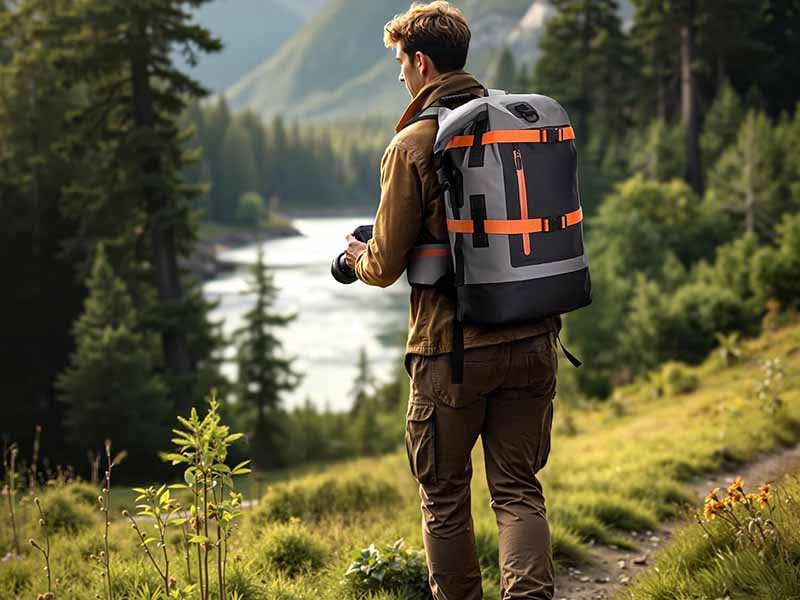
Outdoor brands do not add products to a collection just because they look good in photos. They choose products that solve real problems in real conditions. A backpack that gets damp in light rain may still survive an urban commute, but that same bag becomes a liability on a kayak, a paddle board, a fishing boat, a wet trail, or a beach camping trip. When customers carry phones, cameras, power banks, dry clothing, first-aid kits, and food in unpredictable weather, one small leak can turn into a product return, a bad review, and a lost repeat order. That is why dry bags have become one of the most practical categories in outdoor gear.
Outdoor brands use dry bags because dry bags give dependable waterproof storage, stand up better to mud, sand, rain, and splashes, and fit a wide range of outdoor activities without changing the core product structure. For brands, that means fewer complaints, stronger product positioning, and easier expansion into water, camping, fishing, and travel markets.
The real story is not only about “keeping things dry.” It is about how a brand protects its reputation when gear is used in places where product failure is easy to notice and hard to forgive. A wet towel is annoying. A wet sleeping bag on a cold night is a problem. A wet phone during a paddle trip can ruin the entire user experience. That difference is exactly why more outdoor brands keep coming back to dry bag development, season after season.
What Are Dry Bags?

Dry bags are waterproof storage bags built to keep contents protected from rain, splashes, mud, and short-term water exposure by combining non-absorbent materials, sealed construction, and a closure system that blocks water from entering the bag opening.
What Defines Dry Bags
A dry bag is different from an ordinary backpack, tote, or duffel because its primary purpose is not fashion, laptop storage, or general commuting. Its first job is protection. In product development terms, that changes everything: the fabric choice, the seam process, the closure design, the accessory selection, and even the shape of the bag.
A true dry bag usually has four defining features. First, it uses waterproof materials that do not absorb water easily. Second, it avoids traditional open stitching in the main body wherever water entry would be a risk. Third, it relies on a roll-top or other sealing structure to close the opening tightly. Fourth, it is designed around outdoor handling, which means it must still work after repeated folding, squeezing, dragging, and exposure to dirt.
This is why many outdoor brands separate dry bags from general “water-resistant” bags in their product lines. Water-resistant products may survive light rain for a short time, but dry bags are expected to hold up in harder conditions such as a wet boat floor, riverside storage, beach sand, heavy spray, or gear stacking in bad weather.
For customers, the difference is simple: a regular bag tries to avoid getting wet; a dry bag is made to defend what is inside. That clear product promise makes dry bags easy to market and easy for users to understand. When a product category solves a visible problem in a visible way, brands can sell it more confidently.
How Dry Bags Stay Waterproof
The waterproof function of a dry bag depends on structure more than on advertising language. A bag is not truly dependable just because a supplier says it is waterproof. The result comes from how the product is built.
The most common dry bag closure is the roll-top system. The user folds the opening down several times and then clips the buckle closed. This creates a compressed barrier that helps stop water from entering through the top. For outdoor use, this design is often more reliable than standard zippers, because zippers introduce more opportunities for wear, small gaps, and long-term leakage if the bag is opened and closed frequently.
The bag body matters just as much. If the main panels are made from PVC tarpaulin, TPU film laminated fabric, or coated nylon, the material itself already blocks most water. Then the seams are reinforced through high-frequency welding, heat sealing, or taping, depending on the material and price level. In better-designed products, weak points such as D-rings, strap joints, and handle bases are also strengthened so the bag does not fail after repeated outdoor use.
The table below shows why dry bags perform differently from standard outdoor bags:
| Item | Dry Bags | Regular Outdoor Bags |
|---|---|---|
| Main goal | Keep contents dry | Carry gear conveniently |
| Body material | Waterproof laminated or coated fabric | Woven fabric with partial coating |
| Top closure | Roll-top or waterproof zip structure | Zipper, flap, or drawcord |
| Seam method | Welded, sealed, or protected seams | Standard stitched seams |
| Splash resistance | High | Medium to low |
| Short-term water exposure | Usually manageable | Often risky |
| Sand and mud cleanup | Easier | Harder |
For brands, this construction logic matters because customer complaints often come from the most basic failure points. A good dry bag is not only a fabric choice. It is a system.
Which Materials Are Used in Dry Bags
Material choice shapes price, feel, weight, appearance, and long-term performance. This is one of the most important decisions in custom dry bag development because the same bag design can sit in very different market positions simply by changing the material structure.
PVC tarpaulin is one of the most common options for dry bags aimed at larger-volume wholesale or price-sensitive retail markets. It is thick, stable, relatively easy to weld, and gives the bag a strong, structured look. It also performs well for rough handling, which is why many entry-level and mid-range marine, fishing, and beach dry bags use it.
TPU is often used when the goal is a lighter, softer, or more premium product. It can create a cleaner hand feel and is often chosen for brands that want a better-looking bag with less stiffness. For some outdoor customers, that softer touch matters because the bag is packed tightly in backpacks, travel kits, or sports gear.
Coated nylon and coated polyester are also common, especially when brands want foldability and lighter shipping weight. These materials can work well for smaller capacity dry sacks used in hiking, camping, and internal gear organization. They are often easier to compress and carry, though the overall construction standard still determines how dependable the bag is outdoors.
A simple comparison helps show how material affects the final product:
| Material | Common Thickness / Denier | Strengths | Best Fit |
|---|---|---|---|
| PVC Tarpaulin | 0.45-0.70 mm | Tough, stable, budget-friendly | Fishing, boating, beach, entry-level retail |
| TPU Laminated Fabric | 0.30-0.60 mm | Softer feel, lighter, premium look | Premium outdoor, sports, travel |
| Nylon with Coating | 210D-420D | Lightweight, packable | Hiking, camping, dry sacks |
| Polyester with Coating | 300D-600D | Balanced cost and durability | Mid-range general outdoor use |
From a customer’s point of view, the questions are practical. Will the bag feel too stiff? Will it crack after folding? Will it smell strong in the first shipment? Will the surface scratch too easily? Will the bag still look good after repeated trips? Experienced manufacturers like Lovrix can guide brands through these trade-offs early, which saves time later in sampling and reduces the chance of choosing the wrong construction for the target market.
Why Outdoor Brands Care About Dry Bag Structure
Many new brands focus first on color, logo, and size. Those details matter, but structure decides whether the product holds up after customers start using it. For dry bags, the wrong structure can ruin an otherwise attractive design.
For example, a 20L dry bag made with weak buckles or poor webbing reinforcement may pass basic appearance inspection but fail once users carry wet towels, shoes, water bottles, and electronics together. A bag body may be waterproof, but if the strap anchor tears under load, the whole product still becomes a problem. That is why outdoor brands pay close attention to more than waterproof claims. They look at load-bearing points, bottom abrasion, strap comfort, buckle quality, and how easily the opening can be rolled and closed.
This is especially important for e-commerce brands. Online product pages can create strong expectations, but customer reviews quickly expose weak construction. One common pattern in returns is not total body leakage, but discomfort or failure in secondary components: broken side-release buckles, shoulder straps pulling loose, stiff material that cracks at fold points, or a closure that users find hard to seal correctly.
A better development process checks these details in sample stage. Brands often review the following:
| Structure Point | Why It Matters |
|---|---|
| Roll-top width | Affects sealing ease and visual neatness |
| Buckle quality | Impacts reliability and user confidence |
| Webbing thickness | Influences load support and comfort |
| Seam finish | Decides water resistance and appearance |
| Bottom panel strength | Protects against abrasion and dragging |
| Strap attachment | Prevents breakage during heavy use |
For a serious outdoor brand, dry bag structure is not a minor detail. It is the reason customers either trust the product on the next trip or leave it at home.
Why Use Dry Bags Instead of Regular Bags?

Outdoor brands use dry bags instead of regular bags when they need stronger waterproof performance, lower product risk in wet conditions, and a clearer functional selling point that customers can understand immediately and trust in real use.
Do Dry Bags Offer Better Protection
Yes, and the difference is easy for customers to feel in actual use. A regular outdoor bag may handle light moisture, morning dew, or a short walk through weak rain, but once the environment becomes more demanding, its limitations show quickly. Wet ground, boat spray, beach water, muddy handling, sudden downpours, and damp storage conditions all increase the chance that water will reach the contents.
Dry bags solve this problem by creating a direct protection story. Customers do not need a long technical explanation to understand why they matter. They see a sealed top, a waterproof body, and a product that is clearly made for wet conditions. That visual clarity helps both product conversion and customer satisfaction.
For brands, better protection usually creates value in four ways. First, it reduces the chance of product disappointment. Second, it gives the product a stronger price justification. Third, it helps the brand enter activity-based niches like kayaking, fishing, rafting, beach travel, and camping. Fourth, it creates better marketing content because the use scenario is easier to demonstrate.
The table below shows how customers often compare the two categories in real life:
| Use Situation | Regular Bag Result | Dry Bag Result |
|---|---|---|
| Heavy rain on trail | Risk of wet clothing and accessories | Contents usually stay protected if sealed correctly |
| Wet boat deck | Fabric can absorb moisture | Surface sheds water more easily |
| Beach sand and splash | Harder to clean, more seep risk | Easier wipe-down and stronger splash protection |
| Muddy campsite | Exterior stays dirty and damp longer | Exterior is easier to rinse or wipe |
The real commercial value is that dry bags make outdoor promises easier to keep. When a product promise is easier to keep, the brand becomes easier to trust.
Are Dry Bags More Durable
In many outdoor categories, durability is just as important as waterproof performance. A bag that keeps water out but fails after a few trips still damages the brand. That is why dry bags are often developed with stronger construction methods than regular bags in the same size range.
Many dry bags use thicker material faces, denser webbing, stronger buckles, and less exposed stitching in critical body areas. This gives them better resistance to abrasion, folding stress, and rough loading. In practical terms, that means they are more likely to survive being placed on rocks, dragged across a dock, packed into a trunk, or carried with damp gear inside.
Durability also affects profitability. If a brand sells a low-cost bag with a high return rate, the initial margin can disappear quickly after replacements, refunds, customer service time, and review damage. A more durable dry bag often costs more to produce, but it can protect margin over time by lowering failure-related costs.
Brands usually look at durability from several angles:
| Durability Factor | What Brands Want |
|---|---|
| Surface abrasion resistance | Less scratching and wear after repeated trips |
| Fold endurance | Material should not crack at rolled top area |
| Buckle life | Reliable opening and closing over repeated use |
| Strap reinforcement | Stable carrying performance under weight |
| Bottom toughness | Better resistance on rough surfaces |
Customers may not talk about all of these points in technical language, but they notice the results. They know when a bag feels strong, when it closes smoothly, when straps feel secure, and when the bag still looks usable after months of outdoor use. That feeling of dependability is one reason dry bags continue to win repeat demand.
How Dry Bags Handle Harsh Conditions
Outdoor brands do not build products for perfect weather. They build for the moments when weather changes fast, storage conditions are poor, and users are tired, wet, and not handling gear carefully. That is exactly where dry bags make the most sense.
Harsh conditions are not limited to rivers or oceans. They include sandy beaches, humid campsites, wet grass, dusty roads, cold mornings, muddy fishing banks, and packed vehicle storage where wet and dry items are thrown together. In those situations, dry bags help control mess, reduce moisture transfer, and keep critical items separated.
This matters because a good outdoor product often solves more than one problem at once. A dry bag protects gear from water, but it also helps organize wet clothing, isolate dirty shoes, store electronics, reduce odor transfer, and simplify cleanup after the trip. That multi-purpose function gives the product broader appeal and allows brands to sell one category into multiple customer groups.
A simple environment comparison makes this clearer:
| Condition | Why Regular Bags Struggle | Why Dry Bags Perform Better |
|---|---|---|
| Rainy hiking day | Water enters through zippers and seams | Sealed closure gives stronger top protection |
| Beach travel | Sand gets into fabric and closures | Smooth surface is easier to shake clean |
| Boat or dock use | Constant splash and wet surfaces | Waterproof shell handles repeated moisture |
| Muddy campsite | Fabric absorbs dirt and stays damp | Exterior is easier to wipe or rinse |
| Car trunk after trip | Wet gear affects other items | Dry bag isolates the mess |
For brands, this wide usefulness is valuable. It means a dry bag can be sold not only as a single-purpose water sports item, but as a broader problem-solving product for travel, camping, festivals, family outings, fitness gear, and workwear storage. That wider relevance increases the chance of stronger sell-through.
Why Dry Bags Help Brands Sell More Clearly
One reason outdoor brands like dry bags is simple: they are easier to explain. In crowded outdoor categories, many products look similar online. The more complicated the value proposition, the harder it is to convert traffic into inquiries or orders. Dry bags are different because the benefit is visual, immediate, and useful.
A customer seeing a dry bag product page can quickly understand the main value: keep your gear dry. That clarity helps on Amazon listings, brand websites, social ads, video content, and retail displays. It also supports upselling. Once a brand has one successful dry bag size, it is easy to expand into 2L, 5L, 10L, 20L, 30L, duffel styles, backpack styles, phone pouches, and accessory pouches.
For custom manufacturing, this category is also flexible. Brands can change material, finish, strap layout, capacity, printing method, accessory configuration, and packaging without changing the core product idea. That makes dry bags suitable for both new brands testing small orders and established brands building full collections.
Here is why the category is commercially attractive:
| Brand Goal | Why Dry Bags Fit |
|---|---|
| Launch fast | Simple structure compared with complex backpacks |
| Control risk | Clear function and broad market demand |
| Build a collection | Easy to expand by size and activity |
| Increase average order value | Supports add-on accessories and multi-size sets |
| Support OEM/ODM | Material and branding options are highly flexible |
For a company like Lovrix, this is where manufacturing experience matters. When a customer wants to develop private label or OEM dry bags, the conversation is not only about making a sample. It is about choosing the right version of the product for the right market, price point, and customer expectation. That is what turns a common item into a stronger business opportunity.
How Do Dry Bags Improve Outdoor Gear?

Dry bags improve outdoor gear by protecting essential items from water, simplifying packing, and helping users manage wet and dry equipment more efficiently across different outdoor environments.
How Dry Bags Protect Equipment
Outdoor gear is often a mix of high-value and essential items—phones, GPS devices, batteries, dry clothes, sleeping bags, food supplies. Once these items are exposed to water, the impact is immediate and often irreversible.
Dry bags act as a protective barrier layer, not just a storage container. This becomes especially important in situations where:
- Sudden rain occurs during hiking
- Water splashes into boats or kayaks
- Gear is placed on wet ground or sand
- Condensation builds up inside tents or backpacks
For example, in real usage scenarios:
| Gear Type | Risk Without Dry Bags | Result With Dry Bags |
|---|---|---|
| Electronics (phones, cameras) | Water damage, failure | Remains dry and functional |
| Clothing | Damp, uncomfortable | Dry backup available |
| Sleeping bags | Loss of insulation | Maintains warmth |
| Food supplies | Contamination or spoilage | Clean and protected |
For brands, this level of protection directly affects customer satisfaction. A dry bag is often not the main product—but it protects the main product experience. That makes it highly valuable in outdoor product ecosystems.
Do Dry Bags Improve Packing Efficiency
Packing efficiency is often underestimated, but it directly impacts how users feel about a product.
Dry bags are naturally suited for compression and modular packing. Because they use flexible materials and roll-top closures, users can adjust volume based on what they carry.
This leads to several practical advantages:
- Less wasted space inside backpacks or vehicles
- Easier separation of gear (wet vs dry, clean vs dirty)
- Faster access to important items
For example, experienced outdoor users often organize their gear like this:
| Category | Storage Method |
|---|---|
| Electronics & valuables | Small dry bag (2L–5L) |
| Clothing | Medium dry bag (10L–20L) |
| Wet items (towels, swimwear) | Separate dry bag |
| Food & essentials | Lightweight dry sack |
This modular system improves both organization and speed. Users don’t need to unpack everything to find one item.
From a product development angle, brands often design dry bags in multi-size sets, which increases average order value and improves customer experience at the same time.
Are Dry Bags Easy to Carry and Store
Ease of use is one of the reasons dry bags are widely accepted across different customer groups—not just professional outdoor users.
Compared to structured backpacks, dry bags offer:
- Lightweight construction
- Foldable storage when not in use
- Flexible carrying options
Many dry bags include:
- Single shoulder straps
- Dual backpack straps
- Side handles
- Detachable straps
This flexibility allows one product to serve multiple purposes:
- Carry bag during travel
- Storage bag inside larger luggage
- Protective liner inside backpacks
Here is how different designs affect usability:
| Design Feature | User Benefit |
|---|---|
| Roll-top closure | Adjustable volume, secure seal |
| Detachable straps | Multi-use carrying options |
| Lightweight fabric | Easy to pack and carry |
| Soft structure | Fits irregular spaces |
For brands, ease of use translates into lower return rates. If a product is complicated or uncomfortable, customers will notice quickly. Dry bags succeed because they are simple and intuitive.
Why Dry Bags Support Multi-Scenario Use
One of the strongest advantages of dry bags is that they are not limited to one activity.
A single dry bag can be used for:
- Kayaking and water sports
- Beach trips
- Camping and hiking
- Gym and fitness
- Travel and commuting
This multi-scenario use is important for brands because it expands the target market without redesigning the product.
For example:
| Scenario | How Dry Bags Are Used |
|---|---|
| Beach | Store wet towels and clothes |
| Hiking | Protect gear from rain |
| Gym | Separate sweaty clothing |
| Travel | Organize luggage and prevent leaks |
| Fishing | Keep gear dry on wet surfaces |
This versatility increases product turnover and reduces the need for multiple specialized SKUs.
For eCommerce sellers, this is especially valuable because:
- One product can target multiple keywords
- Marketing content becomes easier to create
- Inventory risk is reduced
Which Activities Need Dry Bags Most?

Dry bags are most commonly used in water-based and outdoor activities where gear exposure to moisture, sand, or dirt is unavoidable and protection becomes essential.
Which Water Sports Use Dry Bags
Water sports are the most direct and obvious application for dry bags.
Activities include:
- Kayaking
- Rafting
- Paddleboarding
- Sailing
- Fishing
In these environments, water exposure is constant—not occasional. Gear is often placed directly on wet surfaces, and splashing is unavoidable.
For example, a kayaking user typically carries:
- Phone or GPS device
- Snacks and water
- Spare clothing
- First-aid kit
Without a dry bag, all of these items are at risk.
Here’s how dry bags fit into water sports:
| Activity | Key Requirement | Dry Bag Role |
|---|---|---|
| Kayaking | Splash protection | Keeps essentials dry |
| Rafting | Heavy water exposure | Protects gear during impact |
| Paddleboarding | Balance + water contact | Lightweight waterproof storage |
| Fishing | Wet surfaces, bait handling | Keeps clean items separate |
For brands targeting water sports, dry bags are often considered essential products, not optional accessories.
Do Campers Need Dry Bags
Camping environments are less extreme than water sports, but they introduce different challenges:
- Overnight moisture
- Ground dampness
- Unexpected rain
- Limited drying options
A wet sleeping bag or damp clothing can significantly reduce comfort and safety.
Dry bags are commonly used in camping for:
- Storing spare clothes
- Protecting sleeping gear
- Separating dirty or wet items
- Organizing small equipment
A common setup for campers:
| Item | Storage Solution |
|---|---|
| Sleeping bag | Large dry bag |
| Clothing | Medium dry bag |
| Food | Lightweight dry sack |
| Wet gear | Separate dry bag |
This layered approach improves organization and prevents cross-contamination between items.
For brands, this means dry bags can be positioned not only as waterproof gear, but also as organization tools, which broadens their appeal.
Are Dry Bags Used for Travel
Dry bags are increasingly used in travel—not just outdoor adventures.
Modern travelers often face:
- Liquid leaks inside luggage
- Wet clothing after swimming
- Limited space in carry-on bags
Dry bags solve these problems by acting as:
- Waterproof compartments
- Packing organizers
- Laundry separators
For example:
| Travel Situation | Dry Bag Function |
|---|---|
| Beach vacation | Store wet swimwear |
| Backpacking | Organize gear by category |
| Flights | Prevent liquid leaks |
| Road trips | Separate dirty clothes |
This crossover into travel significantly expands the market size.
For brands, it creates opportunities to:
- Sell to non-outdoor users
- Develop lifestyle-focused designs
- Increase repeat purchases
Why Dry Bags Are Popular in E-commerce
Dry bags perform well in online sales channels because they meet several key conditions:
- Clear function (easy to understand)
- Strong visual demonstration (before/after water test)
- Broad audience (outdoor + travel + daily use)
- Flexible pricing (entry-level to premium)
Typical price positioning:
| Level | Price Range | Target Market |
|---|---|---|
| Entry-level | $5–$15 | Bulk, promotions |
| Mid-range | $15–$35 | Amazon sellers |
| Premium | $35–$80+ | Outdoor brands |
This wide pricing range allows brands to test different strategies without changing the core product.
For manufacturers like Lovrix, this also means:
- Flexible MOQ options
- Multiple material solutions
- Scalable production
How Do Brands Customize Dry Bags?
Outdoor brands customize dry bags by selecting the right materials, adjusting structural details, and adding brand-specific features that match their target market, price range, and usage scenarios.
How Materials Impact Dry Bags
Material choice is the first and most critical decision in dry bag customization. It directly determines product positioning, cost structure, and customer perception.
Different brands make different decisions depending on their business model:
- Amazon sellers often prioritize cost + durability balance
- Premium brands focus on weight, texture, and eco perception
- Promotional buyers care more about price and logo visibility
A typical material selection strategy looks like this:
| Market Position | Recommended Material | Reason |
|---|---|---|
| Entry-level | PVC Tarpaulin | Lower cost, strong durability |
| Mid-range | PVC + Polyester Blend | Balanced structure and price |
| Premium | TPU Laminated Fabric | Lightweight, softer, higher-end feel |
| Ultralight | Coated Nylon | Foldable, easy to carry |
But material is not only about price—it also affects:
- Surface finish (matte vs glossy)
- Smell after production
- Flexibility in cold environments
- Long-term folding performance
For example, many brands switching from PVC to TPU do so because customers complain about stiffness or odor during first use.
At Lovrix, material selection is usually discussed early in the sampling stage. Instead of offering a single option, the team often provides 2–3 material combinations with cost breakdowns, allowing brands to compare:
- Unit price difference
- Shipping weight impact
- Market positioning
This approach reduces trial-and-error and speeds up decision-making.
Which Designs Improve Dry Bags
Once the material is defined, structure and design determine how the product performs in real use.
Dry bag design is not just about appearance. Small structural decisions can significantly change user experience and durability.
Key design variables include:
| Design Element | Custom Options | Impact |
|---|---|---|
| Capacity | 2L / 5L / 10L / 20L / 30L+ | Defines use scenario |
| Shape | Cylindrical / Flat / Backpack style | Affects storage and comfort |
| Bottom Structure | Single layer / Reinforced base | Improves durability |
| Closure Width | Narrow / Wide roll-top | Affects sealing ease |
| Strap System | Single / Double / Removable | Impacts portability |
For example:
- A 20L backpack-style dry bag is more suitable for hiking and travel
- A 5L compact dry bag is ideal for electronics and valuables
- A 30L heavy-duty bag fits fishing or rafting markets
Another important detail is load-bearing structure. Many low-cost products fail not because of waterproof issues, but because:
- Shoulder straps tear under weight
- Buckles break after repeated use
- Webbing is too thin
At Lovrix, reinforcement is handled through:
- Double-layer webbing stitching
- Stress-point reinforcement panels
- Higher-grade buckles (SBS / Duraflex options available)
These details are not always visible in photos—but they directly affect product lifespan.
Do Custom Dry Bags Add Brand Value
Customization is not only about putting a logo on a product. It is about creating a product that customers recognize and trust.
Brand value in dry bags usually comes from three areas:
- Visual identity
- Functional upgrades
- User experience improvements
Here are common customization options brands use:
| Custom Feature | Purpose |
|---|---|
| Logo printing (silk screen / heat transfer) | Brand recognition |
| Custom colors | Match brand identity |
| Transparent window panel | Visibility of contents |
| External pockets | Quick access items |
| Reflective strips | Safety in low light |
| Air valve | Compression for travel |
For example:
- Travel brands often add air valves for compression
- Fishing brands may include external attachment points
- Lifestyle brands focus on color and texture matching
From a business perspective, customized dry bags allow brands to:
- Avoid price competition
- Build brand recognition
- Increase perceived value
A standard dry bag might sell for $12–$18, while a well-designed custom version can reach $25–$40 in the same market.
How Lovrix Supports Custom Dry Bag Development
For many brands, the biggest challenge is not the idea—it is execution.
Lovrix supports customers through a structured process that reduces risk and improves efficiency:
1. Design & Requirement Alignment
- Review sketches, reference images, or product ideas
- Recommend materials based on budget and positioning
- Provide size and structure suggestions
2. Sampling Stage (5–7 Days)
- Rapid sample development
- Multiple material options if needed
- Real-use testing feedback
3. Cost Breakdown & Optimization
- Clear quotation based on material, size, and quantity
- Suggestions to reduce cost without affecting performance
4. Mass Production (20–30 Days)
- Stable production lines (fabric + webbing + bag assembly)
- 27-step quality control process
- Consistent output across batches
5. Packaging & Shipping Support
- Custom packaging (polybag, color box, retail-ready)
- Flexible shipping terms (EXW / FOB / DDP)
Here is a simplified overview:
| Step | Timeline | Key Focus |
|---|---|---|
| Design confirmation | 1–2 days | Material + structure |
| Sample production | 5–7 days | Testing and adjustment |
| Bulk production | 20–30 days | Quality and consistency |
| Shipping | 5–15 days | Delivery options |
Lovrix’s advantage comes from having:
- In-house fabric production
- Webbing manufacturing
- Bag assembly factory
This integrated setup allows better control over:
- Cost
- Lead time
- Product consistency
Start Your Custom Dry Bags Project with Lovrix
If you are planning to develop dry bags for your brand, the most important step is choosing the right partner early.
A good manufacturer does more than produce samples. It helps you avoid mistakes, control costs, and build products that customers will actually use and reorder.
At Lovrix, we work with:
- Amazon and Shopify sellers
- Outdoor and sports brands
- Promotional product companies
- Distributors and wholesalers
Whether you are launching your first dry bag or expanding an existing product line, we can help you move faster with fewer risks.
Tell us your idea, target price, or reference product—we will help you turn it into a market-ready dry bag.
Contact Lovrix today to request a quote, sample, or product consultation.


