 Skip to content
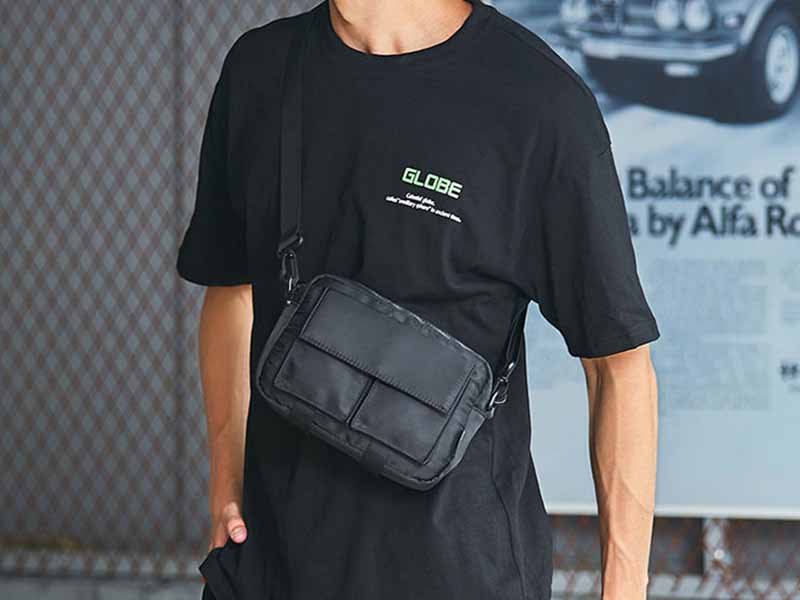
Crossbody sling bags have become one of the most practical bag categories in the global accessories market. They are small enough for daily use, secure enough for travel, stylish enough for fashion brands, and flexible enough for OEM/ODM customization. A product that once looked like a simple travel pouch is now used by office commuters, outdoor users, students, tourists, cyclists, fitness customers, festival visitors, and online shoppers. The reason is not hard to understand. Modern consumers want to carry fewer items, move more freely, and keep their personal belongings close to the body without using a bulky backpack or formal handbag.
Global demand for crossbody sling bags is increasing because consumers are looking for lightweight, hands-free, compact, and functional bags for travel, commuting, shopping, outdoor activities, and everyday carry. For brands, crossbody sling bags are attractive because they offer strong customization space, moderate production cost, broad user coverage, and high e-commerce selling potential.
For a bag brand, Amazon seller, retail chain, outdoor label, fashion startup, promotional company, or private label business, the crossbody sling bag category is not only about following a trend. It is about solving real carrying problems in daily life. A traveler wants passport safety. A commuter wants quick phone access. A student wants a light bag for essentials. A streetwear customer wants a clean silhouette and strong logo expression. A brand owner wants a product that can be customized, photographed well, shipped efficiently, and sold with clear value.
That is why Lovrix sees crossbody sling bags as a strong product direction for global customers. With more than 18 years of experience in fabric, webbing, and bag development, Lovrix can support brands from material selection to finished product manufacturing, including free design support, low MOQ customization, fast sampling, private label branding, OEM/ODM production, and 100% quality assurance.
What Is Global Demand for Crossbody Sling Bags?
Global demand for crossbody sling bags means the increasing worldwide need for compact bags worn across the body. This demand comes from daily commuting, travel safety, urban lifestyles, outdoor activities, fashion styling, and online retail growth. Customers want bags that are light, secure, easy to access, and suitable for different outfits and usage scenes.
Why Crossbody Sling Bags Are Popular
Crossbody sling bags are popular because they match how people live, work, travel, and shop today. Many consumers no longer want to carry a large backpack for short trips, city walks, airport movement, shopping, or weekend activities. They prefer a smaller bag that can hold daily essentials without slowing them down.
A good crossbody sling bag usually solves several problems at the same time:
- It keeps the phone, wallet, keys, passport, cards, and earbuds close to the body.
- It leaves both hands free for walking, shopping, cycling, taking photos, or using public transport.
- It can be worn on the chest, back, or side depending on the situation.
- It reduces the feeling of carrying too much.
- It gives users faster access than a backpack.
- It looks more casual and modern than many traditional handbags.
This is why the product works across many customer groups. Men like it because it feels practical and compact. Women like it because it can replace a small shoulder bag for daily use. Travelers like it because important items stay close. Young customers like it because it fits streetwear and outdoor fashion. E-commerce customers like it because the product value is easy to understand from photos.
For brands, this popularity means crossbody sling bags can be developed into many different product styles. A basic design can become a travel sling bag, waterproof sling bag, cycling sling bag, men’s sling bag, mini sling bag, tactical sling bag, promotional sling bag, or premium fashion sling bag by changing materials, structure, pockets, webbing, hardware, and logo details.
What Makes Crossbody Sling Bags Useful
The usefulness of a crossbody sling bag comes from its structure. It is not just a small bag with a strap. The angle of the strap, body curve, zipper direction, compartment layout, and back-panel comfort all affect the user experience.
A well-designed sling bag allows the user to rotate the bag from back to front quickly. This is important in airports, subway stations, shopping malls, trade shows, amusement parks, and outdoor activities. When the user needs a phone, ticket, passport, card, or power bank, the bag should open smoothly without forcing the user to remove it completely.
Strong functionality usually comes from these design details:
- Main compartment with enough depth for daily essentials
- Front pocket for quick-access items
- Hidden back pocket for passport, cash, or cards
- Interior mesh pocket for small accessories
- Key hook for better organization
- Smooth zipper direction for one-hand opening
- Adjustable webbing strap for different body types
- Breathable back panel for warm weather
- Lightweight body fabric to reduce shoulder pressure
- Durable buckle and reinforced stitching for daily pulling
For B2B customers, these details affect reviews, repeat purchases, return rates, and brand reputation. A sling bag may look good in product photos, but if the strap twists, the zipper gets stuck, the buckle feels cheap, or the pocket layout is inconvenient, customers will notice immediately.
This is why Lovrix focuses on full product development instead of only sewing finished bags. Because Lovrix has fabric, webbing, and bag production resources, the team can help customers match the right fabric strength, strap width, buckle grade, lining material, zipper type, and stitching method before mass production.
Are Crossbody Sling Bags in Style?
Crossbody sling bags are in style because they sit between fashion and function. They are no longer only used for travel or sports. Today, they appear in streetwear, outdoor lifestyle, casual office outfits, airport fashion, music festivals, campus wear, and everyday city styling.
The style direction has also become more diverse. Some customers prefer a sporty look with nylon fabric, waterproof zippers, and reflective details. Some prefer a clean urban look with matte hardware, smooth polyester, and simple logo placement. Some prefer a premium look with PU leather, genuine leather, suede-like fabric, metal logo plates, or custom jacquard straps.
Common style directions include:
| Sling Bag Style | Main Look | Common Materials | Suitable Customers |
|---|---|---|---|
| Urban Minimal | Clean, simple, low-profile | Polyester, nylon, PU leather | Commuters, office users, fashion brands |
| Outdoor Sport | Functional, durable, active | Nylon, Oxford, ripstop fabric | Outdoor brands, cycling brands, travel brands |
| Streetwear | Bold, logo-driven, trendy | Nylon, canvas, jacquard webbing | Youth brands, music brands, lifestyle labels |
| Travel Security | Practical, organized, safe | Polyester, anti-theft fabric, RFID lining | Travel brands, Amazon sellers, tourist stores |
| Premium Casual | Refined, textured, higher value | PU leather, canvas, coated fabric | Retail brands, gift brands, boutique labels |
| Promotional | Simple, cost-controlled, visible logo | Polyester, canvas, non-woven options | Events, corporate gifts, marketing campaigns |
This variety makes crossbody sling bags easier for brands to position. A company does not need to compete only on price. It can compete on better materials, better structure, stronger branding, more comfortable wearing, or a more specific usage scene.
For example, an Amazon seller may focus on “anti-theft travel sling bag for men and women.” A fashion brand may develop “minimal crossbody sling bag with custom webbing.” A promotional company may create “lightweight logo sling bags for events.” An outdoor label may launch “water-resistant sling bags for hiking and cycling.” The same product category can support very different business models.
Who Uses Crossbody Sling Bags
Crossbody sling bags serve a wide customer base, which is one of the main reasons global demand remains strong. The product is not limited to one gender, age group, or lifestyle. It can be adjusted for different markets by changing size, fabric, color, structure, and branding.
Main customer groups include:
- Travelers who need passport storage, anti-theft pockets, and lightweight comfort
- Commuters who need quick access to phones, cards, keys, and earbuds
- Students who want a compact bag for campus, library, and weekend use
- Outdoor users who need water-resistant fabric and durable construction
- Cyclists who need stable wearing and reflective details
- Men who prefer compact everyday carry without using a large backpack
- Women who want a casual alternative to handbags and shoulder bags
- Streetwear customers who care about shape, logo, color, and styling
- Event visitors who need small bags for festivals, concerts, and stadiums
- E-commerce shoppers who want useful, affordable, and easy-to-match accessories
For brands, this means one crossbody sling bag project can be expanded into a wider product line. A 2L mini sling bag can target festivals and daily essentials. A 4L sling bag can target commuters. A 6L to 8L sling bag can target travelers and outdoor users. A premium material version can target fashion retail. A cost-controlled polyester version can target promotional gifts.
| User Type | Main Usage Scene | Product Focus | Custom Opportunity |
|---|---|---|---|
| Travelers | Airport, sightseeing, hotel trips | Safety, light weight, organization | Hidden pockets, RFID lining, lockable zipper |
| Commuters | Subway, cycling, walking, office routes | Fast access, comfort, clean look | Slim structure, padded strap, neutral colors |
| Outdoor Users | Hiking, walking, camping, cycling | Durability, water resistance | Nylon, Oxford fabric, coated zippers |
| Students | Campus, library, weekend activities | Affordability, casual style | Lightweight fabric, bold colors, logo patches |
| Men’s Market | Daily carry, tech accessories | Low-profile shape, strong hardware | Black/gray colors, tech pockets, wide webbing |
| Women’s Market | Shopping, travel, lifestyle outfits | Shape, color, comfort | Soft colors, curved silhouette, decorative pulls |
| Streetwear Market | Fashion styling, brand identity | Logo, webbing, silhouette | Jacquard straps, rubber patches, custom lining |
| Promotional Market | Events, campaigns, giveaways | Cost control, logo visibility | Screen print, woven label, simple packaging |
This broad market coverage gives OEM/ODM projects more flexibility. Lovrix can help customers create different versions based on target customer groups, rather than forcing one standard design into every market.
Why Is Global Demand for Crossbody Sling Bags Growing?

Global demand for crossbody sling bags is growing because customers want lighter daily carry, safer travel storage, faster access, and more flexible styling. The category also fits online retail, private label development, promotional projects, and fashion collections because it supports many materials, sizes, logo methods, and price levels.
How Crossbody Sling Bags Follow Travel Trends
Travel is one of the strongest growth drivers for crossbody sling bags. When people travel, they want to keep important items close, but they do not always want to carry a full backpack. A sling bag fills the gap between a wallet, handbag, and backpack. It gives enough space for essentials without becoming heavy or inconvenient.
Travel customers often care about:
- Passport pocket
- Phone pocket
- Card slots
- Cash storage
- Hidden back pocket
- Anti-theft zipper position
- Lightweight fabric
- Water-resistant surface
- Comfortable strap
- Compact size for flights, trains, and walking tours
For brands, this creates clear product development opportunities. A travel sling bag should not only look good. It should make movement easier. The user may wear it for 4 to 10 hours in one day while walking through airports, streets, stations, shops, restaurants, and tourist sites. If the strap cuts into the shoulder, the back panel feels hot, or the zipper is hard to open, the product experience becomes poor.
Useful travel sling bag design ideas include:
- Back-side zipper pocket for passport and cash
- Front quick-access pocket for tickets and phone
- Interior elastic pocket for power bank or sunglasses
- RFID lining for card protection
- Water-resistant nylon or polyester fabric
- Smooth zipper puller for one-hand use
- Breathable back mesh for long walking days
- Adjustable strap for front or back wearing
- Reinforced stress points for repeated pulling
Lovrix can help travel brands and e-commerce sellers choose the right material and structure based on the selling market. For example, a lightweight tourist sling bag may use polyester with a water-resistant coating. A higher-end travel sling bag may use nylon, better zipper hardware, padded strap webbing, and branded lining. A promotional travel sling bag may use simpler construction to control cost while keeping logo visibility strong.
How Crossbody Sling Bags Fit Urban Life
Urban life has changed the way people carry personal items. Many daily users do not need a large bag, but they still carry multiple small items. Phones are larger. Wireless earbuds need cases. People carry cards, chargers, keys, sunglasses, cosmetics, hand sanitizer, and small notebooks. These items need structure, not just space.
A crossbody sling bag gives urban users a better balance between convenience and appearance. It is smaller than a backpack, more secure than an open tote, and more casual than many handbags. It can be worn with T-shirts, hoodies, jackets, sportswear, casual business outfits, and travel clothing.
Urban customers usually care about:
- Slim body shape that does not look bulky
- Neutral colors such as black, gray, navy, khaki, olive, and beige
- Smooth zipper opening
- Stable strap adjustment
- Good organization for phone, keys, cards, and earbuds
- Comfortable back panel
- Lightweight materials
- Simple logo placement
- Durable daily stitching
This market is especially important for private label brands. Urban sling bags can be sold all year round. They are not limited to one season. They can also be designed for men, women, or unisex customers. A brand can launch a core color line first, then add seasonal colors, recycled fabric versions, reflective versions, premium hardware versions, or limited-edition webbing designs.
For OEM/ODM sourcing, urban sling bags require careful balance. If the bag is too simple, it may look like a generic cheap product. If it has too many pockets and decorations, it may lose the clean look that urban customers want. Lovrix can help customers adjust structure, size, webbing width, lining, and logo placement so the product feels practical but still visually clean.
Why Crossbody Sling Bags Work for E-Commerce
Crossbody sling bags work well for e-commerce because customers can understand the product quickly through photos and short descriptions. The product is easy to show with model images, size comparison, pocket layout, capacity display, lifestyle scenes, and detail shots. This is very helpful for Amazon, Shopify, TikTok Shop, independent websites, and social media advertising.
Strong e-commerce selling points usually include:
- Lightweight daily carry
- Hands-free design
- Multiple pockets
- Water-resistant fabric
- Adjustable strap
- Unisex styling
- Travel-friendly structure
- Anti-theft hidden pocket
- Compact but practical capacity
- Easy gift choice
However, e-commerce also creates strong competition. Many online listings look almost the same: black nylon body, front zipper pocket, adjustable strap, and basic product photos. When customers compare similar products, small details become very important. A better zipper, cleaner stitching, more comfortable strap, smarter pocket layout, or more attractive packaging can help improve perceived value.
For online sellers, differentiation can come from:
| Differentiation Area | Basic Product | Better Product Direction |
|---|---|---|
| Fabric | Generic polyester | Water-resistant nylon, Oxford, recycled polyester |
| Strap | Plain webbing | Wider padded webbing or custom jacquard webbing |
| Logo | Simple print | Rubber patch, woven label, metal plate, custom puller |
| Pocket Layout | One main pocket | Hidden pocket, mesh pocket, key hook, card slots |
| Packaging | Polybag only | Custom hangtag, kraft box, branded insert card |
| Product Photos | Front view only | Model wearing, capacity display, use scenes, detail shots |
| Market Position | Low price | Travel, urban, outdoor, premium, gift, or fashion angle |
Lovrix is especially suitable for e-commerce customers who want to move beyond generic wholesale products. With in-house-related fabric, webbing, and bag production capabilities, Lovrix can help customers create private label sling bags with custom colors, exclusive materials, custom straps, branded hardware, packaging design, and flexible MOQ support.
How Crossbody Sling Bags Follow Fashion Trends
Fashion is another reason crossbody sling bags continue to grow globally. Consumers want practical accessories, but they also want products that match their personal style. A sling bag can complete an outfit, show a brand logo, or create a more active and modern look.
Fashion demand is visible in several directions:
- Minimalist city sling bags with clean shapes and neutral colors
- Streetwear sling bags with bold webbing and visible logos
- Outdoor-inspired sling bags with technical fabrics and buckles
- Premium casual sling bags with leather-like textures and metal hardware
- Gender-neutral sling bags with simple styling and adjustable fit
- Seasonal color sling bags for fashion collections and retail stores
The strongest fashion sling bags usually have a clear identity. They are not random combinations of pockets and straps. Every detail supports the target look. A streetwear design may use oversized webbing, rubber logo patches, and strong contrast colors. A premium casual design may use smooth fabric, hidden zippers, matte hardware, and subtle branding. An outdoor lifestyle design may use ripstop nylon, waterproof zippers, reflective details, and breathable mesh.
Brands should also consider color strategy. Black remains one of the safest colors because it works for men, women, travel, commuting, and streetwear. But brands can create stronger collections by adding seasonal or market-specific colors.
| Color Direction | Market Feeling | Suitable Products |
|---|---|---|
| Black / Charcoal | Practical, safe, urban | Men’s sling bags, travel bags, commuter bags |
| Navy / Gray | Clean, mature, daily | Office casual, retail, unisex lines |
| Khaki / Olive | Outdoor, natural, relaxed | Hiking, camping, lifestyle outdoor bags |
| Beige / Cream | Soft, casual, fashion | Women’s sling bags, lifestyle collections |
| Bright Colors | Young, active, promotional | Events, sports, school, festival products |
| Custom Pantone Colors | Brand-specific identity | Private label and retail collections |
For Lovrix customers, fashion customization can include fabric texture, body shape, logo process, webbing style, zipper color, lining print, hardware finish, and packaging. This helps brands build a product that looks different in the market while still keeping practical daily value.
Which Crossbody Sling Bags Sell Best?

The best-selling crossbody sling bags usually combine three things: clear usage scene, comfortable wearing experience, and strong visual value. Customers do not only choose a sling bag because it has pockets. They choose it because it fits their daily movement, travel habits, outfit style, and storage needs. For brands, the strongest products are usually not the most complicated designs, but the ones that solve a clear problem better than similar products.
Which Sling Bag Sizes Are Popular?
Size is one of the first decisions customers notice. A sling bag that is too small becomes decorative only. A sling bag that is too large starts to compete with backpacks. The best size depends on the target market, use scene, and price positioning.
For global customers, crossbody sling bags usually fall into four practical size ranges:
| Size Type | Capacity Range | Common Use | Suitable Market |
|---|---|---|---|
| Mini Sling Bag | 1L–2L | Phone, cards, keys, earbuds | Festivals, fashion, events, casual daily use |
| Daily Sling Bag | 3L–5L | Phone, wallet, charger, sunglasses, small bottle | Commuting, shopping, city walking |
| Travel Sling Bag | 5L–8L | Passport, power bank, camera, small umbrella, documents | Tourism, airport, outdoor travel |
| Large Sling Bag | 8L–12L | Tablet, clothing layer, larger accessories | Outdoor, cycling, short trips, sport use |
Mini sling bags sell well when the target customer wants style, lightness, and low carrying burden. They are especially suitable for festival bags, music event merchandise, youth fashion brands, promotional gifts, and women’s lifestyle accessories. The main challenge is capacity. If the phone pocket is too narrow or the zipper opening is too small, the product may look cute but feel inconvenient.
Daily sling bags are usually the safest choice for private label and e-commerce projects. They have enough capacity for most users but do not look bulky. A 3L–5L sling bag can cover commuting, shopping, weekend walking, short travel, and daily errands. This size range is also easier to photograph online because product value can be shown through pocket layout, model wearing images, and capacity demonstrations.
Travel sling bags need more careful structure. Customers expect better organization and stronger safety features. A 5L–8L travel sling bag may include a main compartment, passport pocket, anti-theft back zipper, inner mesh pocket, key hook, water-resistant fabric, and reinforced strap stitching. This size range often performs well for Amazon sellers, travel accessory brands, tourist stores, and outdoor lifestyle labels.
Large sling bags are more specific. They are suitable for cycling, hiking, sports, camera accessories, or short outdoor trips. However, large sling bags require better weight balance. If the strap angle is wrong, the bag may pull on one shoulder and feel uncomfortable. For larger sizes, Lovrix usually recommends wider webbing, padded strap options, breathable back panels, and reinforced stress points.
Which Sling Bag Materials Sell Well?
Material directly affects price, appearance, durability, product reviews, and market positioning. Many customers first look at the shape of a sling bag, but they judge quality after touching the fabric, pulling the zipper, adjusting the strap, and wearing it for a few hours.
Common material options include polyester, nylon, Oxford fabric, canvas, recycled polyester, PU leather, genuine leather, mesh fabric, and coated waterproof fabrics. Each material has its own selling point, and the best choice depends on the product positioning.
| Material | Main Strength | Common Concern | Best For |
|---|---|---|---|
| Polyester | Cost-effective, easy to color, stable supply | Lower-end versions may feel thin | Promotional bags, e-commerce, daily use |
| Nylon | Lightweight, smooth, stronger hand feel | Higher cost than basic polyester | Travel, premium daily sling bags |
| Oxford Fabric | Durable, textured, abrasion-resistant | Can feel thicker or more casual | Outdoor, workwear, tactical-inspired bags |
| Canvas | Natural look, casual style, strong texture | Heavier, less water-resistant without coating | Fashion, lifestyle, eco-style collections |
| Recycled Polyester | Sustainability story, modern market appeal | Requires clear material verification | Eco-focused brands, retail collections |
| PU Leather | Premium look, smooth surface | Needs good quality to avoid peeling | Fashion sling bags, gift market |
| Mesh Fabric | Breathable, sporty, lightweight | Usually used as panel, not full body | Back panels, side pockets, sport designs |
| Waterproof Coated Fabric | Better rain resistance, technical look | Cost and coating quality vary | Travel, cycling, outdoor products |
Polyester remains one of the most widely used materials because it offers good cost control and flexible color options. It is suitable for high-volume orders, promotional projects, e-commerce sellers, and private label brands that need competitive pricing. However, not all polyester fabrics are equal. Fabric density, coating, thickness, color fastness, tear strength, and hand feel can vary widely. A low-grade polyester may reduce product cost but also reduce customer satisfaction.
Nylon is often preferred for higher-value travel and urban sling bags. It feels lighter and smoother, and it usually gives a more refined appearance. Nylon is suitable for compact bags because it keeps the product light without looking too cheap. When paired with quality zippers, custom webbing, and clean stitching, nylon sling bags can feel more premium.
Oxford fabric works well when the product needs durability. It has a stronger texture and is commonly used for outdoor, tactical, workwear, and rugged daily bags. The downside is that it may look too heavy for minimalist fashion products. Brands should use Oxford fabric when the market wants strength and structure, not when the market wants soft, refined styling.
Canvas is popular for lifestyle, casual, and natural-looking sling bags. It works well for brands that want a warmer, less technical appearance. Canvas can also support embroidery, woven labels, leather patches, and vintage-style branding. But canvas is usually heavier than nylon or polyester, and water resistance needs to be handled with coating, lining, or product positioning.
Recycled polyester is becoming more attractive for brands that want a sustainability angle. It can support retail storytelling, eco collections, and corporate responsibility goals. However, customers should avoid vague sustainability claims. If recycled material is important to the brand, the sourcing process should include documentation, material specification, and clear communication around recycled content.
Lovrix can help customers compare material cost, weight, appearance, durability, coating options, and logo compatibility before sample development. This avoids a common problem: choosing a fabric because it looks good in a photo, then discovering later that it is too soft, too stiff, too shiny, too heavy, or unsuitable for the intended logo process.
Which Sling Bag Styles Are Trending?
The strongest sling bag styles usually have a clear use scene. A vague product that tries to serve every customer often becomes ordinary. A focused product is easier to sell because customers understand why they need it.
Several sling bag styles are especially strong in the global market:
| Style | Main Selling Point | Useful Custom Details |
|---|---|---|
| Anti-Theft Travel Sling Bag | Safety for passports, cards, cash, phone | Hidden pocket, RFID lining, back zipper, lockable zipper |
| Urban Daily Sling Bag | Clean look for commuting and everyday use | Slim shape, matte hardware, neutral colors, soft lining |
| Outdoor Sling Bag | Durability and water resistance | Oxford/nylon fabric, reflective tape, breathable back panel |
| Streetwear Sling Bag | Logo expression and styling | Jacquard webbing, rubber patch, bold zipper pulls |
| Mini Fashion Sling Bag | Lightweight outfit accessory | Soft colors, compact body, decorative hardware |
| Tech Sling Bag | Organization for gadgets | Tablet pocket, cable pocket, key hook, structured compartments |
| Cycling Sling Bag | Stable fit during movement | Adjustable chest strap, reflective detail, curved back panel |
| Promotional Sling Bag | Cost-effective brand exposure | Large print area, simple structure, lightweight material |
Anti-theft travel sling bags are strong because they solve a clear concern. Travelers worry about losing passports, wallets, and phones in crowded areas. A hidden back pocket, secure zipper direction, RFID-blocking card pocket, and body-facing storage can make the product more convincing. For e-commerce, these features are also easy to show through photos and icons.
Urban daily sling bags sell well because they match everyday life. These products do not need too many aggressive details. A clean front panel, comfortable strap, smooth zipper, good internal organization, and low-profile branding often work better than a complicated design. This style is suitable for men’s accessories, unisex products, commuter bags, and retail collections.
Outdoor sling bags focus on durability. Customers expect water-resistant fabric, stronger webbing, more stable wearing, and better abrasion resistance. These bags can use nylon, Oxford fabric, ripstop fabric, coated polyester, waterproof zippers, reflective strips, and breathable mesh. The product should look ready for walking, cycling, hiking, or weekend outdoor use.
Streetwear sling bags are more about identity. The customer may care about the logo, strap design, silhouette, and color combination as much as storage. Custom jacquard webbing, rubber logo patches, contrast zipper tape, bold embroidery, and special hardware can make a large difference. For streetwear brands, the bag becomes part of the outfit, not only a storage tool.
Tech sling bags are gaining attention because people carry more small electronic items. Phones, power banks, charging cables, wireless earbuds, mini tablets, SD cards, and small cameras all need organization. A tech sling bag should include structured compartments, soft lining, cable pockets, and possibly padded areas. This style can support a higher selling price if the structure feels thoughtful.
Which Crossbody Sling Bags Fit Men and Women?
Crossbody sling bags work well as unisex products, but men’s and women’s markets often respond to different design signals. A successful product line can either stay clearly gender-neutral or create variations for different customer groups.
Men’s sling bags often focus on function, dark colors, simple structure, durable fabric, and tech storage. Common colors include black, charcoal, navy, army green, khaki, and dark brown. Men’s designs often use wider webbing, larger buckles, matte hardware, straight lines, and understated logos. Popular features include card pockets, power bank pockets, hidden back pockets, and water-resistant fabric.
Women’s sling bags may focus more on shape, color, comfort, and outfit matching. Some designs use softer curves, smaller sizes, lighter colors, decorative zipper pullers, smoother fabric, or more refined hardware. Popular colors can include beige, cream, blush, light gray, lavender, sage green, brown, and seasonal shades. However, the women’s market should not be treated as only decorative. Many female customers also care deeply about safety, pocket layout, comfort, and durability.
Unisex sling bags are often the most flexible for e-commerce and wholesale projects. They usually use clean shapes, neutral colors, adjustable straps, moderate size, and simple branding. A well-designed unisex sling bag can be sold to couples, travelers, students, commuters, and general daily users.
| Market Direction | Design Language | Common Features | Recommended Positioning |
|---|---|---|---|
| Men’s Sling Bags | Structured, practical, low-profile | Tech pockets, dark colors, strong webbing | Daily carry, travel, commuting |
| Women’s Sling Bags | Softer, stylish, outfit-friendly | Light colors, curved shape, refined hardware | Lifestyle, shopping, travel |
| Unisex Sling Bags | Clean, balanced, simple | Adjustable strap, neutral colors, medium size | E-commerce, retail, private label |
| Youth Sling Bags | Trendy, bold, expressive | Bright colors, logo patch, streetwear strap | Fashion, music, campus |
| Premium Sling Bags | Refined, minimal, higher perceived value | Better fabric, custom hardware, branded lining | Retail, boutique, gift market |
For brands, the key is not to guess based on gender alone. The better approach is to define the usage scene. A “women’s travel sling bag” may need anti-theft features and water resistance. A “men’s fashion sling bag” may need premium texture and brand identity. A “unisex commuter sling bag” may need clean design, comfort, and strong organization.
Lovrix can help customers adjust size, shape, material, color, strap width, pocket layout, logo process, and packaging for different customer groups. This is especially useful for brands building a full product family instead of one single SKU.
What Do Customers Want in Crossbody Sling Bags?

Customers want crossbody sling bags that are comfortable, lightweight, secure, easy to access, durable, and attractive enough for daily outfits. The most successful products usually have a clear purpose, useful pocket layout, reliable materials, smooth zippers, stable straps, and branding that feels natural rather than excessive.
What Features Matter Most?
Customers usually judge a sling bag through daily experience, not factory specifications. They care about whether the bag feels comfortable, whether items are easy to find, whether the zipper opens smoothly, whether the strap stays in place, and whether the product still looks good after repeated use.
Important features include:
- Lightweight body
- Adjustable strap
- Smooth zipper
- Hidden security pocket
- Water-resistant fabric
- Organized compartments
- Comfortable back panel
- Reinforced stitching
- Strong buckle
- Easy-access phone pocket
- Clean shape
- Reliable lining
- Good logo placement
- Stable wearing position
For product development, these features should not be added randomly. Too many pockets can make a small sling bag bulky. Too much hardware can increase weight and cost. Too many decorative parts can make the bag look messy. The best design uses the right number of features for the target customer.
A daily sling bag may only need three pocket zones: front quick pocket, main compartment, and hidden back pocket. A travel sling bag may need more security and organization. A tech sling bag may need padded dividers and cable pockets. A promotional sling bag may need simple structure, large logo area, and cost control.
Feature planning should begin with one question: what is the customer carrying? Once the answer is clear, the structure becomes easier to design. A bag for phone, cards, keys, and earbuds should not be built like a hiking pack. A travel bag for passport, wallet, power bank, and sunglasses should not be too flat. A cycling sling bag should not swing too much during movement.
What Pockets Do Customers Need?
Pocket layout is one of the most important parts of crossbody sling bag design. Many low-cost sling bags fail because the pocket structure looks acceptable in photos but feels frustrating in real use. The opening may be too narrow. The phone pocket may not fit newer phone sizes. The hidden pocket may be difficult to reach. The main compartment may become messy because there are no internal divisions.
A strong pocket layout should match real daily items:
| Item | Suggested Pocket Design | Why It Matters |
|---|---|---|
| Phone | Quick-access front or top pocket | Users reach for phones many times a day |
| Passport | Hidden back zipper pocket | Important for travel safety |
| Cards | RFID or inner card slots | Keeps cards organized and secure |
| Keys | Key hook or small inner pocket | Prevents scratches and searching |
| Earbuds | Small mesh or elastic pocket | Protects small items from getting lost |
| Power Bank | Inner elastic pocket | Keeps weight stable |
| Sunglasses | Soft-lined pocket or main section | Reduces scratches |
| Cash | Hidden flat pocket | Adds security |
| Water Bottle | Side pocket or expandable section | Useful for outdoor and travel versions |
For smaller sling bags, less is often better. A 2L mini sling bag should not have too many dividers because each divider reduces usable space. For medium sling bags, internal mesh pockets and card slots can improve organization. For travel sling bags, hidden pockets and secure zippers are more important. For tech sling bags, soft lining and padded sections may increase perceived value.
Customers also care about pocket direction. A zipper that opens the wrong way can cause items to fall out when the bag is rotated to the front. A good sling bag should consider left-shoulder and right-shoulder wearing habits. Some brands may choose a reversible strap design or dual-side buckle system to serve more users.
Lovrix can support pocket structure development through sample testing. During sample review, customers can check phone fit, passport fit, zipper opening, hand access, pocket depth, and wearing comfort before confirming mass production.
What Strap Designs Are Better?
The strap is one of the most important parts of a crossbody sling bag because it controls comfort, fit, and product durability. Customers may not mention strap engineering in reviews, but they will complain if the strap slips, twists, scratches, feels too narrow, or pulls unevenly on the shoulder.
A better strap design should consider:
- Strap width
- Webbing thickness
- Adjuster quality
- Buckle strength
- Shoulder angle
- Wearing direction
- Padded area
- Stitch reinforcement
- Edge softness
- Logo customization
- Detachable or fixed structure
For small sling bags, a 2.5 cm to 3.2 cm strap width may be enough. For medium and large sling bags, 3.8 cm to 5 cm webbing often feels more stable. Wider webbing can also improve perceived quality, especially for men’s, streetwear, outdoor, and travel sling bags.
Webbing material also matters. A thin strap may reduce cost but make the bag feel cheap. A stiff strap may look strong but feel uncomfortable. A smooth and dense webbing gives a better hand feel and improves adjustment. For private label brands, custom jacquard webbing can become a major design feature. Instead of placing a large logo on the bag body, the brand can repeat its logo or pattern on the strap.
Common strap options include:
| Strap Type | Main Benefit | Suitable Products |
|---|---|---|
| Standard Adjustable Webbing | Cost-effective and flexible | Daily sling bags, promotional bags |
| Wide Webbing Strap | More stable and premium | Men’s bags, streetwear bags |
| Padded Strap | Better comfort for heavier load | Travel, outdoor, large sling bags |
| Detachable Strap | More styling flexibility | Fashion and premium products |
| Reversible Strap | Left/right shoulder use | Travel and commuter bags |
| Jacquard Logo Strap | Strong brand identity | Streetwear, retail, private label |
Lovrix’s webbing factory advantage is important here. Many bag factories purchase webbing from outside suppliers, which can limit customization. Lovrix can support custom width, color, texture, jacquard pattern, logo weaving, and strap testing more efficiently. This helps customers create a sling bag that feels unique, not like a standard market product.
What Colors and Logos Work Best?
Color and logo design strongly affect first impression. In online shopping, customers may decide whether to click a product based on color, silhouette, and logo placement before reading the full description. For retail stores, color also affects shelf appeal and collection planning.
Black is still one of the strongest colors for crossbody sling bags because it works for travel, men’s accessories, unisex daily use, commuting, and streetwear. Gray, navy, khaki, olive, brown, and beige are also strong because they are easy to match with outfits. Bright colors can work for youth markets, sports events, school products, and promotional projects, but they need careful brand positioning.
Useful color planning:
| Color Group | Customer Feeling | Best Use |
|---|---|---|
| Black / Charcoal | Safe, practical, urban | Travel, men’s, commuter, tech sling bags |
| Navy / Dark Gray | Clean, mature, versatile | Retail, office casual, unisex collections |
| Khaki / Olive | Outdoor, relaxed, natural | Hiking, camping, lifestyle outdoor |
| Beige / Cream | Soft, modern, lifestyle | Women’s, fashion, casual daily bags |
| Brown / Coffee | Premium, warm, classic | PU leather, canvas, gift market |
| Bright Colors | Energetic, young, visible | Events, sports, campus, promotions |
| Custom Pantone | Brand-specific identity | Private label, retail, seasonal collections |
Logo placement should feel balanced. A logo that is too large may reduce fashion appeal. A logo that is too small may not support brand recognition. The best method depends on market position.
Common logo methods include:
- Woven label
- Rubber patch
- Embroidery
- Screen printing
- Heat transfer printing
- Metal logo plate
- Leather patch
- PU patch
- Custom zipper puller
- Jacquard webbing logo
- Printed lining
- Branded buckle
- Hangtag and packaging logo
For low-cost promotional bags, screen printing and woven labels are practical choices. For streetwear and outdoor bags, rubber patches and jacquard webbing are more expressive. For premium casual sling bags, metal plates, leather patches, subtle embossing, or custom zipper pullers can increase perceived value. For e-commerce sellers, logo design should also photograph well. Some logo methods look good in person but are not visible in listing images.
Lovrix can help customers choose logo methods based on material, order quantity, target price, and brand style. For example, embroidery works well on canvas but may not be ideal for very thin coated fabric. Heat transfer can be clean and sharp, but it requires suitable fabric surface. Rubber patches add texture, but they increase cost and need mold development. Jacquard webbing creates strong brand identity, but it needs more planning during sample development.
For a successful crossbody sling bag, color and logo should support the whole product story. A travel sling bag should look secure and reliable. A streetwear sling bag should look expressive. A premium sling bag should look refined. A promotional sling bag should make the brand visible without making the product feel cheap.
How Can Brands Customize Crossbody Sling Bags?

Brands can customize crossbody sling bags through materials, size, structure, webbing, logo methods, pocket layout, colors, hardware, lining, packaging, and retail presentation. The strongest custom sling bag projects are not built by changing only the logo. They are built by matching product design with the target customer, selling channel, price range, and daily use scenario.
How Materials Can Be Customized
Material customization is one of the most important steps in crossbody sling bag development because it affects look, touch, durability, weight, water resistance, cost, and customer reviews. Two sling bags may have the same shape, but the final value can feel completely different if one uses thin basic polyester and the other uses dense nylon, coated Oxford fabric, recycled polyester, or premium canvas.
For brands, the first question should not be “Which fabric is cheapest?” The better question is “What feeling should customers get when they touch and wear this bag?” A travel sling bag should feel safe, light, and reliable. An outdoor sling bag should feel durable and resistant. A streetwear sling bag should feel bold and structured. A lifestyle sling bag should feel soft, clean, and easy to match with daily outfits.
Lovrix can help customers choose materials based on real business needs:
| Custom Material Direction | Best For | Product Benefit | Notes for Brands |
|---|---|---|---|
| 210D / 300D Polyester | Promotional, low-cost daily bags | Lightweight and cost-friendly | Good for large orders and event gifts |
| 600D Polyester | Daily sling bags, e-commerce products | Better structure and durability | Strong balance between price and quality |
| Nylon | Travel, urban, premium casual bags | Lightweight, smooth, higher value | Suitable for better retail positioning |
| Oxford Fabric | Outdoor, workwear, rugged sling bags | Stronger texture and abrasion resistance | Good for products needing a durable look |
| Ripstop Fabric | Outdoor, sports, cycling bags | Tear-resistant grid structure | Gives a technical outdoor feeling |
| Canvas | Lifestyle, casual, vintage bags | Natural texture and brand warmth | Better for fashion and gift markets |
| Recycled Polyester | Eco-focused collections | Supports sustainability positioning | Material documentation should be prepared |
| PU Leather | Fashion, premium casual, gifts | Smooth and higher-end appearance | Needs good quality control to avoid cracking |
| Waterproof Coated Fabric | Travel, cycling, outdoor bags | Better rain resistance | Coating quality should be tested before bulk order |
Material customization can also include fabric weight, coating, backing, texture, color matching, lining material, print compatibility, and hand feel. For example, a brand may choose water-resistant polyester for the outer body, soft lining for the inside, breathable mesh for the back panel, and high-density webbing for the strap. This combination creates a more complete product experience than using one material everywhere.
Important material questions before sample development:
- Should the bag feel soft, structured, sporty, premium, or rugged?
- Does the product need water resistance or only basic daily protection?
- Will customers use the bag in hot weather, outdoor scenes, airports, or daily commuting?
- Does the fabric need to support embroidery, rubber patches, heat transfer, or screen printing?
- Is the target market more sensitive to price, quality, sustainability, or fashion appearance?
- Does the product need to meet retailer, e-commerce, or promotional campaign requirements?
A strong material plan helps brands avoid unnecessary cost. Not every sling bag needs the most expensive fabric. A promotional bag may need cost control and logo visibility. A travel sling bag may need better zippers and hidden pockets more than premium leather texture. A fashion sling bag may need color accuracy and surface touch more than heavy-duty outdoor performance. Lovrix helps customers match the right material to the right market, instead of overbuilding or underbuilding the product.
How Logos Can Be Added
Logo customization gives crossbody sling bags brand identity. For private label and OEM/ODM projects, the logo is not just a decoration. It affects customer trust, perceived value, photo appeal, and retail recognition. A good logo method should match the material, price level, design style, and target sales channel.
Different logo methods create different feelings:
| Logo Method | Visual Effect | Best For | Key Consideration |
|---|---|---|---|
| Woven Label | Clean, classic, cost-friendly | Daily bags, retail, private label | Works well on most fabric bags |
| Rubber Patch | Sporty, modern, textured | Outdoor, streetwear, youth brands | Mold cost may apply |
| Embroidery | Premium, textured, durable | Canvas, cotton, lifestyle bags | Not ideal for very thin fabric |
| Screen Printing | Cost-effective and clear | Promotions, large logo designs | Best for flat fabric areas |
| Heat Transfer | Sharp, smooth, colorful | Fashion, e-commerce, lightweight bags | Requires suitable fabric surface |
| Metal Plate | Premium and refined | Fashion, gift, boutique products | Adds cost and weight |
| PU / Leather Patch | Casual and premium | Canvas, outdoor lifestyle, gifts | Needs good edge finishing |
| Custom Zipper Puller | Subtle but strong branding | Premium and travel sling bags | Useful for close-up product photos |
| Jacquard Webbing | Strong brand expression | Streetwear, sports, retail collections | Best for visible strap designs |
| Printed Lining | Hidden brand detail | Premium private label bags | Adds surprise and product depth |
For lower-cost projects, woven labels and screen printing are usually practical. They are easy to produce, flexible in quantity, and suitable for promotional or e-commerce products. For mid-range and premium products, rubber patches, custom zipper pullers, jacquard straps, printed lining, or metal plates can increase perceived value.
Logo placement is just as important as logo method. A large front logo may work for streetwear or promotional bags, but it may look too aggressive for minimalist urban sling bags. A small woven label near the lower front panel may feel more refined. A custom zipper puller may be better for premium products because it gives detail without overwhelming the design. A jacquard webbing logo can create brand recognition while keeping the bag body clean.
Useful logo placement options:
- Front panel center for strong visibility
- Lower corner for a subtle retail look
- Side seam label for minimalist branding
- Rubber patch on front pocket for streetwear style
- Embroidered logo on canvas body for lifestyle products
- Custom zipper pullers for premium detail
- Jacquard strap for repeated brand exposure
- Printed inner lining for private label identity
- Hangtag and packaging for retail presentation
For e-commerce brands, logo visibility should be tested in product photos. Some details look good in hand but disappear in online images. For retail brands, logo feel and placement should match shelf presentation. For promotional customers, logo visibility and cost control may matter more than subtle branding.
Lovrix can help customers choose the right logo method based on fabric type, order quantity, artwork complexity, budget, target market, and packaging plan. This is especially important when customers want a product that looks custom without pushing cost too high.
How Webbing Can Be Designed
Webbing is a major part of crossbody sling bag design because it affects comfort, strength, appearance, and brand identity. Many customers focus on the bag body first, but the strap is what users touch and adjust every day. A low-quality strap can make the whole product feel cheap, even when the fabric looks good.
Lovrix has a strong advantage because the group includes webbing manufacturing resources. This means customers can customize strap color, width, texture, thickness, pattern, logo weaving, and hardware matching more efficiently than working with a bag factory that only purchases standard webbing from outside suppliers.
Common webbing customization options include:
| Webbing Option | Product Effect | Suitable Products |
|---|---|---|
| Standard Polyester Webbing | Cost-effective and reliable | Daily sling bags, promotional bags |
| High-Density Webbing | Better hand feel and durability | Travel, retail, men’s sling bags |
| Jacquard Logo Webbing | Strong brand visibility | Streetwear, sports, fashion brands |
| Stripe Webbing | More visual movement | Youth, casual, lifestyle bags |
| Wide Webbing | More comfort and stronger look | Men’s, travel, outdoor bags |
| Soft Edge Webbing | More comfortable wearing | Women’s, daily, premium casual bags |
| Reflective Webbing | Better visibility | Cycling, outdoor, sports bags |
| Color-Matched Webbing | Clean and unified look | Retail and fashion collections |
The width of webbing should match bag size and expected load. A small 1L–2L mini sling bag may work with narrower webbing. A 5L–8L travel sling bag usually needs wider and stronger webbing to reduce shoulder pressure. For heavier products, padded strap sections may improve comfort.
Webbing also affects fashion style. A black nylon sling bag with plain black webbing may look minimal and practical. The same bag with wide jacquard logo webbing may feel like streetwear. With striped webbing, it may feel more sporty or casual. With soft beige webbing and matte hardware, it may look more lifestyle-oriented.
Brands can use webbing as a signature design element. Instead of redesigning the entire bag each season, a brand can create new versions through strap colors, logo weaving, pattern changes, or limited-edition webbing. This is useful for product line expansion because it gives customers something new while keeping the core structure stable.
Important webbing details to check during sampling:
- Does the strap feel comfortable on the shoulder?
- Does the adjuster hold position after repeated movement?
- Does the webbing twist easily?
- Does the edge feel rough against skin or clothing?
- Does the strap width match the bag size?
- Is the webbing color consistent with fabric and hardware?
- Does the logo weaving look clear and premium?
- Are stress points reinforced properly?
Lovrix can support customers with both functional and visual webbing development, helping sling bag projects feel more complete, more durable, and more recognizable.
How Packaging Can Be Customized
Packaging matters more than many brands expect. For crossbody sling bags, packaging affects first impression, shipping protection, retail display, unboxing experience, and perceived value. A strong product can feel ordinary if the packaging is too weak. A simple product can feel more professional when packaging is clean, branded, and well organized.
Packaging customization depends on the sales channel. Amazon sellers may need compact packaging that protects the product during warehouse handling. Retail brands may need hangtags, care labels, barcode stickers, and shelf-ready presentation. Gift brands may need custom boxes or drawstring pouches. Promotional companies may need individual polybags, carton labels, and fast packing efficiency.
Common packaging options include:
| Packaging Type | Best For | Benefit |
|---|---|---|
| Individual Polybag | E-commerce, wholesale, promotional orders | Cost-effective and protective |
| Custom Polybag | Private label and Amazon sellers | Adds brand identity at low cost |
| Hangtag | Retail and brand collections | Shows logo, features, barcode, product story |
| Insert Card | E-commerce and gift products | Explains usage, care, brand message |
| Kraft Box | Premium casual, gift market | Improves unboxing and perceived value |
| Mailer Box | DTC and Shopify brands | Strong brand presentation |
| Dust Bag | Premium fabric or PU leather sling bags | Adds protection and upscale feel |
| Carton Marking | Bulk logistics and warehouse management | Helps sorting, shipping, and inventory control |
For e-commerce customers, packaging should also reduce return risk. A good insert card can explain strap adjustment, pocket function, cleaning care, and contact information. A clear barcode label can improve warehouse efficiency. A well-folded product inside the package can improve first impression when customers open it.
For retail customers, packaging should support shelf display. Hangtags should include product name, material information, care instruction, size, barcode, and brand story. Some sling bags may also need display hooks or belly bands depending on the retail environment.
For private label projects, packaging can be customized with:
- Brand logo
- Product name
- Size label
- Color label
- Barcode sticker
- Hangtag design
- Care label
- Insert card
- User instruction
- Gift message
- Sustainability information
- Carton shipping marks
Lovrix can support packaging design and production coordination based on customer requirements. For many small and medium brands, this is helpful because they do not need to manage bag production, logo process, packaging materials, and export packing separately. A more complete supply chain reduces communication mistakes and helps products arrive ready for sale.
How Does Lovrix Make Crossbody Sling Bags?
Lovrix makes crossbody sling bags through integrated fabric sourcing, webbing development, bag design, sample making, logo customization, production management, inspection, and export support. With more than 18 years of experience in fabric, webbing, and bag manufacturing, Lovrix helps brands turn product ideas into custom sling bags suitable for retail, e-commerce, promotions, travel, outdoor, and private label markets.
How Lovrix Supports OEM ODM
Lovrix supports OEM and ODM crossbody sling bag projects for brands that want more than standard wholesale products. Some customers already have drawings, reference samples, tech packs, logo files, and clear specifications. Others only have a market idea, product photo, or rough direction. Lovrix can support both types of projects.
For OEM projects, Lovrix follows customer-provided specifications and helps turn them into production-ready products. This may include material matching, pattern development, sample making, logo application, structure adjustment, packaging, and mass production.
For ODM projects, Lovrix can help customers develop a product based on market needs. For example, a customer may say, “We want a waterproof travel sling bag for Amazon,” or “We need a low MOQ private label sling bag for a streetwear brand.” Lovrix can then suggest fabric options, size range, strap structure, pocket layout, logo methods, and packaging direction.
Main OEM/ODM support includes:
- Product concept discussion
- Reference sample analysis
- Material recommendation
- Webbing customization
- Pattern development
- Structure design
- Pocket layout planning
- Logo method selection
- Color matching
- Sample making
- Sample modification
- Packaging customization
- Bulk production
- Quality inspection
- Export packing and shipping coordination
A practical OEM/ODM process usually looks like this:
| Step | Development Stage | What Lovrix Helps With |
|---|---|---|
| 1 | Requirement Review | Product use, target market, quantity, budget, timeline |
| 2 | Material Planning | Fabric, lining, webbing, zipper, buckle, hardware |
| 3 | Design Confirmation | Size, shape, pocket layout, logo position |
| 4 | Quotation | Cost based on material, structure, logo, MOQ, packaging |
| 5 | Sample Making | Prototype development and function testing |
| 6 | Sample Revision | Adjusting size, strap, pockets, logo, materials |
| 7 | Pre-Production Sample | Final approved version before bulk production |
| 8 | Bulk Manufacturing | Cutting, sewing, assembly, finishing, packaging |
| 9 | Quality Inspection | Appearance, stitching, size, zipper, strap, packing check |
| 10 | Delivery Support | Export packing, shipping method, delivery coordination |
Lovrix’s integrated group structure is useful because crossbody sling bags depend on several material parts working together. Fabric, webbing, zipper, buckle, lining, thread, label, patch, and packaging must match in both quality and appearance. When these parts are not coordinated well, the final bag may look inconsistent. Lovrix helps customers control these details from the beginning.
How Lovrix Controls Quality
Quality control is critical for crossbody sling bags because the product is used close to the body and handled many times each day. Customers pull the zipper, adjust the strap, open pockets, carry weight, and expose the bag to friction, sweat, rain, and travel movement. Small quality problems can quickly become visible.
Lovrix’s quality control focuses on both materials and finished products. Before production, materials need to be checked for color, thickness, surface condition, coating, and strength. During production, cutting accuracy, stitching quality, pocket placement, zipper installation, strap reinforcement, and logo position need to be controlled. Before shipment, finished bags need appearance inspection, size checking, function testing, packaging review, and carton verification.
Key quality inspection points include:
| Inspection Area | What Needs Checking | Why It Matters |
|---|---|---|
| Fabric | Color, coating, stains, scratches, thickness | Affects appearance and durability |
| Webbing | Width, density, color, edge feel, strength | Affects comfort and safety |
| Zipper | Smooth opening, puller strength, alignment | Affects daily use and reviews |
| Buckle | Opening force, strength, color, fit | Affects wearing security |
| Stitching | Straightness, density, loose threads | Affects durability and appearance |
| Logo | Position, size, color, attachment strength | Affects brand image |
| Pocket Layout | Size, depth, opening direction | Affects real usability |
| Strap Joint | Reinforcement and stress resistance | Prevents tearing during use |
| Lining | Cleanliness, seam quality, color match | Improves product value |
| Packaging | Folding, label, barcode, carton mark | Supports retail and logistics |
For crossbody sling bags, strap connection points are especially important. The strap carries most of the stress. If stitching is weak, the bag may fail even if the outer fabric is good. Reinforcement methods may include bar-tack stitching, double stitching, stronger thread, reinforced fabric layers, or improved strap angle.
Zipper quality is another important area. Customers open and close sling bag zippers many times per day. A zipper that catches fabric, feels rough, or breaks early will damage customer trust. Lovrix can help customers choose zipper types based on price level, usage scene, and product positioning.
Quality also includes consistency. For retail and e-commerce brands, one good sample is not enough. Bulk goods must match the approved sample in size, color, logo placement, structure, and function. Lovrix uses production control and inspection steps to help customers maintain stable quality across the full order.
How Fast Lovrix Can Make Samples
Fast sampling is important because brands often need to test product ideas, prepare launches, confirm online listings, build retail presentations, or respond to seasonal demand. A slow sampling process can delay the whole project. A fast but careless sample can also create problems later. The best approach is speed with clear communication.
Lovrix supports fast sample development for crossbody sling bags based on customer requirements, material availability, logo complexity, and structure difficulty. Simple sling bag samples using available materials can usually move faster. More complex projects with custom fabric, molded rubber patches, jacquard webbing, special hardware, printed lining, or custom packaging may require more time because each custom element needs preparation.
Sample development usually includes:
- Confirming size and structure
- Choosing available or custom materials
- Preparing pattern
- Cutting fabric
- Sewing first prototype
- Adding logo method
- Checking strap and pocket function
- Reviewing shape and capacity
- Sending photos or physical sample
- Collecting customer feedback
- Making modifications if needed
To make sampling faster, customers should prepare:
| Information Needed | Why It Helps |
|---|---|
| Reference images | Shows expected style and shape |
| Target size | Helps pattern development |
| Logo file | Needed for patch, label, print, or embroidery |
| Target market | Helps choose material and structure |
| Estimated order quantity | Affects material and logo process recommendation |
| Budget range | Helps avoid unsuitable material options |
| Color preference | Speeds up fabric and webbing selection |
| Pocket requirements | Prevents structure changes later |
| Packaging needs | Helps quotation and production planning |
| Delivery deadline | Helps organize project schedule |
Lovrix also offers free design support and can help customers improve ideas before sampling. For example, if a customer wants a sling bag with too many pockets in a small body, Lovrix may suggest simplifying the layout. If the strap is too narrow for the bag capacity, Lovrix may recommend wider webbing. If a logo method is unsuitable for the chosen fabric, Lovrix may suggest a better option.
Sample revision is normal in custom bag development. The first sample helps confirm shape and direction. The second sample may adjust details such as pocket depth, strap length, zipper opening, logo size, lining, or color. A careful sample stage reduces mass production risk and helps customers launch products with more confidence.
How Brands Can Start a Project
Starting a custom crossbody sling bag project with Lovrix is straightforward. Customers do not need to have every technical detail ready at the beginning. A clear market direction is often enough to begin the discussion. Lovrix can help turn that direction into material choices, structure suggestions, sample plans, and quotation options.
Customers can prepare the following information:
- Target market or country
- Customer group
- Usage scene
- Preferred size
- Reference images
- Material preference
- Color requirements
- Logo artwork
- Logo method preference
- Pocket requirements
- Strap style
- Packaging requirements
- Estimated quantity
- Target price range
- Expected delivery date
- Shipping destination
For example, a customer may send a message like this:
“We want to develop a 5L waterproof crossbody sling bag for travel and daily commuting. The target market is the United States. We want black and olive colors, hidden back pocket, adjustable strap, rubber logo patch, custom hangtag, and low MOQ for the first order.”
With this information, Lovrix can quickly review the project and suggest suitable fabrics, webbing, zipper options, logo methods, sample cost, MOQ, lead time, and packaging direction.
A strong project brief helps both sides save time. It reduces repeated communication and makes quotation more accurate. However, Lovrix can also support early-stage customers who only have a rough idea. For startups, Amazon sellers, and small-to-medium brands, this is especially useful because product development can feel complicated at first.
Final Thoughts on Global Demand for Crossbody Sling Bags
Global demand for crossbody sling bags is not only driven by fashion. It is driven by the way people move through daily life. Customers want to carry less, access items faster, protect valuables better, and still look good. This is why crossbody sling bags continue to perform well across travel, commuting, outdoor, streetwear, e-commerce, retail, promotional, and private label markets.
For brands, the opportunity is clear. A sling bag is small enough to control cost, flexible enough to customize, and practical enough for repeat daily use. But competition is also growing. Generic products with ordinary fabric, weak straps, poor pocket layout, and basic logo printing are easy to copy. Stronger brands win by building products with clearer positioning, better materials, more comfortable wearing, smarter pockets, stronger visual identity, and more reliable manufacturing.
Lovrix helps brands develop crossbody sling bags with an integrated manufacturing advantage across fabric, webbing, and finished bag production. With more than 18 years of experience, Lovrix supports custom, private label, OEM, and ODM projects for mid-to-high-end brands, e-commerce customers, retailers, promotional companies, and product startups. Customers can benefit from free design support, low MOQ customization, fast sampling, free sample options, short lead times, flexible material development, and 100% quality assurance.
If you are planning to launch or upgrade a crossbody sling bag collection, Lovrix can help you create products that match your market, your brand, and your customers’ daily needs.
Send your product idea, reference images, logo file, target quantity, and preferred materials to Lovrix. The team will help you review the design direction, suggest suitable materials, prepare a quotation, and start custom sample development for your crossbody sling bag project.


