 Skip to content
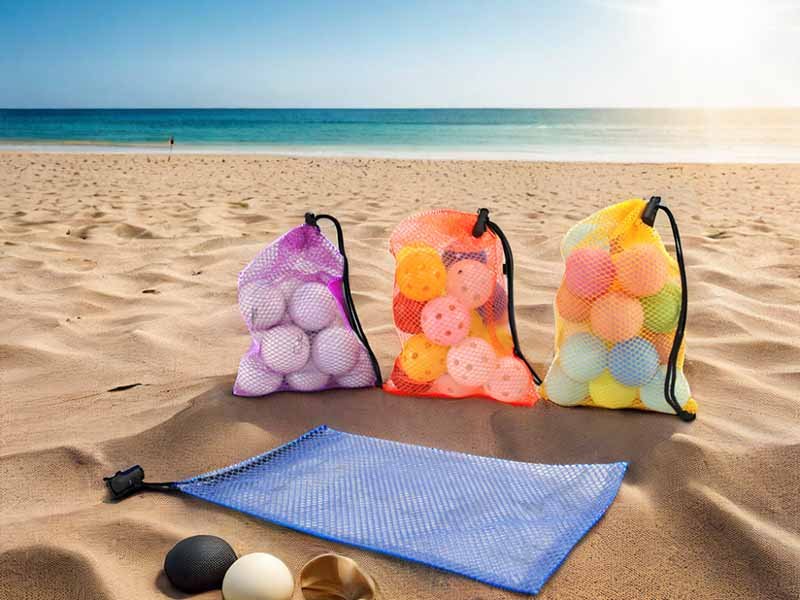
Athletes and fitness enthusiasts face a common challenge: storing and transporting sports gear without creating mess, odor, or damage. Mesh bags have become a top choice because they combine breathability, lightweight design, and durability. These bags allow wet uniforms, swimsuits, and sweaty gear to dry quickly, preventing mold and odor.
Mesh bags are versatile. They are used by soccer teams, swimmers, gym-goers, and outdoor enthusiasts who need quick organization, visibility, and portability. For sports brands and clubs, custom mesh bags with logos, colors, or compartments provide both functionality and marketing opportunities.
Why choose mesh bags for sports?
- They allow airflow to keep gear dry and fresh
- Lightweight and easy to carry anywhere
- Transparent or semi-transparent design for easy organization
- Can handle wet, heavy, or irregularly shaped equipment
- Customizable for teams, gyms, or retail
Imagine a basketball team walking into the locker room: each player can spot their shoes, pads, and clothes at a glance, everything ventilated, clean, and easy to carry. Mesh bags make this possible, keeping sports gear organized and ready for the next game.
What Are Mesh Bags?
Mesh bags are open-weave storage bags designed to hold and organize sports gear while allowing air to flow freely. They are widely used by athletes, swimmers, gym-goers, and outdoor enthusiasts because of their breathability, lightweight design, and durability. Unlike traditional solid fabric bags, mesh bags prevent moisture from being trapped, reducing odor, mold, and mildew formation.
For customers, the most important features of mesh bags are air circulation, easy visibility, and adaptability to different sports or gear types. A typical mesh bag can carry 3–5 pairs of shoes, uniforms, towels, or swim gear, depending on size and design. They are often foldable and lightweight, weighing as little as 150–200 grams for a medium-size bag, which makes them convenient for commuting, gym use, and travel.
Mesh bags are available in nylon, polyester, or recycled materials, each offering different benefits. Nylon is strong and abrasion-resistant, ideal for team sports with heavy equipment. Polyester is flexible and maintains shape well, making it suitable for wet or light gym gear. Recycled mesh fabrics are gaining popularity among environmentally conscious customers, as they combine sustainability with practicality.
Mesh Bags Definition
Mesh bags are fabric bags made from interlaced threads forming a breathable net. They are used for sports, gym, swim, and travel, designed to hold wet or heavy items while maintaining airflow.
Common Materials for Mesh Bags
- Nylon: Strong, resistant to tearing, ideal for heavy equipment like cleats, balls, and pads.
- Polyester: Lightweight, maintains shape, suitable for swim gear or gym clothes.
- Recycled Materials: Sustainable option, maintains airflow and durability while reducing environmental impact.
Sizes and Capacity
Mesh bags range from small (20–25L) for swim gear to large (50–60L) for team sports. Medium bags around 35–45L are common for gym or individual use. Correct sizing is important to prevent overstretching and to maintain the bag’s shape and durability over time.
Features Customers Care About
- Ventilation: Keeps wet or sweaty gear dry, reducing odor and mold.
- Visibility: Semi-transparent mesh allows users to identify contents quickly.
- Lightweight Design: Medium bags weigh less than 200 grams yet can carry up to 10–15 kg of gear.
- Reinforced Bottoms and Seams: Essential for durability with repeated use.
- Custom Options: Logos, team colors, pockets, and compartments for personalized or commercial use.
| Material | Weight (Medium Bag) | Max Load | Breathability | Best Use |
|---|---|---|---|---|
| Nylon Mesh | 180–200 g | 12–15 kg | High | Team sports, heavy gear |
| Polyester Mesh | 150–180 g | 10–12 kg | Medium | Swim gear, gym clothes |
| Recycled Mesh | 160–190 g | 10 kg | High | Eco-friendly gyms, schools |
- A swimming club in California reported that using medium mesh bags reduced wet gear odor complaints by 60% compared to solid duffel bags.
- A youth soccer team in Texas noted that reinforced nylon mesh bags lasted 3 seasons of daily use without tearing.
- Many gyms and clubs prefer custom printed mesh bags for branding and easy identification, which also reduces lost items.
Mesh bags are more than just storage—they enhance organization, hygiene, and convenience, which is why they have become a standard solution for athletes and sports brands worldwide. Customers looking for durable, functional, and customizable bags increasingly rely on suppliers like Lovrix for OEM/ODM solutions, free design, low MOQ, and fast sampling.
Why Mesh Bags Are Great for Sports

Mesh bags have become a must-have for athletes and fitness enthusiasts because they solve real-world problems that standard bags cannot. Sports gear is often wet, sweaty, or bulky, and improper storage can lead to odors, mildew, and damaged equipment. Mesh bags address these issues through breathable materials, lightweight construction, and customizable storage options.
For athletes, coaches, and sports brands, mesh bags offer a practical and flexible solution for daily use, competitions, and team management. A medium mesh bag can carry up to 12 kg of shoes, pads, uniforms, towels, and bottles while remaining easy to carry and store.
Key reasons mesh bags are ideal for sports include:
- Ventilation: Airflow keeps gear dry and reduces odor.
- Visibility: Semi-transparent mesh allows athletes to identify contents quickly.
- Lightweight and portable: Easy to carry to gyms, pools, and fields.
- Durability: Reinforced stitching and heavy-duty drawstrings handle repeated use.
- Customization: Sizes, compartments, and branding options suit teams, gyms, and retail brands.
Breathability Benefits
Air circulation is the primary reason mesh bags outperform solid bags in sports. Wet or sweaty gear dries faster inside mesh bags, reducing mold, mildew, and unpleasant odors. For example, a medium swim mesh bag can dry 3–4 swimsuits and 1 towel in under 2 hours in standard indoor conditions, compared with 6–8 hours in a solid duffel bag.
Athletes who train daily or attend competitions benefit from hygienic storage, which protects both personal gear and shared locker room environments. High-density mesh provides airflow while still being strong enough to hold cleats, protective pads, and towels without stretching or tearing.
Visibility and Organization
Mesh bags allow instant identification of contents, eliminating time spent rummaging. This is particularly valuable for team sports and gyms where multiple players or members share storage spaces. Semi-transparent bags or colored panels make it easier to assign gear to specific athletes.
Custom compartments and pockets can separate wet from dry gear, shoes from uniforms, or personal items from team equipment. A youth soccer team in Texas reported that using labeled mesh bags reduced lost gear by 35% over one season, saving both time and replacement costs.
Lightweight and Easy Carry
Mesh bags are significantly lighter than solid duffel or padded bags. A standard medium-size bag weighs 180–200 grams, yet it can carry up to 12 kg of gear. This allows athletes to move quickly between home, gym, and sports facilities without extra strain.
Adjustable straps make carrying comfortable, and foldable designs enable storage when not in use. For outdoor activities or multi-sport athletes, a lightweight mesh bag can be packed inside a larger bag to separate wet items from dry gear, improving convenience.
Quick Drying for Wet Gear
Mesh bags excel at handling wet gear like swimsuits, towels, or socks. The open weave allows water to evaporate faster than in solid bags. For competitive swimmers, airflow through the mesh reduces drying time by up to 50%, preventing the growth of bacteria and mildew.
Some mesh bags feature water-resistant bottoms to prevent leaks from dripping onto floors or other gear. This feature is critical for locker rooms, swimming pools, or gym storage areas. High-quality mesh bags can endure repeated wet/dry cycles over multiple seasons without losing shape.
Durability and Customization
Sports usage demands durable bags. Lovrix mesh bags are designed with reinforced stitching, double-layered mesh panels, and heavy-duty drawstrings, supporting repeated use of up to 10–15 kg of gear.
Customization options include:
- Team logos or numbers for easy identification
- Color coding for different players or gear types
- Compartment layouts for separating shoes, clothes, and accessories
- Eco-friendly fabric options for sustainable branding
| Feature | Benefit | Typical Use |
|---|---|---|
| Reinforced Stitching | Prevents tearing under heavy gear | Team sports, gym use |
| Double Mesh Panels | Adds strength without sacrificing airflow | Swim clubs, daily gym use |
| Water-Resistant Bottom | Protects floor and bag interior | Locker rooms, pools |
| Drawstring or Zipper | Secure storage with easy access | Travel, gym, competitions |
| Custom Compartments | Separates gear for hygiene and organization | Shoes, wet/dry gear, accessories |
- California Swim Club: Reported that mesh bags reduced gear odor complaints by 60% compared with solid duffels.
- Youth Basketball Team: Reinforced nylon mesh bags lasted 3 full seasons of heavy daily use.
- Gym Brand Customers: Custom compartments and branding helped reduce lost gear incidents by 30–40%.
Mesh bags are more than just storage—they improve gear hygiene, streamline organization, and reduce preparation time for athletes. Brands and teams who invest in high-quality, customized mesh bags see measurable benefits in convenience, durability, and user satisfaction.
Which Sports Use Mesh Bags Most

Mesh bags are versatile and used across many sports due to their ventilation, visibility, and lightweight design. Different sports require different bag sizes, materials, and compartments. Proper selection ensures gear remains dry, organized, and easy to carry.
- Used in team sports, swimming, gym workouts, and outdoor activities
- Provides quick access to gear without rummaging
- Customizable for size, compartments, colors, and logos for teams and brands
Team Sports Gear
Mesh bags are widely used in soccer, basketball, baseball, and hockey. Players need bags that carry shoes, jerseys, balls, pads, and water bottles. Teams often order 20–30 mesh bags per season, and the durability of stitching and material is crucial. Reinforced bottoms and heavy-duty drawstrings ensure gear is supported.
- A typical soccer bag for a 15-player team: 15–20 bags, each carrying cleats, shin guards, jerseys, socks, towels, and a ball
- Coaches prefer color-coded or labeled compartments for quick organization
- Custom options like team logos or number labels help players identify their bags
Swim and Water Sports Gear
For swimmers, divers, and water polo players, quick-drying features are essential. Mesh bags allow wet swimsuits, towels, and goggles to air out.
- Average medium swim bag holds 3–4 swimsuits, 1 towel, and goggles
- Pools sometimes require waterproof-coated bottoms to prevent dripping
- Some competitive teams use bags with double mesh panels for enhanced airflow
Gym and Workout Gear
Gym-goers need bags that carry shoes, towels, clothes, and personal items. Mesh bags allow lightweight transport and quick drying.
- A medium gym mesh bag weighing 180 grams can comfortably carry up to 10 kg
- Semi-transparent design allows instant identification of items
- Compartments can separate shoes from clothes to avoid dirt transfer
Outdoor and Adventure Sports
Hiking, climbing, and kayaking gear can be stored in larger mesh bags. These bags are durable and allow wet or dirty gear to dry without contaminating other items.
| Sport Type | Typical Items Stored | Bag Size Recommended | Key Features Needed |
|---|---|---|---|
| Soccer/Basketball | Cleats, pads, balls, jerseys | 50–60L | Reinforced stitching, internal pockets |
| Swimming | Swimsuits, towels, goggles | 30–40L | Quick-dry mesh, waterproof bottom |
| Gym/Workout | Shoes, clothes, bottles | 35–45L | Lightweight, breathable mesh, straps |
| Hiking/Adventure | Hiking shoes, wet clothes, ropes | 40–50L | Durable mesh, multiple compartments |
Mesh bags’ adaptability allows teams, gyms, and individual athletes to select bags that fit their specific needs. Custom sizes, reinforced panels, and branding options make them suitable for professional use as well as retail sales.
How to Choose a Mesh Bag

Selecting the right mesh bag depends on gear type, usage frequency, and personal or team requirements. A well-chosen bag ensures longevity, convenience, and optimal gear protection.
- Determine gear volume and items stored
- Evaluate material: nylon, polyester, or recycled mesh
- Consider closures: drawstring, zipper, or combination
- Check weight, reinforcement, and adjustable straps
- Include branding options for teams or retail
Right Size and Capacity
Bag size is critical to prevent overstretching and ensure easy transport. Small bags (20–25L) suit swim gear, medium (35–45L) for gym equipment, and large (50–60L) for team sports.
- Oversized gear or multiple items: choose 50–60L bags
- Individual or personal use: medium 35–45L bags
- Small gym or swimming bag: 20–30L
Features and Durability
High-quality mesh bags feature reinforced stitching, padded bottoms, and heavy-duty drawstrings. Internal compartments separate wet and dry items, and durability supports 10–15 kg of equipment.
- Reinforced stitching prevents tears from heavy cleats or balls
- Double-layered mesh panels improve airflow and prevent sagging
- Water-resistant bottoms protect floors and other gear
Closure Types for Mesh Bags
- Drawstring: Easy to open and close, adjusts to gear volume
- Zipper: Secures contents, ideal for travel or gym use
- Hybrid: Drawstring with a zipper pocket for valuables
Matching Quality to Usage
Daily use in gyms or pools requires high-density mesh, reinforced panels, and water-resistant bottoms. Occasional use for team events or short trips may be satisfied with medium-density mesh.
| Bag Feature | Purpose | Recommendation for Use |
|---|---|---|
| Mesh Density | Breathability vs durability | High for daily, medium for occasional |
| Bottom Reinforcement | Support heavy or wet gear | Yes for swim or team sports |
| Closure Type | Security and accessibility | Drawstring for light use, zipper for security |
| Adjustable Straps | Comfort when carrying | Recommended for daily commuting |
| Branding Options | Team identity or retail customization | Logos, colors, compartment labeling |
Practical Tip: Brands and teams can combine low MOQs, free design, and rapid sample production from suppliers like Lovrix to get custom mesh bags efficiently, even for smaller runs.
Are There Limits to Mesh Bags

Mesh bags are highly functional but have limitations that must be considered to match gear and usage. Knowing these ensures users select the right bag and avoid issues.
- Not ideal for sharp or heavy objects without reinforcement
- Limited water resistance in some designs
- Mesh can wear faster under heavy use if not reinforced
- Not suitable for electronics or fragile items
Durability Issues
Thin mesh can tear under excessive weight or contact with sharp edges. Bags with reinforced stitching and thicker mesh last longer. High-quality bags withstand 2–5 years of daily sports use with proper care.
Best Practices for Longevity
- Avoid exceeding recommended weight capacity
- Keep away from abrasive surfaces or sharp objects
- Separate wet from dry gear using compartments
- Regularly clean and air-dry bags to prevent mold
Gear Types Not Suitable for Mesh Bags
- Electronics without protective cases
- Heavy, rigid gym equipment
- Oversized items exceeding bag dimensions
| Limitation | Impact | Mitigation Strategy |
|---|---|---|
| Weight Capacity | Bag may tear or lose shape | Use reinforced stitching and bottom |
| Wet Gear Contact | Leaks or soggy contents | Water-resistant bottom or liner |
| Sharp Objects | Mesh puncture or tearing | Use padded inserts |
| Heavy Rigid Items | Shape distortion or damage | Avoid carrying or use reinforced bag |
| Electronics | No protection from moisture or impact | Use padded inner bag or separate case |
Custom solutions from Lovrix allow for reinforced panels, waterproof liners, compartments, and branding, ensuring mesh bags are suitable even for demanding sports environments.
Mesh Bags vs Other Sports Bags
Mesh bags are not the only storage option for athletes, but their unique features make them stand out. Understanding the differences helps customers select the right bag for their activity and needs.
Comparison with Solid Fabric Bags
- Solid fabric bags are heavier and trap moisture, making them less ideal for wet or sweaty gear.
- Mesh bags allow air circulation, reducing odor and drying time.
- Solid fabric bags often have more padding but add weight, whereas mesh bags are lightweight and portable.
Mesh vs Waterproof or Padded Bags
- Waterproof bags prevent leakage but limit airflow, which may trap odor in wet items.
- Padded bags protect fragile equipment but are heavier and less flexible.
- Mesh bags complement other types: they can be used for wet clothes and shoes, while waterproof/padded bags carry electronics or heavy gear.
Practical Benefits Table
| Bag Type | Weight | Ventilation | Ideal Use | Key Advantage |
|---|---|---|---|---|
| Mesh Bag | Very Light | High | Wet gear, gym, swim | Breathable, dries quickly |
| Solid Fabric Bag | Medium | Low | Dry gym clothes, casual use | Durable, supports heavy items |
| Waterproof Bag | Medium | Low | Electronics, valuables | Water protection |
| Padded Sports Bag | Heavy | Medium | Fragile or expensive equipment | Shock absorption and protection |
Mesh bags are particularly effective for athletes managing wet or multiple types of gear, offering lightweight convenience, airflow, and easy identification. For customers, this means faster preparation, less cleaning effort, and lower risk of odor or mold.
Mesh Bags Trends
Mesh bags are evolving with materials, design, and sustainability trends, driven by athlete needs, brand customization, and environmental awareness.
Eco-Friendly and Sustainable Materials
- Recycled polyester and eco-friendly nylon are increasingly used.
- Sustainable coatings reduce water use and chemical impact.
- Many teams and gyms prefer eco-conscious bags to align with corporate or community sustainability goals.
Customization and Branding
- Logos, team colors, and number labels are standard for teams.
- Retail brands use mesh bags as promotional items or premium products, combining functionality with marketing.
- Custom compartments and pockets allow brands to differentiate products while serving practical needs.
Multi-Functionality and Adaptable Design
- Bags now support both wet and dry gear simultaneously.
- Adjustable straps, removable compartments, and reinforced bottoms enhance versatility.
- Some designs include zippered sections for electronics, mesh pockets for water bottles, and reinforced drawstrings for heavier loads.
- Surveys indicate that over 70% of athletes prefer mesh bags for swim gear and gym use.
- Professional teams report that custom mesh bags reduce lost items by 35–50% due to visibility and labeling.
- Market trends show a 10–15% annual growth in custom mesh bags for team sports, gym memberships, and retail promotions.
| Trend | Description | Customer Benefit |
|---|---|---|
| Eco-friendly materials | Recycled polyester, water-based coatings | Sustainability and reduced environmental impact |
| Custom branding | Logos, colors, compartments | Team identity, marketing, or retail sales |
| Multi-function design | Wet/dry compartments, adjustable straps | Versatility for multiple sports and gear types |
| Lightweight & portable | Minimal weight with reinforced structure | Easy transport, less strain on users |
| Growing demand | 10–15% annual growth in custom mesh bags | Assurance of availability and innovation |
Mesh bags are not static products; they evolve based on user feedback, brand demands, and environmental responsibility. Athletes, gyms, and brands increasingly value bags that combine performance, durability, and style.
Contact Lovrix for Custom Mesh Bags
Whether you are a sports team, gym, or brand, Lovrix offers custom mesh bag solutions tailored to your needs. With over 18 years of experience in fabrics, straps, and bag manufacturing, Lovrix provides:
- Free design consultation and samples
- Low MOQ for small or pilot orders
- Rapid prototyping in 5–7 days
- Options for custom sizes, compartments, colors, and logos
- High-quality materials: nylon, polyester, eco-friendly fabrics
- Reinforced stitching and water-resistant panels
How to start your custom order:
- Choose your bag type, size, and material
- Provide branding details (logo, color scheme, labels)
- Lovrix creates free design mockups and samples
- Review and approve for production
Custom mesh bags from Lovrix help teams, gyms, and brands protect gear, enhance convenience, and promote identity. Contact Lovrix today to turn your mesh bag concept into high-quality, durable products.


