 Skip to content
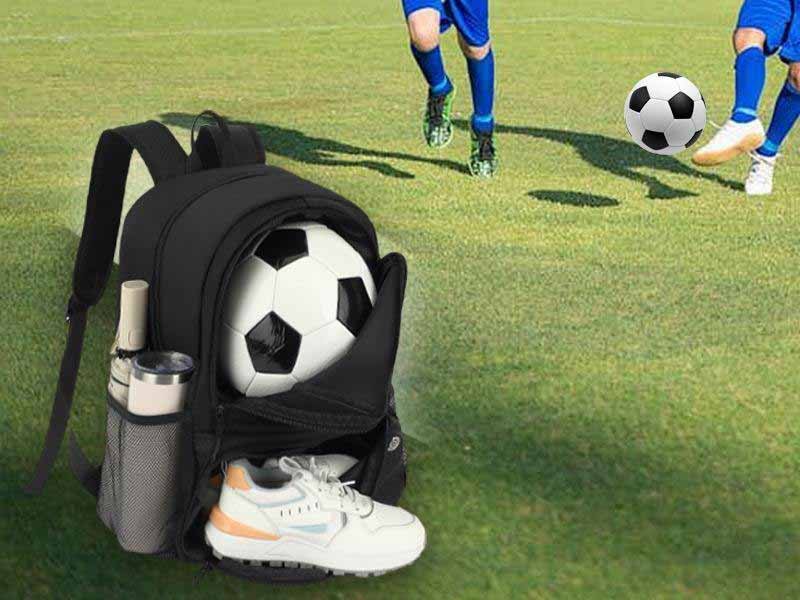
A sports bag can look strong on the outside and still disappoint users after three workouts. The reason is often hidden inside the bag. Sweaty shoes, damp towels, used jerseys, training gloves, socks, swimwear, and protective gear create heat, moisture, and odor after exercise. When everything is packed into one closed compartment, the bag becomes a small storage box for humidity. That is when clean clothes pick up smell, linings feel sticky, zippers age faster, and users start looking for a better bag.
Sports bag ventilation keeps gear fresh by giving trapped heat, sweat vapor, and odor a controlled path out of the bag. Mesh panels, vent holes, shoe pockets, wet-dry compartments, breathable linings, and airflow channels help separate dirty gear from clean items while reducing moisture buildup after training.
For sports brands, fitness studios, team suppliers, and e-commerce sellers, ventilation is not only a small product detail. It affects reviews, repeat purchases, product positioning, and user trust. A gym bag used after a 60-minute workout, a football bag filled with cleats, and a swim bag carrying wet towels all need different airflow logic. Lovrix helps clients develop custom sports bags by connecting fabric selection, webbing strength, compartment structure, ventilation placement, sampling, and bulk production into one complete OEM/ODM process.
What Is Sports Bag Ventilation?

Sports bag ventilation is the use of mesh, air holes, breathable compartments, and separated storage areas to reduce trapped moisture and odor inside sports bags. It helps sweaty shoes, damp towels, wet clothing, and used equipment stay away from clean gear while giving humid air a way to escape.
What does sports bag ventilation do?
Sports bag ventilation improves the inside environment of a bag after exercise. A sports bag does not only carry products; it carries sweat, heat, bacteria-prone moisture, dirt, grass, dust, shower humidity, and shoe odor. Without airflow, those elements stay trapped in the same space as clean clothes, phones, wallets, towels, and personal items.
Good ventilation helps solve five problems users care about:
- It reduces the closed, damp smell after training.
- It keeps used shoes away from clean clothing.
- It gives wet towels and sweaty gear a better storage zone.
- It helps the lining stay cleaner and easier to wipe.
- It makes the bag feel more suitable for daily use, not only occasional workouts.
For product development, ventilation should be designed together with compartment layout. A side mesh panel alone may not solve odor if the shoe pocket is fully sealed. A wet pocket alone may not help if moisture cannot escape. A better sports bag ventilation system combines airflow, separation, fabric resistance, lining choice, and user packing habits.
Is sports bag ventilation really needed?
Sports bag ventilation is needed when the bag stores anything used during intense movement, outdoor training, swimming, gym sessions, team sports, martial arts, dance, running, tennis, basketball, or football. A simple dry storage bag may not need advanced airflow. A sports bag used for shoes, wet towels, jerseys, protective gear, gloves, or post-workout clothes should be designed with ventilation in mind.
A key point for custom sports bag projects is usage frequency. A bag used once a month can survive with simple structure. A gym bag used three to five times per week needs better odor control, stronger lining, and clearer separation. A sports team bag may need to handle wet uniforms, muddy cleats, and repeated heavy loading. A fitness commuter bag may need ventilation without exposing personal items on public transport.
Ventilation also affects product reviews. Many users complain when a bag smells after only a few uses, when the shoe pocket makes the main compartment dirty, or when wet clothes touch electronics. These problems are not caused by fabric alone. They come from poor internal planning. For brands building private label sports bags, ventilation can become a clear selling point because users understand the benefit immediately.
What gear needs sports bag ventilation most?
Shoes need sports bag ventilation most because they collect sweat, dust, ground contact, and odor inside a closed shape. A ventilated shoe compartment is one of the most valuable features in gym bags, football bags, basketball duffels, tennis bags, and travel fitness bags. The pocket can be built with mesh panels, side eyelets, coated lining, or a separate tunnel structure.
Wet towels, swimwear, socks, jerseys, gloves, boxing wraps, shin guards, knee pads, elbow pads, and training belts also need airflow. These items are often packed while still warm or damp. If they sit next to clean clothing, odor spreads quickly. If they sit in a sealed pocket, moisture stays inside longer.
Different sports need different ventilation levels:
| Gear Type | Moisture Level | Odor Risk | Recommended Ventilation |
|---|---|---|---|
| Running shoes | Medium | High | Side eyelets or mesh shoe pocket |
| Football cleats | High | High | Large vented shoe tunnel with wipe-clean lining |
| Swimwear | High | Medium | Wet pocket with coated lining and vent outlet |
| Gym towel | High | Medium | Mesh sleeve or wet-dry pocket |
| Boxing gloves | Medium to high | High | Larger breathable side compartment |
| Yoga clothes | Medium | Medium | Hidden mesh or light side ventilation |
| Team jerseys | Medium | Medium | Main compartment airflow or mesh laundry zone |
| Personal electronics | Low | Low | Keep away from ventilated wet zones |
For Lovrix clients, the best approach is to define the user’s packing list before sample development. A bag for a yoga studio should not copy a football gear bag. A basketball duffel should not use a tiny shoe pocket only suitable for running shoes. A swim bag should not rely on normal fabric lining inside wet areas. Product accuracy begins with the sport, the gear size, and the user’s routine.
Sports bag ventilation should also consider storage time. Many users do not unpack immediately after exercise. Bags may sit in a car, office, locker, dorm room, hotel, or entryway for several hours. That waiting period is when odor becomes stronger. Ventilation cannot replace washing, but it can reduce the trapped-moisture problem and make the bag more forgiving in real life.
From a manufacturing perspective, ventilation must be balanced with strength. Large mesh panels improve airflow, but they may reduce abrasion resistance if placed near the bottom. Metal eyelets look clean, but the surrounding panel needs reinforcement. A breathable shoe tunnel improves hygiene, but it may take space from the main compartment. These trade-offs matter during OEM/ODM development.
Lovrix can support these decisions through its fabric, webbing, and bag manufacturing system. For a sports bag project, the ventilation structure can be reviewed together with shell fabric, lining, zipper route, handle load, shoulder strap comfort, logo position, packaging method, and target price level. This reduces the risk of making a bag that looks good in photos but performs poorly after repeated use.
How Does Sports Bag Ventilation Work?

Sports bag ventilation works by moving humid air away from high-moisture storage zones. Mesh panels, vent holes, grommets, breathable linings, shoe pockets, and wet-dry compartments create airflow paths inside selected areas. A strong design keeps damp gear away from clean items while protecting the bag’s structure, appearance, and daily carrying comfort.
How do mesh vents help sports bag ventilation?
Mesh vents help sports bag ventilation by allowing air to move through areas where sweat and moisture gather. Mesh is commonly used on side panels, shoe pockets, laundry sleeves, ball pockets, towel zones, and equipment compartments. Compared with a fully closed fabric panel, mesh gives damp items more breathing room and helps reduce the heavy smell inside the bag.
Mesh selection should match the product level. Fine mesh creates a cleaner look and offers more privacy, but airflow is lower. Open mesh improves airflow, but contents become more visible. Heavy-duty mesh suits team sports and outdoor bags because it handles rough use better. Soft mesh works better for lifestyle gym bags and yoga bags where appearance and touch matter more.
For custom sports bags, mesh should be tested by position, size, strength, and look. A side mesh panel near a shoe compartment may work well. A large mesh panel near the bottom may collect dust or suffer abrasion. A mesh pocket near the logo area may reduce visual quality. Lovrix can help adjust mesh density, panel shape, binding, stitch method, and color matching before production.
How do air holes improve sports bag ventilation?
Air holes improve sports bag ventilation by releasing trapped odor and moisture from closed compartments. They are often used in shoe pockets because shoes need airflow but not every brand wants large visible mesh. Metal eyelets, embroidered eyelets, molded vent holes, and laser-cut openings can all create ventilation while keeping the bag shape neat.
Vent placement is important. If holes are too small or too few, airflow may be weak. If they are placed too low, water and dust can enter more easily. If they sit too close to seams, stress may damage the panel during heavy use. For larger sports bags, vents should be positioned where air can leave the compartment without affecting carry comfort or bag strength.
Air holes work best when combined with a separated compartment. For example, a shoe pocket with two to four side eyelets can release odor while keeping dirty soles away from clean clothes. A wet pocket may use a coated lining inside and a small vent zone near the top. A team bag may use multiple vent points around large equipment storage. The goal is not to add more holes everywhere. The goal is to give the right gear the right airflow path.
How does a shoe pocket use sports bag ventilation?
A shoe pocket uses sports bag ventilation by creating a separate space for shoes and giving that space its own airflow. In sports duffel bags, the shoe pocket is often built from one side of the bag like a tunnel. In backpacks, it may sit at the bottom or front. In team bags, it may be larger and reinforced for cleats, boots, or multiple pairs.
A well-designed shoe pocket should answer several product questions:
- What shoe size must fit comfortably?
- Will users store running shoes, cleats, basketball shoes, cycling shoes, or studio shoes?
- Should the pocket fit one pair or two pairs?
- Should the pocket be wipe-clean inside?
- Should airflow come from mesh, eyelets, or hidden vents?
- Will the shoe pocket reduce main compartment capacity too much?
- Should dirty soles face away from clothing and electronics?
Shoe pocket depth and entrance angle matter a lot. A shallow pocket may look fine in photos but fail with larger shoes. A narrow zipper opening makes shoes hard to insert. A pocket without lining can absorb dirt and smell. A pocket without reinforcement can deform when users push shoes inside. Lovrix can help brands test these details during sample development, especially for gym, basketball, football, tennis, and travel fitness bags.
A sports bag ventilation system works best when airflow follows the user’s packing routine. Before exercise, the bag may carry clean clothing, shoes, a towel, a bottle, a phone, a wallet, and maybe a laptop. After exercise, the same bag carries used clothes, damp towels, sweaty shoes, socks, and sometimes wet shower items. The bag changes from clean storage to mixed-condition storage. Good design must support both stages.
The relationship between ventilation and wet-dry separation is especially important. A wet pocket without airflow may trap moisture. A ventilated zone without separation may let odor move into clean areas. A shoe pocket without wipe-clean lining may protect clothes but become dirty inside. A mesh panel without reinforcement may breathe well but fail under rough use. The best sports bag design connects function with structure.
| Ventilation Feature | Best Position | Main Benefit | Development Risk | Lovrix Design Focus |
|---|---|---|---|---|
| Side mesh panel | Shoe pocket, gear zone | Strong airflow | Lower rain protection | Mesh density, binding, panel size |
| Metal eyelets | Shoe compartment | Controlled odor release | Panel tearing if weak | Reinforced placement |
| Wet-dry pocket | Swim, gym, travel bags | Keeps damp items separate | Moisture trapped if sealed | Lining, vent outlet, zipper route |
| Open mesh sleeve | Towels, gloves, balls | Fast access and airflow | Contents visible | Use-case matching |
| Hidden vent channel | Premium fitness bags | Cleaner appearance | More complex sampling | Structure and cost control |
| Breathable lining | Light gym bags | Better inner feel | Limited airflow alone | Pair with vents or mesh |
For product planning, the ventilation method should match the bag’s price level and target use. A low-cost gym duffel may use a side mesh shoe compartment. A mid-range fitness bag may add wet-dry separation, coated lining, and stronger webbing. A higher-end travel sports bag may use hidden vents, water-resistant nylon, molded zipper pulls, laptop separation, and reinforced shoulder straps.
The wrong ventilation design can create new problems. Too much mesh may reduce privacy. Too many holes may weaken the water-resistant story. A shoe compartment that is too large may steal space from the main compartment. A wet pocket without enough opening width may be hard to clean. A vent placed against the user’s body may feel uncomfortable. These details are why sports bag ventilation should be reviewed at the sample stage, not after bulk production.
Lovrix supports custom sports bag projects by combining fabric manufacturing, webbing development, bag sampling, OEM/ODM customization, private label service, free design support, low MOQ customization, fast sample development, and quality-focused production. For clients building a new sports bag line, the ventilation system can be planned with product size, compartment layout, material choice, logo method, colorway, packaging, and shipment schedule from the beginning. That makes the final product more useful for real users and easier to position in competitive online markets.
Which Sports Bag Ventilation Designs Work Best?

The best sports bag ventilation design depends on what users carry, how often they train, how long gear remains inside the bag, and where the bag is used. A ventilation system that works well for a swimmer may not work for a football player. A yoga bag requires a different airflow strategy than a team equipment bag. Effective ventilation is not about adding the most mesh or the largest air holes. It is about placing airflow exactly where moisture and odor are created while protecting clean gear and maintaining durability.
Which sports bag ventilation suits gym bags?
Gym bags are among the most demanding products because they often carry a combination of clean clothing, used workout apparel, shoes, towels, water bottles, toiletries, and electronics. A gym user may visit the fitness center before work, during lunch, or after office hours. In many cases, damp gear remains inside the bag for several hours before being unpacked.
For gym bags, the most effective ventilation system usually combines three elements:
- A ventilated shoe compartment
- A wet-dry separation pocket
- Limited airflow through mesh or vented side panels
This configuration addresses the three primary sources of odor: shoes, sweat-soaked clothing, and damp towels.
A common mistake in lower-quality gym bags is placing everything inside one large compartment. While this reduces manufacturing cost, it increases odor transfer between items. Shoes contaminate clothing. Wet towels affect electronics. Moisture spreads across the lining.
A better layout uses separate airflow zones.
| Gym Bag Area | Recommended Ventilation Solution | Purpose |
|---|---|---|
| Shoe Storage | Mesh panel or eyelet vents | Reduce shoe odor |
| Wet Towel Zone | Waterproof pocket + vent outlet | Moisture management |
| Main Compartment | Controlled airflow | Protect clean items |
| Bottle Pocket | Open mesh storage | Fast drying |
| Accessories | Closed compartment | Protect valuables |
Premium gym bags increasingly use hidden ventilation channels rather than large visible mesh. This approach appeals to fitness professionals and urban commuters who want a cleaner appearance while maintaining performance.
Another important consideration is travel distance. Someone walking directly home from a gym may need minimal ventilation. Someone commuting for 60–90 minutes before unpacking requires much better airflow management.
When developing custom gym bags, Lovrix often evaluates:
- Training frequency
- Average workout duration
- Shoe size requirements
- Number of compartments
- Carry method
- Storage duration after exercise
These factors determine the optimal ventilation structure before sampling begins.
Which sports bag ventilation suits team bags?
Team sports create far more demanding ventilation requirements than standard fitness bags. Football teams, basketball clubs, baseball organizations, rugby programs, volleyball teams, and training academies often transport large quantities of equipment at once.
Unlike individual gym users, team players frequently carry:
- Uniforms
- Cleats
- Protective pads
- Gloves
- Training accessories
- Water-resistant outerwear
- Personal clothing
These items generate significantly more moisture and odor than typical gym gear.
For team bags, large airflow capacity becomes more important than visual appearance.
The most effective ventilation designs usually include:
- Oversized mesh panels
- Large shoe tunnels
- Multiple vent locations
- Reinforced airflow zones
- Heavy-duty abrasion-resistant mesh
The challenge is balancing airflow with durability.
Team bags are often thrown onto buses, locker room floors, training fields, and equipment storage areas. Large mesh sections improve ventilation but can become weak points if not reinforced properly.
A common solution is combining:
- High-denier polyester shell
- Reinforced mesh windows
- Heavy-duty webbing handles
- Protected vent placement
This allows airflow without sacrificing strength.
Team bag ventilation priorities often look like this:
| Priority | Importance |
|---|---|
| Odor Control | Very High |
| Durability | Very High |
| Capacity | Very High |
| Appearance | Medium |
| Lightweight Design | Medium |
| Waterproof Performance | Medium |
Another factor often overlooked is climate.
Teams training in Florida, Texas, Southeast Asia, Australia, or the Middle East face higher humidity than teams in cooler regions. High-humidity environments require larger ventilation zones because moisture evaporates more slowly.
Custom team bag projects should therefore consider:
- Geographic region
- Weather conditions
- Sport type
- Equipment volume
- Cleaning frequency
The best team bag ventilation system is usually the one that performs consistently after hundreds of training sessions, not merely the one that looks impressive in product photos.
Which sports bag ventilation suits outdoor bags?
Outdoor sports bags face a different challenge.
Gym bags mainly fight internal moisture. Outdoor bags must manage both internal moisture and external weather exposure.
Users may encounter:
- Rain
- Mud
- Snow
- Sand
- Dust
- Temperature changes
- High UV exposure
For this reason, outdoor sports bags cannot rely on large exposed mesh panels alone.
The most successful outdoor ventilation systems use controlled airflow combined with weather protection.
Examples include:
- Protected vent channels
- Covered air openings
- Raised vent structures
- Water-resistant shell fabrics
- Moisture-resistant lining materials
Outdoor sports bags often support:
- Hiking
- Fishing
- Cycling
- Trail running
- Camping
- Adventure racing
- Hunting
- Climbing
Each activity creates different ventilation needs.
A fishing bag may prioritize moisture drainage.
A cycling bag may prioritize lightweight airflow.
A hiking bag may prioritize sweat management while protecting spare clothing.
A hunting bag may require odor control while minimizing external openings.
The following comparison illustrates how ventilation priorities differ:
| Outdoor Activity | Ventilation Focus |
|---|---|
| Hiking | Sweat management |
| Fishing | Water drainage |
| Cycling | Lightweight airflow |
| Hunting | Controlled odor release |
| Camping | Long-term moisture control |
| Trail Running | Fast drying |
One of the biggest mistakes in outdoor bag development is copying gym bag ventilation structures directly.
Large exposed mesh may work indoors but can allow water, mud, or sand into the bag during outdoor use.
That is why premium outdoor bags increasingly use engineered ventilation paths rather than visible mesh surfaces.
For OEM and private label development, Lovrix often recommends testing outdoor bags under real-use conditions rather than relying solely on appearance-based decisions. Rain exposure, trail dust, and repeated loading frequently reveal issues that are not obvious during initial design reviews.
A successful outdoor ventilation system should improve airflow without reducing environmental protection.
Sports bag ventilation design should always start with user behavior rather than design trends. Many brands see competitors using mesh panels or vented compartments and attempt to copy them directly. However, the most effective products are designed around specific usage patterns.
For example:
- A swimmer may need drainage and moisture isolation.
- A basketball player may need shoe odor management.
- A football athlete may need large equipment airflow.
- A yoga participant may prefer subtle hidden ventilation.
- A traveling fitness enthusiast may need airflow while protecting electronics.
Each scenario creates different design priorities.
The strongest custom sports bag programs often begin by asking a series of practical questions:
- What gear enters the bag after training?
- How long does gear remain inside?
- Does the bag travel by car, public transit, or airplane?
- Is appearance more important than airflow?
- Does the user train indoors or outdoors?
- Does the market value premium aesthetics or technical performance?
The answers shape the ventilation strategy.
The following table shows how ventilation requirements change by user type:
| User Type | Best Ventilation Solution |
|---|---|
| Gym User | Shoe compartment + wet pocket |
| Swimmer | Drainage + waterproof lining |
| Football Player | Large airflow compartments |
| Basketball Player | Vented shoe tunnel |
| Yoga User | Hidden ventilation |
| Outdoor Athlete | Protected vent channels |
| Team Program | Reinforced mesh systems |
| Travel Fitness User | Balanced airflow and protection |
For manufacturers, ventilation should never be treated as an isolated feature.
Vent placement affects:
- Fabric selection
- Lining choice
- Webbing attachment
- Zipper routing
- Pattern construction
- Sampling complexity
- Production efficiency
A larger vent may require stronger reinforcement. A shoe tunnel may change the bag’s overall dimensions. A mesh panel may influence logo placement.
This is why Lovrix integrates ventilation planning with fabric engineering, webbing development, bag pattern construction, and production testing from the earliest stages of product development.
When ventilation is considered as part of the entire product architecture rather than an afterthought, the result is a sports bag that stays fresher, lasts longer, performs better, and creates a stronger experience for end users.
Do Materials Change Sports Bag Ventilation?

Materials play a major role in sports bag ventilation performance. Two bags can have identical compartments, identical dimensions, and identical vent placement, yet perform very differently because of the fabrics, linings, coatings, meshes, and reinforcements used throughout the construction.
Sports bag ventilation is not controlled by airflow openings alone. Material selection influences how moisture moves, how quickly surfaces dry, how odors are retained, and how comfortable the bag feels during daily use.
Do mesh fabrics improve sports bag ventilation?
Mesh fabrics are one of the most effective materials for improving sports bag ventilation because they allow direct air movement through selected areas.
However, not all mesh fabrics perform the same.
Factors that influence mesh performance include:
- Hole size
- Yarn thickness
- Fabric density
- Coating treatments
- Stretch properties
- Abrasion resistance
Large-hole mesh generally delivers stronger airflow.
Smaller-hole mesh typically provides:
- Better appearance
- More privacy
- Better shape retention
- Improved durability
The choice depends on the intended application.
For example:
| Mesh Type | Airflow | Appearance | Durability |
|---|---|---|---|
| Open Mesh | Excellent | Medium | Medium |
| Fine Mesh | Good | High | High |
| Spacer Mesh | Very Good | High | High |
| Rubberized Mesh | Good | Medium | Very High |
Premium sports bags increasingly use spacer mesh because it creates airflow while maintaining structure and comfort.
The right mesh material can significantly improve ventilation performance without making the product appear overly technical.
Do waterproof fabrics affect sports bag ventilation?
Yes.
Waterproof and highly coated fabrics often reduce natural breathability.
Materials such as:
- TPU-coated polyester
- PVC-coated fabric
- Heavy waterproof nylon
are excellent for weather resistance but allow less moisture transfer through the material itself.
This creates a design challenge.
Users want protection from rain while also wanting airflow for sweaty gear.
The solution is strategic ventilation placement.
Instead of relying on fabric breathability, designers create controlled airflow zones through:
- Vents
- Mesh windows
- Eyelets
- Vent channels
- Separated compartments
This allows waterproof protection where needed while maintaining ventilation performance.
Many successful sports bags combine:
- Waterproof exterior panels
- Ventilated shoe compartments
- Breathable internal zones
to achieve both objectives.
The key is balance rather than choosing one feature over the other.
Are linings important for sports bag ventilation?
Linings are often ignored in sports bag ventilation design, but they strongly affect how fresh the bag feels after repeated use. Vent holes and mesh panels move air, while linings decide how moisture, dirt, odor, and sweat residue interact with the inside surface of the bag.
A poor lining can ruin a good ventilation system. For example, a shoe pocket may have side vents, but if the inner lining absorbs moisture easily, the pocket may still smell after repeated use. A wet compartment may use a waterproof surface, but if the seams are poorly finished, water can stay trapped in corners. A gym bag may look premium outside, but a weak inner fabric can wrinkle, peel, stain, or retain odor faster than expected.
For sports bags, lining selection should match the type of gear being stored.
| Lining Type | Best Use | Main Advantage | Key Concern |
|---|---|---|---|
| 210D polyester lining | General gym bags | Lightweight, common, cost-efficient | Limited premium feel |
| 420D polyester lining | Mid-range sports bags | Better strength and structure | Slightly higher cost |
| PVC-coated lining | Wet pockets, shoe areas | Easy to wipe, water-resistant | Less breathable |
| TPU-coated lining | Higher-end wet zones | Cleaner hand feel, flexible, durable | Higher material cost |
| PEVA lining | Wet-dry compartments | Moisture barrier, lightweight | Needs good seam control |
| Oxford lining | Team bags, heavy-use bags | Stronger inner support | Less soft than thin lining |
For shoe pockets, wipe-clean lining is often more useful than a fully breathable lining. Shoes bring dirt, dust, and odor. A coated surface allows users to clean the inside with a damp cloth. For wet towel pockets, the lining should prevent moisture from spreading into the main compartment. For premium gym bags, a smoother lining helps the bag feel cleaner and more organized when users reach inside.
Lovrix usually reviews lining from three angles during custom sports bag development:
- Does the lining protect clean gear from moisture?
- Can the lining handle repeated contact with shoes or wet clothing?
- Does the lining match the bag’s price positioning and user expectation?
A sports bag made for a low-price promotional program may use standard polyester lining with a simple mesh shoe pocket. A mid-range fitness bag may use coated lining in the shoe area and stronger polyester lining in the main compartment. A premium private label sports bag may use water-resistant lining, hidden seams, molded zipper pulls, and more refined compartment finishing.
Lining color also matters. Black lining hides dirt but makes small items harder to find. Light gray lining makes the interior easier to see but may show stains more quickly. Bright color lining can create stronger shelf appeal, but it should match the brand’s visual identity.
For sports bag ventilation, the lining should never be selected only by cost. It must work with mesh, vents, compartments, zipper openings, and user cleaning habits. A bag with good airflow and poor lining may still disappoint users. A bag with the right lining and controlled ventilation feels cleaner, lasts longer, and creates stronger confidence after repeated use.
How Can Brands Customize Sports Bag Ventilation?
Brands can customize sports bag ventilation by matching airflow design to sport type, gear size, user lifestyle, material level, and retail positioning. The best custom solution is not always the most complex one. A strong sports bag should place ventilation where odor and moisture begin, protect clean items, support repeated use, and still look aligned with the brand’s style.
How can sports bag ventilation match each sport?
Each sport creates a different moisture and storage problem. A gym user may pack running shoes, a towel, and a T-shirt. A swimmer carries wet swimwear, shower items, and towels. A football player may pack cleats, socks, gloves, shin guards, and muddy uniforms. A yoga user may need a cleaner lifestyle look with subtle airflow. A tennis player may care more about shoes, apparel, water bottles, and racket protection.
The ventilation system should start from the sport, not from a standard bag template.
| Sport / Use Scene | Main Gear Problem | Recommended Ventilation Design |
|---|---|---|
| Gym training | Sweaty clothes and shoes | Vented shoe pocket + wet-dry pocket |
| Running | Damp apparel and light shoes | Small mesh zone + breathable side pocket |
| Swimming | Wet towels and swimwear | Coated wet compartment + vent outlet |
| Football | Muddy cleats and uniforms | Large shoe tunnel + reinforced mesh |
| Basketball | Large shoes and apparel | Deep shoe compartment + side vents |
| Tennis | Shoes, clothes, bottles | Separated shoe pocket + bottle mesh |
| Yoga / Pilates | Light sweat, clean look | Hidden vents + soft lining |
| Boxing / MMA | Gloves, wraps, odor | Large breathable gear pocket |
| Cycling | Compact gear, sweat | Lightweight mesh + compact wet zone |
| Outdoor training | Moisture plus weather | Protected vents + water-resistant fabric |
A common mistake is using one sports bag structure for every product line. This may reduce development work, but it weakens user experience. A basketball shoe pocket must be deeper than a running shoe pocket. A swim bag needs better wet separation than a yoga bag. A team bag needs stronger mesh and more reinforced seams than a personal gym duffel.
For custom projects, Lovrix can help brands map the product around the user’s actual packing routine:
- What items are packed before training?
- What items become wet or dirty after training?
- Which items must stay dry?
- How long does the gear stay inside the bag?
- Will users carry the bag by hand, shoulder, back, or luggage handle?
- Will the bag be used indoors, outdoors, or during travel?
These questions help decide the compartment structure before patterns are made. Once the structure is clear, ventilation can be designed naturally instead of being added as decoration.
For example, a private label gym bag for office commuters may need a ventilated shoe pocket, a separate laptop compartment, a clean accessories pocket, and a waterproof lining in the wet zone. A football team duffel may need a larger main compartment, thick webbing handles, oversized mesh panels, and stronger bottom fabric. A swim bag may need coated lining, drain-friendly structure, and quick-access wet storage.
This level of product matching makes the bag easier to sell because the features answer real user problems. Instead of using generic words like “large capacity” or “premium quality,” a brand can describe exact benefits: “deep shoe compartment for size 12 training shoes,” “coated wet pocket for towels,” or “reinforced mesh panel for team uniforms.”
How can sports bag ventilation reduce odor?
Sports bag ventilation reduces odor by limiting the amount of trapped humidity inside the bag. Odor becomes stronger when sweat, heat, bacteria-prone moisture, and dirty gear remain in a closed space. Ventilation does not replace cleaning, but it helps prevent the bag from becoming a sealed container for damp items.
Odor control usually depends on four design actions:
- Separate odor sources from clean items.
- Add airflow to high-moisture zones.
- Use wipe-clean or moisture-resistant lining where needed.
- Make the bag easy to unpack and clean.
Shoe compartments are the first priority. Shoes often create the strongest smell because they absorb sweat and touch outdoor or indoor surfaces. A ventilated shoe pocket helps keep this odor away from clothing and personal items. For larger shoes or cleats, the pocket should have enough depth so users do not force shoes into the bag and crush the structure.
Wet pockets are the second priority. Damp towels and used training clothes can quickly affect the whole bag. A wet-dry pocket should isolate moisture, but it should not become a sealed odor chamber. Depending on the design, Lovrix may suggest adding small vent holes, a mesh upper zone, or a zipper position that allows easier airing after use.
The third priority is material cleaning. Some fabrics and linings hold odor more easily than others. A smooth coated lining in shoe and wet areas can help users wipe away residue. For team bags, where equipment may be heavily used, stronger mesh and easy-clean lining often matter more than luxury appearance.
Odor control design can be planned by product level:
| Product Level | Odor Control Structure | Suitable Market |
|---|---|---|
| Entry-level sports bag | Mesh shoe pocket + standard lining | Promotional, basic fitness |
| Mid-range gym bag | Vented shoe pocket + wet pocket + coated lining | E-commerce, fitness retail |
| Team sports bag | Large mesh panels + reinforced gear zones | Clubs, schools, academies |
| Premium commuter gym bag | Hidden vents + wipe-clean shoe pocket + laptop separation | Urban fitness, lifestyle brands |
| Outdoor sports bag | Protected vents + water-resistant shell + coated wet zone | Hiking, camping, fishing |
Ventilation also works better when users can access compartments easily. A wet pocket with a tiny zipper opening may be hard to clean. A shoe pocket with a sharp entry angle may make users avoid using it. A mesh laundry sleeve placed in the wrong area may interfere with the main compartment. Small design problems become daily annoyances.
For online sellers, odor control is also a strong content angle. Product descriptions, images, and videos can show how shoes stay separate, how wet clothing is stored, and where air moves. This makes the bag easier to understand within a few seconds. When users immediately see why the structure helps their routine, they are more likely to trust the product.
How does Lovrix design sports bag ventilation?
Lovrix designs sports bag ventilation by connecting material development, webbing strength, compartment planning, sample testing, and bulk production control. The company has more than 18 years of experience across fabric, webbing, and bag manufacturing, which is important because ventilation affects more than one part of the bag.
A vented shoe pocket, for example, may require:
- Shell fabric selection
- Lining selection
- Mesh density choice
- Zipper route adjustment
- Seam reinforcement
- Pattern balance
- Webbing placement review
- Logo position planning
If one part changes, other parts may also need adjustment. A larger shoe pocket can reduce main compartment space. A mesh panel may require binding tape. Eyelets may need reinforced backing. A wet pocket may need a coated lining and better seam control. These are small construction details, but they decide whether the product feels reliable after repeated use.
Lovrix supports custom, private label, OEM, and ODM sports bag projects with a development process focused on real product use. For ventilation systems, the usual development logic includes:
| Development Step | Key Review Point | Why It Matters |
|---|---|---|
| Product brief | Sport type, user, gear list | Defines ventilation demand |
| Structure planning | Compartments and airflow areas | Prevents odor transfer |
| Material selection | Shell, mesh, lining, webbing | Balances airflow and durability |
| Sample making | Pocket size, vent position, carry comfort | Tests real usability |
| Sample feedback | Fit, odor zones, capacity, cleaning | Reduces bulk production risk |
| Bulk production | Stitching, reinforcement, QC | Keeps quality consistent |
| Packing review | Shape protection, carton loading | Reduces delivery damage |
Lovrix can customize many ventilation-related details:
- Mesh panel size, shape, density, and color
- Shoe compartment depth and zipper opening
- Side eyelet quantity and position
- Wet pocket lining and opening direction
- Main compartment separation
- Reinforced binding around mesh areas
- Webbing strength for heavy sports loads
- Logo method, including printing, embroidery, woven labels, rubber patches, or heat transfer
- Packaging for e-commerce, retail, club orders, or private label programs
Quality control is especially important for ventilated bags because mesh, vents, and compartment seams create more construction points than a basic bag. During production, inspection should cover:
- Mesh tension
- Seam strength around vent zones
- Eyelet attachment firmness
- Zipper smoothness
- Lining cleanliness
- Pocket size accuracy
- Webbing load area
- Logo placement
- Final appearance
- Carton packing condition
For brands selling on Amazon, Shopify, retail shelves, sports clubs, or promotional channels, these details reduce avoidable complaints. A customer may not mention “mesh density” in a review, but they will mention whether shoes fit, whether the bag smells, whether the zipper works, whether the wet pocket leaks into the main space, and whether the strap feels strong.
Lovrix also supports free design, low MOQ customization, fast sample development, free sample support, short lead times, and full product development service for clients needing new sports bag programs. For clients who already have drawings, Lovrix can optimize structure and material choices. For clients with only a product idea, Lovrix can help turn the concept into a workable sample.
Sports Bag Ventilation Design Checklist
A good sports bag ventilation system should be reviewed before sample production. Once the pattern is fixed and bulk materials are ordered, changes become slower and more expensive. Brands can use the following checklist to prepare a better custom sports bag brief.
| Checklist Item | Recommended Detail |
|---|---|
| Target sport | Gym, swim, football, basketball, yoga, tennis, outdoor, team sports |
| Target user | Daily commuter, athlete, student, team member, traveler, club member |
| Main gear | Shoes, towels, clothes, gloves, wet items, bottles, electronics |
| Shoe size range | Running shoes, cleats, basketball shoes, boots |
| Wet item volume | Small towel, full towel, swimwear, team uniform |
| Vent style | Mesh, eyelets, hidden vents, open pockets |
| Outer material | Polyester, nylon, Oxford, waterproof-coated fabric |
| Lining material | Polyester, PVC-coated, TPU-coated, PEVA, Oxford |
| Carry method | Hand carry, shoulder strap, backpack straps, trolley sleeve |
| Logo method | Print, embroidery, woven label, rubber patch, heat transfer |
| Price level | Entry, mid-range, premium, team order |
| Sales channel | Amazon, Shopify, retail, gym studio, club, distributor |
For a first sample, brands should not only review the appearance. They should place real gear inside the bag and check:
- Do shoes fit without forcing the zipper?
- Does the shoe pocket take too much main space?
- Can wet items be removed easily?
- Does the wet area touch clean clothing?
- Are vents placed away from stress points?
- Does the mesh feel strong enough?
- Is the lining easy to wipe?
- Does the bag still look good when full?
- Are handles comfortable under load?
- Is the logo still visible with all compartments filled?
A sports bag is rarely used empty. Testing with real items is one of the simplest ways to avoid poor reviews after launch.
Custom Sports Bag Ventilation Cost Factors
The cost of sports bag ventilation depends on material choice, compartment complexity, mesh quality, lining type, reinforcement method, zipper structure, and total order quantity. Ventilation features do not always make a bag expensive, but poorly planned features can increase sampling time and production difficulty.
The following factors usually influence cost:
| Cost Factor | How It Affects Price |
|---|---|
| Mesh material | Heavy-duty or special mesh costs more than standard mesh |
| Vent quantity | More eyelets or vent parts require more labor |
| Shoe compartment size | Larger tunnels need more fabric, lining, and zipper length |
| Wet pocket lining | TPU/PVC/PEVA lining adds material and sewing requirements |
| Reinforcement | Extra binding, backing, or bar-tack stitching increases labor |
| Zipper quality | Long shoe-pocket zippers or waterproof zippers raise cost |
| Pattern complexity | More compartments increase cutting and sewing time |
| Logo method | Rubber patches and embroidery usually cost more than simple print |
| MOQ | Larger orders improve unit cost stability |
| Packing method | Retail packaging, polybags, cartons, and FBA labels affect final cost |
For brands, the goal is not to add every possible ventilation feature. The goal is to choose the features users will actually notice and value. A gym bag may not need large team-sports mesh panels. A football gear bag may not need a hidden premium vent channel. A yoga bag may not need aggressive vent holes. Cost should follow real user benefit.
Lovrix can help clients review cost-performance balance during the design stage. For example, if the target market is a mid-range e-commerce gym bag, the best value structure may include:
- 600D or 900D polyester outer fabric
- Separate shoe compartment
- Two to four side vents
- One wet-dry pocket
- 210D or 420D lining
- Reinforced handles
- Adjustable shoulder strap
- Custom logo printing or woven label
For a higher-end fitness commuter bag, the structure may upgrade to:
- Nylon or premium polyester shell
- Hidden ventilation
- Coated shoe pocket lining
- Dedicated laptop compartment
- Better zipper pulls
- Soft handle wrap
- Cleaner inner organization
- Custom rubber patch or embroidery logo
For a team sports bag, the structure may focus on:
- Larger capacity
- Heavy-duty polyester or Oxford fabric
- Reinforced bottom panel
- Large mesh ventilation zones
- Strong webbing handles
- Wide opening
- Easy-clean lining
- Bulk-friendly packing
Different customers value different things. Good product development means choosing the right structure for the market, not simply making the most complicated bag.
Build Better Sports Bags with Lovrix
Sports bag ventilation is one of those features users may not think about before buying, but they quickly notice after using the bag. A poorly ventilated bag smells faster, feels less clean, and creates frustration when wet towels, shoes, and clean clothes mix together. A well-designed ventilated sports bag feels more organized, more durable, and more suitable for real training life.
For brands, the opportunity is clear. Sports bag ventilation can improve product function, strengthen online selling points, support better product photos, reduce user complaints, and create a more professional private label line. The strongest designs are built around real gear, real sports, real storage habits, and real manufacturing control.
Lovrix brings together fabric development, webbing production, bag manufacturing, design support, sampling, quality control, and OEM/ODM service under one development system. With more than 18 years of experience, Lovrix supports custom sports bags for fitness brands, team programs, outdoor labels, e-commerce sellers, private label projects, and international sourcing teams.
From first concept to bulk delivery, Lovrix can support fabric selection, ventilation layout, compartment design, logo customization, sample improvement, packaging, and production inspection.
Contact Lovrix to start a custom ventilated sports bag project, review your current design, or develop a new private label sports bag line with better airflow, stronger structure, and more user-focused storage.


