 Skip to content
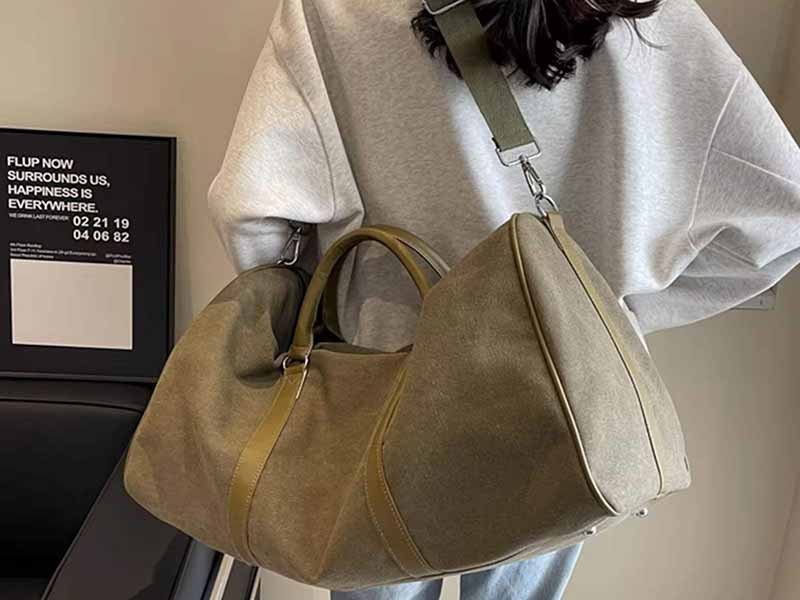
Finding a reliable custom bag manufacturer is not just about searching Google, opening ten supplier websites, and choosing the lowest quote. For brands, retailers, importers, promotional product companies, Amazon sellers, Shopify stores, and product teams, the real question is much more practical: can this manufacturer turn your idea, drawing, sample, or reference image into a product that can be sampled, improved, produced, inspected, packed, shipped, and reordered without constant surprises? A custom bag may look simple from the outside, but every detail carries business risk. The wrong fabric can collapse the shape. A weak strap can create returns. A rough zipper can damage the user experience. A beautiful sample that cannot be repeated in bulk can cost far more than a higher unit price.
A reliable custom bag manufacturer is a factory or manufacturing partner with proven ability in material selection, structure review, sampling, OEM/ODM production, private label branding, quality control, packaging, and delivery planning. The best supplier does not only sew bags; it helps buyers reduce product risk, control cost, protect brand quality, and build a repeatable supply chain.
Many buyers learn this lesson the hard way. The first supplier says yes to everything, sends a low quote, and makes one acceptable sample. Then bulk production starts, and the fabric feels thinner, the zipper is different, the logo shifts by a few millimeters, the packaging does not match the warehouse requirement, and the launch date is suddenly under pressure. This guide is designed to help you avoid that story before it begins.
What Is a Reliable Custom Bag Manufacturer?

A reliable custom bag manufacturer can consistently turn your design, sample, drawing, or reference image into commercial-ready bags. Reliability means clear material advice, realistic pricing, controlled sampling, stable bulk production, multi-stage inspection, accurate packaging, and long-term reorder support – not just a low unit price or fast reply.
What Reliability Really Means
In custom bag manufacturing, reliability is not a soft marketing word. It is a chain of decisions that starts before the first sample is made. A dependable manufacturer can explain whether your chosen fabric is strong enough, whether the zipper grade matches the use case, whether the handle needs reinforcement, whether the bottom panel should be supported, and whether your logo process will remain consistent in bulk production.
For business buyers, reliability usually appears in four areas: technical judgment, production discipline, communication clarity, and after-order responsibility. If a supplier only answers yes to every question, that is not enough. A serious manufacturing partner should also explain what may go wrong, which details must be confirmed, and how material, structure, MOQ, logo process, packaging, and lead time affect each other.
Factory or Middleman
Not every supplier that appears online is the actual production factory. Some are trading companies, some are sourcing agents, and some are small workshops with narrow capability. A trading company is not always a bad choice, but buyers must understand who owns the technical responsibility. If the sample dimension is wrong, who changes the paper pattern? If the webbing is weak, who selects a stronger specification? If the bulk fabric differs from the approved sample, who checks the material batch?
A real manufacturing partner should be comfortable discussing cutting, stitching, pattern making, webbing, hardware, lining, foam, binding, logo placement, packing, inspection, and shipment details. The more technical the conversation becomes, the easier it is to see whether the supplier controls production or only forwards messages.
Buyer Fit
A reliable manufacturer is not automatically the right manufacturer for every buyer. Some factories are built for basic promotional totes. Some are better at backpacks, cooler bags, cosmetic pouches, tool bags, pet carriers, medical bags, tactical bags, or waterproof outdoor bags. The best supplier for your project is the one whose real production experience matches your bag type, material requirement, order size, and quality level.
Large and mid-sized buyers usually care about more than the first order. They need sample-to-bulk consistency, stable reorders, SKU control, packaging accuracy, and a supplier that can support a product line, not just one shipment. For these buyers, cheap and fast is rarely enough. The better question is whether the manufacturer can protect the product standard after the sample is approved.
| Reliability Factor | What to Check | Practical Signal |
|---|---|---|
| Material judgment | Fabric type, GSM, coating, lining, webbing, hardware | Supplier explains trade-offs, not only price |
| Sampling discipline | Sample version, revision record, approved standard | Changes are recorded before bulk production |
| Bulk control | BOM, pattern, golden sample, production meeting | Sample details are transferred to the production line |
| QC workflow | Incoming, in-line, packing, final inspection | Quality is checked in stages, not only at the end |
| Communication | Questions, written confirmations, timeline updates | Supplier pushes clarity before pushing payment |
| Reorder support | Pattern files, material records, packaging files | Future orders do not start from zero |
Long-Term Value
The first order tests whether a supplier can produce. The second and third orders test whether it can maintain standards. Long-term value often comes from the less glamorous details: using the same fabric shade, keeping the same zipper puller, maintaining the same stitch density, following the same carton mark, and protecting the same approved sample standard.
A serious manufacturer should keep product records, material files, BOM versions, pattern files, logo artwork, packaging layouts, and QC notes. This lowers the communication burden for brand teams, sourcing managers, product developers, and quality teams. When evaluating reliability, do not only ask, Can you make this bag? Ask, Can you help us make this product repeatedly, safely, and consistently across future orders?
Which Manufacturer Type Fits Your Project?
The right manufacturer type depends on how complete your product information is. Choose OEM if you already have drawings, samples, or specifications. Choose ODM if you need help turning ideas into production-ready products. Choose private label production if branding, logo details, labels, packaging, and retail presentation are central to your business model.
OEM
OEM manufacturing is best when your project already has clear product information. You may have a tech pack, CAD drawing, physical sample, BOM, size chart, material specification, logo artwork, or packaging file. In this model, the manufacturer follows your confirmed requirements and helps convert them into stable samples and bulk production.
OEM is common when brands want to replace an unstable supplier, improve an existing product, reduce quality risk, or move a proven item into repeatable production. The more complete your files are, the more accurate the quote will be. Still, OEM does not mean the factory should blindly copy every instruction. A reliable OEM partner should review whether the fabric is suitable, whether the sewing route is efficient, whether reinforcement is strong enough, and whether the product can be repeated in bulk.
ODM
ODM manufacturing is better when you have a product idea but not a complete technical file. You may only have a reference image, competitor sample, rough sketch, target market, target price, or functional requirement. A strong ODM manufacturer helps translate that idea into material options, structure direction, sample planning, logo placement, packaging choices, and realistic production steps.
ODM is useful for brands building a new product line. A travel brand may want a weekender bag, a beauty brand may want a cosmetic pouch set, a pet brand may want a carrier bag, or a tool company may want a reinforced organizer. In these cases, the buyer understands the market, while the manufacturer helps solve the production details.
Private Label
Private label manufacturing focuses on brand presentation. The product may be based on a custom design, an existing structure, or a modified style, but the buyer needs the final bag to carry its own brand identity. This can include woven labels, leather patches, rubber badges, metal plates, zipper pullers, hangtags, barcode labels, retail packaging, shipping carton marks, and e-commerce packaging.
Private label work requires more discipline than many buyers expect. Logo placement must be consistent. Label color must match the approved standard. Packaging must protect the product and support the sales channel. Carton marks must be correct, especially for Amazon, retail warehouses, distributors, and multi-SKU orders.
Choosing the Right Model
Most real projects do not fit into only one model. A buyer may begin with ODM because the product idea is still loose, move into OEM after the sample is confirmed, and then add private label packaging for retail or online sales. The key is to choose the model based on your current project readiness.
| Project Situation | Best Fit | Buyer Should Prepare | Manufacturer Should Confirm |
|---|---|---|---|
| Existing product with full specifications | OEM | Tech pack, BOM, artwork, sample, packaging file | Material match, quotation, sampling, bulk standard |
| Physical sample for improvement | OEM + development review | Sample, change list, target cost, quality concerns | Reverse analysis, pattern review, material alternatives |
| Reference image only | ODM | Images, rough size, use case, target market | Feasibility, material direction, sample path |
| Brand-ready product line | Private label | Logo files, label requirements, packaging needs | Logo method, label MOQ, packaging fit |
| Multi-SKU commercial program | OEM/ODM + project management | SKU plan, forecast, channel rules | Version control, carton logic, QC plan |
A serious manufacturer will not force every buyer into the same process. It will ask what you already have, what you still need, and which business risks must be controlled before sampling. That conversation usually reveals whether the supplier is thinking like a partner or only trying to close an order.
How Do You Check Product Capability?

Check product capability by testing whether the manufacturer understands your bag category, material needs, structure, logo method, packaging requirements, and production risks. A capable manufacturer can review drawings, samples, or images and explain what must be adjusted before sampling or bulk production.
Bag Category
Different bag categories require different manufacturing experience. A supplier that makes simple cotton totes may not be suitable for heavy-duty tool bags. A cosmetic pouch factory may not understand backpack load distribution. A promotional bag supplier may not know how to build a cooler bag with insulation, lining, and closure performance.
Before choosing a supplier, ask whether it has made products similar to yours. The answer should be specific. For tote bags, the supplier should discuss handle strength, fabric weight, logo placement, and seam finish. For backpacks, it should discuss shoulder straps, foam padding, zipper curves, inner compartments, and load balance. For cooler bags, it should understand insulation layer, lining material, leak risk, and closure design.
Material Range
Material capability is one of the easiest ways to separate a serious manufacturer from a basic sewing supplier. Custom bags often use polyester Oxford, nylon, canvas, cotton, jute, PU leather, PVC, TPU, neoprene, non-woven fabric, mesh, EVA, foam, insulation lining, or coated materials. Each material behaves differently during cutting, sewing, printing, embroidery, packing, and long-term use.
A capable supplier should help match material to use case. A corporate event tote may need cost control and print clarity. A retail canvas bag may need better texture and heavier weight. A cooler bag may need insulation and wipe-clean lining. A tool bag may need strong polyester, reinforced webbing, and heavy-duty hardware. A cosmetic bag may need a clean surface, smooth lining, and neat zipper finish.
| Product Type | Common Material Range | Key Structure Points | Practical Buyer Check |
|---|---|---|---|
| Tote bag | Cotton canvas, polyester, non-woven, jute | Handle strength, side seam, bottom support | Fabric weight, logo clarity, handle stitching |
| Backpack | 300D-900D polyester, nylon, PU, mesh, foam | Strap load, zipper curve, back panel, compartments | Strap reinforcement, padding, zipper smoothness |
| Cooler bag | Polyester Oxford, PEVA, aluminum foil, foam | Insulation, lining seam, closure, leak risk | Lining fit, foam thickness, closure quality |
| Tool bag | Heavy polyester, canvas, webbing, metal/plastic hardware | Reinforced bottom, pockets, stress points | Pocket stitching, webbing strength, bottom support |
| Cosmetic bag | PU, PVC, polyester, nylon, velvet, canvas | Zipper opening, lining, shape, logo finish | Clean sewing, inside finish, logo position |
Drawing and Sample Review
A capable custom bag manufacturer should be comfortable working from different starting points. Some buyers send full tech packs. Some send old samples. Some send only product links or reference photos. The manufacturer’s job is to turn incomplete information into a controlled development path.
When working from drawings, the factory should check size, seam allowance, material choice, construction sequence, reinforcement points, hardware, logo position, lining, packaging, and bulk feasibility. When working from a physical sample, it should review dimensions, material, stitch route, webbing, zipper, hardware, foam, lining, and possible cost optimization. When working from images, it should explain what can be estimated and what must be confirmed through sampling.
Functional Structure
A bag is a soft product, but it still has structure. Handles carry weight. Straps take stress. Zippers guide daily use. Bottom panels affect shape. Foam protects contents. Internal pockets control organization. Binding and seam allowance affect durability. If the manufacturer does not review structure, problems may only appear after customers start using the product.
For example, a tote bag with a thin handle may pass visual inspection but fail when carrying books or groceries. A laptop bag with insufficient foam may look slim but fail to protect the device. A cooler bag with poor lining fit may wrinkle, leak, or trap moisture. A tool bag without reinforcement may tear at pocket corners. A capable supplier should identify these risks before the sample is finished.
How Do You Evaluate Sampling?
Evaluate sampling by checking whether the sample can become a reliable bulk production standard. A good sample confirms material, size, structure, stitching, hardware, logo method, lining, packaging, and usability. It should also create a clear approval record before production begins.
Production-Ready Sample
A sample should not only look good in photos. It should prove that the design can be repeated in bulk. Many buyers run into trouble because the first sample is treated like a display piece rather than a production standard. The factory may use temporary material, special hand adjustment, or one-off workmanship that cannot be repeated at scale.
A production-ready sample should confirm material availability, size accuracy, sewing route, reinforcement method, zipper and hardware choice, logo process, lining, packaging, and final appearance. If the sample uses a substitute fabric, that must be clearly recorded. If the logo process will change in bulk production, that must also be confirmed before approval.
Revision Control
Sample revision is normal. The issue is not whether revisions happen, but whether they are controlled. A professional manufacturer should record what changed, why it changed, whether it affects cost, and whether it affects production time. Without this discipline, buyers and suppliers may approve different versions in their minds.
Typical sample revisions include size adjustment, material replacement, zipper upgrade, pocket redesign, handle reinforcement, logo position change, lining change, foam thickness change, packaging update, and cost optimization. These revisions should be marked on photos, sample comments, updated drawings, or revised BOM files. Clear revision control protects both sides when the project moves into bulk production.
Size and Material Checks
Small measurement differences can become big business problems. A 1 cm change may not matter on a large tote, but it can affect a laptop sleeve, cosmetic pouch insert, tool compartment, pet carrier opening, retail box fit, or carton loading plan. This is why sample approval should include measurement checks, not only visual review.
Material checks are equally important. Confirm fabric type, weight, coating, lining, webbing width, zipper grade, hardware finish, foam thickness, and color. If the bulk material will come from a different batch, ask how color and texture will be controlled. For functional bags, test the sample in the way a real customer will use it: fill it, carry it, open it, close it, pack it, and inspect the stress points.
Approved Standard
Before bulk production begins, the approved sample should become the standard. This standard may include the physical sample, fabric swatches, BOM, logo file, packaging file, carton mark, measurement sheet, and inspection checklist. Everyone involved in production should know which sample version is approved.
A good manufacturer will use the approved sample during the pre-production meeting. It should be available to the cutting, sewing, branding, QC, and packing teams. The simplest rule is this: if a detail matters to your customer, it must be confirmed before bulk production. Do not rely only on chat history or memory. Clear approval saves more time than it costs.
How Do You Verify Quality Control?
Verify quality control by checking whether the manufacturer inspects materials, cutting panels, stitching, dimensions, hardware, zippers, logo work, packaging, cartons, and final shipment. Strong QC happens before production, during production, before packing, and before shipment – not only at the end.
Material Inspection
Quality control begins before sewing. If the fabric, webbing, zipper, lining, foam, hardware, or logo material is wrong, final inspection cannot fully fix the problem. A reliable manufacturer should check incoming materials against the approved sample or confirmed specifications.
Important material checks include fabric color, GSM or weight, coating, shrinkage, webbing width, zipper type, hardware color, lining, foam thickness, label artwork, and packaging material. These checks reduce the risk of sample-to-bulk differences. For larger orders, buyers may also request material swatches, batch records, or test reports when performance requirements are important.
Sewing Inspection
Stitching is one of the clearest signs of bag quality. Poor stitching can make good material look cheap, and weak stitching can cause functional failure. The key areas to inspect are handles, shoulder straps, zipper ends, pocket corners, side seams, bottom panels, binding, bar-tacks, and reinforced points.
A strong QC team checks stitch density, straightness, skipped stitches, loose threads, seam allowance, symmetry, thread trimming, and reinforcement consistency. For load-bearing bags, strap and handle areas need special attention. For cosmetic bags or retail products, appearance and neat finishing may matter more. For tool bags, tactical bags, and outdoor bags, strength is often the priority.
Performance Testing
Not every bag needs laboratory-level testing, but functional products should be tested according to real use. A simple promotional tote does not need the same test plan as a tool bag, medical bag, cooler bag, laptop backpack, or waterproof outdoor bag.
Common practical checks include zipper opening and closing, handle pull, strap strength, hardware fastness, seam strength, dimension check, load-bearing review, color comparison, coating adhesion review, and packing drop observation. For some projects, additional tests such as abrasion resistance, tensile strength, tear strength, colorfastness, hydrostatic performance, and coating adhesion may be arranged according to buyer standards.
| QC Stage | What Is Checked | Common Risk Prevented |
|---|---|---|
| Incoming material | Fabric, webbing, zipper, hardware, lining, foam, labels | Wrong material, color difference, weak components |
| Pre-production | Approved sample, BOM, first piece, cutting panels | Pattern mistakes, wrong sewing route |
| In-line production | Stitching, size, logo, reinforcement, zipper function | Large-scale repeated defects |
| Before packing | Appearance, threads, inside finish, dimensions | Dirty goods, loose threads, missed defects |
| Final inspection | Quantity, cartons, labels, packaging, AQL review | Wrong shipment, SKU mix-up, carton errors |
Packaging QC
Packaging is often treated as a small detail, but it can affect warehouse receiving, retail display, customer reviews, and product damage rate. A bag may be well made, but if the wrong barcode is applied, the carton mark is incorrect, or the retail box is crushed, the buyer still faces a business problem.
For e-commerce orders, packaging must protect the product and support fulfillment requirements. For retail orders, packaging must look clean and consistent. For corporate gift orders, presentation matters. For Amazon FBA or warehouse delivery, barcode labels, carton marks, carton size, weight, and SKU separation need special attention. A reliable manufacturer checks these details before goods leave the factory.
What Questions Should You Ask Before Ordering?
Before ordering, ask about MOQ, sample cost, sample lead time, material availability, pricing structure, logo process, packaging, bulk lead time, QC process, payment terms, shipping method, and inspection support. Good questions reveal whether the supplier understands your project or is simply trying to close the order.
MOQ and Quantity
MOQ is not just a number. It is connected to fabric availability, custom dyeing, logo process, packaging type, hardware choice, and production planning. A simple tote using available fabric may be easier to evaluate at a lower quantity than a complex backpack with custom webbing, molded components, special hardware, and retail packaging.
For Lovrix custom bag and sewn soft goods projects, the standard MOQ is 500 pcs, while exact MOQ may vary depending on product structure, material availability, logo process, packaging method, and order complexity. Buyers should ask whether multiple colors can share MOQ, whether custom packaging requires a higher MOQ, whether the logo process affects MOQ, and what quantity gives a more stable unit cost.
Pricing Details
A custom bag quote should be clear enough for a buyer to compare. If the quotation only gives one unit price without details, it may be risky. The price should reflect product size, fabric type, lining, webbing, zipper, hardware, foam, logo process, sewing difficulty, packaging, order quantity, inspection requirements, and shipping term.
Very low prices should be checked carefully. A quote that is much lower than others may be based on lighter fabric, cheaper hardware, missing lining, simpler packaging, lower stitch quality, or misunderstood dimensions. A reliable quote does not need to be the cheapest; it needs to be understandable and repeatable.
Project Documents
The quality of your quotation often depends on the quality of your input. If you only send one photo and ask for best price, suppliers will guess. Different suppliers will guess differently, so the quotes will not be comparable.
For a serious RFQ, prepare product drawings, reference photos, size requirements, material preferences, logo files, packaging requirements, target quantity, sales channel, target market, testing requirements, target price range, and delivery plan. If you have a sample, provide clear photos and consider sending the physical sample later. A good manufacturer will review these documents and ask follow-up questions before giving a structured proposal.
Lead Time and Shipping
Lead time is affected by confirmation speed, material availability, product complexity, logo process, packaging, inspection requirements, and production season. Simple projects using available materials can move faster than custom-dyed fabric, custom webbing, molded EVA, special hardware, or multi-SKU orders.
Shipping also needs early planning. Samples may ship by express. Bulk orders may go by air, sea, truck, rail, or customer-appointed forwarder depending on destination and urgency. Terms such as EXW, FOB, CIF, DAP, and DDP affect responsibility, cost, and timeline. Buyers should share launch dates honestly so the manufacturer can evaluate rush options, simpler packaging, phased shipment, or safer delivery planning.
How Do You Avoid Common Sourcing Risks?

Avoid sourcing risks by locking specifications before sampling, confirming materials before bulk production, comparing quotes on equal terms, checking QC systems, and keeping clear written records. Most sourcing problems come from vague requirements, unrealistic pricing, weak sample control, poor material confirmation, and unclear communication.
Unrealistic Quotes
A quote that looks too good may hide a problem. In custom bag production, cost comes from material, lining, zipper, webbing, hardware, foam, logo process, sewing difficulty, packaging, labor, inspection, and production quantity. If one quote is far lower than others, you need to understand why.
The supplier may have assumed a smaller size, thinner fabric, simpler logo, cheaper zipper, no lining, no packaging, or a different shipping term. It may also have misunderstood the product. Before rejecting higher quotes, compare all suppliers using the same specification sheet. When quotes are based on equal details, the comparison becomes much more useful.
Vague Materials
Material ambiguity is one of the most common sourcing risks. Words like polyester, canvas, PU, nylon, or waterproof fabric are too general. You need more detail: denier, GSM, coating, backing, texture, color, finish, lining, water resistance expectation, and whether the material is stock or custom.
For example, two 600D polyester fabrics may look similar in photos but differ in coating, stiffness, thickness, abrasion resistance, and price. A canvas bag may use different weights and finishes. A waterproof bag may only use water-resistant fabric unless seams and closures are also designed for water protection. Ask for swatches when material appearance or handfeel matters.
Sample-to-Bulk Gap
The sample-to-bulk gap is one of the biggest risks in custom bag manufacturing. A sample may be made carefully by one skilled sample maker, while bulk production involves cutting teams, sewing lines, branding processes, QC staff, packing teams, and material batches. Without a controlled transfer process, the bulk order may drift away from the sample.
To reduce this risk, the approved sample should be supported by BOM locking, pattern confirmation, material approval, logo file confirmation, packaging file confirmation, and first-piece approval. The production team should review the golden sample before full production starts. This is where a disciplined supplier can save buyers from expensive rework and launch delays.
Poor Records
Bad records create repeated mistakes. If material changes, logo changes, packaging changes, or sample revisions are only discussed in scattered chat messages, the chance of misunderstanding increases. This is especially risky for multi-SKU orders, repeat orders, seasonal programs, and retailer projects.
Good project records include quotation version, sample version, revision list, approved material, approved color, BOM, logo artwork, packaging file, carton mark, payment term, production timeline, QC checklist, and shipping documents. A simple project folder can save a buyer from many problems when team members change, reorders happen months later, or the product line expands.
Is China a Good Place to Find Custom Bag Manufacturers?

China is a strong sourcing destination for custom bag manufacturing because it has mature fabric, webbing, zipper, hardware, label, packaging, sewing, logistics, and export supply chains. The key is not choosing China blindly; it is choosing a manufacturer with the right technical capability, communication discipline, and quality control process.
Supply Chain Depth
Custom bag production depends on a full ecosystem. A factory needs fabric suppliers, webbing factories, zipper suppliers, hardware vendors, foam suppliers, label makers, printing partners, embroidery partners, packaging factories, carton suppliers, freight forwarders, and export document support. When these resources are close and mature, sampling and problem-solving become easier.
This matters when buyers need material alternatives, logo process adjustments, packaging changes, quick sample revisions, or multi-SKU production. If a fabric is unavailable, a strong manufacturing region can offer substitutes. If a logo process fails on one material, another process may be tested. If packaging needs to change for a sales channel, the supplier can coordinate faster.
Guangdong Advantage
Guangdong is one of the important regions for custom bags, textile materials, webbing, sewing products, packaging, export logistics, and related supply chain services. Lovrix is based in Shenzhen, Guangdong, China, where mature fabric supply, webbing resources, zippers, hardware, plastic buckles, patches, labels, sewing factories, sample makers, printing, embroidery, packaging, logistics, customs, and export support can help custom projects move more efficiently.
For buyers, this location matters only if it creates practical benefits: faster material sourcing, faster sampling, easier process coordination, better packaging support, and smoother shipment planning. A supplier should not simply say it is located in a famous production area. It should explain how that location helps your project.
Local vs Overseas
China is not always the best option for every project. Local manufacturing may be better for very small orders, urgent deadlines, local-made brand positioning, or handmade premium products. If your first test only needs a tiny quantity, a local workshop may be easier even at a higher price.
Overseas manufacturing becomes more attractive when the buyer needs custom materials, broader component options, stronger unit economics, larger production capacity, and scalable private label support. The trade-off is that communication, sample approval, QC planning, and shipping must be managed carefully. The smartest buyers compare capability, cost structure, quality control, lead time, communication, and long-term support rather than choosing by country alone.
Supplier Comparison
When comparing Chinese custom bag manufacturers, do not rely only on photos or short emails. Ask for product experience, material options, sampling process, QC workflow, packaging support, MOQ rules, lead time logic, and shipping coordination. A reliable supplier will make the process clearer as the conversation continues.
Global buyers should prepare a proper RFQ package before contacting manufacturers. Include product drawings, reference images, size requirements, material preferences, logo files, packaging needs, target quantity, target market, sales channel, testing requirements, and delivery plan. This helps the supplier review material options, structure, MOQ, sampling time, production cost, packaging, and delivery before giving a proposal.
Ready to Start Your Custom Bag Project?
Finding a reliable custom bag manufacturer is not about chasing the lowest quote. It is about finding a partner that can help you control material risk, develop a realistic sample, protect the approved standard, manage bulk production, inspect quality, prepare packaging, and support repeat orders.
Lovrix is a material-driven OEM/ODM manufacturer for custom bags, fabric products, webbing, and engineered soft goods. With 18+ years of experience in custom bags, textile fabrics, webbing, OEM/ODM manufacturing, and soft goods development, Lovrix supports global brands, importers, retailers, e-commerce companies, outdoor brands, travel brands, pet brands, beauty brands, tool brands, medical product companies, promotional product companies, and long-term commercial buyers.
If you are preparing a custom tote bag, backpack, cooler bag, cosmetic bag, tool bag, travel bag, waterproof bag, pet bag, medical bag, promotional bag, or private label product line, send your project details to Lovrix. Include your drawings, reference images, size requirements, material preferences, logo files, packaging needs, target quantity, target market, and delivery plan.
The Lovrix team can review your project from a manufacturing perspective and help you understand material options, structure feasibility, MOQ, sampling time, production cost, quality control, packaging, and shipping before you move into bulk production.


