 Skip to content
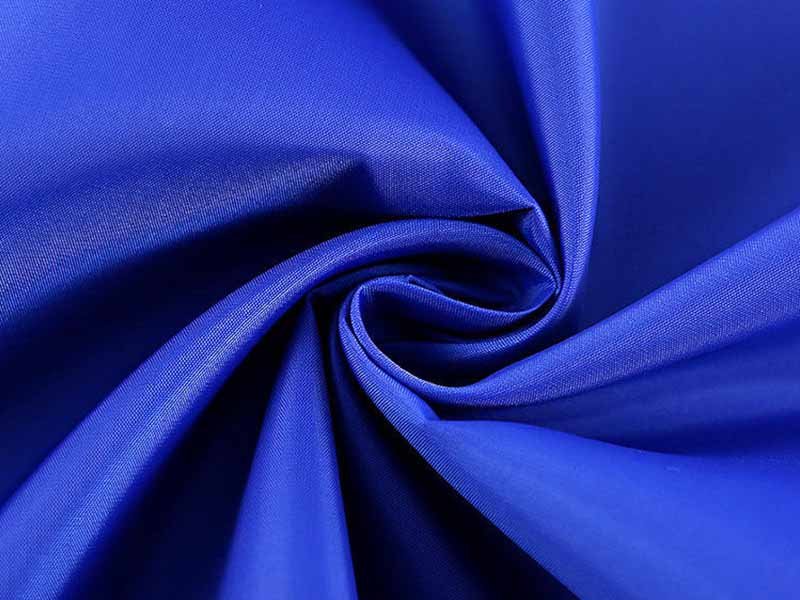
The number printed on a fabric specification sheet can make a material look more straightforward than it really is. A line such as “190T polyester taffeta, PU coated” appears precise, yet it still leaves several important questions unanswered. What yarn is used? Is the stated weight measured before or after coating? How much of the roll width can actually be used for cutting? Will the coating withstand folding, sewing, humidity, and repeated use? Is the material suitable for a lining, an umbrella, a tent fly, or only a lightweight promotional cover?
These questions matter because two fabrics carrying the same 190T description can differ greatly in hand feel, opacity, tensile strength, coating stability, sewing performance, and finished-product cost.
190T polyester fabric is a lightweight woven material commonly produced in a smooth taffeta construction. The term 190T mainly refers to the density of the woven structure rather than the thickness of the yarn. Many commercial versions fall within approximately 55–70 GSM, use yarns near 63D–75D, and are supplied in widths around 58–60 inches. Coatings and surface treatments can be added for water resistance, stiffness, opacity, or decorative effects.
Its main value lies in the balance between low weight, clean appearance, production efficiency, and flexible finishing. It can be used for bag linings, luggage interiors, cosmetic pouches, umbrellas, lightweight covers, tent components, sleeping bags, jackets, rainwear, promotional bags, and packaging products.
The lowest quoted price, however, is not always the lowest real cost. A lining that splits beside a zipper, a coating that becomes sticky in warm storage, or a pale fabric that transfers color onto finished goods can create rework, claims, and replacement costs far beyond the original material saving.
The right 190T specification begins with the finished product. Once the load, appearance, moisture exposure, sewing method, expected service life, and target price are clear, the material can be developed with far greater accuracy.
What Is 190T Polyester Fabric?

190T polyester is a lightweight woven fabric made mainly from polyester filament yarn. It is often produced in a plain taffeta weave, giving the surface a smooth touch, low bulk, and a slightly crisp appearance. The 190T designation describes the density of the woven construction. It does not fully define yarn size, weight, strength, coating, or waterproof performance.
A complete material specification should include more than the term 190T. At minimum, it should state:
- Fiber composition
- Warp and weft yarn size
- Finished fabric weight
- Total width and usable width
- Weave construction
- Surface appearance
- Dye color or printing method
- Water-repellent treatment
- Back coating type
- Waterproof target
- Colorfastness requirements
- Roll length and packing method
- Intended finished product
Without these details, one supplier may quote a soft 55 GSM lining fabric while another quotes a stiffer 68 GSM coated fabric. Both may be described as 190T polyester, but they will not deliver the same appearance, sewing behavior, or cost.
The material is widely used because polyester filament yarn offers several useful characteristics. It absorbs little moisture, dries quickly, resists many common wrinkles, holds color well, and can be finished in matte, semi-dull, bright, or glossy surfaces. It also works with coating, calendaring, printing, lamination, and water-repellent treatments.
For bags and luggage, 190T is commonly selected as an internal lining rather than a load-bearing outer shell. It can make the inside of a backpack or travel bag look cleaner while adding very little weight. For umbrellas and lightweight covers, the same basic construction can be coated to improve resistance to water penetration.
The material is economical, but it should not be treated as a universal fabric. Products carrying heavy hardware, tools, sharp components, or concentrated loads may require stronger reinforcement or a heavier fabric around stress areas.
What Does 190T Mean?
The letter T is used in the textile market to describe the density of woven yarns. In a 190T construction, the combined arrangement of warp and weft yarns is generally close to 190 threads within the defined measurement area used by the mill.
Warp yarns run along the length of the roll. Weft yarns run across the width. Their combined density affects surface compactness, coverage, hand feel, and air permeability.
A higher T number often creates a tighter and smoother surface when the yarn type and finishing remain similar. It does not automatically mean that the fabric is stronger or heavier.
For example:
- A fabric can have a high thread density but use very fine yarn
- A lower-density fabric can be heavier when thicker yarn is used
- A coated fabric can weigh more without changing its woven density
- A tightly calendared fabric can look denser without having stronger yarn
- A higher T number can still fail if weaving tension or finishing is poorly controlled
For this reason, 190T should be treated as one part of the construction rather than a complete quality grade.
The density also influences visual coverage. A tightly woven fabric can reduce transparency and create a more uniform surface. This is useful for linings, but opacity still depends on yarn thickness, color, finish, and coating.
Black, navy, charcoal, and other dark shades often appear more solid than white, cream, or pale pastel versions using the same construction. Light colors may require a slightly heavier construction or coating when strong coverage is needed.
Is 190T a Denier or Thread Count?
190T is related to fabric density, while denier measures yarn mass and thickness.
One denier equals one gram per 9,000 meters of yarn. A 70D yarn is therefore heavier than a 40D yarn of the same fiber type and general structure. The denier value helps indicate how fine or heavy the yarn is, but it does not describe how many yarns are woven into the fabric.
This difference is important because 190T and 210D are sometimes incorrectly compared as though they were two versions of the same measurement.
They are not.
| Term | What It Describes | What It Does Not Confirm |
|---|---|---|
| 190T | Woven thread density | Yarn thickness, GSM, waterproof level |
| 70D | Yarn mass and approximate thickness | Fabric density or weave |
| 60 GSM | Finished weight per square meter | Yarn count or coating chemistry |
| 1,000 mm water pressure | Resistance to water penetration | Abrasion or tear strength |
| 150 cm width | Roll width | Full usable cutting width |
A fabric described only as 210D may be a polyester Oxford, nylon Oxford, ripstop fabric, or another woven construction. It may be significantly heavier and more suitable for outer bag panels than a 190T taffeta lining.
A more accurate comparison would be:
- 190T polyester taffeta, approximately 68D yarn, 60 GSM
- 210D polyester Oxford, specified yarn construction, approximately 100–130 GSM
- 210T polyester taffeta, fine yarn construction, approximately 65–75 GSM
This form of comparison allows the material developer to evaluate weight, appearance, strength, and cost on the same basis.
How Is 190T Fabric Woven?
Most 190T polyester taffeta is produced with a plain weave. Each weft yarn passes over one warp yarn and under the next, creating a simple, balanced, and stable structure.
Plain weaving offers several advantages:
- Fast and efficient loom production
- Smooth and even fabric surface
- Good compatibility with filament yarn
- Easy dyeing and finishing
- Controlled weight
- Clean cutting edges
- Stable performance for lining applications
The fabric may look simple, but weaving control has a direct effect on finished quality. Uneven yarn tension can cause bowing, skewing, ripples, width variation, and unstable shrinkage. These issues may become more visible after dyeing or coating.
Bowing occurs when the weft yarns curve across the width instead of remaining straight. Skewing occurs when the yarn direction shifts diagonally. Both conditions can affect printing alignment, cutting efficiency, and the appearance of large panels.
After weaving, the greige fabric normally passes through several finishing stages. Depending on the order, these may include:
- Scouring and cleaning
- Heat setting
- Dyeing
- Calendaring
- Cire finishing
- Water-repellent treatment
- PA or PU coating
- Silver coating
- Printing
- Inspection and rolling
Heat setting stabilizes the polyester yarn and helps control shrinkage. Calendaring compresses the surface between heated rollers, creating a flatter and smoother finish. Cire finishing produces a brighter, glossier surface and can improve down-proofing or wind resistance in certain constructions.
Each finishing stage can change the weight, width, hand feel, stiffness, color depth, and sewing behavior of the original fabric.
Is 190T Always Polyester Taffeta?
190T is frequently associated with polyester taffeta, but the designation does not guarantee one specific weave or finish.
Different 190T materials may include:
- Plain polyester taffeta
- Polyester pongee
- Ripstop polyester
- Printed polyester fabric
- Cire-finished taffeta
- PA-coated taffeta
- PU-coated taffeta
- Silver-coated fabric
- Water-repellent fabric
- Flame-retardant finished fabric
A plain taffeta version normally feels crisp and smooth. Pongee may feel softer and less glossy. Ripstop includes stronger reinforcement yarns arranged in a visible square or diamond grid. Coated versions can feel firmer, more structured, or less breathable.
The correct construction depends on the finished item.
For a backpack lining, a soft PA-coated taffeta may offer better sewing stability and a cleaner interior appearance. For a lightweight tent fly, a PU-coated version with a defined hydrostatic-pressure requirement is more relevant. For a promotional dust cover, an economical uncoated or lightly coated fabric may be enough.
The purchasing description should therefore include both the density and the fabric type.
A practical specification may read:
“100% polyester 190T plain taffeta, 68D × 68D yarn, 60 GSM finished weight, 150 cm usable width, black, semi-dull surface, light PA coating.”
For a waterproof application, it may read:
“100% polyester 190T taffeta, 65 GSM finished weight, 150 cm usable width, PU coated on reverse, water pressure not less than 1,000 mm, water-repellent face finish.”
These descriptions are far more useful for sampling, quotation, quality inspection, and repeat production than the words “190T polyester” alone.
What Are 190T Polyester Fabric Specs?

Commercial 190T polyester fabric is commonly produced with a finished weight of approximately 55–70 GSM, yarn sizes around 63D–75D, and a usable width close to 145–152 cm. The exact values depend on yarn structure, loom setting, dyeing method, surface finish, and coating amount.
There is no single standard specification that suits every application. A lightweight garment lining, a cosmetic bag lining, a tent fly, and an umbrella canopy place very different demands on the same base fabric.
The first point to confirm is whether the stated weight refers to greige fabric or finished fabric.
Greige weight is measured before dyeing and coating. Finished weight is measured after all required treatments have been completed. A base fabric woven at 52 GSM may become 58–65 GSM after dyeing, heat setting, water-repellent treatment, and light coating.
This distinction can create confusion during quotation. One mill may quote from the base weight, while another quotes from the delivered weight. The second quotation can look more expensive even though it describes a more complete material.
Usable width is equally important. A roll may be sold as 60 inches wide, but the true cutting area can be smaller because of:
- Selvage edges
- Pin marks
- Uneven coating
- Color variation near the edge
- Wrinkles
- Damaged yarns
- Heat-setting distortion
Material consumption should be calculated with usable width, not the full edge-to-edge measurement.
A factory developing finished bags should also review panel dimensions before selecting the roll width. A wider fabric can improve cutting efficiency for large panels, but it can increase waste when most components are narrow.
| Specification Item | Common Commercial Range | Development Focus |
|---|---|---|
| Fiber composition | 100% polyester | Virgin or recycled polyester |
| Yarn size | About 63D–75D | Strength, softness, opacity |
| Construction | Plain taffeta | Ripstop and pongee also available |
| Finished weight | About 55–70 GSM | Confirm after coating |
| Nominal width | 58–60 inches | Check usable width |
| Usable width | About 145–150 cm | Use for cutting calculations |
| Surface finish | Matte, semi-dull, bright, cire | Match product positioning |
| Coating | None, PA, PU, PVC, silver | Define performance target |
| Water resistance | Light splash to coated waterproof | Confirm by testing |
| Color | Solid dyed or printed | Lab dip approval required |
| Roll length | Often 50–100 meters | Confirm tolerance and packing |
| Shrinkage | Set by agreement | Test after finishing |
What Yarn Size Is Common?
Yarns around 63D, 68D, 70D, and 75D are frequently used in lightweight 190T constructions. The exact selection affects weight, surface coverage, tear behavior, softness, and price.
Yarn denier alone does not determine hand feel. Filament count also matters.
A 68D yarn made from many fine filaments can feel softer and smoother than another 68D yarn made with fewer, thicker filaments. This affects how the material feels inside a bag or against clothing.
Yarn appearance can also be adjusted through luster:
- Bright yarn creates more shine
- Semi-dull yarn gives a balanced commercial appearance
- Full-dull yarn produces a softer, less reflective surface
- Cationic yarn can support two-tone or special dye effects
For premium luggage or cosmetic bags, semi-dull or full-dull yarn is often preferred because it creates a less plastic-looking interior.
For promotional bags, bright or standard semi-dull polyester may provide a more economical option.
Yarn quality should also be assessed for broken filaments, fuzzing, uneven thickness, and dye consistency. These defects can create visible streaks or weak areas across the finished roll.
Which GSM Range Is Available?
Many 190T polyester fabrics fall between approximately 55 and 70 GSM after dyeing and light finishing. Versions with heavier coatings can exceed this range.
A useful breakdown is:
- 52–58 GSM: very light lining, temporary covers, promotional products
- 58–63 GSM: general bag lining, umbrella fabric, lightweight apparel
- 63–70 GSM: more opaque lining, coated products, structured interiors
- Above 70 GSM: heavier coating, specialized finish, increased body
A lower GSM can reduce raw material use and finished-product weight. It can also make the fabric more transparent, less stable during sewing, and more vulnerable around needle holes.
A higher GSM can improve coverage and hand feel, but it may not always increase tear strength in proportion to weight. Poor yarn quality or weak weaving can still result in failure.
The most suitable weight should be selected according to:
- Finished-product load
- Required opacity
- Interior or exterior use
- Contact with sharp objects
- Coating requirement
- Sewing method
- Target hand feel
- Expected product life
- Shipping-weight objective
For a basic drawstring bag lining, 55–58 GSM may be sufficient. For a travel bag with multiple pockets and repeated opening, 60–68 GSM may provide better stability. Reinforced areas should still use backing material where stress is concentrated.
What Fabric Widths Are Standard?
The most widely used roll width is approximately 58–60 inches, equal to about 147–152 cm. Some mills can also produce wider or narrower versions depending on loom width, coating equipment, and order quantity.
The purchase order should state:
- Nominal width
- Minimum usable width
- Width tolerance
- Measurement method
- Whether selvages are included
- Width after coating and heat setting
A common mistake is to calculate product consumption using a full 152 cm width when only 148 cm is suitable for cutting. Across a large order, a four-centimeter difference can change marker efficiency and total fabric demand.
Suppose one lining panel measures 48 cm wide. A 148 cm usable width may fit three panels across with limited allowance. If the panel width increases slightly after pattern correction, only two panels may fit, raising material consumption sharply.
This is why the fabric width should be checked against the actual cutting marker before mass production.
For Lovrix projects, fabric development and bag pattern planning can be reviewed together. This makes it easier to select a width that reduces offcuts and supports efficient production rather than simply choosing the widest roll available.
Which Colors Can Be Produced?
190T polyester can be dyed in a broad range of colors, including black, navy, gray, red, green, orange, pastel shades, fluorescent shades, and custom Pantone references.
Color approval should follow a controlled process:
- Submit Pantone code or physical color sample
- Produce lab dips on the correct fabric
- Review under agreed light sources
- Approve one color standard
- Confirm the same finish and coating
- Compare first bulk lot with the approved standard
- Retain a signed production swatch
Color can change visually after coating or calendaring. Clear PU can deepen dark shades. Cire finishing can increase shine and make colors look richer. Silver coating changes the reverse side completely and may slightly affect the face appearance.
Pale colors require additional attention because they show oil marks, weaving streaks, dirt, and coating variation more easily. Dark colors may have higher risk of rubbing or migration when they contact light-colored materials.
For bag linings, testing should consider dry rubbing, wet rubbing, water exposure, heat storage, and contact with foam, PVC, printed fabric, or synthetic leather.
Color quantity affects pricing as well. One large black order is usually easier to produce than the same total quantity divided among ten custom shades. Each shade requires separate lab work, machine preparation, dye control, cleaning, and inspection.
What Coatings Can Be Added?
190T polyester can be supplied uncoated or finished with PA, PU, PVC, silver, water-repellent, and other specialized treatments.
Uncoated fabric is commonly used for garment linings, sleeping bag linings, simple pouches, and products that do not require a moisture barrier.
PA coating is often used to:
- Add body
- Reduce yarn movement
- Improve cutting stability
- Reduce fraying
- Provide light water resistance
- Maintain an economical cost
PU coating is often selected when a more defined level of water resistance is required. It can be adjusted through coating weight and formulation, but the purchase specification should state a measurable water-pressure target.
PVC coating creates a heavier and more rigid barrier. It may be used for covers or protective products, but it can increase weight, stiffness, odor, and fold marks.
Silver coating can help with:
- Light blocking
- Heat reflection
- Visual opacity
- Outdoor covers
- Promotional shade products
Water-repellent treatment is applied to the face of the fabric to help droplets bead and roll away. It does not create the same barrier as a back coating and should not be presented as complete waterproof protection.
| Finish | Main Purpose | Main Limitation |
|---|---|---|
| Uncoated | Softness and low cost | Limited water resistance |
| PA coating | Body and sewing stability | Moderate barrier performance |
| PU coating | Controlled water resistance | Adds cost and may reduce softness |
| PVC coating | Stronger barrier and structure | Heavier and stiffer |
| Silver coating | Opacity and light reflection | Visible creasing may occur |
| Water-repellent finish | Surface water beading | Limited under pressure |
| Cire finish | Smooth, glossy surface | Can feel less natural |
The coating should be chosen according to the end use, not by assuming that the thickest option is the best.
A bag lining may need only light PA stabilization. An umbrella canopy may require water shedding, fold durability, and colorfastness. A tent fly may need a defined hydrostatic-pressure level and coating-aging performance. A protective cover may need opacity and wipeability more than softness.
Lovrix can develop coated fabric together with the finished bag or textile product, allowing the fabric weight, coating, sewing structure, reinforcement, and target cost to be reviewed as one production system.
Which Products Use 190T Polyester Fabric?

190T polyester fabric is widely used in products that need low weight, compact storage, a smooth surface, and controlled material cost. Common applications include backpack linings, luggage interiors, cosmetic bags, drawstring bags, umbrella canopies, lightweight tent parts, sleeping bags, rainwear, protective covers, promotional products, and packaging pouches.
The material performs best when it is used as a lightweight lining, inner layer, canopy, or cover rather than a heavily loaded structural shell. Its suitability depends on more than the fabric name. Coating, yarn quality, finished weight, sewing method, reinforcement placement, and product use all affect the result.
A 60 GSM PA-coated 190T lining may work well inside a backpack, but the same material should not be expected to support a shoulder strap attachment without reinforcement. A PU-coated version may resist rain in an umbrella or tent fly, but the complete product can still leak through seams and needle holes.
For product development, the first step is to identify how the material will be used:
- Inside or outside the product
- Exposed to rain or only occasional splashes
- In contact with smooth or sharp objects
- Used once, seasonally, or every day
- Sewn into flat panels or curved structures
- Required to carry weight or only provide coverage
- Stored in hot, humid, or compressed conditions
- Printed, coated, laminated, or left uncoated
The fabric specification should be adjusted according to these conditions instead of applying one standard version to every product.
| Product Type | Suitable 190T Construction | Suggested Finished Weight | Main Control Points |
|---|---|---|---|
| Backpack lining | PA-coated taffeta | 58–68 GSM | Seam slippage, pockets, zipper ends |
| Luggage interior | Semi-dull coated taffeta | 60–70 GSM | Abrasion, appearance, color transfer |
| Cosmetic pouch | PU or PA-coated fabric | 60–70 GSM | Wipeability, odor, stain resistance |
| Drawstring bag | Coated or uncoated taffeta | 55–65 GSM | Cord-channel strength, bottom seams |
| Umbrella canopy | Water-repellent or PU-coated | 55–65 GSM | Water shedding, folding, lightfastness |
| Tent inner layer | Soft uncoated taffeta | 55–65 GSM | Breathability, condensation, tear strength |
| Tent fly | PU-coated taffeta | 60–75 GSM | Water pressure, UV exposure, seam leakage |
| Sleeping bag lining | Soft taffeta or cire fabric | 55–65 GSM | Skin feel, noise, static, breathability |
| Rain poncho | PU-coated fabric | 60–75 GSM | Waterproofness, stiffness, ventilation |
| Dust cover | Uncoated or lightly coated fabric | 55–65 GSM | Opacity, dust blocking, sewing cost |
| Promotional item | Printed taffeta | 55–60 GSM | Print clarity, unit cost, expected life |
Is 190T Good for Bag Linings?
190T polyester is a practical material for bag linings because it adds little weight, has a smooth surface, accepts a wide range of colors, and can be cut and sewn efficiently. It is used inside backpacks, duffel bags, travel bags, laptop bags, cosmetic bags, tool cases, storage organizers, and promotional bags.
The lining is not only a decorative layer. It separates the contents from the outer fabric, hides seams and reinforcement materials, supports internal pockets, and helps the product maintain a clean appearance.
For a standard backpack lining, a finished weight of approximately 58–68 GSM is often suitable. A light PA coating can add body and reduce yarn movement during sewing. A softer uncoated version may be chosen when touch and flexibility are more important.
Several areas require additional attention:
- Zipper ends
- Internal pocket corners
- Divider attachment seams
- Handle and strap backing areas
- Bottom panels
- Hook-and-loop contact points
- Laptop compartment edges
- Hard plastic or metal hardware contact areas
These locations experience concentrated pulling or repeated rubbing. The 190T lining should be supported with woven tape, nonwoven backing, foam, binding, or a heavier reinforcement fabric.
Seam slippage is one of the main risks. The stitching may remain intact while the yarns move away from the seam line, creating visible openings. This problem can be reduced by controlling seam allowance, stitch density, needle size, thread tension, coating level, and reinforcement design.
A lining should also be tested for color transfer. Black, navy, red, and other dark shades may rub onto light-colored items if dyeing and finishing are not controlled. Dry and wet rubbing tests are especially relevant for cosmetic bags, laptop sleeves, and travel products.
For premium bags, visual details matter as much as basic durability. Important points include:
- Consistent shade between rolls
- Low wrinkle level
- Limited shine variation
- Straight grain direction
- Clean pocket edges
- Smooth binding
- No exposed coating marks
- No strong chemical odor
- No visible oil stains
Lovrix can match the lining structure to the bag pattern, reinforcing only the areas that need extra strength. This approach controls cost without making the entire lining unnecessarily heavy.
How Is It Used in Luggage?
190T polyester is often used inside soft luggage, trolley cases, packing organizers, and travel accessories. It can cover the internal shell, form zippered dividers, line accessory pockets, and conceal reinforcement boards or foam.
Luggage interiors experience more abrasion than many ordinary bag linings. Shoes, chargers, toiletries, metal buckles, and hard packaging can repeatedly rub against the fabric. For this reason, luggage lining commonly requires a slightly more stable specification.
A suitable construction may include:
- 60–70 GSM finished weight
- Semi-dull or matte appearance
- Light PA or soft PU coating
- Dark or medium-tone color
- Controlled seam slippage
- Improved rubbing resistance
- Stable width and low shrinkage
- Low odor after closed storage
Printed lining can add a premium appearance, but the pattern must remain aligned across large panels. Bowing and skewing become more visible when stripes, logos, or geometric graphics are used.
The lining should also resist wrinkles caused by compression. Luggage is often packed tightly, folded during production, and stored in cartons for several weeks. A heavily calendared fabric may develop obvious crease lines, while an unstable coating can become sticky under heat and pressure.
Internal zippers and mesh dividers create further stress. Reinforcement tape should be placed behind zipper sewing lines, especially at the starting and ending points. Large divider panels may need binding to prevent edge fraying.
For trolley luggage, the lining may cover molded components, handle tubes, wheel structures, or internal boards. The pattern must allow enough tolerance to prevent the fabric from being stretched too tightly over rigid parts.
A tightly stretched lining may look neat at first but can tear when the case is loaded. A lining that is too loose may wrinkle, sag, or interfere with zippers.
The best result comes from balancing panel size, sewing sequence, coating stiffness, and internal structure rather than choosing the fabric by weight alone.
Is 190T Suitable for Cosmetic Bags?
190T polyester can be used as a lining for cosmetic bags, toiletry kits, makeup organizers, and beauty accessory cases. Its smooth surface makes it easy to clean, while a light coating can provide limited resistance to spills and stains.
Cosmetic products create specific risks:
- Oil-based makeup
- Liquid foundation
- Perfume
- Shampoo
- Lotion
- Nail products
- Alcohol-based cleaners
- Heat from storage in vehicles
- Repeated wiping
A light PA coating may improve sewing stability but may not provide enough spill protection. A soft PU coating can create a more wipeable surface, although the coating should be checked for odor, tackiness, and chemical resistance.
The lining should not be promoted as leakproof unless the seams, zipper, and construction are also designed to contain liquid. Even when the fabric resists water, liquids can pass through needle holes and seam openings.
For high-use cosmetic bags, the bottom panel may need a stronger or laminated material. Bottles and jars can create concentrated pressure and abrasion, especially when the bag is carried during travel.
Light-colored linings help users see small items, but they also show stains quickly. Medium gray, beige, soft pink, or patterned linings can balance visibility and maintenance.
Important development checks include:
- Surface wipe test
- Oil contact test
- Fragrance and alcohol exposure
- Color transfer
- Heat-storage test
- Coating adhesion
- Seam leakage
- Repeated zipper opening
- Cleaning instructions
A cosmetic bag lining should support the expected price and use period. A basic promotional pouch may need only a standard coated lining, while a premium travel organizer may benefit from a more stain-resistant finish and reinforced internal construction.
How Is It Used in Tents?
190T polyester can be used in lightweight tent flies, inner tent walls, temporary shelters, sunshades, camping accessories, and entry-level outdoor equipment. The correct version depends on whether the fabric is intended to block rain, provide privacy, reduce wind, or simply create an inner enclosure.
For an inner tent wall, an uncoated or lightly finished fabric may be selected to allow more air movement. Breathability helps reduce condensation, especially when several people sleep inside a small tent.
For a rain fly, a PU-coated version is more suitable. The specification should include a measurable hydrostatic-pressure requirement rather than only using general terms such as water-resistant.
Common hydrostatic-pressure ranges used in product development may include:
- 600–1,000 mm for light rain protection
- 1,000–1,500 mm for general recreational use
- 1,500–3,000 mm for stronger rain exposure
- Above 3,000 mm for more demanding conditions
The required value depends on the tent design, weather conditions, expected service life, and market positioning. A higher number is not always necessary because it may require more coating, increasing weight and stiffness.
Tent performance depends on the whole structure:
- Fabric water resistance
- Seam sealing
- Stitching density
- Needle size
- Panel tension
- Pole design
- Ventilation
- Door construction
- Ground clearance
- Rain-fly overlap
- Zipper protection
A fabric panel may meet the required water-pressure value and still leak at stitched seams. Seam tape, liquid sealant, welded construction, or protective seam placement may be required.
UV exposure is another concern. Polyester performs reasonably outdoors, but long-term sunlight can reduce strength and fade color. Dark shades may absorb heat, while very bright shades may require improved lightfastness.
The fabric should also be checked after repeated folding. Tent flies are compressed into storage bags, opened outdoors, exposed to moisture, dried, and folded again. A poor coating can crack, whiten, peel, or become sticky.
For tent floors, 190T should be evaluated carefully. Body weight, stones, wet ground, and equipment create higher pressure and abrasion. A heavier Oxford, reinforced polyester, or stronger coated construction may provide better durability.
Is It Suitable for Umbrellas?
190T polyester is widely used for umbrella canopies because it is light, flexible, printable, and compatible with water-repellent treatments. It can be used for compact umbrellas, promotional umbrellas, golf umbrellas, beach umbrellas, and rain accessories.
The canopy must do more than shed water. It is folded and unfolded repeatedly, pulled under tension, exposed to sunlight, and sewn into narrow curved panels.
A suitable umbrella fabric should have:
- Stable width
- Controlled shrinkage
- Good water repellency
- Low water absorption
- Strong colorfastness
- Good crease recovery
- Reliable coating adhesion
- Low pinhole level
- Consistent panel shade
- Clean printing
Compact umbrellas create especially demanding folding conditions. The fabric is compressed into a small volume and may remain folded while wet. Heavy or brittle coatings can develop white marks, cracking, or permanent creases.
Panel cutting must follow the grain direction consistently. Different grain directions can make one panel stretch more than another, creating uneven canopy tension.
The sewing process also affects water resistance. Needle holes are unavoidable, and leakage can occur along panel seams. Smaller needles, suitable thread, controlled stitch density, and seam treatment can reduce this risk.
For printed umbrellas, the artwork should be checked at full canopy scale. Logos placed too close to panel seams may become distorted. Repeat patterns should align across the curved panels as closely as the design allows.
Outdoor colorfastness is essential. Red, orange, fluorescent shades, and some dark colors may fade more quickly under sunlight. The target market and expected use period should be considered when selecting dyes and printing methods.
A completed umbrella should be tested through repeated opening, closing, water spraying, drying, and folding. Fabric approval alone cannot confirm the performance of the finished product.
Can It Be Used for Rainwear?
190T polyester is suitable for economical rain ponchos, lightweight rain jackets, emergency rainwear, event ponchos, and garment linings. Coated versions can create a water barrier, while uncoated versions are used for smooth internal layers.
The main design question is whether the garment needs only short-term rain protection or comfortable wear during active movement.
A non-breathable PU-coated fabric may work well for:
- Emergency ponchos
- Outdoor events
- Theme parks
- Short commutes
- Promotional rainwear
- Disposable or limited-use garments
During extended activity, moisture from the body can become trapped inside. The user may feel wet even when rain does not pass through the fabric. Ventilation openings, mesh panels, underarm vents, back vents, and loose garment construction can improve comfort.
Rainwear fabric should be checked for:
- Waterproof pressure
- Seam leakage
- Coating stiffness
- Noise during movement
- Skin contact
- Odor
- Foldability
- Tear strength
- Hood performance
- Closure protection
Very light fabric packs easily but may cling to clothing or blow strongly in the wind. Heavier coating can improve body but makes the garment less compact.
The pattern also matters. Shoulder seams receive direct rain exposure and may leak earlier than protected side seams. Storm flaps over zippers and snap closures help reduce water entry.
For reusable rainwear, coating durability after folding and cleaning should be considered. Clear care instructions are important because high heat and strong detergents can damage lightweight coated fabric.
Which Promotional Products Use It?
190T polyester is often used for promotional bags, drawstring backpacks, event ponchos, branded umbrella canopies, dust covers, product pouches, shoe bags, lightweight flags, giveaway totes, and packaging bags.
The material suits promotional projects because it is light, easy to color, and compatible with several decoration methods.
Common decoration options include:
- Screen printing
- Heat transfer
- Sublimation printing
- Rotary printing
- Digital printing
- Woven labels
- Printed labels
- Embroidery on reinforced areas
The print method should match the order quantity, artwork, fabric color, coating, and expected durability.
Screen printing is suitable for simple logos and larger quantities. Heat transfer works well for detailed graphics but requires temperature control because excessive heat can damage coating or create shine marks. Sublimation is suitable for polyester and supports full-color graphics, but it is mainly used on white or light-colored base fabric.
Embroidery can be applied, but the area usually needs reinforcement. Needle penetration can distort lightweight taffeta, and dense embroidery may cause puckering.
Promotional products should be designed around the actual expected use. A conference giveaway carrying brochures may need only basic seams. A sports event bag carrying shoes, bottles, and clothing needs stronger bottom seams and reinforced cord channels.
Reducing fabric weight without considering load can lead to torn seams and poor campaign impressions. A small increase in fabric weight or reinforcement cost may greatly improve the perceived quality of the finished item.
How Does 190T Polyester Fabric Perform?

190T polyester provides low weight, quick drying, smoothness, dimensional stability, and flexible finishing. Its actual strength, water resistance, abrasion performance, and service life depend on yarn quality, fabric weight, coating, sewing structure, and use conditions.
The fabric should not be assessed only by touching a small swatch. Many problems appear after cutting, sewing, loading, folding, washing, or storage.
A reliable evaluation should consider:
- Tensile strength
- Tear strength
- Seam slippage
- Abrasion resistance
- Puncture resistance
- Colorfastness
- Water resistance
- Coating adhesion
- Shrinkage
- Heat stability
- Odor
- Crease recovery
- Resistance to hydrolysis
- UV exposure
Not every product needs every test. The testing plan should focus on the most likely failure points.
A backpack lining needs seam and rubbing checks. A tent fly needs waterproof pressure, tear strength, and coating aging. An umbrella needs water repellency, folding durability, and lightfastness. A cosmetic pouch needs wipeability and chemical-contact evaluation.
| Performance Area | What Should Be Checked | Why It Matters |
|---|---|---|
| Tensile strength | Warp and weft breaking force | Controls resistance to pulling |
| Tear strength | Warp and weft tear resistance | Indicates behavior after a cut starts |
| Seam slippage | Yarn movement beside seams | Important for pockets and dividers |
| Abrasion | Surface wear under rubbing | Relevant for luggage and bag interiors |
| Waterproof pressure | Water penetration under pressure | Important for tents and rainwear |
| Spray rating | Water beading on surface | Relevant for umbrellas and covers |
| Colorfastness | Rubbing, water, light, perspiration | Prevents staining and fading |
| Coating adhesion | Peeling and surface damage | Controls long-term barrier performance |
| Heat storage | Blocking, odor, stickiness | Important during shipping and warehousing |
| Shrinkage | Dimensional change after treatment | Protects pattern fit and panel alignment |
Is 190T Polyester Waterproof?
190T polyester is not automatically waterproof. The polyester fiber absorbs little moisture, and the tight weave may slow water entry, but untreated fabric can still allow water to pass through the spaces between yarns.
Water performance can be divided into several levels:
- Water shedding
- Water repellency
- Water resistance
- Waterproof performance under pressure
- Leakproof finished-product construction
A water-repellent treatment helps droplets form beads on the surface. This is useful for umbrellas and light covers, but the effect may weaken after abrasion, washing, or long exposure.
A PU or other back coating can improve resistance to water penetration. The required coating level should be linked to a hydrostatic-pressure value.
For example:
- Light splash protection may need only a surface treatment
- An umbrella canopy needs reliable water shedding and seam control
- A tent fly needs a defined pressure value
- A rain poncho needs waterproof fabric plus protected seams
- A dry bag needs a different material and welded construction
A fabric may pass a water-pressure test while the finished item still leaks. Common leakage points include:
- Needle holes
- Panel seams
- Zippers
- Binding edges
- Drawstring openings
- Uncoated cut edges
- Attachment points
- Ventilation openings
For a waterproof product, the fabric, thread, seam, closure, and construction must be developed together.
Coating consistency should also be checked across the roll. Thin coating areas, pinholes, scratches, and edge variation can reduce performance even when the average coating level appears acceptable.
How Durable Is 190T Fabric?
190T polyester can provide good durability for lightweight linings, covers, apparel, umbrellas, and moderate outdoor products. It is less suitable as an exposed structural fabric for heavy tools, sharp hardware, or high-load carrying unless supported by stronger materials.
Durability depends on several linked factors:
- Yarn tenacity
- Filament structure
- Warp and weft density
- Finished weight
- Coating formulation
- Heat-setting quality
- Seam construction
- Reinforcement placement
- Product loading
- Storage environment
A fabric may have acceptable tensile strength but poor tear resistance. Once a small cut or needle hole develops, the tear may spread quickly.
The reverse can also occur. A lightweight fabric may show adequate tear resistance but still suffer seam slippage because the yarns move apart beside the stitching.
Product durability can often be improved without replacing the entire lining with a heavier material. Reinforcement can be added only at high-stress areas.
Useful reinforcement methods include:
- Woven backing tape
- Nonwoven support
- Extra lining patches
- Binding tape
- Foam lamination
- Stronger pocket fabric
- Bar-tack support
- Larger seam allowance
- Rounded pocket corners
Sharp internal corners should be avoided where possible because they concentrate stress. Rounded corners distribute force more gradually.
Needle selection is also important. A needle that is too large creates bigger holes and may cut yarns. A needle that is too small may bend, break, or produce skipped stitches. Thread tension should be high enough to form a clean seam but not so high that it puckers or cuts into the fabric.
Does It Resist Abrasion?
190T polyester offers adequate abrasion resistance for ordinary lining and lightweight cover applications, but it does not perform like heavier Oxford, ballistic nylon, canvas, or reinforced laminated fabric.
The surface can withstand routine contact with clothing, packaging, and smooth personal items. Repeated rubbing against rough tools, metal corners, hook-and-loop tape, shoe soles, or unprotected hardware may cause:
- Fuzzing
- Shine changes
- Yarn breakage
- Surface thinning
- Coating wear
- Holes
- Color loss
Abrasion performance is affected by both the face fabric and the coating. A coating can stabilize the structure, but a soft or poorly bonded coating may wear away quickly.
Testing should reflect the real contact surface. A flat laboratory abrasion test provides useful comparative data, but it may not reproduce the effect of a charger plug, metal buckle, makeup bottle edge, or shoe sole.
For bags containing rough products, internal patches can be placed where abrasion is concentrated. The bottom lining can also be upgraded while keeping lighter 190T on side panels.
Hook-and-loop tape should be positioned carefully. The hook side can catch and damage fine polyester yarns. A protective panel or greater distance from the lining helps prevent snagging.
For luggage and travel organizers, repeated packing trials are valuable. The sample should be filled with realistic contents, transported, opened, closed, and inspected for wear.
How Does Coating Affect Performance?
Coating changes the behavior of 190T fabric more than many product developers expect. It can add water resistance, body, opacity, wind blocking, dimensional stability, and resistance to fraying.
At the same time, coating can introduce new risks:
- Increased stiffness
- Reduced breathability
- Added weight
- Chemical odor
- Surface tackiness
- Blocking between folded layers
- White fold marks
- Peeling
- Cracking
- Reduced sewing flexibility
- Heat sensitivity
PA coating is often used for lining because it provides body at a controlled cost. It can make the fabric easier to cut and reduce seam movement. It is generally chosen when strong waterproof performance is not required.
PU coating offers a better route for defined water resistance and a softer hand than some heavier barrier coatings. Its formulation must be selected carefully for humidity, heat, storage time, and intended service life.
Some PU systems can suffer hydrolysis, especially under prolonged heat and humidity. The coating may become sticky, powdery, weak, or separated from the fabric. Products shipped through hot climates or stored in humid warehouses should receive suitable aging checks.
PVC coating can create a stronger and heavier barrier but is less suitable where softness, foldability, and low weight are important.
Silver coating improves opacity and light reflection, but crease marks can be visible. It may also change the sewing behavior because the coated reverse surface is less flexible.
Coating should be evaluated after:
- Repeated folding
- Crumpling
- Heat storage
- Humidity exposure
- Surface rubbing
- Sewing
- Water-pressure testing
- Adhesion testing
- Extended closed-carton storage
A newly coated roll may look excellent on the inspection table while developing problems after several weeks of compression. Development samples should be conditioned and retested before bulk approval when product risk is high.
Is It Suitable for Outdoor Use?
190T polyester can be used outdoors when the construction and finish match the exposure level. It is suitable for umbrellas, tent flies, sunshades, event covers, picnic products, rainwear, and temporary protective items.
Outdoor use varies greatly. A promotional umbrella used occasionally has different requirements from a tent fly exposed to rain, wind, sunlight, and repeated packing.
The following conditions should be considered:
- Rain intensity
- Water pressure
- Wind force
- Sunlight duration
- Temperature range
- Humidity
- Salt or sand exposure
- Frequency of folding
- Contact with the ground
- Expected product life
UV radiation can fade dyes and reduce polymer strength over time. Light colors may show dirt, while dark colors may become hotter in direct sunlight.
Coated fabric may perform well in rain but trap heat. Ventilation and product geometry must be considered for tents, covers, and rainwear.
Wind creates tension at seams and attachment points. Reinforcement patches are important around tent guy lines, canopy corners, umbrella tips, and cover straps.
Sand and dust can increase abrasion. Ground-contact areas may need heavier material, even when the upper panels remain 190T.
Outdoor samples should be tested in repeated cycles rather than through a single spray test. A useful product trial may include:
- Water spraying
- Drying
- Folding
- Heat storage
- Reopening
- Tension loading
- Sun exposure
- Surface cleaning
- Final waterproof retest
The aim is to confirm that the material still performs after realistic handling, not only when it is new.
How Should 190T Fabric Be Tested?
Testing should be selected according to the finished product and the main risk areas. Ordering every available test increases cost without necessarily improving the decision.
For bag linings, useful checks include:
- Finished GSM
- Usable width
- Color difference
- Seam slippage
- Tensile strength
- Tear strength
- Dry and wet rubbing
- Abrasion
- Shrinkage
- Odor
- Coating adhesion
For umbrellas, the focus may include:
- Water repellency
- Water penetration
- Lightfastness
- Folding resistance
- Color transfer
- Coating cracking
- Panel shrinkage
- Completed-canopy spray test
For tents and outdoor covers, useful checks may include:
- Hydrostatic pressure
- Tear strength
- Tensile strength
- Coating adhesion
- UV resistance
- Seam leakage
- Heat and humidity aging
- Repeated folding
- Product-level rain testing
The test sample must match the bulk specification. Testing an uncoated sample when the order uses PU coating provides little value. The approved color and finishing process should also be represented because dyes and coatings can affect results.
Bulk inspection should verify both appearance and measurable values. Common roll inspection points include:
- Holes
- Broken yarns
- Oil marks
- Dye streaks
- Coating scratches
- Width variation
- Creases
- Color differences
- Bowing
- Skewing
- Edge damage
- Roll-length shortage
Lovrix can connect fabric inspection with finished-product development. The fabric, webbing, reinforcement, sewing thread, coating, bag pattern, and production process can be reviewed together, reducing the risk of approving a material that performs well in isolation but poorly in the completed product.
Why Is 190T Polyester Fabric Cost-Effective?
190T polyester offers a strong cost-to-performance balance because it uses a lightweight construction, established weaving processes, widely available polyester yarn, and efficient dyeing and coating methods. It can reduce fabric consumption, finished-product weight, packing volume, and freight cost while still providing a clean appearance and reliable performance for linings, covers, umbrellas, promotional items, and selected outdoor products.
The price advantage of 190T polyester is not limited to the cost per meter. A complete cost assessment should include cutting yield, sewing efficiency, reinforcement requirements, defect rate, coating stability, inspection cost, packaging volume, transport weight, and expected product life.
A lower quotation can become expensive when the fabric arrives with narrow usable width, unstable coating, excessive wrinkles, inconsistent color, or poor seam performance. Production teams may need to cut around defects, use more reinforcement, slow the sewing line, or replace rejected panels.
A well-developed 190T specification can reduce these hidden costs. Standardized yarn and weaving structures make it easier to repeat colors, maintain weight, and coordinate finishing. The fabric is also familiar to most cutting and sewing factories, so fewer production adjustments are needed than with unfamiliar technical materials.
The cost advantage is strongest in products where the material does not carry the main structural load. A backpack lining, umbrella canopy, rain poncho, inner cover, or promotional pouch can benefit from low fabric weight without sacrificing essential performance.
For load-bearing panels, the most economical solution is often a material combination. 190T can be used across large low-stress areas, while heavier polyester, webbing, foam, board, or reinforcement patches are added only where concentrated force occurs.
What Determines 190T Fabric Price?
The price of 190T polyester is shaped by several connected factors rather than one fixed market rate. The base yarn, fabric weight, width, dyeing method, coating, color quantity, printing, inspection requirements, packing method, and order volume all influence the final quotation.
Polyester yarn cost forms the starting point. Fine filament quality, yarn luster, recycled content, and color requirements may raise or lower the material cost. A standard virgin polyester yarn normally costs less than certified recycled yarn with traceability documents.
Finished weight also matters. A 55 GSM uncoated lining uses less material than a 70 GSM PU-coated fabric. The price difference includes both the additional polyester and the coating chemicals applied during finishing.
The following items should be aligned before comparing quotations:
- Finished GSM rather than greige GSM
- Minimum usable width
- Yarn denier and filament structure
- Surface finish
- Color standard
- Coating chemistry
- Coating amount
- Water-pressure requirement
- Roll length
- Inspection level
- Packaging format
- Delivery term
A quotation based on 152 cm total width may appear lower than one based on 150 cm guaranteed usable width. However, the narrower usable area can increase cutting consumption.
Price comparison should therefore be made against the same technical sheet. Otherwise, the lowest figure may represent a lighter, narrower, less stable, or less finished material.
| Cost Item | Lower-Cost Option | Higher-Cost Option | Main Reason |
|---|---|---|---|
| Fiber | Virgin polyester | Certified recycled polyester | Traceability and certification |
| Weight | 55–58 GSM | 65–75 GSM | More yarn and finishing material |
| Color | Standard black or navy | Fluorescent or sensitive pale shade | More dye control |
| Finish | Uncoated | PU, PVC, or silver coating | Added chemicals and processing |
| Printing | One-color logo | Full-surface multicolor print | Artwork and production complexity |
| Width | Standard loom width | Special extra-wide width | Equipment and order setup |
| Inspection | Standard roll inspection | Detailed testing and reporting | Additional labor and laboratory cost |
| Quantity | One large color lot | Many small color lots | Repeated machine preparation |
How Does Low Weight Reduce Cost?
The light construction of 190T polyester can reduce cost across material purchasing, product assembly, storage, packaging, and freight.
A fabric difference of only 10 GSM may look insignificant on a small swatch. Across a large production run, however, the total weight difference can be substantial.
Consider a product using 0.75 square meters of lining:
| Lining Weight | Fabric Weight per Product | Weight for 10,000 Products |
|---|---|---|
| 55 GSM | 41.25 g | 412.5 kg |
| 60 GSM | 45.00 g | 450.0 kg |
| 65 GSM | 48.75 g | 487.5 kg |
| 70 GSM | 52.50 g | 525.0 kg |
Moving from 70 GSM to 60 GSM saves approximately 7.5 grams per product. Across 10,000 units, the difference reaches about 75 kilograms before considering packaging.
Lower weight can provide several benefits:
- Reduced yarn consumption
- More meters packed into each roll
- Easier roll handling
- Lower finished-product weight
- Lower carton gross weight
- Improved container or airfreight efficiency
- Lower storage burden
- Easier folding and compression
Weight reduction should stop before it weakens the product. A lining that becomes too thin may need extra panels, wider seams, or more reinforcement. Those additions can remove the original saving.
The practical target is not the lightest fabric available. It is the lowest finished weight that still meets opacity, seam strength, abrasion, coating, appearance, and service-life requirements.
Is 190T Cheaper Than 210T?
190T polyester is often less expensive than a comparable 210T fabric because the woven construction usually contains fewer threads and may use less yarn per square meter. The difference is most meaningful when composition, yarn quality, width, dyeing, and finish remain similar.
However, the T number alone cannot determine price.
A basic 210T uncoated taffeta may cost less than a 190T fabric with heavy PU coating, custom printing, recycled yarn, or special testing. A finer 210T construction may also have a similar finished weight to a heavier 190T version.
The practical differences often appear in surface density, opacity, touch, and sewing behavior.
| Comparison Area | 190T Polyester | 210T Polyester |
|---|---|---|
| Surface | Light and smooth | Usually tighter and finer |
| Weight | Often lower | Often slightly higher |
| Opacity | Moderate | Usually improved |
| Hand feel | Crisp or light | May feel denser or softer |
| Lining use | Standard and economical | Premium or more refined |
| Coating | Available | Available |
| Price | Often lower | Often moderately higher |
| Best fit | Cost-sensitive lightweight products | Products needing a denser appearance |
190T may be sufficient for promotional bags, backpack linings, basic travel organizers, rain ponchos, and covers. A 210T option may be preferred for premium luggage, fashion bags, or products where the lining is highly visible.
A useful selection process should compare actual swatches under identical lighting and test conditions. Surface appearance, opacity, sound, softness, and seam stability often reveal more than the T number printed on the specification sheet.
Do Coatings Increase the Price?
Coatings increase the price of 190T polyester because they add raw materials, machine time, energy use, drying time, inspection, and production risk.
The cost increase depends on the coating chemistry and applied quantity. A light PA coating used to stabilize a bag lining costs less than a PU system designed to reach a defined water-pressure level. PVC or silver coatings can add more weight and processing requirements.
The quotation may change according to:
- Coating type
- Coating grams per square meter
- Number of coating passes
- Required water pressure
- Soft or firm hand feel
- Matte or glossy appearance
- Color of coating
- Flame-retardant requirement
- Anti-mildew requirement
- Hydrolysis resistance
- Heat and humidity aging
- Environmental compliance
A higher coating amount may improve the barrier but can also increase stiffness, crease marks, odor, and sewing difficulty.
For a lining, an economical light PA coating may be enough to add body and reduce fraying. Paying for a high waterproof rating would add little value if the product is never exposed to rain.
For a tent fly or rain poncho, a measurable PU performance level is more important. The coating should be strong enough for the use conditions without making the fabric unnecessarily heavy.
A clear performance target allows the mill to apply the correct amount of coating instead of relying on vague requests such as “strong waterproof” or “best coating.”
How Do MOQ and Color Affect Cost?
Order quantity affects weaving, dyeing, coating, printing, inspection, and packing efficiency. Larger single-color runs normally have a lower unit cost because machine preparation and laboratory work are spread across more meters.
Color planning has a major influence. An order of 20,000 meters in one color is easier to produce than 20,000 meters divided into twenty separate colors.
Each color can require:
- Lab-dip preparation
- Dye recipe development
- Color approval
- Machine setup
- Cleaning between shades
- First-meter adjustment
- Shade inspection
- Separate rolling
- Individual labeling
- Separate stock management
Dark standard shades such as black, navy, charcoal, and royal blue are often easier to schedule. Custom pale shades, fluorescent colors, bright reds, and exact corporate colors may require more correction and tighter control.
A practical color plan can reduce cost without weakening the product range. Options include:
- Using one lining color across several outer colors
- Selecting standard shades for hidden internal areas
- Combining small quantities into one dye lot
- Limiting custom colors during the first order
- Using printed labels or webbing to create color variation
- Reserving special shades for larger-volume products
Small orders can still be developed, but the cost per meter may be higher because setup expenses remain similar regardless of lot size.
For repeat programs, retaining approved color standards and production records helps reduce development time. The same yarn, dye recipe, coating, and finishing conditions can be used as a reference for later orders.
How Does Width Affect Material Cost?
Fabric width affects both the price per meter and the amount needed for each finished product. A wider roll may cost more per linear meter but reduce the total consumption when panels fit efficiently across the width.
The most important figure is cutting yield.
Suppose a bag lining requires rectangular panels measuring 46 cm wide. A usable fabric width of 145 cm can fit three panels across with limited remaining space. A usable width of 138 cm may fit only two panels, creating a large increase in consumption.
The opposite can also occur. When product parts are narrow, extra-wide fabric may leave more unusable strips.
Before selecting width, the cutting team should review:
- Main panel dimensions
- Pocket sizes
- Grain direction
- Pattern matching
- Seam allowance
- Cutting gap
- Fabric shrinkage
- Edge defects
- Marker length
- Order quantity by size
Nominal width should never replace usable width in a consumption calculation.
A roll listed as 150 cm wide may provide only 147 cm of clean coated area. Three centimeters can be enough to change the marker arrangement and increase the number of meters needed.
Lovrix can compare fabric width with bag patterns before bulk production. Material can then be selected according to finished-product yield rather than the lowest price per roll.
How Do Printing and Decoration Affect Cost?
Printing can transform basic 190T polyester into a distinctive lining, canopy, promotional bag, or packaging material. The cost depends on artwork complexity, color count, print coverage, repeat size, method, and order quantity.
Screen printing works well for simple logos and limited colors. It is often used for promotional bags, dust covers, and branded pouches.
Sublimation supports detailed full-color graphics on polyester. It performs best on white or light-colored base fabric because the ink becomes part of the fiber rather than forming an opaque layer.
Rotary printing is suitable for repeating patterns and larger production runs. Setup costs can be higher, but the unit cost becomes more efficient at volume.
Digital printing provides design flexibility and shorter setup, though the cost per meter may be higher for large orders.
Decoration cost can also rise because of:
- Artwork separation
- Color matching
- Print screens or rollers
- Sample strike-offs
- Repeat alignment
- Ink coverage
- Drying and fixation
- Inspection
- Cutting alignment
- Waste around printed defects
Dense embroidery is rarely the most economical choice on lightweight 190T fabric. The material may pucker or distort unless a backing layer is added. Woven labels, printed labels, heat-transfer logos, or reinforced embroidery panels may provide a cleaner result.
The print method should be selected according to visual requirement, quantity, durability, and fabric finish rather than price alone.
How Can Custom Production Save Money?
Custom production reduces cost when the material is developed around the exact product rather than selected from a generic catalog.
A standard fabric may contain more weight, coating, or width than the product needs. It may also be too light in stress areas, forcing the sewing factory to add repairs and reinforcement later.
Integrated development allows each material to serve a clear function.
For example, a travel bag can use:
- 190T polyester across the main interior
- Heavier fabric under the base
- Nonwoven backing behind pockets
- Woven tape at zipper ends
- Foam around electronic compartments
- Binding along exposed edges
- Stronger fabric beside hook-and-loop closures
The whole lining does not need to become heavier when only several areas receive concentrated stress.
Cost can also be reduced through:
- Selecting a standard greige construction
- Matching width to the cutting marker
- Consolidating lining colors
- Setting a realistic coating level
- Reducing unnecessary print coverage
- Using one fabric across several products
- Planning roll lengths around cutting needs
- Approving measurable test limits
- Developing packaging with the fabric weight in mind
- Coordinating fabric and bag production schedules
Custom development is not the same as adding more features. The goal is to remove unnecessary cost while protecting the performance that matters.
A detailed specification prevents repeated sampling and reduces disagreements during production. The approved sample should be supported by measurable data so later orders can be checked against the same standard.
How Should 190T Quotations Be Compared?
Quotations should be compared line by line rather than only by price per meter or kilogram.
Each supplier should quote the same specification, including:
- Composition
- Yarn size
- Thread density
- Finished GSM
- Usable width
- Surface finish
- Color
- Coating
- Water-pressure target
- Colorfastness level
- Roll length
- Quantity per color
- Inspection standard
- Packing method
- Production lead time
- Delivery term
The following comparison format can expose important differences:
| Quotation Point | Supplier A | Supplier B | Risk to Check |
|---|---|---|---|
| Finished weight | 58 GSM | 65 GSM | Different material consumption |
| Width | 150 cm total | 150 cm usable | Cutting yield may differ |
| Coating | Light PA | PU 1,000 mm | Different performance |
| Color | Stock black | Custom Pantone | Dyeing cost differs |
| Roll length | 100 m | 50 m | Handling and cutting differ |
| Inspection | Visual only | Visual plus GSM and width | Quality scope differs |
| Price basis | EXW | FOB | Logistics cost differs |
A lower quotation may exclude testing, color development, coating performance, or export packing. A higher quotation may include services that reduce production risk.
The final decision should consider landed material cost and finished-product risk, not only the factory price.
How Can Lovrix Support Your 190T Polyester Project?
Lovrix combines fabric, webbing, and bag manufacturing within one group, allowing material development and finished-product construction to be coordinated from the beginning. More than 18 years of production experience supports custom fabric, private-label products, OEM programs, and ODM development for mid-to-high-end labels and ecommerce operations.
The Lovrix team can review the product application before recommending a 190T specification. Instead of quoting one generic fabric, the development process can address yarn, weight, usable width, color, coating, printing, sewing structure, reinforcement, packaging, and shipment requirements together.
Available support includes:
- Fabric specification development
- Custom color matching
- Coating selection
- Waterproof target planning
- Printing development
- Webbing color coordination
- Bag structure development
- Free design assistance
- Rapid sampling
- Sample evaluation
- Low-quantity customization
- Private-label development
- OEM and ODM production
- Roll and finished-product inspection
- Packaging development
- Delivery planning
What Information Should Be Sent for a Quotation?
A detailed request allows Lovrix to recommend the correct material and prepare a more accurate quotation.
Please provide:
- Product name and intended use
- Fabric application area
- Existing sample or reference image
- Preferred 190T construction
- Target GSM
- Required usable width
- Color or Pantone code
- Surface appearance
- Coating requirement
- Waterproof target
- Printing artwork
- Quantity per color
- Total order quantity
- Testing requirements
- Roll packing or finished-product packing
- Destination market
- Required delivery date
When an approved specification is not available, the Lovrix team can compare several material options. Samples can be prepared to show differences in weight, hand feel, opacity, coating, and appearance.
For finished bags, drawings, dimensions, product photos, or existing samples are also useful. The fabric factory, webbing factory, and bag factory can then review how the lining, outer material, straps, reinforcement, stitching, and packaging work together.
Start Your Custom 190T Polyester Development
190T polyester fabric can be an economical material, but real savings come from accurate specifications and controlled production. Yarn, GSM, usable width, coating, color, cutting yield, sewing method, and finished-product use should be considered before the bulk order begins.
Lovrix can develop 190T polyester for bag linings, luggage interiors, umbrellas, covers, promotional products, rainwear, outdoor accessories, packaging pouches, and complete custom bags.
Send Lovrix your product concept, target dimensions, performance requirements, colors, expected quantity, and reference materials. The team will review the application, recommend suitable fabric options, prepare samples, and calculate a production plan built around quality, cost, and delivery.
Contact Lovrix for a custom 190T polyester fabric or finished bag quotation.


