 Skip to content
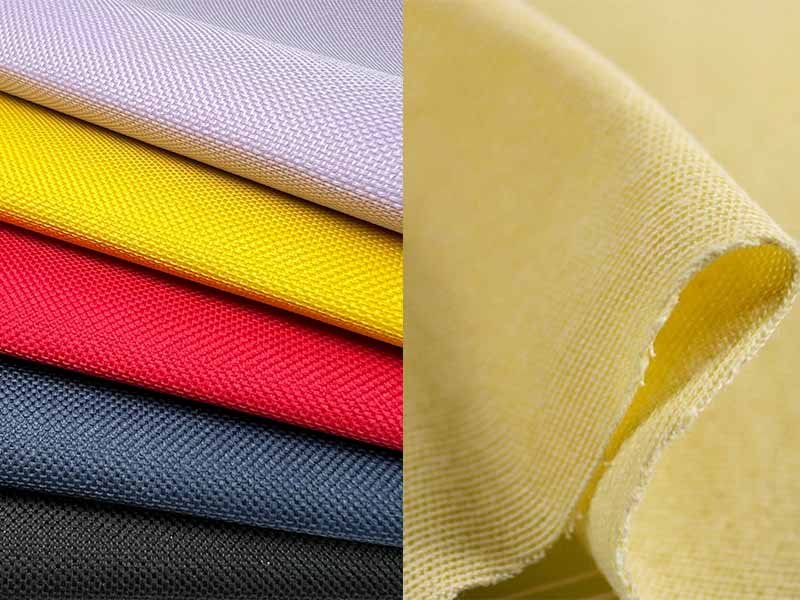
Choosing between Cordura and ballistic nylon sounds like a technical fabric question, but for a brand developing custom bags, it is really a business decision. The wrong fabric can make a backpack too stiff, a laptop bag too casual, a luggage line too heavy, or a tool bag too weak at high-stress points. The right fabric, on the other hand, can reduce product complaints, improve perceived value, support stronger positioning, and make bulk production more stable.
Cordura is usually better for custom bags that need abrasion resistance, flexibility, outdoor texture, and balanced weight. Ballistic nylon is usually better when the bag needs stronger structure, higher tear resistance, a smoother business look, and reinforced performance in heavy-duty use. The best choice depends on load, product category, brand style, coating, lining, reinforcement, and sewing construction.
A material decision also becomes a brand decision. Imagine two product teams building the same travel backpack. One picks 1000D Cordura because the bag must feel rugged, flexible, and outdoor-ready. The other chooses 1050D ballistic nylon because the product must look polished for airport, office, and executive travel. Both can be right. The real question is whether the fabric matches the product story, the user scenario, and the way the bag will be manufactured at scale.
What Is Cordura?

Cordura is a durable performance fabric family used in backpacks, tactical bags, outdoor gear, luggage, work bags, and engineered soft goods. For custom bags, it is valued because it balances abrasion resistance, flexibility, weight control, color options, and a rugged surface texture. It is not one fixed material; performance depends on denier, weave, coating, backing, and construction.
Cordura is often treated as a single fabric name, but in real bag development it works more like a material category. A buyer may say “we want Cordura,” yet the factory still needs to confirm the exact version: 330D, 500D, 700D, 1000D, nylon type, coating, color, backing, and whether the project requires genuine branded Cordura or a Cordura-style performance nylon.
That distinction matters because two fabrics with the same denier can behave very differently. A 500D fabric with a firm PU coating may feel stiffer and more structured than a softer 700D fabric with a lighter finish. A 1000D shell may look tough but become too heavy for a daily backpack if the lining, foam, webbing, buckles, and laptop padding are also heavy.
In bag manufacturing, Cordura is useful because it supports products that need real-life wear resistance without making every product feel like industrial equipment. It can handle friction from floors, car trunks, warehouse shelves, outdoor use, school use, and travel handling. At the same time, it still allows bags to bend, fold, carry comfortably, and keep a practical hand feel.
Common Denier Choices
Denier is one of the first things buyers ask about, but it should not be the only decision point. Denier describes yarn thickness, not the complete fabric performance. Weave density, yarn quality, coating, finishing, and sewing construction all affect the final bag.
| Cordura Option | Common Bag Use | Practical Feel | Typical Development Note |
|---|---|---|---|
| 330D | Lightweight backpacks, pouches, inner panels, travel accessories | Softer and lighter | Good when weight matters more than extreme ruggedness |
| 500D | Tactical packs, outdoor bags, EDC backpacks, camera bags | Balanced, durable, flexible | Often a strong choice for body-carried bags |
| 700D | Travel bags, mid-heavy backpacks, structured soft goods | More body than 500D | Useful when extra strength is needed without going too heavy |
| 1000D | Tool bags, tactical gear, rugged packs, reinforcement panels | Tougher, heavier, more rugged | Best for high-abrasion zones, not always needed everywhere |
For many commercial bag projects, 500D and 1000D are the most discussed options. A 500D Cordura backpack can feel lighter, more wearable, and still durable enough for daily use. A 1000D Cordura shell gives a stronger rugged impression but may add weight, stiffness, and cost. A smart design does not always use one denier across the whole bag. It may use 500D on the main body and 1000D on the bottom, corners, or high-wear panels.
Bag Performance
Cordura performs well where surface abrasion is a major concern. Think of a backpack sliding under a seat, a tactical pouch rubbing against webbing, a camera bag placed on rough ground, or a tool roll dragged across a workbench. These are not dramatic failure moments, but they slowly wear down poor materials.
Cordura also works well for products that need a rugged but not overly formal look. It usually has a textured, matte appearance that fits outdoor, sports, tactical, casual travel, and everyday carry products. It can also support a broader lifestyle color range than traditional ballistic nylon, which is often selected in black or dark business colors.
The important point is that Cordura alone does not make a bag durable. A 1000D Cordura panel with weak seams, thin thread, poor binding, or badly placed handle reinforcement can still fail. Durability comes from the full system: fabric, lining, foam, zipper, webbing, stitching, binding, reinforcement, and quality control.
Waterproof Limits
Cordura is often water-repellent or coated, but a stitched Cordura bag should not automatically be called waterproof. Water resistance depends on coating, backing, zipper type, seam exposure, lining, and whether seams are sealed. A PU-coated Cordura backpack may handle light rain, but water can still enter through needle holes, zipper gaps, seams, and openings.
For brand claims, this distinction is important. “Water-resistant” or “weather-resistant” may be accurate for many coated Cordura bags. “Waterproof” usually requires a different construction system, such as welded seams, waterproof zippers, roll-top closures, TPU/PVC materials, or seam sealing.
For custom projects, the right question is not simply “Is Cordura waterproof?” A better question is: how much rain, splash, moisture, or outdoor exposure will the product realistically face? A school backpack, cycling pouch, fishing gear bag, dry bag, and laptop backpack all need different water-protection decisions.
What Is Ballistic Nylon?

Ballistic nylon is a dense, tough woven nylon fabric used in luggage, laptop bags, business backpacks, tool bags, duty bags, motorcycle gear, and reinforced soft goods. Compared with Cordura, it usually feels smoother, stiffer, heavier, and more structured. It is often chosen when a bag needs tear resistance, shape retention, and a polished professional appearance.
Ballistic nylon has a stronger “heavy-duty” image because of its military heritage and dense basket-weave construction. In modern bag manufacturing, it is not used as armor, but the name still signals toughness. Buyers often associate it with premium luggage, business bags, tool bags, and high-end black nylon products.
The most common specifications discussed in bag projects are 1050D ballistic nylon and 1680D ballistic-style nylon. However, these names can create confusion. A fabric described as 1680D ballistic nylon may not have the same yarn, weave, density, coating, or performance as a traditional 1050D ballistic fabric. This is why material samples and technical confirmation matter.
Ballistic nylon usually has a smoother and sometimes glossier surface than Cordura. It often gives a cleaner, more executive look. That makes it attractive for business backpacks, briefcases, premium luggage, tech bags, and urban travel products. It can also help a soft bag hold shape better when combined with foam, PE board, lining, and structured seams.
1050D and 1680D
1050D and 1680D are two common options buyers discuss, but they should not be compared only by the number. A higher denier does not automatically mean a better fabric. The real result depends on yarn quality, weave, coating, finishing, weight, and how the fabric is used in the bag.
| Ballistic Nylon Option | Common Use | Practical Feel | Development Note |
|---|---|---|---|
| 1050D ballistic nylon | Premium luggage, business bags, duty bags, reinforced panels | Dense, structured, tough | Often selected when a classic ballistic look and strong performance are required |
| 1680D ballistic-style nylon | Commercial backpacks, luggage, tool bags, laptop bags | Thick, strong-looking, often cost-practical | Widely used, but quality varies by supplier and coating |
| 840D ballistic-style nylon | Lighter business bags, accessories, selected panels | Smoother and lighter than heavier versions | Useful when the bag needs structure without too much weight |
| Coated ballistic nylon | Travel, laptop, work, equipment bags | Stiffer and more water-resistant depending on coating | Coating affects sewing, weight, hand feel, and claims |
In many commercial projects, 1680D is chosen because it gives a strong, thick, premium look at a practical cost. For higher-end or more technical products, 1050D may be preferred when the client wants a more traditional ballistic identity. Still, the right choice should be confirmed through swatches, prototype sewing, loading tests, and real handling.
Strength and Structure
Ballistic nylon is especially useful when a bag needs structure. It can help panels stand cleaner, corners look sharper, and the finished product feel more substantial. For business bags and luggage, this can improve perceived value. A customer may not know the fabric name, but they can feel that the bag has body and shape.
It also performs well in high-stress applications. Tool bags, equipment cases, motorcycle bags, and duty bags often face concentrated pressure, pulling, scraping, and heavy loading. Ballistic nylon can be a strong shell or reinforcement fabric, especially when paired with strong webbing, reinforced handles, thick binding, and a structured bottom.
But ballistic nylon can also be overused. If a brand chooses it for every panel of a lightweight backpack, the finished bag may become too heavy, stiff, or formal. For wearable products, comfort matters. A bag that looks tough on a table may not feel pleasant after one hour on the shoulder.
Appearance and Use
Ballistic nylon often fits products with a business, travel, or technical identity. A black ballistic nylon laptop bag can look more polished than a heavily textured outdoor fabric. A travel duffel made from ballistic nylon may feel more premium in airport and hotel environments. A luggage panel can look cleaner and more structured.
Cordura often says “rugged.” Ballistic nylon often says “professional.” This difference is important for brands. A tactical customer may prefer Cordura because it feels more field-ready. An executive commuter may prefer ballistic nylon because it looks more suitable for the office. A tool customer may care less about appearance and more about puncture risk, base structure, and handle strength.
For custom bag development, ballistic nylon is often best used with purpose. It may be the main shell for a business bag, or it may be used only in bottom panels, corners, front abrasion zones, or handle reinforcement areas. This targeted use can improve durability without adding unnecessary weight everywhere.
How Do They Compare?

Cordura and ballistic nylon are both durable nylon fabrics, but they solve different problems. Cordura is usually more textured, flexible, outdoor-oriented, and strong against surface abrasion. Ballistic nylon is usually smoother, denser, stiffer, and stronger in structure and tear resistance. The better fabric depends on the bag type, use scenario, weight target, appearance, and cost structure.
Core Differences
The biggest mistake is asking which material is “stronger” without defining the type of strength. Abrasion resistance, tear resistance, tensile strength, puncture resistance, water resistance, stiffness, and long-term appearance are not the same thing. A bag may need one more than another.
Cordura is often a better option when the product rubs against surfaces repeatedly and needs to stay flexible. This is why it works well for backpacks, outdoor bags, tactical packs, and soft pouches. Ballistic nylon is often better when the bag needs a more structured body, stronger tear resistance, and a cleaner professional finish.
| Comparison Factor | Cordura | Ballistic Nylon | What It Means in Real Bag Design |
|---|---|---|---|
| Surface texture | Textured, matte, rugged | Smooth, dense, often slightly glossy | Cordura feels outdoor; ballistic feels business or technical |
| Flexibility | Usually more flexible | Usually stiffer | Cordura is easier for body-carried bags; ballistic helps shape retention |
| Abrasion resistance | Strong in repeated surface wear | Also strong, depending on weave and coating | Cordura is often preferred for rough daily friction |
| Tear resistance | Strong, varies by spec | Often very strong | Ballistic is useful for heavy-load or high-stress zones |
| Weight | Often lighter at comparable use levels | Often heavier | Weight matters for backpacks and travel carry |
| Color range | Usually broader | Often more common in black or dark colors | Cordura can support lifestyle collections better |
| Visual positioning | Outdoor, tactical, casual, rugged | Business, luggage, premium, structured | Choose based on the customer’s expected style |
| Sewing behavior | Easier in many flexible constructions | Can be harder if stiff or heavily coated | Sampling is important before bulk production |
A strong product is not made by fabric alone. If the shoulder strap attachment is weak, even a heavy-duty shell fabric will not save the bag. If the bottom panel lacks reinforcement, the bag may sag or wear through. If the zipper is cheap, customers may complain before the fabric ever fails.
Abrasion vs Tear
Abrasion resistance matters when fabric rubs repeatedly against other surfaces. Backpacks, travel bags, tool bags, camera bags, and tactical pouches all face abrasion in different zones. Cordura is often strong in this area because its textured surface handles repeated friction well.
Tear resistance matters when a small cut or puncture starts to spread. Ballistic nylon often has an advantage here because of its dense construction and strong filament yarns. This can matter in luggage, tool bags, equipment bags, and heavy-duty carry products where concentrated stress is common.
These two properties should not be confused. A bag used on concrete floors may need abrasion resistance. A bag carrying sharp tools may need tear and puncture control. A backpack shoulder strap anchor needs load distribution and seam reinforcement. A laptop bag needs protection, structure, and water resistance. Each product has different failure risks.
Weight and Feel
Weight is one of the most practical differences. Ballistic nylon usually feels heavier and stiffer than Cordura. That can be good or bad. A business bag may benefit from this because it looks sharper and holds shape. A hiking backpack may suffer because extra weight makes the product less comfortable.
Cordura usually gives a better balance for body-carried products. It can be tough while still flexible. This matters for backpacks, slings, duffels, pet carriers, and outdoor gear. Users feel the difference when they carry the bag, open pockets, bend panels, or pack irregular items.
Ballistic nylon can feel more premium in hand because of its density. But “premium” is not always the same as “better.” A stiff bag may photograph well but feel uncomfortable. A softer bag may not look as structured but may win in daily use. The best choice depends on the user’s real lifestyle.
Coating and Finish
Coating changes everything. A PU-coated Cordura fabric can feel more structured and water-resistant than an uncoated fabric. A laminated ballistic nylon can become heavier, stiffer, and more protective. A DWR finish can improve water beading but does not make a stitched bag fully waterproof.
Finishing also affects production. A heavy coating may make corners harder to sew cleanly. Some coated fabrics show needle marks more clearly. Some have stronger odor if the coating quality is poor. Some increase material lead time or MOQ. These issues matter before bulk production, not after.
For branded custom bags, coating should match the product claim. If the website says “water-resistant laptop backpack,” the fabric, zipper, seam design, and compartment structure should support that promise. If the product is a tool bag, coating may need to support internal wear and bottom stiffness. If it is a pet carrier, cleanability and comfort may matter as much as water resistance.
Which Fabric Fits Your Bag?

Cordura fits bags that need rugged texture, flexible durability, abrasion resistance, and outdoor or tactical character. Ballistic nylon fits bags that need structure, tear resistance, business styling, and premium travel appearance. Many successful custom bags use both materials in different zones rather than forcing one fabric across the entire product.
Backpack and EDC Bags
For outdoor backpacks, school backpacks, tactical packs, sports bags, and everyday carry products, Cordura is often a strong starting point. It gives a practical balance between durability and comfort. A backpack needs to move with the body. It should bend, carry comfortably, and avoid feeling like a rigid box.
500D Cordura is often considered when the brand wants durability without excessive weight. 1000D Cordura is useful for rugged tactical designs or high-wear panels, but it may be too heavy for every part of a daily backpack. A common approach is to use a lighter or mid-weight fabric for the main body and heavier reinforcement at the base or corners.
For urban laptop backpacks, ballistic nylon can work very well. It gives a cleaner look, especially in black, and helps the bag hold shape. The choice depends on whether the brand wants an outdoor EDC identity or a professional office identity. The same laptop capacity can feel completely different depending on fabric.
Luggage and Travel Bags
Ballistic nylon is often a strong choice for business travel bags and soft luggage. Luggage needs structure, shape retention, tear resistance, and a polished appearance. Airport handling, car trunks, overhead bins, hotel floors, and luggage carts all create friction and stress.
Cordura also works well in adventure travel duffels, carry-all gear bags, outdoor luggage, and travel backpacks. It fits products designed for active use rather than formal travel. For example, a rugged adventure duffel may use Cordura for the main body and heavier reinforcement on the bottom. A premium rolling carry-on may use ballistic nylon for a cleaner, more executive look.
| Bag Category | Better Starting Point | Why It Works | Common Hybrid Choice |
|---|---|---|---|
| Outdoor backpack | Cordura | Flexible, rugged, strong against daily abrasion | Ballistic nylon or coated reinforcement at base |
| Business backpack | Ballistic nylon | Smooth, structured, office-ready | Cordura or lighter nylon in low-stress panels |
| Travel duffel | Cordura or ballistic nylon | Depends on rugged vs premium positioning | Reinforced bottom, handles, and corners |
| Soft luggage | Ballistic nylon | Shape retention and polished travel look | Stronger corner and wheel-area reinforcement |
| Tactical bag | Cordura | Matte field look, MOLLE compatibility, flexibility | Ballistic nylon in high-load zones |
| Tool bag | Ballistic nylon or 1000D Cordura | Heavy wear, load, and structure requirements | PVC, TPU, EVA, or rubberized bottom |
| Laptop bag | Ballistic nylon | Professional look and structure | Soft lining, foam, raised laptop compartment |
Travel products also need more than fabric. Wheel housing, handle anchors, zipper quality, corner protection, internal frame, binding, and packing method often decide long-term performance. Fabric should be selected as part of the travel structure, not as a separate surface decision.
Tool and Work Bags
Tool bags are tough because they face wear from both outside and inside. The exterior rubs against floors, trucks, shelves, and worksites. The interior faces sharp tools, metal parts, and heavy concentrated loads. For this category, ballistic nylon and heavy Cordura are both valid options, but neither should be used alone without reinforcement.
A serious tool bag may need a reinforced base, thick webbing handles, bartack stitching, strong binding, PE board, PVC bottom, molded base, or rubber feet. Internal pockets may need extra layers because screwdrivers, pliers, blades, and metal tools can slowly cut or wear through fabric.
Ballistic nylon can be excellent for structure and dense toughness. 1000D Cordura can work well when the bag needs rugged flexibility. For many projects, the best answer is a layered construction: strong nylon shell, reinforced bottom, heavy-duty webbing, structured opening, and well-planned pocket layout.
Tactical and Laptop Bags
Tactical bags often favor Cordura because it fits the market language. The surface is rugged, matte, and field-ready. It pairs well with MOLLE webbing, compression straps, hook-and-loop panels, hydration pockets, and reinforced seams. Color matching also matters: black, coyote, ranger green, olive, gray, and camouflage families need consistent fabric and webbing tones.
Ballistic nylon can still be useful in tactical products, especially in duty bags, range bags, gear cases, or reinforcement zones. However, its smoother appearance may not feel as field-authentic in some tactical markets.
Laptop bags are different. The outer shell must protect and look appropriate. Ballistic nylon is often a strong choice for premium laptop bags because it looks professional and holds shape. Cordura is better for rugged commuter packs or outdoor-tech products. In either case, true laptop protection comes from foam, lining, raised bottom design, compartment fit, and corner protection—not the outer fabric alone.
How Should Brands Choose?
Brands should choose between Cordura and ballistic nylon by matching fabric to use case, load, wear zones, weight target, appearance, price point, and product claims. The right fabric is not the strongest on paper. It is the one that makes the finished bag easier to carry, easier to sell, easier to produce, and more reliable in real use.
Start With Use Case
A material decision should begin with the customer’s daily behavior. What will they carry? Where will they carry it? How often will the bag touch rough surfaces? Will it be used in an office, airport, warehouse, trail, jobsite, gym, school, or vehicle? These questions usually lead to a better answer than simply asking for the strongest nylon.
A 15-inch laptop backpack may carry 5–8 kg in daily use. A tool bag may carry 15–25 kg or more depending on the product size and tool type. A travel duffel may be dragged, stacked, and compressed. A pet carrier may need structure, ventilation, comfort, and cleanability. These products should not use the same fabric logic.
Use case also affects customer expectations. Outdoor buyers may accept texture and ruggedness. Business buyers may prefer smoothness and clean structure. Tool buyers care about failure points. Travel buyers care about appearance, weight, and handling. Material selection should match what the customer notices first and what they complain about later.
Map Wear Zones
A bag does not wear evenly. The base, corners, zipper ends, handle anchors, shoulder strap points, front pocket edges, bottle pocket openings, and bottom binding usually fail before large flat panels. This is why material zoning is important.
Instead of choosing one heavy fabric for the whole bag, brands can place stronger materials only where stress is highest. Cordura may be used on the main body, while ballistic nylon reinforces the base. A business backpack may use ballistic nylon outside and lighter lining inside. A tool bag may use heavy nylon on the shell and PVC or rubberized material on the bottom.
This approach controls weight and cost while improving real durability. It also makes the product feel more intentional. Customers may not see every reinforcement detail, but they feel the result when the bag carries better, stands better, and lasts longer.
Confirm the Full Stack
The outer fabric is only one layer. A bag’s performance comes from the full material stack: shell fabric, backing, lining, foam, board, zipper, webbing, thread, binding, hardware, logo method, and packaging. Changing one part can affect the whole product.
For example, a ballistic nylon laptop bag with poor foam may still offer weak protection. A Cordura backpack with low-quality webbing may fail at the straps. A coated fabric with the wrong needle can show damage during sewing. A stiff shell with a tight curve may cause ugly wrinkles at corners.
Before bulk production, the full stack should be confirmed through sampling. Buyers should review not only appearance, but also weight, structure, opening feel, zipper movement, seam quality, logo placement, packing shape, and load performance. A fabric decision is only complete when the finished sample proves it.
Check Cost and MOQ
Cordura and ballistic nylon can both affect cost, MOQ, and lead time. Genuine branded fabrics may require stronger specification control and sometimes longer sourcing. Special colors, coatings, laminations, and custom webbings can increase MOQ. Standard black materials are usually easier to source than special seasonal colors.
Brands should also think about long-term repeat orders. If a product line will continue for multiple seasons, fabric stability matters. Color records, approved swatches, BOM files, sample standards, and supplier consistency should be managed from the beginning. Otherwise, the second or third order may look slightly different from the first.
For a single product, cost is important. For a brand product line, consistency is even more important. A slightly cheaper material may not be cheaper if it causes shade variation, sewing defects, warranty claims, or poor reviews.
How Can Lovrix Help?
Lovrix helps brands turn Cordura, ballistic nylon, and other material choices into production-ready custom bags. The work is not only fabric sourcing. It includes material evaluation, structure planning, sample development, logo application, bulk production, quality control, packaging, and global delivery support for OEM and ODM bag projects.
Material Review
A professional material review starts with the product, not the fabric catalog. The team needs to understand the bag type, target market, expected load, use environment, appearance direction, price level, sales channel, logo method, and delivery plan. Only then can Cordura, ballistic nylon, polyester, canvas, TPU, PVC, neoprene, PU leather, or other materials be compared properly.
For a Cordura vs ballistic nylon project, the review usually covers denier, weave, coating, backing, hand feel, color, stiffness, abrasion risk, tear risk, water-resistance expectations, sewing difficulty, and cost. It may also include whether the client needs genuine branded material or a performance alternative that meets the target budget.
This step helps avoid the common mistake of choosing material by name alone. A brand may request 1000D Cordura when 500D plus reinforcement is better. Another may request ballistic nylon for a casual backpack when it makes the product too stiff. A good review saves time before sampling begins.
Sampling Process
Sampling is where the material decision becomes real. Fabric swatches are useful, but they cannot show how the final bag will carry, bend, open, stand, wrinkle, or pack. Once fabric is cut and sewn with lining, foam, zipper, webbing, and hardware, the real product behavior appears.
A strong sample review checks dimensions, weight, hand feel, structure, zipper movement, handle comfort, pocket function, laptop protection, seam quality, edge binding, logo placement, and packing method. It also checks whether the bag matches the intended sales channel. A retail product must look clean on shelf. An Amazon product must photograph well and survive customer handling. A tool product must handle load and abrasion.
Sampling also helps confirm production feasibility. Some materials look good but are difficult to sew cleanly. Some coatings create corner wrinkles. Some fabrics need stronger needles, adjusted stitch length, or different binding. Solving these issues during sampling is much safer than discovering them during bulk production.
OEM and ODM Support
OEM projects usually begin with drawings, tech packs, samples, BOM files, or confirmed specifications. In these cases, fabric details must be precise. “Cordura backpack” or “ballistic nylon bag” is not enough. The project should define denier, coating, color, lining, zipper, webbing, reinforcement, logo method, packaging, and inspection requirements.
ODM projects are different. The client may only have a product idea, reference image, target market, or competitor sample. In this case, the manufacturer needs to help translate the idea into a workable product. Material choice should be guided by use case, customer expectation, target price, and production feasibility.
For example, an ODM commuter backpack may need ballistic nylon for a professional look. An outdoor sling may need Cordura for flexibility and abrasion resistance. A tool organizer may need layered reinforcement instead of relying on one heavy shell fabric. The goal is not just to make a sample. The goal is to make a sample that can become stable bulk production.
Quality and Delivery
Bulk quality depends on repeatable standards. Once the sample is approved, the project needs clear BOM records, approved fabric swatches, color standards, logo placement, sewing instructions, packaging details, and inspection points. Without these controls, the bulk order may drift away from the sample.
For Cordura and ballistic nylon bags, quality control should pay close attention to fabric shade, coating defects, scratches, stitch tension, seam allowance, binding quality, reinforcement stitching, zipper smoothness, webbing strength, and packing shape. Heavier or coated fabrics may require extra attention during cutting and sewing because they can show needle marks, wrinkles, or tension problems.
Delivery planning also matters. Material availability, sample revisions, packaging production, logo processes, inspection time, and shipping method all affect the final schedule. For brands planning seasonal launches, retail programs, Amazon inventory, or multi-SKU product lines, material and production decisions should be made early enough to avoid rushed compromises.
Final Recommendation
Cordura and ballistic nylon are both excellent materials, but they should not be treated as interchangeable names for “strong fabric.” Cordura is usually the better choice when a custom bag needs rugged texture, abrasion resistance, flexibility, outdoor character, and practical everyday durability. Ballistic nylon is usually the better choice when a custom bag needs stronger structure, smoother appearance, tear resistance, premium business styling, or reinforced performance in heavy-duty zones.
For many brands, the best answer is not one fabric or the other. It is a designed material system. A backpack can use Cordura for the main body and ballistic nylon for the base. A business bag can use ballistic nylon outside and softer lining inside. A tool bag can use ballistic nylon, PVC bottom reinforcement, heavy webbing, and bartack stitching. A tactical bag can use Cordura shell fabric with carefully matched webbing and reinforced load points.
The fabric choice should always connect to the product’s real job: what it carries, where it rubs, how it looks, how it feels, how it is sewn, how it is packed, how it is shipped, and how customers will judge it after months of use.
For custom Cordura bags, ballistic nylon bags, backpacks, luggage, laptop bags, tool bags, tactical bags, travel bags, or engineered soft goods, send your product drawing, reference sample, material idea, size requirement, logo file, target quantity, and delivery plan to Lovrix. The Lovrix team can review the material options, structure, sampling route, MOQ, production feasibility, cost factors, packaging, and quality control plan before giving you a clear OEM/ODM manufacturing proposal.


