 Skip to content
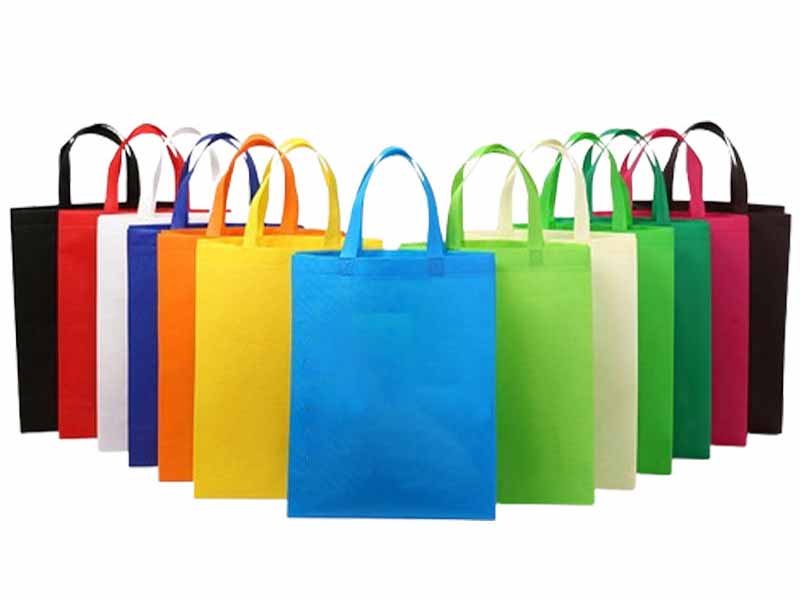
Recycled materials often appear to be a straightforward upgrade: replace virgin polyester with recycled polyester, retain the original bag design, and ask the manufacturer for a revised price. In real production, however, the change reaches much further than the shell fabric. It can affect dyeing quantities, lining availability, webbing specifications, zipper tape, certification documents, cutting waste, testing, lead time, packaging, and the number of colors or styles that can be produced economically.
Recycled materials can raise, lower, or redistribute a bag project’s cost and MOQ. The final result depends on fabric availability, recycled-content requirements, certification, custom dyeing, material consumption, trims, testing, packaging, and order structure. Stock recycled fabrics may support a 500-piece project, while custom colors, certified components, or special finishes can push the practical minimum considerably higher.
A buyer once asked why one manufacturer accepted 500 recycled tote bags while another required at least 2,000 pieces for an almost identical design. The difference was not sewing capacity. The first quotation used an available black rPET fabric with standard handles. The second included a custom Pantone shell, matching recycled webbing, certified lining, special packaging, and transaction documentation.
The two bags looked almost identical in a digital rendering, but the supply chains behind them were completely different. Understanding that difference is the key to controlling cost, MOQ, lead time, and sourcing risk.
What Recycled Materials Are Used in Bags?

Recycled bag materials commonly include rPET polyester, recycled nylon, recycled cotton blends, recycled canvas, recycled linings, and recycled polyester webbing. The right option depends on the bag’s load, abrasion exposure, required shape, coating, printing method, certification needs, and target cost. A recycled label alone does not confirm performance, recycled percentage, or third-party certification.
Common Recycled Fabrics
Recycled polyester, commonly called rPET, is the most widely used recycled textile in commercial bag manufacturing. It can be woven into Oxford, plain weave, twill, ripstop, brushed fabric, lining fabric, and other constructions used for tote bags, backpacks, cosmetic bags, cooler bags, travel organizers, drawstring bags, and promotional products.
The material name, however, tells only part of the story. A 600D rPET Oxford and a lightweight recycled polyester lining are both made from recycled polyester, but they serve completely different structural purposes. Buyers still need to confirm denier, finished weight, yarn density, usable width, coating, hand feel, colorfastness, tear strength, and abrasion performance.
Recycled nylon is often selected for lightweight travel products, foldable bags, sports bags, outdoor accessories, and premium backpacks. It can provide a softer hand and good strength-to-weight performance. Supply availability may be narrower than conventional polyester, especially when the project requires a particular denier, coating, texture, custom color, or certified material route.
Recycled cotton and recycled canvas are frequently used for lifestyle totes, pouches, dust bags, casual accessories, and natural-looking retail collections. Mechanically recycled cotton fibers may be shorter and less uniform than virgin cotton fibers, so recycled cotton is often blended with virgin cotton or polyester to improve yarn stability, surface appearance, tensile strength, and sewing performance.
| Recycled material | Common bag applications | Practical specification checks | Typical sourcing concern |
|---|---|---|---|
| rPET Oxford | Backpacks, totes, cooler bags, organizers | 210D–900D class, coating, finished weight, abrasion, colorfastness | Custom color or coating MOQ |
| Recycled nylon | Outdoor, travel, sports and lightweight bags | Denier, tear strength, coating adhesion, hand feel | Fewer stock constructions |
| Recycled cotton blend | Totes, pouches and casual accessories | Blend ratio, fabric weight, shrinkage, seam strength | Shade and surface variation |
| Recycled lining | Backpacks, cosmetic bags and travel bags | Weight, opacity, seam slippage, color migration | Roll MOQ versus low consumption |
| Recycled webbing | Handles, shoulder straps and reinforcement | Width, thickness, weave, tensile strength, dye consistency | Meter-based custom production |
Recycled materials may also be used beyond the main shell. A project can include recycled lining, recycled polyester webbing, recycled labels, recycled zipper tape, recycled filling, or recycled-content packaging.
Making every component recycled is possible in some programs, but it may create several separate supply chains. Each material supplier can have its own MOQ, lead time, color tolerance, testing method, and certification status. For a first production run, a well-documented recycled shell combined with reliable standard components may be easier to control than an entirely recycled component system.
Recycled vs Virgin Performance
Recycled fabric is not automatically weaker than virgin fabric, and virgin fabric is not automatically more consistent. Performance comes from the complete textile specification: polymer quality, yarn construction, weaving density, finishing, coating, and production control.
A common sourcing mistake is comparing a basic virgin polyester with a more advanced recycled polyester and assuming the entire price difference comes from recycled content. The recycled option may also have a heavier coating, tighter weave, softer finishing, better color control, higher finished weight, or formal certification.
Unless both specifications are aligned, the comparison is not meaningful.
Buyers should evaluate the two materials against the same requirements:
- Fabric weight and thickness
- Tensile and tear strength
- Abrasion resistance
- Colorfastness to rubbing
- Water resistance
- Coating adhesion
- Shrinkage and dimensional stability
- Seam slippage
- Printing compatibility
- Heat-transfer compatibility
- Odor and restricted substances
- Market-specific testing requirements
The correct choice also depends on the bag’s real use. A lightweight recycled nylon may perform well in a packable shopping bag but may need lining, foam, or reinforcement in a structured equipment case.
A heavy rPET Oxford may provide better shape and abrasion resistance, but it can increase shipping weight and make sewing more difficult. Needle selection, seam thickness, binding, turning, and edge finishing may all need adjustment.
Material selection should therefore be linked to structure and end use rather than a sustainability statement alone. A well-matched recycled material will normally produce fewer quality problems than an unsuitable fabric selected primarily for marketing.
Material Claims and Certification
Terms such as recycled polyester, rPET, recycled content, GRS-certified, and RCS-certified should not be treated as interchangeable.
“rPET” normally describes polyester manufactured with recycled PET input. It does not automatically confirm the recycled-content percentage or prove that the material passed through a certified chain of custody.
A supplier declaration may support a basic purchasing decision, but it may not satisfy a retailer, compliance department, corporate buyer, or public product claim.
A buyer should clarify four issues before approving a recycled material:
- What is the stated recycled-content percentage?
- Is the claim supported by supplier information or third-party certification?
- Does the certification cover the relevant company, material, and process?
- Will transaction documentation be required for the shipment?
Material suitability must also be evaluated separately from certification. A properly certified material can still be wrong for a product if it is too soft, too heavy, difficult to coat, unsuitable for printing, or unstable in repeat orders.
Certification proves defined aspects of material content and chain of custody. It does not replace physical testing, production trials, or product engineering.
Choosing Materials by Bag Type
Different bag categories create different material demands.
A promotional drawstring bag may prioritize lightweight construction, printable surfaces, and low material consumption. A tool bag needs abrasion resistance, puncture resistance, reinforced seams, and stable webbing attachment. A cooler bag may require lamination, insulation, lining compatibility, and resistance to moisture.
A recycled material should be evaluated against the actual product conditions:
- Expected carrying weight
- Frequency of use
- Indoor or outdoor exposure
- Moisture and water resistance
- Cleaning requirements
- Desired shape retention
- Retail positioning
- Printing or embroidery method
- Target selling price
- Required product lifespan
Selecting the right recycled material is not about choosing the fabric with the highest recycled percentage. It is about finding the material that delivers the required performance, documentation, appearance, and repeat-order stability within a realistic cost and MOQ.
How Do Recycled Materials Affect Bag Cost?

Recycled materials affect bag cost through fabric price, dyeing, certification, testing, cutting yield, wastage, documentation, and component availability. A stock recycled fabric may add only a limited premium, while custom-dyed certified fabric, matching recycled trims, and special packaging can increase the total more substantially. The finished-bag increase is rarely equal to the raw fabric percentage alone.
Where Cost Changes
The first visible difference usually appears in the main fabric quotation, but a recycled-material project can affect several parts of the bill of materials.
Possible cost changes include:
- Recycled shell fabric
- Recycled lining
- Recycled webbing
- Certified zipper tape or labels
- Custom dyeing
- Special coating or lamination
- Lab dips and color approval
- Material testing
- Certification administration
- Transaction documentation
- Extra inspection or lot separation
- Higher cutting allowance
- Unused material caused by supplier MOQ
The total effect depends on how much of the bag is being changed.
Replacing only the shell of a simple tote is very different from developing a backpack in which the shell, lining, webbing, zipper tape, woven label, and packaging all have recycled-content requirements.
Buyers should also separate recurring cost from one-time development cost.
Fabric, sewing, accessories, and packaging repeat with every order. Sample development, tooling, laboratory testing, artwork preparation, and some certification-related expenses may be fixed or semi-fixed costs that are allocated across the order.
For example, a $300 testing and preparation expense adds $0.60 per unit to an order of 500 bags. The same expense adds only $0.06 per unit when distributed over 5,000 bags.
The material price may remain similar, while the project-level unit cost falls because fixed charges are spread across a larger production quantity.
Understanding Price Premiums
There is no reliable universal rule that recycled material always adds a fixed percentage to a bag.
The difference varies according to:
- Polymer type
- Fabric construction
- Finished weight
- Market availability
- Certification level
- Color
- Coating
- Supplier location
- Purchase quantity
- Quality requirements
A commonly stocked rPET polyester may be commercially close to a comparable virgin polyester. A specialty recycled nylon, unusual recycled canvas, custom-certified webbing, or low-volume custom color may carry a much more noticeable premium.
The following calculation demonstrates how changes in materials can flow into the complete bag cost. These figures are examples for planning purposes rather than fixed market quotations.
| Cost element per bag | Virgin version | Recycled version | Illustrative change |
|---|---|---|---|
| Main shell | $1.50 | $1.85 | +$0.35 |
| Lining | $0.55 | $0.67 | +$0.12 |
| Webbing | $0.42 | $0.52 | +$0.10 |
| Documentation allocation | $0.00 | $0.08 | +$0.08 |
| Cutting and material loss | $0.35 | $0.43 | +$0.08 |
| Labor, zipper, logo and packing | $3.38 | $3.38 | No change |
| Illustrative total | $6.20 | $6.93 | +$0.73 / 11.8% |
In this example, the shell material increases by more than 20%, while the complete bag rises by less than 12% because labor, zippers, logo application, and packaging remain unchanged.
The opposite can also happen. In a simple tote where fabric represents most of the total cost, a material premium may have a larger effect on the finished price.
In a structured backpack with extensive sewing, foam, hardware, compartments, molded components, and retail packaging, the shell fabric may account for a smaller proportion of the total.
Weight, Width and Cutting Yield
Fabric cost per meter is only meaningful when combined with usable width and actual material consumption.
A cheaper material can create a more expensive finished bag when it is narrow, difficult to cut, inconsistent in shade, prone to defects, or dependent on extra reinforcement.
Suppose one fabric is 150 centimeters wide and another is 145 centimeters wide. That five-centimeter difference may appear insignificant, but it can alter the pattern layout.
If a large front panel can no longer be nested beside a side panel, the consumption per bag may increase. A small difference in width can therefore offset a lower quoted price per meter.
Directional prints, brushed surfaces, one-way patterns, coated faces, visible grain, and stripe alignment can reduce cutting efficiency further.
Manufacturers usually consider:
- Gross fabric consumption
- Usable fabric width
- Pattern nesting efficiency
- Cutting loss
- Defect allowance
- Sample consumption
- Replacement-material reserve
- Shade separation
Simple rectangular totes often achieve efficient cutting layouts. Curved backpacks, duffels, padded cases, and products with many small components normally generate more offcuts.
A material with a slightly higher price but better usable width, cleaner surface quality, and more consistent coating may produce a lower finished cost than a cheaper material with poor yield.
Order Volume and Unit Cost
Order volume affects cost, but quantity per specification matters more than the headline total.
An order of 2,000 bags in one style and one color is usually more efficient than 2,000 bags divided across four styles, four colors, different labels, and separate packaging sets.
Volume can lower the allocated cost of:
- Sampling
- Testing
- Printing screens
- Tooling
- Document preparation
- Production setup
- Color matching
- Packaging artwork
- Quality preparation
However, a larger bag quantity only improves efficiency when it aligns with upstream production.
A 2,000-piece order may absorb a full fabric dye lot and lower the average cost. Four colors of 500 pieces may still trigger four color setups, four material allocations, and additional shade-control work.
Buyers should request realistic price tiers such as:
- 500 pieces in one stock color
- 1,000 pieces in one custom color
- 2,000 pieces across two colors
- 5,000 pieces under a repeat-order plan
The lowest unit price is not always the lowest commercial risk. A slightly higher price using available fabric may reduce inventory exposure, development time, and unused material.
Why Do Recycled Materials Change MOQ?

Recycled materials change MOQ because finished-bag production depends on upstream yarn, weaving, dyeing, coating, webbing, zipper, and packaging suppliers. A bag factory may accept 500 pieces, while a custom recycled fabric requires a much larger production lot. The practical MOQ is set by the largest unavoidable commitment in the complete supply chain.
Factory MOQ vs Mill MOQ
Finished-bag MOQ is normally expressed in pieces. Textile MOQ may be measured in meters, yards, rolls, or kilograms. Webbing is commonly purchased by meters, while custom hardware may be ordered by the thousand.
This creates a conversion problem.
A sewing factory may be able to schedule 500 finished bags, but the fabric mill may require enough material to produce more than 1,000.
Consider this example:
- Fabric mill MOQ: 1,000 meters
- Estimated cutting loss: 8%
- Usable material: 920 meters
- Consumption per bag: 0.72 meter
- Bag-equivalent quantity: approximately 1,277 pieces
The buyer may still order 500 finished bags, but the remaining material must be managed.
Common solutions include:
- Increasing the finished order
- Paying for the remaining material
- Storing unused fabric for repeat production
- Sharing fabric across several SKUs
- Selecting an available alternative
- Accepting a unit-price surcharge
- Adjusting the color or finish
The material commitment does not disappear simply because the bag factory accepts a smaller sewing quantity. It appears somewhere in the commercial structure.
A standard custom-bag MOQ of approximately 500 pieces per design can be practical for projects using available materials, standard branding, and ordinary packaging. Custom fabric, special webbing, exclusive hardware, or complex retail packaging can require higher quantities.
Stock vs Custom Materials
Stock fabric can reduce MOQ because yarn production, weaving, dyeing, coating, and finishing have already been completed.
The buyer purchases from an available material lot rather than funding a new production run.
However, the word “stock” can mean different things:
- A regularly replenished core material
- Fabric physically available in a warehouse
- A limited remaining lot
- Cancelled-order material
- Surplus fabric without a repeat-production plan
- A standard fabric that still requires new dyeing
For a one-time event or promotional program, surplus stock may be acceptable.
For a retail product expected to remain on sale over several seasons, a stable material program is more important than a temporarily low MOQ.
Buyers should ask:
- How many meters are currently available?
- Is the full order supplied from one lot?
- Can the material be reserved during sampling?
- Is the construction regularly reproduced?
- Can the same color be reordered?
- Is the stock certified or only described as recycled?
- What happens if additional quantities are needed?
A sample may be made from an available roll that is no longer in stock when the purchase order is issued. Material reservation should therefore be discussed early, especially when sampling and approval may take several weeks.
Custom Color and Finish Minimums
Custom color is one of the strongest reasons recycled-material MOQ increases.
A brand may request a Pantone reference, but the textile mill must consider:
- Lab-dip development
- Color recipe preparation
- Minimum machine loading
- Bulk dyeing
- Coating or lamination
- Finishing
- Shade inspection
- Buyer approval
A custom dye lot may produce far more material than the bag order consumes.
Special finishes can create additional minimums:
- PU coating
- TPU lamination
- Durable water-repellent finishing
- Flame-retardant treatment
- Antimicrobial treatment
- Brushing or peach finishing
- Reflective treatment
- Custom printing
- Surface embossing
The following examples demonstrate how supplier minimums can translate into finished-bag quantities. They are calculation examples and not universal industry rules.
| Component requirement | Example supplier minimum | Consumption per bag | Allowance | Approximate bag-equivalent quantity |
|---|---|---|---|---|
| Custom recycled shell | 1,000 m | 0.72 m | 8% loss | 1,277 bags |
| Custom recycled lining | 800 m | 0.40 m | 8% loss | 1,840 bags |
| Custom recycled webbing | 3,000 m | 2.10 m | 5% loss | 1,357 bags |
| Printed retail box | 1,000 units | 1 unit | No loss | 1,000 bags |
The highest calculated number does not always become the required finished-bag MOQ. The manufacturer and buyer may agree to hold surplus material or allocate it to future products.
However, the financial commitment remains and must be reflected in the quotation, deposit, storage agreement, or production plan.
Multi-SKU MOQ Planning
A large total order can still behave like several small orders.
For example, a 2,000-piece project may be divided into:
- Four colors of 500 pieces
- Two sizes in two colors
- Four independent styles
- Different logos for separate markets
- Different packaging for separate retailers
Each variation can require separate cutting instructions, labels, barcodes, cartons, artwork, material allocation, and inspection records.
Sharing one recycled shell across several SKUs can help absorb fabric MOQ, but only when the specification is genuinely identical.
A backpack may need a stiffer coating, while a packing organizer made from the same base textile may need a softer finish. Although both materials are described as recycled polyester, they may not be interchangeable.
Effective MOQ planning begins at collection level rather than after each product has been developed independently.
How Do GRS and RCS Affect a Bag Project?
GRS and RCS affect supplier selection, material traceability, documentation, labeling, cost, and lead time. A certified project requires more than buying fabric described as recycled. Buyers must confirm the required standard, recycled-content claim, eligible suppliers, scope certificates, transaction records, and the components covered by the claim before production begins.
What GRS and RCS Verify
GRS and RCS are commonly requested when buyers need third-party verification of recycled material and chain of custody.
The Recycled Claim Standard focuses on tracking certified recycled input through the supply chain.
The Global Recycled Standard also verifies recycled content and chain of custody while covering additional processing-related requirements within its framework.
For purchasing teams, the most important point is that neither standard should be treated as a decorative logo.
A product claim depends on:
- Eligible recycled material
- Certified organizations
- Correct chain-of-custody handling
- Accurate purchasing documents
- Production records
- Applicable labeling rules
- Shipment-level evidence when required
Before requesting a quotation, the buyer should define:
- Required certification standard
- Minimum recycled-content percentage
- Components included in the claim
- Consumer-facing or B2B claim
- Retailer-specific documentation
- Required labels or hangtags
- Transaction-certificate requirements
- Laboratory-testing requirements
A request for a “GRS bag” is usually too vague.
Does the buyer require only the shell fabric to be certified? Must the lining, webbing, zipper tape, and woven labels also follow a certified supply chain? Will the product carry a consumer-facing claim? Does the retailer require transaction documentation?
Each answer affects material selection, supplier eligibility, cost, and MOQ.
Scope Certificates
A scope certificate indicates that an organization is certified for specified activities, locations, processes, and product categories.
It demonstrates that the company is eligible to participate in a certified supply chain within the stated scope and validity period.
A buyer reviewing a scope certificate should check:
- Company name
- Facility address
- Validity dates
- Product categories
- Processing activities
- Certification body
- Relevant standard
- Covered sites
A supplier’s scope certificate does not prove that every recycled product it sells is certified.
The quoted product must fall within the covered categories and pass through the required supply-chain route.
Certificates should also be reviewed for validity. An expired certificate, unmatched facility address, or unrelated product scope may not support the planned claim.
Transaction Certificates
A transaction certificate relates to a specific movement or sale of certified goods. It provides shipment-level support within the relevant chain-of-custody system.
A useful distinction is:
- **Scope Certificate:**Confirms that a company is certified for stated activities.
- **Transaction Certificate:**Supports a particular certified transaction or product flow.
The strongest question is not simply:
“Do you have GRS?”
A more useful question is:
“Can this exact material, supplier route, factory process, finished product, and shipment support the documents required for our planned claim?”
This forces the whole supply chain to be examined.
A certified fabric bought through an ineligible intermediary, mixed with undocumented material, or processed without the required records may not support the final claim.
The transaction-certificate requirement should be discussed before the purchase order. Requesting it only after production can reveal documentation gaps that are difficult to correct.
Cost and Lead-Time Effects
Certification-related cost does not appear only as a single certificate fee.
It may affect:
- Material pricing
- Supplier choice
- Material reservation
- Warehouse separation
- Document collection
- Transaction processing
- Claim review
- Label approval
- Laboratory testing
- Production records
- Administrative handling
Certified material may come from a narrower supplier pool. The closest available fabric may not have the desired color, weight, coating, or hand feel.
The project may then require a compromise between certification, performance, MOQ, and design.
Lead time can also be affected by:
- Scope verification
- Supplier document collection
- Lab-dip approval
- Material reservation
- Label wording approval
- Testing
- Transaction-certificate processing
Buyer decisions matter as much as supplier timing. Late changes to recycled percentages, label claims, material scope, or component requirements can delay a project even when sewing production is ready.
The safest approach is to include certification requirements in:
- The RFQ
- Material approval
- Sample specification
- Purchase order
- Packaging artwork
- Inspection checklist
- Shipping documents
Ordinary recycled material can still be appropriate when the project does not require a formal consumer-facing claim. The critical issue is accurate communication. A material declaration should not be represented as equivalent to a certified finished-product transaction.
Which Bag Specifications Matter Most?

The most influential specifications are material consumption, bag structure, color count, lining, foam, webbing, zippers, hardware, branding, packaging, and SKU breakdown. Recycled fabric may attract attention, but inefficient patterns, custom components, and fragmented quantities often affect cost and MOQ more than the recycled shell itself.
Structure and Material Yield
Bag dimensions alone do not determine fabric consumption.
Two bags with the same external size may require very different quantities of material because of their panel shapes, gussets, pockets, reinforcements, and internal construction.
A simple tote may consist of:
- Two main panels
- One bottom gusset
- Two handles
- A simple closure
A structured backpack may include:
- Front and back panels
- Side gussets
- Curved top panels
- Multiple pockets
- Shoulder straps
- Back padding
- Internal dividers
- Binding strips
- Reinforcement patches
- Foam and lining layers
Curved and irregular panels are more difficult to nest efficiently. One-way prints, visible grain, coating direction, and patterned fabric can reduce yield further.
A manufacturer should review the pattern layout before making final cost conclusions.
Changing a bag width by only a few centimeters can occasionally improve the cutting layout and reduce consumption. In other cases, a size reduction produces almost no saving because the pattern arrangement remains unchanged.
Structural performance also matters.
A lighter recycled shell may appear less expensive but require additional foam, backing, bottom boards, or reinforcement. Those additions can remove the apparent saving and increase sewing labor.
A practical development review should connect:
- Intended carrying load
- Product shape
- Fabric stiffness
- Seam construction
- Reinforcement points
- Handle attachment
- Zipper opening
- Padding requirements
- Cutting yield
- Expected lifespan
A production-ready sample provides more information than a fabric swatch alone. It shows how the material folds, stretches, holds shape, handles seam thickness, and responds to real construction.
Logos, Trims and Hardware
The shell fabric is only one part of the product MOQ. Custom branding and components frequently create separate minimums.
More flexible logo processes often include:
- Screen printing
- Heat transfer
- Embroidery
- Woven labels
- Printed labels
- Standard PU or leather patches
- Printed hangtags
Higher development commitments may be required for:
- Jacquard logo webbing
- Molded rubber badges
- Multi-color silicone patches
- Custom metal plates
- Exclusive zipper pullers
- Custom buckles
- Branded zipper tape
- Special-plated hardware
- Private molds
The correct decision depends on visibility and customer value.
A custom zipper puller may be worthwhile on a premium travel bag because customers touch it every day. It may deliver little additional value on a hidden internal pouch.
Buyers should identify which details contribute most to:
- Brand recognition
- User experience
- Durability
- Retail appearance
- Perceived quality
Color matching also deserves realistic expectations.
A recycled textile shell, nylon zipper tape, polyester webbing, rubber patch, silicone logo, and painted metal part use different materials and coloring processes.
Perfect visual identity across every component is difficult. A controlled tonal palette is often more practical than requiring exact matching between different substrates.
Packaging Specifications
Packaging can create a higher MOQ than the bag itself.
A basic polybag, paper band, barcode label, or shipping carton mark is generally more flexible than:
- Printed retail boxes
- Molded inserts
- Custom tissue paper
- Multi-language manuals
- Printed sleeves
- Branded zipper bags
- Retail display packaging
Packaging also changes freight economics.
A rigid presentation box may improve retail appearance but reduce carton loading. Larger carton volume can raise the delivered cost even when the factory price changes only slightly.
Packaging choices should be evaluated against:
- Sales channel
- Product protection
- Unboxing experience
- Shipping method
- Retailer requirements
- Waste reduction
- Labeling rules
- Carton efficiency
Using recycled paper does not automatically make packaging efficient. A large box with excessive empty space may use more material and shipping volume than a compact, well-designed alternative.
Multi-SKU Complexity
Multi-SKU projects should be evaluated by quantity per variation, not only by total order quantity.
A total order of 2,000 pieces could mean:
- One style in one color: 2,000 pieces
- One style in four colors: 500 pieces per color
- Two sizes in two colors: 500 pieces per variation
- Four different styles: 500 pieces per style
These projects are not equally efficient.
Each SKU may require separate:
- Cutting instructions
- Material allocation
- Size labels
- Barcodes
- Packaging artwork
- Inspection records
- Carton marks
- Production tracking
A platform-based collection can reduce complexity. Several products may share:
- One shell material
- One lining construction
- A controlled color palette
- Standard webbing widths
- Common hardware finishes
- Related zipper specifications
- Similar packaging dimensions
This approach improves material utilization, visual consistency, repeat production, and supply-chain control.
How Can Buyers Control Cost and MOQ?
Buyers can control recycled-material cost and MOQ by using available fabrics, limiting custom colors, sharing materials across SKUs, simplifying low-value components, defining certification early, and issuing a complete RFQ. The aim is not to eliminate every premium, but to direct the budget toward performance, branding, and features customers can actually recognize and use.
Use Stock Colors Strategically
Choosing an available color is often the fastest way to reduce material MOQ.
Black, navy, gray, and other regularly produced colors may be easier to source than a precise seasonal Pantone color, although actual availability depends on the material program.
A stock color can eliminate or reduce:
- Lab-dip development
- Dye-lot minimums
- Color approval rounds
- Custom coating setup
- Unused dyed material
- Shade-risk exposure
- Material lead time
This does not mean the finished product must look generic.
A brand can create differentiation through:
- Contrasting lining
- Custom webbing
- Printed graphics
- Woven labels
- Zipper pulls
- Embroidery
- Patches
- Packaging
Using one available shell color with carefully selected brand details can produce a distinctive product without creating a new fabric dye lot.
Share Materials Across Products
Sharing one material across several SKUs is another effective way to absorb MOQ.
A travel collection might use the same recycled Oxford for:
- A backpack
- A duffel bag
- A toiletry bag
- A packing organizer
- A shoe bag
- A travel pouch
Different products can then draw from one larger fabric order.
However, the specification must genuinely be identical.
A backpack may require a stiff coating, while an organizer may need a softer hand. If the finish differs, the materials may need separate production even when the base fiber and color are the same.
A shared-material plan works best when it is developed before individual products are finalized.
The design team should standardize:
- Shell fabric
- Lining
- Webbing widths
- Hardware finish
- Zipper families
- Color palette
- Logo system
- Packaging dimensions
This creates a product platform rather than a collection of unrelated custom items.
Build a Complete RFQ
A useful quotation begins with a useful request.
A product image and total quantity are not enough to calculate a reliable recycled-bag price.
| RFQ item | Information to provide | Why it matters |
|---|---|---|
| Product reference | Tech pack, drawing, sample or clear images | Defines construction and labor |
| Dimensions | Finished measurements and tolerances | Determines patterns and material consumption |
| Shell material | Fiber, denier, weight, coating and recycled requirement | Controls sourcing, cost and performance |
| Certification | GRS, RCS, transaction documents, tests or retailer requirements | Determines eligible supply chain |
| Colors | Stock or Pantone; quantity per color | Determines dyeing MOQ |
| Branding | Artwork, size, position and process | Determines setup and tooling |
| Components | Lining, foam, webbing, zipper and hardware | Reveals secondary MOQs |
| Packaging | Polybag, hangtag, barcode, box and carton marks | Adds printing and packing requirements |
| Quantity | Units per style, size, color and market | Determines production efficiency |
| Target market | Country, retailer and sales channel | Influences compliance and labeling |
| Timeline | Sample approval and delivery deadline | Determines sourcing feasibility |
| Target cost | Realistic range or product tier | Helps evaluate workable alternatives |
A target cost should help the development team make choices rather than force the supplier to hide necessary expenses.
When a project exceeds the target, practical alternatives may include:
- Selecting an available rPET color
- Choosing a lighter suitable construction
- Using standard webbing
- Replacing a metal plate with a woven label
- Simplifying hidden compartments
- Sharing packaging
- Increasing order quantity
- Limiting custom components
- Using non-certified recycled material when certification is not required
These decisions should occur before sampling whenever possible.
Once an expensive sample has been approved, changing materials or structure to reduce cost can require another development cycle.
Compare Quotes Correctly
The lowest quoted unit price is not always the lowest final project cost.
Before comparing prices, buyers should confirm that each supplier has included the same:
- Recycled-content percentage
- Fabric construction
- Finished weight
- Usable width
- Coating
- Stock or custom color
- Certification documents
- Transaction-certificate responsibility
- Lining specification
- Webbing width and thickness
- Zipper size and type
- Hardware material
- Foam and reinforcement
- Logo method
- Packaging
- Testing
- MOQ per style and color
- Incoterm
- Lead time
- Treatment of leftover materials
A supplier should also be able to explain why the MOQ exists.
The answer should point to an actual constraint such as:
- Fabric dye lot
- Fabric roll minimum
- Webbing production run
- Printing setup
- Packaging print quantity
- Hardware mold
- Production-line setup
Vague statements that recycled material is always expensive are not sufficient.
Promises that every recycled fabric is available at a very low MOQ should also be treated cautiously.
A strong quotation makes assumptions visible. It explains what has been confirmed, what still depends on sampling, and which choices can reduce cost or MOQ.
Plan for Repeat Orders
The first order should not be evaluated in isolation when the product is intended for long-term sale.
Buyers should consider:
- Whether the same fabric will remain available
- How color standards will be retained
- Whether surplus material will be stored
- Who owns custom molds and tooling
- Whether packaging can be reordered efficiently
- How approved samples will be managed
- Whether material and BOM records will be retained
- How future changes will be controlled
A one-time low price can become expensive if the second order requires a new fabric, revised packaging, another mold, or a complete redevelopment process.
Lovrix is a material-driven OEM/ODM manufacturer based in Shenzhen, Guangdong, supporting custom bags, fabric products, webbing, and engineered soft goods for global brands and commercial buyers.
Its standard custom-bag MOQ is generally around 500 pieces per design, while the final minimum depends on material availability, product structure, color quantity, branding, packaging, testing, certification, and SKU complexity.
For a project-based evaluation, buyers should provide product drawings or reference samples, finished dimensions, recycled-material requirements, certification expectations, color quantities, logo artwork, packaging details, target volume, destination market, and delivery schedule.
A clear specification allows the manufacturer to recommend a solution that balances performance, documentation, commercial cost, practical MOQ, and long-term supply reliability.
Conclusion
Recycled materials do not produce one fixed cost increase or one universal MOQ. Their effect depends on how the entire product is designed and sourced.
A project using an available recycled shell, standard colors, ordinary trims, and clearly defined documentation may remain close to a conventional custom-bag program.
A project requiring custom-dyed certified fabric, matching recycled lining, specialized webbing, exclusive hardware, multiple colors, detailed testing, and custom retail packaging will naturally require a larger financial and production commitment.
The most important questions are therefore not limited to whether the material is recycled.
A well-planned recycled-material program can support brand positioning, retailer requirements, corporate sustainability goals, and long-term product development without losing control of cost or inventory.
The best results come when material, structure, certification, branding, packaging, and production quantity are planned as one connected system.
To request a custom project evaluation, send Lovrix your drawing, tech pack, reference sample, dimensions, recycled-material preference, certification requirements, color quantities, logo artwork, packaging plan, target order volume, destination market, and expected delivery date.
The Lovrix team can review material feasibility, bag construction, MOQ, sampling, cost structure, quality requirements, packaging, and production planning before preparing a detailed OEM or ODM proposal.


