 Skip to content
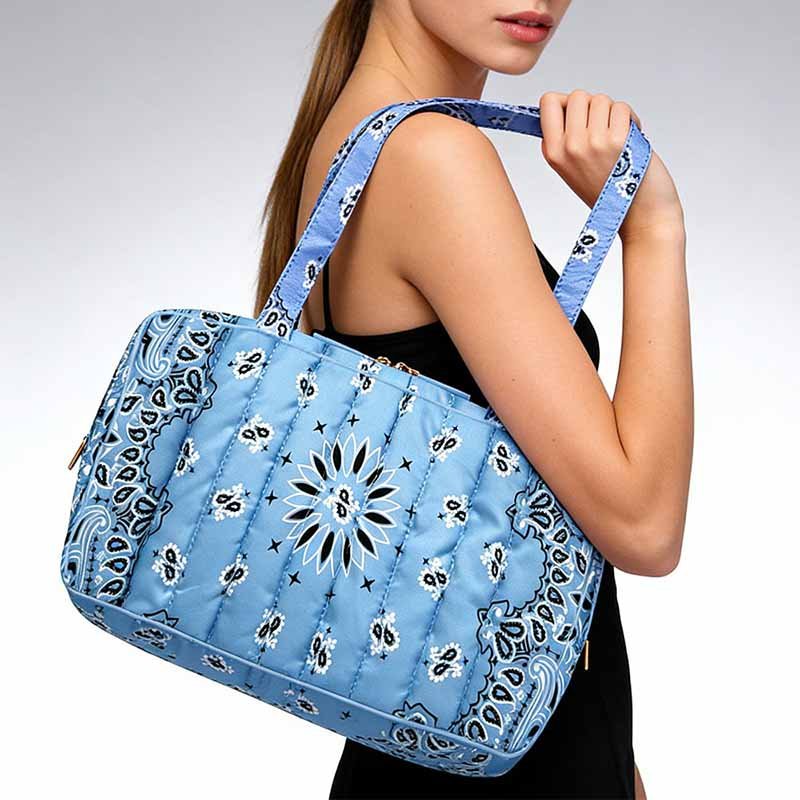
A single custom bag can be difficult enough. A multi-SKU bag collection is a different level of manufacturing risk. Once a project includes several bag styles, colors, sizes, fabrics, linings, logo methods, packaging versions, barcodes, and sales-channel rules, the real challenge is no longer simply sewing. It is coordination. One wrong zipper length, one confused fabric lot, one outdated logo file, one mixed barcode label, or one carton mark error can delay an entire product launch.
To choose a manufacturer for a multi-SKU bag collection, evaluate whether the factory can manage product range, material consistency, sample approval, BOM control, MOQ planning, logo execution, packaging separation, quality inspection, and repeat-order records across every SKU. The best partner is not simply the lowest-price factory, but the one that can keep the whole collection organized from development to shipment.
Think of a brand launching five bags together: a tote, a duffel, a cosmetic pouch, a laptop sleeve, and a travel organizer. On a mood board, the collection looks clean and simple. In production, it becomes five structures, five cost models, five inspection standards, and often dozens of SKU combinations. The question is not only, “Can this factory make bags?” The better question is, “Can this factory protect the whole collection from becoming chaotic?”
What Is a Multi-SKU Bag Collection?

A multi-SKU bag collection is a group of bag products or variants managed as one commercial product line. Each SKU may differ by bag type, size, color, fabric, lining, logo method, packaging, barcode, or sales channel. The key challenge is not only making each bag well, but keeping every version controlled from sample approval to repeat production.
SKU Logic
In bag manufacturing, an SKU is not just a product name. It is a production identity. A black canvas tote, a navy canvas tote, and a black canvas tote with a different logo placement may look close to the buyer, but they are different SKUs if they need separate labels, packing rules, barcodes, or inventory control.
A multi-SKU collection can be simple or complex. A basic project may include one tote bag in three colors. A more developed collection may include a tote bag, cosmetic pouch, laptop sleeve, duffel bag, packing cube, and drawstring pouch, each with different dimensions and materials. Once packaging, barcode labels, carton marks, and retail requirements are added, the project becomes much more than “making several bags.”
The safest way to define a multi-SKU collection is to list every unit that will be sold, packed, shipped, or reordered separately. If one item needs its own product code, barcode, carton label, approved sample, or inventory slot, it should be treated as a controlled SKU.
| Collection Type | Common SKU Count | Typical Differences | Main Production Risk |
|---|---|---|---|
| Single-style color range | 3-6 SKUs | Same bag, different colors | Color matching and label separation |
| Small product family | 5-10 SKUs | Tote, pouch, sleeve, organizer | Pattern and BOM version control |
| Retail collection | 10-20 SKUs | Sizes, colors, packaging versions | Carton marks, barcodes, inspection |
| Seasonal launch | 20+ SKUs | Multiple styles and materials | Timeline coordination and batch consistency |
Product Line Thinking
A multi-SKU bag project should be planned as a product line, not as scattered individual orders. This matters because the customer will judge the whole collection together. If the tote feels premium but the pouch feels cheap, the collection loses brand consistency. If one color looks off, it can weaken the entire retail display. If packaging is inconsistent, warehouse and fulfillment teams may struggle.
Good product line thinking starts with shared standards. The collection may use a common color palette, similar lining, matching zipper pullers, repeated logo language, and coordinated packaging. These details make different products feel connected, even when the structures are different.
From a manufacturing point of view, shared standards also reduce cost and confusion. If several SKUs use the same webbing width, zipper color, lining material, and label format, the factory can control purchasing, cutting, sewing, packing, and inspection more efficiently. This does not mean every bag should be identical. It means every SKU should feel like part of the same brand family.
Real Factory Complexity
A multi-SKU bag collection becomes difficult because each SKU has its own small traps. One bag may need reinforced handles. Another may need foam padding. Another may use a curved zipper. Another may need a waterproof lining. Another may need retail-ready packaging. These details move through different factory stages: material purchasing, cutting, printing, embroidery, sewing, finishing, inspection, packing, and shipment.
The risk grows when information changes during development. A buyer may approve a new zipper puller for one SKU, adjust the size of another SKU, change the logo on a third SKU, and update packaging for the fourth SKU. If the factory does not control the latest version, the bulk order can easily follow old information.
Experienced manufacturers do not rely on chat messages alone. They use approved samples, material cards, BOM files, pattern versions, packing instructions, and SKU lists. The goal is simple: when production starts, every person involved should know exactly which version is approved.
Brand Impact
For a brand, multi-SKU problems are not just factory problems. They become customer problems. A wrong label may delay warehouse receiving. A mismatched fabric may create negative reviews. A weak handle may lead to returns. A missing barcode may block online fulfillment. A delayed SKU may force the brand to launch an incomplete collection.
This is especially important for DTC, Amazon, retail, promotional, outdoor, travel, beauty, tool, and corporate gift projects. These customers often work with launch calendars, seasonal campaigns, inventory systems, and repeat-order plans. A manufacturer that can only make a nice sample is not enough.
The right manufacturer understands that a bag collection is a commercial system. Each SKU needs to be attractive, functional, inspectable, packable, and repeatable. That is the foundation of a stable multi-SKU project.
How Do You Check Product Range Fit?

You check product range fit by comparing your planned collection with the manufacturer’s real experience in bag types, materials, structures, and end-use scenarios. A suitable manufacturer should not only say “we can make it.” They should explain how each SKU will be developed, sampled, produced, inspected, packed, and repeated.
Bag Type Coverage
The first question is whether the factory has real experience with the bag categories in your collection. A tote bag, backpack, cosmetic bag, cooler bag, laptop sleeve, tool bag, and travel duffel may all be “bags,” but their production logic is different. The material, reinforcement, sewing sequence, cutting tolerance, zipper choice, lining, and inspection points can vary heavily.
For example, a tote bag usually focuses on fabric body, handle strength, bottom structure, and logo placement. A cosmetic bag needs better attention to lining, zipper smoothness, shape, and cleaning. A laptop sleeve requires foam thickness, inner protection, size tolerance, and edge finishing. A cooler bag needs insulation layers, lining material, seam handling, and packaging pressure control.
A manufacturer with broad product range experience can help a brand avoid the cost of managing too many separate suppliers. It also improves consistency across the collection. If several SKUs share the same material platform, logo language, webbing, packaging format, or shipment plan, one capable factory can often manage the collection more smoothly than several narrowly specialized vendors.
Material Match
Material fit is one of the most important signs of a professional bag manufacturer. Many new projects begin with appearance: the buyer wants a certain look, hand feel, or color. But in production, material decisions affect durability, structure, printing, embroidery, water resistance, weight, cost, packing, and long-term repeatability.
A good manufacturer should be able to explain why one fabric works better than another for a specific SKU. For example, 600D polyester is often used for durable everyday bags, tool bags, promotional bags, and travel accessories because it balances strength and cost. Canvas can be better for lifestyle and retail positioning, but color variation, shrinkage, and logo method need attention. PU leather may create a premium look, but sewing tension, edge finish, and packing protection matter. Neoprene works well for soft protective items, but thickness and lamination quality affect shape and sewing.
| Bag Product | Common Material Range | Practical Notes |
|---|---|---|
| Tote bag | 10-16 oz canvas, 300D-600D polyester, cotton | Check handle strength, shrinkage, and logo method |
| Backpack | 600D-900D polyester, nylon, PU-coated fabric | Check straps, padding, zipper curves, and load points |
| Cosmetic bag | PU leather, polyester, nylon, cotton, clear PVC | Check lining, zipper opening, shape, and cleaning |
| Cooler bag | Polyester Oxford, PEVA, aluminum foil, foam | Check insulation, seam finish, and food-contact expectations |
| Tool bag | 600D-1680D polyester, reinforced webbing | Check bottom strength, bar-tacks, and pocket stress |
| Laptop sleeve | Neoprene, polyester, PU, EVA support | Check size tolerance, foam thickness, and edge binding |
Structure Experience
A factory’s structure experience is often more important than its product photos. A bag may look simple from outside, but the inside can be full of decisions: where to place foam, how to reinforce the handle, whether the bottom needs support, how wide the opening should be, how many stitches are needed at stress points, and whether the zipper will pull smoothly after packing.
For multi-SKU collections, structural thinking helps the brand maintain both function and consistency. If a travel line includes a duffel bag, toiletry pouch, shoe bag, and organizer, the factory should understand how each item will be used together. The duffel needs carrying strength. The pouch needs water-resistant lining. The shoe bag needs ventilation or easy-clean fabric. The organizer needs light weight and foldability.
A supplier that only follows drawings without asking questions may miss these details. A better manufacturer will point out risks before sampling: a handle may be too narrow, the zipper may be too short, the fabric may be too soft for the target shape, or the logo position may be distorted after filling the bag.
Use Scenario Fit
The same bag can require different production choices depending on the buyer’s sales channel. A tote for retail shelves, a tote for corporate gifting, and a tote for Amazon fulfillment may look similar, but their priorities are not identical.
Retail bags often need stronger presentation: cleaner stitching, better color consistency, hangtags, retail packaging, and display-ready finishing. Amazon and DTC bags may need barcode labels, polybag warnings, carton weight control, FBA label rules, and repeat-order consistency. Promotional bags may focus more on delivery date, logo clarity, carton sorting, and cost balance. Outdoor and travel bags need stronger functional testing because customers use them under more demanding conditions.
A manufacturer that understands use scenarios can help the buyer avoid overbuilding low-risk SKUs and underbuilding high-risk SKUs. That is where real factory experience creates value. The best supplier is not the one that always recommends the most expensive material. It is the one that helps the buyer match product performance with the actual market need.
Which Development System Matters?

The development system matters because multi-SKU collections can fail when changes are not tracked. A reliable manufacturer should control tech packs, samples, BOM files, material records, logo files, patterns, packaging versions, and approval notes. Every SKU should have a clear final version before bulk production starts.
Tech Pack Review
A tech pack is useful only when the factory reviews it with production logic. For bags, a strong tech pack usually includes dimensions, fabric, lining, webbing width, zipper type, hardware finish, foam thickness, logo position, stitch notes, color references, packaging, labels, target quantity, and inspection expectations.
A professional factory does not simply say “confirmed.” It checks whether the material is available, whether the structure can be sewn efficiently, whether the dimensions match actual use, whether reinforcement points are enough, whether the logo process suits the surface, and whether the target cost is realistic. If the design looks good but is hard to mass-produce, the factory should raise this before sampling.
For multi-SKU collections, tech pack review should happen item by item. Similar-looking SKUs can still have different risks. A small pouch may have a tight zipper curve. A laptop sleeve may have strict size tolerance. A duffel bag may need stronger handle construction. Good review protects the buyer from discovering these issues after bulk materials have already been purchased.
Sample Control
Samples are not only for taking photos or checking appearance. In a multi-SKU project, samples are the physical bridge between development and production. Each approved sample should represent the final standard for that SKU, including material, color, structure, size, logo, lining, hardware, stitching, and packaging.
The most common mistake is approving a sample while changes are still scattered across emails, messages, and comments. For example, the buyer may say, “Move the logo slightly higher,” “Use softer webbing,” or “Change the zipper puller.” If these comments are not updated in the final production record, the factory may produce according to the old sample or old BOM.
A clean sample system should include sample version numbers. Sample 1 may test shape. Sample 2 may correct dimensions. Sample 3 may confirm logo and material. The final approved sample should match the final production file. For complex projects, it is worth confirming photos, measurements, material cards, and packaging together before mass production.
BOM Discipline
The BOM is the quiet document that keeps a multi-SKU project under control. It lists every material and component used in each SKU: outer fabric, lining, webbing, zipper, slider, puller, buckle, metal ring, foam, thread, label, logo piece, hangtag, polybag, carton, and more.
Without BOM discipline, a collection can become unstable. One SKU may use the wrong lining. Another may get a different zipper puller. A third may use a similar but cheaper webbing. These errors can happen even when the factory is not trying to cut corners. They happen because too many similar components are moving at the same time.
A serious manufacturer should confirm any BOM change before production. If a fabric is out of stock, the factory should offer alternatives with photos, physical swatches if needed, cost impact, and lead-time impact. If a buckle changes, the buyer should know whether size, color, finish, or strength is affected. Nothing important should be replaced silently.
| Control Item | What Should Be Confirmed | Practical Risk If Missed |
|---|---|---|
| Tech pack | Size, fabric, structure, logo, packaging | Factory samples the wrong version |
| Approved sample | Final look, function, measurements, materials | Bulk goods do not match buyer expectation |
| BOM | Fabric, webbing, zipper, hardware, labels, packing | Components are mixed between SKUs |
| Pattern file | Cutting shape and construction version | Size or shape changes without approval |
| Logo file | Artwork, size, color, placement, method | Logo is printed or sewn incorrectly |
| Packing file | Barcode, polybag, hangtag, carton mark | Warehouse receiving or retail errors |
Version Tracking
Version tracking becomes especially important when the project includes several rounds of development. A buyer may update the tote size, approve a new lining for the cosmetic pouch, change the logo color on the laptop sleeve, and adjust the carton quantity for the travel organizer. These are normal changes, but they must be controlled.
A practical version system includes SKU code, sample version, pattern version, BOM version, logo file version, packaging version, and approval date. This does not need to be complicated, but it must be clear. When production starts, everyone should know the final version.
Good version tracking also helps repeat orders. Six months later, when the buyer wants to reorder the best-selling SKU and add two new colors, the factory should not need to rebuild the project from memory. It should already have material records, pattern records, approved samples, and packaging files.
How Should MOQ and Cost Work?

MOQ and cost should be evaluated by the whole project structure, not only by one bag. A good manufacturer should explain whether MOQ is calculated per SKU, per color, per material, per logo method, or across a combined product line. For multi-SKU collections, shared materials and packaging can often improve cost control.
MOQ Logic
MOQ is one of the most misunderstood parts of custom bag manufacturing. Many buyers ask, “What is your MOQ?” But for multi-SKU projects, the better question is, “How is MOQ calculated for this collection?”
MOQ can be affected by fabric purchasing, custom dyeing, webbing production, zipper color, hardware finish, logo method, packaging, cutting efficiency, and sewing setup. A simple polyester tote using available fabric may be easier to start than a custom-dyed canvas bag with special webbing and molded rubber patches.
For many custom bag projects, 500 pcs per style or per design is a common planning reference, but the real number depends on the product. If several SKUs share the same fabric, lining, webbing, logo label, or packaging format, the manufacturer may be able to evaluate the collection as a whole. If every SKU uses different material and different branding parts, MOQ pressure usually increases.
Cost Drivers
Cost is not only about fabric price. In bag production, cost comes from material, cutting, sewing time, reinforcement, logo process, packaging, quality control, waste rate, and order complexity. Multi-SKU projects add another layer because each SKU needs separate planning and control.
A buyer should be careful when one quote is much lower than all others. It may mean the supplier misunderstood the project, skipped packaging details, ignored reinforcement, assumed cheaper materials, or did not include proper inspection. A low first quote can become expensive when the sample is wrong or bulk production fails.
| Cost Factor | Typical Impact | Practical Check |
|---|---|---|
| Outer fabric | Often one of the largest material cost items | Confirm fabric type, weight, coating, color, and stock status |
| Webbing and handles | Affects strength and appearance | Confirm width, thickness, color, and load points |
| Zipper and hardware | Affects user experience and durability | Confirm brand level, finish, puller type, and smoothness |
| Logo process | Setup cost varies by method | Compare print, embroidery, patch, metal plate, and woven label |
| Packaging | Can raise cost quickly in retail projects | Confirm polybag, hangtag, barcode, box, insert, and carton mark |
| SKU count | More SKUs mean more control work | Confirm whether shared materials can reduce complexity |
Shared Materials
One of the smartest ways to manage a multi-SKU bag collection is to build around shared material platforms. This means several SKUs use the same outer fabric, lining family, webbing color, zipper color, or label system. Shared materials can reduce purchasing difficulty, simplify quality checks, and improve visual consistency.
For example, a travel collection may use the same 600D polyester across a duffel, pouch, organizer, and shoe bag. The products are different, but the collection feels consistent. A beauty collection may use one PU leather color across several cosmetic bags with different shapes. A promotional program may use one standard fabric and change only the logo or size.
Shared materials do not mean boring design. They create a stable base. The brand can still use different silhouettes, pocket layouts, trims, and packaging. The goal is to spend customization budget where it matters most instead of making every component different for every SKU.
Price Balance
The best cost strategy is not always the cheapest version. It is the version that matches market position, function, and expected reorder value. A hero SKU may deserve better material, stronger structure, and premium branding because it represents the collection. A support SKU may need to be clean and reliable but not overbuilt. A test SKU should avoid expensive custom molds or rare materials until sales data proves demand.
A useful approach is to divide the collection into core, support, and test SKUs. Core SKUs are likely to repeat and should receive stronger development attention. Support SKUs complete the product line and can share materials where possible. Test SKUs should stay flexible and cost-controlled.
When comparing manufacturers, ask for cost options. One option may use available material. Another may use custom color fabric. Another may simplify packaging. This allows the buyer to make a commercial decision instead of judging only one quote.
How Do They Control Quality?
A manufacturer controls quality by setting approved samples, checking materials before production, inspecting key points during sewing, and verifying every SKU before packing and shipment. For multi-SKU collections, quality control must be SKU-specific. One general checklist is not enough because each bag has different structure, use, and risk points.
Approved Standard
The approved sample is the most important quality reference. It should not be treated as a rough idea. It should define the final standard for appearance, size, fabric, lining, logo, zipper, webbing, hardware, stitching, structure, and packaging.
For multi-SKU projects, each SKU needs its own approved reference. A tote bag standard cannot control a pouch. A pouch standard cannot control a laptop sleeve. Even two colors of the same bag may require separate color confirmation. If the buyer approves a revised logo position, the final approved sample and the production file must both show that change.
A good manufacturer should be comfortable working with written quality points. For example: handle length tolerance, logo position tolerance, stitch density expectation, carton quantity, zipper smoothness, and packaging method. These details reduce arguments later because everyone understands what will be inspected.
Material Inspection
Material inspection should happen before cutting. Once fabric is cut, many problems become expensive to fix. The factory should check fabric type, color, coating, width, defects, odor, lining, webbing, zipper, hardware, foam, thread, and logo components.
For multi-SKU collections, material control is harder because several similar materials may be used in one order. Black polyester, black nylon, black canvas, and black PU can all look close in photos but behave differently in production. Physical confirmation is important, especially for repeat orders and retail collections.
Color control also needs realistic expectations. Different materials may not match perfectly even when the same color name is used. A professional manufacturer should explain this early and use swatches, lab dips, or approved material cards when needed. For brand collections, the goal is controlled consistency, not vague promises.
In-Line Checks
In-line inspection means checking during production, not only after all bags are finished. This is critical because if a mistake appears in the first 50 pieces and nobody checks it, the same mistake may repeat across hundreds or thousands of pieces.
Common in-line checks include cutting accuracy, logo placement, first-piece approval, stitching quality, zipper installation, handle reinforcement, pocket placement, lining attachment, edge binding, thread trimming, and shape control. For bags with load-bearing functions, reinforcement points such as handles, shoulder straps, D-rings, and bar-tack positions deserve special attention.
| QC Stage | What to Check | Why It Matters |
|---|---|---|
| Incoming materials | Fabric, lining, webbing, zipper, hardware, labels | Prevents wrong materials from entering production |
| Cutting stage | Pattern accuracy, fabric direction, panel defects | Controls shape and size consistency |
| First-piece check | Sewing sequence, logo position, structure | Finds errors before full production runs |
| In-line sewing check | Stitching, reinforcement, zipper, lining | Stops repeated defects early |
| Pre-packing check | Appearance, trimming, measurements, function | Confirms finished product quality |
| Final inspection | SKU count, carton marks, packaging, AQL if required | Protects shipment and warehouse receiving |
Final Inspection
Final inspection should confirm both product quality and order accuracy. For multi-SKU collections, this includes appearance, dimensions, color, logo, stitching, function, packaging, labels, carton marks, quantity, and SKU separation.
A common mistake is checking only the bags and forgetting the packing system. But for many brands, packing errors can be just as damaging as product defects. If the wrong barcode is applied, the wrong color is packed in the wrong carton, or carton marks do not match the packing list, the shipment may create problems at the warehouse or sales channel.
For larger orders, buyers may use AQL inspection or third-party inspection. The factory should be able to cooperate with this process by preparing finished goods, packing lists, approved samples, and inspection space. A supplier that resists clear inspection standards may not be the safest partner for a serious multi-SKU program.
Are They Ready for Branding and Delivery?
A manufacturer is ready for branding and delivery when it can manage logo methods, labels, retail packaging, barcodes, carton marks, shipping documents, SKU separation, and repeat-order records. In multi-SKU collections, branding and delivery should be planned before production, not rushed at the end.
Logo Methods
Logo execution affects the way customers judge the product. The best logo method depends on material, brand position, budget, durability needs, and production stability. Common methods include screen printing, heat transfer, embroidery, woven labels, leather patches, rubber patches, silicone patches, metal plates, embossed PU patches, and custom zipper pullers.
For a multi-SKU collection, the logo system should feel consistent across different bag types. A canvas tote may use embroidery or screen printing. A travel duffel may use a rubber patch. A cosmetic bag may use a woven label or metal plate. These can all work together if the size, placement, color, and design language are controlled.
The factory should also explain risk. Printing may not perform equally on all textured materials. Embroidery can distort thin fabric. Metal plates may need backing and packing protection. Rubber patches may require mold cost and lead time. Choosing the logo method is not just a design decision; it is a production decision.
Label and Packaging
Private label details include woven labels, care labels, hangtags, barcode stickers, instruction cards, retail boxes, polybags, dust bags, carton marks, and e-commerce packaging. These details help the product move through retail, warehouse, online fulfillment, and customer delivery.
For multi-SKU projects, packaging must be controlled with a clear matrix. Every SKU should have its own packing instruction. If two colors look similar, label position and barcode accuracy become even more important. If several SKUs ship together, carton marks must be easy to read. If products go to Amazon or retailer warehouses, labels and carton rules should be confirmed before bulk packing starts.
Branding is also where a collection becomes memorable. A customer may not know the fabric weight or sewing method, but they notice whether the logo sits cleanly, whether the hangtag feels consistent, whether the inner label looks professional, and whether the packaging matches the product value. Small details make a commercial collection feel intentional.
Shipping Preparation
Shipping preparation starts before the cartons are sealed. The manufacturer should confirm carton quantity, carton size, gross weight, net weight, carton marks, packing list, commercial invoice, shipping terms, and customer-appointed forwarder requirements. If the project ships to multiple destinations, each destination needs separate packing and document control.
For multi-SKU collections, carton planning can affect shipping cost. Oversized cartons, poor packing efficiency, or mixed SKU cartons can increase handling difficulty. If products are soft and compressible, packing pressure must also be considered. Over-compression can deform foam, wrinkle PU, bend packaging, or damage product shape.
Brands should ask for estimated carton details before shipment, especially when shipping by air, sea, express, DDP, or to fulfillment centers. Good shipping preparation prevents last-minute surprises and helps the buyer plan landed cost more accurately.
Repeat Orders
A manufacturer that is ready for delivery should also be ready for the next order. Repeat orders are where good records become valuable. The factory should keep approved samples, material records, pattern files, BOM versions, logo files, packaging files, carton details, and notes from previous production.
This matters because successful bag collections usually evolve. A brand may reorder best sellers, add new colors, change packaging, upgrade material, or create seasonal versions. If the factory has strong records, these changes can be handled faster and with fewer mistakes. If not, the buyer may need to explain the same project again every season.
A good long-term partner helps the brand lower development friction. The goal is not only to ship one order, but to build a product line that can be repeated, improved, and expanded with confidence.
Choosing a manufacturer for a multi-SKU bag collection is not about finding someone who can sew one sample. It is about finding a partner who can protect the whole product line from concept to repeat production. Your manufacturer should understand product range, material behavior, structure, sampling, BOM control, MOQ logic, logo execution, packaging separation, inspection standards, shipment preparation, and repeat-order consistency.
Lovrix helps global brands and commercial clients develop custom bag collections from material selection to production-ready manufacturing. For your next multi-SKU bag collection, send your drawings, reference images, product list, material ideas, logo files, target quantity, packaging needs, and delivery plan to Lovrix. The team can review your project and provide a structured OEM/ODM proposal for custom bags, fabric products, webbing, and engineered soft goods.


