 Skip to content
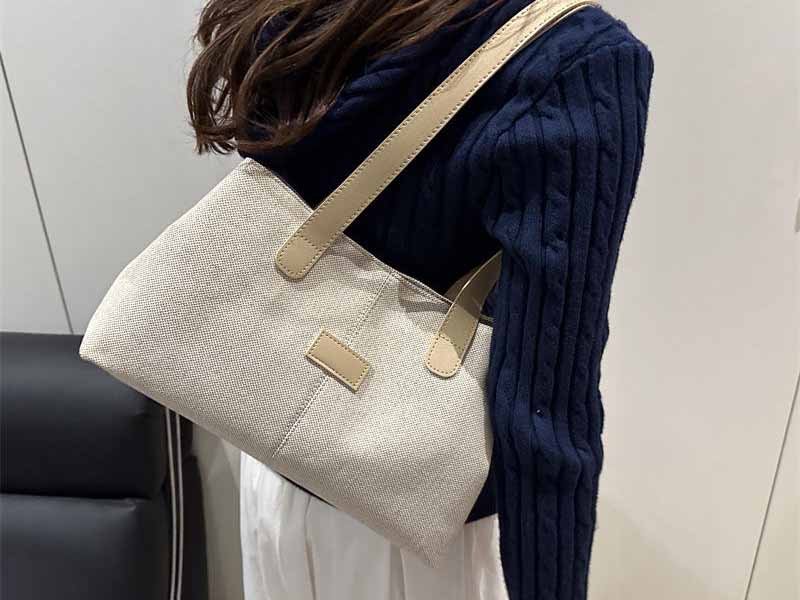
Natural fabrics have a character that synthetic materials often try to imitate but rarely match. Cotton canvas may show tiny fiber specks. Jute can carry a warm agricultural texture. Linen often has slubs, streaks, and a soft irregular surface. Recycled cotton may appear slightly mixed, heathered, or less uniform than virgin cotton. These natural details are exactly why many brands choose them for tote bags, drawstring bags, cosmetic pouches, shopping bags, packaging bags, gift bags, and lifestyle soft goods.
But the same natural beauty can become a production risk when the approved sample looks warm beige, the bulk fabric arrives slightly gray, the printed logo looks duller than expected, or the reorder no longer matches the previous shipment.
To control natural fabric color variations, buyers and suppliers need to approve physical color standards, review lab dips or strike-offs, inspect bulk fabric rolls, group fabric by shade, cut visible panels from matched lots, test logo application on actual fabric, and keep clear records for repeat orders. Natural fabrics do not need to look artificial, but their variation must be understood, documented, and controlled.
For brands, retailers, importers, and large commercial buyers, color variation is not only a visual issue. It can affect product photography, customer reviews, retail display consistency, brand trust, reorder planning, and shipment acceptance. A small shade difference may be acceptable on a rustic jute market bag, but not acceptable on a premium private-label cosmetic pouch collection. The real question is not whether natural fabric can be perfectly identical every time. The real question is whether the supplier can manage the variation well enough for the brand’s product, channel, and quality standard.
That is where professional custom bag manufacturing begins.
What Causes Natural Fabric Color Variation?

Natural fabric color variation comes from fiber origin, yarn quality, fabric construction, pre-treatment, dye absorption, moisture, finishing, and production batch differences. Cotton, jute, linen, hemp, and recycled fibers do not start from a perfectly uniform base, so their final shade can shift even when the same color formula is used.
Natural Fiber Differences
Natural fabrics are made from plant-based fibers, and plants do not grow with machine-level uniformity. Cotton harvested from different regions, seasons, or grades may have different cream, yellow, or gray undertones. Jute can range from pale straw to deeper golden brown. Linen often carries slubs, streaks, and a slightly uneven surface. Recycled cotton may contain tiny colored fibers from previous textile sources.
These natural characteristics are not automatically defects. In many bag projects, they are part of the material appeal. A raw cotton canvas tote, jute shopping bag, or linen drawstring pouch often looks more authentic because the surface is not flat and artificial. The problem starts when a buyer expects every roll, every panel, and every reorder to look identical without defining a tolerance standard.
For custom bag production, the base fabric color matters because it becomes the largest visible surface. Even a small fabric undertone change can make a beige tote look warmer, duller, cleaner, or more rustic than the approved sample.
This is why natural fabric color control should begin before sampling. A buyer should not approve only a digital mockup or a Pantone number. The physical fabric base must be reviewed because color behaves differently on real cotton canvas, jute, linen, recycled cotton, or hemp-blend fabric.
Dye Lot Variation
A dye lot is a fabric batch dyed under one set of production conditions. Even when the dye house uses the same recipe, small changes in water quality, pH, temperature, fabric loading, dye concentration, drying speed, or finishing can create visible shade differences. This is why a bulk fabric roll may not match the original lab dip perfectly.
In natural fabrics, dye absorption can be less predictable than in some synthetic materials. Cotton, linen, and hemp absorb color through the fiber structure, while jute’s rough surface can break shade visually. Heavier canvas may look deeper because the fabric body reflects less light, while lighter canvas may look brighter or flatter.
For bag manufacturers, dye lot control is critical before cutting starts. If several rolls from different dye lots are mixed in one production line, the finished bags may show panel-to-panel mismatch. A small difference between rolls may be acceptable in storage, but once a front panel and back panel appear on the same bag, the variation becomes much more obvious.
Dye lot variation is especially important for large orders, multi-SKU programs, and repeat orders. If the first production batch uses one dye lot and the reorder uses another, a slight difference may appear. This is not always avoidable, but it should be controlled through retained samples, bulk fabric approval, and clear buyer communication.
Fabric Construction
Fabric construction affects how color is seen by the eye. A smooth plain-weave cotton canvas reflects light differently from a coarse jute fabric or slub linen. Fabric weight, yarn thickness, weave density, and surface hairiness all influence shade perception.
For example, an 8 oz cotton canvas may look lighter and softer, while a 16 oz canvas may make the same color appear deeper and heavier. A tightly woven canvas usually gives a cleaner print surface, while a loose jute weave can make colors look broken or uneven. Linen blends may show elegant natural streaks, but these streaks can make color appear inconsistent if the buyer expects a flat surface.
In custom bags, construction differences also appear across components. Body fabric, webbing, binding tape, zipper tape, thread, lining, and logo patches may all be made from different materials. Even if each component is “beige,” they may not visually match because each substrate absorbs and reflects color differently.
A professional supplier reviews the whole material system, not only the main fabric. A cotton canvas body, cotton webbing, polyester zipper tape, and printed logo may each react differently to color. The final bag must look visually balanced, not simply correct on separate swatches.
| Cause of Variation | Common Fabric Example | What Buyers May Notice | Control Method |
|---|---|---|---|
| Fiber origin | Cotton, jute, linen | Warmer, grayer, or darker base tone | Approve physical swatches |
| Dye lot difference | Dyed canvas, dyed cotton | Bulk fabric not matching sample | Lab dip and roll approval |
| Weave density | Canvas, duck cloth | Same shade looks lighter or deeper | Compare actual fabric weight |
| Surface texture | Jute, linen, recycled cotton | Uneven or rustic appearance | Define acceptable natural character |
| Finishing process | Washed, coated, bleached fabric | Hand feel and brightness shift | Confirm finish before sampling |
| Mixed trims | Webbing, zipper tape, binding | Body and trims look mismatched | Approve full trim card |
Finish and Handling
Finishing can quietly change color. Bleaching, scouring, washing, enzyme treatment, softening, coating, calendaring, water-repellent treatment, and heat setting may all affect brightness, hand feel, and shade depth. A natural cotton tote after washing may look more relaxed and slightly lighter. A coated canvas may look deeper or glossier. A jute bag pressed under heat may look cleaner but less raw.
Handling also matters. Natural fabrics can absorb moisture from the air, pick up dust, yellow under sunlight, or change slightly during storage. If sample fabric and bulk fabric are stored in different conditions, the comparison may become misleading.
This is why color control should not happen only at final inspection. It should begin when the supplier chooses the material and continue through pre-treatment, dyeing, cutting, sewing, logo application, packing, and storage. Color variation is rarely caused by one single mistake. It is usually the result of small material and process differences that were not controlled early enough.
For brands, the safest approach is to treat color as a project standard, not as a casual visual preference. Once the material, finish, and acceptable shade range are confirmed, the supplier can manage production with much less risk.
Which Fabrics Need More Color Control?

Natural fabrics with visible texture, recycled content, loose weave, light color, or brand-specific shade requirements need stronger color control. Cotton canvas is usually more manageable than jute or linen, but every natural fabric should be approved through physical samples, shade tolerance, and bulk roll inspection before production.
Cotton Canvas
Cotton canvas is one of the most practical natural fabrics for custom bags because it is durable, printable, widely available, and suitable for many product types. It is often used for tote bags, drawstring bags, cosmetic pouches, wine bags, packaging bags, aprons, and lifestyle accessories. Compared with jute and linen, cotton canvas is usually easier to dye, cut, sew, and print consistently.
However, cotton canvas still needs color control. Natural cotton canvas can vary from creamy white to yellowish beige or light gray beige. Bleached canvas may look cleaner, but it can also show yellowing if storage or finishing is not handled well. Dyed canvas needs lab dip approval because the same formula may look different depending on fabric weight and yarn quality.
In bag production, cotton canvas shade control should focus on three points: the approved fabric swatch, the approved sample bag, and the bulk roll comparison. If the project involves a light neutral color, a retail collection, or product photography for e-commerce, the tolerance should be tighter than for a basic promotional tote.
For brands using canvas bags as part of their visual identity, the material should be selected early. A 10 oz natural canvas, 12 oz half-bleached canvas, and 16 oz dyed canvas may all create different brand impressions. The right decision depends on product use, price point, logo method, packaging, and sales channel.
Jute and Linen
Jute and linen usually require more flexible but clearer color standards. Jute naturally carries a rough texture, visible fiber marks, and an earthy tone. Its color may shift between pale beige, straw, golden brown, and deeper natural brown. This gives jute bags a strong eco-friendly look, but it also makes exact shade matching difficult.
Linen has a more refined appearance, but it still contains slubs and natural streaks. These features are often considered premium in lifestyle packaging and soft goods, yet they can create disagreement if the buyer expects a perfectly smooth surface. A linen pouch may look elegant because of its irregularity, while the same irregularity may be rejected if the project standard is unclear.
For jute and linen bags, the best practice is not to promise perfect shade identity. Instead, the supplier and buyer should agree on an acceptable shade range. A physical shade band with “approved lightest,” “approved standard,” and “approved darkest” samples can prevent misunderstanding before bulk production.
This is especially important for corporate gift bags, wine bags, grocery bags, and retail packaging bags. In these products, natural texture is often part of the selling point, but visible panel mismatch or uncontrolled roll mixing can still damage the customer’s perception of quality.
Recycled Natural Fabrics
Recycled cotton and recycled cotton blends can show more base shade variation because the raw material source may change between batches. The fabric may contain tiny colored fiber specks, mixed undertones, or a slightly heathered look. Some buyers choose recycled fabrics exactly for this honest material character, while others may be surprised when the fabric does not look as uniform as virgin cotton.
For custom bag production, recycled fabrics should be handled with extra approval discipline. The buyer should confirm whether visible fiber specks are acceptable. If the bag is used for a premium beauty brand, luxury gift set, or clean retail packaging, the recycled appearance may need to be carefully selected. If the bag is for an eco campaign, natural irregularity may strengthen the product story.
Recycled fabric projects also need repeat-order planning. If the buyer wants the same color across multiple reorders, the supplier should explain that recycled material availability may change. Keeping swatches, photos, and batch notes helps reduce risk, but buyers should still allow reasonable tolerance.
The key is to be honest from the start. Recycled natural fabrics can be excellent for many bag projects, but they should not be sold as perfectly uniform materials. Their value lies in responsible material use, practical durability, and a naturally textured look.
| Fabric Type | Typical Color Control Difficulty | Common Bag Use | Main Risk | Suggested Approval |
|---|---|---|---|---|
| Natural cotton canvas | Medium | Tote bags, drawstring bags | Cream/yellow/gray base shift | Swatch + sample bag |
| Dyed cotton canvas | Medium | Retail totes, pouches | Dye lot variation | Lab dip + bulk roll check |
| Jute | High | Grocery bags, wine bags | Natural brown variation | Shade range approval |
| Linen | High | Gift pouches, lifestyle bags | Slubs and streaks | Texture and shade approval |
| Recycled cotton | High | Eco totes, packaging bags | Fiber specks and mixed tone | Material character approval |
| Hemp blend | Medium to high | Outdoor and eco bags | Rough texture and shade movement | Physical sample review |
Color Sensitivity
Some colors are harder to control than others. Light neutrals such as natural beige, off-white, cream, stone, sand, khaki, and warm gray show small differences clearly. A little extra yellow can make a natural canvas tote look aged. A slight gray shift can make it look dull. A small red undertone in khaki may change the whole brand feeling.
Dark colors hide some base fabric variation, but they create other concerns. Black, navy, forest green, and burgundy may need testing for rubbing, fading, and colorfastness. Bright brand colors also require caution because Pantone matching on natural fabric is not the same as Pantone matching on coated paper.
For buyers, the practical question is: how visible will the shade difference be to the final customer? A rustic farmers market jute bag can accept wider natural variation. A DTC cosmetic pouch photographed for a product launch needs much tighter control.
When the product will be sold online, color sensitivity becomes even higher. Product photos, customer expectations, and return risk are all connected. A shade that looks “close enough” in the factory may appear noticeably different once photographed under studio lighting.
How Should Color Standards Be Approved?

Color standards should be approved through physical swatches, lab dips, strike-offs, full sample bags, and clear tolerance notes. Digital mockups and phone photos are not reliable enough for natural fabrics. Buyers should review color under consistent lighting and confirm how much natural variation is acceptable before bulk production.
Physical Standards
A physical color standard is the most important reference in custom natural fabric production. It may be a fabric swatch, lab dip, printed strike-off, trim card, or approved sample bag. For bag projects, the safest standard is usually a full approved sample plus separate fabric and trim cuttings.
The full sample shows how color appears on the finished structure. The separate fabric cutting helps QC teams compare bulk rolls before cutting. This matters because a finished bag can hide or change color perception through stitching, lining, handles, and logo application. A flat swatch may look acceptable, but the same fabric on a large tote panel may appear warmer or darker.
Every approved standard should be labeled. The label should include project name, style number, material name, fabric weight, color name, date, approval version, and buyer comments. Without clear labeling, teams may compare bulk fabric against the wrong sample or an outdated version. In long-term bag programs, proper sample labeling is not paperwork; it is a production risk-control tool.
For serious B2B orders, both the buyer and supplier should keep approved standards. The buyer keeps the commercial reference. The supplier keeps the production reference. When both sides refer to the same physical standard, communication becomes clearer and disputes become less likely.
Lab Dips and Strike-Offs
Lab dips are small dyed fabric samples used to approve a color before bulk dyeing. A good lab dip review usually includes several options, such as closest match, slightly lighter, slightly darker, warmer, or cooler. This gives the buyer a realistic view of what can be achieved on the chosen fabric.
Strike-offs are especially important when printing or applying logos. A logo color approved on a digital mockup may look different on natural canvas, jute, or linen. The fabric base color, weave texture, ink coverage, and surface absorbency can all affect the final appearance. For example, white screen print on black canvas may look strong, while a thin pastel logo on natural jute may lose detail.
Buyers should avoid approving lab dips or strike-offs only through mobile photos. Camera settings, screen brightness, room light, and image compression can all distort color. Physical approval is slower, but it prevents more expensive mistakes later. If urgent approval is needed, controlled-light photos can help, but they should support, not replace, physical standards.
For large orders, lab dip approval should also be connected with bulk fabric approval. A lab dip is a target. The bulk roll is the actual production material. Both need to be checked before cutting.
Light Source Review
Color should be reviewed under consistent lighting. Natural daylight is useful, but it changes throughout the day. A proper review often uses D65 daylight simulation as the main reference because it gives a more stable comparison environment. For retail products, store lighting may also be checked. For e-commerce products, the photography setup should be considered because product photos strongly influence customer expectations.
Metamerism can create confusion. Two fabrics may look close under one light source but noticeably different under another. A cotton canvas body and polyester webbing may match in office light but shift apart under daylight. This is common when different fibers or dye systems are used in the same bag.
A practical color review should include three steps: compare the swatch with the approved standard, view the full sample at normal distance, and check the product under the most relevant sales-channel lighting. Buyers should not judge only at very close range unless the product is intended for close-up retail inspection.
In real production, color should be checked by more than one person when possible. Human eyes differ, and natural fabric texture can influence judgment. A consistent review environment helps reduce emotional decisions.
| Approval Item | What It Controls | When to Use | Practical Note |
|---|---|---|---|
| Fabric swatch | Base fabric shade | Before sampling | Useful for material direction |
| Lab dip | Dyed fabric color | Before bulk dyeing | Best for custom color orders |
| Strike-off | Logo color and print effect | Before mass logo application | Must use real or approved fabric |
| Trim card | Webbing, zipper, thread, binding | Before bulk material purchase | Prevents component mismatch |
| Full sample bag | Overall color appearance | Before production | Best commercial approval reference |
| Bulk roll cutting | Production fabric shade | Before cutting | Confirms real material delivery |
Tolerance Notes
Tolerance should be discussed before production, not after a dispute begins. Natural fabrics cannot always meet the same visual standard as synthetic coated materials. A jute bag may need a wider shade range, while a premium dyed cotton canvas tote may need tighter control.
Tolerance notes should define what is acceptable and what is not. For example, “minor natural fiber specks are acceptable,” “front and back panels must not show visible shade difference,” “bulk fabric should remain close to approved warm beige tone,” or “logo print must remain clear and legible on the textured surface.” These notes are more useful than vague phrases like “same as sample” or “no color difference.”
Some buyers use Delta E measurement for objective color control, but visual review remains important for textured natural fabrics. A spectrophotometer may help compare flat areas, but it cannot fully judge whether a rustic linen texture looks commercially acceptable on a finished bag. The best system combines measurement, physical standards, and experienced human review.
Tolerance is not about lowering quality. It is about defining quality clearly. When both sides understand the material and agree on a realistic range, production becomes more stable and less stressful.
How Can Suppliers Control Bulk Color?

Suppliers control bulk color by managing fabric pre-treatment, dyeing conditions, roll inspection, shade grouping, cutting plans, and production records. Most color problems should be prevented before cutting. Once mixed-shade fabric is sewn into finished bags, correction becomes expensive and may not be commercially practical.
Pre-Treatment Control
Pre-treatment prepares natural fabric for more stable color results. Cotton, linen, hemp, and similar fibers may contain waxes, oils, pectins, dust, or processing residues. If these are not removed evenly, the fabric may absorb dye unevenly. Scouring, bleaching, washing, and softening can improve consistency, but they must be chosen carefully.
Over-treatment can create new problems. Strong bleaching may make cotton look cleaner, but it can affect hand feel or increase the risk of yellowing under poor storage. Washing can soften canvas but may also change size and surface texture. A coating may improve water resistance but make the color look darker or glossier.
For bag production, pre-treatment should match the product purpose. A raw natural tote may need minimal processing to keep an authentic look. A premium cosmetic pouch may need a cleaner and more controlled surface. A printed promotional bag needs enough surface stability for logo clarity. Good suppliers do not treat all fabrics the same. They match the fabric preparation to the final product requirement.
This is one reason material selection matters so much in custom bag projects. The right fabric finish can reduce color problems before the first sample is even sewn.
Dyeing Process
Bulk dyeing should follow controlled recipes and repeatable conditions. Temperature, pH, water quality, dye concentration, machine loading, dyeing time, rinsing, drying, and finishing all influence final shade. In natural fabric production, small process changes can become visible on large bag panels.
For color-sensitive orders, suppliers should not move directly from lab dip to cutting without checking bulk fabric. The proper process is lab dip approval, bulk dyeing, roll shade comparison, and then cutting approval. If the bulk fabric is outside the accepted range, the issue should be addressed before sewing begins.
Buyers also need to understand the limits of custom dyeing. Producing a color on a 10 cm lab dip is not exactly the same as producing hundreds or thousands of meters of fabric. Larger batches bring more variables. A professional supplier manages those variables and communicates clearly if the bulk shade is close, slightly different but acceptable, or risky for the buyer’s channel.
For repeat orders, dyeing records become even more important. If the fabric mill, dye recipe, or finishing process changes, the supplier should not assume the result will match automatically.
Roll Inspection
Fabric rolls should be inspected before cutting. This inspection should check shade, width, fabric weight, stains, weaving defects, coating issues, odor, shrinkage risk, and general hand feel. For shade control, each roll should be compared against the approved standard under consistent lighting.
Roll inspection is one of the most cost-effective steps in custom bag manufacturing. If a problem is found at this stage, the supplier can separate the roll, request replacement, adjust the cutting plan, or ask the buyer for approval. If the same issue is found after finished bags are packed, the cost is much higher.
For natural fabric bags, roll inspection should also record shade groups. A roll that is slightly warmer may still be usable if it is not mixed with cooler rolls in the same finished bag. The key is not to pretend all rolls are identical. The key is to manage the differences in a way that protects finished product appearance.
Roll inspection also helps trace problems later. If a buyer reports a shade issue in a specific carton, the supplier can check which roll group was used and whether the problem was isolated or widespread.
Shade Grouping
Shade grouping means sorting fabric rolls into visually similar groups before cutting. This is a practical method used when all rolls are acceptable but not perfectly identical. Instead of mixing rolls randomly, the supplier assigns them into groups and cuts each group separately.
For example, a canvas tote order may have 12 fabric rolls. After inspection, the QC team may divide them into three shade groups: A, B, and C. Group A can be used for one production lot, Group B for another, and Group C for less visible parts or a separately packed shipment if appropriate. This prevents one bag from having mismatched panels.
Shade grouping is especially useful for natural canvas, jute, linen, recycled cotton, and garment-washed fabrics. It does not remove natural variation, but it makes variation organized. For buyers, organized variation is far safer than uncontrolled mixing.
This is also helpful for partial shipments. If one customer delivery contains a consistent shade group, the end market sees a more stable product presentation. Random mixing across cartons increases the chance of visible difference when products are displayed together.
| Bulk Control Step | Typical Timing | Main Purpose | Risk If Skipped |
|---|---|---|---|
| Pre-treatment confirmation | Before dyeing or sampling | Stabilize fabric surface | Uneven absorption or shade |
| Lab dip approval | Before bulk dyeing | Confirm target shade | Wrong production direction |
| Bulk roll inspection | Before cutting | Check actual fabric delivery | Defects enter production |
| Shade grouping | Before cutting | Keep similar rolls together | Panel color mismatch |
| Cutting record | During cutting | Track roll usage | Hard to trace complaints |
| Final shade check | Before packing | Confirm finished appearance | Mixed goods shipped |
How Do Bags Avoid Panel Color Mismatch?
Bags avoid panel color mismatch by cutting visible parts from the same shade group, matching trims carefully, testing logo application on actual fabric, and inspecting finished bags under consistent lighting. Panel mismatch is one of the most noticeable color problems because it appears within a single finished product.
Cutting by Shade
Cutting is where many color-control plans succeed or fail. If fabric rolls are inspected but then mixed randomly on the cutting table, the inspection has limited value. For shade-sensitive orders, cutting teams should receive clear instructions about which rolls belong together and which parts must not be mixed.
For a simple tote bag, the front and back panels should normally come from the same roll or the same shade group. For gusseted bags, side panels and bottom panels should also be considered, especially when the color is light. For flap bags, pocket bags, or cosmetic pouches, the most visible panels should receive the tightest matching.
There is always a balance between fabric efficiency and shade control. Cutting all parts from the closest matched areas may create more fabric waste. However, for premium retail products, this added control can be cheaper than rejected goods, delayed launches, or customer complaints. Buyers should understand that strong color control may slightly affect material usage.
The supplier’s cutting plan should follow the approved quality level. A basic promotional bag may allow wider tolerance. A retail-ready branded bag should be cut with stronger shade discipline.
Trim Matching
A bag is a material system, not just one fabric. Handles, shoulder straps, zipper tape, binding, drawcords, thread, labels, patches, and lining can all affect the final color impression. Even when these parts are called the same color, they may look different because they are made from different materials.
Cotton webbing may look warmer and softer than polyester webbing. Nylon webbing may look smoother and slightly shinier. Zipper tape may not match natural canvas perfectly because it is usually polyester. Thread may appear brighter or darker depending on thickness and sheen. A leather patch or rubber badge may shift the overall brand feel even if the main fabric color is correct.
The best way to manage trim matching is to approve a trim card before production. This card should show the actual body fabric, webbing, zipper tape, binding, thread, lining, and logo material together. Buyers should review the combination as a product, not as separate parts. Harmony is usually more important than forcing every material to look identical.
In many successful custom bag projects, trim contrast is intentional. A natural canvas body with black webbing or dark brown leather patch can look premium because the contrast is designed. Problems usually happen when the mismatch is accidental.
Lining and Contrast
Lining changes how the outer fabric color is perceived. A natural canvas pouch with black lining may look sharper and more structured. The same pouch with cream lining may look softer and more minimal. A jute tote with dark lining can make the natural jute surface appear richer, while a white lining may make the jute look more yellow by contrast.
This matters most when the lining is visible during normal use. Cosmetic bags, open-top totes, foldable pouches, drawstring bags, and gift bags often expose the inside material. If the lining is too cool, too warm, or too bright, it can make the outer fabric look wrong even when the outer fabric itself matches the approved standard.
Buyers should review lining and outer fabric together in the full sample. A swatch alone cannot show how the product will feel in real use. For multi-SKU collections, lining strategy should also be consistent. A mismatched lining may not be a technical defect, but it can weaken the product’s visual quality.
Lining selection should consider both function and appearance. A darker lining hides dirt better. A lighter lining makes the inside easier to see. A branded color lining can improve product identity, but it must be tested against the natural outer fabric.
Logo Application
Logo application can make color variation more visible. Screen printing, heat transfer, embroidery, woven labels, leather patches, rubber badges, silicone labels, and metal tags all interact differently with natural fabric surfaces. A logo that looks clean on smooth cotton may lose sharpness on jute. A pale logo may disappear on warm natural canvas. A dense embroidery may pull or distort lighter fabric.
Before mass production, the logo should be tested on the actual approved fabric or the closest possible bulk fabric. This test should check color, size, position, edge sharpness, surface adhesion, rubbing risk, and overall brand appearance. For textured fabric, a slightly bolder logo line may perform better than a very thin design.
Logo color should also be judged after the fabric shade is confirmed. If the bulk fabric becomes slightly darker than the sample, the logo may need stronger contrast. If the fabric base becomes warmer, a cool gray logo may look less balanced. In custom bag production, logo approval is part of color control, not a separate decoration step.
For brand buyers, the logo is often more important than the fabric itself. A natural fabric bag can have slight character, but a weak or inconsistent logo can make the whole product look poorly controlled.
How Can Repeat Orders Stay Consistent?
Repeat orders stay consistent when suppliers preserve approved samples, material records, color references, BOM files, logo standards, cutting notes, and QC history. Natural fabric batches may change over time, so reorders should be checked against retained standards instead of assuming the new production will automatically match the previous order.
Material Records
Material records are the foundation of repeat-order consistency. A proper record should include fabric name, fiber content, fabric weight, weave type, supplier or mill source, color name, dye lot if available, finishing method, approved swatch, and any buyer comments. For bags, records should also include webbing, zipper tape, thread, lining, logo material, packaging, and carton details.
A vague record such as “natural canvas tote” is not enough. Natural canvas can vary widely depending on yarn, weight, bleach level, and finish. A better record might state “12 oz cotton canvas, natural warm beige, half-bleached, plain weave, approved sample version 2.” The more precise the record, the easier it is to reproduce or explain variation later.
For long-term product lines, material records reduce communication cost. The buyer does not need to re-explain every detail. The supplier does not need to guess what was used last time. Both sides can compare the new fabric against the retained standard and make a practical decision.
Material records are especially important for brands that plan seasonal updates, multiple colorways, Amazon replenishment, retail chain orders, or private label product lines. Without records, every reorder becomes a new risk.
Sample Storage
Approved samples should be stored carefully because they become the physical memory of the project. A finished sample, fabric cutting, trim card, logo strike-off, and packaging sample should be kept away from direct sunlight, moisture, dust, heat, and contamination. Natural fabrics can yellow, fade, absorb odor, or change hand feel if stored poorly.
Both buyer and supplier should keep reference samples for important projects. The supplier uses the sample to guide production. The buyer uses the sample to compare future deliveries. If the product is part of a repeat retail line, samples should be labeled with style number, version, approval date, fabric lot, and project name.
A sample without a label can become confusing after several revisions. Was it the first sample, revised sample, pre-production sample, or final approved sample? This is why professional sample management matters. It may look simple, but it protects future orders from avoidable mistakes.
For natural fabric projects, sample aging should also be considered. If a sample has been stored for a long time, it should be compared carefully with fresh fabric before being used as the only approval standard.
Reorder Approval
Repeat orders should usually go through a simplified but real approval process. The pattern and logo may stay the same, but fabric availability, dye lot, fiber tone, trim color, and finishing can change. For natural fabrics, assuming perfect repeatability is risky.
The level of re-approval should match the risk. A basic natural cotton promotional tote may only need a fabric swatch confirmation. A custom-dyed retail canvas bag may need a new lab dip and bulk roll approval. A jute packaging bag may need a new shade range review. A recycled cotton product may need confirmation that the new batch still matches the intended material story.
Fast approval does not mean careless approval. A supplier can send controlled-light photos, physical swatches, and comparison notes against the retained standard. The buyer can approve quickly because the reference system already exists. This saves time while still protecting quality.
Reorder approval is also a good time to improve the product. If the previous batch had minor shade concerns, logo issues, or trim mismatch, those notes should be used to improve the next order rather than repeated.
| Repeat-Order Item | Why It Matters | Recommended Record |
|---|---|---|
| Approved sample | Shows final commercial appearance | Labeled finished sample |
| Fabric swatch | Controls base shade and texture | Approved cutting with date |
| Trim card | Prevents mismatch across components | Webbing, zipper, thread, lining |
| Logo strike-off | Confirms print or label result | Actual logo on approved fabric |
| BOM file | Keeps all materials consistent | Version-controlled material list |
| QC notes | Records past problems and tolerances | Inspection comments and photos |
| Packing sample | Keeps channel presentation stable | Bagging, label, carton mark |
Buyer Risk Reduction
Buyers can reduce repeat-order risk by planning ahead, sharing forecast quantities, approving realistic tolerances, and avoiding last-minute material changes. If a brand expects a product to run for several seasons, it should treat material and color records as part of its supply chain assets.
For important colors, buyers can create a small internal color library. This may include natural canvas standards, dyed canvas shades, jute shade ranges, webbing options, thread colors, and logo print references. Over time, the buyer and supplier develop a shared language. Instead of saying “make it like last time,” both sides can refer to an approved material code or physical sample.
It is also useful to place reorders early enough for fabric confirmation. Natural fabric availability may change, especially for recycled content, special weaves, and custom-dyed colors. Rushing a reorder often forces the supplier to use whatever is available, which increases shade risk.
A reliable repeat order is not based on memory. It is based on preserved samples, clear records, practical tolerance, and disciplined approval before production starts.
Final Thoughts
Natural fabric color control is not about forcing cotton, jute, linen, hemp, or recycled fibers to look artificial. It is about respecting the material while managing it professionally. Natural variation can make a bag feel authentic, warm, and brand-friendly. Uncontrolled variation can make the same bag look inconsistent, cheap, or poorly produced.
For custom bag buyers, the most important step is to work with a supplier that understands material behavior before production begins. The right supplier will not simply say “natural fabric has color difference.” A better supplier will help define the approved standard, explain the likely variation range, check fabric rolls, group shades, manage cutting, test logo application, and preserve records for repeat orders.
Lovrix is a material-driven OEM/ODM manufacturer for custom bags, fabric products, webbing, and engineered soft goods. Based in Shenzhen, Guangdong, China, Lovrix supports global brands, commercial buyers, importers, retailers, e-commerce companies, and long-term product line clients with material selection, structure development, sampling, bulk production, quality control, packaging, and worldwide delivery.
If you are developing cotton canvas tote bags, jute shopping bags, linen pouches, recycled cotton drawstring bags, natural fabric cosmetic bags, branded gift bags, retail packaging bags, or other custom soft goods, Lovrix can help review your fabric options, color tolerance, logo method, sample plan, production feasibility, and repeat-order control.
Send your drawings, reference images, material preferences, logo files, target quantity, packaging needs, and delivery plan to Lovrix. The team can evaluate your project and provide a structured OEM/ODM custom manufacturing proposal for production-ready natural fabric bags.


