 Skip to content
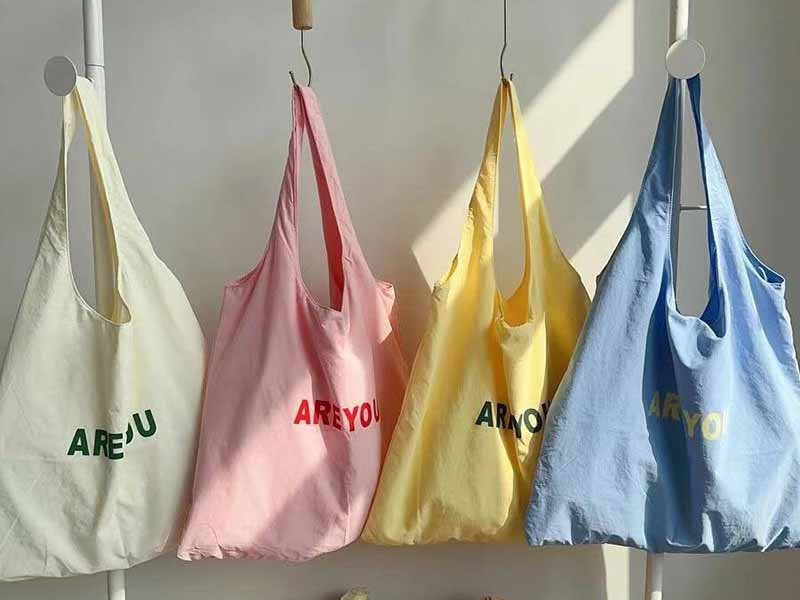
Bag trends can appear almost overnight, but commercial products move on a very different clock. A silhouette may begin attracting attention in fashion collections or social feeds months before a brand decides whether it deserves a place in a real product line. Between those two moments sit material sourcing, pattern engineering, sample revisions, costing, wear considerations, packaging, production planning and the less glamorous question of whether the design can still be reproduced consistently after the first successful order. That is why brands need to look beyond what appears visually new and identify trends that can create useful, recognizable and repeatable products.
The custom bag trends worth watching in 2027 include larger practical silhouettes, elongated and refreshed classic shapes, more tactile materials, stronger personalization, distinctive straps and hardware, and better integration of function with fashion. The most commercially useful trends are not necessarily the most dramatic. They are the ones that can fit a brand’s customer, price position, product category and manufacturing system without losing their appeal during sampling and bulk production.
A useful way to think about bag trends is to imagine two design meetings happening at the same time. In the first, everyone is looking at references and discussing shape, color, texture and mood. In the second, someone places a laptop, bottle, charger, notebook and jacket beside the proposed bag and asks whether they actually fit. The strongest products usually survive both conversations. They look current enough to attract attention, but they also make sense when materials are cut, straps are loaded, zippers are opened hundreds of times and the same design has to return for another production run.
What Bag Shapes Are Trending?

The most relevant bag-shape trends are moving toward practical volume, clearer proportions and familiar silhouettes with a modern adjustment. Oversized totes, elongated East-West bags, soft clutches and updated top-handle styles are gaining attention because they combine recognizable design with useful changes in capacity, proportion or styling. For brands, the opportunity is to adapt these shapes rather than simply enlarge, flatten or stretch existing products.
Are Oversized Bags Back?
Oversized bags are clearly relevant again, but the commercially successful versions are not simply standard bags produced at a larger scale. Once a tote or shoulder bag becomes wider, taller or deeper, its behavior changes in ways that are easy to underestimate during concept development. Customers naturally place more items inside a larger bag, which means handle attachment points experience greater leverage, long side panels become more likely to sag, and large zipper openings can distort when the surrounding structure is not properly controlled.
A large lifestyle tote may intentionally use a relaxed body with limited internal organization because softness is part of the design language. A commuter version needs a different level of control. Laptop protection, bottle positioning, base support, strap width and shoulder drop become much more important when the product is expected to carry several kilograms during everyday use. A travel carryall goes further again, because repeated loading, dragging, overhead storage and extended carrying periods place additional stress on seams, bottom panels and hardware.
One common mistake is trying to make an oversized bag feel more expensive by adding heavier materials everywhere. That can make the empty product unnecessarily heavy before the customer places anything inside it. Localized reinforcement is often a better solution. Handle bases, shoulder strap anchors, zipper ends, bottom corners and pocket attachments usually deserve more structural attention than large areas of the body that are not carrying concentrated loads.
The most convincing oversized products therefore have a clear reason for their volume. A work tote may prioritize laptop access and shoulder comfort. A travel bag may require reinforced webbing and a stable base. A fashion carryall may deliberately use fewer compartments to preserve a clean silhouette. Bigger works best when the extra capacity serves a recognizable customer need rather than simply following scale as a visual trend.
What Is Driving Flat Totes?
Flat totes are attractive because they create a strong graphic outline without needing heavy internal construction. Their visual simplicity also allows fabric texture, color, printing and branding details to play a larger role. A flat nylon tote can feel technical and packable, while the same broad pattern in cotton canvas can appear more substantial and casual. A coated textile or soft PU can push the design toward an entirely different position even when the basic dimensions remain almost unchanged.
The apparent simplicity of a flat tote can actually make production defects more visible. When a design has only a few large panels, uneven top edges, distorted seams, inconsistent handle spacing and fabric twisting have nowhere to hide. A complicated backpack may visually absorb a few millimeters of variation because many seams and details divide the surface. A minimal tote often exposes those same differences immediately, especially when several units are displayed side by side in a retail environment.
Capacity also needs more thought than the silhouette suggests. A genuinely flat bag may photograph beautifully but become awkward once the customer adds a tablet, water bottle or pouch. Designers often solve this with a small bottom fold, concealed side gusset or soft expansion panel that remains visually quiet when the bag is empty. These details can add practical capacity without turning the product into a conventional boxy tote.
The strongest flat totes preserve the simplicity that makes them appealing while giving the product enough flexibility for real use. In this category, subtle pattern changes, controlled fabric behavior and accurate construction often matter more than adding more decorative features.
Are Soft Clutches Moving Into Daywear?
Soft clutches are moving beyond the traditional evening-only role because larger proportions, softer constructions and more relaxed materials allow them to work with everyday clothing and less formal occasions. The most interesting versions avoid the stiffness associated with classic evening bags while still maintaining enough structure around the opening, corners and closure to feel intentional rather than unfinished. That balance between softness and control is what makes the category useful for broader collections.
Daytime versions may need only a few carefully selected functions. A discreet internal zipper pocket, magnetic closure, hidden wrist loop or removable narrow strap can make the product easier to use without turning it into a conventional crossbody bag. Too many pockets, buckles or external components can quickly remove the simplicity that makes a soft clutch visually different from other bag types. The design challenge is therefore deciding which functions deserve to stay hidden and which can become part of the exterior language.
Padding thickness also changes the result dramatically. Thin foam or soft interlining can give a clutch controlled body, while excessive padding creates a pillow-like volume that may feel bulky under the arm. Large openings should be evaluated while the sample is actually being carried because a closure that works well when the product lies flat may become awkward when one side of the body is being compressed against clothing.
Material choice completes the character. Satin-like textiles, washed nylon, soft PU, microfiber, quilted fabric and brushed surfaces produce very different levels of drape, friction and visual formality. A successful soft clutch feels relaxed because the structure was designed that way, not because the product failed to hold its intended shape.
Which Classic Shapes Are Returning?
Classic shapes remain commercially useful because customers already understand how to carry and style them. Top-handle bags, shoulder bags, elongated rectangular forms and straightforward totes can all be refreshed through proportion, material, hardware and internal function without forcing the customer to learn an unfamiliar product. This gives brands room to modernize a recognizable silhouette while keeping enough continuity to support long-term product identity.
The most effective approach is usually to decide which part of the original shape should remain recognizable and which part should change. A traditional top-handle bag may become wider, softer or lighter. A shoulder bag may become longer and shallower. A familiar tote can gain a more distinctive strap, a sharper opening line or a quieter hardware system. These controlled changes can feel more contemporary than replacing an established silhouette with something dramatically different.
Proportion still needs to respect use. Extremely shallow East-West bags can create a striking horizontal profile but limit vertical storage. Small top handles may look elegant but reduce hand clearance. Very wide bags may require a longer zipper or a different opening construction to remain convenient. When design teams work only from front-view images, these practical effects can easily be overlooked until the first physical sample appears.
| Shape Direction | Main Development Focus | Risk to Check | Suitable Applications |
|---|---|---|---|
| Oversized tote | Capacity, load points, base support | Sagging and excess weight | Work, retail, travel |
| East-West bag | Width-to-height balance | Limited vertical storage | Fashion, lifestyle |
| Top-handle bag | Handle clearance and opening | Difficult access | Fashion, beauty |
| Soft clutch | Drape, padding and closure | Loss of controlled shape | Fashion, occasion |
| Flat tote | Clean edges and expansion | Low practical capacity | Retail, lifestyle |
Classic shapes are valuable because they provide a stable foundation. Materials, proportions and distinctive details can then carry the seasonal update without forcing every part of the product to start again.
Which Materials Are Shaping Bag Design?

Materials are increasingly becoming part of the design language rather than remaining a background specification. Texture, stiffness, coating, thickness and surface finish determine whether a bag feels soft, technical, structured, casual or premium. Brands should therefore evaluate materials through appearance, durability, branding compatibility, construction behavior, supply stability and repeat-order consistency instead of choosing a fabric only because it photographs well in a trend reference.
Which Textures Are Gaining Attention?
Texture has become especially useful in products with clean silhouettes because the surface must create more of the visual interest. Canvas, washed textiles, woven structures, quilted materials, brushed surfaces, soft-touch PU, mesh combinations and technical fabrics can all make a relatively simple bag recognizable without depending on oversized logos or complicated decorative treatments. In these designs, the material itself becomes one of the first things the customer notices.
The important distinction is between texture that looks attractive and texture that performs well. Deep or brushed surfaces may trap dust or show directional shading. Open woven structures can snag and may require a lining or backing layer. Highly glossy coated fabrics can reveal pressure marks and creases that are almost invisible on matte materials. Some soft-touch finishes feel excellent on a swatch but require additional abrasion review if the product is expected to rub repeatedly against clothing or luggage.
Large panels should also be evaluated differently from small material samples. A 10-centimeter swatch may look even and rich, while a full tote panel can show variations in pile direction, sheen or coating more clearly. Product teams should therefore review both swatches and finished sample panels under normal daylight, indoor lighting and photography conditions when surface appearance is a major part of the design.
Lovrix’s material-driven development model reflects this broader approach by considering how material selection affects structure, durability, hand feel, branding processes, production cost, lead time and repeat-order consistency rather than treating fabric sourcing as a separate purchasing decision.
Are Recycled Materials Still Growing?
Recycled materials remain important, but stronger product development begins with performance requirements rather than sustainability language alone. Recycled polyester, recycled nylon and related textile options can work across totes, backpacks, travel products and lifestyle accessories, yet recycled content does not automatically make a material appropriate for a particular product. Denier, weave density, coating, tear resistance, dimensional stability, surface finish and branding compatibility still need to be evaluated in the same way as conventional fabrics.
Certification also requires careful handling. If a product is being marketed around a particular recycled-content standard, the relevant documentation should be confirmed for the actual material, mill and supply route being used. A general statement about an entire material family is not enough. Availability can also change by color, finish and order quantity, which means the sustainability story should be built around specifications that can realistically be repeated rather than a one-time material discovered during sampling.
Commercial repeatability is especially important for brands expecting replenishment. If the first production run performs well but the exact recycled fabric is no longer available six months later, the next batch may require new color matching, revised testing or even another sample round. Maintaining material codes, approved swatches and supplier records therefore matters as much as the sustainability claim itself.
A recycled material is strongest when it supports a well-designed product on several levels at once. It should fit the intended use, achieve the required look, work with the selected logo process and remain practical enough for production planning. Sustainability creates more value when it strengthens product development instead of replacing it.
How Do Materials Change Bag Structure?
The same paper pattern can produce several noticeably different products when used with different materials. A stiff Oxford fabric can create controlled sidewalls, while lightweight nylon collapses more easily toward the center. Cotton canvas provides natural body but creates thicker folded seams. Neoprene produces soft volume and cushioning. PU materials can hold cleaner fashion shapes, yet may need different reinforcement and edge-finishing methods from woven fabrics.
Thickness has a cumulative effect that is easy to underestimate. When several layers meet around zipper ends, handle bases or pocket openings, a change of only one or two millimeters per layer can create significant bulk. A pattern approved in lightweight polyester should not automatically be assumed to behave the same way when transferred to heavy canvas or padded laminated material. Seam allowances, folding methods and machine settings may all need to change.
Typical development references vary considerably by end use, coating, weave and supplier, but the following ranges are common enough to be useful during early material discussions:
| Material | Typical Development Reference | Structural Behavior | Common Uses |
|---|---|---|---|
| Nylon | About 210D–1000D+ | Light to highly durable | Backpacks, travel, outdoor |
| Polyester/Oxford | About 300D–1680D | Moderate to strong body | Travel, sports, tool bags |
| Cotton canvas | About 8–24 oz/yd² | Natural structure, heavier hand | Totes, lifestyle products |
| Neoprene | About 2–5 mm | Soft, padded, flexible | Sleeves, totes, carriers |
| EVA | About 2–10 mm depending on build | Semi-rigid to rigid | Protective cases |
| Webbing | About 20–50 mm common widths | Load-bearing rather than body structure | Handles, shoulder straps |
These numbers should be treated as starting references rather than fixed engineering rules. Finished performance depends on weave density, coating, backing, lamination, sewing construction and intended load. Changing materials after sampling often means revisiting structure instead of simply replacing one item in the BOM.
Which Materials Fit Different Brands?
There is no single material that automatically makes a bag feel premium. Premium usually means that the material is appropriate for the product, visually controlled and consistent with the brand’s price and customer expectations. A technical travel brand may look more convincing in a properly specified nylon than in a decorative material that performs poorly under repeated use. A fashion label may care more about drape and tactile character, while an outdoor brand places greater weight on abrasion resistance, coating and load-bearing construction.
Material also determines which branding processes are sensible. Embroidery works differently on heavy canvas than on very lightweight nylon. Heat-transfer graphics depend on surface chemistry and temperature tolerance. Rubber and silicone patches need attachment methods that fit the base fabric. Metal logo plates create concentrated pressure points and often require backing reinforcement. These interactions make it risky to select branding and material independently.
The interior deserves equal attention because lining affects perceived quality, cleaning, visibility, pocket construction and product structure. A light-colored lining can make contents easier to see inside a dark travel bag. A fashion product may use lining color as a subtle brand signal. A beauty or cosmetic product may need a surface that can be wiped more easily than a decorative woven lining.
Lovrix’s documented material system includes nylon, polyester, Oxford fabric, cotton, canvas, jute, neoprene, PU leather, PVC, TPU, EVA, mesh and other functional material families, with selection tied to product category and real use rather than a universal specification. That is the more useful way to approach material trends: start with the product, then decide which material direction can support it.
How Is Personalization Changing Bag Design?

Personalization is moving beyond placing a logo on the front panel. Brands are using charms, custom webbing, distinctive zipper pullers, hardware finishes, patches, coordinated lining colors and removable components to make products recognizable even before the logo is read. The strongest personalization systems work across multiple products, survive normal use and remain consistent enough to reproduce without turning every component into a difficult custom-development project.
How Are Bag Charms Evolving?
Bag charms have become useful because they allow customers and brands to change the personality of a product without rebuilding the main bag. A charm can be decorative, collectible or functional, appearing as a miniature pouch, textile character, molded component, key holder or branded accessory. For product teams, this creates an opportunity to refresh an established bag through seasonal or collaborative accessories rather than replacing the entire approved construction.
The attachment system matters as much as the decorative object. Split rings, spring hooks, lobster clasps, cords and carabiner-style hardware all behave differently under repeated movement. Heavy charms should not automatically hang from ordinary zipper sliders because the added load can shorten zipper life or distort the slider mechanism. A dedicated D-ring, webbing loop or reinforced attachment point may be safer when the accessory is expected to be used regularly.
Scale should also be considered in relation to the bag. A 40–60 mm component can behave very differently from a 100 mm textile or molded accessory. Larger charms swing more, catch on surrounding objects and visually dominate smaller bags. They may also affect how the product is packed for retail or e-commerce shipping if they cannot be removed easily.
The more strategic opportunity is to standardize an attachment point across several products. A tote, backpack and crossbody can then share a family of seasonal charms. This turns personalization into an accessory system rather than a decorative afterthought and gives the brand more ways to update an established product line.
Which Branding Details Feel Premium?
Premium branding depends more on proportion, material compatibility and execution than on maximum logo size. A small metal plate can feel considered when its finish matches the zipper and buckle system. Embroidery can look substantial on canvas but distort lightweight materials when backing and stitch density are not controlled. Woven labels remain effective where a lighter, flexible branding method is required, while rubber and silicone patches can provide depth and durability on sports, outdoor and younger lifestyle products.
Custom zipper pullers are especially useful because they place branding at a functional touchpoint. Customers interact with them repeatedly, yet they do not require a large surface graphic. PU patches, leather-like patches and metal badges can also work well when the surrounding material supports the finish. A premium result usually comes from matching the logo method to the body instead of deciding on the logo process before the material has been selected.
Branding should also be evaluated on the filled and worn product. A mark perfectly centered on a flat front panel can move visually when the bag is loaded. A patch near a curved edge may appear distorted when the side gusset expands. These problems are much easier to correct during sampling than after production begins.
Lovrix’s documented branding capabilities include embroidery, printing, woven labels, rubber and silicone patches, PU patches, custom zipper pullers, jacquard webbing and other processes, with different methods matched to different material families. The useful principle is simple: fewer branding details executed accurately often feel more premium than a product covered with competing marks.
Are Custom Webbing and Hardware Growing?
Custom webbing and hardware are increasingly important because they allow functional components to carry visual identity. A shoulder strap can communicate color, graphic pattern, texture and brand language while still transferring load into the bag body. Hardware can move a product toward technical, fashion, outdoor, minimalist or youthful positioning without changing the basic pattern, which gives brands another way to refresh established silhouettes.
Webbing widths vary by product type, but approximately 20–25 mm is common for smaller straps and handles, while 25–38 mm often suits everyday shoulder applications. Travel and heavier products frequently move toward 38–50 mm webbing. Width alone does not determine strength, however. Yarn type, weave density, thickness, buckle design, stitching pattern and attachment reinforcement all contribute to the final performance.
Hardware should be treated as a coordinated family rather than a collection of unrelated pieces. Zipper pullers, D-rings, hooks, adjusters, buckles and logo plates often appear close together, making inconsistent plating more noticeable. Matte black, gunmetal, nickel, brass-tone and painted finishes can all work, but mixing them without a clear visual reason can make an otherwise well-designed product appear less controlled.
Custom molds create stronger differentiation but also introduce tooling cost, sample approval and quantity considerations. Many commercially efficient programs therefore customize one or two hero components while relying on proven standard hardware elsewhere. That balance allows the product to feel distinctive without turning every small component into a separate sourcing risk.
How Can Color Build Brand Identity?
Color becomes far more useful when it is managed across the whole product instead of selected only for the main fabric. A single bag may contain several visible color-sensitive elements, including exterior fabric, lining, webbing, zipper tape, zipper teeth, thread, patches and hardware finish. Even a black bag can look inconsistent when one component has a blue-black cast, another appears warm black and a third reflects light differently.
The practical solution is to create a hierarchy. The body fabric may need the closest match to the approved brand color, while zipper tape and webbing may be accepted within a controlled tonal range because they come from different dyeing processes. Metal parts are usually better approved through physical finish samples rather than expecting a textile color reference to predict the exact visual result of plating or paint.
Contrast can also become a repeatable design signature. A neutral exterior with a bright lining, recognizable bartack color, distinctive zipper tape or repeated strap color can create identity without requiring large graphics. These details often photograph well because they give the product a visible point of difference while keeping the exterior relatively clean.
Repeat orders make documentation especially important. Approved swatches, material codes, thread references and finish samples reduce the risk of relying on photographs or memory. Different materials rarely match color in exactly the same way, so the goal should be controlled coordination rather than pretending that every component can achieve mathematically identical color.
Are Functional Bags Becoming More Important?
Functional bags are becoming more important because customers increasingly expect attractive products to work well in real daily situations. Capacity, pocket access, carrying comfort, device protection and flexible strap systems now influence design decisions as strongly as color and silhouette. Successful products avoid two opposite failures: fashionable bags that are frustrating to use and feature-heavy bags that become bulky, expensive or visually complicated without creating meaningful customer value.
How Does Capacity Affect Design?
Capacity should be defined by the objects the customer is expected to carry rather than by a liter figure alone. A commuter tote may need room for a 13- or 15-inch laptop, charger, notebook, water bottle and personal items. A gym bag requires a different shape because shoes and clothing occupy irregular volume. A cosmetic bag may hold far less overall volume but require better visibility, easier cleaning and a wider opening.
During sampling, placing real objects inside the product is one of the simplest and most useful tests available. It quickly reveals problems that are difficult to see on a drawing. A zipper may be technically long enough but difficult to use around a tight corner. A bottle pocket may take space away from the laptop zone. A narrow bottom may prevent the bag from standing once loaded even though the front-view proportions appear balanced.
Capacity also changes the way loads move through the product. Larger bags place more importance on handle reinforcement, base stability, panel stiffness, shoulder comfort and opening construction. Not every panel needs to become heavier, however. Local reinforcement around high-stress zones is often more efficient than applying thick foam or backing throughout the entire body.
Empty appearance is another consideration. Some products are designed to collapse naturally when not full, while retail or fashion bags may need enough internal structure to maintain a recognizable silhouette on shelf or in photography. The right capacity is therefore not simply the maximum amount the bag can hold. It is the volume the structure can support comfortably while still looking and behaving as intended.
How Do Pockets Shape the Product?
Pockets influence everyday experience far more than their small size suggests. A poorly placed pocket may technically exist but provide almost no value, while one correctly positioned compartment can solve a problem the customer notices every day. Pocket planning should therefore begin with objects and behavior: phone access while walking, passport security during travel, charger storage near a laptop or quick access to keys.
Different pocket types solve different problems. Open slip pockets are useful for fast access, while zipper pockets provide greater security. Mesh lets the customer see contents quickly. Elastic openings accommodate variable object sizes. Padded sleeves protect devices, and flat document pockets can keep travel papers or notebooks separate from the main compartment. The right mix depends on the use case rather than a target number of pockets.
Each compartment also adds fabric layers, stitching operations and quality checkpoints. Covering every interior wall with pockets can reduce usable capacity and make one side of a lightweight bag noticeably stiffer than the other. Internal organization should therefore be edited as carefully as exterior design. If removing a pocket would not change the customer experience, that feature may not deserve the extra construction.
Dimensions need real-object testing because product categories change over time. Phones, power banks and laptops have evolved substantially, and a pocket developed around outdated dimensions can quickly feel irrelevant. Good organization usually feels simple because the difficult decisions have already been made during development.
Which Carry Systems Add Flexibility?
Carrying systems influence comfort, styling and structural load at the same time. Top handles, shoulder straps, crossbody straps and backpack straps may appear to be accessories, but their attachment points are among the most mechanically stressed areas of many products. A bag that carries comfortably for five minutes during a sample review may behave differently after an hour of commuting with several kilograms inside.
Strap width strongly affects both comfort and visual character. Smaller fashion or crossbody straps may use roughly 15–25 mm widths, while everyday shoulder applications often move into the 25–38 mm range. Travel and heavier-use products frequently use around 38–50 mm webbing. These are development references rather than universal engineering standards, because material thickness, weave, expected load and hardware all influence the appropriate construction.
Wider straps generally distribute pressure better, but they also create a more casual or technical appearance. Narrow straps can feel refined while becoming uncomfortable when the bag is heavily loaded. Adjustable systems need to work across different body sizes and clothing layers, and detachable hooks should be checked to ensure they do not twist or place concentrated load on weak attachment points.
The best flexible carry systems give customers meaningful choice without making the product look mechanically complicated. A tote that can move from hand carry to shoulder use or a travel bag that shifts between handles and a padded strap can become more useful without changing the main body construction.
Do Modular Features Improve Use?
Modular features are valuable when they respond to situations customers genuinely encounter. A detachable pouch can organize cables inside a travel bag and then move independently at the destination. A removable divider may let a work bag switch between commuting and weekend use. A convertible strap can allow one product to shift from hand carry to crossbody use when the customer needs both.
Each additional module also introduces parts, assembly steps and opportunities for confusion. A feature should therefore have at least two realistic use situations, remain easy to understand without lengthy instructions and leave the main bag fully functional when removed. If it fails those tests, the feature may be adding development complexity rather than meaningful flexibility.
Replacement and loss should be considered as well. Small detachable pieces can disappear during daily use, while highly specific custom hardware may become difficult to replace if the original supplier changes or discontinues the component. Simple attachment systems using proven zippers, snaps, hooks or webbing loops often provide enough flexibility without requiring complex proprietary mechanisms.
Modularity is strongest when it remains in the background. Customers should notice that the bag adapts easily rather than thinking about the number of mechanisms required to make that possible. Useful flexibility feels intuitive; unnecessary flexibility feels like a feature list looking for a problem.
How Do Brands Turn Trends Into Products?

Brands turn trends into viable products by translating visual references into measurable decisions about materials, dimensions, structure, target cost, customer use and manufacturing risk. Sampling then tests whether those assumptions work physically. The real milestone is not creating an impressive one-off prototype. It is establishing an approved design that can be produced consistently, inspected objectively and repeated without relying on one sample maker’s memory.
How Should Brands Evaluate a Trend?
A visible trend does not automatically deserve development resources. Before a new pattern is created, the concept should be tested against the target customer, existing brand language, expected retail position, product category and manufacturing complexity. This prevents teams from confusing widespread attention with commercial relevance and reduces the risk of spending several sample rounds on an idea that never had a strong reason to exist.
A practical evaluation framework can use weighted criteria rather than relying entirely on instinct:
| Evaluation Factor | Suggested Weight | Practical Question |
|---|---|---|
| Customer relevance | 25% | Does the target customer have a real reason to want it? |
| Brand fit | 20% | Does it strengthen recognizable brand codes? |
| Functional value | 15% | Does the trend improve actual use? |
| Production feasibility | 15% | Can it be made consistently at the required quality? |
| Target-cost fit | 15% | Can the expected retail and margin structure work? |
| Collection potential | 10% | Can the idea extend naturally into other SKUs? |
The exact weight can be adjusted according to the brand, but the discipline is useful. A concept with strong fashion visibility may still be weak if the material is unstable or the finished cost cannot support the target channel. A simple design may deserve greater investment if it fits the customer, carries a recognizable signature and can become a long-term product family.
The most useful trend is therefore not necessarily the one appearing most frequently in references. It is the one that creates a genuine advantage for the product and gives the brand a reason to keep developing it after the first launch.
How Does Sampling Test the Design?
Sampling turns assumptions into physical evidence. Digital drawings can describe dimensions and placement, but they cannot fully reveal hand feel, opening access, strap comfort, material collapse, hardware balance or how the bag behaves when the customer fills it. A first sample should therefore be treated as a development tool rather than a photography sample that simply needs to look finished.
Product teams should review dimensions, capacity, opening width, handle drop, strap length, pocket position, zipper movement, panel stiffness, reinforcement, logo scale, hardware proportion and loaded appearance. Comments should be specific enough to execute. “Make the bag more comfortable” leaves room for interpretation, while “increase shoulder drop by 25 mm” or “reduce foam from 5 mm to 3 mm” gives the pattern and sample teams a measurable revision.
Material changes deserve another review even when dimensions remain unchanged. Replacing 600D polyester with heavy canvas, for example, can alter seam bulk, edge folding, structure and handle behavior. A revision that looks minor on a BOM can therefore change how the entire sample feels and may require pattern adjustments.
Lovrix’s documented development model includes material matching, structural optimization, capacity planning, pocket layout, sample development and production-feasibility review, with the aim of turning design inputs into products that can move beyond sampling into repeatable manufacturing. That is the useful mindset for any development team: each sample should remove uncertainty rather than simply create another version.
Which Details Raise Production Risk?
Production risk usually rises when unusual materials, customized components and difficult construction details interact in the same product. A large embroidered panel can stiffen a soft fabric. Heavy metal hardware can distort a lightweight body panel. A long curved zipper can become sensitive to sewing variation. Custom-dyed materials may add another approval stage, while complex molded components can introduce tooling, color matching and supplier lead-time considerations.
Some common risk areas include:
- Custom-dyed or unusual fabrics
- Long or sharply curved zipper openings
- Thick seam intersections
- Heavy hardware on lightweight panels
- Large embroidery coverage
- Mixed materials with different stretch
- Custom molded badges or hardware
- Special coatings or laminations
- Complex internal organizers
- Tight color coordination across unrelated materials
- Highly customized packaging systems
- Multi-SKU combinations with many unique components
None of these details is automatically a poor choice. Many strong products are technically complex. The key question is whether the complexity creates enough visible, functional or brand value to justify the additional control required. One carefully chosen custom buckle may become a recognizable signature. Five custom metal parts with different molds may add significant development work while contributing very little to the customer’s perception.
Product development is therefore partly an exercise in deciding where complexity deserves to remain. Strong teams do not eliminate every difficult feature. They identify which ones matter and simplify the rest so production effort is concentrated where the customer can actually feel the difference.
How Can Design Stay Scalable?
Scalable design begins before mass production because the sample must already use materials and construction methods that can be repeated, inspected and reordered. If a beautiful prototype depends on one-off fabric, manually adjusted pattern pieces or a component that cannot be sourced consistently, it may remain an impressive sample without becoming a strong commercial product.
Approved patterns, BOMs, material references, color standards, component specifications, packaging files and quality checkpoints turn the physical sample into an executable system. This becomes especially important when one design expands into four colors, several sizes or a family of related SKUs. A small uncontrolled difference can multiply quickly when the collection grows.
Some details can remain fixed while others change seasonally. A brand might keep the same body pattern, zipper construction and hardware platform for several years while updating fabric color, lining, charm, patch, strap graphic or packaging. This creates visible freshness without forcing the development team to rebuild the entire product each season.
Lovrix’s documented repeat-order system retains records such as patterns, BOM information, approved sample references, material standards, logo files, packaging files and QC checkpoints to support future production and product-line development. These controls rarely attract consumer attention, but they become increasingly important as a successful product moves from one sample to several thousand units and eventually into multiple seasons.
Which Trends Are Worth Developing?
The trends worth developing are those that fit real customer behavior, reinforce recognizable brand identity and can be manufactured without uncontrolled risk. Practical capacity, tactile materials, refreshed classic shapes, distinctive straps, personalized accessories and adaptable function all offer useful directions. The strongest choice is rarely the loudest trend. It is the one that can remain relevant across products, seasons and repeat orders while still offering something customers can notice.
Which Trends Fit Your Customer?
Trend selection should begin with the customer’s daily life. A frequent traveler evaluates a bag differently from someone buying a fashion accessory. A professional commuter may notice laptop protection, shoulder comfort and opening access immediately. A beauty customer may care about interior visibility and easy-clean surfaces. An outdoor user is more likely to examine abrasion resistance, secure attachment points and weather protection.
Target price also changes what makes sense. Expensive molded hardware can be justified in a higher-value product if it becomes a visible signature, but the same component may consume too much of the cost structure in a volume-oriented tote. Complex interiors can make sense when organization is central to the use case but become unnecessary in a fashion bag whose appeal depends on a clean, lightweight body.
A useful development brief therefore needs more than a trend reference. It should define the customer profile, sales channel, expected price position, primary use situation, approximate load, essential features and unacceptable compromises. These points make it easier to distinguish between a trend that genuinely improves the product and one that only adds visual noise.
This customer-first filter is also useful for long-term brand consistency. A brand does not need to participate in every trend. In many cases, selecting one relevant direction and translating it through familiar materials, colors or hardware creates a more convincing product than trying to imitate several unrelated signals at the same time.
Which Trends Work Across Categories?
Design directions become more valuable when they create consistency across several products. A recognizable webbing pattern can appear on a backpack, tote, duffel and sling. One hardware finish can connect a travel family. A distinctive lining color can become a subtle identifier across products that otherwise have very different structures. This allows the collection to feel related without forcing every SKU to look identical.
Cross-category design can also reduce unnecessary sourcing complexity. Shared webbing, zippers, lining and hardware mean fewer separate components need to be developed, approved and inspected. The brand can invest more attention in the features that genuinely need to change for each category, such as laptop protection in a backpack or compartment layout in a cosmetic bag.
A collection can define a small group of recurring codes, such as a core material family, two or three signature colors, one hardware finish, a consistent logo treatment, recognizable webbing and a familiar lining. The body construction then changes according to use. A travel backpack and cosmetic pouch do not need the same structure to clearly belong to the same product family.
This is one reason component-level trends can be more strategically useful than temporary silhouettes. A distinctive strap language, lining color or zipper-puller shape can survive several seasons while the bags themselves continue to evolve.
How Do Trends Support Product Lines?
A strong trend can become a product platform rather than a single SKU. Brands often gain more from developing one successful core design language and extending it carefully than from launching many unrelated products at once. A hero tote might establish the material, strap design, logo treatment and hardware finish, after which the same visual language can move into a crossbody, organizer, backpack or travel piece.
This approach creates practical advantages as the collection grows. Material behavior is better understood, color approvals already exist, suppliers become familiar with the components and customers begin recognizing the design language. New samples can start from proven decisions instead of reopening every question about fabric, branding and hardware from the beginning.
Product-line thinking also changes how the first sample is judged. The team is no longer asking only whether one bag looks good. It is asking whether the design choices can support three, five or ten related products without becoming repetitive or technically difficult. A detail that works beautifully on one hero style may be too expensive or complicated to become the foundation of an entire range.
Separating core codes from seasonal updates solves much of this problem. Core materials, hardware and branding create recognition. Seasonal colors, charms, prints and trims provide freshness. This gives brands room to stay current without changing so much that customers stop recognizing the collection.
What Should Brands Avoid Chasing?
Brands should be cautious with trends that generate attention but offer little lasting customer value. One warning sign is a feature that cannot be explained without referring to the trend itself. If the only reason for a detail is that many other brands currently use it, there may be little reason for the customer to choose this specific product once the visual novelty fades.
Supply instability is another warning. A distinctive fabric can become difficult to reorder. A special hardware finish may require quantities that do not fit future replenishment. A complex decoration may create a high defect sensitivity while adding only a small amount of perceived value. These problems become much more important when a product succeeds and the brand suddenly needs another production run.
Combining too many trends can create similar problems. An oversized silhouette, unusual material, multiple charms, custom hardware, complex pockets and convertible straps may each work independently. Put together, they can produce a bag that is heavy, expensive and visually confused. Controlled adoption usually produces a stronger result.
A more disciplined product might use one major trend and one or two supporting details. An oversized tote can use a quiet material and distinctive strap. A classic shoulder bag can adopt an East-West proportion and removable charm. A technical backpack can keep a proven structure while introducing a new fabric or webbing treatment. The best custom bag collections often feel current without looking temporary.
Conclusion
Custom bag design trends are most useful when they become filters for better product decisions rather than instructions that every brand should follow. Larger practical silhouettes, elongated classics, tactile materials, personalized details, stronger hardware language and adaptable function all provide meaningful directions for 2027, but each one still needs to pass through customer use, material behavior, sampling, costing and production reality before it deserves a place in a collection.
For product teams, the strongest development process connects desirability with usability, manufacturability and repeatability. A bag needs to attract attention, work in everyday use, survive the transition from sample to bulk production and remain practical enough to reorder or extend into additional SKUs. When those four conditions meet, a trend can become more than a seasonal experiment. It can become a recognizable product platform that grows with the brand.
Lovrix is positioned as a material-driven OEM/ODM manufacturer supporting custom bags, fabric products, webbing and engineered soft goods from material selection through product development and mass production. For brands evaluating new bag concepts, this type of integrated development support is most valuable when the conversation begins early enough to review material, structure, branding and production feasibility before expensive decisions become difficult to change.
Trends can start the conversation, but a successful commercial bag is usually remembered for something much simpler: it looks right, feels right, works the way the customer expects and remains consistent when they come back for the next color, the next size or the next season.
FAQ
What are the biggest custom bag design trends for 2027?
The strongest directions include larger everyday totes and carryalls, elongated East-West proportions, refreshed top-handle styles, softer clutches, more tactile surfaces, recognizable straps and hardware, removable personalization and better integration of practical organization. Brands do not need to adopt all of these directions. The more useful approach is choosing the trends that fit the target customer, product category and existing brand language well enough to remain relevant beyond one short selling season.
Which bag materials are becoming more popular for custom products?
Brands are showing growing interest in tactile canvas, technical nylon, coated polyester, washed surfaces, soft PU, recycled polyester and nylon options, mesh combinations, quilted textiles and other materials that contribute visibly to product identity. The correct choice still depends on the bag’s structure, expected load, cleaning needs, logo process and retail position. Material should be evaluated through finished samples because stiffness, coating and surface behavior can change the appearance of the same pattern dramatically.
How can a brand decide whether a bag trend is worth developing?
A useful trend should fit the customer, support recognizable brand identity, provide functional or visual value, remain feasible to manufacture and fit the expected price structure. Brands can score concepts against customer relevance, brand fit, function, manufacturing feasibility, target cost and potential to extend into other SKUs. This simple discipline helps prevent development resources from being consumed by ideas that look interesting in reference images but have weak commercial logic once materials, components and production are considered.
How many samples are normally needed before a custom bag is ready for production?
There is no universal number because development complexity varies significantly. A simple tote using established materials may require fewer revisions than a structured travel bag with custom hardware, multiple compartments and specialized materials. The important measure is not the number of sample rounds but whether dimensions, materials, construction, branding, functionality, packaging and quality references have been clearly approved. Each sample should resolve specific questions instead of repeating broad revisions without a defined purpose.
How do materials affect the structure of a custom bag?
Material stiffness, thickness, stretch, coating and backing can change how the same pattern stands, folds, collapses and carries weight. Lightweight nylon may produce a soft structure, while canvas or heavy Oxford can create more body. Neoprene adds cushioning, and laminated materials may require different seam or edge treatments. When a material changes significantly after sampling, pattern dimensions, reinforcement, sewing methods and hardware attachment should be reviewed rather than assuming the original construction will behave in exactly the same way.
Are personalized bag details still important for brands?
Yes, but personalization is becoming more integrated into the product rather than relying only on a large printed logo. Custom webbing, zipper pullers, hardware finishes, patches, lining colors, charms and removable accessories can create recognizable identity across several products. The most successful personalized details are durable, visually consistent and practical to reproduce. One or two distinctive elements often create a stronger brand signature than adding several unrelated custom components that increase cost and sourcing complexity.
How can brands make custom bag designs easier to scale across a collection?
Scalability improves when core patterns, BOMs, material references, approved colors, hardware standards, branding files and quality checkpoints are documented from the beginning. Brands can keep a stable body construction and component platform while changing seasonal colors, trims, charms or graphics. This approach reduces repeated development work and makes it easier to extend a successful product into related SKUs without losing consistency. The strongest product lines balance recognizable fixed elements with controlled seasonal updates.


