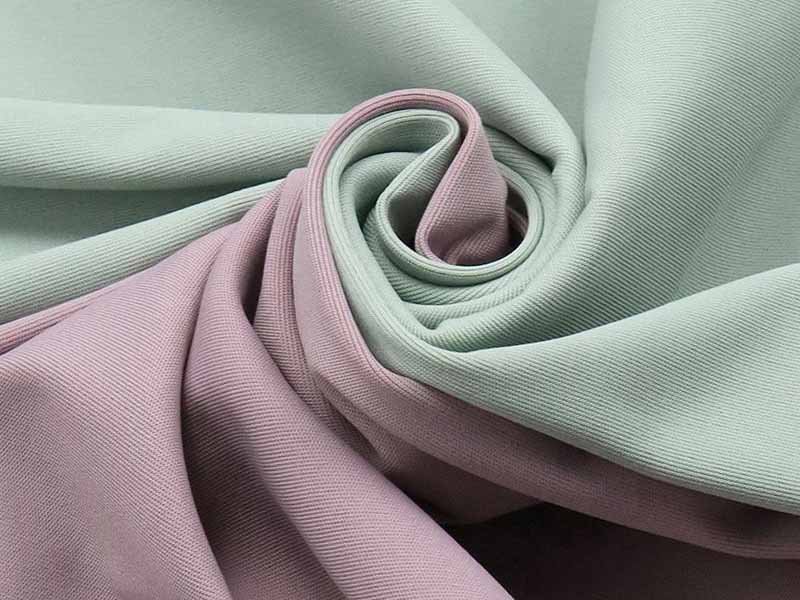
Custom fabrics
What Is Blended Fabric:A Complete Guide
Blended fabric quietly shapes the modern textile world. From everyday T-shirts and sportswear to travel bags and upholstery, most products people use are no longer
 Skip to content
Blended fabric quietly shapes the modern textile world. From everyday T-shirts and sportswear to travel bags and upholstery, most products people use are no longer
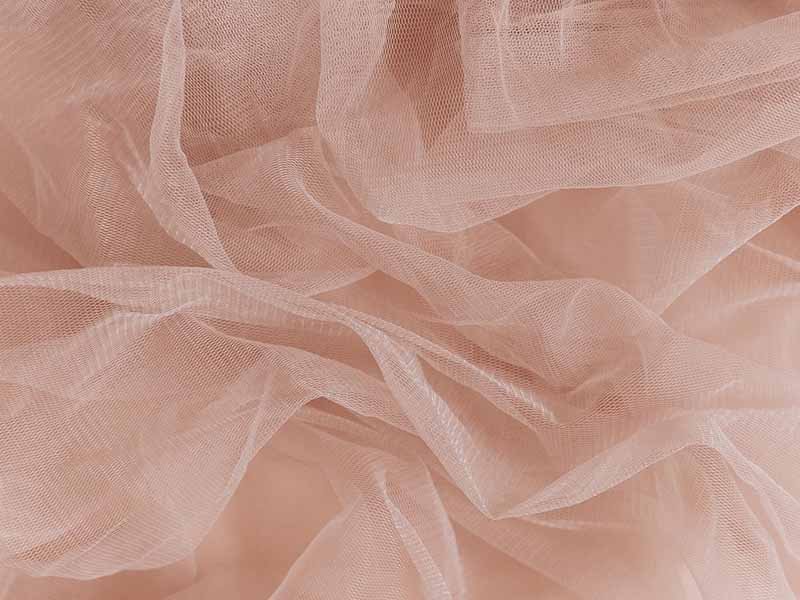
Walk into almost any sports store, luggage shop, or outdoor gear retailer and you will quickly notice one material appearing again and again: mesh fabric. It shows up in running shoes, athletic clothing, backpacks, ventilation panels, office chairs, and even medical textiles. The reason is simple—few fabrics combine breathability, lightweight performance, and structural strength the way mesh fabric does.
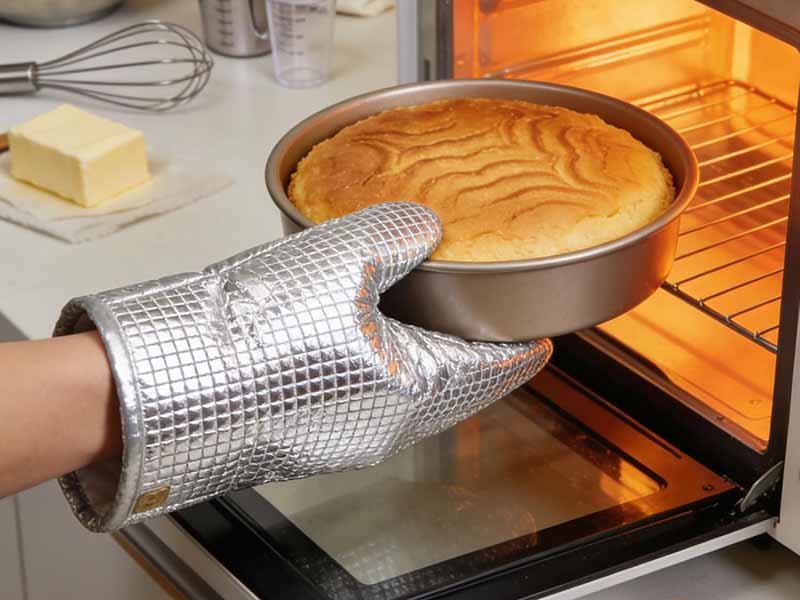
When customers complain that a “warm jacket” feels cold in wind—or a “cooler bag” can’t keep drinks cold for two hours—the problem is rarely the logo or the design. It’s the material system. Insulated fabric isn’t one single cloth. It’s a performance build: layers, trapped air, foam, or reflective films working together to slow heat movement. This is why two products that look similar can behave totally differently in real life.
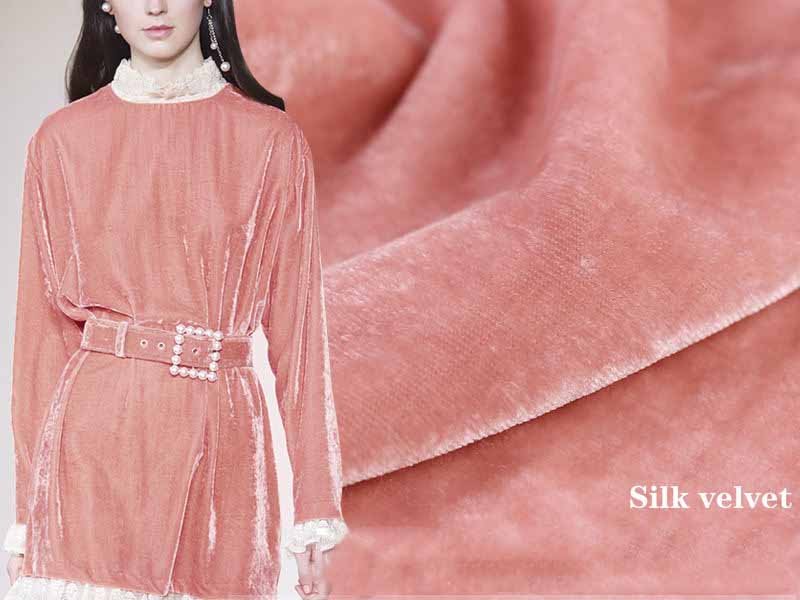
Velvet is one of those fabrics people recognize instantly—even if they can’t explain why. It looks deep, rich, and “alive” under light. It feels smooth when you brush it one way and slightly resistant the other way. That small change in direction can make the same fabric look darker or brighter, which is why velvet dresses look dramatic on camera and why velvet sofas can make a room feel warmer in seconds. But velvet isn’t magic. It’s a textile structure with a clear logic: a base cloth plus a dense layer of short fibers standing upright on the surface.
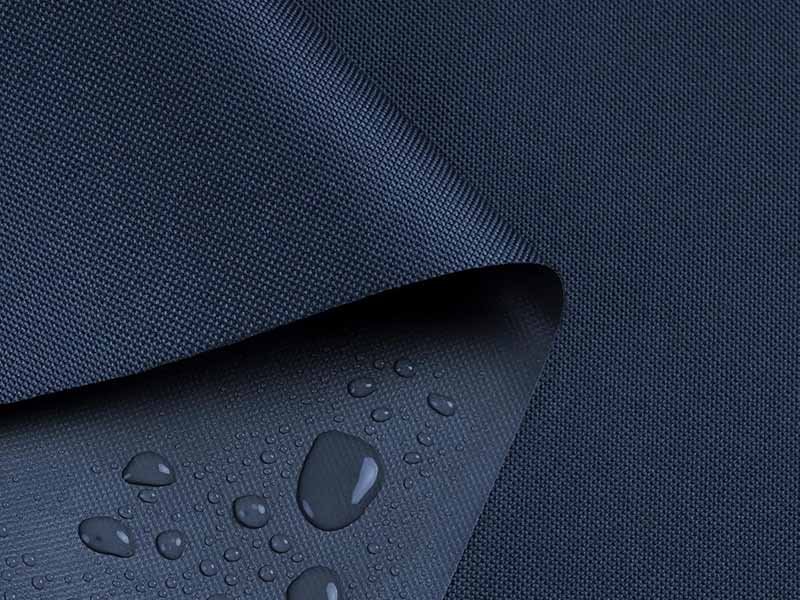
PVC fabric shows up in places where ordinary textiles struggle: rainy streets, wet warehouses, boat docks, construction sites, and the back seats of family cars. It’s used in waterproof bags, tool rolls, tarps, covers, protective aprons, and gear that gets thrown, folded, dragged, and wiped clean again and again. When customers say, “I want something that won’t soak through, won’t stain easily, and won’t fall apart at the seams,” PVC fabric is often the material behind that performance.
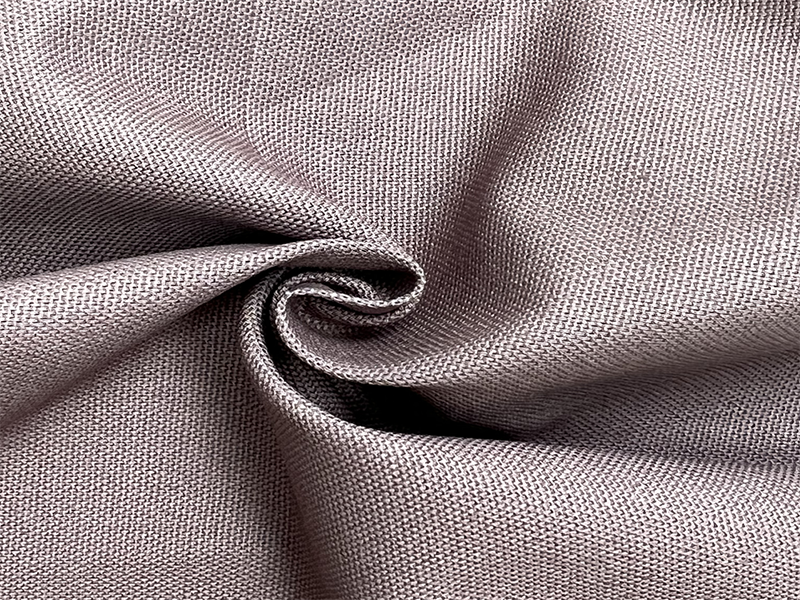
If you’ve ever owned a tote bag that kept its shape for years, or a backpack that didn’t stretch out at the seams, you’ve already felt the advantage of woven fabric—without realizing it. Woven fabric isn’t “better” for every product, but when you need strength, shape control, and predictable manufacturing, it’s often the safest choice. That’s why woven structures show up everywhere from denim and workwear to luggage, grocery bags, upholstery, and industrial covers.