 Skip to content
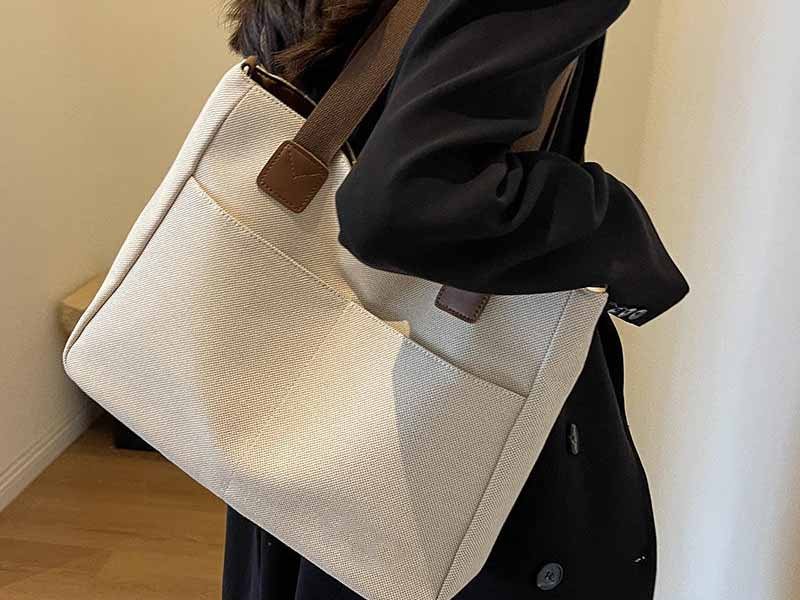
If you’ve ever held a high-quality backpack or travel bag and wondered why some products feel solid, structured, and premium while others feel cheap and unreliable—the answer lies in how bags are manufactured. Behind every well-made bag is a carefully controlled process involving material selection, engineering design, precise cutting, skilled stitching, and strict quality inspection.
In simple terms, bags are manufactured through a structured process that includes design, material sourcing, pattern making, cutting, sewing, quality control, and final packaging. Each step directly affects durability, appearance, and cost. A professional manufacturer integrates these steps efficiently to ensure consistent quality and scalable production.
For many brands and e-commerce sellers, understanding this process is not just technical knowledge—it’s the difference between launching a product that gets repeat orders versus one that fails after the first shipment. I’ve seen clients switch suppliers simply because they didn’t realize how critical early-stage design and material choices were.
Let’s walk through how bags are actually made—step by step—so you can make better product decisions and avoid costly mistakes.
What Types of Bags Are Manufactured?

Bags are manufactured across multiple categories based on how they are used in real life—travel, daily carry, business, sports, and outdoor environments. Each type is built differently in terms of structure, fabric thickness, reinforcement level, and internal layout. In practice, choosing the right bag category is one of the most important early decisions, because it directly affects cost, durability, and user satisfaction.
Bags Are Manufactured for Travel, Work, and Daily Use
In real production, manufacturers don’t start with style—they start with use scenario. This determines everything from material selection to stitching strength.
For example, a travel bag is expected to handle heavy loads and rough handling, while a daily-use tote focuses more on comfort and weight. These differences are not just design choices—they translate into completely different production standards.
Here is how different use cases affect manufacturing:
| Use Scenario | Typical Load | Material Range | Key Production Focus |
|---|---|---|---|
| Travel Bags | 20–50 kg | 600D–1680D polyester / nylon | Reinforced seams, heavy webbing |
| Work Bags (Laptop/Office) | 5–15 kg | 300D–900D polyester / PU leather | Structure, padding, compartments |
| Daily Bags (Tote/Shopper) | 3–10 kg | Canvas, cotton, RPET | Lightweight, cost control |
| Sports/Gym Bags | 10–25 kg | Polyester, nylon, mesh panels | Ventilation, durability |
| Outdoor Bags | 15–30 kg | Coated nylon, TPU, waterproof fabrics | Water resistance, tear strength |
From actual factory experience:
- Travel bags usually require double stitching + bar-tack reinforcement at handles
- Work bags often include EVA foam padding (3–8 mm thick) for laptop protection
- Daily tote bags are optimized for low cost and fast production, often with fewer panels
A common issue many brands face is choosing the wrong category positioning. For instance, designing a “travel bag” but using lightweight fabric (like 210D polyester) will result in tearing or deformation after a few uses.
Bags Are Manufactured in Different Styles (Backpack, Tote, Duffel)
Once the use case is clear, the next layer is bag structure. Different styles require completely different production complexity and cost levels.
Here’s a practical comparison from manufacturing:
| Bag Style | Structure Complexity | Avg. Panels | Production Difficulty | Typical MOQ Sensitivity |
|---|---|---|---|---|
| Tote Bag | Low | 2–5 panels | Easy | Very flexible |
| Backpack | High | 20–40 panels | Complex | Medium |
| Duffel Bag | Medium | 10–20 panels | Moderate | Medium |
| Crossbody Bag | Medium | 8–15 panels | Moderate | Flexible |
| Laptop Bag | High | 15–30 panels | Complex | Higher |
Let’s break down what this means in real production:
Tote Bags Tote bags are one of the simplest products to manufacture. They usually consist of:
- Front panel
- Back panel
- Bottom (optional)
- Handles
Because of this simplicity:
- Production speed is high
- Labor cost is low
- MOQ can go as low as 100–300 pcs
However, the downside is that tote bags rely heavily on fabric quality and printing quality, since there is little structural complexity to differentiate the product.
Backpacks Backpacks are significantly more complex and require strong engineering.
Typical components include:
- Multiple compartments
- Shoulder straps with padding
- Back panel with breathable mesh
- Internal support structure
From a manufacturing perspective:
- A backpack can require 30+ individual pieces
- Production involves multiple specialized machines
- QC requirements are stricter
Key technical challenges:
- Weight distribution (comfort)
- Strap reinforcement (load-bearing)
- Shape retention
This is why backpacks often have higher sampling costs and longer development time (7–14 days).
Duffel Bags Duffel bags sit between simplicity and functionality.
They usually include:
- Large main compartment
- Reinforced handles
- Optional shoulder strap
Manufacturing focus:
- Maintaining cylindrical or box shape
- Reinforcing stress points
- Ensuring zipper durability
Duffel bags are popular for:
- Travel
- Sports
- Promotional products
They are often produced using 600D–1680D polyester, balancing cost and durability.
Crossbody and Small Bags These products are more design-driven and often target fashion or lifestyle markets.
Manufacturing features:
- Smaller panels but more detailed finishing
- Higher focus on appearance (logo, stitching, edges)
- Often use PU leather or genuine leather
In these categories:
- Small defects are more visible
- QC standards are stricter
- Packaging plays a bigger role in perceived value
Laptop and Business Bags These are function-driven products with high user expectations.
Key manufacturing features:
- Shockproof compartments
- Multi-layer structure
- Clean, professional appearance
Typical material combination:
- Outer: polyester / PU leather
- Middle: EVA foam (5–10 mm)
- Inner: soft lining (velvet or polyester)
These bags require:
- Precise cutting
- Clean stitching lines
- Strong internal structure
Even a small defect (like uneven padding) can affect usability.
What Materials Are Used in Bags Manufacturing?
Bags are manufactured using a combination of outer fabrics, inner linings, structural reinforcements, and hardware components. The choice of materials is not just about appearance—it directly affects durability, weight, cost, and long-term user experience. In real production, material selection is often the biggest factor behind product success or failure.
A well-designed bag typically includes 3–5 layers of materials working together, not just a single fabric. For example, a backpack may combine outer polyester, foam padding, lining fabric, webbing straps, and metal or plastic accessories. Each layer plays a specific role, and removing or downgrading one can reduce product lifespan significantly.
Fabrics Used When Bags Are Manufactured (Nylon, Polyester, Canvas, Leather)
The outer fabric is the most visible and most important material. It determines how the bag feels, how long it lasts, and how it is positioned in the market.
Here is a practical comparison used in real factories:
| Material | Common Specs | Durability | Cost Level | Typical Use |
|---|---|---|---|---|
| Polyester | 210D–1680D | High | Medium | Backpacks, duffel bags |
| Nylon | 420D–1000D | Very High | High | Outdoor, premium bags |
| Canvas | 8oz–16oz | Medium | Low-Medium | Tote bags, lifestyle |
| PU Leather | 0.6–1.2 mm | Medium | Medium | Fashion bags |
| Genuine Leather | 1.2–2.0 mm | High | High | Premium products |
| RPET (Recycled) | 300D–600D | Medium-High | Medium | Eco-friendly bags |
In actual production decisions, clients usually care about three things:
- Will the bag last long enough?
- Does it match my price point?
- Does it look “premium” to the customer?
Here’s how materials perform in real use:
- 1680D polyester is widely used for heavy-duty bags because it offers a strong balance of cost and durability
- Nylon (especially Cordura-type) performs better in abrasion resistance but costs 20–40% more
- Canvas gives a natural look but is more prone to deformation under heavy load
- PU leather is cost-effective but may crack after long-term use if quality is low
A key insight from production:
Fabric thickness (denier) alone does not guarantee strength. Coating quality and weaving density are equally important.
For example:
| Fabric | Strength Result |
|---|---|
| 600D low-density polyester | Medium strength |
| 600D high-density polyester with PU coating | High strength |
Lovrix supports a wide range of materials including Oxford fabrics, coated polyester, waterproof nylon, and eco-friendly RPET, helping clients choose materials based on actual usage instead of just price.
Hardware & Accessories When Bags Are Manufactured (Zippers, Buckles, Webbing)
While fabric gets most of the attention, hardware is often where problems occur. In real customer feedback, many complaints are related to:
- Broken zippers
- Weak straps
- Cracked buckles
These components are small in cost but critical in performance.
Here’s a breakdown of common accessories:
| Component | Material Options | Function | Risk if Low Quality |
|---|---|---|---|
| Zippers | Nylon, metal | Opening/closing | Jamming, breaking |
| Buckles | POM plastic, metal | Fastening | Snapping under load |
| Webbing | Polyester, nylon | Straps/handles | Tearing |
| Velcro | Nylon | Closure | Losing grip |
| D-rings/hooks | Metal/plastic | Attachments | Deformation |
Real production insight:
- Zippers typically account for 5–10% of total bag cost, but cause over 30% of product complaints
- Webbing strength must match bag load (e.g., 1-inch webbing supports ~200–300 kg tensile strength)
A practical comparison:
| Zipper Type | Cost Impact | Performance |
|---|---|---|
| Standard zipper | Low | Basic durability |
| Branded (YKK/SBS) | +5–10% cost | High reliability |
This is why many brands upgrade to higher-quality zippers after their first production run—because returns and negative reviews cost more than the upgrade.
Lovrix provides multiple hardware quality tiers, allowing clients to balance:
- Budget
- Durability
- Target market positioning
What Inner Materials Are Used When Bags Are Manufactured?
Many clients focus only on the outer fabric, but inner materials are just as important for performance and user experience.
A typical bag interior includes:
| Component | Material | Function |
|---|---|---|
| Lining | Polyester (190T–210D) | Clean interior, protection |
| Padding | EVA foam (3–10 mm) | Shock absorption |
| Reinforcement board | PE board / PP sheet | Shape retention |
| Insulation (cooler bags) | Aluminum foil + foam | Temperature control |
For example:
- A laptop bag usually uses 5–8 mm EVA foam for protection
- A cooler bag may include 3–5 layers of insulation materials
- A structured backpack often uses PP board in the back panel
If these materials are reduced to cut cost, the impact is immediate:
- Bag loses shape
- Protection decreases
- Customer satisfaction drops
A real case seen in production:
Reducing foam thickness from 5 mm to 2 mm can lower cost by 8–12%, but significantly reduces product quality perception.
Lovrix helps clients optimize internal structure so that cost reductions do not affect core performance.
How Do Coatings and Finishes Affect Bags Manufacturing?
Coatings and finishing treatments are often invisible but play a major role in performance.
Common treatments include:
| Treatment | Function | Typical Application |
|---|---|---|
| PU Coating | Water resistance | Backpacks, duffels |
| PVC Coating | Waterproof, heavy-duty | Tool bags, outdoor bags |
| TPU Lamination | Premium waterproof | Dry bags |
| Anti-UV Treatment | Prevent fading | Outdoor products |
| Anti-mold Treatment | Humidity resistance | Marine bags |
In real use:
- PU coating thickness is usually 0.3–0.6 mm
- PVC coating can reach 0.5–0.8 mm for heavy-duty applications
Key insight:
Waterproof performance depends more on coating than fabric itself.
For example:
| Material | Water Resistance |
|---|---|
| Polyester without coating | Low |
| Polyester with PU coating | Medium |
| TPU laminated fabric | High |
Lovrix offers multiple coating options and can customize based on:
- Climate conditions (humid, rainy regions)
- Product positioning (basic vs premium)
- Usage scenarios (indoor vs outdoor)
How Should You Choose the Right Materials for Your Bag?
From a practical standpoint, material selection should always start with your product goal—not just budget.
Here’s a simplified decision guide used by experienced brands:
| Goal | Recommended Material Strategy |
|---|---|
| Low-cost market testing | Polyester + standard accessories |
| Balanced quality & cost | 600D–900D polyester + upgraded zipper |
| Premium positioning | Nylon / leather + branded hardware |
| Eco-friendly branding | RPET + recyclable accessories |
| Outdoor durability | Coated nylon + reinforced webbing |
A key takeaway from real manufacturing:
The best material is not the most expensive one—it’s the one that matches your product’s use and target price.
Lovrix works closely with clients at this stage to:
- Recommend suitable materials based on real usage
- Provide fabric samples for comparison
- Adjust specifications to meet target pricing
- Ensure consistency across bulk production
This avoids common mistakes like:
- Over-specifying materials and increasing cost unnecessarily
- Under-specifying materials and causing product failure
How Bags Are Designed?

Bags are designed through a practical process that turns an idea into a product that can actually be manufactured at scale. This includes defining the use scenario, building a workable structure, creating accurate patterns, and testing samples before mass production. In real projects, design is not just about appearance—it determines cost, production speed, defect rate, and long-term durability.
Many issues that happen later in production—such as uneven shape, weak handles, or high defect rates—can usually be traced back to early design decisions. That’s why experienced manufacturers spend more time on structure and pattern development than most clients initially expect.
Bags Are Manufactured Following Patterns & Designs
A bag cannot be produced directly from a sketch. It must first be converted into a technical structure and pattern system that workers and machines can follow.
A typical design workflow in real factories looks like this:
| Stage | What Happens | Output |
|---|---|---|
| Concept Idea | Define function and style | Reference images / sketches |
| Technical Drawing | Add measurements and structure | 2D CAD drawing |
| Pattern Making | Break bag into panels | Paper or digital pattern |
| Sample Making | First physical product | Prototype sample |
The most critical step here is pattern making. This is where the bag is divided into individual components like:
- Front panel
- Back panel
- Side panels
- Bottom panel
- Pockets
- Straps
Each piece must match precisely.
In production, even a small deviation can create problems:
| Error Type | Result |
|---|---|
| Pattern too small | Tight assembly, deformation |
| Pattern too large | Loose structure, poor appearance |
| Misaligned angles | Twisted or uneven bag shape |
A common real-world issue:
A 3–5 mm error in pattern size can lead to visible misalignment after sewing.
That’s why experienced factories like Lovrix rely on professional pattern engineers, not just designers, to ensure accuracy before sampling begins.
Tools and Software Used When Bags Are Manufactured
Modern bag design combines manual experience with digital tools to improve precision and reduce trial-and-error.
Common tools used in real production:
| Tool | Purpose | Benefit |
|---|---|---|
| CAD Software | Technical drawings | Accurate measurements |
| Pattern Software | Pattern development | Consistency |
| 3D Rendering | Visual simulation | Faster approval |
| Nesting Software | Material layout | Cost savings |
These tools directly impact project efficiency.
For example:
- Without digital tools, a product may require 3–5 sampling rounds
- With 3D rendering and accurate CAD drawings, this can be reduced to 1–2 rounds
This means:
- Faster time to market
- Lower development cost
- Fewer misunderstandings between client and factory
However, tools alone are not enough. Experience still plays a big role.
For instance:
- Software can generate a pattern, but it cannot always predict how fabric behaves when sewn
- Certain materials (like leather or coated fabrics) require manual adjustment based on experience
Lovrix combines both:
- Digital design tools for precision
- Experienced technicians for real-world adjustments
This helps reduce errors early and speed up sampling.
How Do Designers Balance Function and Cost When Bags Are Manufactured?
One of the biggest challenges in bag design is balancing function, appearance, and cost. Improving one often increases the others.
Here’s how different design decisions affect cost:
| Design Element | Cost Impact | Reason |
|---|---|---|
| More compartments | ↑ Cost | More panels and labor |
| Thicker materials | ↑ Cost | Higher material price |
| Complex structure | ↑ Cost | More sewing steps |
| Custom hardware | ↑ Cost | Tooling and sourcing |
| Simplified design | ↓ Cost | Fewer processes |
A practical example:
- Adding 2 extra pockets may increase production cost by 8–15%
- Switching from 600D to 1680D polyester can increase material cost by 20–30%
From real client cases:
- Over-designed products often lead to high pricing and slow sales
- Under-designed products may fail due to poor usability
The key is finding the right balance.
Experienced manufacturers like Lovrix usually guide clients by asking:
- What is your target selling price?
- Who is your target customer?
- What is the main use scenario?
Based on this, they suggest:
- Which features are necessary
- Which features can be simplified
- Where to invest (e.g., zipper quality vs extra pockets)
How Are Samples Developed Before Mass Production?
Before bulk production, every bag goes through a sampling stage. This is where design becomes a real product.
Typical sampling process:
| Step | Time | Description |
|---|---|---|
| Pattern confirmation | 1–2 days | Finalize structure |
| Material preparation | 1–2 days | Source fabrics & accessories |
| Sample sewing | 2–4 days | Build prototype |
| Review & adjustment | 1–3 days | Modify based on feedback |
Total sampling time is usually 5–7 days for standard designs.
During sampling, several key points are checked:
- Size accuracy
- Shape and structure
- Functionality (pockets, zippers)
- Comfort (for backpacks)
- Overall appearance
Common adjustments after first sample:
- Changing pocket size
- Adjusting strap length
- Reinforcing weak areas
- Improving internal layout
A real insight:
Over 60% of products require at least one revision after the first sample.
This is normal and part of the development process.
Lovrix supports clients with:
- Free design assistance
- Fast sampling (5–7 days)
- Clear feedback and improvement suggestions
This helps reduce back-and-forth communication and speeds up product launch.
What Problems Can Occur If Bags Are Poorly Designed?
Poor design decisions often show up later during production or after the product reaches customers.
Here are common problems seen in real projects:
| Problem | Cause | Result |
|---|---|---|
| Handle tearing | Weak reinforcement | Returns, complaints |
| Bag loses shape | No internal support | Low perceived quality |
| Zipper issues | Poor alignment | Customer dissatisfaction |
| Uneven appearance | Pattern error | Brand damage |
| High defect rate | Over-complex design | Production delays |
A practical case:
A backpack with poorly designed straps may pass factory inspection but fail after 1–2 weeks of real use.
These problems are expensive because they affect:
- Return rates
- Customer reviews
- Brand reputation
This is why design should always consider:
- Real usage conditions
- Production feasibility
- Long-term durability
Lovrix helps prevent these issues by reviewing designs from a manufacturing perspective—not just a visual one.
How Bags Are Cut?
Bags are cut by converting large rolls of fabric and sheets of material into precise components that will later be sewn together. This step looks simple from the outside, but in real production it directly affects material cost, product consistency, and sewing efficiency. Poor cutting leads to wasted fabric, misaligned panels, and higher defect rates—issues that quickly increase production cost and delay delivery.
In most factories, cutting is where 5–10% of total cost can be saved or lost, depending on how well the process is managed. For brands, this stage matters because it impacts both pricing and final product quality.
Fabric Cutting When Bags Are Manufactured
Before cutting begins, materials must be prepared properly. Fabric usually arrives in rolls and needs to be inspected, relaxed, and layered before cutting.
A typical cutting workflow looks like this:
| Step | Description | Key Control Point |
|---|---|---|
| Fabric Inspection | Check for defects, color consistency | Avoid defective batches |
| Fabric Relaxing | Let fabric stabilize (especially nylon/polyester) | Prevent shrinkage |
| Layering (Spreading) | Stack multiple layers evenly | Ensure cutting accuracy |
| Marking | Apply cutting layout (marker) | Maximize material usage |
| Cutting | Manual or machine cutting | Precision control |
In real production:
- Polyester and nylon can be stacked 10–30 layers for batch cutting
- Canvas is usually cut in 5–10 layers due to thickness
- Leather is cut piece by piece because each sheet is different
If fabric is not properly relaxed before cutting, it may shrink later, causing:
- Misaligned panels
- Distorted shapes
- Assembly difficulties
This is a common issue in low-cost factories that try to speed up production.
Manual vs Automatic Cutting in Bags Manufacturing
There are two main cutting methods used in factories, and each one has different cost and performance characteristics.
| Cutting Method | Suitable For | Accuracy | Speed | Cost Impact |
|---|---|---|---|---|
| Manual Cutting | Small orders, samples | Medium | Slow | Low setup cost |
| CNC / Automatic Cutting | Large orders | High (±1 mm) | Fast | Higher setup cost |
Manual cutting is often used for:
- Sampling
- Small batch production
- Complex shapes requiring flexibility
However, it depends heavily on worker skill. Inconsistent cutting can lead to:
- Size variation between pieces
- Difficulty during sewing
- Higher defect rates
Automatic cutting (CNC machines) is used for bulk production:
- Controlled by digital patterns
- High repeatability
- Consistent quality across batches
A practical comparison:
| Factor | Manual Cutting | Automatic Cutting |
|---|---|---|
| Size Consistency | ±2–3 mm | ±0.5–1 mm |
| Labor Dependence | High | Low |
| Efficiency | Medium | High |
| Best Use | Small orders | Large-scale production |
In real factory operations:
Switching to automatic cutting can reduce cutting errors by 30–50% and improve production speed significantly.
Lovrix uses a combination of both methods:
- Manual cutting for prototypes and flexible orders
- Automated cutting for bulk production
This ensures both flexibility and consistency.
How Does Cutting Affect Material Cost and Waste?
Cutting is one of the most important stages for cost control. The way patterns are arranged on fabric (called “marker layout”) determines how much material is used or wasted.
Here’s a real comparison:
| Cutting Efficiency Level | Material Utilization | Waste Rate |
|---|---|---|
| Basic Layout | 80–85% | 15–20% |
| Optimized Layout | 90–95% | 5–10% |
That difference may seem small, but in bulk production it has a big impact.
Example:
- For 10,000 bags
- Each bag uses $5 of fabric
A 10% waste difference = $5,000 cost difference
This is why professional factories invest in:
- Pattern nesting software
- Experienced cutting planners
- Standardized fabric widths
Lovrix benefits from having its own fabric production, which allows:
- Better control of fabric width and consistency
- Improved cutting efficiency
- Lower overall material waste
What Materials Require Special Cutting Techniques?
Not all materials behave the same during cutting. Different materials require different handling methods.
Here’s how common materials are treated:
| Material | Cutting Method | Key Challenge |
|---|---|---|
| Polyester/Nylon | Multi-layer cutting | Slippage between layers |
| Canvas | Reduced layers | Thickness |
| Leather | Single-layer cutting | Natural variation |
| TPU/PVC | Precision cutting | Sticky surface |
| Mesh Fabric | Stabilized cutting | Stretching |
For example:
- Leather cannot be stacked because each piece has natural defects and grain differences
- Coated fabrics (PU/PVC) can stick together, requiring special blades or spacing
- Mesh fabrics may stretch during cutting, affecting size accuracy
If the wrong cutting method is used:
- Pieces may not match during sewing
- Edges may become uneven
- Production speed slows down
Experienced factories adjust cutting techniques based on material type, not just design.
How Does Cutting Quality Affect Sewing and Final Product?
Cutting quality has a direct impact on the next stage—sewing.
If cutting is inaccurate:
- Panels do not align properly
- Workers need extra time to adjust pieces
- Stitch lines become uneven
This leads to:
- Slower production speed
- Higher labor cost
- Increased defect rate
Here’s a practical relationship:
| Cutting Quality | Sewing Efficiency | Final Quality |
|---|---|---|
| High Precision | Fast | Consistent |
| Medium Precision | Moderate | Acceptable |
| Low Precision | Slow | Inconsistent |
A real production insight:
Poor cutting can reduce sewing efficiency by 10–20%, increasing overall production cost.
This is why experienced manufacturers treat cutting as a critical step—not just preparation.
What Should You Consider When Planning Bag Cutting?
From a business perspective, cutting decisions affect:
- Product cost
- Production speed
- Quality consistency
Here are key factors brands should consider:
| Factor | Why It Matters |
|---|---|
| Order Quantity | Determines manual vs automatic cutting |
| Material Type | Affects cutting method |
| Product Complexity | Influences pattern layout |
| Cost Target | Impacts material utilization strategy |
A practical guideline:
- Small orders → prioritize flexibility
- Large orders → prioritize efficiency and consistency
Lovrix works with clients to:
- Optimize pattern layout for cost savings
- Select the right cutting method based on order size
- Ensure consistency across bulk production
- Reduce material waste without affecting quality
How Bags Are Sewn?
Bags are sewn by assembling multiple cut components into a complete structure using industrial sewing machines and step-by-step production lines. This stage determines how strong the bag is, how it looks, and how long it will last in real use. In most factories, sewing accounts for 50–70% of total labor cost, which means it is the most critical stage for both quality and efficiency.
From real production experience, most product issues—like broken handles, loose stitching, or uneven shapes—are caused during sewing, not material selection. That’s why professional manufacturers focus heavily on sewing standards, worker training, and process control.
Bags Are Manufactured on Sewing Lines
Sewing is not done randomly. It follows a structured production line where each worker handles a specific step.
A typical sewing workflow looks like this:
| Step | Process | Description |
|---|---|---|
| Panel Preparation | Pre-sewing | Organize cut pieces |
| Pocket Assembly | Sub-assembly | Attach internal/external pockets |
| Zipper Installation | Functional assembly | Install closures |
| Strap Making | Reinforcement work | Prepare handles and straps |
| Main Body Assembly | Core sewing | Combine panels |
| Lining Attachment | Internal structure | Add inner layer |
| Final Closing | Finishing | Close and shape bag |
In a real factory:
- One bag may require 20–50 sewing steps
- A production line may include 10–30 workers
- Daily output per line can range from 200 to 800 bags, depending on complexity
Efficiency depends on how well the line is organized.
For example:
| Product Type | Avg. Sewing Time per Bag |
|---|---|
| Tote Bag | 3–5 minutes |
| Duffel Bag | 10–20 minutes |
| Backpack | 20–40 minutes |
A key insight:
The more panels and features a bag has, the more sewing steps it requires, which increases both cost and production time.
Lovrix optimizes sewing lines by:
- Balancing workload across workers
- Reducing unnecessary steps
- Standardizing processes for repeat orders
Stitches and Machines Used in Bags Manufacturing
Different parts of a bag require different stitching methods. Using the wrong stitch type can lead to weak points and product failure.
Here are the most common stitch types used in bag production:
| Stitch Type | Application | Strength Level |
|---|---|---|
| Single Stitch | Basic seams | Medium |
| Double Stitch | Structural seams | High |
| Bar Tack | Stress points (handles, straps) | Very High |
| Binding Stitch | Edge finishing | Medium |
| Zigzag Stitch | Flexible areas | Medium |
Key machines used in factories:
| Machine Type | Function |
|---|---|
| Flat Sewing Machine | General stitching |
| Cylinder-Bed Machine | Curved and tubular parts |
| Post-Bed Machine | Thick materials and corners |
| Bar-Tacking Machine | Reinforcement stitching |
| Computerized Pattern Machine | Automated precise stitching |
A practical production fact:
Over 80% of bag failures happen at stress points, such as handles, strap joints, and zipper ends.
That’s why reinforcement is critical. For example:
- Handles often use box stitch + cross stitch + bar tack
- Shoulder straps include multiple layers of webbing and padding
Lovrix applies strict reinforcement standards, especially for:
- Travel bags (20–50 kg load)
- Tool bags (heavy-duty use)
- Outdoor bags (harsh environments)
How Is Sewing Quality Controlled During Production?
Sewing quality must be controlled in real time, not just checked at the end.
Factories usually implement in-line inspection systems:
| Control Point | What Is Checked |
|---|---|
| Stitch Density | Consistency (stitches per inch) |
| Alignment | Straightness of seams |
| Thread Tension | Avoid loose or tight stitching |
| Reinforcement Areas | Strength at stress points |
| Appearance | Clean finish |
Standard sewing quality benchmarks:
- Stitch density: 8–12 stitches per inch (depending on material)
- Seam tolerance: within ±2 mm alignment
- Thread tension: balanced to avoid puckering or gaps
If issues are not detected early:
- Defects multiply across batches
- Rework increases cost
- Delivery timelines are affected
A real example:
If a sewing defect is found after 1,000 bags are produced, rework can increase cost by 10–20%.
Lovrix uses in-line QC teams to monitor production continuously, reducing the risk of large-scale defects.
How Does Sewing Affect Durability and Product Lifespan?
Sewing directly determines how long a bag will last under real use conditions.
Here’s how different sewing choices impact durability:
| Factor | Low Standard | High Standard |
|---|---|---|
| Stitch Type | Single stitch only | Reinforced stitching |
| Thread Quality | Basic thread | High-strength polyester thread |
| Reinforcement | Minimal | Bar tack + layered support |
| Stress Points | Weak | Reinforced |
In real usage:
- A poorly reinforced handle may fail after 5–10 kg load
- A properly reinforced handle can support 20–50 kg
Thread quality also matters:
- Standard thread may break under tension
- High-tenacity polyester thread improves strength and durability
Another important factor is seam construction:
- Flat seams are faster but weaker
- Folded seams add strength but increase cost
Lovrix helps clients balance these choices based on:
- Product price target
- Expected load capacity
- Customer usage habits
What Common Sewing Problems Should You Avoid?
From real production cases, the most common sewing-related issues include:
| Problem | Cause | Result |
|---|---|---|
| Broken stitches | Low thread quality | Product failure |
| Uneven seams | Poor alignment | Bad appearance |
| Loose stitching | Incorrect tension | Weak structure |
| Skipped stitches | Machine issues | Reduced durability |
| Deformation | Poor assembly sequence | Misshaped bags |
A practical insight:
Many defects are not caused by workers, but by unclear design or incorrect process planning.
For example:
- If patterns are not accurate, workers cannot align pieces properly
- If sewing steps are not optimized, errors increase
That’s why experienced manufacturers focus on:
- Clear technical instructions
- Standardized processes
- Worker training
Lovrix reduces these risks by combining:
- Engineering-based design
- Standardized sewing workflows
- Skilled production teams
How Does Sewing Impact Cost and Production Efficiency?
Sewing is the most labor-intensive part of bag manufacturing, so it has a major impact on cost.
Here’s how design affects sewing cost:
| Design Factor | Impact on Sewing Cost |
|---|---|
| More panels | Higher labor cost |
| Complex structure | Slower production |
| Thick materials | More time per unit |
| Additional features | More steps required |
A practical example:
- Adding 5 extra panels may increase sewing time by 15–25%
- Complex backpacks may cost 2–3x more to sew than tote bags
From a business perspective:
Simpler designs are easier to scale and maintain consistent quality.
Lovrix helps clients optimize sewing cost by:
- Simplifying structure where possible
- Reducing unnecessary steps
- Improving production efficiency
How Bags Are Tested and Checked?

Bags are tested and checked through a combination of in-process inspections, finished product evaluations, and physical stress testing. This ensures that each bag meets functional and aesthetic standards before it reaches the customer. In real production, quality control is one of the most critical factors for reducing returns, maintaining brand reputation, and avoiding costly rework. Skipping or underestimating QC can lead to issues like broken straps, faulty zippers, and deformed shapes, which are difficult and expensive to fix later.
A professional factory applies quality checks at multiple stages of production. This approach not only detects defects early but also improves overall production efficiency, ensuring that bulk orders meet consistent standards.
Quality Control When Bags Are Manufactured
Quality control is integrated at three main stages in bag manufacturing:
| QC Stage | What Is Checked | Purpose |
|---|---|---|
| Incoming QC (IQC) | Fabric, lining, zippers, buckles, webbing | Ensure materials meet specifications before cutting |
| In-Process QC (IPQC) | Panel alignment, stitching, reinforcement points | Detect errors during assembly before completion |
| Final QC (FQC) | Complete bag, appearance, function, finishing | Verify that all bags meet production and customer standards |
From practical experience:
- Factories without structured QC see defect rates up to 10–12%, even with high-quality materials
- Structured QC can reduce defects to 1–2%, saving significant cost and time
Typical inspection points include:
- Stitch density and seam alignment
- Proper strap and handle reinforcement
- Zipper operation and durability
- Color and pattern consistency
- Shape and panel alignment
Lovrix applies continuous inspection at each stage to catch issues early and prevent defective products from moving forward.
Testing Bags for Durability and Strength
Beyond visual checks, bags undergo real-world physical testing. These tests simulate actual use conditions to ensure performance matches design expectations.
Common durability tests include:
| Test Type | Purpose | Standard Practice |
|---|---|---|
| Load Test | Measures strap and handle strength | Apply 15–50 kg depending on bag type |
| Drop Test | Tests impact resistance | Drop bag from 1–1.5 meters 3–5 times |
| Abrasion Test | Checks fabric wear | 5,000–20,000 friction cycles on surface |
| Zipper Test | Measures durability | Open/close 500–1,000 cycles |
| Stitch Test | Ensures seam strength | Pull test on reinforced areas |
Real-life insights:
- A lightweight backpack tested for 20 kg load can indicate weak points in stitching or webbing
- Travel duffel bags carrying heavier loads (30–50 kg) must pass stress testing on handles and straps
- Outdoor and tool bags are tested for abrasion, UV exposure, and water contact
Lovrix supports custom testing standards tailored to client needs:
- Amazon sellers may require specific drop-test results to comply with review standards
- Premium brands require heavy-load and long-term wear tests to justify higher pricing
- Outdoor and marine products are tested under humid and wet conditions
How In-Line QC Improves Production Quality
In-line QC (IPQC) allows defects to be caught as soon as they occur. Workers or QC staff monitor each assembly stage, including:
- Alignment of panels before final stitching
- Correct placement and attachment of pockets, zippers, and straps
- Reinforcement accuracy on stress points
- Thread tension and stitch consistency
Practical benefits of in-line QC:
- Reduces rework after final assembly
- Maintains uniform quality across batches
- Identifies training needs for sewing or assembly staff
In factories without in-line QC, minor errors compound, leading to large-scale batch defects. Lovrix mitigates this by assigning dedicated QC personnel per line to check every bag during production.
Final Inspection and Packaging Checks
Final QC ensures that only products meeting specifications are shipped. This stage typically includes:
- Visual inspection: seams, panels, stitching, and zippers
- Functional tests: straps, closures, and compartments
- Shape verification: bag maintains intended structure
- Packaging review: polybag or carton is intact and correctly labeled
Statistics from real production:
- FQC rejects are usually less than 2% in professional factories
- Each rejected bag often requires 1–2 hours of rework if issues are discovered after shipping
Lovrix also conducts packaging checks to ensure products meet Amazon FBA, retail, or wholesale requirements, including barcode labeling, polybag compliance, and carton integrity.
What Problems Are Common Without Proper Testing?
Without thorough testing, common issues include:
| Problem | Cause | Result |
|---|---|---|
| Broken handle or strap | Weak reinforcement or poor material | Returns, negative reviews |
| Zipper malfunction | Low-quality or misaligned installation | Customer dissatisfaction |
| Fabric tearing | Poor stress handling | Product failure under load |
| Bag deformation | Inaccurate pattern or poor internal support | Poor appearance |
| Color fading | Coating or fabric issues | Lower perceived quality |
From real-world experience, even small defects can escalate:
- A misaligned zipper can lead to batch-level returns
- Weak handles in a backpack may result in customer complaints and loss of trust
- Inconsistent panel alignment impacts brand reputation, especially in premium lines
Lovrix mitigates these risks through a combination of in-line QC, final inspection, and controlled testing procedures, ensuring products are reliable and repeatable in bulk production.
How Testing Impacts Cost and Brand Reputation
Testing may appear as an extra step, but skipping it often costs more:
- Rework and returns: 10–20% additional cost
- Shipping defective products: potential lost revenue and customer trust
- Negative reviews: long-term impact on sales and brand image
Practical insight:
- Investing in robust QC can reduce production loss by up to 50%
- Standardized testing provides reliable data for scaling production
By integrating QC and testing into the manufacturing workflow, Lovrix ensures each batch meets client expectations, protects brand reputation, and maintains customer satisfaction.
How Bags Are Finished and Customized?

Bags are finished and customized through a series of final processes that turn a semi-finished product into a retail-ready item. This includes trimming, cleaning, logo application, shape correction, packaging, and labeling. At this stage, the bag is no longer just a product—it becomes a branded item that directly influences how customers perceive quality and value.
From real production experience, finishing and customization can affect:
- First impression (how “premium” the product looks)
- Customer satisfaction (details like clean stitching and shape)
- Retail readiness (packaging, labeling, compliance)
In many cases, two bags made from the same materials can sell at very different price points simply because of differences in finishing and branding.
Bags Are Manufactured with Logos, Colors, and Sizes
Customization is where a standard bag becomes your product. This stage allows brands to define identity, positioning, and target pricing.
Common customization elements include:
| Custom Area | Options | Impact |
|---|---|---|
| Logo | Printing, embroidery, metal plate, embossing | Brand recognition |
| Color | Pantone matching, multi-color panels | Visual identity |
| Size | Custom dimensions | Function and usability |
| Structure | Extra pockets, compartments | User experience |
Logo application is one of the most important decisions. Different methods create very different results:
| Logo Method | Cost Level | Durability | Visual Effect | Typical Use |
|---|---|---|---|---|
| Screen Printing | Low | Medium | Flat, simple | Promotional bags |
| Heat Transfer | Low-Medium | Medium | Detailed graphics | Fashion products |
| Embroidery | Medium | High | Textured, premium | Backpacks, casual bags |
| Metal Logo Plate | High | Very High | Luxury feel | High-end brands |
| Embossing (Leather) | Medium-High | High | Subtle premium | Leather goods |
A practical insight:
A well-executed logo can increase perceived product value by 20–50%, even if the material cost remains the same.
Color customization is also critical. Factories usually follow Pantone color standards, but matching colors across different materials (fabric, webbing, zipper tape) requires experience.
Lovrix helps clients:
- Match colors across all components
- Recommend suitable logo techniques based on budget
- Balance visual impact with production cost
How Are Bags Cleaned and Finished Before Packing?
Before packaging, every bag goes through a finishing process to ensure it looks clean and presentable.
Typical finishing steps include:
| Step | Purpose |
|---|---|
| Thread Trimming | Remove loose threads |
| Surface Cleaning | Remove dust, stains |
| Shape Adjustment | Ensure proper structure |
| Final Inspection | Confirm appearance |
Even small details matter at this stage.
Common finishing issues (if not controlled):
- Loose threads affecting appearance
- Dust or marks on light-colored fabrics
- Deformed shape due to improper storage
In real production:
- Each bag may require 1–3 minutes of manual finishing work
- Poor finishing can reduce perceived value significantly, even if the product is structurally sound
Lovrix ensures finishing standards by:
- Assigning dedicated finishing staff
- Using checklists for visual inspection
- Maintaining clean production environments
What Packaging Options Are Used When Bags Are Manufactured?
Packaging is not just for protection—it directly affects how customers experience the product.
Basic packaging options include:
| Packaging Type | Cost Level | Use Case |
|---|---|---|
| Polybag | Low | Bulk, Amazon FBA |
| Opp bag with label | Low-Medium | E-commerce |
| Box packaging | Medium | Retail |
| Custom gift box | High | Premium branding |
For different sales channels:
| Channel | Packaging Requirement |
|---|---|
| Amazon FBA | Barcode label, sealed polybag |
| Retail Stores | Hang tags, branded packaging |
| Wholesale | Carton packing, cost efficiency |
A practical example:
- A simple polybag costs $0.05–$0.15 per unit
- A custom printed box may cost $0.50–$2.00 per unit
That difference directly impacts product pricing and positioning.
Another important factor is carton packing efficiency:
- Proper carton size reduces shipping cost
- Overpacking increases freight charges
Lovrix helps clients optimize packaging by:
- Designing cost-effective solutions
- Ensuring compliance with Amazon and retail standards
- Balancing protection and presentation
How Are Labels, Tags, and Barcodes Applied?
Labeling is essential for both branding and logistics.
Common labeling elements include:
| Label Type | Purpose |
|---|---|
| Woven Label | Brand identity |
| Care Label | Usage instructions |
| Hang Tag | Product information |
| Barcode Label | Inventory tracking |
For e-commerce and retail, incorrect labeling can cause serious issues:
- Amazon FBA may reject products without proper barcode placement
- Retail stores require consistent labeling for inventory systems
Key considerations:
- Label placement must be consistent
- Barcode must be scannable and durable
- Care labels should meet local regulations (if required)
Lovrix supports clients by:
- Providing label design assistance
- Ensuring correct placement during production
- Meeting platform-specific requirements (Amazon, retail, wholesale)
How Does Customization Affect Cost and Production Time?
Customization adds value, but it also affects production complexity.
Here’s how different customization factors impact cost:
| Custom Feature | Cost Impact | Time Impact |
|---|---|---|
| Basic logo printing | Low | Minimal |
| Embroidery logo | Medium | +1–2 days |
| Custom hardware | Medium-High | +3–7 days |
| Special packaging | Medium-High | +2–5 days |
| Complex structure changes | High | +5–10 days |
A practical insight:
Over-customization can increase cost by 20–40% without significantly improving market performance.
That’s why experienced brands focus on:
- High-impact features (logo, color)
- Avoiding unnecessary complexity
- Keeping production scalable
Lovrix helps clients optimize customization by:
- Identifying which features matter most to end customers
- Simplifying design where possible
- Ensuring customization does not slow down production
Work With Lovrix to Build Your Custom Bags
Working with the right manufacturer is often the biggest difference between a product that sells consistently and one that struggles with quality issues, delays, or high return rates. Lovrix is not just a factory that produces bags—it is a manufacturing partner that helps you turn ideas into stable, scalable products.
With over 19 years of experience across fabric production, webbing manufacturing, and bag assembly, Lovrix understands how each step connects. This matters because many product problems don’t come from one stage—they come from gaps between stages. By controlling the full process, Lovrix helps reduce those risks and keeps production predictable.
What Makes Lovrix Different from Other Bag Manufacturers?
Most suppliers only handle part of the process. Lovrix integrates multiple production capabilities into one system:
| Capability | What It Means for You |
|---|---|
| Fabric Factory | Better control of quality and cost |
| Webbing Factory | Stronger, more consistent straps |
| Bag Factory | Faster production and communication |
This integration leads to practical advantages:
- Fewer delays caused by third-party suppliers
- More consistent material quality across batches
- Faster sampling and production timelines
In real projects, this often reduces development time by 20–30% compared to working with separate suppliers.
How Lovrix Supports Your Product Development
Developing a bag is not just about sending a design and waiting for production. Most clients need guidance during the process, especially when launching new products.
Lovrix supports clients step by step:
| Stage | What Lovrix Provides |
|---|---|
| Idea Stage | Design suggestions based on use case |
| Material Selection | Fabric and accessory recommendations |
| Sampling | Prototype in 5–7 days |
| Testing | Feedback on durability and structure |
| Production | Stable and scalable manufacturing |
A practical example:
- A client wants a travel bag at a target price of $12
- Lovrix may suggest adjusting fabric from 1680D to 900D polyester
- Upgrade zipper quality instead of adding extra compartments
This kind of adjustment helps balance cost, durability, and user experience, which is what most end customers actually care about.
How Lovrix Helps Control Cost Without Reducing Quality
Cost control is one of the biggest concerns for brands, especially when scaling production.
Lovrix approaches this in a practical way:
| Area | Optimization Strategy |
|---|---|
| Materials | Recommend suitable alternatives |
| Design | Simplify unnecessary structure |
| Cutting | Improve material utilization |
| Sewing | Reduce excess steps |
| Packaging | Optimize for shipping cost |
Real production insight:
- Improving fabric utilization by 5% can reduce total cost by 3–8%
- Simplifying structure can reduce labor cost by 10–20%
Instead of simply lowering material quality, Lovrix focuses on smart adjustments that maintain product performance.
How Lovrix Ensures Stable Quality in Bulk Orders
Consistency is often a bigger challenge than quality itself. A good sample is easy—but maintaining the same quality across 5,000 or 10,000 units is much harder.
Lovrix ensures stability through:
- Standardized production processes
- In-line quality control during sewing
- Final inspection before shipment
Typical quality benchmarks:
| Item | Standard |
|---|---|
| Stitch alignment | Within ±2 mm |
| Load capacity | 15–50 kg depending on design |
| Defect rate | Below 2% |
A practical insight:
Most product complaints come from inconsistency, not design.
Lovrix focuses on repeatability, so every batch matches the approved sample.
How Fast Can You Launch Your Product with Lovrix?
Speed matters, especially for e-commerce and seasonal products.
Typical timeline:
| Stage | Time |
|---|---|
| Design & confirmation | 1–3 days |
| Sampling | 5–7 days |
| Sample revision (if needed) | 3–5 days |
| Bulk production | 25–30 days |
Compared to industry averages, this is relatively efficient because:
- Materials are available internally
- Communication is direct
- Processes are standardized
For urgent projects, timelines can sometimes be shortened depending on product complexity.
What Types of Clients Work with Lovrix?
Lovrix works with a range of clients, but most fall into these categories:
| Client Type | Needs |
|---|---|
| Amazon Sellers | Stable quality, fast restocking |
| E-commerce Brands | Custom design, branding |
| Retail Brands | Consistent quality, packaging |
| Distributors | Competitive pricing, bulk production |
Each group has different priorities:
- Amazon sellers focus on reviews and return rates
- Brands focus on design and differentiation
- Distributors focus on cost and consistency
Lovrix adjusts its approach based on these needs, rather than using a one-size-fits-all process.
How Lovrix Reduces Your Production Risks
Production risks are one of the biggest concerns for clients, especially when working with overseas manufacturers.
Common risks include:
| Risk | How Lovrix Addresses It |
|---|---|
| Quality inconsistency | Standardized QC system |
| Delayed delivery | Integrated production system |
| Miscommunication | Clear technical documentation |
| Unexpected cost increase | Transparent quotation |
A practical example:
Many delays happen because materials are sourced from different suppliers. Lovrix avoids this by controlling key materials internally.
This reduces uncertainty and helps keep timelines stable.
Start Your Custom Bag Project with Lovrix
If you are planning to develop a new bag or improve an existing product, the next step is simple.
You can start by sharing:
- Your product idea or reference images
- Target price range
- Estimated order quantity
Lovrix will help you:
- Review your design
- Recommend suitable materials
- Provide a clear quotation
- Develop a sample for evaluation
Whether you are testing a new product or scaling an existing line, Lovrix focuses on making the process straightforward, predictable, and aligned with your business goals.


