 Skip to content
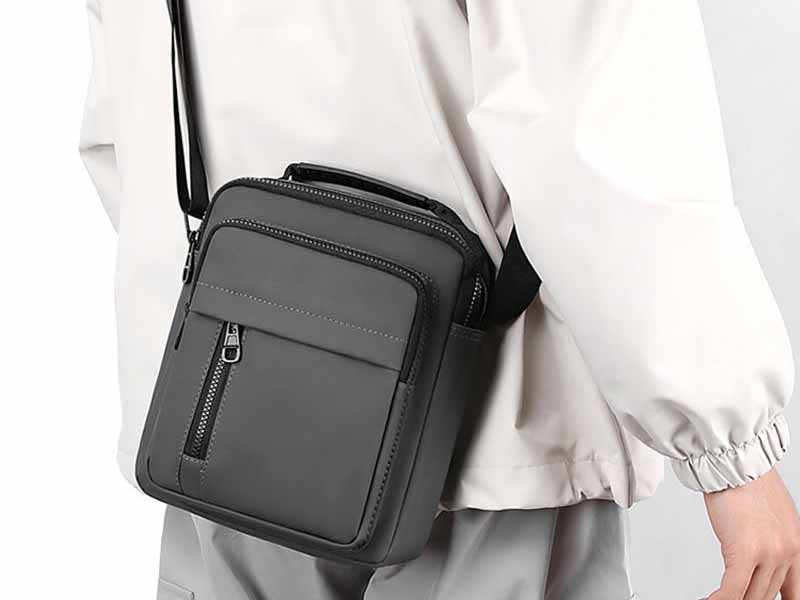
A custom bag manufacturer can look impressive on a website, sound confident in an email, and still be the wrong partner for your project. The real risk is not choosing a factory that cannot make one good-looking sample. Many factories can do that. The real risk is choosing a manufacturer that cannot repeat that sample across 500, 1,000, 5,000, or 10,000 pieces with the same material, structure, stitching, logo position, packaging standard, and delivery discipline. Buyers often compare three unit prices as if the lowest number tells the whole truth. It rarely does. One quote may include stronger webbing, better lining, reinforced stress points, retail packaging, and more careful inspection. Another quote may hide those details until later. Before comparing price, compare evidence.
The best way to compare custom bag manufacturers objectively is to score them by product fit, material knowledge, sampling process, quotation transparency, MOQ logic, quality control, delivery planning, communication, and long-term repeat-order support. A reliable manufacturer should prove how it turns drawings, samples, or reference images into production-ready bags, not just promise a low price.
This guide is written from the point of view of a practical sourcing meeting. Imagine your team has three suppliers on the table. One is cheaper, one replies faster, and one asks more technical questions. Which one is really safer? The answer usually appears in the details below.
What Should You Compare First?

Before comparing manufacturers, compare your own project requirements. A fair supplier comparison starts with the same baseline: bag type, size, material target, logo method, packaging, quantity, quality level, sales channel, and launch timeline. Without this, every factory will quote a different version of the product, and the cheapest price may simply mean a weaker specification.
Define the Product Clearly
A professional comparison does not begin with the factory. It begins with the product brief. Many custom bag sourcing problems happen because buyers send one photo and ask for a price. The supplier then has to guess the dimensions, fabric weight, lining, zipper grade, handle strength, logo method, inner structure, packaging, and shipment standard. When three suppliers make different assumptions, their quotes cannot be compared fairly.
A useful starting brief should include product type, approximate size, intended load, target material, color, lining, logo position, packaging style, target quantity, target market, and expected delivery window. For example, a 600D polyester tool bag with reinforced webbing, metal hardware, and a padded bottom is not comparable to a light promotional tote made from thin nonwoven fabric. Both may be called custom bags, but they belong to completely different cost and production systems.
A serious manufacturer will usually ask questions before quoting. That is not slow service. It is a sign that the supplier understands how many details affect price, durability, and production consistency. If a supplier gives a firm quote from one unclear image within minutes, treat the price as an early estimate, not as a reliable manufacturing proposal.
Match the Use Case
A bag should be compared based on how it will be used, not only how it looks. A cosmetic pouch, travel organizer, cooler bag, laptop backpack, canvas tote, pet carrier, and tactical pouch all require different decisions. The same outer size can hide completely different construction needs.
A cooler bag may need insulation thickness, lining type, leak control, zipper direction, and food-related packaging considerations. A laptop backpack needs padding, back-panel comfort, strap strength, and compartment stability. A cosmetic bag may need easy-clean lining, smooth zipper movement, good shape retention, and attractive branding details. A tool bag needs stronger webbing, bar-tack reinforcement, heavier fabric, and better bottom support.
This is why the first comparison question should be: does this manufacturer understand the actual use case? A supplier that only says we can make it has not yet proven capability. A stronger supplier will talk about stress points, function, material behavior, likely production risks, and how small design changes may affect cost or durability.
Set the Same Baseline
Every supplier should receive the same baseline information. If one factory quotes 300D polyester and another quotes 600D polyester, the price difference means very little. If one includes inner lining, retail packaging, and a woven label while another only quotes the bag body, the cheaper quote is not necessarily more competitive.
For most B2B custom bag projects, a clear baseline should cover ten areas: bag type, size, fabric, lining, webbing or handles, logo method, packaging, quantity, market channel, and delivery target. Once these items are fixed, supplier comparison becomes far less emotional. Your team can look at the same product specification and judge how each manufacturer responds.
This is also useful internally. A purchasing manager, product developer, brand manager, and finance team may all view the project differently. A baseline document gives everyone the same language. It prevents the common meeting problem where one person argues for the lowest price while another is thinking about reviews, retail presentation, or product returns.
Look for Early Evidence
A good manufacturer should provide evidence before asking you to trust them. This evidence does not always need to be a factory audit report or confidential client list. In most cases, practical working evidence is more useful: material suggestions, product-category examples, sample photos, stitching details, logo process options, packaging references, QC steps, and a clear quote structure.
Pay attention to the questions the supplier asks. Strong manufacturers usually ask about product use, target load, market channel, material preference, quality expectation, packaging, and delivery plan. Weak suppliers often rush to quote without understanding the product. Early communication is a test, not just a formality.
If a supplier cannot explain fabric choices, MOQ logic, logo limitations, or sample risks clearly, the same confusion may appear later during production. The first email or call is often a preview of the whole project. A buyer should treat it as part of the evaluation, not just a price-collection step.
| Comparison Item | What to Standardize | Practical Example |
|---|---|---|
| Bag type | Product category and function | Tote, backpack, cooler bag, cosmetic bag, tool bag |
| Size | Length x width x height | 40 x 15 x 30 cm travel bag |
| Outer fabric | Material and weight range | 12 oz canvas, 600D polyester, 420D nylon |
| Lining | Material and color | 210D polyester lining, wipeable PEVA lining |
| Webbing | Width and strength level | 25 mm, 38 mm, or 50 mm handle webbing |
| Logo | Method, size, position | Screen print, embroidery, woven label, rubber patch |
| Packaging | Unit and carton packing | Polybag, hangtag, barcode label, retail box |
| Quantity | Per style and color | 500 pcs, 1,000 pcs, 3,000 pcs |
| Market | Sales channel | Amazon, retail, corporate gift, outdoor brand |
| Delivery | Expected schedule | Sample first, then a realistic bulk window |
Which Manufacturer Fits Your Bag Type?

The right manufacturer is the one whose experience matches your bag category, development stage, quality level, and sales channel. A factory that makes simple promotional totes may not be right for structured backpacks, cooler bags, tool bags, or medical organizers. Product fit should be judged by evidence, not by a supplier saying they can make everything.
Check Product Specialization
Bag factories often list many product categories, but not every listed category represents deep experience. Product specialization matters because each bag type has its own weak points. A tote bag may look simple, but handle strength, fabric shrinkage, printing stability, and seam finishing still matter. A backpack requires more attention to padding, shoulder straps, zipper curves, pocket placement, load-bearing points, and wearing comfort.
Ask suppliers to describe common risks in your specific bag type. This is one of the fastest ways to test real experience. A capable supplier will mention practical details without needing to be pushed. For example, they may explain why a certain zipper size is better for a curved opening, why webbing width should match expected load, or why a bottom panel needs reinforcement.
If every answer is generic, the supplier may still be able to sew the product, but they may not be strong enough to guide development. For larger commercial orders, product-specific knowledge is usually more valuable than a slightly lower price.
Confirm OEM or ODM Fit
Some buyers already have complete drawings, tech packs, BOMs, confirmed materials, packaging files, and approved specifications. These buyers mainly need OEM execution. Other buyers only have a product idea, reference image, competitor sample, or target market direction. These buyers need ODM support.
The difference is important. OEM work depends on accurate execution. ODM work depends on development thinking. If you need ODM support but choose a supplier that only follows instructions, the sample may look close but fail in real use. If you already have a detailed tech pack but choose a supplier that keeps changing the structure, you may waste time.
Lovrix is positioned as a material-driven OEM/ODM manufacturer for custom bags, fabric products, webbing, and engineered soft goods. This kind of positioning matters because many commercial buyers need more than sewing. They need material review, structure evaluation, sampling, production feasibility, quality control, packaging coordination, and global delivery planning in one workflow.
Evaluate Brand Readiness
A bag for a brand is not just a functional container. It carries brand image. The customer sees the fabric texture, stitching, zipper feel, logo placement, label quality, packaging, and overall finish before they think about production cost.
Brand-ready manufacturing includes more than sewing. It may involve woven labels, rubber badges, leather patches, zipper pullers, custom webbing, hangtags, barcode labels, retail packaging, care labels, outer carton marks, and e-commerce packing requirements. These details can affect customer reviews, retail acceptance, and repeat purchases.
When comparing manufacturers, ask how they manage brand consistency across batches. Can they keep material records? Can they match logo color? Can they repeat the same label position? Can they preserve packaging specifications for repeat orders? If the supplier treats branding as decoration only, they may miss the details that matter to your market.
Know the Supplier Model
Many buyers ask whether a supplier is a factory or a trader. That is a valid question, but not the only one. A better question is: which parts of the project can the supplier actually control? Custom bag production often involves fabric, coating, lining, webbing, zippers, buckles, hardware, foam, printing, embroidery, labels, packaging, carton printing, sewing, inspection, and shipping coordination.
Even a strong factory may work with specialized partners for certain processes. What matters is whether the supplier can manage these parts without losing control of quality, timing, and communication. A mature manufacturing partner should be able to explain what is done in-house, what is supported by long-term supply-chain partners, and how quality is checked before shipment.
The best supplier model is not always the biggest factory. It is the system that can control your product’s key risks from development to delivery. For multi-SKU programs, private label products, and repeat orders, coordination ability is often as important as sewing capacity.
How Do Materials Reveal Capability?

Materials reveal whether a manufacturer understands real bag performance. Fabric weight, coating, lining, webbing, zipper, hardware, foam, and logo compatibility all affect cost, durability, function, and customer perception. A strong manufacturer does not only ask what material you want; it explains which material best fits the product, market, and target price.
Judge Fabric Knowledge
Fabric choice is one of the clearest signs of supplier capability. A weak supplier may simply repeat the fabric name you requested. A stronger supplier will explain the difference between canvas, cotton, polyester, nylon, neoprene, PU, PVC, TPU, nonwoven fabric, mesh, and coated materials based on use case.
Canvas can work well for lifestyle totes and retail-style bags, but it may require attention to shrinkage, color consistency, and printing method. Polyester Oxford is widely used for backpacks, tool bags, travel bags, and promotional bags because it offers a broad balance of cost, durability, and availability. Nylon can offer better strength-to-weight performance for outdoor and travel products. Neoprene is useful for soft cases, sleeves, bottle holders, and flexible protective products.
The key is not whether a supplier offers many materials. The key is whether they can connect material to function. A bag that needs structure, water resistance, softness, insulation, abrasion resistance, or premium hand feel should not be developed from material guesswork.
Compare Trim Decisions
Trims are often where quality problems appear first. Handles tear, zippers jam, buckles crack, pullers break, webbing stretches, and lining frays. The outer fabric may still look fine, but the customer experiences the product as failed.
When comparing manufacturers, look closely at webbing, zipper, hardware, lining, foam, binding, labels, pullers, and patches. Ask about webbing width, thickness, weave density, color matching, and load suitability. Ask whether the zipper size is appropriate for the opening. Ask if the buckle or hardware is plastic, alloy, steel, or another material. Ask whether the lining is only decorative or part of the functional structure.
Lovrix’s material-driven positioning is relevant here because webbing, coating, lining, foam, leather, PVC, TPU, EVA, neoprene, mesh, reflective material, recycled fabric, and functional textiles all need to be selected based on product use, structure, branding, cost, and bulk production requirements.
Understand Cost Trade-Offs
Material decisions always involve trade-offs. A cheaper outer fabric may reduce unit price but weaken durability, shape, print quality, or perceived value. A heavier fabric may feel stronger but increase material cost, sewing difficulty, and shipping weight. A premium zipper may improve user experience but may not be necessary for a low-cost giveaway item.
The goal is not always to choose the most expensive option. The goal is to choose the right specification for the market. A corporate gift tote has different requirements from a retail outdoor backpack. A beauty brand’s cosmetic pouch may need better finish and packaging than a basic storage pouch. A tool brand may accept a heavier product if it improves strength and user confidence.
Ask suppliers to offer two or three material options with clear differences. For example: economy, standard, and upgraded. Each option should explain the effect on cost, durability, appearance, and production lead time. This approach is far more useful than asking for only one lowest price.
Check Repeat Stability
Material stability becomes more important after the first order. A sample may use fabric that is available today but not stable for long-term repeat production. A second order may have a slightly different fabric hand feel, lining shade, webbing thickness, zipper tone, or patch color. Customers may notice these changes even if the supplier considers them minor.
For repeat-order products, ask how the manufacturer records material standards. Do they keep material cards? Do they record fabric weight, color code, coating, lining, webbing, zipper, hardware, and packaging details? Do they keep approved samples and production photos? Do they warn buyers when a material needs replacement?
For a buyer, repeat stability is not a nice extra. It protects brand consistency, reduces re-approval time, and lowers the risk of customer complaints. For brands building a product line, material records and BOM discipline can save more time than a small unit-price discount.
| Bag Type | Common Material Range | Key Trim Focus | Common Risk to Check |
|---|---|---|---|
| Tote bag | 8-16 oz canvas, cotton, RPET, polyester | Handle webbing, inner seam, print method | Handle tearing, fabric shrinkage, print cracking |
| Backpack | 300D-900D polyester, nylon, PU-coated fabric | Zipper, shoulder straps, foam, buckles | Strap failure, zipper curve issues, weak bottom |
| Cooler bag | Polyester Oxford, PEVA, aluminum foil lining, foam | Lining, insulation, zipper, seam finish | Leakage, weak insulation, lining cracking |
| Cosmetic bag | PU, PVC, canvas, polyester, nylon | Zipper, lining, logo, shape support | Poor zipper feel, staining, weak structure |
| Tool bag | 600D-1680D polyester, canvas, reinforced fabric | Webbing, bar-tacks, metal hardware, bottom panel | Seam tearing, handle stress, bottom collapse |
| Travel bag | Polyester, nylon, canvas, PU details | Strap, zipper, hardware, reinforcement | Overloading, zipper stress, poor shape retention |
How Is Sampling Verified?

Sampling should verify whether the design can become a stable bulk product. A good sample checks size, material, structure, function, logo, packaging, and production feasibility. A beautiful sample is not enough if the materials are unstable, the sewing is too difficult to repeat, or the approved standard is not recorded clearly.
Prepare the Right Inputs
Sampling quality depends heavily on input quality. A factory can work from a tech pack, CAD file, drawing, sketch, reference image, product link, or physical sample, but each input gives a different level of accuracy.
A tech pack gives the clearest direction. It may include measurements, materials, construction details, stitching notes, logo files, labels, packaging, and color standards. A physical sample is useful for reverse development, but the buyer should still explain what should be kept, improved, or changed. A reference photo is useful for early discussion, but it cannot replace dimensions, material choice, and functional requirements.
Before sampling, provide as much detail as possible: size, capacity, usage, material preference, logo method, target quantity, packaging, market, and cost range. A good manufacturer should review whether the product is practical before making the sample. If there are structure risks, material limitations, or cost conflicts, they should be discussed before money and time are spent.
Test Structural Logic
A bag can look correct in photos and still fail in daily use. Structural testing should focus on the points that carry stress: handles, shoulder straps, side seams, zipper ends, bottom corners, pocket openings, binding, foam layers, and reinforcement areas.
During sample review, fill the bag with realistic weight. Open and close the zipper many times. Check whether the opening is convenient. Pull the handles and straps. Look at whether the bottom holds shape. Check whether the lining pulls or twists. Review whether pockets are usable, not just visually balanced. If it is a cooler bag, check the lining and insulation logic. If it is a laptop bag, check padding and compartment stability. If it is a tool bag, check reinforcement and hardware strength.
The sample is the time to find problems, not to admire the product. A supplier that welcomes detailed sample feedback is usually safer than one that pushes fast approval before the product has been properly handled, filled, opened, carried, folded, and packed.
Control Sample Rounds
Most custom projects need at least one serious review round. Simple repeat products may be approved quickly, while new ODM designs, special materials, complex structures, or retail packaging projects may require more time.
The first sample often verifies size, shape, material direction, structure, and overall appearance. The next round may adjust logo position, handle length, lining, zipper, reinforcement, packaging, or cost-related details. A pre-production sample should confirm the final production standard before bulk cutting begins.
The most important part is not the number of rounds. It is how feedback is recorded. Vague comments like make it better do not help. Feedback should be specific: increase handle length by 3 cm, move logo 2 cm upward, change lining to black 210D polyester, reinforce bottom corners with bar-tack stitching, adjust zipper opening, or reduce foam thickness.
Approve for Production
The approved sample should become the production standard. It should not be treated as a rough reference. Before bulk production, the buyer and manufacturer should confirm the final sample, material details, BOM, pattern version, logo file, packaging file, carton information, and QC requirements.
A bulk-ready sample must be practical to repeat. Some samples look excellent because they use handwork that is too slow for production. Others use available fabric that cannot support the full order quantity. Some logo effects look good once but become unstable in mass production. These issues should be solved before approval.
Ask the supplier how they transfer the approved sample to production. Do they keep a physical sample? Do they take detailed photos? Do they record measurement points? Do they prepare a BOM? Do they brief production and QC teams? Do they compare bulk goods against the sample before shipment? This process protects both sides because production becomes less dependent on memory and more dependent on documented agreement.
| Sample Checkpoint | What to Measure or Review | Common Practical Range or Practice |
|---|---|---|
| Overall size | Length, width, height | Often within +/-0.5-1.0 cm depending on product type and fabric behavior |
| Handle position | Symmetry and distance | Left/right alignment should be visually consistent |
| Stitch density | Stitches per inch | Common bag range often around 6-10 SPI depending on material |
| Logo position | Size, placement, color | Must match approved artwork and placement file |
| Zipper function | Smooth opening and closing | No catching, twisting, or hard corners |
| Strap strength | Pulling and load simulation | Should match intended carrying weight |
| Inner pockets | Size and access | Must fit intended items, not only look balanced |
| Packaging fit | Bag folding and unit pack | No excessive compression or deformation |
How Do You Read a Quote?

A quote should be read as a specification document, not just a price. A fair quote comparison checks what is included, what is excluded, which materials are used, how MOQ affects cost, how logo and packaging are priced, and whether the lead time matches the real production process.
Check What Is Included
The unit price is only meaningful when the included specification is clear. A quote that says custom bag: $X is not enough. You need to know the fabric, lining, zipper, webbing, hardware, logo method, packaging, sample cost, MOQ, bulk lead time, payment terms, and shipping term.
Two suppliers may quote the same-looking bag with very different assumptions. One may include reinforced stitching, custom zipper pullers, inner lining, barcode labels, individual polybags, and export cartons. Another may quote only a basic bag body. The second quote may look cheaper, but the missing details may appear later as extra charges.
A good quote should be easy to read and easy to compare. It should state the product specification, quantity, price validity, sample arrangement, production lead time, packaging, and shipping basis. If a supplier leaves too many items unclear, mark the quote as incomplete rather than low-cost.
Understand MOQ Logic
MOQ is affected by more than factory preference. It may depend on fabric sourcing, custom color, webbing dyeing, logo process, packaging printing, cutting setup, and production efficiency. A standard custom bag MOQ of around 500 pieces is common for many projects, but complex products or special materials may require a higher starting quantity.
If a supplier offers an unusually low MOQ for a highly customized product, ask what has been simplified. Are they using stock fabric? Is the logo method basic? Is packaging excluded? Is the zipper standard? Are colors limited? Low MOQ can be useful, but it often comes with specification limits.
Lovrix’s standard MOQ is 500 pcs per custom bag or sewn soft goods project, while simple products or trial orders with available materials and basic logo processes can be evaluated case by case. MOQ and lead time should depend on product type, material availability, custom dyeing, logo process, packaging, SKU complexity, inspection requirements, and production season.
Separate Logo and Packaging
Logo and packaging details can change the quote significantly. A screen-printed logo, embroidered logo, woven label, rubber patch, leather patch, silicone badge, metal logo, custom zipper puller, and custom webbing all have different costs, lead times, and MOQ rules.
Packaging can also add meaningful cost. A simple polybag is different from a retail box, hangtag, barcode label, insert card, dust bag, carton mark, or Amazon FBA preparation. For e-commerce and retail channels, packaging is not only protection. It affects receiving, shelf display, unboxing, and customer perception.
For objective comparison, separate the bag body from branding and packaging. This prevents one of the most common sourcing mistakes: comparing one supplier’s complete quote with another supplier’s partial quote.
Compare Total Value
The cheapest unit price is not always the best commercial value. The best value usually comes from a balance of cost, material suitability, production reliability, communication, QC, packaging readiness, and delivery control.
A low quote may be useful for simple promotional products where the risk is low and the target is price-driven. But for branded retail products, Amazon products, outdoor bags, travel bags, tool bags, medical bags, or multi-SKU product lines, the hidden cost of poor quality can be much higher than the price difference between suppliers.
A professional buyer does not ignore price. Price matters. But price should be compared after specification, risk, and service scope are clear. Otherwise, the lowest quote may only be the least complete quote.
| Quote Area | What to Confirm | Why It Affects Cost |
|---|---|---|
| Bag body | Fabric, lining, size, structure, stitching | Main material and labor cost |
| Trims | Zipper, webbing, buckle, hardware, foam | Durability and user experience |
| Logo | Method, size, color, position | Tooling, labor, defect risk, MOQ |
| Labels | Woven label, care label, barcode | Brand and compliance presentation |
| Packaging | Polybag, hangtag, retail box, carton | Channel readiness and freight planning |
| Sample | Sample fee and sample lead time | Development cost and schedule |
| Bulk order | MOQ, unit price, lead time | Production efficiency and material purchase |
| Shipping term | EXW, FOB, CIF, DAP, DDP | Total landed cost responsibility |
Are Quality and Delivery Controllable?

Quality and delivery are controllable when the manufacturer has clear approved-sample standards, material records, production checkpoints, inspection steps, packaging control, shipment preparation, and communication discipline. Reliable suppliers do not simply promise good quality; they build a process that reduces preventable mistakes before goods leave the factory.
Review QC Checkpoints
Quality control should begin before production, not only at final inspection. Incoming material checks, pre-production sample confirmation, cutting review, logo placement check, inline sewing inspection, final inspection, packaging check, and carton verification all help reduce errors.
For custom bags, QC should focus on both appearance and function. Appearance includes shape, color, stitching, cleanliness, logo position, label placement, and packaging. Function includes zipper movement, handle strength, strap comfort, pocket usability, bottom support, lining stability, reinforcement, and carrying performance.
A supplier that says we check quality is giving a weak answer. Ask what they check, when they check it, and how they compare bulk goods with the approved sample. Strong QC is not about claiming zero defects. In soft goods production, minor variation can happen because fabric, sewing, and manual processes are involved. Strong QC is about defining acceptable standards, finding problems early, and preventing repeated mistakes.
Match Bulk to Sample
Bulk production should match the approved sample as closely as possible. That means the same material standard, color direction, size, logo placement, trim quality, stitching method, packaging, and carton information should be followed. Without an approved sample system, production depends too much on memory.
A proper sample-matching process includes a physical approved sample, detailed photos, measurement points, BOM, material record, logo file, packaging file, and QC checklist. If changes are made after approval, they should be recorded clearly.
This is especially important for repeat orders. A second or third batch should not require the buyer to explain everything again. A manufacturer that keeps material records, pattern versions, BOM files, approved sample photos, packaging details, and shipment records can reduce repeat-order communication and improve batch consistency.
Control Packaging and Shipping
Packaging and shipping are part of quality control. A well-made bag can still create problems if it is folded badly, packed too tightly, mislabeled, placed in weak cartons, or shipped without the right documents.
Ask suppliers how they handle unit packaging, carton size, carton weight, shipping marks, barcode labels, packing lists, commercial invoices, and freight coordination. For Amazon, retail, or distributor channels, labeling and carton accuracy can be just as important as sewing quality. Incorrect labels can delay receiving. Poor carton planning can increase freight cost. Weak packaging can deform bags before they reach customers.
Shipping terms also matter. EXW, FOB, CIF, DAP, and DDP represent different responsibilities and cost structures. A buyer comparing quotes should know whether inland transport, export handling, freight, customs clearance, duties, or final delivery are included.
Plan Long-Term Cooperation
The strongest manufacturer is not always the one that solves the first order cheapest. For established brands, importers, retailers, and e-commerce companies, long-term cooperation can be more valuable than a one-time price advantage.
Long-term cooperation means the supplier can help manage product versions, material records, BOM files, approved samples, packaging details, repeat orders, seasonal updates, and multi-SKU development. It also means the supplier can review feedback after delivery and improve the next batch.
A practical long-term supplier should be able to answer these questions: Can you keep our patterns? Can you keep approved sample records? Can you repeat the same material? Can you warn us if material availability changes? Can you manage several SKUs together? Can you support repeat orders without restarting the whole development process? This is where objective comparison becomes strategic. You are not only choosing who can make the first bag. You are choosing who can protect your product line over time.
Final Buyer Takeaway
Comparing custom bag manufacturers objectively is not about finding the lowest unit price. It is about finding the strongest evidence that a supplier can understand your product, recommend suitable materials, develop a reliable sample, quote transparently, control bulk production, prepare packaging, support shipment, and protect repeat-order consistency.
A practical buyer should compare manufacturers across six areas: product requirement clarity, product category fit, material and trim knowledge, sampling and approved-sample control, quotation and MOQ transparency, and quality, delivery, and repeat-order support. When these areas are reviewed together, the best supplier becomes much easier to identify.
Lovrix is based in Shenzhen, Guangdong, China and supports custom bags, tote bags, backpacks, travel bags, cosmetic bags, cooler bags, tool bags, outdoor bags, sports bags, pet bags, medical bags, tactical bags, waterproof bags, neoprene products, PU leather bags, canvas bags, drawstring bags, soft cases, storage products, fabric products, webbing products, engineered soft goods, and private label sewing products. The company focuses on material selection, structure development, logo customization, sampling, bulk production, packaging, quality control, and worldwide shipment.
For your next custom bag project, please send your drawings, reference images, photos of existing samples, size requirements, material preferences, logo files, packaging needs, target quantity, target market, and delivery schedule to Lovrix.


