 Skip to content
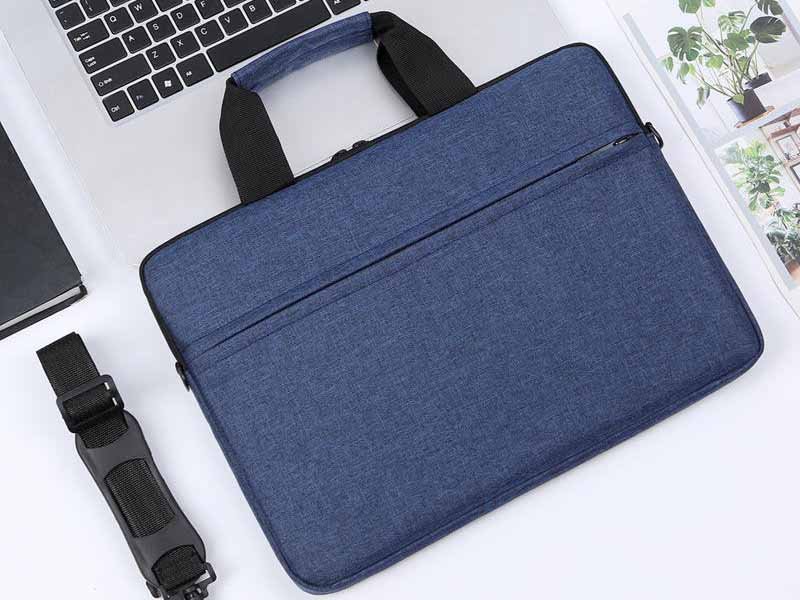
A laptop bag can look premium on the outside and still fail at the one job customers care about most: protecting the device inside. In real use, laptop protection is tested by much more than accidental drops. A bag gets placed on hard floors, squeezed under airplane seats, pressed inside overhead compartments, overloaded with chargers and books, and carried through daily commutes for months or years. If the laptop compartment is not built correctly, the outer design stops mattering very quickly.
For brands, retailers, and product developers, laptop compartment padding is not a small technical detail. It directly affects return rates, product reviews, retail value, and customer trust. A well-padded laptop compartment can help reduce damage complaints, improve product positioning, and justify a stronger price point. A weak one can turn a good-looking bag into a costly problem.
Laptop padding construction is the way protective materials, fabric layers, structure, thickness, and reinforcement are built together inside a bag to reduce shock, absorb pressure, protect edges, and keep the device stable during daily use and travel. Good construction is not about adding thick foam everywhere. It is about placing the right materials in the right areas, with the right density, layering, spacing, and assembly method.
A lot of laptop bags fail for a simple reason: they are designed around appearance first and protection second. The brands that get better long-term results usually do the opposite. They start by asking what the laptop needs to survive, then build the bag around that answer. That is where good product development begins, and that is exactly where laptop padding construction becomes a serious competitive advantage.
What Is Laptop Padding Construction?

Laptop padding construction is the internal protective system inside a bag that helps shield a laptop from drops, compression, friction, and repeated movement. It includes padding material, thickness, layer arrangement, edge protection, stitching method, and compartment structure. Strong protection comes from how these parts work together, not from one material alone.
What defines laptop padding construction?
Laptop padding construction is often misunderstood as “adding foam inside the bag.” In real manufacturing, it is much more than that. It is a full internal protection system that determines how the device sits, how force travels through the bag, and how much impact reaches the laptop during daily use.
A properly built laptop compartment usually includes these parts:
- outer shell fabric
- structural support layer
- main padding material
- inner lining
- edge reinforcement
- bottom lift or suspended base
- closure structure around the device
Each layer performs a different job. The outer shell handles wear, scratches, and surface tension. The padding layer manages shock and compression. The lining protects the laptop surface from abrasion. Reinforcement areas protect corners and edges, which are often the first points of damage during drops.
A good laptop compartment is usually designed around four protection goals:
- reduce direct impact force
- reduce bottom shock when the bag hits the ground
- prevent side-to-side movement inside the compartment
- avoid internal scratches and friction damage
This is why two bags made with the same outer fabric can perform very differently. One may protect well because the internal compartment is engineered carefully. The other may fail because the laptop floats loosely, the bottom has no lift, or the padding collapses under pressure.
The table below shows what usually makes one laptop compartment perform better than another.
| Construction Element | Low-Protection Version | Better-Protection Version | Effect on Real Use |
|---|---|---|---|
| Padding Layout | One flat foam sheet | Multi-zone padding design | Better shock control |
| Bottom Protection | Padding ends at bag base | Raised or suspended compartment | Less direct bottom impact |
| Edge Protection | Same thickness everywhere | Extra corner and side reinforcement | Better drop protection |
| Laptop Fit | Loose compartment | Size-matched compartment | Less internal movement |
| Inner Surface | Standard lining | Soft anti-scratch lining | Better surface protection |
Many complaints about laptop bags do not come from the shell fabric tearing. They come from the internal compartment failing to protect the device under normal use. That is why laptop padding construction should be treated as a performance feature, not just a sewing detail.
Why is laptop padding construction important?
Laptop protection is one of the first things customers judge in a bag, even before long-term durability becomes visible. If the compartment feels thin, loose, unstable, or poorly shaped, confidence drops immediately. If the laptop sits securely, the bag feels more valuable even before the customer starts using it.
This matters because laptops are expensive, and even minor damage can create strong negative reactions. A cracked corner, dented body, pressure mark, or scratched surface can quickly turn into:
- return requests
- replacement claims
- poor product reviews
- reduced repeat purchase rates
- damage to brand trust
In many bag categories, the laptop compartment is no longer an extra feature. It is a core purchase driver.
From a product development perspective, strong laptop padding construction helps brands in several ways:
- supports higher product positioning
- improves perceived quality during first inspection
- reduces after-sales complaints
- makes the bag more competitive in crowded online marketplaces
- adds a practical reason for customers to pay more
The importance becomes even greater for these product types:
- business backpacks
- commuter bags
- travel backpacks
- laptop sleeves
- messenger bags
- carry-on bags with tech storage
- corporate gifting bags
- private label laptop bags for e-commerce brands
In these categories, customers are not only buying a bag. They are buying confidence that their device is safe. A bag that protects a laptop well often earns better reviews, and better reviews lead to stronger conversion performance over time.
The numbers also matter. If a brand improves internal protection and reduces damage-related complaints by even 10% to 20%, the commercial effect can be significant. It can lower replacement cost, reduce refund pressure, and improve long-term account health on major marketplaces. In higher-ticket bags, better laptop construction can also support a higher retail price, often with only a moderate increase in production cost.
How does laptop padding construction protect devices?
Laptop padding construction protects devices by controlling force before it reaches the laptop. When a bag is dropped, compressed, or pushed against hard surfaces, the compartment must absorb part of that energy and redirect the rest so the laptop receives less impact.
This happens through a combination of:
- shock absorption
- pressure distribution
- edge buffering
- movement control
- surface protection
A well-built laptop compartment does not just rely on thickness. Thickness alone can be misleading. A thick, soft foam layer may feel protective in the hand but compress too easily in real use. A thinner, better-structured construction may perform much better because the force is managed more intelligently.
The most effective laptop protection systems usually include several design principles:
- the laptop sits away from the outer wall instead of touching it directly
- the bottom is lifted so the device does not hit the floor first
- the side panels reduce swing and internal movement
- the corners get added support because corners take concentrated impact
- the inner surface stays smooth to prevent scratching
Here is a simple breakdown of what each construction choice helps prevent:
| Protection Method | What It Helps Prevent |
|---|---|
| Suspended bottom | Damage from vertical drops |
| Side padding | Pressure from packed contents |
| Corner reinforcement | Edge dents and corner shock |
| Soft lining | Surface scratches |
| Snug compartment fit | Internal sliding and repeated friction |
In practice, protection failures often happen in three scenarios:
- the bag is placed down harder than expected
- the bag falls from chair or desk height
- the bag is compressed in travel or daily commuting
A good laptop compartment is built for these realistic situations, not just for showroom appearance. That is why experienced manufacturers test not only the materials themselves, but also how the layers behave together when sewn, folded, loaded, and used repeatedly.
Which Materials Are Used in Laptop Padding Construction?

Laptop padding construction commonly uses EVA foam, PE foam, PU foam, neoprene, spacer mesh, soft lining fabrics, and structural support materials. The best material choice depends on the protection level, bag style, weight target, price point, and intended use. Stronger results usually come from combining materials rather than relying on one padding layer.
Is EVA used in laptop padding construction?
Yes, EVA is one of the most widely used materials in laptop padding construction, especially in products that need stronger shape retention and more stable shock absorption. EVA is popular because it offers a useful balance between light weight, firmness, durability, and protection.
EVA works well when the product needs:
- a cleaner, more structured look
- stronger resistance to compression
- more controlled shape over time
- reliable support in daily commuting and travel bags
Compared with softer foam types, EVA tends to keep its form better under repeated use. This makes it especially useful in:
- structured laptop backpacks
- business briefcases
- travel backpacks with tech compartments
- semi-rigid laptop sleeves
- molded laptop panels
EVA is often used in sheet form or molded form, depending on the bag design. A molded EVA panel gives more consistent shape and cleaner protection lines, while flat EVA foam is often used when flexibility and lower cost matter more.
Its practical advantages include:
- good recovery after pressure
- lower collapse risk than many soft foams
- more professional internal structure
- better support around the laptop body
Its limitations also need to be understood. EVA can feel firmer and less flexible than other materials, so it may not suit every slim or soft-body bag design. It also needs careful thickness control. If it is too thin, protection may be limited. If it is too thick, the bag may become bulky and harder to carry.
The table below shows where EVA fits best.
| EVA Use Area | Why It Works Well |
|---|---|
| Back panel laptop compartment | Stable structure and strong support |
| Bottom lift panel | Better shock separation from base |
| Molded front compartment | Shape retention and impact control |
| Business bag laptop sleeve | Cleaner look and more secure feel |
For brands targeting a polished, more premium laptop bag, EVA is often one of the most effective core materials.
How does neoprene work in laptop padding construction?
Neoprene works differently from EVA. Instead of creating a more rigid protective structure, it provides soft, resilient cushioning with a more flexible, body-friendly feel. It is especially useful in products where comfort, soft touch, and close-fit device protection matter.
Neoprene is widely used in:
- laptop sleeves
- slim carry cases
- tablet sleeves
- compact commuter bags
- accessory organizers for tech products
Its key strengths include:
- soft shock absorption
- flexible body structure
- water resistance
- smooth handling experience
- comfortable close-fit protection
This makes neoprene especially attractive for products designed around convenience and daily use. Customers often like neoprene because it feels protective without feeling hard or bulky.
Neoprene performs particularly well when the design goal is to protect against:
- light bumps
- friction during carrying
- minor daily impact
- scratches from internal surfaces
- moisture exposure in routine commuting
However, neoprene is not always the best stand-alone solution for heavier-duty laptop bags. For large backpacks or travel bags carrying laptops plus heavier contents, neoprene alone may not give enough structure. In those cases, it is often better when paired with other materials such as EVA or support foam.
Lovrix’s strength is especially relevant here. Because the group has more than 18 years of experience across fabric, webbing, and bag manufacturing, it can help brands use neoprene more intelligently, not just as a fashionable fabric, but as a functional layer inside a complete protection system. That can include adjusting:
- neoprene thickness
- lamination type
- fabric face combination
- stitching method
- panel position inside the compartment
Neoprene is not just a “soft material.” In the right structure, it becomes a very practical protection tool.
Are foam materials common in laptop padding construction?
Yes, foam materials are central to most laptop padding systems, but the word “foam” covers a wide range of options with very different results. One of the most common mistakes in laptop bag development is treating all foam as interchangeable. In real manufacturing, density, resilience, thickness, and compression behavior all matter.
The most common foam types include:
- PE foam
- PU foam
- EVA foam
- memory foam in selected premium applications
Each one offers different strengths.
PE foam is often used in cost-sensitive projects because it is lightweight and economical. It works well in simple laptop compartments, especially when the product needs moderate protection at a controlled cost. But lower-grade PE foam can compress too easily and may lose performance over time if repeated load is high.
PU foam is softer and more flexible. It can improve comfort and create a more padded feel, especially in laptop sleeves or soft-body bags. However, it often provides less structural support than EVA.
Memory foam is usually used in higher-end products where premium touch and adaptive cushioning matter. It can create a more refined user experience, but it also adds cost and is not always necessary for mass-market products.
The smart way to evaluate foam is to ask:
- how much impact must it absorb
- how often will the bag be used
- how heavy is the device and other carried items
- does the bag need structure or softness
- what price range must the product fit into
A well-developed laptop bag often uses foam selectively. It may place denser foam at the bottom and corners, while using softer layers on the sides or lining-facing surfaces. This controlled placement helps improve performance without making the whole bag heavier or more expensive than necessary.
Which materials improve laptop padding construction?
The best laptop padding construction usually comes from material combination, not one single layer. Real protection improves when materials are selected for different jobs and then assembled in a way that makes them work together.
A more advanced laptop compartment may include:
- abrasion-resistant outer shell
- structural support panel
- primary impact-absorbing foam
- soft anti-scratch inner lining
- reinforced edge zones
- raised or floating bottom section
This kind of layered approach gives several advantages:
- better control of force through multiple stages
- more targeted protection where damage risk is highest
- improved balance between structure and comfort
- easier adjustment for different laptop sizes and bag types
For example, a good business backpack laptop compartment might use:
- woven nylon or polyester outer shell
- EVA support sheet behind the main panel
- PE or PU foam around the laptop body
- brushed tricot or soft lining inside
- extra reinforcement at bottom corners
- webbing-supported suspension construction
The result is not only stronger protection, but also a better user experience. The laptop slides in more smoothly, stays more stable, and feels more secure when the customer picks up the bag.
The table below shows a practical material mix strategy.
| Layer or Area | Common Material Choice | Main Function |
|---|---|---|
| Outer shell | Nylon / polyester | Wear resistance and structure |
| Main padding | EVA / PE / PU foam | Shock absorption |
| Inner lining | Soft tricot / brushed lining | Scratch protection |
| Corner zone | Dense foam / reinforced panel | Concentrated impact control |
| Bottom area | EVA + lifted construction | Drop protection |
| Comfort-facing panel | Neoprene / soft foam | Better handling feel |
This is where Lovrix can offer real development value. Because the company group covers fabric factory capability, webbing production, and bag manufacturing, it can help brands evaluate the full material system instead of looking at the laptop compartment as an isolated part. That means a more complete view of:
- face fabric compatibility
- webbing support strength
- assembly method
- logo application impact
- finished bag balance between protection, weight, and cost
For customers building private label or OEM laptop bags, this integrated approach usually leads to better products and fewer development mistakes.
How Is Laptop Padding Construction Built?

Laptop padding construction is built through layer design, thickness planning, reinforcement placement, and assembly method. The best structure protects the laptop without making the bag too bulky, too heavy, or too expensive. Good construction is about controlled engineering, not simply adding more padding.
How are layers formed in laptop padding construction?
Layer formation is one of the most important parts of laptop compartment development. A laptop compartment is rarely just “fabric plus foam.” In a well-made product, the layers are arranged according to how force enters the bag and where the laptop needs the most protection.
The most basic structure usually includes:
- outer shell
- one padding layer
- inner lining
But once the protection target increases, the layer system often becomes more refined. A stronger construction may include:
- outer fabric for surface durability
- support layer to hold shape
- main foam layer for shock absorption
- additional foam insert in key zones
- inner lining for scratch prevention
- edge reinforcement and bottom lift
The order of these layers matters. Their density matters. Their attachment method also matters. If the foam shifts inside the panel, the protection becomes unstable. If the stitching compresses the foam too aggressively, performance may drop in the stitched zones.
A better layer system usually aims to do three things:
- absorb force gradually rather than all at once
- reduce concentrated pressure points
- hold the laptop in a more stable position
That is why multiple thinner layers often perform better than one thick layer. The layered system can spread energy more effectively and improve long-term comfort and usability.
What thickness suits laptop padding construction?
Thickness is one of the first things customers notice, but it is not a reliable measure of performance by itself. Some bags feel thick but protect poorly because the foam is too soft or badly placed. Other bags feel relatively slim but protect much better because the material density and structural layout are more effective.
In general, thickness should be matched to the product use case.
A slim office sleeve may need only moderate thickness because the laptop is carried carefully and the product must stay lightweight. A travel backpack with a laptop compartment usually needs more protection because the bag may be set down harder, packed more heavily, and used in more variable environments.
The right thickness depends on:
- device size and weight
- bag type
- target user behavior
- material density
- whether the compartment is suspended or not
- whether the bag includes other heavy contents nearby
In many developments, a total protective build of around 5 mm to 10 mm across the main body is enough for standard daily use if the structure is strong. Heavier-duty travel products may require more support in the bottom and corners instead of simply increasing all-over thickness.
A smart design often uses variable thickness:
- lighter padding on large flat areas
- stronger padding at the bottom
- denser reinforcement at corners
- controlled side padding for stability
This allows the bag to stay comfortable while improving real protection where it matters most.
How are edges reinforced in laptop padding construction?
Edges and corners are the most injury-prone parts of a laptop during impact. When a bag falls, the shock often concentrates at one corner or one lower side first. If those areas are underbuilt, damage risk rises sharply even when the main panels look well padded.
That is why edge reinforcement deserves special attention. Common methods include:
- extra foam strips along compartment edges
- denser inserts at corners
- folded structural tape support
- edge piping with internal reinforcement
- panel overlap construction
A reinforced edge does two jobs at the same time:
- it creates a buffer zone between the laptop and outside shock
- it keeps the compartment shape more stable over time
Without strong edge control, the laptop may move more than expected inside the sleeve or compartment. That movement leads to repeated friction, shifting, and unstable protection during walking, commuting, and travel.
For many brands, improving edge construction is one of the most cost-effective ways to improve product quality without redesigning the full bag.
Do structures affect laptop padding construction?
Yes, structure has a major effect on performance. Even with good materials, the wrong structure can reduce protection, increase bulk, or create weak points during repeated use.
The two most common approaches are:
- sewn structure
- molded or shaped structure
Sewn construction is more flexible and often more cost-efficient. It works well for many backpacks, messenger bags, and sleeves. But it needs careful control in seam placement, foam fixation, and reinforcement design.
Molded construction gives better consistency in shape and can create cleaner, more technical-looking compartments. It is often used in premium laptop sleeves, protective cases, and structured office bags. It also tends to support stronger shape retention.
The best choice depends on:
- product price target
- visual style
- production volume
- protection requirement
- desired user experience
For OEM and private label projects, the right structure should always be decided together with material selection. A strong material in the wrong structure rarely gives the best result.
How Does Laptop Padding Construction Perform?
Laptop padding construction performs by absorbing impact, reducing pressure, controlling movement, and maintaining structure over time. Real performance depends on how materials, layers, and reinforcement work together under daily use conditions such as drops, compression, and repeated handling.
How does laptop padding construction absorb impact?
Impact protection is the first real test of any laptop compartment. When a bag is dropped or hits a hard surface, the energy from that impact travels through the bag layers toward the laptop. Padding construction must reduce that energy before it reaches the device.
This is achieved through three key mechanisms:
- compression of padding material
- distribution of force across a wider area
- delay of impact transfer through layered structure
When padding compresses, it absorbs part of the energy. When layers are used, each layer reduces a portion of the force. When the structure spreads the load, pressure is not concentrated on one point.
The difference between good and poor construction becomes very clear in drop scenarios:
| Drop Scenario | Poor Construction Result | Better Construction Result |
|---|---|---|
| Desk height drop (~70–80 cm) | Direct shock to bottom corner | Impact absorbed and reduced |
| Backpack fall on side | Pressure transferred to laptop edge | Force spread across padded panel |
| Bag dropped while full | Compression reaches device quickly | Multi-layer padding slows force transfer |
A single soft foam layer often compresses too quickly and “bottoms out,” meaning it loses its ability to absorb further impact. In contrast, a layered system with different densities can continue absorbing energy across multiple stages.
Another key factor is recovery ability. Good padding returns to its original shape after compression. Poor-quality foam may stay compressed over time, reducing protection after repeated use.
For brands developing laptop bags, this is where material testing matters. It is not only about initial feel, but about how the padding behaves after hundreds of compression cycles.
Which laptop padding construction suits daily use?
Daily use creates a different type of stress compared to occasional drops. It includes:
- constant carrying
- repeated insertion and removal of the laptop
- pressure from other items in the bag
- friction during walking and movement
For this reason, laptop padding for daily use must focus on stability and consistency, not just impact resistance.
The most suitable construction for daily use usually includes:
- medium-density foam (not too soft, not too rigid)
- snug compartment fit to reduce movement
- reinforced side panels to control shifting
- soft inner lining to prevent scratches
- moderate thickness to keep the bag lightweight
Here is how different constructions perform in daily scenarios:
| Construction Type | Daily Use Performance |
|---|---|
| Single foam layer | Comfortable but less stable over time |
| Multi-layer foam | Balanced protection and comfort |
| EVA + foam hybrid | Strong structure + good cushioning |
| Neoprene sleeve style | Comfortable but less structural support |
One of the most common issues in daily-use bags is internal movement. If the laptop slides inside the compartment, it experiences repeated micro-impacts. Over time, this can lead to wear or even internal component damage.
That is why compartment fit matters as much as padding. A slightly tighter compartment with controlled flexibility usually performs better than a loose one with thicker padding.
For commuter-focused products, the goal is not maximum thickness. It is predictable protection with comfortable carry.
How does laptop padding construction affect weight?
Weight is a critical factor, especially for products used in commuting, travel, or everyday carry.
Adding more padding always increases weight, but not all padding contributes equally to protection.
Here is a comparison:
| Padding Type | Protection Efficiency | Weight Impact |
|---|---|---|
| Low-density foam | Low–Medium | Low |
| High-density EVA | High | Medium |
| Multi-layer system | High | Medium |
| Thick single foam | Medium | High |
| Neoprene | Medium–High | Medium |
The goal is to achieve high protection efficiency per unit weight.
For example:
- A 6 mm multi-layer system can outperform a 10 mm single foam layer
- A targeted reinforcement design can reduce the need for full-area thickness
Weight optimization strategies include:
- placing thicker padding only in high-risk zones (bottom, corners)
- using lighter materials for larger flat areas
- combining rigid and flexible layers to reduce overall thickness
- reducing unnecessary overlapping materials
For travel bags, every 100–200 grams matters. Customers carrying laptops daily quickly notice weight differences.
A well-designed laptop compartment should feel protective without making the bag feel heavy or bulky.
How long does laptop padding construction last?
Durability of laptop padding construction depends on material quality, usage frequency, and construction method.
In real use, padding degradation usually happens in three ways:
- compression fatigue (foam loses elasticity)
- structural deformation (padding shifts or collapses)
- seam and edge wear (reinforcement weakens over time)
Here is a general lifespan estimate:
| Padding Quality Level | Usage Frequency | Expected Performance Life |
|---|---|---|
| Low-grade foam | Daily use | 6–12 months |
| Mid-grade foam system | Daily use | 1–2 years |
| EVA + layered system | Daily use | 2–4 years |
| Premium engineered system | Heavy use | 3–5+ years |
The most common failure points include:
- bottom padding thinning out
- corner protection weakening
- foam losing rebound ability
- compartment shape becoming loose
This is why higher-quality constructions often include:
- denser materials in high-stress areas
- better foam recovery properties
- reinforced stitching and structure
- layered designs that maintain performance longer
For brands, this directly affects product reputation. A bag that maintains protection performance over time is far more likely to receive positive reviews and repeat orders.
How to Choose Laptop Padding Construction?

Choosing the right laptop padding construction requires balancing protection, cost, weight, and product positioning. The best solution depends on the bag type, target market, and expected usage rather than selecting the most expensive materials.
What laptop padding construction fits each bag?
Different bag types require different padding strategies. A design that works for a slim sleeve may not work for a travel backpack.
Here is a practical guide:
| Bag Type | Recommended Padding Construction | Key Focus |
|---|---|---|
| Laptop sleeve | Neoprene or thin foam | Flexibility + lightweight |
| Business backpack | EVA + foam layers | Structure + daily protection |
| Travel backpack | Multi-layer + reinforced base | Heavy load + impact protection |
| Messenger bag | Foam + side reinforcement | Stability + easy access |
| Carry-on bag | EVA + thick base padding | Drop protection + durability |
The key is to match construction with usage:
- lightweight products need flexible padding
- heavy-duty products need structural support
- travel products need stronger bottom protection
Trying to use one construction for all products usually leads to poor results.
How to balance cost in laptop padding construction?
Cost control is one of the most important concerns in OEM and private label projects.
Padding materials can vary significantly in cost:
| Material | Relative Cost Level |
|---|---|
| PE foam | 1.0x |
| PU foam | 1.2x |
| EVA | 1.5x–2.0x |
| Neoprene | 1.8x–2.5x |
| Multi-layer system | 2.0x+ |
However, higher cost does not always mean better value.
A smart cost strategy includes:
- using premium materials only where needed
- simplifying construction in low-risk areas
- combining materials instead of upgrading everything
- optimizing thickness instead of increasing it blindly
For example:
- reinforcing only the bottom and corners can improve protection significantly without doubling cost
- using EVA only in structural areas while using foam elsewhere can reduce overall material cost
In many cases, a 10–15% increase in padding cost can reduce product complaints by 20–40%, which improves long-term profitability.
Which designs improve laptop padding construction?
Certain design features significantly improve protection without large cost increases.
These include:
- suspended laptop compartments
- reinforced bottom panels
- multi-density padding zones
- structured side walls
- secure closure systems
Among these, suspended compartments are particularly effective. By lifting the laptop slightly above the base, they reduce direct impact when the bag is dropped.
Another important factor is compartment alignment. If the laptop sits too close to one side of the bag, that side becomes a weak point.
Balanced design ensures:
- equal spacing around the device
- consistent padding coverage
- better weight distribution
These small design adjustments often make a noticeable difference in real use.
How to customize laptop padding construction?
For OEM and private label projects, customization is not limited to appearance. It extends deeply into padding construction.
At Lovrix, customization can include:
- padding material selection
- thickness adjustment
- multi-layer structure design
- edge reinforcement configuration
- compartment sizing and fit
- integration with overall bag structure
- compatibility with branding elements
Because Lovrix operates across:
- fabric manufacturing
- webbing production
- bag manufacturing
it can control how different components work together. This is important because laptop padding is not isolated—it interacts with:
- outer fabric
- strap system
- overall bag shape
- internal layout
A well-coordinated design leads to better performance and fewer production issues.
For brands, working with a manufacturer that understands both materials and structure can significantly reduce development time and improve product consistency.
Why Laptop Padding Construction Matters?
Laptop padding construction directly affects product value, customer trust, and long-term brand performance. It influences how a bag feels, how it performs over time, and whether customers believe it is worth the price they paid.
How does laptop padding construction affect product value?
Customers may not know the exact material names or technical specifications, but they immediately notice how a laptop compartment feels and behaves.
When a customer opens a bag and places a laptop inside, they are subconsciously checking:
- how stable the device feels
- whether the compartment holds its shape
- how thick and supportive the padding feels
- whether the laptop moves inside
- whether the interior surface feels safe
These small details strongly influence perceived quality.
A well-constructed laptop compartment can:
- increase perceived product value by 30–60%
- justify a higher retail price
- improve conversion rates in online listings
- reduce hesitation during purchase
On the other hand, a weak compartment can:
- make the entire bag feel low quality
- increase return rates
- generate negative reviews
- reduce repeat purchase behavior
Here is a comparison from real product positioning:
| Product Level | Padding Construction | Market Perception |
|---|---|---|
| Entry-level bag | Single foam layer | Basic, price-driven |
| Mid-range bag | Layered foam + reinforcement | Reliable, practical |
| Premium bag | EVA + multi-layer system + structured design | Professional, high-value |
In many cases, upgrading laptop padding construction is one of the most cost-effective ways to improve product positioning without redesigning the entire bag.
Are advanced materials improving laptop padding construction?
Yes, material development is changing how laptop compartments are built.
Traditional foam-only designs are gradually being replaced by multi-material systems that combine different properties.
Common improvements include:
- EVA + foam combinations for better structure and cushioning
- neoprene integration for comfort and flexibility
- laminated fabrics for improved durability
- spacer mesh for airflow and weight reduction
These materials improve:
- shock absorption
- long-term durability
- shape stability
- user comfort
For example, spacer mesh can be used between layers to create airflow channels while reducing weight. This is especially useful in commuter backpacks where comfort matters.
Another trend is targeted material placement. Instead of using one material everywhere, manufacturers place stronger materials only where needed.
This approach allows brands to:
- improve performance without large cost increases
- maintain lightweight design
- create more refined products
Material development is not about replacing everything. It is about using each material more effectively.
Is laptop padding construction becoming a design feature?
Yes, in many products, laptop padding construction is no longer hidden. It is becoming part of the design language.
Customers are starting to notice:
- visible structured compartments
- clean internal layouts
- molded panels
- color-contrasted padding areas
- branded internal sections
This shift means padding is no longer just functional. It also contributes to:
- visual appeal
- brand identity
- user experience
For example:
- a molded EVA laptop compartment can give a more technical, modern look
- a neoprene-lined sleeve can create a softer, premium feel
- a well-organized interior layout can improve usability
In competitive markets, these details help products stand out.
For brands, this creates an opportunity to use padding construction as part of product storytelling.
How does laptop padding construction impact brand positioning?
Material and construction choices send strong signals to the market.
Customers often associate internal quality with overall brand quality, even if they cannot explain it technically.
Here is how different approaches influence positioning:
| Construction Strategy | Brand Impression |
|---|---|
| Minimal padding | Budget, basic function |
| Standard foam padding | Practical, everyday use |
| Layered padding system | Reliable, well-designed |
| EVA structured compartment | Professional, premium |
| Multi-material engineered system | High-performance, advanced |
For private label brands and OEM clients, this is important because:
- internal construction is harder for competitors to copy quickly
- it creates real functional differentiation
- it supports long-term brand building
In many cases, customers may not mention padding in reviews directly, but they will mention:
- “feels well made”
- “laptop feels safe”
- “good protection”
These comments are often the result of good padding construction.
Start Your Laptop Bag Project with Lovrix
Building a strong laptop bag is not about choosing one good material. It is about combining materials, structure, and production control into a reliable system.
With over 18 years of experience, the company supports brands.
What makes the process more efficient for clients is not only production capacity, but also development support.
Lovrix can help you:
- select suitable padding materials based on your product level
- design layered padding structures for better protection
- optimize thickness and weight balance
- improve edge and bottom reinforcement
- integrate padding with overall bag construction
- ensure consistency from sampling to mass production
For many brands, the biggest challenge is not finding materials. It is making the right decisions early in development.
Working with a manufacturer that understands both materials and construction can help avoid:
- over-designed products with unnecessary cost
- under-protected products that lead to complaints
- delays caused by repeated sample revisions
If you are planning to develop a new laptop bag or upgrade an existing product line, now is the right time to review your laptop padding construction.
A better internal structure can:
- improve product performance
- reduce after-sales issues
- strengthen your brand positioning
- increase your product’s competitiveness
The next step is simple.
Share your product idea, target market, and price range with Lovrix. The team can help you turn that idea into a well-structured, durable, and market-ready product.
A strong laptop bag is not defined by how it looks on day one. It is defined by how well it protects the device after months of real use.
Start building that difference with the right partner.


