Most bag programs don’t get rejected because the design is “bad.” They get rejected because the material doesn’t match the price point. A $25 backpack made with a “premium-sounding” fabric can still feel cheap if it pills, fades, or collapses after two weeks. And a $120 backpack can lose trust fast if the fabric scuffs easily or looks “plasticky” under store lighting. Nylon vs polyester bags isn’t a debate about which fiber is “best”—it’s about which one supports your product tier, your use-case, and your margin.
Nylon vs polyester bags differ most in strength, abrasion resistance, UV stability, moisture behavior, and cost. Nylon is generally stronger and more abrasion-resistant, making it a safer choice for premium and heavy-duty bags. Polyester usually holds color better in sun and is more cost-efficient, making it strong for mid-range and value products. Coatings and fabric construction can shift outcomes.
Lovrix has spent 18+ years developing fabrics, webbing, and finished bags across multiple factories in China. We’ve seen one material choice quietly reduce returns—and another one quietly increase them. Let’s make the choice practical, not emotional.
Nylon vs Polyester Bags — What Is the Core Difference?
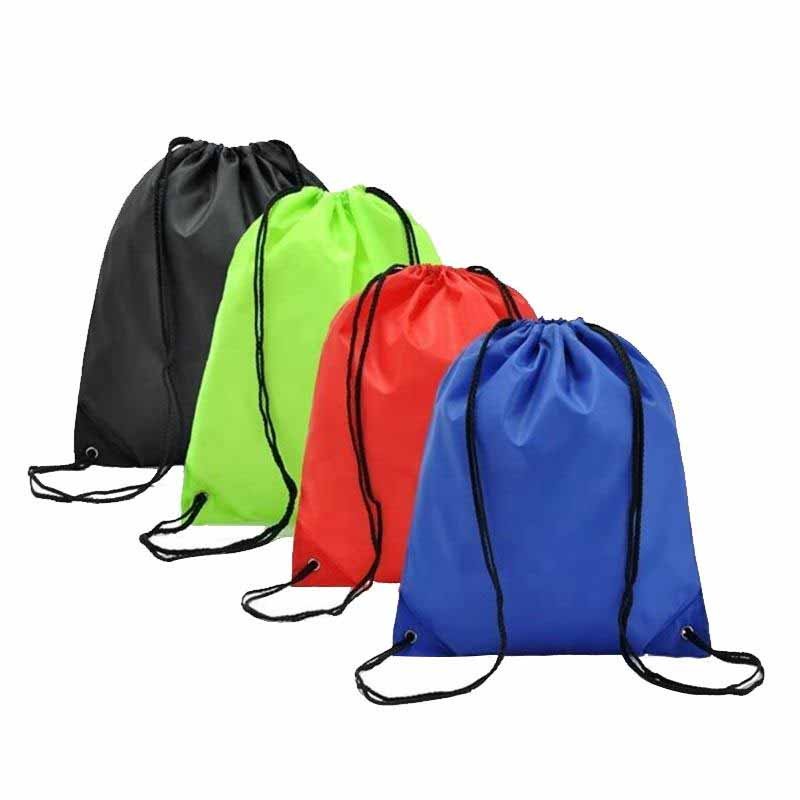
The core difference in nylon vs polyester bags is the performance “balance.” Nylon tends to deliver higher tensile strength and abrasion resistance at the same denier, which supports premium durability claims. Polyester tends to deliver better UV/color stability and lower cost, which supports competitive retail pricing. Neither fiber is automatically waterproof—real water resistance comes from coatings, lamination, and seam design.
What Is Nylon in Nylon vs Polyester Bags?
Nylon (polyamide) is chosen when brands need high strength for weight, plus a “smooth, technical” feel. In bag programs, nylon is often used for travel packs, outdoor bags, camera bags, and premium lifestyle backpacks—especially where scuffing and abrasion are common.
Common nylon fabric families used in bags:
- 210D / 420D nylon (lightweight to midweight packs)
- 500D nylon (balanced strength and hand feel)
- 840D / 1680D ballistic nylon (rugged, structured products)
- Ripstop nylon (tear control, lightweight positioning)
Customers care about “does it look new after 3 months?” Nylon usually performs well here because it resists friction damage better than polyester at similar weights.
Useful reference table (real sourcing questions your customers ask):
| Question customers ask | What nylon helps with | Why it matters in sales |
|---|---|---|
| “Will it scuff at corners?” | Strong abrasion resistance | Bags look newer longer |
| “Can it handle heavy load?” | High tensile strength | Fewer seam/fabric failures |
| “Does it feel premium?” | Smooth, dense hand feel | Higher perceived value |
Practical note your clients should know: nylon can absorb more moisture than polyester, so coating choice matters more for “rainy commute” bags. In Lovrix developments, when a brand targets “weather-ready,” we focus on coating + seam exposure, not just fiber name.
What Is Polyester in Nylon vs Polyester Bags?
Polyester is chosen when brands need stable color, stable shape, predictable cost, and wide availability—including recycled options. It’s extremely common for school backpacks, promotional bags, everyday daypacks, and e-commerce bestsellers because it hits performance targets without pushing unit cost too high.
Common polyester fabric families used in bags:
- 300D / 600D polyester (school and casual backpacks)
- 900D / 1200D polyester (structured mid-range bags)
- 1680D polyester (durable look, strong value positioning)
- Polyester twill (softer feel, better fashion appearance)
Polyester’s big advantage is often UV/color stability—bags keep their color longer in strong sun, which matters for outdoor gear, kids’ bags, and bright color programs.
Cost reality (typical FOB fabric ranges for bulk programs in China):
| Fabric (with standard PU) | Common use tier | Typical range (USD/m) |
|---|---|---|
| 600D Polyester PU | value / mid-range | $0.90–$1.40 |
| 420D Nylon PU | mid / premium | $1.60–$2.20 |
| 1680D Polyester PU | mid-range “rugged look” | $1.30–$2.00 |
| 840D Ballistic Nylon | premium / heavy-duty | $2.30–$3.50 |
These ranges move with coating spec, yarn quality, and dyeing requirements, but the pattern stays consistent: polyester usually protects price competitiveness; nylon usually protects durability claims.
For sustainability-led tiers, polyester also wins on sourcing speed because rPET supply is broader and MOQ can be easier to manage.
How Do Nylon vs Polyester Bags Feel Different?
This is the part many brands underestimate: customers judge quality in 3 seconds—by touch, drape, and how the bag “stands.”
In-hand feel (what shoppers notice):
- Nylon often feels smoother, softer, more “technical.”
- Polyester often feels firmer, more structured, sometimes slightly “dry.”
But “feel” is not only the fiber. It changes a lot with weave, yarn, and finishing.
What changes feel the most (and how brands use it):
| Design goal | What Lovrix adjusts | What the customer experiences |
|---|---|---|
| “Premium smooth touch” | higher density weave + matte PU | cleaner, less plastic shine |
| “Structured school bag” | stiffer polyester + thicker PU | bag holds shape on shelf |
| “Outdoor waterproof vibe” | TPU lamination + tight weave | rubbery, sealed feel |
| “Lightweight performance” | ripstop construction | athletic, technical look |
If your product tier is “premium,” your fabric must look premium under light: too glossy and it can look cheap; too stiff and it can feel mass-market. That’s why in Lovrix sampling we often do 2–3 finish options on the same base fabric so the brand can choose the best “store shelf impression.”
What customers actually complain about (so you can prevent returns)
Here are the most common issues we hear from brand and e-commerce clients—and how the nylon vs polyester choice connects:
- “It looks faded fast.” More common when the dyeing/UV performance is not matched to use-case. Polyester often performs better in UV; dark nylon needs the right dyeing and finish.
- “Corners look worn quickly.” More common in high-friction areas (bottom corners, strap attachment zones). Nylon generally resists abrasion better; reinforcement design also matters.
- “It feels cheap in photos.” Often caused by coating gloss, weave density, and fabric stiffness. Both fibers can look premium or cheap depending on finish.
This is where a factory with integrated fabric + bag production has an advantage: Lovrix can tune fabric finishing and then test it in real bag structures (stress points, fold lines, bottom panels), not just on fabric swatches.
Nylon vs Polyester Bags — Which Is Stronger?
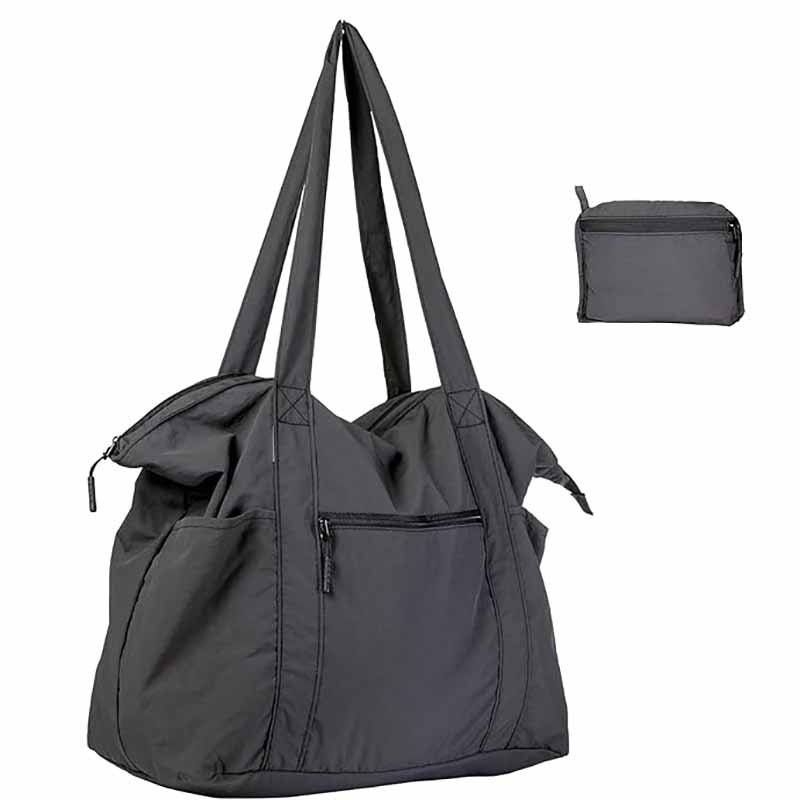
In nylon vs polyester bags, nylon generally offers higher tensile strength and better abrasion resistance at the same denier. Polyester offers better dimensional stability and slightly lower stretch under load. For heavy-duty, high-friction, or long-term use, nylon usually performs better. For structured everyday bags where cost control matters, polyester performs reliably.
Which Wins in Abrasion Resistance?
Abrasion resistance is one of the biggest hidden cost drivers in bag programs. Customers don’t complain about “fiber type.” They complain about:
- Corners turning white
- Bottom panels thinning
- Surface fuzzing
- Shoulder strap friction wear
In lab testing (Martindale abrasion test), nylon typically survives 20–40% more cycles than polyester of comparable denier.
Example comparison (standard PU-coated fabrics):
| Fabric | Martindale Cycles (approx.) | Visual Wear On Corners |
|---|---|---|
| 420D Nylon PU | 20,000–25,000 cycles | Minimal whitening |
| 600D Polyester PU | 15,000–18,000 cycles | Whitening earlier |
| 840D Ballistic Nylon | 30,000+ cycles | Very strong |
| 1680D Polyester | 22,000–28,000 cycles | Good but slightly stiffer |
What this means in real life:
- Daily commute backpack rubbing against jeans → nylon keeps surface cleaner longer.
- Travel luggage dragged across airport floor → ballistic nylon usually performs better.
- School backpack on classroom floor → both acceptable, polyester more cost-efficient.
However, abrasion is not only fiber-based. We also look at:
- Yarn quality (high-tenacity vs standard)
- Weave density
- Coating thickness
- Bottom reinforcement
At Lovrix, for mid-range polyester bags, we often increase bottom panel density or add reinforcement patches to match nylon-level wear zones without upgrading entire fabric cost.
That’s how brands protect margin without sacrificing durability.
Which Handles Weight Better?
Strength is not just about fabric tearing—it’s about load transfer.
Two critical tests:
- Tensile strength (fabric pull force)
- Tear strength (propagation resistance)
Approximate tensile ranges:
| Fabric | Tensile Strength (warp) | Tear Resistance |
|---|---|---|
| 420D Nylon | High | High |
| 600D Polyester | Moderate–High | Moderate |
| 840D Nylon | Very High | Very High |
| 900D Polyester | High | Moderate |
In heavy-load applications like:
- Travel duffels
- Hiking packs
- Tool bags
- Tactical backpacks
Nylon gives an extra safety margin before structural failure.
But here is something many brands misunderstand:
Fabric rarely fails first. Stitching and webbing do.
In 70%+ of load failures we analyze, the break point is:
- Strap anchor stitching
- Webbing tear-out
- Seam stress concentration
That’s why Lovrix integrates webbing factory + bag factory production. A 600D polyester bag with upgraded webbing and bartack reinforcement can outperform a poorly constructed nylon bag.
Material matters. Construction matters more.
Which Lasts Longer in Daily Use?
Longevity depends on three wear categories:
- Surface wear (abrasion & fading)
- Structural wear (stretch & deformation)
- Environmental wear (moisture & UV)
Here’s the balanced view:
- Nylon = better abrasion resistance, better long-term ruggedness.
- Polyester = better color retention under sun exposure.
For example:
- Urban commuter backpack (indoor + short sun exposure) → Nylon ages very well.
- Outdoor daypack used in strong sunlight daily → Polyester may hold color better over time.
- Children’s school bags (heavy daily friction) → Nylon resists bottom wear better, but polyester controls price better.
For mid-range positioning, many brands use:
- 600D or 900D polyester main body
- Reinforced nylon bottom panel
This hybrid solution balances cost and durability.
At Lovrix, we frequently design multi-fabric solutions for brands targeting $39–$69 retail tiers. That allows stronger stress zones without over-engineering the whole bag.
Nylon vs Polyester Bags — Which Performs Better Outdoors?
For outdoor use, nylon vs polyester bags perform differently depending on friction level, UV exposure, moisture conditions, and temperature range. Nylon generally handles abrasion and rugged terrain better. Polyester typically retains color and structural stability longer under strong UV exposure. Real waterproof performance depends far more on coating thickness, lamination, and seam construction than fiber type alone.
Outdoor performance should never be judged by fiber name alone. It should be evaluated by use scenario + coating system + construction method.
Which Resists Water Better in Real Outdoor Conditions?
Many brands assume nylon is “less waterproof” because it absorbs more moisture than polyester. That comparison is incomplete.
Raw fiber moisture absorption:
- Nylon: approx. 3–4%
- Polyester: less than 1%
But here is what actually matters in outdoor use:
- Hydrostatic head rating (mm)
- Coating thickness
- Seam construction
- Fabric density
- Lamination type
Hydrostatic performance comparison (standard bag fabrics):
| Fabric Construction | Hydrostatic Head | Real Outdoor Use |
|---|---|---|
| 600D Polyester + thin PU | 600–1000mm | Light rain |
| 420D Nylon + PU | 1000–1500mm | Commuter rain |
| 900D Polyester + thick PU | 1500–2500mm | Moderate rain |
| Nylon + TPU laminate | 3000–8000mm | Heavy rain / cycling |
| Laminated + seam taped | 5000mm+ | Near waterproof |
In actual field testing, once laminated or thickly coated, nylon and polyester perform very similarly against rain penetration.
Where the difference appears:
- Nylon may feel heavier after prolonged soaking.
- Polyester dries slightly faster.
- Polyester maintains dimensional stability when wet.
For cycling bags, hiking packs, or marine-use products, we recommend focusing on:
- TPU lamination thickness
- Seam sealing
- Bottom panel reinforcement
At Lovrix, when brands request “waterproof,” we always ask:
- Is this splash resistant?
- Rain resistant?
- Or submersion resistant?
Because the fabric system determines the answer—not the fiber name.
Which Handles UV Exposure and Sunlight Better?
Outdoor bags often fail visually before structurally.
Common complaints:
- Fading color
- Uneven discoloration
- Chalky surface
- Coating breakdown
Polyester generally has stronger UV resistance than nylon. In accelerated UV aging tests:
- Polyester retains color saturation longer.
- Nylon can fade faster if dye quality is lower.
UV performance estimate (accelerated chamber test):
| Fabric | UV Resistance Level | Common Outcome After Long Exposure |
|---|---|---|
| 600D Polyester | High | Slower fading |
| 420D Nylon | Moderate | Slight fading over time |
| Solution-dyed Polyester | Very High | Excellent retention |
| Nylon with UV stabilizer | Improved | Reduced fading |
For:
- Beach bags
- Outdoor sports backpacks
- School bags in hot climates
- Desert or tropical use
Polyester can be safer in maintaining appearance.
However, UV stabilizers in coatings can significantly improve nylon’s performance. Higher-end nylon programs often include UV-resistant finishing to minimize fading.
If your product will sit under retail lighting or direct sun daily, polyester may maintain shelf appearance longer without additional chemical treatment.
Which Performs Better in Rough Terrain and Friction?
Outdoor performance is not only about water and sun. It is about:
- Rock contact
- Concrete scraping
- Gravel friction
- Repeated shoulder strap rubbing
Here nylon shows its strength.
Abrasion testing comparison (Martindale cycles):
| Fabric | Average Cycles to Visible Wear |
|---|---|
| 420D Nylon | 20,000–25,000 |
| 600D Polyester | 15,000–18,000 |
| 840D Nylon | 30,000+ |
| 1680D Polyester | 22,000–28,000 |
In real-world outdoor use:
- Hiking packs dragged over rocks → nylon resists surface whitening better.
- Tactical bags exposed to frequent ground contact → ballistic nylon lasts longer.
- Camping duffels thrown into car trunks repeatedly → nylon holds up well.
For brands targeting rugged positioning, nylon often gives a stronger durability story.
But there is a cost trade-off. Not all outdoor bags need ballistic nylon.
Sometimes:
- Polyester body + nylon bottom panel
- Polyester main fabric + thicker reinforcement patches
can provide 80–90% of durability at lower total fabric cost.
This hybrid engineering is common in mid-to-high tier outdoor collections.
Which Performs Better in Cold or Variable Temperatures?
Cold weather performance is often ignored during material selection.
In sub-zero conditions:
- Nylon generally maintains flexibility better.
- Some polyester coatings can stiffen faster depending on PU formulation.
For winter sports bags, ski packs, or mountaineering applications:
- Nylon + TPU laminate offers better cold flexibility.
- Thick PVC-coated polyester may become rigid.
At Lovrix, for cold-climate outdoor brands, we test:
- Flex cracking resistance
- Coating adhesion after temperature cycling
- Fold durability under freezing conditions
If your bag is used in extreme environments, fiber choice must align with coating chemistry.
Outdoor Decision Matrix
Instead of asking “nylon or polyester,” ask:
| Outdoor Priority | Better Direction |
|---|---|
| Heavy abrasion (rocks, ground drag) | Nylon |
| Strong sun exposure (beach, desert) | Polyester |
| Waterproof cycling use | Either + TPU laminate |
| Lightweight hiking | Ripstop nylon |
| Budget outdoor line | 900D Polyester + reinforcement |
| Premium rugged line | 500D–840D Nylon |
Outdoor performance is a system decision.
Fiber + weave + coating + reinforcement + stitching.
When brands work with Lovrix, we analyze:
- Target retail price
- Expected terrain exposure
- Climate region
- Load weight
- Warranty period
Then we engineer fabric selection accordingly.
Key Takeaway for Outdoor Products
If your outdoor bag is designed for:
- Harsh terrain and abrasion → nylon gives safety margin.
- Strong sun and color exposure → polyester may protect appearance longer.
- Serious waterproof claim → lamination matters more than fiber.
- Mid-tier positioning → hybrid structure often delivers best balance.
Outdoor performance is not about marketing claims. It is about matching environment to engineering.
Nylon vs Polyester Bags — Which Fits Your Product Tier?
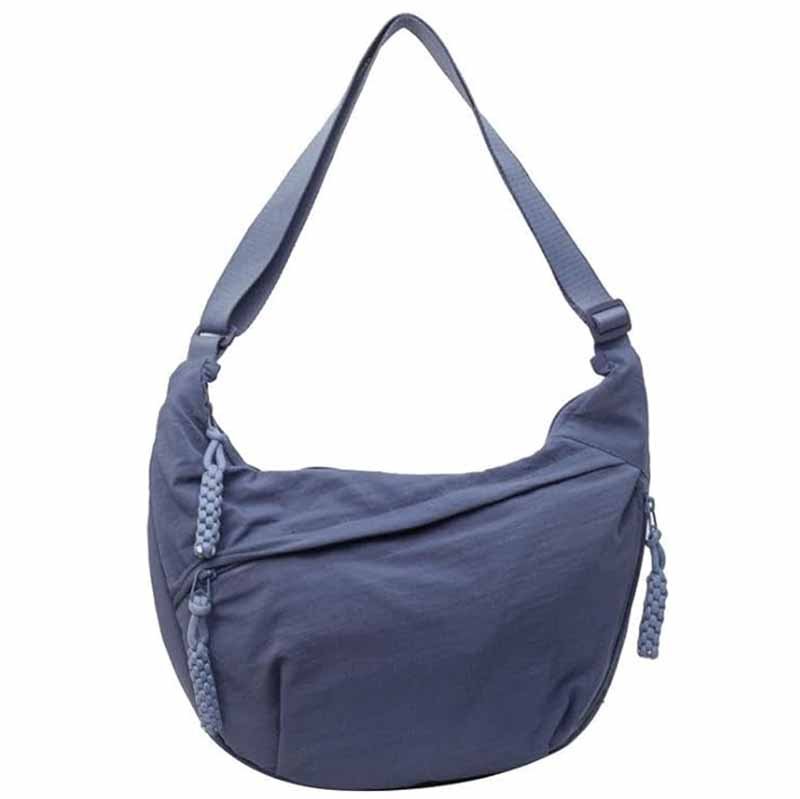
In nylon vs polyester bags, the correct material depends on your retail price tier, durability expectations, and brand positioning. Nylon is usually better for premium and heavy-duty lines. Polyester is ideal for cost-controlled mid-range and value products. The best-performing brands match fiber choice to customer expectations—not marketing labels.
Which Works for Budget Bags?
For entry-level and price-sensitive products (typically retail $15–$39), polyester is often the smarter choice.
Why?
Because at this tier, customers prioritize:
- Price
- Color options
- Lightweight feel
- Functional durability (not extreme ruggedness)
600D polyester with standard PU coating provides:
- Acceptable abrasion resistance
- Good color stability
- Predictable sourcing cost
- Easy printing compatibility
Typical construction for value-tier backpacks:
| Component | Common Spec |
|---|---|
| Main Body | 600D Polyester PU |
| Lining | 210D Polyester |
| Webbing | Standard PP or Polyester |
| Coating | 0.12–0.15mm PU |
| Retail Tier | $15–$39 |
At this level, upgrading to nylon often increases cost without significantly improving customer-perceived value.
However, smart brands reinforce high-stress areas:
- Double-layer bottom
- Bartack reinforcement
- Stronger webbing
At Lovrix, we help brands optimize value-tier construction so they avoid over-specifying fabric but still reduce return risk.
Budget tier does not mean low quality. It means controlled engineering.
Which Suits Mid-Range Products?
Mid-range bags ($39–$89 retail) require a balanced story:
- Durable enough for daily commuting
- Strong enough for travel use
- Refined enough for brand image
This is where hybrid solutions perform extremely well.
Common mid-tier strategies:
- 900D Polyester for structure + reinforced bottom panel
- 420D Nylon body + thicker PU
- Polyester main body + nylon stress zones
Example mid-tier performance setup:
| Component | Upgraded Spec |
|---|---|
| Main Body | 900D Polyester PU |
| Bottom | 1680D Polyester or Nylon |
| Coating | 1500–2000mm |
| Webbing | High-density polyester |
| Reinforcement | Bartack + cross stitch |
Why not automatically choose nylon?
Because mid-tier customers still compare price closely. Polyester gives:
- Better cost-to-performance ratio
- Strong UV/color retention
- Stable supply chain
For brands targeting Amazon, DTC, or lifestyle retail, mid-tier polyester builds often deliver the best margin-to-durability balance.
Lovrix frequently develops multiple prototypes in this tier so brands can compare:
- Hand feel
- Shelf appearance
- Cost structure
- Weight difference
Material choice here directly impacts profit margin per unit.
Which Defines Premium Positioning?
Premium tier ($89–$200+ retail) changes the conversation.
Customers expect:
- Long-term durability
- Superior abrasion resistance
- Refined hand feel
- Strong stitching and hardware
- Technical appearance
Nylon often supports this expectation better.
Common premium constructions:
| Component | Premium Spec |
|---|---|
| Main Body | 500D–840D Nylon |
| Bottom | Ballistic Nylon |
| Coating | TPU laminated |
| Waterproof Rating | 3000mm+ |
| Webbing | High-tenacity nylon |
| Reinforcement | Box-X + bartack |
Why nylon works well here:
- Higher abrasion cycles
- Better resistance at corners
- Softer yet strong touch
- Perceived technical quality
However, premium positioning also requires:
- Clean stitching
- Seam consistency
- No loose threads
- Uniform coating
- Hardware strength
Material alone cannot create premium. The system does.
This is where Lovrix’s integrated fabric + webbing + bag factories provide control over the full construction chain.
Premium buyers do not forgive corner wear or strap failure. Nylon gives a larger performance safety margin in demanding use cases.
Nylon vs Polyester Bags — How Do Cost and Sustainability Compare?
Polyester generally offers lower raw material cost and more accessible recycled sourcing. Nylon typically costs more but provides higher abrasion resistance. Recycled polyester (rPET) is widely available and scalable. Recycled nylon exists but often carries higher pricing and supply complexity. Cost and sustainability decisions should align with product tier and margin targets.
Which Is More Cost-Efficient at Scale?
Cost comparison depends on:
- Yarn price
- Denier
- Coating thickness
- Dyeing method
- Order volume
Approximate bulk comparison:
| Fabric | Cost Position |
|---|---|
| 600D Polyester | Most cost-efficient |
| 900D Polyester | Moderate |
| 420D Nylon | Higher |
| Ballistic Nylon | Highest |
For large volume programs (10,000+ units), polyester may reduce fabric cost by 15–35%.
However:
If returns due to abrasion increase by 3–5%, the savings disappear.
The right question is not “Which is cheaper?”
The right question is “Which reduces total cost of ownership?”
Lovrix evaluates both fabric cost and warranty risk during sampling.
Are Recycled Nylon and rPET Equal?
Recycled polyester (rPET):
- Widely available
- Stable supply chain
- Competitive pricing
- Suitable for school and lifestyle bags
Recycled nylon:
- Often higher cost
- More complex sourcing
- Premium positioning
If your brand targets sustainability messaging in mid-range products, rPET polyester is usually the practical choice.
If your brand targets high-end eco-performance positioning, recycled nylon may support brand narrative—but at a higher material cost.
Lovrix supports:
- GRS-certified rPET fabrics
- Custom recycled webbing
- Traceable sourcing documentation
Sustainability must match retail price reality.
Which Is Easier to Source for OEM Projects?
From a factory perspective:
Polyester:
- Easier MOQ
- Shorter lead times
- More color options
- Faster dyeing cycles
Nylon:
- Slightly longer dyeing process
- Higher minimum yarn commitment
- More sensitive to coating variation
If your project requires:
- Fast development
- Low MOQ trial run
- Multiple colorways
Polyester often moves faster.
Lovrix provides:
- Free design consultation
- Rapid sampling (7–15 days depending on complexity)
- Low MOQ development support
- Integrated QC before shipment
- Short production lead times
Material decision affects sourcing timeline as well as cost.
Simple tier guidance summary
| Product Tier | Recommended Direction |
|---|---|
| Value | 600D–900D Polyester |
| Mid-Range | Reinforced Polyester or Hybrid |
| Premium | Nylon / Ballistic Nylon |
| Eco Mid-Tier | rPET Polyester |
| Eco Premium | Recycled Nylon |
Ready to Develop the Right Material for Your Bag Line?
Choosing nylon vs polyester bags is not about trends. It is about aligning material, price, durability, and brand positioning.
Lovrix is a China-based group company with over 18 years .
We support global mid-to-high-end brands and e-commerce clients with:
- Custom fabric development
- Private label manufacturing
- Low MOQ programs
- Fast sampling
- Free sample support
- Short lead times
- 100% quality control before shipment
If you are developing a new backpack, travel bag, laptop bag, or outdoor collection and want to match material to product tier correctly, contact Lovrix today.
Let’s build your next bag program with the right material from the beginning—so your product sells, lasts, and scales profitably.