Plain weave polyester fabric is one of those materials that rarely gets “hyped,” yet it shows up everywhere—from jacket linings and uniforms to tote bags, backpacks, dust covers, and industrial covers. The reason is simple: when brands need a woven fabric that behaves predictably on the cutting table, runs smoothly on sewing lines, and holds up through daily friction, they often land on plain weave polyester. It’s not the fanciest textile in the room, but it is often the most dependable—and reliability is what keeps production on schedule.
What customers really want is not a weave name. They want clear answers: Will it pill? Will it tear? Will it shrink? Will color vary? Can it be coated or laminated? Will stitching holes grow? Plain weave polyester is popular because, when specified correctly (GSM, yarn denier, weave density, finish), it delivers stable performance without forcing you into high costs.
Plain weave polyester fabric is a woven fabric made from polyester yarns interlaced in a simple over-under pattern. This structure produces a balanced, stable cloth with good abrasion resistance, low water absorption, and consistent shape retention. It is widely used for apparel shells/linings, bags, covers, and coated fabrics because it is easy to cut and sew, scalable to mass production, and compatible with finishes like PU/TPU coating and water repellency.
A product manager once joked, “We stopped arguing in the factory after we locked the fabric spec.” That’s the real story here: when your plain weave polyester is defined clearly, production becomes calmer—fewer surprises, fewer re-cuts, fewer returns.
What Is Plain Weave Polyester Fabric?
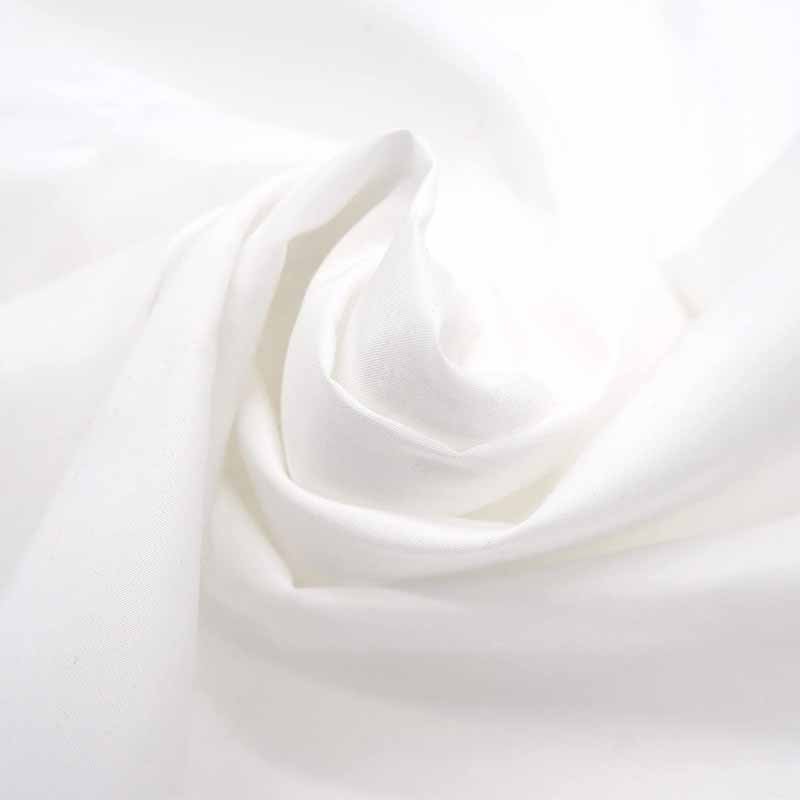
Plain weave polyester fabric is a woven textile where polyester warp yarns and weft yarns cross in a one-over, one-under pattern. This tight, balanced weave gives the fabric stable dimensions, even strength in both directions, and strong resistance to daily friction. Depending on yarn denier, weave density, and finishing (coating, DWR, lamination), it can be lightweight for linings or heavy-duty for bags and covers.
Plain Weave Polyester Fabric Structure
Plain weave is the most basic woven structure—and that’s an advantage. The over-under interlacing happens at every yarn crossing, which creates:
- High interlacement → helps stop yarn slippage at seams
- Balanced stability → fabric stays square, less distortion when cut
- Predictable surface → good base for printing, coating, laminating
- Consistent handfeel → easier to repeat across production batches
In manufacturing, stability is money. If fabric stretches unevenly or shifts while sewing, you lose efficiency and end up with inconsistent finished products.
Plain weave vs. other common weaves
| Weave | What you notice in production | Where it wins | Where it loses |
|---|---|---|---|
| Plain weave | Stable, easy to cut/mark | Bags, linings, covers | Less soft drape |
| Twill | More flexible, diagonal look | Pants, jackets | More movement at seams |
| Satin | Smooth, glossy | Fashion, lining | Snags and abrasion risk |
If your product must survive abrasion (friction), packing, folding, and handling, plain weave is usually the safer choice.
Plain Weave Polyester Fabric Key Traits
Plain weave polyester fabric is often chosen because it performs well across three areas customers care about most:
- Durability in daily use
- Consistency in bulk production
- Compatibility with coatings/finishes
Performance traits customers actually ask about
| Customer concern | What plain weave polyester tends to offer | What spec controls it |
|---|---|---|
| “Will it tear easily?” | Good tear resistance when density is sufficient | Denier + weave density |
| “Will it pill?” | Lower pilling than fuzzy knits, but varies | Yarn type + finish |
| “Will it shrink?” | Very low shrinkage compared to cotton | Heat setting process |
| “Will it fade?” | Good colorfastness with proper dyeing | Dye method + QC |
| “Can it be waterproof?” | Yes, with coating/lamination | PU/TPU/PVC thickness |
| “Is it breathable?” | Moderate; coating reduces it | GSM + coating choice |
Low water absorption
Polyester absorbs very little moisture (often <1%). In real products, that means:
- Less “heavy, damp” feeling compared to natural fibers
- Faster drying after light spills
- Better dimensional stability in humid environments
That’s one reason plain weave polyester is common in bags, outdoor accessories, and uniform programs.
The Specs That Define Plain Weave Polyester Fabric
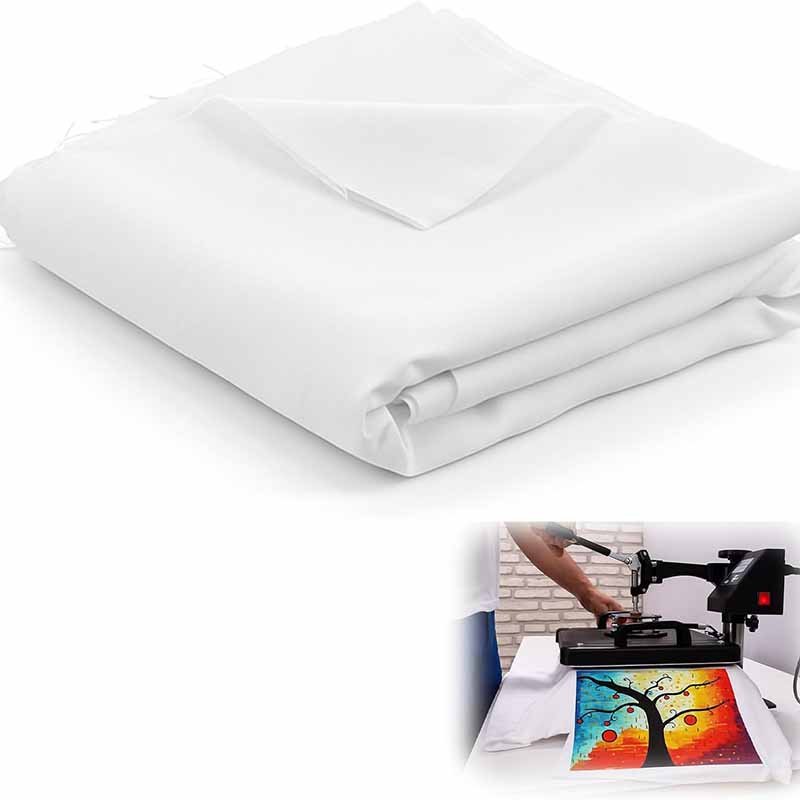
Many sourcing mistakes happen because people request “plain weave polyester” without defining the parameters that actually control performance. If you want consistent production, specify the fabric like a recipe.
Key specs that buyers should define
| Spec | What it changes | Common ranges |
|---|---|---|
| GSM (weight) | Thickness, durability, drape | 60–350 GSM |
| Denier (yarn size) | Strength, texture | 50D–600D+ |
| Weave density | Tear resistance, stability | varies by use |
| Finish | Handfeel, performance | DWR, calendered, peach |
| Coating/lamination | Waterproofness, stiffness | PU/TPU/PVC |
| Color standard | Batch consistency | Pantone / lab dip |
Quick matching guide: use case → spec direction
| End use | Suggested GSM | Suggested denier | Notes |
|---|---|---|---|
| Lining / dust bag | 60–120 GSM | 50D–150D | Smooth, lightweight |
| Apparel shell | 90–180 GSM | 75D–300D | Add DWR if needed |
| Tote / light bag | 150–250 GSM | 150D–400D | Balance strength & sewability |
| Backpack / luggage panels | 220–350 GSM | 300D–600D+ | Higher abrasion focus |
| Waterproof cover | depends | depends | Add coating/lamination |
These numbers are not “marketing.” They help you get predictable samples and bulk orders.
Common Quality Checks
You don’t need a lab for every check. Many issues can be caught with practical inspection.
Incoming fabric checks that prevent surprises
| Check | How to do it | What it catches |
|---|---|---|
| GSM check | cut 10×10 cm + weigh | wrong weight, substitution |
| Width check | measure roll width | cutting loss risk |
| Color check | compare under D65 light | shade variation |
| Weave skew | fold edges, see twist | distortion in cutting |
| Coating feel test | bend/crease | cracking risk |
| Seam slippage | stitch sample, pull | weak density/finish |
If you are producing bags or covers, add a simple abrasion rub test (manual rub) to compare fabric options—this quickly reveals weak surfaces.
Which Properties Define Plain Weave Polyester Fabric?
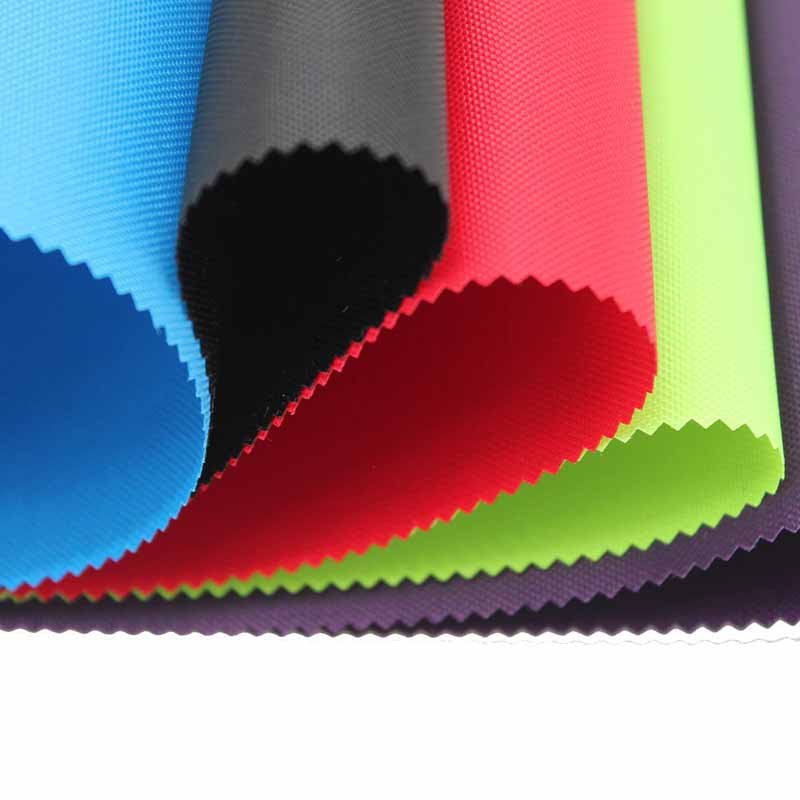
The properties that define plain weave polyester fabric include tensile strength, tear resistance, abrasion durability, dimensional stability, moisture resistance, breathability, and coating compatibility. These characteristics are controlled by yarn denier, weave density, GSM, finishing treatments, and coating or lamination structure. Understanding these measurable factors helps ensure the fabric performs correctly in apparel, bags, or industrial products.
In sourcing conversations, people often ask broad questions like
“Is this fabric strong?” or “Will it last?”
Real answers come from measurable textile properties, not descriptions.
Plain Weave Polyester Fabric Strength
Strength in woven polyester is not one number.
It includes tensile strength, tear strength, and seam performance—each affecting product life differently.
1. Tensile strength (pulling force before breaking)
Higher yarn denier and tighter weave density increase tensile strength.
For example:
| Fabric type | Typical tensile direction use |
|---|---|
| 75D–150D | Lightweight apparel or lining |
| 210D–300D | Totes, uniforms, light bags |
| 420D–600D+ | Backpacks, luggage panels |
If the product carries weight (books, tools, bottles), tensile strength becomes critical.
2. Tear resistance (damage spread after puncture)
Plain weave naturally resists yarn movement, which helps slow tear propagation compared with loose weaves.
However, tear strength still depends on:
- Yarn thickness
- Weave density
- Coating stiffness
Light fabrics may resist tearing poorly once punctured, while medium-to-heavy denier fabrics maintain structure longer.
3. Seam holding performance
Factories often overlook this, yet seam failure is one of the most common real-world defects.
Important contributors:
- Yarn interlacement frequency (plain weave advantage)
- Stitch density and thread type
- Edge finishing or reinforcement
For bag panels, insufficient seam strength can cause stitch hole enlargement or panel separation during load testing.
Practical strength reference by use case
| End use | Strength priority | Suggested denier range |
|---|---|---|
| Shirt / lining | Low load | 50D–100D |
| Workwear / uniform | Moderate | 150D–300D |
| Tote / daily bag | Medium-high | 210D–420D |
| Backpack / gear | High | 420D–600D+ |
Matching denier to real load conditions prevents over-engineering or premature failure.
Plain Weave Polyester Fabric Breathability
Breathability is often misunderstood in polyester fabrics.
Plain weave polyester is not naturally breathable like cotton, but airflow can still vary widely depending on structure.
Key factors controlling breathability
| Factor | Effect on airflow |
|---|---|
| Yarn fineness | Finer yarn → more air gaps |
| Weave density | Tighter weave → less airflow |
| GSM | Higher weight → lower breathability |
| Coating / lamination | Greatly reduces airflow |
For example:
- Light 75D plain weave may feel reasonably breathable in apparel.
- PU-coated 300D fabric becomes almost air-tight, prioritizing water resistance instead.
Moisture behavior vs. breathability
Polyester’s very low moisture absorption means sweat does not soak into the fiber.
Instead, moisture stays on the surface until it evaporates or transfers.
Implications:
- Faster drying in uniforms or sportswear
- Possible “clammy” feel if ventilation is poor
- Performance improves with mesh panels or moisture-wicking finishes
Breathability guidance by application
| Application | Breathability need | Fabric direction |
|---|---|---|
| Summer apparel | High | Low GSM, fine yarn, no coating |
| Work uniforms | Medium | Balanced density + wicking finish |
| Bags / covers | Low | Strength and coating prioritized |
| Waterproof gear | Very low | Laminated or coated structure |
Choosing breathability correctly prevents comfort complaints or performance mismatch.
How Is Plain Weave Polyester Fabric Made?
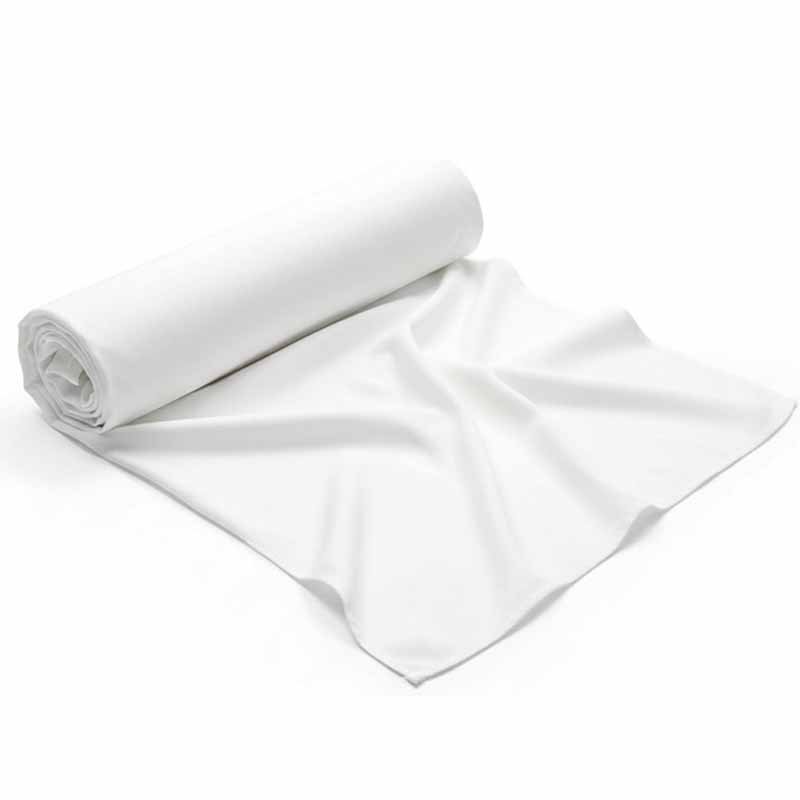
Plain weave polyester fabric is produced through a sequence of polymer extrusion into fibers, spinning into yarn, warp preparation, weaving on looms using a one-over-one structure, and finishing processes such as heat setting, dyeing, coating, or lamination. Each stage influences final strength, stability, appearance, and performance in end products.
Understanding production helps explain why quality varies between suppliers.
Plain Weave Polyester Fabric Fiber Process
Everything begins with polyester polymer chips, typically PET.
These are melted and extruded through spinnerets to create continuous filaments.
Main fiber production stages
- Melt extrusion → forms raw filaments
- Drawing/stretching → aligns molecules, increasing strength
- Texturing (optional) → adds bulk or softness
- Spinning into yarn → defines denier and filament count
Quality differences appear here:
| Fiber control point | Risk if poorly managed |
|---|---|
| Drawing ratio | Weak or uneven yarn |
| Filament uniformity | Surface defects in fabric |
| Contamination | Dyeing problems |
| Yarn twist consistency | Weaving instability |
A stable yarn foundation leads to predictable woven fabric performance.
Plain Weave Polyester Fabric Weaving Method
After yarn preparation, weaving converts yarn into fabric.
Core weaving steps
- Warping: aligning thousands of warp yarns parallel
- Sizing: coating warp yarns for abrasion resistance
- Weaving: shuttle or air-jet loom interlaces warp and weft
- Take-up & inspection: checking defects and density
Plain weave’s one-over-one pattern allows:
- High loom efficiency
- Uniform surface texture
- Stable dimensional control
However, weaving quality still depends on:
- Yarn tension balance
- Loom speed control
- Density accuracy (ends per inch / picks per inch)
Small density variation can change:
- Tear strength
- Weight
- Handfeel
- Coating adhesion
That’s why process control matters as much as raw material.
Where Is Plain Weave Polyester Fabric Used?
Plain weave polyester fabric is widely used in apparel, bags, home textiles, and industrial covers because it offers balanced strength, low moisture absorption, dimensional stability, and compatibility with coatings or laminations. Its simple structure allows consistent large-scale production while adapting to lightweight linings, medium-duty garments, and heavy-duty protective applications.
In real sourcing work, the most useful question is not
“What is this fabric?” but “What job can it reliably do?”
Plain Weave Polyester Fabric in Apparel
In clothing, plain weave polyester is valued for shape stability, wrinkle resistance, and easy care rather than luxury softness.
You’ll commonly see it in:
- Jacket shells and windbreakers
- Uniform shirts and workwear
- Pocketing and garment linings
- Lightweight trousers or casual wear
Why apparel brands choose it
| Requirement | How plain weave polyester helps |
|---|---|
| Keeps garment shape after washing | Heat-set polyester resists shrinkage |
| Reduces ironing needs | Natural wrinkle resistance |
| Maintains color consistency | Strong dye fastness when processed well |
| Supports mass production | Stable cutting and sewing behavior |
However, comfort depends heavily on GSM, yarn fineness, and finishing.
A lightweight 75D fabric can feel smooth and breathable, while a dense coated fabric may feel stiff and warm.
Apparel selection guidance
| Garment type | Suggested GSM | Notes |
|---|---|---|
| Lining / pocketing | 60–100 GSM | Smooth, lightweight |
| Lightweight outerwear | 80–150 GSM | Add DWR if needed |
| Uniform shirts | 100–180 GSM | Balance durability & comfort |
| Workwear trousers | 150–220 GSM | Higher abrasion resistance |
Choosing the correct weight prevents comfort complaints or early wear.
Plain Weave Polyester Fabric in Bags
Bags represent one of the largest global uses of plain weave polyester.
Here, the focus shifts from comfort to strength, abrasion resistance, and coating compatibility.
Common bag categories using this fabric:
- Tote bags and shopping bags
- Backpacks and school bags
- Travel luggage panels
- Cosmetic or organizer bags
- Tool or utility bags
Why manufacturers rely on plain weave polyester for bags
| Performance need | Fabric advantage |
|---|---|
| Repeated friction | Strong abrasion resistance |
| Load carrying | Good tensile strength at higher denier |
| Water resistance | Accepts PU/TPU/PVC coatings |
| Color branding | Smooth surface prints well |
| Cost control | Efficient large-scale weaving |
Typical denier selection for bag strength
| Bag type | Suggested denier |
|---|---|
| Light tote | 150D–300D |
| School backpack | 300D–600D |
| Travel or luggage panel | 600D+ |
| Organizer pouch | 150D–210D |
Matching denier to real load conditions avoids both over-costing and product failure.
How to Choose Plain Weave Polyester Fabric Quality?
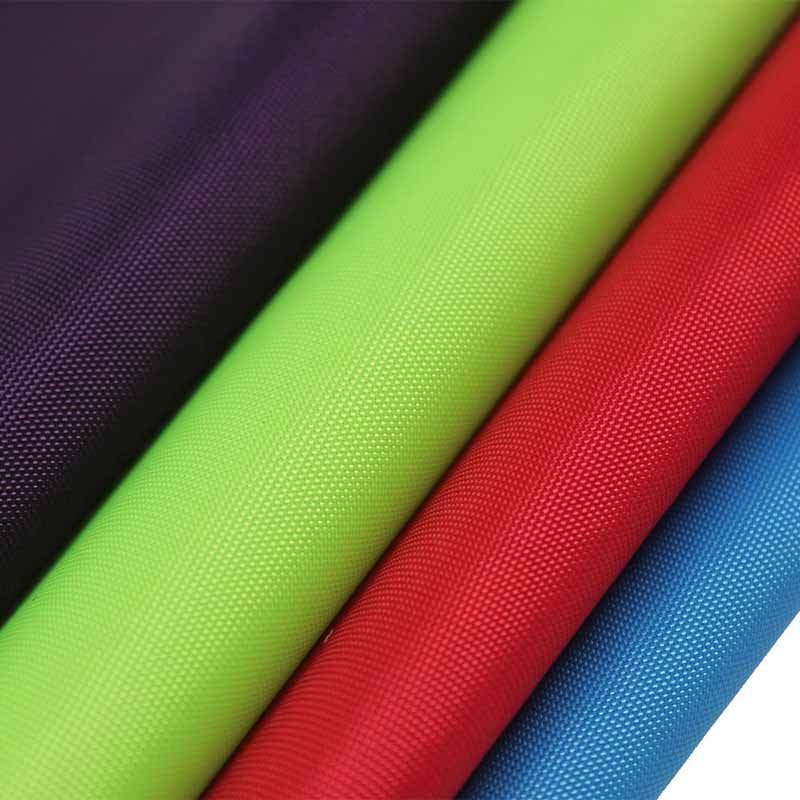
Choosing quality plain weave polyester fabric requires verifying GSM accuracy, yarn denier consistency, weave density, color fastness, coating performance, and defect control. Reliable suppliers provide stable lab dips, clear specifications, and repeatable bulk production. Practical inspection before ordering helps prevent performance problems and shipment disputes.
Quality is not one test—it is a chain of controlled details.
Plain Weave Polyester Fabric Quality Signs
Experienced sourcing teams look for measurable indicators, not marketing language.
Key physical checks before approval
| Checkpoint | What to confirm | Risk if ignored |
|---|---|---|
| GSM accuracy | Weight matches spec | Wrong thickness or strength |
| Fabric width | Meets cutting requirement | Material waste in production |
| Weave density | Uniform across roll | Weak tear resistance |
| Surface defects | No streaks or broken yarns | Visible product flaws |
| Color consistency | Matches approved lab dip | Batch shade variation |
Coating and finishing checks
| Test | Purpose |
|---|---|
| Water splash test | Confirms repellency |
| Crease bending | Reveals coating cracks |
| Adhesion rub test | Checks lamination bonding |
| Smell check | Detects poor chemical curing |
Simple inspections like these prevent large-scale production loss.
Plain Weave Polyester Fabric Care Tips
Even durable polyester performs better when used and maintained correctly.
Care guidance by application
| Product | Practical care advice |
|---|---|
| Apparel | Wash warm, avoid excessive heat drying |
| Bags | Wipe clean; avoid long UV exposure |
| Coated fabrics | Do not fold sharply in cold weather |
| Outdoor covers | Store dry to prevent coating aging |
Why care instructions matter for brands
Proper care:
- Extends product lifespan
- Reduces warranty complaints
- Protects brand reputation
- Improves customer satisfaction
For OEM production, adding clear care labels is a small step with large long-term value.
How Lovrix Supports Plain Weave Polyester Fabric Projects
Lovrix supports plain weave polyester fabric sourcing through integrated fabric manufacturing, strict quality control, rapid sampling, and stable bulk production. With over 18 years of experience across fabric, webbing, and bag production, Lovrix helps brands match the correct polyester specification to real product performance while maintaining consistent quality and competitive lead times.
Reliable fabric supply begins with process control, not promises.
Lovrix Plain Weave Polyester Fabric Development
Lovrix assists customers from spec definition to sampling, including:
- GSM and denier recommendation by end use
- Coating or lamination structure planning
- Color matching and lab-dip approval
- Fabric performance testing before bulk
Development support overview
| Stage | Lovrix support |
|---|---|
| Requirement analysis | Match fabric to product load & use |
| Sample preparation | Fast yardage or swatch delivery |
| Technical confirmation | Clear written specifications |
| Pre-production review | Risk check before weaving |
This reduces trial-and-error sourcing.
Lovrix Plain Weave Polyester Fabric Production
Lovrix maintains multi-stage quality control from yarn to finished roll.
Production control points
- Raw yarn inspection
- Weaving density monitoring
- Dyeing and finishing stability checks
- Coating adhesion verification
- Final roll inspection and packing audit
Typical project timeline
| Step | Time estimate |
|---|---|
| Sample preparation | ~3–7 days |
| Lab dip approval | ~3–5 days |
| Bulk production | ~15–30 days |
| Export preparation | Few days after QC |
Stable scheduling helps brands plan launches confidently.
Final Thoughts: Turning Fabric Knowledge into Better Products
Plain weave polyester fabric may look simple, but behind that simplicity lies engineering discipline, process control, and careful specification.
When chosen correctly, it delivers:
- Reliable durability
- Consistent appearance
- Scalable production efficiency
- Broad application flexibility
These qualities explain why it remains one of the most widely used woven fabrics in global manufacturing.
Start Your Plain Weave Polyester Fabric Project with Lovrix
If you are developing apparel, bags, covers, or technical textile products, choosing the right plain weave polyester specification is one of the most important early decisions.
Lovrix combines:
- Fabric manufacturing expertise
- Webbing and bag production knowledge
- Fast sampling capability
- Stable OEM / private-label production
to help brands move from idea → verified fabric → reliable bulk supply with confidence.
Share your product requirements or fabric specifications with Lovrix today, and the team will help you create a customized plain weave polyester solution that fits your performance needs, timeline, and budget.