 Skip to content
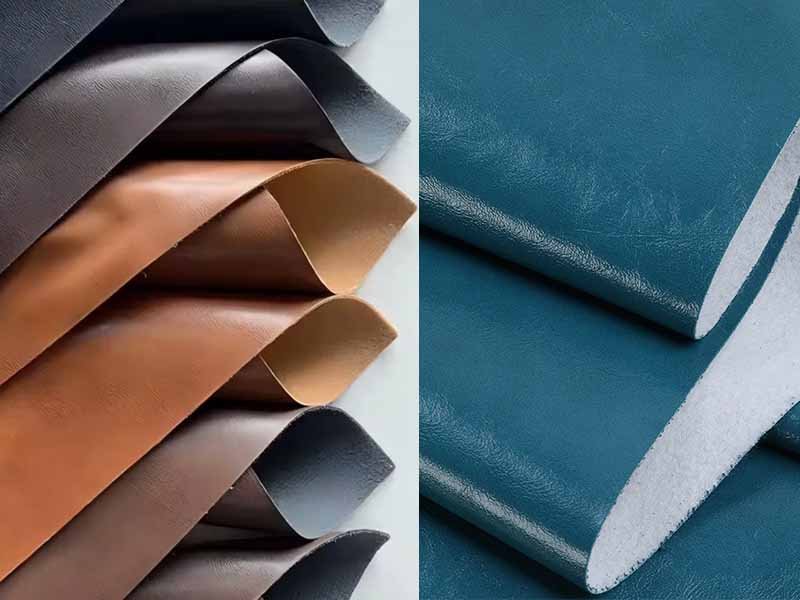
Choosing between PU leather and PVC leather sounds like a simple material decision, but for a custom bag project, it can change almost everything. It affects how the bag feels in the customer’s hand, how it looks in product photos, how it performs after weeks of use, how easy it is to clean, how much it costs to produce, and how confidently a brand can position the product in the market. A fashion handbag made from the wrong synthetic leather may feel stiff and low-end. A toiletry pouch made from the wrong soft material may stain, absorb moisture, or fail in wet environments. A clear stadium bag made with the wrong PVC thickness may wrinkle, crack, or look cheap after packing.
PU leather is usually better for custom bags that need a softer hand feel, lighter weight, leather-like appearance, and stronger fashion appeal. PVC leather is usually better for bags that need stronger water resistance, easy cleaning, structure, transparency, and cost-controlled practicality. The best choice depends on product use, thickness, backing, surface finish, logo method, quality testing, and target market.
The real question is not simply “Which material is better?” A better question is: “Which material is better for this bag, this customer, this price point, and this sales channel?” Many product problems begin before the first stitch is made. They begin when a material is selected from a small swatch instead of being tested in the real bag structure.
What Are PU and PVC Leather?

PU leather and PVC leather are both synthetic leather materials used in bags, accessories, packaging, and soft goods. PU leather uses a polyurethane coating over a fabric base, while PVC leather uses a polyvinyl chloride coating. PU usually feels softer and more leather-like. PVC usually feels firmer, more water-resistant, and easier to wipe clean.
What Is PU Leather?
PU leather, short for polyurethane leather, is a man-made material designed to create a leather-like surface without using full natural leather. In most bag applications, PU is made by applying a polyurethane layer onto a backing fabric such as polyester, cotton, microfiber, or nonwoven fabric. The surface can be smooth, pebbled, saffiano, matte, glossy, embossed, metallic, or printed, which makes it highly flexible for fashion and private label projects.
In custom bag manufacturing, PU is often selected when the product needs a softer touch, lighter weight, better drape, and a more refined appearance. It is commonly used for handbags, cosmetic pouches, wallets, crossbody bags, fashion totes, laptop sleeves, jewelry pouches, and lifestyle accessories. A good PU material can help a bag look more polished in product photography and feel more premium when customers touch it.
However, PU quality varies widely. Two PU materials may look almost identical on a swatch card but perform very differently after cutting, sewing, folding, packing, and daily use. Important details include coating thickness, backing strength, surface adhesion, hydrolysis resistance, abrasion resistance, colorfastness, odor level, and how well the material handles repeated bending. For custom bags, PU should never be judged by appearance alone.
What Is PVC Leather?
PVC leather, short for polyvinyl chloride leather, is also a synthetic leather material, but it uses a PVC coating instead of polyurethane. PVC is usually firmer, more structured, more water-resistant, and easier to wipe clean than PU. It can be made into opaque leather-like sheets, transparent sheets, frosted panels, glossy surfaces, textured vinyl, or coated fabrics used for waterproof and easy-clean bag products.
PVC is widely used in clear bags, waterproof pouches, cosmetic bags, toiletry bags, beach bags, stadium bags, promotional bags, packaging pouches, and some structured soft goods. For products that need visibility, moisture protection, shape retention, or easy cleaning, PVC can be a practical choice. For example, a clear stadium bag needs transparency and surface strength more than a soft leather-like feel. A toiletry bag used in bathrooms needs wipe-clean performance more than a natural leather touch.
The main concerns with PVC are stiffness, weight, odor, cold-crack performance, plasticizer quality, environmental perception, and long-term flexibility. A low-quality PVC material may feel too plastic-like or become brittle under certain conditions. For export products, brands should confirm thickness, softness, smell, surface marks, temperature performance, and compliance requirements before bulk production.
Are They Real Leather?
PU and PVC leather are not real leather. They are synthetic leather alternatives created with coated surfaces and fabric backings. They are often described as faux leather, artificial leather, vegan leather, synthetic leather, leatherette, or leather-like material. These terms are common in the market, but they should be used carefully because they can mean different things to different buyers.
“Vegan leather” means the material does not come from animal hide. It does not automatically mean the material is natural, biodegradable, recyclable, or environmentally harmless. Many vegan leathers are still plastic-based materials. For brands, clear wording is important. If the material is PU, it is better to call it PU leather or synthetic PU leather. If the material is PVC, it should be described as PVC leather, vinyl leather, or PVC-coated material depending on the actual structure.
For B2B buyers, the more important question is not whether PU or PVC is “real leather.” The practical question is whether the material can support the product’s use case, price point, appearance, durability, logo method, packaging, and long-term reorder plan.
Common Bag Uses
| Material | Common Thickness Range | Typical Bag Applications | Main Strength | Common Risk |
|---|---|---|---|---|
| PU leather | 0.6–1.4 mm | Handbags, pouches, wallets, cosmetic bags, trims | Soft touch and leather-like appearance | Peeling, hydrolysis, weak backing |
| PVC leather | 0.3–1.2 mm | Clear bags, toiletry bags, waterproof pouches, structured bags | Water resistance and easy cleaning | Stiffness, odor, cold cracking |
| Transparent PVC | 0.2–0.8 mm | Stadium bags, packaging pouches, clear cosmetic bags | Visibility and wipe-clean surface | Scratches, marks, folding lines |
| PVC-coated fabric | 0.4–1.5 mm | Outdoor bags, tool bags, waterproof panels | Stronger structure and moisture resistance | Heavier feel and less flexibility |
| Microfiber PU | 0.8–1.6 mm | Premium bags, small leather goods, luxury-style accessories | Better strength and refined texture | Higher material cost |
How Do PU and PVC Differ?

PU and PVC differ in softness, water resistance, breathability, weight, structure, surface feel, cost behavior, and product positioning. PU usually feels softer and more natural, while PVC is usually firmer and more water-resistant. The better option depends on whether the finished bag needs fashion appeal, wipe-clean function, structure, flexibility, or cost-controlled durability.
Touch and Appearance
PU leather usually has a softer and more leather-like hand feel than PVC. It bends more naturally, feels less plastic-like, and often looks better for fashion products. This is why PU is common in handbags, wallets, cosmetic pouches, crossbody bags, and lifestyle accessories where customers care about surface texture and touch.
PVC leather usually feels firmer and cooler to the hand. It may look more plastic-like, especially in glossy or transparent finishes. This can be a disadvantage for fashion handbags, but it is useful for products where structure, visibility, or waterproof function matters more than luxury touch. A clear PVC bag is not trying to imitate leather; it is solving a different product problem.
Appearance also depends on grain, shine, thickness, color, backing, and finishing. A high-grade PU can look refined and close to leather, while a basic PU can look thin and cheap. A well-selected PVC can look clean, modern, and functional, while a low-grade PVC may look cloudy, stiff, or poorly finished. Material name alone does not guarantee product level.
Water and Cleaning
PVC usually performs better when water resistance and easy cleaning are the main requirements. Its surface is less porous, making it suitable for toiletry bags, makeup pouches, wet-dry organizers, beach bags, clear stadium bags, food-related pouches, and outdoor accessories. When cosmetics spill or water splashes onto the surface, PVC is often easier to wipe clean.
PU can also resist light moisture, but it is not always the right choice for wet environments. Some PU materials may stain, wrinkle, peel, or show surface damage if exposed to water, oil, alcohol, sunscreen, perfume, or cleaning chemicals. For beauty and travel products, this matters because customers may place the bag on bathroom counters, carry liquid cosmetics, or pack it with skincare bottles.
The real water performance of a bag is not decided by surface material alone. Seams, zipper type, stitching holes, lining, binding, bottom structure, and opening design all affect performance. A PVC panel may be water-resistant, but a stitched seam can still leak. A PU pouch may handle splashes, but not long exposure to wet conditions. Buyers should define whether they need splash resistance, wipe-clean function, water repellency, or true waterproof construction.
Flexibility and Structure
PU is usually better when the bag requires bending, folding, soft curves, or a more relaxed shape. It is suitable for designs with gathered openings, soft gussets, fold-over flaps, curved panels, and comfortable hand feel. If the bag needs to look elegant when carried, PU often gives a more natural result.
PVC is usually better when the bag needs structure, shape retention, or panel stiffness. It works well for boxy pouches, transparent tote bags, structured packaging bags, waterproof panels, and products that should stand upright or hold their shape. However, PVC may not perform well when the design requires frequent sharp folding unless the grade is selected carefully.
In actual bag production, structure is often created by combining materials. A PU handbag may need internal reinforcement, foam, cardboard, EVA board, or lining to hold shape. A PVC bag may need edge binding, seam reinforcement, or softer grade PVC to avoid cracking. A mature material decision considers the whole construction, not just the outer surface.
Performance Comparison
| Factor | PU Leather | PVC Leather | Practical Meaning for Bags |
|---|---|---|---|
| Softness | Usually higher | Usually lower | PU is better for fashion touch |
| Water resistance | Medium to good | Usually stronger | PVC suits wet-use and clear bags |
| Breathability | Better than PVC | Low | PU feels less plastic-like |
| Shape retention | Medium | Stronger | PVC supports structured designs |
| Weight | Usually lighter | Often heavier | Important for travel and handbags |
| Cleaning | Moderate | Easier | PVC suits cosmetics and toiletries |
| Leather-like look | Stronger | Weaker | PU fits premium visual positioning |
| Flex resistance | Often better | Depends on grade | PVC needs cold-crack evaluation |
| Cost range | Wide | Wide | Final cost depends on finish and backing |
Which Is Better for Bags?

PU leather is usually better for fashion bags, handbags, wallets, trims, and soft pouches where appearance and hand feel matter. PVC leather is usually better for clear bags, waterproof pouches, toiletry bags, cosmetic organizers, and easy-clean products. The best material is the one that matches the bag’s use case, customer expectation, structure, and price point.
Handbags and Fashion Bags
For handbags and fashion bags, PU leather is usually the stronger choice. A handbag is not only a container; it is part of the customer’s outfit and personal image. Customers notice the grain, softness, shine, stitching, handle feel, and how the material bends when the bag is carried. PU gives designers more freedom to create a refined, leather-like appearance without using genuine leather.
PU also works well with many fashion-oriented logo methods, including embossing, debossing, foil stamping, metal plates, woven labels, stitched patches, and subtle printed logos. These details matter for private label and retail brands because the bag needs to look consistent with the brand’s price level.
PVC can be used in fashion bags when the design intentionally wants a glossy, transparent, structured, or modern plastic look. However, it is usually less suitable for brands trying to create a soft leather-like handbag. If the product needs a premium boutique feeling, a carefully selected PU, microfiber PU, or coated synthetic leather is usually easier to position.
Cosmetic and Toiletry Bags
Cosmetic and toiletry bags can use either PU or PVC, depending on the target customer. PU is suitable for giftable beauty pouches, skincare packaging bags, makeup bags with a premium look, and soft private label cosmetic accessories. It helps the product feel more elegant and brand-friendly.
PVC is often more practical for cosmetic and toiletry use because customers may spill foundation, sunscreen, lotion, perfume, or shampoo inside the bag. Transparent PVC also allows users to see contents quickly, which is useful for travel and retail display. For airport-style clear bags, PVC is usually the obvious choice.
A strong solution may combine both materials. For example, a cosmetic pouch can use transparent PVC panels for visibility, PU binding for a more premium edge, a polyester lining for cost control, and a branded zipper puller for identity. In bag development, hybrid construction often performs better than forcing one material to do everything.
Travel and Outdoor Bags
For travel and outdoor bags, the material decision should be based on real use conditions. Large travel bags, weekender bags, and outdoor carry bags often require stronger textile materials such as polyester, nylon, Oxford fabric, canvas, or coated fabric. PU may be used as trim, handle reinforcement, label patches, decorative panels, or lifestyle-style outer material. PVC may be used for waterproof panels, bottom reinforcement, wet compartments, clear pockets, or easy-clean surfaces.
A full PU travel bag may look attractive but needs careful reinforcement at stress points. Handles, shoulder straps, corners, bottom panels, and zipper ends should be reviewed because these areas often fail before the main surface material does. A PVC-coated travel pouch may perform well in wet conditions, but it may feel too stiff or heavy for everyday carry if not designed properly.
For outdoor and travel products, testing matters more than material names. Load-bearing tests, seam strength checks, zipper cycling, abrasion review, folding behavior, color rubbing, and packing compression checks help prevent problems after shipment.
Product Fit Guide
| Bag Type | Better Material Choice | Suggested Thickness Range | Key Reason |
|---|---|---|---|
| Fashion handbag | PU leather | 0.8–1.4 mm | Softer feel and premium look |
| Wallet or small pouch | PU leather | 0.6–1.2 mm | Flexible and easier to stitch |
| Clear stadium bag | Transparent PVC | 0.3–0.6 mm | Visibility and water resistance |
| Toiletry bag | PVC or coated fabric | 0.4–0.8 mm | Wipe-clean and moisture-resistant |
| Cosmetic gift pouch | PU leather | 0.6–1.0 mm | Better retail appearance |
| Beach pouch | PVC/TPU/coated fabric | 0.4–0.8 mm | Wet-use performance |
| Tool bag panel | PVC-coated fabric | 0.6–1.5 mm | Dirt resistance and structure |
| Travel organizer | PU or PVC | 0.5–1.0 mm | Depends on lifestyle or wet-use positioning |
| Cooler bag lining | PVC/PEVA/TPU options | 0.2–0.5 mm | Cleanability and moisture barrier |
How Do Cost and MOQ Change?

Cost and MOQ depend on material grade, thickness, backing, surface texture, color, finish, logo method, packaging, and whether the material is available from stock. PU is not always expensive, and PVC is not always cheap. A realistic quote must consider material waste, sewing difficulty, logo testing, sample revisions, and bulk production stability.
Material Grade and Thickness
Material cost changes significantly with grade and thickness. A basic PU with a thin backing may be cost-friendly, but it may not support long-term use. A better PU with stronger backing, better coating adhesion, and improved hydrolysis resistance will cost more but may reduce complaints. For PVC, thicker material can improve structure, but it can also increase weight, stiffness, cutting difficulty, and packing marks.
Thickness should match product size and structure. A small cosmetic pouch made with overly thick material may become bulky at the seams. A clear tote made with material that is too thin may wrinkle or collapse. A handbag made with very soft PU may need reinforcement to hold shape. A structured PVC pouch may need softer edges or binding to prevent discomfort.
In most custom bag projects, the best material is not the thickest one. It is the material that gives the right appearance, sewing performance, durability, weight, and cost balance. Buyers should ask suppliers to test the material in an actual sample rather than approving from swatches only.
Stock Colors and Custom Colors
MOQ is often affected by whether the material is available in stock. Standard black, brown, beige, white, navy, red, and common fashion colors may be easier to source in PU. Transparent, frosted, black, white, and common colored PVC may also be available depending on the supplier. If the color, texture, grain, backing, or thickness needs to be custom-made, MOQ may increase.
This is important for brands planning a first production run. A bag factory may be able to produce a finished product at 500 pcs, but the material mill may require a higher minimum if the material is custom. The same issue can happen with custom webbing, custom zipper tape, special hardware plating, printed lining, or custom retail packaging.
A practical approach is to use available material options for the first market test, then upgrade to exclusive colors or custom textures after sales are proven. This reduces inventory pressure and speeds up sampling.
Logo and Surface Process
Logo method can change both cost and production risk. PU leather can support embossing, debossing, foil stamping, metal logo plates, sewn patches, woven labels, rubber badges, and printed logos. However, the result depends on surface grain, coating strength, backing, temperature tolerance, and thickness.
PVC can support screen printing, UV printing, heat transfer, sewn labels, patches, and some embossed effects depending on the surface. Transparent PVC needs extra care because glue marks, stitching lines, and printing defects are more visible. Glossy PVC may require ink adhesion testing before production.
A logo should always be tested on the actual material before bulk production. A logo that looks good on a flat swatch may behave differently after the material is sewn onto a curved pouch or folded into packaging. For large orders, a pre-production logo sample can prevent expensive mistakes.
Cost Drivers in Bulk Production
| Cost Driver | How It Affects PU/PVC Bags | What Buyers Should Confirm |
|---|---|---|
| Thickness | Changes material price, weight, seam bulk, cutting difficulty | Actual finished sample, not only swatch |
| Backing fabric | Affects strength, flexibility, and tear resistance | Polyester, cotton, microfiber, nonwoven |
| Surface texture | Custom grains may increase MOQ | Available texture or custom embossing |
| Color | Stock colors reduce lead time | Color tolerance and batch consistency |
| Logo process | Can add mold, setup, testing, or labor cost | Logo sample before bulk order |
| Packaging | Folding may mark PU/PVC surfaces | Packing method and carton pressure |
| Material waste | Pattern shape affects cutting efficiency | Marker planning and usable width |
| Testing | Adds time and cost but reduces risk | Rubbing, adhesion, flexing, odor, load checks |
Are PU and PVC Sustainable?

PU and PVC are both synthetic materials, and both need careful sustainability communication. PU is often preferred over PVC for brands that want a softer, more fashion-friendly, PVC-free material, but it is still plastic-based. PVC is practical for waterproof and clear products but carries more environmental concerns. Brands should avoid vague “eco leather” claims unless they have evidence.
Vegan Does Not Mean Eco
Many brands use the term “vegan leather” because PU and PVC do not use animal hide. The term can be useful, but it can also mislead consumers if it is presented as automatically sustainable. Most PU and PVC leathers are still made from synthetic coatings and fabric backings. They may reduce animal leather use, but they can still raise concerns around plastic content, production chemistry, recycling difficulty, and end-of-life waste.
Customers today are more careful with sustainability language. A vague phrase like “eco leather” may sound attractive, but it can create trust problems if the product is actually a standard synthetic material with no supporting documentation. More accurate wording is safer: PU leather, PVC-free PU leather, water-based PU leather, recycled backing PU, transparent PVC, or PVC-coated fabric.
For brands, responsible communication is not about using the biggest environmental claim. It is about describing the material honestly and making sure the finished bag is durable enough to justify production.
PU vs PVC Perception
PU is generally easier to position for fashion, lifestyle, and animal-free leather alternative products. It usually feels softer, looks more refined, and avoids some of the stronger environmental concerns associated with PVC. For brands selling handbags, pouches, accessories, or boutique packaging, PU often fits customer expectations better.
PVC, however, still has practical value. It is hard to replace in some transparent, waterproof, wipe-clean, and structured applications. A clear stadium bag, waterproof toiletry pouch, or easy-clean packaging bag may need PVC-like performance. In these cases, the decision should be based on function, compliance, and honest labeling.
The key is to avoid pretending that one material is perfect. A low-grade PU that peels quickly is not a better product simply because it is not PVC. A well-designed PVC pouch that lasts longer and performs correctly may be more practical for some uses. Sustainability should include durability, repairability, customer use, and product lifespan, not just material name.
Better Material Choices
When sustainability is a major part of brand positioning, buyers can consider several options beyond standard PU and PVC. Water-based PU, solvent-free PU, recycled backing PU, recycled polyester fabric, organic cotton canvas, recycled cotton canvas, TPU, rPET fabric, and natural fiber blends may be better suited for certain projects. The right choice depends on product function, budget, testing requirements, and available supplier documentation.
For bags, durability is one of the most practical sustainability factors. A bag that breaks quickly becomes waste quickly. Strong stitching, proper reinforcement, colorfast materials, stable zippers, and suitable packaging can extend product life. This is why material selection should be connected with structure and quality control.
A responsible brand should also consider how the product will be described online, on packaging, and in retail channels. If environmental claims are used, they should be specific, traceable, and supported by documentation where possible.
Responsible Claim Examples
| Weak Claim | Better Claim | Why It Is Safer |
|---|---|---|
| Eco leather | PU leather alternative | More accurate and less exaggerated |
| Sustainable PVC bag | Transparent PVC bag for wipe-clean use | Describes function without overclaiming |
| Green vegan leather | Animal-free PU leather | Clearer meaning for customers |
| Recycled bag | Bag with recycled polyester lining | Specifies the recycled component |
| Waterproof leather | Water-resistant PVC surface | Avoids overstating full waterproof performance |
| Premium eco material | PVC-free PU option available | More specific and verifiable |
How Should Brands Choose?
Brands should choose PU or PVC by starting with the product use case, customer expectation, quality level, target price, and testing requirements. PU is better for soft, fashion-oriented, leather-like bags. PVC is better for water-resistant, transparent, structured, and wipe-clean products. The safest choice is confirmed through real sampling and pre-production testing.
Start With the Use Case
The first question is not “Which material is better?” It is “How will the customer use this bag?” A fashion handbag used for daily outfits needs a different material from a toiletry bag used in wet bathrooms. A cosmetic gift pouch needs different performance from a clear stadium bag. A tool organizer needs different reinforcement from a soft jewelry pouch.
Use case affects every decision: material, thickness, lining, zipper, webbing, handle, reinforcement, logo method, packaging, and testing. If the bag will carry weight, stress points must be reinforced. If it will touch water or cosmetics, cleanability matters. If it will be folded during shipping, crease resistance matters. If it will be photographed for online retail, surface texture and color consistency matter.
A professional material decision should begin with actual customer behavior. This prevents the common mistake of choosing a material that looks good in the showroom but fails in daily use.
Match Quality Level and Price
Every bag has a target market. A promotional pouch, Amazon private label cosmetic bag, boutique handbag, retail gift set, and premium travel accessory all require different material standards. Choosing an expensive PU for a low-cost giveaway may waste budget. Choosing a low-grade PVC for a retail beauty pouch may damage brand image.
The buyer should define the expected retail price, sales channel, order quantity, packaging level, and customer complaint tolerance. Products sold in premium channels usually need better surface consistency, lower odor, stronger color control, cleaner stitching, and more careful packaging. Products sold as promotional items may prioritize cost, delivery speed, and basic function.
Material selection should support the business model. The goal is not to choose the cheapest material. The goal is to choose a material that makes sense for the customer, channel, and expected product life.
Confirm Through Sampling
Sampling is the safest way to confirm PU or PVC performance. Swatches are useful, but they cannot show how the material behaves after cutting, sewing, folding, turning, pressing, logo application, packaging, and shipping. A material that feels good on a small swatch may become too stiff at the seams or too weak at the handle joint.
A proper sample should use the real material thickness, real zipper, real lining, real logo method, real handle structure, and similar packaging method. Buyers should check surface marks, seam bulk, edge finish, folding lines, odor, zipper movement, logo adhesion, color rubbing, and how the bag looks after being packed.
For repeat orders, the approved sample should become the reference standard. Material records, color records, BOM details, pattern versions, and packaging standards help keep future batches consistent.
Check Before Bulk Production
Before bulk production, buyers should confirm the complete specification. This includes PU or PVC type, thickness, backing, surface grain, color, lining, zipper, hardware, webbing, logo method, stitch color, reinforcement, packaging, carton quantity, label requirements, and inspection standards. Any unclear detail can become a production dispute later.
For PU, special attention should be given to peeling risk, hydrolysis resistance, abrasion, color transfer, and folding behavior. For PVC, buyers should check odor, transparency, surface scratches, softness, cold-crack behavior, and print adhesion. For both materials, seam strength and logo durability matter.
A reliable manufacturing partner should help the buyer connect material decisions with real production details. The final goal is not only to make one attractive sample. The goal is to create a bag that can be produced consistently, inspected clearly, shipped safely, and reordered with confidence.
Conclusion
PU leather and PVC leather are both useful materials, but they solve different product problems. PU leather is usually the better choice for custom bags that need a softer touch, refined surface, fashion appeal, and leather-like appearance. PVC leather is usually better for bags that need stronger water resistance, transparency, structure, and easy-clean performance.
For brands, the smartest decision is not to choose a material from a single swatch or price sheet. The material should be tested in the real product structure with the actual zipper, lining, logo method, handle design, reinforcement, and packaging. A good-looking sample is only the first step. A production-ready custom bag must also survive cutting, sewing, folding, packing, shipping, retail display, customer use, and repeat orders.
Lovrix supports custom PU leather bags, PVC bags, cosmetic bags, clear bags, waterproof pouches, handbags, travel organizers, private label accessories, and engineered soft goods from material selection to sampling, production, quality control, packaging, and global delivery. If you are developing a new custom bag project, send your drawings, reference images, material requirements, target quantity, logo file, packaging needs, and delivery plan to the Lovrix team. We can help you compare PU and PVC options and build a practical OEM/ODM manufacturing proposal for your product line.


