 Skip to content
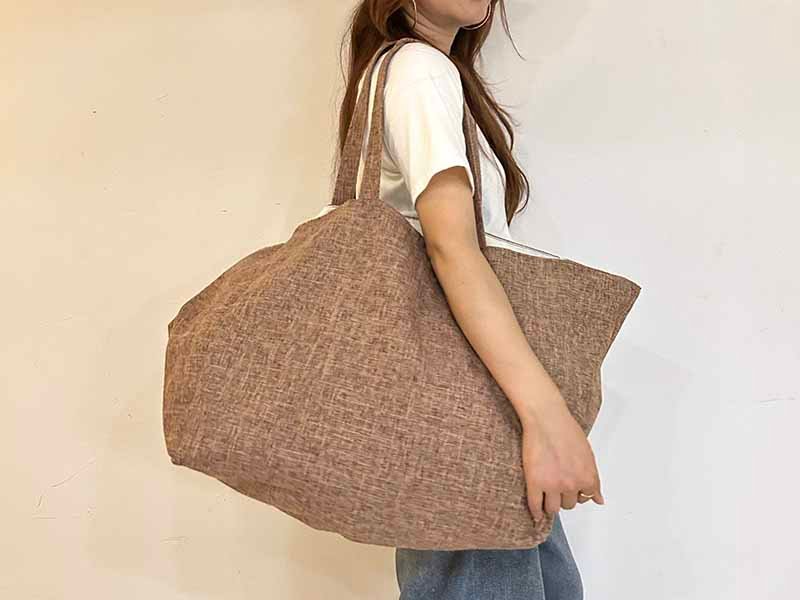
A cotton bag can look simple from the outside, but the material decision behind it is rarely simple. Recycled cotton may help reduce textile waste and the demand for newly grown fiber, yet its shorter fibers can create challenges in yarn strength, surface consistency, and bulk production. Organic cotton may offer more predictable fiber quality and a cleaner agricultural story, but it still requires farming, processing, dyeing, transportation, and reliable certification throughout the supply chain.
For brands developing custom tote bags, canvas shopping bags, drawstring pouches, retail packaging, cosmetic bags, or lifestyle accessories, the real question is not which material sounds more sustainable. The better question is which material can support the required performance, appearance, environmental claim, price, and repeat-order consistency.
Recycled cotton is generally the better option when a brand prioritizes textile-waste reduction, circular material use, and lower reliance on newly grown cotton. Organic cotton is often preferable when fiber consistency, smooth printing, traceable agricultural sourcing, and premium natural positioning matter more. Neither is automatically better for every bag. Fabric weight, weave, fiber percentage, construction, testing, certification, and expected product life should determine the final choice.
Two bags can carry similar sustainability labels and perform very differently. One may use certified organic cotton but fail because the handles are poorly reinforced. Another may contain a high percentage of recycled cotton but show unacceptable shade variation between production lots. The strongest product is the one where material claims, engineering, testing, and manufacturing control all support the same result.
What Are Recycled Cotton and Organic Cotton?

Recycled cotton is recovered from textile production waste or used cotton products and processed into new fiber. Organic cotton is newly grown cotton produced under recognized organic farming standards. Recycled cotton mainly supports waste reduction and circular material use, while organic cotton focuses on farming practices, chemical controls, soil management, and traceable agricultural sourcing.
Recycled Cotton Basics
Recycled cotton begins with cotton-containing waste that would otherwise be discarded, downcycled, or sent to landfill. Its source may include spinning waste, weaving defects, rejected fabric, cutting-room scraps, unsold textile products, used garments, household textiles, or old cotton bags.
Pre-consumer recycled cotton is recovered before a product reaches the end user. Common sources include yarn waste, fabric edges, cutting scraps, defective textile rolls, and production leftovers. These materials are usually easier to identify and sort because their fiber composition and color are known.
Post-consumer recycled cotton comes from products that have already been used. This may include clothing, bedding, towels, uniforms, and other cotton textiles. Post-consumer material can support a strong circularity story, but it is harder to process because it may contain:
- Polyester or elastane blends
- Sewing threads with different fiber compositions
- Buttons, zippers, snaps, and metal parts
- Printed coatings and adhesive layers
- Dirt, odors, or previous chemical finishes
- Fiber damage caused by washing and long-term use
Most commercial recycled cotton is processed mechanically. The waste is collected, sorted, cleaned, cut, opened, and shredded until it returns to a fibrous form. It is then blended, carded, spun into yarn, and woven or knitted into new fabric.
Mechanical recycling can shorten the original cotton fibers. Shorter fibers may increase yarn hairiness, irregularity, and breakage. For this reason, recycled cotton is frequently blended with virgin cotton, organic cotton, recycled polyester, or another supporting fiber.
The term “recycled cotton” does not automatically mean the fabric contains 100% recycled cotton. Buyers should confirm:
- The exact recycled cotton percentage
- Whether the source is pre-consumer or post-consumer
- The percentage and type of supporting fibers
- Whether the fiber is mechanically or chemically recycled
- Whether recycled content is independently certified
- Whether certification applies to the fabric or the finished bag
A lower recycled percentage is not automatically a poor choice. In some products, a carefully engineered blend may deliver a longer service life than a high-recycled-content fabric with insufficient yarn strength.
Organic Cotton Basics
Organic cotton is newly cultivated cotton grown under an approved organic agricultural system. It is not recycled material. Its environmental and commercial value comes from how the cotton is grown, controlled, documented, and traced through the supply chain.
Organic farming systems generally restrict conventional synthetic pesticides and fertilizers and require specific soil, crop, and farm-management practices. However, organic certification alone does not guarantee that every organic cotton fabric is soft, strong, premium, or suitable for bags.
The final fabric quality still depends on:
- Cotton variety
- Growing region
- Fiber staple length
- Fiber maturity
- Ginning quality
- Yarn count and yarn twist
- Weave density
- Bleaching and dyeing
- Finishing treatment
- Storage and production control
Organic cotton is widely used for custom tote bags, canvas bags, drawstring bags, gift pouches, retail packaging, cosmetic pouches, shoe bags, and lifestyle products. It is particularly relevant to beauty, wellness, fashion, food, children’s, hospitality, and natural-product brands.
The organic claim can apply at different levels. It may refer to organic raw fiber, organic yarn, certified fabric, or a certified finished product. These are not automatically equivalent.
A bag may use organic cotton fabric but still contain non-organic sewing thread, polyester labels, metal zippers, foam, adhesives, synthetic reinforcement, or conventional cotton webbing. The exact wording of the claim should reflect what is genuinely covered.
How Production Differs
Recycled cotton production begins with material recovery. Organic cotton production begins with farming.
With recycled cotton, the first challenge is sorting. The recycler needs to separate materials by fiber composition, color, contamination level, and previous treatment. Poor sorting can create inconsistent yarn, mixed colors, weak fibers, or unexpected contaminants.
With organic cotton, the first challenge is chain-of-custody control. The material may move through a farm, ginning facility, spinner, weaving mill, dye house, trader, bag manufacturer, and brand. Each stage must preserve the identity of the certified material.
| Area | Recycled Cotton | Organic Cotton |
|---|---|---|
| Starting material | Textile waste or used cotton products | Newly harvested cotton |
| Main sustainability purpose | Waste recovery and reduced virgin-fiber demand | Certified organic agricultural production |
| Main technical concern | Fiber shortening and feedstock variation | Supply-chain continuity and processing control |
| Common visual character | Flecks, melange effects, mild shade variation | Smoother and more uniform appearance |
| Typical blending | Often blended for strength or consistency | Can be used alone or in blends |
| Main buyer question | What percentage is genuinely recycled? | Does certification cover the required product stage? |
Recycled cotton may avoid the agricultural stage for the recovered portion of the material, but it still requires collection, opening, spinning, weaving, finishing, sewing, packaging, and transportation.
Organic cotton supports a different farming system, but it still requires land, water, energy, harvesting, processing, and manufacturing.
They are not two versions of the same solution. One focuses on reusing existing material. The other focuses on how new material is produced.
What the Labels Do Not Tell You
A recycled or organic label does not tell you whether the finished bag will be strong enough, washable, colorfast, printable, dimensionally stable, or suitable for bulk manufacturing.
A 100% organic cotton fabric can still be too light for a grocery tote. A recycled cotton blend can perform very well when the yarn, GSM, weave, seams, thread, and handle reinforcement are properly engineered.
The material label also does not explain:
- Fabric weight
- Weave density
- Seam strength
- Handle pull resistance
- Printing durability
- Shrinkage
- Colorfastness
- Production-lot consistency
- Product lifespan
- Packaging impact
For custom bag development, material origin is only the beginning. The final decision should be supported by fabric specifications, sample construction, physical testing, certification documents, and production controls.
How Are Recycled and Organic Cotton Different?

Recycled and organic cotton differ in raw-material origin, fiber condition, supply-chain controls, appearance, cost structure, and production risk. Recycled cotton uses existing textile material and often requires blending for stable yarn performance. Organic cotton uses newly grown fiber and usually offers greater control over surface consistency. Neither is automatically cheaper, stronger, or more sustainable without a defined specification.
Fiber and Yarn Quality
Fiber condition is one of the most important technical differences.
Organic cotton begins as newly harvested fiber. Its performance depends on cotton variety, staple length, maturity, cleanliness, growing conditions, ginning, and spinning. High-quality organic cotton can create smooth, strong yarn, but organic certification is not the same as a premium fiber grade.
Recycled cotton has already passed through at least one textile manufacturing cycle. Mechanical opening breaks fabric and yarn apart, which normally reduces average fiber length.
Shorter fibers can create:
- Greater yarn irregularity
- Increased surface hairiness
- Lower yarn tensile strength
- More loose fibers
- Higher risk of breakage during spinning
- Less consistent printing surfaces
These issues can be controlled through blending and fabric engineering.
A recycled cotton fabric may use longer virgin or organic cotton fibers to support shorter recycled fibers. Some fabrics add recycled polyester to improve strength and dimensional stability. Others use heavier yarns or denser weaving.
Buyers should evaluate three levels of performance:
- **Fiber level:**composition, fiber length, cleanliness, and recycled source
- **Fabric level:**GSM, weave, yarn uniformity, shrinkage, and colorfastness
- **Bag level:**seams, handles, reinforcement, printing, and final load performance
A dense 260 GSM recycled cotton blend can outperform a loosely woven 180 GSM organic cotton fabric. The material name alone does not predict the result.
Surface and Color
Organic cotton usually offers greater control when a brand needs smooth fabric, solid colors, small printed text, or consistent repeat orders.
Recycled cotton can show flecks, mixed tones, or heathered effects caused by the original feedstock. These characteristics are not necessarily defects. They can make the recycled material story visible and create an attractive natural appearance.
The suitability depends on the brand’s design language.
Recycled cotton can work especially well with:
- Large screen-printed graphics
- Vintage artwork
- Natural or muted colors
- Simple logos
- Casual lifestyle collections
- Visible circular-material storytelling
A more uniform organic cotton surface may be better for:
- Fine typography
- Luxury retail packaging
- Light-colored prints
- Precise corporate colors
- Detailed embroidery
- High-resolution branding
- Multi-SKU color consistency
Before approving color, buyers should confirm:
- Whether the color is created by sorted recycled fibers or new dyeing
- Whether visible flecks are acceptable
- The permitted bulk shade range
- The approved physical color standard
- Whether different fabric lots may be mixed
- Whether repeat orders can reproduce the original shade
Pantone references are useful, but a physical approved fabric swatch is often more reliable because texture and fiber variation can change how a color appears.
Cost and Availability
It is a mistake to assume recycled cotton is always cheaper because its source material is waste.
Commercial recycled cotton requires collection, sorting, cleaning, cutting, fiber opening, blending, spinning, weaving, certification, inspection, and inventory control. Small certified lots or custom constructions may cost more than widely available conventional fabric.
Organic cotton may include premiums related to:
- Certified agricultural production
- Separate material storage
- Chain-of-custody controls
- Approved processing
- Custom weaving
- Transaction certificates
- Organic-compliant printing or dyeing
- Certification administration
The final fabric price is influenced by:
- GSM
- Weave density
- Fiber percentage
- Stock or custom construction
- Natural or custom-dyed color
- Finishing process
- Certification level
- Order quantity
- Number of colors
- Testing requirements
- Printing method
- Packaging requirements
A stock 200 GSM organic cotton fabric may cost less than a custom-colored recycled cotton canvas. In another project, a locally available recycled blend may be more economical than a special organic construction.
Price comparisons should use equal specifications. Comparing a lightweight recycled tote fabric with a heavy organic canvas does not provide a useful commercial conclusion.
Production Risk
The two materials usually create risk in different parts of the project.
Recycled cotton often creates greater material-consistency risk. Feedstock changes can affect shade, yarn appearance, fabric texture, and strength.
Organic cotton often creates greater documentation risk. The supplier may have access to organic fabric but may not have the certified supply-chain structure needed to support a finished-product claim.
| Risk Area | Recycled Cotton | Organic Cotton | Practical Control |
|---|---|---|---|
| Fiber consistency | Can vary with feedstock | Usually more predictable | Approve actual production fabric |
| Shade consistency | Flecks or lot variation may occur | Easier to control in standard dyeing | Set approved shade limits |
| Yarn strength | May decrease at high recycled percentages | Often more stable | Test fabric and finished seams |
| Documentation | Recycled percentage may be unclear | Chain of custody may stop before final production | Review certification scope early |
| Repeat orders | Waste source may change | Certified source may change | Lock supplier and material reference |
| Marketing claim | “Recycled” can be vague | “Organic” can exceed certification coverage | Use exact, verifiable wording |
Packaging should never be printed with certification logos or environmental claims before the supporting documents and claim language have been reviewed.
A small wording mistake can create expensive consequences, including reprinting labels, changing product listings, delaying retail approval, or removing certification marks.
Which Cotton Is More Sustainable?

Recycled cotton is often stronger in textile-waste reduction and circular material use, while organic cotton is stronger in supporting certified organic agriculture. Neither has a universal environmental advantage. The better option depends on fiber percentage, farming method, energy source, processing, dyeing, transport, durability, product weight, expected uses, and end-of-life planning.
Waste and Virgin Fiber
Recycled cotton keeps existing textile fiber in use. Its clearest benefit is reducing waste and lowering demand for newly grown cotton.
Pre-consumer cotton waste is generally easier to recycle because it is clean, concentrated, and identifiable. Cutting scraps from a single fabric order may have a known fiber content and color.
Post-consumer cotton waste is more difficult to process. Used textiles may contain mixed fibers, prints, adhesives, elastic, metal components, stains, and unknown chemical finishes.
The environmental value also depends on the percentage of recycled material.
A fabric containing 20% recycled cotton should not be marketed in the same way as one containing 70% recycled cotton. Both can support legitimate material strategies, but the wording should be accurate.
Organic cotton does not recover textile waste. It creates new fiber under a certified agricultural system. Its environmental value is connected to farming methods and the replacement of conventionally produced cotton.
The material choice should therefore reflect the environmental objective:
- Choose recycled cotton to emphasize waste recovery and circularity.
- Choose organic cotton to emphasize certified agricultural sourcing.
- Consider a blend when both material reuse and product performance matter.
Farming and Processing
Organic cotton changes how new cotton is produced, but the agricultural stage is only one part of the final product.
After harvesting, cotton still passes through:
- Ginning
- Cleaning
- Spinning
- Weaving
- Scouring
- Bleaching
- Dyeing
- Printing
- Finishing
- Cutting
- Sewing
- Packaging
- Transportation
Recycled cotton avoids growing the recovered portion again, but it also requires processing. Collection, sorting, shredding, carding, blending, spinning, and weaving all consume energy.
Environmental claims about water or carbon should be treated carefully. Results depend on the boundaries used in the calculation.
A reliable comparison should identify:
- Fiber origin
- Farming region
- Irrigation method
- Recycled percentage
- Pre-consumer or post-consumer source
- Energy source
- Dyeing route
- Finishing process
- Transport distance
- Product weight
- Expected lifespan
- Number of uses
A percentage calculated only at the raw-fiber stage cannot be directly compared with a figure that includes fabric production, bag manufacturing, packaging, and international freight.
Brands should avoid repeating universal savings claims unless the data applies to the specific product and supply chain.
Durability and Reuse
Durability is a major part of sustainability, especially for reusable bags.
A lightweight tote may use less cotton but fail quickly under a heavy load. A heavier bag uses more material but may deliver many more uses.
The right balance depends on the application.
A jewelry pouch may only need to hold a small product. A grocery tote may carry several kilograms repeatedly. A book bag needs strong handles and reinforced bottom seams. A cosmetic pouch needs dimensional stability and closure durability rather than high load capacity.
A more sustainable bag should be:
- Strong enough for the expected use
- Useful enough to be reused
- Easy to clean or maintain
- Designed without unnecessary layers
- Packaged efficiently
- Repairable where practical
- Supported by honest material claims
The product story should match real performance. A thin promotional bag designed for one event should not be presented as a lifetime reusable product.
No Universal Winner
There is no automatic winner between recycled and organic cotton.
Recycled cotton may be the better choice when the product can accept natural texture, existing material colors, or a carefully engineered blend.
Organic cotton may be more suitable when the brand requires smooth printing, premium hand feel, precise colors, and a traceable organic sourcing story.
A blend may sometimes be the most responsible technical decision. Recycled cotton can be blended with longer cotton fibers to improve yarn stability and product life. Although this reduces the total recycled percentage, it may prevent premature failure.
A practical material-selection sequence is:
- Define the bag’s function.
- Identify the required load and lifespan.
- Remove unnecessary material.
- Compare suitable fabric constructions.
- Confirm fiber composition.
- Verify certification requirements.
- Build a production-representative sample.
- Test the complete bag.
- Approve accurate packaging language.
- Control bulk production against the approved standard.
A material cannot be considered successful if it supports an environmental claim but fails during normal use.
Which Cotton Performs Better for Bags?

Organic cotton often provides more predictable fiber quality and a smoother surface. Recycled cotton can also deliver reliable performance when its blend, yarn, weave, GSM, and bag construction are properly engineered. For custom bags, performance depends more on fabric construction, seams, handles, reinforcement, printing, shrinkage, and load testing than on the material label alone.
Weight and Construction
Cotton fabric is commonly specified in grams per square meter. GSM indicates weight, but it does not fully explain strength.
Two fabrics with the same GSM can perform differently because of:
- Yarn thickness
- Yarn twist
- Weave density
- Fiber length
- Finishing
- Shrinkage
- Surface treatment
Plain weave is common for lightweight tote bags and drawstring pouches. Twill has a diagonal pattern and often provides better drape and abrasion performance. Canvas is usually heavier and more densely woven, making it suitable for structured or load-bearing bags.
| Product Type | Typical Starting GSM | Main Construction Focus | Typical Application |
|---|---|---|---|
| Small gift pouch | 100–140 GSM | Clean seams and drawcord channel | Jewelry, beauty products, accessories |
| Shoe or storage bag | 130–180 GSM | Closure strength and washability | Footwear, travel, product packaging |
| Lightweight flat tote | 150–200 GSM | Print area and handle attachment | Events, retail, promotions |
| Everyday shopping tote | 200–260 GSM | Gusset, bottom seam, handle strength | Groceries, books, daily use |
| Premium canvas tote | 260–340 GSM | Shape retention and reinforcement | Lifestyle and branded retail |
| Heavy utility cotton bag | 320 GSM and above | Structural engineering and hardware | Tools, equipment, specialty products |
These figures are starting points, not guaranteed load ratings.
A tightly woven 220 GSM fabric may perform better than a loose 260 GSM fabric. The finished bag must still be tested.
Heavier is not always better. Very heavy canvas increases product weight, freight volume, sewing difficulty, needle requirements, and cost. It may also be too stiff for foldable packaging.
The best specification is the lightest fabric construction that safely meets the real use requirement.
Handles and Seams
Cotton totes commonly fail at the handle attachment rather than through the middle of the fabric.
Handle performance depends on:
- Handle width
- Handle material
- Insertion depth
- Stitch pattern
- Thread type
- Seam allowance
- Reinforcement
- Load distribution
General tote handles are often approximately 25–40 mm wide. Wider straps can improve comfort when the bag carries heavier contents.
Common handle materials include:
- Self-fabric cotton handles
- Cotton webbing
- Polyester webbing
- Recycled polyester webbing
- Blended webbing
- Padded handles
Higher-load bags may use:
- Box stitching
- Box-and-cross stitching
- Bar tacks
- Multiple parallel stitch lines
- Internal reinforcement patches
- Extended handles running further down the bag body
- Bound seams
- Folded structural seams
Stitch density should match the fabric. Excessively dense stitching can perforate lightweight cotton and create a tear line. Stitching that is too loose can reduce seam strength and create an unfinished appearance.
Load tests should simulate actual use. After testing, inspectors should check:
- Handle movement
- Seam opening
- Thread breakage
- Fabric distortion
- Permanent stretching
- Bottom-seam damage
- Gusset deformation
The bag should not only survive a single static load. Products designed for repeated use may also need repeated lifting or cycling tests.
Printing and Embroidery
Organic cotton often provides a smoother and more predictable printing surface. Recycled cotton can print well, but fiber flecks, yarn hairiness, and shade variation may affect fine detail.
Screen printing is widely used for cotton bags because it works well with bold graphics and solid colors. The result depends on ink type, mesh, curing temperature, fabric color, and surface preparation.
Digital printing can reproduce complex graphics, but the fabric may require pretreatment. Heat-transfer printing is flexible, but temperature and pressure must be tested because excessive heat can affect color, shrinkage, or hand feel.
Embroidery creates a premium appearance but concentrates needle penetration in a small area. Lightweight cotton may need backing to prevent puckering.
Dense embroidery should be carefully positioned away from:
- Fold lines
- Drawcord channels
- Zipper seams
- Edge binding
- High-stress handle areas
Sample approval should confirm:
- Artwork dimensions
- Logo position
- Print color
- Print opacity
- Edge sharpness
- Ink adhesion
- Rubbing resistance
- Embroidery density
- Backing material
- Fabric distortion
- Appearance after washing
Branding quality should be evaluated as part of the material and construction system, not as a separate decoration step.
Shrinkage and Colorfastness
Cotton absorbs moisture and may shrink, especially if the fabric has not been pre-shrunk or stabilized.
Shrinkage can affect:
- Finished dimensions
- Logo alignment
- Lining fit
- Zipper shape
- Handle symmetry
- Gusset dimensions
- Product appearance
The acceptable shrinkage level depends on whether the bag will be machine washed, hand washed, spot cleaned, or kept dry.
Buyers should agree on the test method before setting a tolerance. A shrinkage result is only meaningful when the washing temperature, drying method, and number of cycles are defined.
Colorfastness should also be reviewed. Dark cotton may transfer color during rubbing, moisture exposure, or washing.
Useful tests may include:
- Dry rubbing
- Wet rubbing
- Washing
- Water exposure
- Perspiration for body-contact products
- Light exposure for outdoor products
- Color migration against light linings
- Lot-to-lot shade comparison
For washable bags, samples should be measured before and after the agreed wash method. If the bag is not designed for machine washing, the care instructions should state that clearly.
Which Certifications Verify Cotton Claims?
RCS and GRS are widely used for recycled-content verification, while OCS and GOTS support organic-material claims. These standards have different purposes. Buyers should check the certified company, scope, product category, processing stage, content percentage, transaction documents, and labeling rules. A supplier’s website logo or fabric certificate does not automatically certify the finished bag.
Recycled Standards
The Recycled Claim Standard is used to verify recycled material and track it through the supply chain.
The Global Recycled Standard also verifies recycled content and includes additional requirements related to environmental, chemical, and social processing practices.
For a custom recycled cotton bag, buyers should confirm whether the relevant parties are covered, including:
- Yarn supplier
- Fabric mill
- Dyeing or finishing facility
- Trader
- Bag manufacturer
- Exporting company
The exact commercial route matters. If material passes through an organization that is not covered under the required chain-of-custody system, the certification pathway may be interrupted.
The recycled percentage should be clearly stated. A fabric may contain:
- Recycled cotton
- Virgin cotton
- Organic cotton
- Recycled polyester
- Conventional polyester
- Other supporting fibers
The bag should not be described as fully recycled when only the body fabric contains a partial recycled percentage.
Certification requirements should be discussed before fabric booking because they can affect:
- Supplier selection
- MOQ
- Price
- Lead time
- Color availability
- Label wording
- Packaging approval
Organic Standards
The Organic Content Standard tracks certified organic material through the supply chain and verifies organic content.
GOTS applies a broader textile-processing framework that includes organic fibers, processing requirements, chemical controls, and social criteria.
A company cannot automatically use a GOTS logo simply because it purchased organic cotton fabric.
Finished bags may contain:
- Sewing thread
- Zippers
- Metal hardware
- Snaps
- Labels
- Interfacing
- Foam
- Adhesives
- Printing ink
- Packaging
These components may affect the final product claim and labeling eligibility.
For an organic cotton project, buyers should confirm:
- Which standard is required
- Whether the claim applies to fabric or finished product
- Whether the manufacturer is certified
- Whether printing and dyeing are covered
- Whether accessories are permitted
- Whether logo approval is required
- Whether transaction documentation will be available
- Which legal entity appears on the certificate
These questions should be resolved before producing hangtags, care labels, packaging, or online product descriptions.
Scope and Transaction Documents
A scope certificate shows that an organization is certified for certain materials, products, processes, and locations during a stated period.
It does not automatically prove that every product sold by that company is certified.
A transaction certificate connects certified material to a specific commercial transaction or shipment.
| Document | What It Shows | What It Does Not Automatically Prove |
|---|---|---|
| Scope certificate | Certified organization, locations, standards, products, and processes | That a specific shipment is certified |
| Transaction certificate | Certified material linked to a defined transaction | That unrelated products are certified |
| Composition report | Declared or tested fiber content | Full chain-of-custody certification |
| Performance report | Results under a stated test method | Certification or claim eligibility |
| Logo approval | Permission for a defined label design | Permission for other artwork or products |
| Supplier declaration | Supplier’s written material statement | Independent third-party verification |
Buyers should review:
- Company names
- Facility addresses
- Certificate numbers
- Validity dates
- Product categories
- Fiber descriptions
- Quantities
- Shipment dates
- Applicable standards
Small inconsistencies can create problems during retailer review, marketplace verification, customs checks, or sustainability reporting.
Accurate Claims
Environmental claims should be specific and limited to what can be proven.
A statement such as “bag body contains 60% certified recycled cotton” is clearer than “made from recycled materials.”
“Made with certified organic cotton” should only be used when the wording is supported by the applicable certification system.
Broad phrases such as the following are difficult to support:
- 100% sustainable
- Zero environmental impact
- Completely eco-friendly
- Chemical-free
- Planet safe
- Fully green
A responsible claim answers four questions:
- What material is being claimed?
- What percentage is present?
- Which standard supports the claim?
- Which part of the product is covered?
The bag body, handles, lining, sewing thread, print, labels, and accessories may have different compositions. In some cases, the claim should refer specifically to the body fabric rather than the entire bag.
Accurate documentation protects the brand from packaging changes, retailer rejection, customer distrust, and public criticism.
How Should Brands Choose Cotton for Custom Bags?
Brands should begin with product use, performance, appearance, certification, quantity, budget, and target market. Recycled cotton is suitable when verified waste recovery and circularity are priorities. Organic cotton is often preferred for natural positioning, smooth presentation, and traceable agricultural sourcing. Samples, test results, bulk fabric approval, and complete documentation should determine the final choice.
Define the Product
A useful material brief should explain what the bag must do.
Instead of requesting an “eco-friendly cotton tote,” provide:
- Product dimensions
- Intended contents
- Expected load
- Frequency of use
- Required lifespan
- Desired appearance
- Desired hand feel
- Printing or embroidery requirements
- Washing expectations
- Certification requirements
- Target price
- Sales market
- Order quantity
- Repeat-order forecast
A skincare gift tote and a grocery bag should not use the same specification simply because both are cotton bags.
The skincare tote may prioritize:
- Smooth fabric
- Controlled natural shade
- Fine printing
- Refined sewing
- Premium packaging
- Organic sourcing
The grocery tote may prioritize:
- Wider handles
- Reinforced bottom seams
- Higher GSM
- Gusset structure
- Repeated load performance
- Washability
The sales channel also affects material selection.
Retail chains may require formal certification review, test reports, barcode control, and third-party inspection.
Corporate gift companies may prioritize logo presentation, packaging, delivery date, and large-volume consistency.
E-commerce brands may focus on freight weight, folding volume, photography, customer reviews, and repeat-order flexibility.
Compare Real Specifications
Material selection should be based on actual swatches and technical data.
Buyers should request:
- Full fiber composition
- Recycled or organic percentage
- Certification status
- Fabric GSM
- Weave or construction
- Available stock colors
- Custom dyeing MOQ
- Shrinkage data
- Colorfastness information
- Recommended printing methods
- Fabric width
- Fabric lead time
- Repeat-order availability
The fabric should be physically evaluated. Buyers can fold it, stretch it, rub the surface, hold it against light, compare color, and test the intended logo method.
Recycled cotton with visible texture may be ideal for one brand and unsuitable for another.
Samples should use the proposed production fabric whenever possible. A substitute fabric may confirm the shape and dimensions, but it cannot confirm:
- Final hand feel
- Printing quality
- Shrinkage
- Shade
- Seam behavior
- Bulk appearance
- Certification status
Approve Samples Properly
A sample should be treated as a production model, not only a visual prototype.
The buyer should measure the bag and compare it with the agreed specification. The review should include:
- Finished dimensions
- Fabric composition
- Fabric weight
- Handle position
- Handle length
- Seam allowance
- Stitch consistency
- Edge finishing
- Logo placement
- Closure function
- Gusset shape
- Lining fit
- Packaging
The bag should also be tested with its intended contents.
After loading, inspect:
- Handle attachment
- Bottom seam
- Side seams
- Fabric stretching
- Stitch opening
- Shape retention
- User comfort
For washable products, complete the agreed washing test. For dark colors, test rubbing and color transfer. For certified materials, review supporting documents before approving packaging.
A useful pre-production file includes:
- Approved physical sample
- Fabric swatch
- Color standard
- Bill of materials
- Measurement chart
- Artwork file
- Logo position
- Stitching instructions
- Reinforcement details
- Packaging requirements
- Care label
- Certification requirements
- Inspection criteria
Bulk production should be checked against this file. Without a clear approved standard, disputes about whether bulk goods match the sample become subjective.
Make the Final Choice
Choose recycled cotton when the project prioritizes:
- Textile-waste recovery
- Circular material use
- Reduced demand for newly grown cotton
- Visible recycled character
- Recycled-content storytelling
Confirm that the selected recycled percentage can still meet strength, printing, appearance, and repeat-order requirements.
Choose organic cotton when the project prioritizes:
- Certified agricultural sourcing
- Natural product positioning
- Smooth fabric presentation
- Controlled coloration
- Premium cotton hand feel
- Organic-material storytelling
Confirm that certification can support the required supply-chain and product claim.
Choose a blend when one material alone cannot meet every requirement.
A recycled cotton blend may provide a better balance of circularity and yarn strength. Organic cotton may be blended to adjust cost, hand feel, performance, or product structure.
The best custom bag decisions balance:
- Material origin
- Product engineering
- Branding
- Testing
- Cost
- Production scale
- Certification
- Repeat-order stability
A qualified manufacturer should be able to review drawings, reference samples, fabric options, logo methods, load requirements, packaging, certification, and testing before confirming the final production route.
Final Material Decision for Custom Bag Projects
Recycled cotton and organic cotton both have a valid place in custom bag manufacturing, but they solve different problems.
Recycled cotton is primarily a circular-material solution. It helps recover textile waste and reduce the demand for newly grown fiber. Its main technical challenges involve shorter fibers, feedstock variation, surface consistency, and recycled-content verification.
Organic cotton is primarily an agricultural sourcing solution. It supports certified organic farming and can provide predictable fiber and printing performance. Its main commercial challenges involve chain-of-custody continuity, certification scope, and accurate finished-product claims.
For a low-load gift pouch, a lightweight recycled cotton fabric may provide the right balance of cost, appearance, and material story.
For a premium retail tote with detailed printing and long-term repeat orders, organic cotton canvas may provide stronger color and surface consistency.
For a high-use shopping tote, a carefully engineered blend may deliver better durability than choosing the highest possible recycled or organic percentage without considering yarn strength.
Lovrix supports the development and manufacturing of custom cotton tote bags, canvas bags, drawstring bags, gift pouches, cosmetic bags, shopping bags, retail packaging, and other sewn soft goods.
Clients can provide a drawing, Tech Pack, existing sample, reference image, or initial product idea. The project can then be evaluated based on material selection, fabric weight, recycled or organic content, structure, logo method, certification needs, sampling, packaging, production feasibility, quality control, and global delivery.
A responsible cotton bag should communicate an accurate material story, perform reliably in real use, and arrive with evidence that supports its claims. The best material is not the one with the strongest label. It is the one that remains credible from fiber selection to the finished product.


