 Skip to content
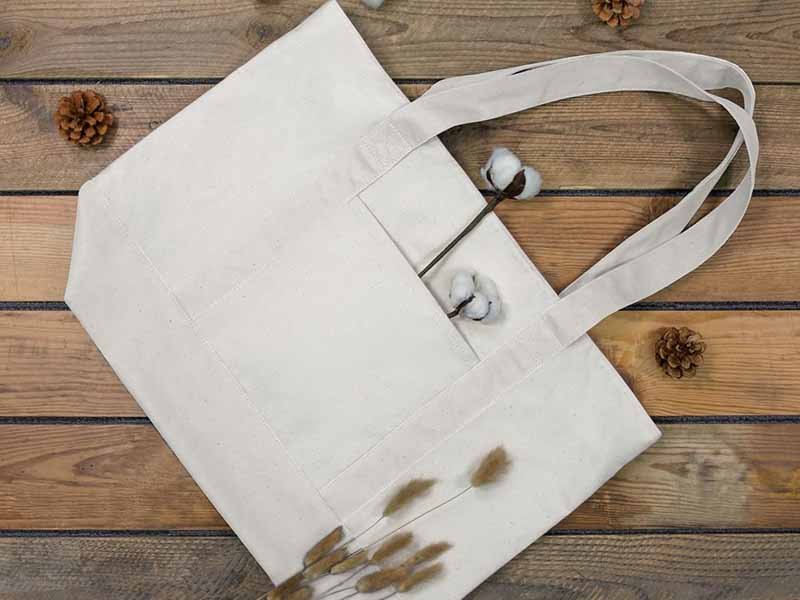
A bag may look simple from the outside, but behind every reliable retail-ready product there are dozens of decisions: fabric weight, coating, lining, webbing strength, zipper size, stitch density, reinforcement points, logo method, packaging format, carton marking, and bulk inspection standards. This is why many brands search for an ODM bag manufacturer before they are ready to send a complete tech pack. They may have a product idea, a market opportunity, a reference image, or an existing product they want to improve, but they need a factory that can help turn that rough direction into something that can actually be sampled, tested, produced, and sold.
An ODM bag manufacturer is a factory that helps brands develop bags based on product ideas, reference images, market needs, or functional requirements, rather than only producing from finished drawings. ODM support usually includes material selection, structure planning, sample development, logo placement, packaging suggestions, production optimization, and bulk manufacturing.
The real question is not only “What does ODM mean?” The better question is: “Can this manufacturer help me avoid expensive product mistakes before bulk production?” Imagine a buyer who has a promising travel bag concept but chooses the wrong fabric, weak shoulder webbing, and a logo process that cracks after repeated use. The product may look fine in a photo, but fail in the market. A strong ODM partner helps catch those problems early, while the project is still flexible and repairable.
What Is an ODM Bag Manufacturer?

An ODM bag manufacturer helps brands turn a product idea, reference image, sample, or market requirement into a production-ready bag. The factory supports material selection, structure planning, sample development, branding details, packaging, quality control, and bulk manufacturing, instead of only sewing according to a finished tech pack.
What ODM Means
ODM stands for Original Design Manufacturer. In the bag industry, the term is used when a buyer does not yet have a complete product file but still wants to develop a sellable bag. The buyer may have a rough concept, a competitor reference, a mood board, a product link, a hand sketch, or a physical sample. The ODM manufacturer helps translate that direction into a workable product.
A true ODM bag manufacturer is not simply a wholesaler with ready-made bags. The value is in the development work before bulk production. That includes deciding whether the bag should use polyester, nylon, canvas, PU leather, PVC, TPU, neoprene, mesh, recycled fabric, foam, lining, or custom webbing. It also includes deciding where the product needs reinforcement, which logo method fits the material, and whether the structure can be repeated in mass production.
For commercial buyers, ODM is useful because many bag failures start before production. A weak handle, poor pocket layout, wrong zipper size, soft bottom panel, or mismatched logo method can create complaints even if the sewing looks acceptable. Good ODM support helps identify these problems when the product is still in the sample stage.
What an ODM Factory Does
An ODM factory usually helps with product direction, use-case analysis, material recommendation, structure design, sample development, sample revision, branding placement, packaging planning, cost adjustment, and production preparation. The process is practical, not theoretical. The goal is to make a bag that can be sampled, approved, produced, inspected, packed, shipped, and reordered.
In real projects, the factory may start by asking what the bag will carry, who will use it, where it will be sold, what price level the product needs to match, and what quantity the buyer plans to order. These questions matter because a cosmetic pouch for a beauty brand, a cooler bag for food delivery, and a tool bag for industrial use all require different materials, sewing logic, and reinforcement points.
The strongest ODM factories connect design intention with production reality. They do not only say, “Yes, we can make it.” They explain why one fabric may collapse, why a certain zipper may be too light, why a pocket layout may slow down sewing, or why a packaging choice may increase carton volume. This practical judgment is what separates a development partner from a basic sewing vendor.
ODM Is Not Just Logo Printing
Many buyers confuse ODM with logo customization. Adding a logo to an existing bag can be useful, but it is not the full meaning of ODM. A logo project may only change the visible brand mark, while ODM can change the product itself.
For example, a simple private label order may involve choosing a ready tote bag and adding a woven label or screen print. An ODM tote project may adjust the fabric weight, handle length, bottom gusset, lining, stitch reinforcement, inner pocket, label position, packaging, and carton quantity. The difference is not only creative control; it is the level of product development.
ODM becomes more valuable when the buyer needs both brand expression and functional improvement. A travel brand may want a lighter duffel bag with stronger handles. A pet brand may need washable lining and better ventilation. A medical buyer may need clear compartments, labeling areas, and easy-clean materials. These are not surface-level logo decisions. They are manufacturing decisions.
What Buyers Should Prepare
A buyer does not need a perfect tech pack to start an ODM project, but clear information makes the process much more efficient. Useful project inputs include product type, reference photos, target dimensions, usage scenario, expected quantity, target price range, logo file, preferred material, packaging requirement, destination market, and delivery schedule.
For a custom bag project, a common starting MOQ may be around 500 pieces, but the real MOQ can change depending on material availability, structure complexity, logo process, packaging method, and whether special components need to be produced. Simple bags using available materials may be easier to evaluate, while custom webbing, molded patches, special hardware, or retail packaging can raise MOQ or extend development time.
| Manufacturing Model | Buyer Starting Point | Factory Role | Typical Custom Depth | Best Fit |
|---|---|---|---|---|
| ODM | Idea, reference image, sample, market need | Develops material, structure, sample, branding, packaging, and production path | Medium to high | Brands needing product development support |
| OEM | Finished drawing, tech pack, BOM, approved sample | Manufactures according to confirmed specifications | High, but buyer controls design | Brands with complete product files |
| Private Label | Existing or semi-custom product direction | Adds brand identity, labels, patches, packaging, carton marks | Low to medium | Buyers building branded product lines quickly |
| Stock Logo Order | Ready product with minimal changes | Adds simple logo or label | Low | Promotional orders with limited product changes |
How Is ODM Different from OEM?

ODM helps develop the product before production, while OEM produces according to the buyer’s existing design, sample, tech pack, or confirmed specifications. ODM gives more development support; OEM gives the buyer more control. The right choice depends on how complete the buyer’s product information already is.
Design Responsibility
The biggest difference between ODM and OEM is where the design responsibility begins. In OEM manufacturing, the buyer usually provides the design direction in detail. The factory checks whether it can be produced, quotes the project, makes a sample, and follows the approved standard for bulk production. OEM is best when the buyer already knows the fabric, size, structure, trim, logo method, packaging, and quality requirements.
ODM starts earlier. The buyer may know the market need but not the exact product solution. The factory helps shape the product by recommending material, structure, size, capacity, compartments, closures, reinforcement, logo placement, and packaging. A good ODM manufacturer does not take over the brand’s decision-making. Instead, it fills the technical gap between product idea and production reality.
This distinction matters because many sourcing problems come from unclear responsibility. If a buyer expects full original design but the factory only offers existing templates, there will be disappointment. If a buyer already has strict specifications but the factory treats it like a flexible ODM project, details may drift. Clear positioning at the start saves time and cost.
Control and Flexibility
OEM gives more design control to the buyer because the buyer defines the product. This is useful for established brands with design teams, product engineers, detailed tech packs, and existing sales data. The factory’s role is to execute accurately and point out manufacturing risks when needed.
ODM gives more flexibility during development. This can be helpful when the product is still being shaped. The buyer may compare different fabric weights, choose between printed and embroidered logos, test several pocket layouts, or adjust cost by simplifying structure. This flexibility is especially useful for brands developing a new line, testing a new market, or improving a competitor-style product without copying it directly.
Flexibility should still have limits. Too many changes after sampling can delay the project and make pricing unstable. A disciplined ODM process should lock decisions step by step: first product direction, then material and structure, then logo and packaging, then approved sample, then bulk standard. Without this discipline, ODM can become endless sampling.
Time and Cost Differences
ODM can be faster than OEM when the buyer lacks complete product files. If the factory has experience with similar bag categories, proven structures, available materials, and known sewing methods, it can help the buyer avoid starting from zero. This is common for tote bags, cosmetic bags, drawstring bags, cooler bags, travel bags, laptop sleeves, pet bags, and soft storage products.
OEM can be faster when the buyer provides complete and accurate files. If the tech pack includes dimensions, material specifications, stitching details, logo artwork, color references, packaging instructions, and quality standards, the factory can move directly into sample quotation and production planning.
Cost is not automatically lower in either model. ODM may reduce early design cost, but changes in material, logo, structure, packaging, and testing can still raise the final unit price. OEM may look more predictable, but if the buyer’s design is difficult to sew or requires rare materials, production cost can increase. The better question is not “Which model is cheaper?” but “Which model reduces risk for this project?”
Design Ownership
Design ownership in OEM is usually clearer because the buyer provides the design. ODM requires more attention. If the product is based on an existing factory structure, the buyer should not assume exclusivity unless it is agreed in writing. If the buyer pays for special patterns, unique molds, custom hardware, exclusive fabric development, or a fully customized structure, ownership terms should be discussed before sampling.
For brand buyers, this is not a small point. A product that looks too similar to other market styles may be difficult to position as a distinctive brand item. This is why ODM customization should go beyond changing the logo. Meaningful differentiation may come from size ratio, pocket logic, material pairing, handle design, color system, packaging, accessory selection, and product-line consistency.
The safest ODM projects define what is shared, what is customized, and what can be exclusive. A responsible factory should be willing to explain these boundaries before the buyer invests in sampling and marketing.
Which Bag Projects Fit ODM?

ODM fits bag projects where the buyer has a clear product direction but needs help with development. It works well for brands, importers, retailers, e-commerce sellers, gift companies, and product teams that need material advice, structure planning, samples, branding, packaging, and scalable production support.
Best-Fit Buyers
ODM is especially useful for buyers who have real commercial intent but incomplete technical files. These buyers often understand their customer, market, sales channel, and price range, but they need a manufacturing partner to turn the idea into a physical product.
A Shopify brand may need a small product line that feels consistent across colors and sizes. An Amazon seller may need a product that avoids poor reviews caused by weak zippers, loose seams, or bad packaging. A retail buyer may need barcode labels, hangtags, carton marks, and stable color matching. A corporate gift company may need a practical design that balances logo visibility, deadline, and cost.
ODM is less suitable for personal one-piece requests or buyers who only want the lowest possible price without a clear market plan. A commercial ODM project works best when the buyer cares about repeatability, sample-to-bulk consistency, packaging, delivery planning, and long-term product improvement.
Suitable Bag Categories
ODM works for both simple and functional bag categories. Simple products like tote bags, drawstring bags, and cosmetic pouches can still require careful decisions about fabric weight, lining, logo method, handle strength, folding, and packaging. Functional products such as backpacks, cooler bags, tool bags, medical bags, pet bags, outdoor bags, and waterproof bags need even more development attention.
A cooler bag, for example, is not only a stitched container. It needs outer fabric, insulation, lining, seam design, closure method, leakage consideration, and packaging volume control. A tool bag needs stronger fabric, reinforced stress points, heavier webbing, stable bottom construction, and pocket planning. A medical bag may require wipe-clean materials, compartment organization, clear labeling, and easy access.
The more the bag must perform in real use, the more ODM support matters. If the product has weight-bearing, insulation, protection, organization, water resistance, hygiene, or outdoor requirements, the factory’s material and structure judgment becomes part of the product value.
When ODM May Not Fit
ODM is not always the right path. If a buyer only wants the cheapest ready-made bag with a logo, a stock product supplier may be enough. If a buyer has a complete design and strict brand standards, OEM may be more suitable. If a buyer wants one or two pieces for personal use, a commercial ODM factory is usually not the right match.
ODM also may not fit when the buyer has no clear product direction. A good manufacturer can help with development, but it cannot replace basic business planning. The buyer should at least know the product category, target user, selling channel, approximate quantity, and intended price level. Without these details, the factory can only guess, and guessed development often creates wasted samples.
The best ODM conversations start with enough direction to make decisions. A useful request sounds like: “We need a 500-piece pilot run of a mid-range canvas tote for retail stores, with a structured bottom, woven label, hangtag, and two color options.” That gives the factory something real to evaluate.
Practical Project Examples
A beauty brand may begin with a reference photo of a cosmetic pouch but need better lining, more premium zipper pullers, and gift-ready packaging. A travel brand may have an old duffel sample and want to reduce weight without making the product feel cheap. A pet brand may want a carrier bag with improved ventilation and washable inner material. A tool brand may want a heavy-duty organizer with stronger bottom support.
These are ODM projects because the manufacturer is not only copying a product. It is improving the product for a buyer’s market, cost level, and production plan. The factory’s value appears in the trade-offs: where to upgrade, where to simplify, where to reinforce, and where not to overbuild.
| Project Type | Common Starting Point | Key ODM Decisions | Useful Reference Data |
|---|---|---|---|
| Tote Bag | Sketch, sample, or reference photo | Fabric weight, handle length, bottom gusset, logo method, folding | Common pilot orders often start from around 500 pcs depending on factory policy and material |
| Cosmetic Bag | Existing sample or beauty brand concept | Lining, zipper, surface texture, logo placement, retail packaging | Small size changes can affect carton quantity and shipping volume |
| Cooler Bag | Functional requirement | Insulation thickness, lining, closure, leakage risk, carrying comfort | Performance depends on structure and material, not only insulation material |
| Backpack | Market concept or tech pack draft | Foam, compartments, shoulder straps, load points, zipper path | More compartments usually increase sewing time and cost |
| Tool Bag | Physical sample or industrial use case | Reinforced fabric, webbing, pocket layout, bottom support | Heavy-duty projects often need stronger stress-point review |
| Pet Bag | Reference image or product idea | Ventilation, washable lining, comfort, access opening | Material choice should consider cleaning and user safety |
How Does ODM Bag Development Work?

ODM bag development usually moves from project discussion to material selection, structure planning, sample making, revision, sample approval, bulk production, inspection, packaging, and shipment. A strong process makes the final bag easier to manufacture, more consistent in bulk, and better matched to the buyer’s market.
Project Evaluation
The first step is not quoting. The first step is understanding the product. A professional ODM manufacturer should ask what the bag is used for, who will buy it, what it needs to carry, where it will be sold, what price level it should match, and what quantity the buyer expects. These questions affect almost every technical decision.
For example, a tote bag for retail merchandise can use a different fabric and handle structure than a grocery tote designed for repeated heavy use. A cosmetic bag sold in a premium skincare kit may need a better zipper, cleaner lining, and more refined logo application than a simple giveaway pouch. A backpack for outdoor use needs different material logic from a city commuter backpack.
The buyer should provide reference images, product dimensions, target materials, logo files, color requirements, packaging needs, estimated quantity, target market, and delivery plan when available. Clear inputs help the manufacturer prepare a structured development proposal instead of a rough guess.
Material and Structure Development
Material selection and structure planning usually happen together. A fabric may look attractive on a swatch but behave differently after cutting, folding, sewing, binding, printing, or loading. That is why a factory should not choose material based only on appearance.
Material affects appearance, hand feel, stiffness, weight, abrasion resistance, water resistance, load-bearing ability, tear resistance, logo effect, print result, embroidery effect, heat-transfer result, shape stability, lining flatness, insulation, leakage performance, packaging volume, bulk cost, MOQ, sampling time, lead time, customer feedback, and repeat-order consistency.
Structure development then turns the selected material into a usable bag. The team decides dimensions, gusset, opening, pocket layout, strap position, foam placement, lining method, seam allowance, binding style, zipper route, and reinforcement points. In experienced factories, pattern makers and sample makers often catch problems that are not obvious in drawings, such as corners that are hard to sew, handles that pull unevenly, or linings that twist after assembly.
Sampling and Revision
The first sample is a working test, not the final victory. It shows whether the product direction is practical. Buyers should review the sample with the same seriousness they would use for a bulk shipment. Important checks include dimensions, material feel, zipper movement, handle strength, pocket usability, seam appearance, lining fit, logo position, packaging fit, and carton planning.
Most ODM projects need at least one round of adjustment. Common changes include handle length, pocket depth, lining color, zipper size, fabric stiffness, logo scale, bottom support, foam thickness, or packaging format. These changes should be recorded clearly. When comments are vague, the second sample may not solve the real problem.
The strongest sampling habit is to treat each change as a production decision. If a buyer upgrades a zipper, changes webbing, adds a pocket, or switches packaging, the factory should check how it affects unit cost, MOQ, production time, and quality risk. A sample that cannot be repeated in bulk is not a good ODM result.
Bulk Preparation
After sample approval, the project should move into a controlled production standard. This includes pattern confirmation, material approval, color reference, BOM, logo artwork, packaging layout, carton details, inspection points, and shipment plan. For repeat orders, this record becomes extremely valuable because it reduces future communication cost.
Bulk preparation also includes checking material availability, production schedule, logo process lead time, packaging production, and final inspection criteria. A delay in one small component can affect the whole order. Custom webbing, special hardware, unique zipper pullers, molded patches, and retail boxes often need more planning than buyers expect.
| ODM Stage | Buyer Input | Manufacturer Output | Common Risk to Control |
|---|---|---|---|
| Project Review | Idea, reference, quantity, market, target cost | Feasibility comments and initial development route | Quoting before understanding product details |
| Material Selection | Preferred look, function, price level | Fabric, lining, webbing, trim, and logo suggestions | Choosing material only by photo |
| Structure Planning | Size, use case, carrying needs | Pattern logic, pockets, reinforcement, closure plan | Attractive design but poor usability |
| Sampling | Approved direction and artwork | Physical sample for review | Sample looks good but is hard to repeat |
| Revision | Clear comments and changed details | Improved sample and updated cost impact | Endless changes without locking standards |
| Bulk Preparation | Approved sample and order details | BOM, production plan, QC points, packaging plan | Missing details causing bulk inconsistency |
What Can Be Customized in ODM Bags?

ODM bags can be customized in material, size, structure, color, lining, webbing, zipper, hardware, foam, logo method, labels, patches, zipper pullers, hangtags, packaging, carton marks, and channel-specific requirements. Good customization should improve function, brand image, user experience, or production suitability.
Materials and Components
Material customization is usually the largest decision area in ODM bag development. Common choices include polyester, nylon, canvas, cotton, PU leather, PVC, TPU, EVA, neoprene, mesh, recycled fabrics, reflective materials, linings, foam, insulation materials, and different webbing grades. Each option changes the product’s feel, shape, durability, cost, and production behavior.
For example, canvas may give a natural lifestyle feel but may not be ideal for a waterproof product unless coating or lining is considered. Nylon can be strong and lightweight, but different deniers and weaves perform differently. PU leather can create a polished appearance but needs proper backing and sewing control. Neoprene has softness and protection value but behaves differently from woven fabrics during cutting and sewing.
Component choices matter just as much as the main fabric. Zippers, sliders, pullers, buckles, D-rings, shoulder pads, foam, binding tape, and webbing all affect the final product. A bag can fail because of a weak zipper even when the fabric is strong. A handle can feel uncomfortable if the webbing is too stiff or too narrow. Good ODM work connects all components as one product system.
Structure and Function
Structure customization includes dimensions, opening style, pocket layout, handle length, shoulder strap type, bottom gusset, foam protection, lining construction, divider placement, zipper route, foldability, and reinforcement. These choices decide how the bag works in real life.
A cosmetic bag may need a wide opening so users can see products inside. A tool bag may need upright pockets and a strong base. A cooler bag may need insulation coverage and a closure that limits temperature loss. A pet bag may need ventilation, washable surfaces, and comfortable access. A travel bag may need a shoulder strap position that stays balanced when packed.
The best ODM structure decisions are usually not dramatic. They are practical. Moving a pocket by 2 cm, widening a handle, changing zipper direction, adding bar-tack reinforcement, or adjusting the bottom panel can improve the user experience. Experienced bag developers pay attention to these small details because they often decide whether a customer reorders.
Logo and Branding
Branding customization can include screen printing, embroidery, heat transfer, woven labels, leather patches, rubber badges, silicone patches, metal plates, custom zipper pullers, jacquard webbing, hangtags, care labels, barcode labels, and retail packaging artwork. The right method depends on the material, order quantity, brand style, durability requirement, and budget.
A common mistake is choosing a logo method after the material has already been confirmed. Logo and material should be discussed together. Embroidery may distort thin fabric. Heat transfer may not suit every coated surface. A metal plate may need a stronger base. A rubber patch may look good on outdoor bags but feel too heavy for a soft pouch. A woven label may be better for subtle brand consistency across a product line.
For long-term product lines, branding should also consider repeatability. A custom zipper puller, woven label, or patch may be useful across multiple SKUs, helping a brand create a consistent visual system. However, custom parts may require longer lead time and higher MOQ, so they should be planned early rather than added at the last minute.
Packaging and Channel Needs
Packaging customization should match the sales channel. A product going to Amazon FBA may require barcode labels, carton labels, polybag warnings, size control, and packing efficiency. A retail product may need hangtags, display-friendly packaging, inner cards, or shelf-ready cartons. A corporate gift project may need event-specific packaging and clean logo presentation.
Packaging also affects cost and logistics. A rigid box may improve perceived value but increase carton volume and freight cost. A folded polybag may reduce shipping volume but may not match a premium product. A dust bag may support brand image but adds material and labor cost. ODM packaging decisions should balance appearance, protection, warehouse handling, and landed cost.
| Custom Area | Common Options | Practical Effect | Cost or MOQ Impact |
|---|---|---|---|
| Main Fabric | Polyester, nylon, canvas, PU, PVC, TPU, neoprene, recycled fabric | Controls look, durability, weight, hand feel, and function | Special fabrics or custom colors may raise MOQ |
| Structure | Size, gusset, pockets, straps, foam, lining, bottom support | Improves usability and reduces product complaints | More compartments usually increase labor cost |
| Branding | Print, embroidery, woven label, patch, zipper puller, metal logo | Builds brand recognition and product value | Molded patches, metal parts, and custom pullers may need higher MOQ |
| Packaging | Polybag, hangtag, barcode, retail box, dust bag, carton mark | Fits retail, e-commerce, wholesale, or gift channels | Rigid packaging can raise freight volume |
| Production Standard | BOM, approved sample, QC checklist, carton details | Supports repeat orders and bulk consistency | Better documentation reduces later rework risk |
How Do You Choose an ODM Bag Manufacturer?
Choose an ODM bag manufacturer by checking whether the factory understands materials, structure, sampling, bulk production, quality control, branding, packaging, and delivery. A strong ODM partner should reduce product risk, explain trade-offs clearly, and help you build bags that can be repeated in commercial production.
Material Knowledge
A serious ODM manufacturer should be able to explain material choices in plain business language. It should not only say, “We can use polyester, nylon, canvas, or PU.” It should explain why one material fits your product better than another, what risks it may create, how it affects logo application, how it changes cost, and whether it is stable for bulk production.
For example, two fabrics may both be called polyester, but they can differ in denier, weave, coating, thickness, stiffness, hand feel, color fastness, and abrasion resistance. Two webbings may look similar in photos but feel very different when used as handles. A lining that works for a cosmetic pouch may not be strong enough for a tool organizer.
The factory should also be comfortable discussing economy, standard, and premium options. A buyer may not always need the most expensive material. Sometimes the better choice is a material that fits the sales channel, target price, and expected product life. Good material advice protects both margin and customer satisfaction.
Sample-to-Bulk Discipline
The most dangerous supplier is not always the one that makes a bad sample. Sometimes it is the one that makes a beautiful sample that cannot be repeated in bulk. A reliable ODM manufacturer should build samples with mass production in mind.
Buyers should ask how the factory controls the approved sample. Is there a final sample record? Is the pattern saved? Is the BOM confirmed? Are material colors and logo positions documented? Are stitch details and reinforcement points clear? Are packaging and carton details locked? These questions may sound basic, but they decide whether a 500-piece, 3,000-piece, or 10,000-piece order stays consistent.
Good sample-to-bulk discipline also requires honest feedback before the order is placed. If a material is hard to control, if a corner is difficult to sew cleanly, or if a logo effect will not stay consistent across bulk production, the manufacturer should explain that risk early.
Quality Control
Quality control should be built into the project before bulk production starts. The factory should know what needs to be checked: dimensions, material defects, color consistency, seam strength, zipper function, pocket placement, logo position, lining cleanliness, strap strength, packaging accuracy, carton marks, and final quantity.
For functional bags, inspection may need extra attention. A cooler bag may need lining and leakage checks. A tool bag may need load-bearing and reinforcement review. A backpack may need zipper, strap, foam, and compartment checks. A cosmetic bag may need surface cleanliness, zipper smoothness, and logo quality. Different bag types need different inspection logic.
A good ODM partner should not hide quality risks. If a material scratches easily, if a logo method may crack, if a pocket is too difficult to sew cleanly, or if a delivery schedule is too tight, the factory should say so early. Honest technical feedback is often more valuable than a low quote.
Delivery and Cooperation
ODM projects involve more moving parts than standard stock orders. Material sourcing, sample making, logo production, trim preparation, packaging, cutting, sewing, inspection, packing, export documents, and freight coordination all need planning. A factory that only talks about unit price may miss the real delivery risks.
For international buyers, shipment method also matters. Express delivery may work for samples. Air freight may help urgent launches. Sea freight may be better for larger bulk orders. FOB, CIF, DAP, DDP, customer-appointed forwarders, and Amazon FBA preparation all require different packaging and documentation habits. The delivery plan should be discussed early, not after production finishes.
A strong ODM manufacturer should be a long-term product partner, not only a one-time order taker. The best value appears after the first order, when the factory can maintain material records, pattern versions, BOM updates, approved samples, packaging details, and repeat-order standards. That is what helps a brand move from one successful product to a stable product line.
Conclusion: Is ODM Right for Your Next Bag Project?
ODM is the right choice when you have a clear product direction but need a manufacturer to help make it real. It is especially useful when your team needs support with materials, structure, sample development, branding, packaging, cost control, and bulk production planning. It is not just about getting a bag made. It is about turning a product idea into something that can be sold, repeated, improved, and trusted by your customers.
For many brands, the strongest ODM partner is not the one that says “yes” the fastest. It is the one that asks the right questions before quoting. Which fabric fits your use case? Will the structure hold its shape? Is the logo method suitable for the material? Can the sample be repeated in bulk? Will the packaging fit your sales channel? Can the product be reordered with the same standard six months later?
Lovrix is a material-driven OEM/ODM manufacturer for custom bags, fabric products, webbing, and engineered soft goods. The team supports global brands, importers, retailers, e-commerce companies, and commercial buyers with material selection, structure development, logo customization, sampling, mass production, packaging, quality control, and worldwide shipment.
To start an ODM custom bag project, send your product idea, reference image, drawing, physical sample, size requirement, material preference, logo file, target quantity, packaging needs, target market, and delivery plan to Lovrix. The team can review your project and provide a structured OEM/ODM proposal based on material options, product structure, MOQ, sampling time, production cost, packaging, and delivery requirements.


