Recycled fabric isn’t a trend anymore—it’s becoming a default requirement for brands that sell into Europe, North America, and major e-commerce platforms. But here’s the honest part most people don’t say out loud: “recycled” is not a single quality level. Two fabrics can both claim recycled content and still perform very differently in tear strength, abrasion resistance, color consistency, and smell/contamination control—especially in bags, webbing, and outdoor products where failure leads to returns and reputation damage.
Recycled fabric is a textile made by turning waste materials (such as plastic bottles, industrial scraps, used clothing, or reclaimed fishing nets) into usable fibers, then spinning those fibers into yarn and making fabric by weaving or knitting. The goal is to reduce new raw-material extraction, reduce waste, and support circular manufacturing—while still meeting the durability and appearance standards required by brands.
The reason recycled fabric matters to product developers is simple: it affects both performance and storytelling. A strong sustainability claim that fails in real use is a liability. A fabric that passes lab tests but looks cheap under studio lighting won’t sell. The best recycled fabrics are engineered—controlled feedstock, stable yarn quality, consistent dyeing, and documented testing. That’s the difference between a “green label” and a production-ready material.
A brand once sent us a recycled fabric sample that looked good on the table but split at the seam during load testing. The fabric wasn’t “bad because it was recycled.” It failed because the yarn consistency and weave density didn’t match the bag structure. That’s why this topic needs a practical explanation, not marketing language.
What Is Recycled Fabric?
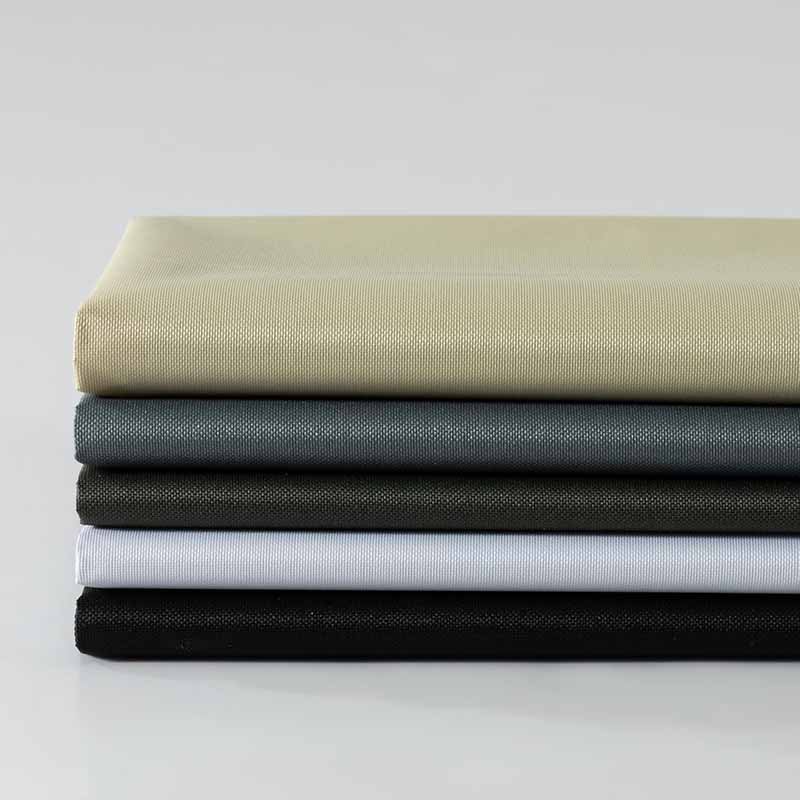
Recycled fabric is fabric produced from recovered waste streams that have been processed into fiber, spun into yarn, and converted into new textiles. It can come from post-consumer waste (after public use) or post-industrial waste (from factory processes). For brands, the key is not only “is it recycled,” but which waste stream, how stable the yarn is, and what testing proves it is fit for your product.
What the term really includes (PCR vs PIR)
Recycled fabric usually starts from two controlled source categories:
| Source type | What it means | Common inputs | Why brands care |
|---|---|---|---|
| Post-consumer recycled (PCR) | Waste collected after consumer use | PET bottles, used garments | Strong sustainability story; needs strict sorting to avoid contamination |
| Post-industrial recycled (PIR) | Waste from factories and production | Cutting scraps, yarn waste, offcuts | Cleaner feedstock; often more consistent quality |
Many brands choose PCR for stronger environmental communication, but PIR often provides more stable quality—especially for darker colors or consistent lots.
How recycled fabric differs from virgin fabric
Chemically, recycled polyester can be very close to virgin polyester. The difference is usually about process control:
- Feedstock purity: contamination creates weak points and odor risks
- Polymer chain stability (for synthetics): impacts yarn strength and pilling
- Lot consistency: affects shade matching and fabric hand feel
- Weave density and finishing: determines abrasion and seam failure behavior
For bag and webbing projects, recycled fabric must be evaluated the same way as any technical textile: numbers first, labels second.
Performance checkpoints brands should ask for
Below are practical benchmarks many brands use for bag fabrics and webbing-related textiles. Actual targets depend on construction and use case, but these ranges help teams judge whether a recycled fabric is “fashion-grade” or “gear-grade.”
| Property | What it protects you from | Common target range (bags) | Notes |
|---|---|---|---|
| Tensile strength | Strap/fabric break under load | 700–1500 N (warp/weft) | Depends on GSM, weave, and yarn |
| Tear strength | Small cut turning into full rip | 20–60 N | Crucial for corners and seam areas |
| Abrasion resistance | Surface wear, fuzzing, early failure | 10,000–30,000 cycles | Higher for backpacks/outdoor |
| Colorfastness (rubbing) | Color transfer to clothes | Dry 4–5 / Wet 3–4 | Especially important for black/dark colors |
| Color lot consistency | Shade mismatch across batches | ΔE target agreed per brand | Needed for repeat orders |
If a supplier cannot provide stable lot data or test reports, recycled content alone won’t protect your product from returns.
What “recycled” means for sustainability
Recycled fabric can help reduce:
- Landfill and ocean waste, by turning waste into usable material
- Virgin raw material dependency, especially petroleum-based fibers
- Overall lifecycle footprint, when recycling and manufacturing are well-managed
But the sustainability advantage depends on real production conditions (energy mix, washing efficiency, scrap rate, transport distance). This is why many brand compliance teams ask for third-party documentation, not only a “recycled claim.”
How recycled fabric is technically made
Recycling generally follows two pathways: physical processing (mechanical) or molecular regeneration (chemical). Both can produce excellent fabric when managed properly.
How does mechanical recycling work?
Mechanical recycling is widely used for polyester (rPET) and cotton blends because it scales well and is cost-effective.
Core production steps (simplified but realistic):
- Sorting and grading the waste stream (color, polymer type, contamination)
- Washing and drying (removes labels, glue, oils, food residue)
- Size reduction (flaking/shredding)
- Melt filtration (for synthetics) to remove impurities
- Extrusion into chips or direct spinning into filament yarn
- Yarn spinning (FDY/DTY for polyester), then weaving/knitting
- Finishing (coating, DWR, lamination, printing, heat-setting)
What brands should watch in mechanical recycling:
- Filtration quality (impurities affect strength and odor)
- IV control (intrinsic viscosity for polyester; relates to strength)
- Hairiness and pilling (especially for staple yarn)
For many bag applications, mechanical recycled polyester is a reliable option—if the supplier controls feedstock and yarn parameters consistently.
How does chemical recycling work?
Chemical recycling breaks polymers down and rebuilds them, which can restore performance closer to virgin-grade levels when executed properly.
For polyester, chemical recycling often involves:
- Depolymerization into monomers
- Purification
- Re-polymerization into new resin
- Spinning into yarn and making fabric
Why brands choose chemical recycling:
- More stable polymer structure (better strength retention)
- Better dye uniformity for certain colors
- Potentially higher repeatability for long-term programs
What brands should be aware of:
- Higher cost
- Longer qualification timelines
- Need to verify traceability and process credibility
For premium markets, chemical recycling can help a brand meet strict performance targets while maintaining strong recycled-content messaging.
How do blending ratios affect strength and consistency?
In real production, 100% recycled content is not always the best choice for every product. Brands often blend recycled and virgin fiber to stabilize performance.
Common working ranges in commercial products:
| Product category | Recycled content commonly used | Why this range works |
|---|---|---|
| Fashion apparel | 50–100% | Comfort and drape matter; stress load is lower |
| Backpacks & daypacks | 40–80% | Balance abrasion, tear strength, and consistency |
| Webbing and straps | 30–70% | Tensile stability is critical; blending helps control elongation |
| Luggage shells & heavy-duty bags | 30–60% | Prevents weak lots; better long-term durability |
The right ratio depends on the bag structure, stitch density, reinforcement design, and coating/lamination choices.
Why Is Recycled Fabric Important?
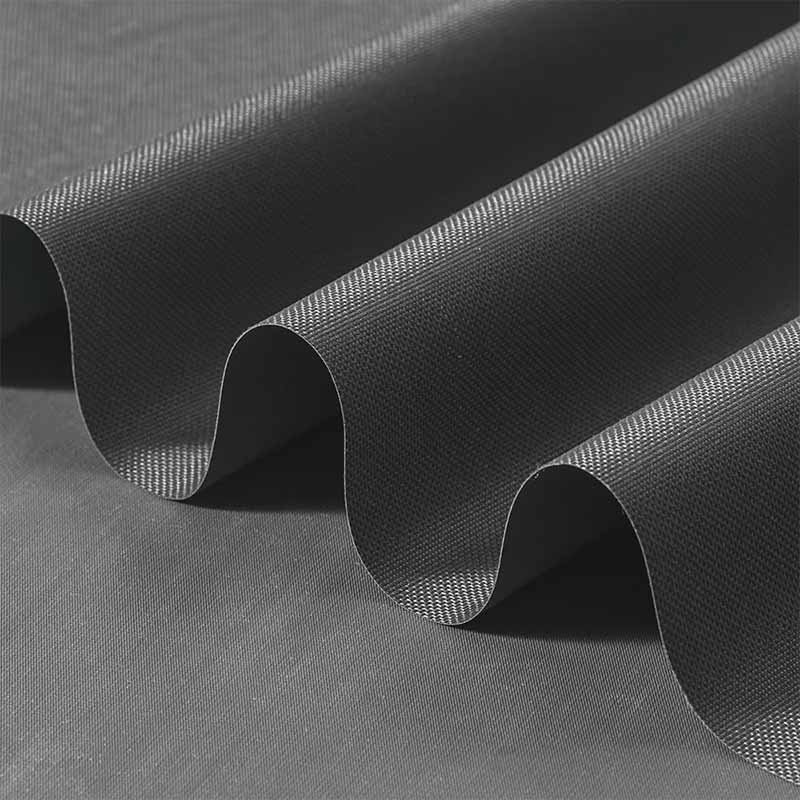
Recycled fabric matters because it reduces dependency on virgin raw materials, lowers waste accumulation, and helps brands meet increasing regulatory and consumer sustainability requirements. However, its importance today is not only environmental—it is commercial and strategic.
The global textile industry produces over 100 billion garments annually, while millions of tons of textile waste enter landfills each year. At the same time, plastic bottle production exceeds 500 billion units per year. Recycling these materials into textile fiber helps redirect waste streams into usable industrial resources.
But the real shift is coming from policy and market pressure.
Regulatory and Market Drivers
Across Europe and North America, sustainability reporting and environmental compliance are tightening.
Key developments influencing brands:
- Extended Producer Responsibility (EPR) policies expanding in EU markets
- Carbon disclosure requirements for listed companies
- Retailer sustainability scorecards
- Increasing ESG evaluation from investors
- Platform-level requirements for sustainability labeling
Brands that sell into Europe, especially, are under increasing scrutiny regarding supply chain transparency.
Using recycled fabric can:
- Improve lifecycle assessment results
- Reduce Scope 3 emission intensity
- Strengthen retailer negotiations
- Support sustainability certification programs
In many cases, recycled content is no longer optional—it is part of brand survival strategy.
Environmental Impact in Real Numbers
Environmental benefit depends on production method and energy source, but on average:
| Metric (rPET vs Virgin Polyester) | Estimated Reduction Range |
|---|---|
| Energy Consumption | 20–50% lower |
| CO₂ Emissions | 15–40% lower |
| Water Use | 20–30% lower |
| Landfill Diversion | Significant waste reduction |
However, it’s important to understand that “recycled” does not automatically mean “low carbon.” If a recycling facility uses coal-heavy electricity, carbon savings shrink. Brands must evaluate both recycled content and production conditions.
Consumer Behavior Shift
Consumer perception has changed significantly in the past decade.
Younger consumers (especially Gen Z and Millennials):
- Expect transparency
- Value environmental positioning
- Are willing to pay moderate premiums for credible sustainability
However, they also react strongly to quality issues. A product marketed as sustainable but failing structurally damages brand trust more than a non-sustainable product would.
This is why engineering discipline must accompany sustainability storytelling.
Which Materials Are Used in Recycled Fabric?
The most common recycled textile materials include recycled polyester (rPET), recycled nylon, recycled cotton, and blended recycled fibers. Each material has different technical characteristics and application suitability.
Recycled Polyester (rPET)
Recycled polyester is currently the most widely adopted recycled fiber in commercial textile production.
Source:
- PET plastic bottles
- Industrial polyester waste
Advantages:
- Strong tensile performance
- Good moisture resistance
- Stable dye absorption
- Suitable for weaving and knitting
Common Applications:
- Backpacks
- Luggage lining
- Apparel
- Webbing
- Oxford fabrics (210D–1680D)
For structural bags, rPET in 600D–900D constructions performs very similarly to virgin polyester when properly processed.
Recycled Nylon
Recycled nylon is often derived from:
- Fishing nets
- Carpet waste
- Industrial nylon scrap
Advantages:
- Higher abrasion resistance compared to polyester
- Lightweight
- Excellent flexibility
Common Applications:
- Outdoor gear
- Premium backpacks
- Technical apparel
- Ripstop fabrics
Recycled nylon often commands higher pricing due to collection and regeneration complexity.
Recycled Cotton
Recycled cotton comes from:
- Garment cutting waste
- Used clothing
Advantages:
- Lower environmental impact compared to virgin cotton
- Soft hand feel
Limitations:
- Fiber shortening during mechanical recycling
- Reduced tensile strength
- Often requires blending (20–50% virgin cotton)
Applications:
- Casual apparel
- Canvas bags
- Fashion tote bags
Recycled Blends
Many commercial fabrics use blended recycled fibers.
Examples:
- 60% recycled polyester + 40% virgin polyester
- 50% recycled cotton + 50% virgin cotton
- Recycled polyester + elastane
Blends stabilize:
- Strength
- Elasticity
- Dye uniformity
- Processability
For heavy-duty applications, blending is often a smart engineering decision.
Comparative Material Overview
| Material | Strength | Abrasion Resistance | Cost Level | Best Use Case |
|---|---|---|---|---|
| Recycled Polyester | High | Good | Moderate | Bags, apparel |
| Recycled Nylon | Very High | Excellent | Higher | Outdoor gear |
| Recycled Cotton | Moderate | Low–Moderate | Lower | Fashion items |
| Blended Recycled | Adjustable | Adjustable | Variable | Balanced programs |
Material choice must align with product category and performance target—not marketing goals alone.
How Is Recycled Fabric Made?
Recycled fabric is made by collecting waste materials, cleaning and processing them into fiber, spinning yarn, constructing fabric, and applying finishing treatments based on end use. The final quality depends on feedstock purity, fiber regeneration control, yarn engineering, and strict quality management at each production stage.
For brands developing bags, apparel, or webbing products, the key is not just understanding the steps — but understanding where risks appear and how they are controlled.
Below is a real-world manufacturing breakdown.
1.Waste Collection & Sorting — Where Quality Actually Begins
Everything starts with raw waste. If this stage is poorly controlled, no downstream processing can fully fix it.
Two main waste streams:
| Type | Source | Quality Stability | Sustainability Impact |
|---|---|---|---|
| Post-Consumer (PCR) | Plastic bottles, used garments | More variable | Stronger sustainability narrative |
| Post-Industrial (PIR) | Factory scraps, yarn waste | More stable | Cleaner input |
Critical Control Points:
- Polymer identification accuracy (PET vs PVC contamination must be avoided)
- Removal of caps, labels, glue residue
- Color separation (clear, blue, mixed streams)
- Moisture control before shredding
For example, even 1–2% contamination in PET bottle feedstock can reduce melt consistency and weaken yarn strength.
Brands rarely see this stage — but it determines lot stability later.
2.Cleaning, Crushing & Flake Preparation
For recycled polyester (rPET), bottles go through:
- Label removal
- Washing (hot caustic wash removes glue & residue)
- Drying
- Crushing into flakes
Key parameters monitored:
| Parameter | Target Control |
|---|---|
| Residual moisture | <0.5% |
| Metal contamination | Near zero |
| Particle size uniformity | Stable for melt flow |
| PVC contamination | Strictly minimized |
If moisture levels are too high, hydrolysis occurs during melting, reducing polymer strength.
This is why drying control is not optional — it directly affects tensile strength in final fabric.
3.Melt Processing & Polymer Regeneration
There are two major methods: mechanical and chemical.
A. Mechanical Recycling (Most Common)
Process:
- Flakes melted at ~260°C
- Melt filtered to remove micro-impurities
- Extruded into continuous strands
- Cooled and cut into chips or directly spun
What matters technically:
- Melt filtration screen size
- Intrinsic viscosity (IV) control
- Melt pressure stability
IV levels affect tensile strength and elongation.
| IV Range (Polyester) | Application Suitability |
|---|---|
| Lower IV | Light apparel |
| Medium IV | Standard bag fabrics |
| Higher IV | Heavy-duty or technical use |
If IV drops too much, fabric becomes brittle or weak under load.
B. Chemical Recycling (Regeneration)
This method breaks polymer chains down into monomers and rebuilds them.
Advantages:
- Restores near-virgin polymer structure
- Better color uniformity
- Higher tensile stability
Trade-offs:
- Higher energy use
- Higher production cost
- Longer processing cycle
Chemical recycling is often used for premium outdoor gear or higher-end recycled nylon programs.
4.Yarn Spinning
Once polymer chips are ready, yarn spinning begins.
Two primary yarn types:
| Yarn Type | Strength | Surface | Application |
|---|---|---|---|
| Filament Yarn | High | Smooth | Bags, webbing, technical textiles |
| Staple Yarn | Moderate | Textured | Apparel, blends |
For bag production, filament yarn is preferred due to:
- Higher abrasion resistance
- Lower pilling
- Better coating adhesion
Important yarn parameters:
- Denier (D)
- Filament count
- Twist level
- Evenness
Example: 600D recycled polyester yarn must maintain consistent filament distribution to pass abrasion testing beyond 20,000 cycles.
Yarn unevenness can lead to:
- Fabric streaking
- Weak points
- Dye inconsistency
5.Fabric Construction
Yarn becomes fabric through weaving or knitting.
Common constructions for recycled polyester bags:
| Construction | Benefit |
|---|---|
| Plain weave (Oxford) | Balanced strength |
| Ripstop | Tear resistance |
| Twill | Better drape & surface |
| Ballistic weave | High durability |
Weave density (ends per inch × picks per inch) directly affects:
- Tear strength
- Weight (GSM)
- Coating bonding
Example comparison:
| Fabric Type | Warp × Weft Density | Abrasion Potential |
|---|---|---|
| Low-density 600D | Lower EPI/PPI | 10,000–15,000 cycles |
| High-density 600D | Higher EPI/PPI | 20,000–30,000 cycles |
Two fabrics can both be “600D recycled polyester” yet perform very differently due to weave density.
6.Finishing & Functional Treatments
After weaving, fabrics undergo finishing processes based on final application.
Common treatments:
- PU coating (water resistance)
- TPU lamination (waterproof)
- DWR finish (water-repellent)
- UV resistance treatment
- Anti-microbial finish
- Anti-odor treatment
For bags, coating thickness consistency is critical.
| Coating Issue | Result |
|---|---|
| Uneven coating | Delamination risk |
| Poor adhesion | Peeling over time |
| Excess thickness | Stiff hand feel |
Testing is performed after finishing, not before.
7.Quality Control & Batch Stability
Industrial-scale recycled fabric production must include:
- In-line inspection
- Lab testing
- Shade approval
- Lot tracking
- Certification verification (if required)
Batch stability matters for repeat orders.
Brands developing long-term programs must ensure:
- Same recycled content percentage
- Same yarn supplier
- Same weave density
- Same finishing recipe
Without lot control, recycled programs can drift over time.
Common Risks Brands Should Watch
Recycled fabric manufacturing risks include:
- Contaminated feedstock → Weak yarn
- Moisture control failure → Polymer degradation
- Low-density weave → Early abrasion wear
- Inconsistent dyeing → Shade mismatch
- Poor coating adhesion → Bag delamination
- Incomplete documentation → Export issues
These are production management problems — not inherent recycled material flaws.
Are Recycled Fabrics Durable and High Quality?
Yes, recycled fabrics can meet high durability standards when raw materials, yarn processing, and fabric construction are properly controlled. The final performance depends more on engineering and quality management than on whether the fiber is recycled or virgin.
Durability concerns are the most common hesitation among brands shifting to recycled materials. Product developers worry about tensile strength, seam slippage, coating adhesion, odor retention, and long-term abrasion resistance. These concerns are valid—but measurable.
What determines durability in recycled fabrics?
Durability is influenced by four main variables:
- Feedstock consistency – mixed or contaminated input reduces strength stability
- Polymer quality (for synthetics) – intrinsic viscosity impacts tensile performance
- Yarn structure – filament vs staple yarn affects pilling and abrasion
- Fabric construction – weave density, GSM, coating, and finishing methods
Below is a comparison of real performance expectations for recycled polyester used in bag fabrics.
| Property | Virgin Polyester (Reference) | Recycled Polyester (Well-Controlled) | Risk if Poorly Controlled |
|---|---|---|---|
| Tensile Strength | 100% baseline | 95–100% of baseline | 80–90% |
| Tear Strength | Stable | Slightly variable but within tolerance | Inconsistent |
| Abrasion Resistance | High | High when density is optimized | Surface fuzzing |
| Pilling | Low | Comparable when filament yarn used | Higher in staple blends |
| Dye Uniformity | Excellent | Excellent if filtered well | Shade inconsistency |
For mid-to-high-end backpacks, recycled polyester 600D or 900D can easily pass 15,000–30,000 Martindale abrasion cycles when properly engineered.
What testing should brands request?
Serious product programs should include:
| Test | Why It Matters | Frequency |
|---|---|---|
| Tensile & Tear | Load-bearing reliability | Every lot |
| Abrasion | Long-term durability | Development + bulk |
| Colorfastness | Prevent color transfer | Each colorway |
| Seam Slippage | Bag structural integrity | Prototype phase |
| Odor Assessment | Especially for PCR feedstock | Random checks |
| GRS or equivalent documentation | Supply chain traceability | Annual |
Durability is measurable. If data is missing, that’s a risk signal—not a recycled-material issue.
What Are the Main Uses of Recycled Fabric?
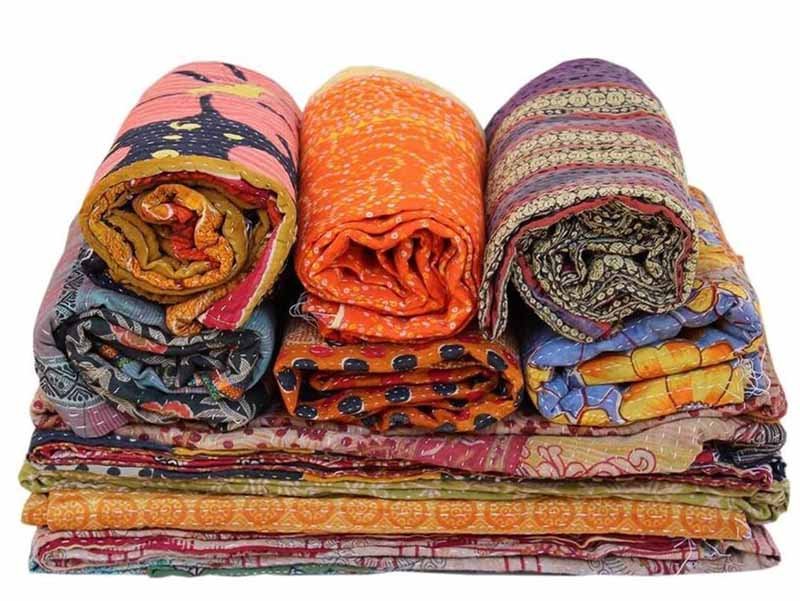
Recycled fabrics are widely used in apparel, backpacks, webbing, luggage, outdoor gear, home textiles, and promotional products. The suitability depends on construction, finishing, and required performance level.
Recycled material adoption has moved beyond fashion marketing. It now supports real production across multiple industries.
1.Apparel & Activewear
Recycled polyester and recycled nylon dominate this category.
Common products:
- Sports T-shirts
- Leggings
- Hoodies
- Windbreakers
- Lightweight jackets
- Athleisure sets
Why recycled works well here:
Apparel typically places lower mechanical stress on fabric compared to luggage or heavy-duty bags. That allows higher recycled content ratios.
| Performance Factor | Apparel Requirement |
|---|---|
| Tensile Strength | Moderate |
| Abrasion | Medium |
| Colorfastness | High |
| Comfort/Hand Feel | Very High |
| Stretch Recovery | Important for activewear |
Many fashion brands now use 50–100% recycled polyester in apparel lines.
For example:
- Recycled polyester knit fabric GSM range: 120–250 GSM
- Stretch blends: rPET + 5–10% elastane
- Colorfastness target: 4–5 grade (dry rubbing)
The main concern in apparel is not strength — it’s:
- Pilling
- Softness
- Dye consistency
- Shrinkage control
2.Backpacks & Daypacks
This is one of the fastest-growing recycled fabric segments.
Common constructions:
- 210D recycled polyester
- 420D recycled Oxford
- 600D–900D recycled polyester
- Recycled ripstop nylon
Backpacks place structural stress on:
- Shoulder straps
- Bottom panels
- Corners
- Zipper areas
Performance expectations for mid-range backpacks:
| Test | Target Range |
|---|---|
| Tensile Strength | 900–1500 N |
| Tear Strength | 25–50 N |
| Abrasion | 15,000–30,000 cycles |
| Coating Adhesion | No peeling after flex test |
Most brands choose 40–80% recycled content to maintain structural reliability.
High-end outdoor brands sometimes combine:
- Recycled main body fabric
- Virgin reinforcement panels
- Recycled webbing straps
This mixed engineering approach balances sustainability and durability.
3.Luggage & Travel Bags
Luggage requires higher durability than fashion backpacks.
Common materials:
- Recycled ballistic polyester
- Recycled high-density 1680D polyester
- Recycled nylon for soft luggage
- Recycled lining fabric
Key stress factors:
- Airport handling
- Abrasion against conveyor systems
- Load-bearing compression
Typical luggage fabric requirements:
| Parameter | Soft Luggage Target |
|---|---|
| Abrasion | 20,000–40,000 cycles |
| Tear Resistance | ≥ 35 N |
| Seam Strength | Structural reinforcement required |
| UV Resistance | Moderate |
For luggage, recycled content is often between 30–60%, especially in high-stress components.
Brands often keep:
- Recycled exterior shell
- Recycled lining
- Recycled webbing accents
4.Webbing, Straps & Handles
Recycled polyester webbing is increasingly common in:
- Backpack shoulder straps
- Tote handles
- Compression straps
- Outdoor harness systems
Webbing is load-bearing — performance cannot be compromised.
Important webbing specifications:
| Factor | Technical Focus |
|---|---|
| Breaking Strength | Load rating required |
| Elongation | Controlled stretch |
| Dye Stability | Shade consistency |
| Thickness Uniformity | Structural fit |
Example: A recycled polyester webbing used for backpacks may need to hold 600–1000 kgf breaking strength, depending on width and construction.
Blending recycled and virgin fibers (e.g., 60/40) improves consistency.
5.Outdoor & Performance Gear
Recycled fabrics are used in:
- Hiking backpacks
- Tent fabrics
- Outdoor jackets
- Sleeping bag shells
- Gear organizers
Outdoor applications require:
- High abrasion resistance
- Water resistance
- UV stability
- Lightweight performance
Recycled nylon ripstop is common here because:
- It maintains strength-to-weight ratio
- It resists tearing under tension
- It performs well with waterproof coatings
Outdoor fabrics often undergo:
- PU or TPU lamination
- Water column testing
- Hydrolysis resistance testing
For outdoor applications, recycled fabric must pass the same standards as virgin fabric.
6.Footwear & Accessories
Recycled fabric applications include:
- Shoe uppers
- Shoe lining
- Insoles
- Caps and hats
- Small pouches
- Wallet lining
Footwear uppers made from recycled polyester knit require:
| Property | Requirement |
|---|---|
| Flex durability | No cracking after repeated bending |
| Abrasion | High resistance |
| Breathability | Controlled air permeability |
| Shape retention | Minimal deformation |
This segment has grown rapidly because lightweight knit constructions adapt well to recycled yarn.
7.Home Textiles & Decorative Products
Lower structural stress allows higher recycled content usage.
Common applications:
- Cushion covers
- Curtains
- Storage bins
- Laundry baskets
- Decorative organizers
Performance requirements focus on:
- Color stability
- Fabric drape
- Wash durability
- Surface texture
Recycled cotton blends are popular here.
8.Promotional & Corporate Products
Corporate clients often choose recycled fabrics for:
- Conference tote bags
- Promotional backpacks
- Corporate gifts
- Eco-friendly packaging
Why recycled works here:
- Lower mechanical stress
- Sustainability storytelling
- Large production volumes
- Moderate cost sensitivity
Promotional bag fabrics typically use:
- 100% recycled polyester 210D–420D
- Recycled nonwoven fabrics
- Recycled canvas blends
Choosing the Right Application for Your Brand
Not every recycled fabric suits every product.
Here’s a simplified application guide:
| Product Type | Recommended Recycled Content | Notes |
|---|---|---|
| Fashion Apparel | 70–100% | Focus on softness & dye |
| Casual Tote Bags | 50–80% | Moderate durability |
| Backpacks | 40–80% | Structural testing needed |
| Luggage | 30–60% | High abrasion required |
| Webbing | 30–70% | Load-bearing balance |
| Outdoor Gear | 40–70% | Waterproof & tear focus |
The correct choice depends on:
- Target retail price
- Brand positioning
- Performance requirement
- Regulatory expectations
- Repeat order stability
How Much Recycled Fabrics Cost?
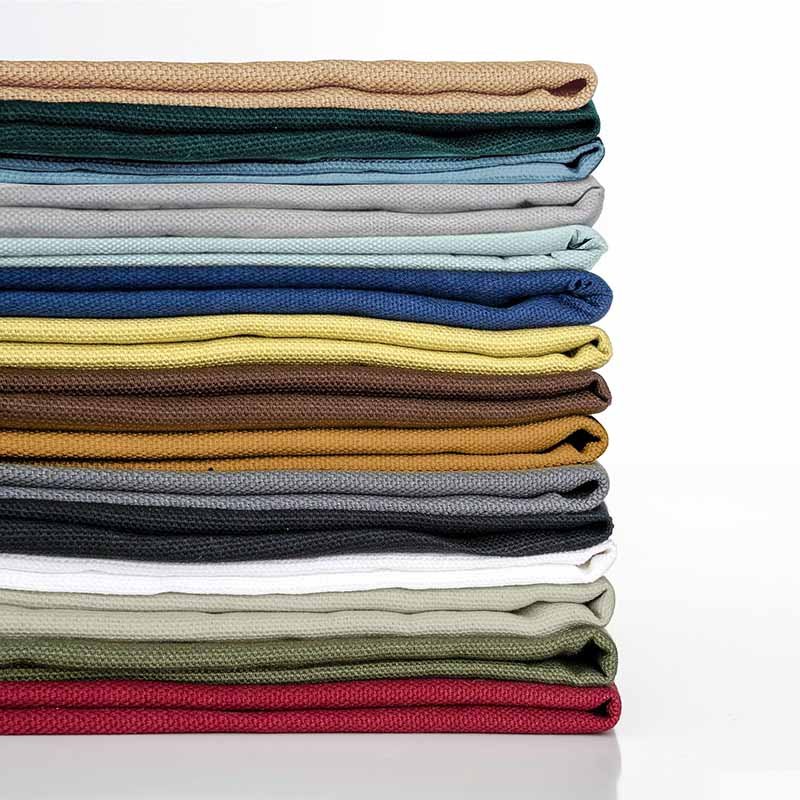
Recycled fabrics usually cost 5–25% more than equivalent virgin fabrics, depending on material type, recycled content percentage, certification requirements, processing method, and order volume. The actual cost difference varies by construction (denier, GSM, weave density), finishing (coating or lamination), and supply chain transparency requirements.
For brands, the more important question is not simply “Is recycled fabric more expensive?” It is “What is the total cost impact on my final product margin?”
1.Raw Material Cost Comparison
The base cost of recycled fabric depends first on the fiber source.
Example: Recycled Polyester (rPET) vs Virgin Polyester
| Fabric Type | Relative Price Index* | Notes |
|---|---|---|
| Virgin 600D Polyester | 100 | Baseline |
| Recycled 600D Polyester (Mechanical) | 105–112 | Most common commercial option |
| Recycled 600D Polyester (Chemical) | 115–130 | Higher purity, premium positioning |
- Price index is relative comparison, not fixed global pricing. Actual pricing varies by market and volume.
Why recycled may cost more:
- Waste collection and sorting costs
- Cleaning and contamination removal
- Additional quality filtering
- Certification and traceability documentation
However, large-scale rPET production has significantly narrowed the cost gap compared to five years ago.
2.Impact of Recycled Content Percentage
Higher recycled content often increases cost slightly due to:
- More complex feedstock control
- Increased rejection rate during quality sorting
- Certification auditing requirements
Example:
| Recycled Content | Cost Impact Trend |
|---|---|
| 30–40% | Minimal increase |
| 50–70% | Moderate increase |
| 80–100% | Higher processing sensitivity |
In heavy-duty applications (like luggage or webbing), many brands use 40–70% recycled content to balance cost and durability.
3.Fabric Construction & Performance Level
Cost differences are influenced more by construction than by recycled status alone.
For example:
| Fabric Construction | Price Sensitivity |
|---|---|
| 210D lining fabric | Low to moderate |
| 600D Oxford | Moderate |
| 900D–1680D ballistic | Higher |
| TPU laminated waterproof fabric | Significantly higher |
A high-density recycled 900D fabric with thick PU coating can cost more than a low-density virgin 600D.
In other words, performance requirements often drive cost more than recycled content itself.
4.Certification & Compliance Costs
Many international brands require certification such as:
- GRS (Global Recycled Standard)
- Transaction Certificates
- Supply chain traceability documentation
These certifications add:
- Administrative cost
- Audit fees
- Documentation management
- Batch tracking requirements
Estimated cost impact:
| Requirement Level | Cost Effect |
|---|---|
| No certification | Lowest |
| Basic documentation | Slight increase |
| Full GRS traceability | Moderate increase |
For brands selling in EU or working with major retailers, certification is often mandatory.
5.Processing Method Influence
Mechanical recycling is generally more affordable than chemical recycling.
| Method | Cost Level | When Used |
|---|---|---|
| Mechanical | Standard commercial level | Most bag and apparel programs |
| Chemical | Premium | Technical outdoor or high-end positioning |
Chemical recycling increases cost due to:
- Energy-intensive polymer breakdown
- Advanced purification systems
- Lower throughput efficiency
However, it can deliver better consistency for high-performance markets.
6.MOQ and Volume Influence
Volume strongly affects pricing.
Recycled programs require stable waste sourcing and production planning. Larger orders improve:
- Raw material procurement stability
- Production efficiency
- Batch consistency
General trend:
| Order Volume | Unit Cost Impact |
|---|---|
| Small MOQ | Higher per meter |
| Mid-volume | Balanced |
| Large-scale program | Most competitive |
Brands planning repeat programs usually secure better long-term pricing.
7.Total Product Cost Impact
Here is an important perspective many brands overlook:
If fabric represents 20–35% of a bag’s production cost, and recycled fabric costs 10% more than virgin fabric, the impact on total product cost may be only:
2–4% increase on finished product cost
Example:
- Fabric cost per bag: $4
- 10% recycled premium → +$0.40
- Final bag cost: $20
- Impact on final cost: 2%
For many brands, that 2–4% can justify:
- Stronger sustainability positioning
- Retail price differentiation
- Compliance alignment
- Marketing advantage
8.Long-Term Strategic Cost Considerations
Short-term pricing should not be the only factor.
Recycled fabric programs can provide:
- Retailer preference advantages
- Platform sustainability labeling benefits
- Lower regulatory risk
- Improved brand image
- Better alignment with ESG goals
Additionally, as recycled fiber supply increases globally, cost differences are gradually decreasing.
9.Common Cost Misunderstandings
Misunderstanding 1: “Recycled always costs much more.” Reality: Often within 5–15% range.
Misunderstanding 2: “100% recycled is always better.” Reality: May increase cost and affect durability unnecessarily.
Misunderstanding 3: “Certification is optional.” Reality: Increasingly required in export markets.
Misunderstanding 4: “Price difference is too big to justify.” Reality: Final product margin impact is often manageable.
Where Is Recycled Fabric Produced?
Recycled fabric is primarily produced in countries with established textile manufacturing infrastructure, polymer processing capacity, and strong export supply chains. The largest production bases are in China, Taiwan, South Korea, India, and parts of Europe. Each region has different strengths in fiber regeneration, yarn spinning, fabric construction, certification compliance, and cost structure.
For brands sourcing recycled fabric, understanding production geography is not just about country of origin — it affects price stability, quality control, certification access, lead time, and scalability.
1.China — The Largest Production Base
China is currently the world’s largest producer of recycled polyester fabric and recycled textile materials.
Why?
- Strong PET bottle recycling infrastructure
- Mature polyester polymer industry
- Complete textile supply chain (chip → yarn → fabric → finished product)
- Large-scale weaving and dyeing capacity
- Competitive cost structure
Strengths of China in recycled fabric production:
| Area | Capability |
|---|---|
| rPET chip production | High volume, scalable |
| Filament yarn spinning | Advanced equipment |
| High-density weaving | Wide denier range (210D–1680D+) |
| Coating & lamination | PU, TPU, PVC alternatives |
| OEM bag integration | Fabric + webbing + bag manufacturing |
China dominates in:
- Recycled polyester Oxford fabrics
- Recycled webbing
- Recycled lining materials
- High-volume commercial recycled fabrics
Lead times are generally shorter due to integrated supply networks.
For mid-to-high volume programs, China offers the best balance between cost, speed, and scalability.
2.Taiwan — High-End Technical Recycling
Taiwan is known for:
- Advanced chemical recycling
- Premium recycled nylon
- Technical outdoor fabrics
- Stable quality control systems
Taiwanese suppliers often specialize in:
- Outdoor performance textiles
- Waterproof membranes
- Lightweight technical recycled fabrics
Price level is typically higher than mainland China, but quality control is very consistent.
Common applications:
- Outdoor backpacks
- High-end activewear
- Technical gear
3.South Korea — Performance & Innovation
South Korea focuses on:
- Functional textiles
- High-performance yarn technology
- Advanced finishing processes
Strengths:
- Specialty coatings
- Advanced filament engineering
- Outdoor and sports market focus
Cost is generally premium tier.
4.India — Growing Recycled Textile Hub
India has expanded in:
- Recycled cotton production
- Blended recycled fabrics
- Cost-sensitive export programs
Advantages:
- Strong cotton recycling infrastructure
- Competitive pricing
- Growing sustainability compliance
However, consistency varies between factories. Supplier selection and quality control audits are important.
Common outputs:
- Recycled cotton canvas
- Blended recycled fabrics
- Fashion tote materials
5.Europe — Circular Economy Leaders
Countries such as:
- Italy
- Spain
- Germany
- Netherlands
Focus on:
- High-traceability recycled programs
- Mechanical textile-to-textile recycling
- Premium sustainable branding
Production volumes are smaller, and pricing is higher.
European production is often chosen for:
- Localized EU supply chains
- Luxury sustainable collections
- Strict compliance markets
Global Production Comparison Overview
| Region | Strength | Cost Level | Best For |
|---|---|---|---|
| China | Scale + integration | Competitive | Bags, webbing, luggage |
| Taiwan | Technical precision | Higher | Outdoor performance |
| South Korea | Functional innovation | Higher | Sports textiles |
| India | Recycled cotton scale | Moderate | Fashion canvas |
| Europe | Traceability + compliance | Premium | Luxury sustainable |
How Lovrix Positions Itself in Global Recycled Production
Lovrix operates within China’s mature textile ecosystem while integrating:
- Fabric manufacturing
- Webbing factory
- Bag production
This allows:
- Engineered recycled fabric matched to bag structure
- Consistent recycled webbing color alignment
- Controlled coating application
- Faster sampling turnaround
- Lower MOQ customization
- Shorter lead times
For mid-to-high-end brands and e-commerce clients developing custom, private label, or OEM/ODM recycled products, production integration matters more than geography alone.
Conclusion: Recycled Fabric Is Not Just a Material Choice — It’s a Strategic Decision
Recycled fabric is no longer a niche experiment. It is already integrated into apparel, backpacks, luggage, webbing, and outdoor gear across global markets. When properly engineered, tested, and managed, recycled textiles can deliver performance levels very close to — and in some cases matching — virgin materials.
But the success of a recycled program does not depend on the label alone. It depends on:
- Stable raw material sourcing
- Controlled fiber regeneration
- Proper yarn engineering
- Correct fabric density
- Reliable finishing processes
- Consistent batch management
Brands that treat recycled fabric as a supply-chain engineering decision — not just a marketing claim — are the ones building long-term, scalable sustainable collections.
If you are planning to launch:
- A recycled backpack series
- A sustainable luggage collection
- Recycled webbing programs
- Private label eco apparel
- OEM or ODM sustainable bag products
Lovrix can support you with integrated fabric, webbing, and bag manufacturing under one system — offering free design consultation, low MOQ customization, fast sampling, and stable production lead times.
Send us your target recycled content percentage, performance benchmarks, expected order volume, and price positioning. Our team will respond with a structured development proposal focused on durability, cost control, and long-term supply stability.
Sustainability works best when it is engineered — not improvised.
We’re ready when you are.