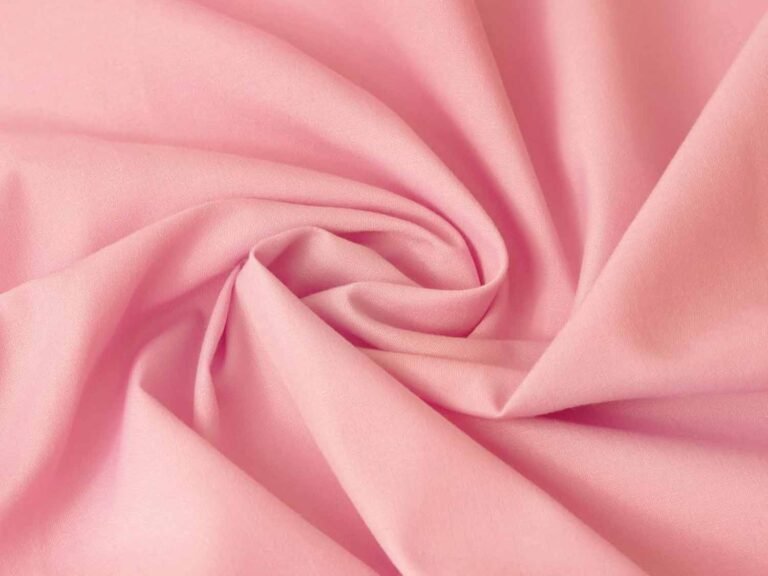

Recycled polyester fabric has become a key material in the sustainable fashion movement. This eco-friendly alternative to virgin polyester uses post-consumer waste, such as plastic bottles or discarded textiles, as its raw material. Recycled polyester offers a significant reduction in carbon emissions and waste, addressing two critical environmental issues. While it shares many of the same properties as virgin polyester, it has gained popularity due to its sustainable manufacturing process and its ability to contribute to the circular economy.
In this article, we’ll explore the process of recycling polyester, the benefits of choosing recycled fabrics, and its diverse applications across industries. By the end, you’ll have a clearer understanding of how recycled polyester can be an environmentally conscious choice without compromising on quality and durability.
What Is Recycled Polyester Fabric?
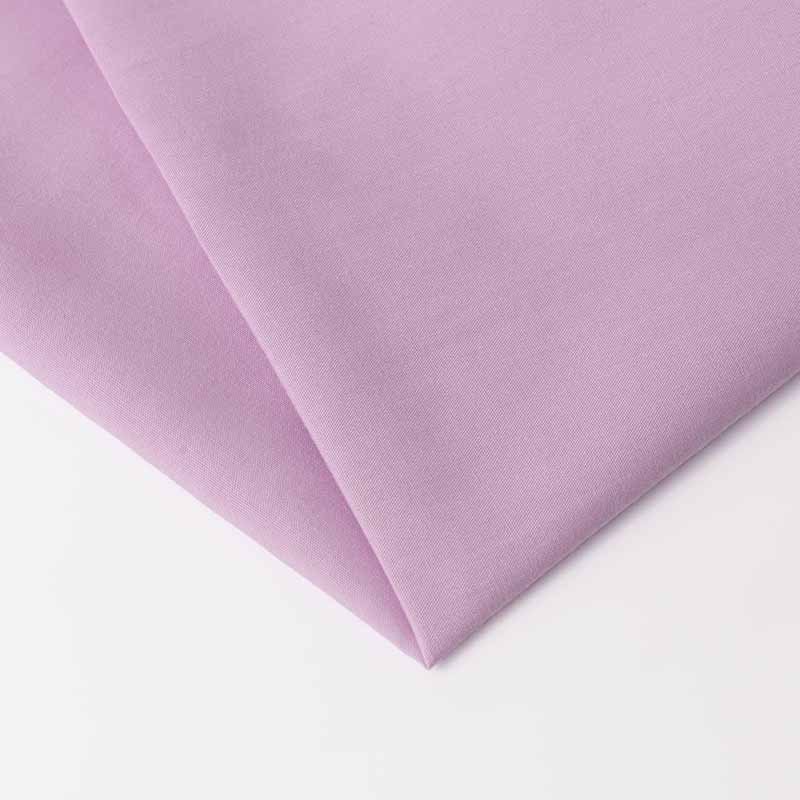
Recycled polyester fabric is a sustainable material created by transforming post-consumer waste, such as plastic bottles or discarded polyester garments, into new textile fibers. This process helps address critical environmental challenges, reducing both waste and the need for new raw materials, while maintaining many of the desirable qualities of regular polyester, including strength, durability, and versatility.
The Recycling Process
The process begins with collecting waste materials—typically PET bottles (which account for the majority of recycled polyester production), old garments, or factory off-cuts. These materials are then cleaned, shredded, and converted into small plastic flakes. The flakes are melted down, and the polyester molecules are reformed into long fibers, which are then spun into yarn and woven or knitted into fabric.
This method is cost-effective compared to producing virgin polyester, but what makes it truly sustainable is its ability to recycle existing materials, keeping them in circulation and out of landfills.
Why Choose Recycled Polyester?
Environmental Impact: Reducing Waste and Carbon Footprint
Recycled polyester fabric is a prime example of the concept of the circular economy. It uses waste materials that would otherwise end up in landfills or oceans, and transforms them into valuable, usable fabric. This recycling process:
- Reduces plastic waste: PET bottles are one of the most common sources of polyester waste, and millions of tons of these bottles end up in landfills or pollute the oceans each year. By recycling PET bottles into fabric, we reduce the amount of plastic waste in the environment.
- Lowers carbon emissions: The production of recycled polyester uses up to 59% less energy than creating virgin polyester from scratch, leading to a significant reduction in carbon emissions. For example, creating recycled polyester from a plastic bottle produces less than half the carbon footprint compared to making new polyester.
- Conserves natural resources: Producing polyester from virgin materials requires petroleum, a non-renewable resource. By using recycled materials, recycled polyester reduces our dependence on petroleum-based resources.
Energy and Water Savings
Creating recycled polyester also uses less water compared to conventional polyester production, where water is used both for growing the raw materials (e.g., cotton) and during the fabric dyeing process. Water conservation is crucial in a world where clean water is becoming scarcer.
For example, recycling one ton of polyester can save over 2,500 liters of water, a significant amount in a world where textile manufacturing is one of the largest water consumers globally.
What Are the Key Benefits of Recycled Polyester?
1. Durability
Despite being made from recycled materials, recycled polyester is just as strong and durable as virgin polyester. It resists wear and tear, is abrasion-resistant, and can maintain its quality over time, making it ideal for activewear, backpacks, and other products that require longevity.
2. Versatility
Recycled polyester fabric is incredibly versatile. It can be woven into a variety of textures, weights, and finishes, which makes it suitable for use in everything from fashion to home textiles and industrial applications. Whether you’re looking for a soft, breathable fabric for athleisure or a durable, water-resistant fabric for bags, recycled polyester can be adapted to meet your needs.
3. Comfort and Moisture-Wicking
Just like virgin polyester, recycled polyester has moisture-wicking properties, which make it a great choice for activewear, sportswear, and outerwear. It draws sweat away from the body and allows it to evaporate, keeping you comfortable and dry.
4. Color Retention
Recycled polyester also performs well in terms of color retention. It holds dye and color fastness, which means that clothing or products made from recycled polyester will stay vibrant longer, even after many washes.
Where Can You Find Recycled Polyester?
Recycled polyester is being used in a growing number of industries and products. Some of the most common applications include:
- Fashion and Apparel: Sustainable fashion brands have widely adopted recycled polyester for everything from t-shirts and jackets to sweatpants and activewear. Leading companies like Adidas and H&M have incorporated recycled polyester into their collections, meeting the demand for more sustainable fashion choices.
- Home Textiles: Recycled polyester is used in curtains, upholstery, and bedding because of its durability, color retention, and ease of maintenance. It’s a preferred choice for home décor brands looking to offer eco-friendly alternatives.
- Bags and Accessories: Many brands are switching to recycled polyester for backpacks, tote bags, and wallets because it offers both durability and a more sustainable alternative to traditional fabric materials.
- Automotive: Recycled polyester is also being used in the automotive industry, for things like seat covers, headliners, and upholstery.
Why Should You Choose Recycled Polyester?
Recycled polyester offers environmental benefits and practical advantages, making it an ideal choice for brands and consumers alike who are looking to reduce their environmental impact without sacrificing quality. By opting for recycled polyester, you’re helping to:
- Reduce waste: Recycled polyester is made from reclaimed materials, which reduces plastic waste and helps in tackling the global waste crisis.
- Lower carbon footprint: The energy required to produce recycled polyester is significantly lower, which helps reduce greenhouse gas emissions and climate change.
- Promote sustainability: Choosing recycled polyester supports the circular economy, where materials are continuously reused and recycled, instead of relying on new resources.
How Is Recycled Polyester Made?
The production of recycled polyester is a vital process in creating a more sustainable textile industry. Unlike virgin polyester, which is produced from fossil fuels, recycled polyester reduces the need for new raw materials and offers an eco-friendly alternative to plastic waste. Here’s a closer look at how recycled polyester is made, and the key stages involved in transforming plastic waste into high-quality fabric.
The Process of Making Recycled Polyester: Step-by-Step
Step 1: Collection of Waste Materials
The first step in making recycled polyester involves collecting post-consumer waste such as plastic bottles, discarded polyester garments, and other polyester-based textiles. In fact, the most common source material is PET (Polyethylene Terephthalate), the type of plastic used in plastic bottles.
Plastic Bottles: PET bottles are one of the most widely used waste sources for recycling. In fact, it’s estimated that over 60 million plastic bottles are used every day globally. By collecting and recycling these bottles, the material can be reused to create new polyester fabric.
Textile Waste: Another significant source of recycled polyester comes from discarded textiles. These are often fabrics that are no longer suitable for use or leftover pieces from the manufacturing process.
Step 2: Cleaning and Sorting
After the materials are collected, they are cleaned to remove contaminants like labels, caps, and any leftover liquids in bottles. This cleaning process is crucial to ensure that the recycled polyester is free from any substances that could affect the final product’s quality.
Shredding: Once cleaned, the waste materials are shredded into small pieces. These pieces are often referred to as fluff or flakes.
Step 3: Melting and Reforming
The next step is to melt the shredded pieces of plastic or fabric. This is done at a high temperature to break down the polyester into its base components. The melted polyester is then processed and reformed into new fibers.
Extrusion Process: During this phase, the melted plastic or textile pieces are forced through small holes to form fibers. The fibers that emerge from this process are the building blocks of recycled polyester fabric. The resulting fibers are essentially identical to the fibers made from virgin polyester, maintaining the strength, texture, and versatility of the material.
Spinning the Fibers: Once the fibers are formed, they are spun into yarns that can then be woven or knitted into fabrics. These yarns can be used for a wide range of applications, from clothing to accessories.
Step 4: Dyeing and Finishing
Once the yarns are spun, they undergo the usual processes of dyeing and finishing to give them the desired color and texture. While dyeing recycled polyester is somewhat similar to dyeing virgin polyester, it is important to note that the dyeing process for recycled polyester fabrics can sometimes be more challenging. This is because the source material (plastic bottles or old textiles) may have different color properties, which can affect how dye is absorbed.
Advanced Dyeing Methods: Manufacturers are now adopting advanced dyeing technologies that work more efficiently with recycled materials, ensuring that the recycled fibers take color well without compromising the fabric’s integrity.
How Does the Recycling Process Help the Environment?
While the technical aspects of the recycling process are essential, it’s equally important to understand the environmental impact of producing recycled polyester compared to virgin polyester. The recycling process helps in several key ways:
1. Reduces Waste
The primary environmental benefit of recycled polyester is that it reduces waste—especially plastic waste. By transforming PET bottles and old garments into fabric, recycled polyester helps prevent these materials from ending up in landfills or polluting our oceans.
Plastic Waste: Every year, millions of tons of plastic waste are generated globally. Recycling just one ton of PET plastic bottles into recycled polyester fabric can prevent up to 20,000 bottles from polluting the environment.
2. Lower Carbon Footprint
Recycling polyester requires significantly less energy compared to producing virgin polyester. On average, producing recycled polyester can use up to 59% less energy than making polyester from raw petroleum-based materials.
Energy Savings: This reduction in energy use not only lowers carbon emissions but also helps make recycled polyester a more sustainable material for the fashion and textile industries.
3. Conserves Natural Resources
Virgin polyester is made from fossil fuels, a non-renewable resource. By recycling materials that already exist, we reduce the demand for new petroleum-based resources, contributing to overall resource conservation.
Petroleum Reduction: By switching to recycled polyester, manufacturers can decrease their dependence on petroleum for creating new textiles, making it a more sustainable alternative to traditional polyester.
What Are the Key Advantages of Recycled Polyester?
The environmental benefits of recycled polyester are clear, but this material also has several practical advantages that make it a great choice for consumers and manufacturers alike. Some of the key benefits include:
- Durability: Recycled polyester is just as durable as virgin polyester, making it an excellent choice for everything from clothing to bags and accessories. It’s resistant to wear and tear and holds up well over time.
- Moisture-Wicking Properties: Like virgin polyester, recycled polyester excels in moisture-wicking—ideal for activewear or sportswear where comfort and performance are key.
- Versatility: Recycled polyester can be used for a wide variety of applications, including fashion, furniture fabrics, automotive upholstery, and outdoor gear. It can be woven into various textures and finishes, allowing it to meet a wide range of design needs.
- Color Retention: Recycled polyester maintains its color well after multiple washes, which makes it a popular choice for clothing that needs to retain its vibrancy over time.
Why Should Brands Choose Recycled Polyester?
Brands and manufacturers should consider using recycled polyester for several reasons:
- Sustainability Commitment: Consumers are becoming increasingly aware of the environmental impact of the products they purchase. By using recycled polyester, brands can demonstrate their commitment to sustainability and meet growing consumer demand for eco-friendly products.
- Cost-Effectiveness: While recycled polyester can sometimes cost more than virgin polyester, the increasing availability of recycling facilities and advances in recycling technology are bringing prices closer together. This makes it a more affordable option as time goes on.
- Compliance with Regulations: As global regulations around plastic waste and sustainability tighten, using recycled polyester can help brands stay ahead of compliance requirements while supporting green initiatives.
Environmental Benefits of Recycled Polyester:
| Benefit | Impact |
|---|---|
| Reduction in plastic waste | Recycled polyester keeps PET bottles out of landfills and reduces plastic pollution. |
| Lower carbon footprint | The recycling process consumes up to 59% less energy than producing virgin polyester. |
| Conservation of resources | The process uses fewer raw materials and less water, easing pressure on natural resources. |
What Are the Properties of Recycled Polyester?
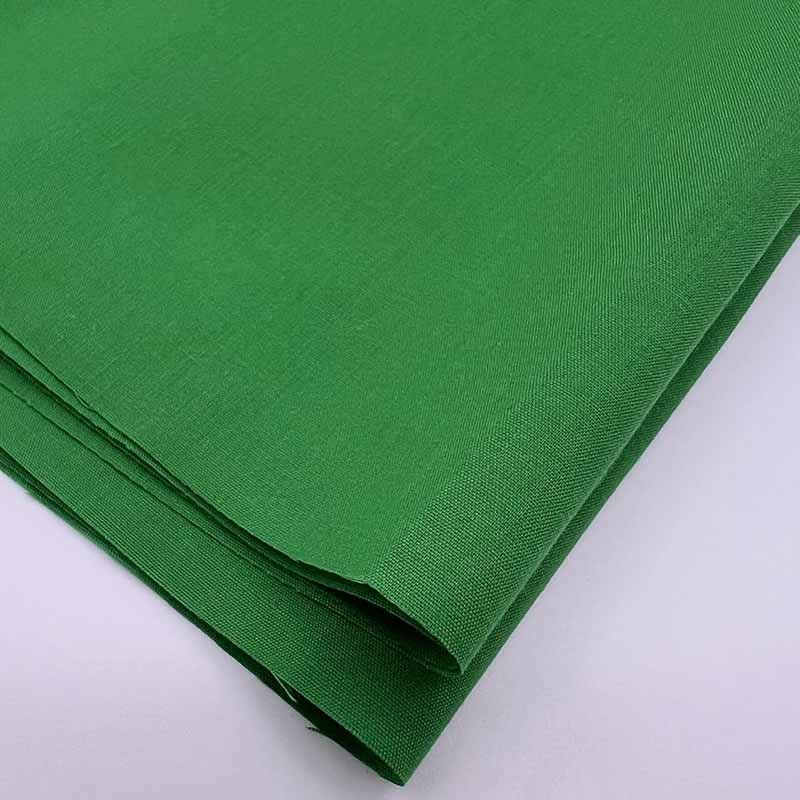
Recycled polyester offers a wide range of benefits, making it an increasingly popular choice for sustainable product development. While it retains many of the desirable characteristics of virgin polyester, such as durability and versatility, it also offers eco-friendly advantages due to its recycled nature. Let’s explore the key properties of recycled polyester, with a focus on how they translate into real-world applications.
1. Durability and Strength
One of the standout features of recycled polyester is its strength and durability, which are comparable to those of virgin polyester. Recycled polyester maintains its high tensile strength, making it a reliable material for products that need to withstand wear and tear.
Real-World Examples:
- Activewear: Sportswear brands use recycled polyester because it holds up well against the wear and tear of workouts and washing. For example, Nike and Adidas incorporate recycled polyester into their workout gear, such as leggings, t-shirts, and running shorts, because it is resistant to stretching and breaking.
- Backpacks and Bags: The backpacks and tote bags made from recycled polyester are durable enough to carry heavy items without the fabric tearing or losing its shape. Many brands choose recycled polyester for luggage because it provides a strong, long-lasting alternative to traditional materials like cotton.
2. Moisture-Wicking and Breathability
Recycled polyester excels in its moisture-wicking properties, just like virgin polyester. This means it draws moisture away from the skin and allows it to evaporate, helping keep the wearer dry and comfortable.
Real-World Examples:
- Sportswear: One of the key reasons why activewear brands prefer recycled polyester is its breathability and ability to keep athletes cool and dry. Recycled polyester garments such as running tops or sports bras wick away sweat, reducing discomfort during physical activities.
- Outdoor Gear: Products like jackets and sleeping bags made from recycled polyester also provide moisture-wicking benefits, making them ideal for outdoor activities where comfort and dryness are essential.
Moisture-Wicking Data:
- Moisture Absorption: Recycled polyester absorbs less moisture than cotton, which allows it to dry faster.
- Evaporation Rate: This quick-drying property helps to keep the skin dry and regulate temperature, making it ideal for activewear and travel gear.
3. Softness and Comfort
Despite being a synthetic fabric, recycled polyester offers a soft, comfortable feel that’s comparable to natural fibers. The fabric’s smooth texture makes it suitable for items that require direct contact with the skin, such as clothing and underwear.
Real-World Examples:
- T-Shirts and Tops: Many fashion brands now use recycled polyester for their casual t-shirts, as the fabric feels soft and breathable against the skin, making it comfortable for everyday wear.
- Underwear: Socks, bras, and underwear made from recycled polyester offer a comfortable, stretchable fit while also being moisture-wicking and fast-drying.
4. Resistance to Shrinkage and Wrinkling
Recycled polyester fabrics are resistant to shrinkage and wrinkling after washing, making them ideal for everyday products that require low maintenance.
Real-World Examples:
- Luggage: When used in luggage, recycled polyester resists wrinkling and shrinkage, ensuring that the bags keep their structure and appearance even after long-term use or multiple washes.
- Workwear: Recycled polyester is often used for uniforms and workwear because it maintains its shape, requires less ironing, and is highly low-maintenance.
Data on Shrinkage Resistance:
- Shrinkage: Recycled polyester shrinks by less than 5% after washing, compared to natural fibers, which can shrink much more dramatically.
- Wrinkle Resistance: The fabric’s resistance to wrinkles makes it a great option for travel apparel or business wear that needs to stay neat after long hours of wear.
5. Color Retention and Dyeing
Recycled polyester holds color well, meaning that products made from this fabric tend to retain their vibrancy longer than other materials. The fabric can be dyed in a wide range of colors, and the dye is fast, so colors do not easily fade after repeated washing.
Real-World Examples:
- Fashion: Brands using recycled polyester in clothing appreciate its colorfastness, which helps garments maintain their appearance over time. For instance, H&M has incorporated recycled polyester into its sustainable clothing lines, offering colors that stay bright after multiple washes.
- Home Textiles: Items such as curtains or cushion covers made from recycled polyester retain their color for a longer period, making them more practical for long-term use in homes or offices.
Data on Color Retention:
- Wash Test: Recycled polyester retains up to 90% of its original color after 10 washes, making it an ideal choice for items that will be washed frequently.
- Color Variability: Recycled polyester can be dyed in a wide variety of bright and bold colors, with options for deep hues and pastel shades, depending on the manufacturing process.
6. Environmental Benefits and Sustainability
The main selling point of recycled polyester is its eco-friendly nature. Unlike virgin polyester, which relies on fossil fuels, recycled polyester is made from recycled materials, primarily plastic waste. This reduces reliance on non-renewable resources, helping to conserve the environment.
Real-World Examples:
- Eco-Conscious Brands: Many brands that are committed to sustainability choose recycled polyester to reduce their environmental footprint. For example, Patagonia uses recycled polyester in many of its products, including fleece jackets and insulated gear.
- Waste Reduction: By using plastic bottles and old garments to create fabric, recycled polyester helps divert millions of tons of waste from landfills, contributing to a cleaner, more sustainable planet.
Sustainability Data:
- Waste Reduction: One ton of recycled polyester can save approximately 6,000 plastic bottles from ending up in landfills.
- Carbon Footprint: Producing recycled polyester results in a 40-50% reduction in greenhouse gas emissions compared to producing virgin polyester.
Why Should You Choose Recycled Polyester for Your Products?
Recycled polyester provides multiple advantages in terms of performance and sustainability. For companies looking to reduce their environmental impact without sacrificing quality or durability, it offers the best of both worlds. Brands and designers who prioritize eco-friendly practices should consider recycled polyester for their product lines.
Benefits for Brands:
- Meet Consumer Demand for Sustainability: Consumers are increasingly seeking eco-conscious products, and recycled polyester provides an easy way to make a positive environmental impact.
- Enhance Brand Image: Choosing recycled materials enhances a brand’s image as a leader in sustainability, which can attract new customers and loyalty from existing ones.
- Cost-Effective Alternative: While recycled polyester may sometimes cost more than virgin polyester, it’s a more cost-effective solution in the long run due to its durability and reduced environmental footprint.
Where Is Recycled Polyester Used?
Recycled polyester is increasingly being used across various industries due to its versatility, sustainability, and durability. From fashion and activewear to home textiles and automotive applications, recycled polyester is proving to be an essential material for companies committed to reducing their environmental footprint. Below are the most common and emerging uses of recycled polyester in different sectors.
1. Recycled Polyester in Fashion and Apparel
The fashion industry is one of the largest consumers of polyester, and recycled polyester is quickly gaining ground as a sustainable alternative. Brands committed to reducing their environmental impact are incorporating recycled polyester into their product lines to meet growing consumer demand for eco-friendly fashion.
Key Uses in Fashion:
- T-Shirts, Dresses, and Tops: Recycled polyester is commonly used in casual wear, such as t-shirts, shirts, and dresses. Its soft texture and moisture-wicking properties make it comfortable for everyday wear.
- Activewear and Sportswear: Recycled polyester is ideal for athletic clothing, including leggings, sports bras, and gym shirts. Its breathability, moisture-wicking properties, and stretchability make it perfect for high-performance gear.
- Outerwear and Jackets: Many outdoor brands are using recycled polyester in jackets, coats, and rain gear. It provides durability and water-resistance, essential features for outerwear.
Real-World Example:
Brands like Adidas and Patagonia have already incorporated recycled polyester into their sustainable fashion lines, offering customers eco-friendly options without sacrificing style or quality.
Fashion Industry Data:
- Growth in Sustainable Fashion: The use of recycled polyester in fashion is growing at a rate of 10-15% annually as consumers demand more sustainable options.
- Impact of Switching: If every t-shirt sold globally were made from recycled polyester, it could reduce up to 10 million tons of CO2 emissions annually.
2. Recycled Polyester in Bags and Accessories
Recycled polyester is increasingly used in the production of bags, wallets, purses, and accessories. As more consumers and companies look for sustainable alternatives to traditional materials, recycled polyester provides an attractive solution due to its strength, durability, and versatility.
Key Uses in Bags and Accessories:
- Backpacks and Travel Gear: Backpacks, luggage, and travel bags made from recycled polyester offer a durable, eco-friendly alternative to traditional bags. These products maintain strength even with heavy use and are often water-resistant.
- Tote Bags: Recycled polyester tote bags are commonly used for promotional items or as an alternative to single-use plastic bags. They are lightweight, durable, and highly customizable, making them a perfect choice for businesses and brands.
- Accessories: Wallets, cosmetic bags, and phone cases made from recycled polyester combine style and sustainability. The material’s ability to maintain its color and texture makes it an ideal choice for accessories that need to withstand regular handling.
Real-World Example:
Brands such as Everlane and Toms are already incorporating recycled polyester into their bag and accessory collections, helping to minimize their environmental impact while offering high-quality, durable products.
Bags and Accessories Industry Data:
- Growing Demand for Eco-Friendly Products: The demand for eco-friendly bags and accessories made from recycled polyester has increased by 20-25% in the last five years, with consumers prioritizing sustainability in their purchases.
- Waste Reduction: Producing 100,000 backpacks using recycled polyester can divert more than 1 million plastic bottles from landfills.
3. Recycled Polyester in Home Textiles
Recycled polyester is also widely used in home textiles. Its durability, color retention, and moisture-wicking properties make it a great choice for products that experience heavy use and require frequent washing.
Key Uses in Home Textiles:
- Cushions and Pillows: Many home décor brands use recycled polyester for throw pillows and cushion covers. The fabric’s resistance to wear and tear makes it ideal for items that are used daily and require regular cleaning.
- Curtains and Drapes: Recycled polyester is often used for curtains and draperies because it maintains its color and texture even after prolonged exposure to sunlight. It also provides some thermal insulation in windows.
- Bedding: Duvet covers, bed sheets, and comforters made from recycled polyester are gaining popularity due to the fabric’s soft feel and moisture-wicking properties, which help keep sleepers comfortable.
Real-World Example:
Ikea and Target are leading the way in incorporating recycled polyester into their home textiles, offering eco-friendly options for bedding, curtains, and decorative cushions that are both sustainable and affordable.
Home Textiles Industry Data:
- Home Textiles Market Growth: The use of recycled polyester in home textiles is projected to grow by 15% annually, as consumers increasingly seek eco-friendly solutions for their homes.
- Energy and Water Savings: Recycled polyester for home textiles uses 40-50% less water and up to 30% less energy compared to conventional polyester.
4. Recycled Polyester in Automotive Upholstery
Recycled polyester is being used in the automotive industry, especially in the production of car seats, seat covers, floor mats, and other interior materials. The material is chosen for its durability, strength, and sustainability.
Key Uses in Automotive Applications:
- Car Seat Covers: Recycled polyester is becoming an increasingly popular choice for car interiors due to its resilience and ability to hold up against wear from daily use. It also provides water-resistant and stain-resistant properties, which are crucial for automotive upholstery.
- Floor Mats and Other Accessories: In addition to seat covers, recycled polyester is used for other automotive components like floor mats, headliners, and door panels. It offers a durable and cost-effective solution for manufacturers.
Real-World Example:
Leading car manufacturers such as BMW and Ford are incorporating recycled polyester in upholstery and interior components as part of their sustainability efforts. This helps reduce the environmental impact of their manufacturing processes.
Automotive Industry Data:
- Sustainability in Automotive: Recycled polyester accounts for 10-15% of the total fabric used in car interiors, and the demand for sustainable materials in the automotive sector is growing rapidly.
- Waste Reduction in Automotive Manufacturing: By using recycled polyester, automakers can reduce waste and lower their carbon footprint by up to 25% per vehicle interior.
5. Recycled Polyester in Industrial Applications
In addition to fashion and home textiles, recycled polyester is used in industrial applications, where its strength and resilience make it suitable for a range of products that require long-term durability.
Key Uses in Industrial Applications:
- Industrial Fabrics: Recycled polyester is used for industrial textiles, such as geotextiles, construction fabrics, and filters. These materials benefit from the durability and strength of polyester, while reducing the environmental impact of traditional fabric production.
- Carpet Backing: Recycled polyester is often used in carpet backing materials due to its strength and ability to withstand heavy foot traffic without degrading.
Real-World Example:
In the construction and landscaping industries, companies are using geotextiles made from recycled polyester to stabilize soil and prevent erosion. These materials offer a sustainable alternative to traditional textiles used in construction.
Where Is Recycled Polyester Fabric Produced?
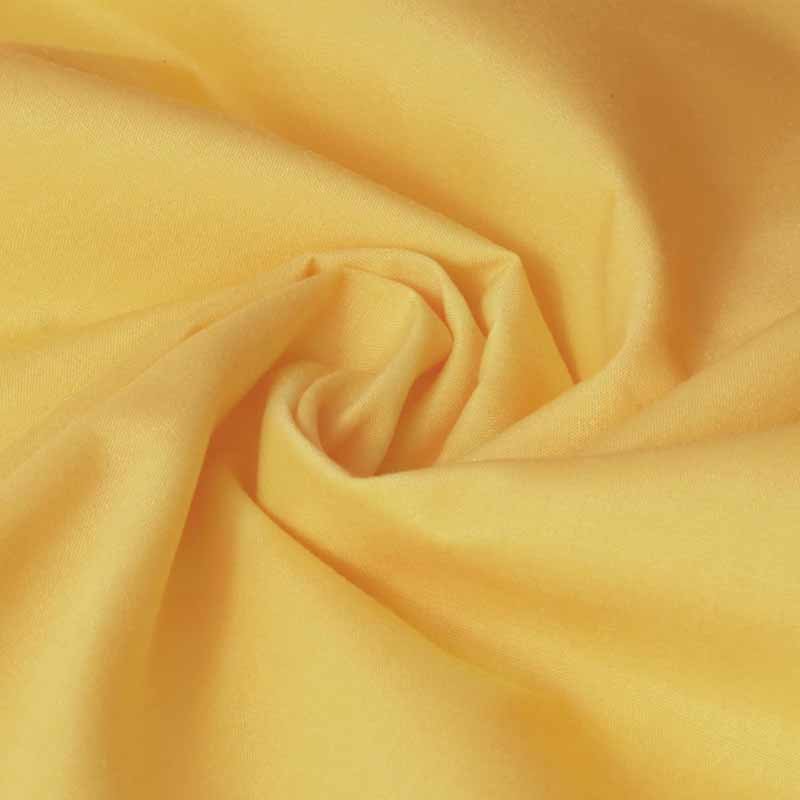
The production of recycled polyester fabric is a global process, with manufacturers and suppliers located in different regions around the world. However, the majority of recycled polyester production happens in regions with strong textile manufacturing infrastructure, such as China, India, and Southeast Asia. Additionally, recycled polyester production has also been growing in the United States and Europe as brands look to shorten supply chains and improve the sustainability of their production processes.
Let’s explore the key regions where recycled polyester is produced, the factors that influence its production, and the steps involved in manufacturing this sustainable fabric.
1. China: The World Leader in Recycled Polyester Production
China is by far the largest producer of recycled polyester fabric, and this is largely due to its strong textile industry and extensive recycling infrastructure. With its massive plastic bottle recycling operations and textile waste management, China has the capacity to handle large volumes of waste materials and convert them into high-quality recycled polyester.
Key Reasons for China’s Dominance:
- Large-Scale Recycling Facilities: China processes a significant portion of the world’s PET bottles into recycled polyester. The country has one of the largest collection networks for plastic waste, making it easier to source materials for recycling.
- Textile Manufacturing Hub: With its large number of textile factories, China is able to integrate the production of recycled polyester with garment and fabric manufacturing. Many global brands source recycled polyester from Chinese manufacturers due to their affordable pricing and quick lead times.
- Government Support for Sustainability: In recent years, China has made efforts to promote green manufacturing and sustainable practices in its textile industry. The government’s support for the circular economy has led to more investment in recycling technologies and infrastructure.
Data on China’s Recycled Polyester Production:
- China’s textile industry accounts for approximately 30-40% of global polyester production, including recycled polyester.
- Recycled polyester production in China has increased by 10-12% annually, with a significant portion used in the domestic market for clothing and industrial applications.
2. India: Growing Recycled Polyester Manufacturing Capacity
India is also a key player in the recycled polyester market, with a growing number of manufacturers involved in recycling plastic waste and producing sustainable fabrics. India’s textile industry is one of the largest in the world, and it has been steadily incorporating more recycled materials into its production processes.
Key Factors in India’s Production of Recycled Polyester:
- Textile Manufacturing Expertise: India is a well-established hub for fabric production, particularly for cotton and polyester blends. As demand for sustainable textiles grows, many Indian manufacturers are starting to integrate recycled polyester into their offerings.
- Recycling and Waste Management: India has made strides in improving its plastic recycling efforts, though it still faces challenges related to waste management. However, with increasing consumer demand for sustainable products, India’s textile industry is seeing more investment in recycling infrastructure.
Data on India’s Recycled Polyester Production:
- India’s share of the global recycled polyester market is estimated at 8-10%, with textile factories in Gujarat, Maharashtra, and Tamil Nadu being major contributors.
- Annual Growth Rate: India’s recycled polyester production has grown by 15% annually, with the domestic market being a significant consumer.
3. Southeast Asia: An Emerging Hub for Recycled Polyester
Southeast Asia, particularly countries like Vietnam, Indonesia, and Thailand, is quickly becoming a key region for recycled polyester production. These countries are increasingly focusing on sustainable manufacturing and have attracted investment from both local and global companies seeking to establish greener supply chains.
Why Southeast Asia Is Gaining Popularity:
- Low-Cost Manufacturing: Southeast Asia offers competitive labor costs and relatively low overhead for recycling operations, making it an attractive location for companies seeking to reduce production costs while maintaining sustainable practices.
- Growing Recycling Infrastructure: Countries like Vietnam and Indonesia are investing heavily in improving their waste management and recycling capabilities. With increased plastic waste and textile waste, these nations are scaling up their recycled polyester production to meet international demand.
Data on Southeast Asia’s Recycled Polyester Production:
- Vietnam has seen a 25% growth in recycled polyester manufacturing in the last 5 years, particularly in fabric production for global apparel brands.
- Southeast Asia accounts for approximately 12% of the global recycled polyester market, with major players in Vietnam and Indonesia supplying both local and international buyers.
4. United States: Growing Domestic Production of Recycled Polyester
The United States is a significant player in the recycled polyester market, particularly as consumer demand for sustainable products continues to rise. While the U.S. historically relied on imports for recycled polyester, domestic manufacturing is growing rapidly, driven by both consumer preference for eco-friendly products and increasing investment in recycling technologies.
Key Factors in U.S. Production of Recycled Polyester:
- Sustainability Demand: American consumers and brands are increasingly prioritizing sustainability in their purchases. This has led to a rise in domestic manufacturing of recycled polyester, particularly in the fashion and outdoor industries.
- Investment in Recycling Technologies: The U.S. is investing in advanced recycling technologies, including chemical recycling processes that can turn textiles and plastic waste into high-quality fibers that can be reused for fabric production.
Data on U.S. Recycled Polyester Production:
- Recycled polyester production in the U.S. has grown by 18% in the last three years, driven by companies like Unifi, which produces Repreve (a popular recycled polyester brand).
- Repreve alone processes more than 10 billion plastic bottles annually into recycled polyester, highlighting the U.S.’s growing capacity for recycling.
5. Europe: A Leader in Sustainable Textile Innovation
Europe has been at the forefront of the sustainable textile movement, with many countries embracing recycled polyester as part of their broader environmental strategies. Nations like Germany, Italy, and France are significant players in the recycled polyester market, and the demand for sustainable fabrics is pushing European textile manufacturers to invest in advanced recycling methods and closed-loop systems.
Key Factors in Europe’s Recycled Polyester Production:
- Sustainability Regulations: Europe has strict sustainability regulations, such as the EU Green Deal, which encourage companies to adopt circular economy practices. This includes the use of recycled materials like polyester in textile production.
- Technological Innovation: European manufacturers are investing in innovative recycling technologies such as chemical recycling, which helps produce high-quality recycled polyester from mixed waste streams (including fabrics that cannot be recycled through traditional mechanical methods).
Data on Europe’s Recycled Polyester Production:
- Germany, France, and Italy are leaders in Europe’s recycled polyester production, accounting for about 15-20% of the global market share.
- European brands, such as Stella McCartney and H&M, are committed to using 100% sustainable materials, driving demand for recycled polyester across the region.
How Much Does Recycled Polyester Fabric Cost?
When brands and buyers evaluate materials for production, cost is always a core concern—especially when choosing between sustainable and conventional fabrics. Recycled polyester fabric typically costs more than basic virgin polyester, but it often costs less than many high‑performance natural and synthetic alternatives once you factor in quality, durability, and environmental value.
Typical Price Range of Recycled Polyester Fabric
The cost of recycled polyester fabric varies widely based on factors such as quality, weight (gsm), fiber grade, dyeing/finishing, country of origin, and order quantity.
| Recycled Polyester Fabric Type | Price Range (USD per meter) | Notes |
|---|---|---|
| Unfinished Recycled Polyester Yarn | $1.20 – $2.00 | Basic recycled PET yarn without finishing; cost depends on fiber quality and source (bottle vs textile waste). |
| Recycled Polyester Woven Fabric | $2.00 – $4.50 | Standard plain woven fabrics; widely used for bags, apparel shell fabrics, and medium‑weight uses. |
| Recycled Polyester Knitted Fabric | $2.50 – $5.00 | Softer hand feel for T‑shirts, activewear, and stretch applications; cost varies with knit density and stretch content. |
| Dyed & Finished Recycled Fabric | $3.50 – $7.00+ | Includes colors, special finishes (water‑repellent, anti‑pilling, brushed texture); value adds to production cost. |
| High‑Performance Recycled Polyester | $5.00 – $10.00+ | Used in technical gear, windbreakers, outdoor gear, fire‑retardant or high‑durability fabrics. |
Note: Prices above are approximate ranges based on recent textile market data and supplier quotes. Actual prices may vary with order size, region, and contract terms.
What Drives the Cost of Recycled Polyester Fabric?
1. Source Material Quality
Recycled polyester starts with post‑consumer waste—most commonly PET plastic bottles or discarded polyester garments. The quality and cleanliness of source materials directly affect cost.
- Clean, high‑grade PET waste (bottles) tends to be less expensive than mixed textile waste because it’s easier to process with fewer contaminants.
- Recycled fiber made from textile waste (post‑industrial or post‑consumer garments) costs more due to the additional sorting and decontamination required.
Typical Material Cost Breakdown:
- PET bottles for recycling: $200 – $400 per ton
- Used textile feedstock (mixed): $300 – $700 per ton (Prices fluctuate with recycling market conditions and local availability.)
2. Processing Method: Mechanical vs Chemical Recycling
There are two main ways to recycle polyester:
Mechanical Recycling
- Involves shredding, cleaning, melting, and extruding plastic into new fibers.
- Generally less expensive than chemical recycling.
- Produces high‑performance fibers that are suitable for many apparel and bag applications.
Chemical Recycling
- Breaks the polyester down to its molecular level and rebuilds it.
- Produces very high‑quality fibers similar to virgin polyester.
- More energy‑intensive and expensive, but yields superior performance and texture.
- Especially useful when recycling blended textiles with cotton or other fibers.
Chemical recycling fabrics can cost 20–35% more than mechanically recycled polyester due to advanced processing requirements.
3. Fabric Weight and Construction
The weight of the fabric (measured in grams per square meter, gsm) and its construction impact pricing.
| Fabric Weight (gsm) | Typical Use Case | Cost Impact |
|---|---|---|
| 100–180 gsm | Lightweight apparel | Lower cost |
| 180–300 gsm | Mid‑weight garments, bags | Moderate cost |
| 300–600+ gsm | Backpacks, luggage, industrial | Higher cost |
Heavy‑duty fabrics with special construction, reinforcements, or multiple layers can significantly increase overall cost.
4. Dyeing, Finishing & Functional Treatments
Brand requirements often go beyond plain fabric.
Common value‑added treatments include:
- Water Repellent (DWR)
- Anti‑pilling finishes
- Brushed or Soft Hand Feel
- UV Protection
- Flame‑Retardant Treatments
- Anti‑Microbial Finishes
Each finish adds manufacturing steps and cost. For example:
- Adding DWR treatment can increase cost by 10–20%
- Specialized finishes (fire retardant, anti‑odor) can add $1.00 – $3.00 per meter+
Brands targeting performance products or premium apparel should budget for these extra finishing costs.
5. Order Volume and Lead Times
Economies of scale significantly influence final pricing:
- Small orders (low MOQ) may cost 20–50% more per meter compared with large bulk orders due to setup and production overhead.
- Large contracts with consistent volume can often negotiate better pricing, especially when locking in future supply with stable recycled raw material streams.
How Cost Compares to Other Materials
Recycled Polyester vs Virgin Polyester
- Recycled polyester typically costs 10–30% more than virgin polyester (depends on quality and finishes).
- Virgin polyester without any functional finish can be cheaper, but recycled polyester adds marketing value and supports sustainability goals.
Recycled Polyester vs Organic Cotton
- Organic cotton is often more expensive than recycled polyester when factoring in farming, certification (GOTS), and processing.
- Recycled polyester often offers higher durability and better performance for active products.
How Does Recycled Polyester Compare With Other Fabrics?
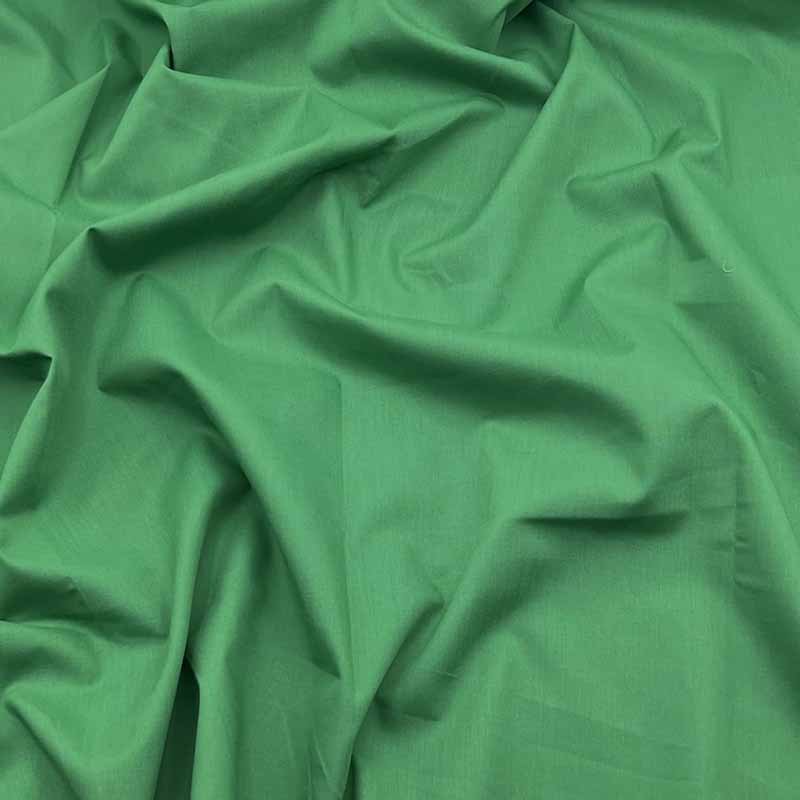
Recycled polyester is gaining popularity as a sustainable alternative to both virgin polyester and natural fibers like cotton and wool. While recycled polyester shares many characteristics with virgin polyester, it has distinct advantages when it comes to sustainability and environmental impact. Let’s take a closer look at how recycled polyester compares to other common fabrics, including virgin polyester, cotton, and nylon, to help you understand the benefits and limitations of each material.
1. Recycled Polyester vs Virgin Polyester
Recycled polyester and virgin polyester share many of the same physical properties, but there are notable differences when it comes to production processes and environmental impact.
Key Differences:
- Source Material: Virgin polyester is made from petroleum-based resources (mainly crude oil), while recycled polyester is made from post-consumer waste such as plastic bottles or discarded fabrics.
- Environmental Impact: Recycled polyester has a significantly lower carbon footprint and uses less water and energy than virgin polyester. According to studies, producing recycled polyester uses up to 59% less energy compared to making virgin polyester from petroleum.
Real-World Example:
A major apparel brand that uses virgin polyester for their activewear could significantly reduce their carbon emissions by switching to recycled polyester, as it helps minimize the reliance on fossil fuels and reduces plastic waste.
Data Comparison:
| Factor | Virgin Polyester | Recycled Polyester |
|---|---|---|
| Raw Materials | Petroleum-based (fossil fuels) | Post-consumer plastic waste (e.g., PET bottles) |
| Energy Use | High energy consumption | Up to 59% less energy used |
| Carbon Footprint | High emissions | 40-50% lower emissions |
| Water Usage | High water consumption | Lower water usage |
2. Recycled Polyester vs Cotton
When compared to cotton, recycled polyester offers both environmental benefits and performance advantages. While cotton is a natural fiber and biodegradable, the environmental cost of producing cotton is substantial due to its water usage and pesticide reliance.
Key Differences:
- Water Usage: Cotton farming requires a significant amount of water—about 2,700 liters of water to produce enough cotton for a single t-shirt. In contrast, recycled polyester requires much less water to produce, making it a better option in terms of water conservation.
- Pesticide and Fertilizer: Conventional cotton farming often relies on harmful pesticides and fertilizers, which can lead to environmental degradation. Recycled polyester, however, is free from such chemicals.
- Durability and Maintenance: Recycled polyester is more durable than cotton and is less prone to wrinkling, shrinkage, and stretching. It’s often preferred for sportswear, activewear, and bags, where durability and performance are essential.
Real-World Example:
Brands that use cotton for t-shirts or activewear can reduce their water consumption and overall environmental impact by choosing recycled polyester. In addition, recycled polyester clothing tends to last longer, making it more sustainable in the long run.
Data Comparison:
| Factor | Cotton | Recycled Polyester |
|---|---|---|
| Water Usage | 2,700 liters per t-shirt | Significantly less water used |
| Chemical Use | High pesticide/fertilizer use | Free from pesticides/fertilizers |
| Durability | Prone to shrinkage/tearing | Highly durable and abrasion-resistant |
| Biodegradability | Biodegradable | Non-biodegradable but recyclable |
3. Recycled Polyester vs Nylon
Both recycled polyester and nylon are synthetic fibers, but their production methods, cost, and environmental impacts differ. Nylon, which is made from petroleum, has a higher carbon footprint compared to recycled polyester, but it is still considered more eco-friendly than virgin polyester.
Key Differences:
- Production: Nylon is typically made from petroleum-derived chemicals, whereas recycled polyester uses post-consumer waste like plastic bottles, which reduces the need for petroleum-based raw materials.
- Carbon Footprint: Nylon has a higher carbon footprint compared to recycled polyester, due to the energy-intensive process of producing virgin nylon fibers. Recycled polyester, on the other hand, requires significantly less energy and carbon emissions during production.
- Recyclability: Recycled polyester can be recycled repeatedly without significant loss of quality, while nylon can be more difficult to recycle at scale, leading to more waste in the end-of-life phase of the material.
Real-World Example:
In industries where strength and resilience are required (like automotive interiors or activewear), brands might prefer recycled polyester over nylon, as it offers better eco-credentials without sacrificing durability.
Data Comparison:
| Factor | Nylon | Recycled Polyester |
|---|---|---|
| Production Source | Petroleum-based chemicals | Post-consumer plastic waste |
| Energy Use | High energy consumption | Up to 59% less energy used |
| Carbon Footprint | Higher emissions | 40-50% lower emissions |
| Recyclability | Difficult to recycle at scale | Easily recyclable |
4. Recycled Polyester vs Wool
Wool is a natural fiber known for its softness, warmth, and biodegradability. However, wool production can have a significant environmental impact due to land use, water usage, and methane emissions from sheep farming. Recycled polyester, while not biodegradable, offers a more sustainable option with less impact on the environment.
Key Differences:
- Water and Land Use: Wool production requires large amounts of water and land. Recycled polyester, by comparison, uses less land and much less water to produce.
- Carbon Emissions: Wool farming can contribute to greenhouse gas emissions from sheep, while recycled polyester has a much lower carbon footprint due to its use of recycled materials and more efficient production processes.
- Durability: While wool is naturally durable and breathable, it’s more prone to wear and tear over time compared to recycled polyester, which maintains its strength even after repeated washes.
Real-World Example:
Brands focused on winter wear or outerwear may choose recycled polyester over wool for products like jackets or coats due to the durability and environmental benefits of recycled polyester.
Data Comparison:
| Factor | Wool | Recycled Polyester |
|---|---|---|
| Water Usage | High water consumption | Significantly less water used |
| Land Use | Requires significant land for farming | Less land required |
| Carbon Emissions | High methane emissions from livestock | 40-50% lower carbon emissions |
| Durability | Less durable with repeated use | Highly durable and resistant to wear |
Do Sustainable Certifications Matter?
As consumers become more eco-conscious, many are looking for products that are certified as sustainable. Certifications help ensure that recycled polyester products meet specific environmental standards. Some of the most recognized certifications for recycled polyester include:
Global Recycled Standard (GRS)
The Global Recycled Standard is one of the most widely recognized certifications for recycled materials. It ensures that products are made from at least 50% recycled content, and it also verifies that environmental and social practices meet stringent standards.
Recycled Claim Standard (RCS)
The Recycled Claim Standard verifies that a product contains recycled materials and ensures that the recycling process used is transparent. This certification helps brands prove the legitimacy of their recycled polyester content.
OEKO-TEX Standard 100
Although not specific to recycled polyester, the OEKO-TEX Standard 100 certification ensures that textiles are free from harmful substances. It’s an essential certification for any fabric used in consumer products, particularly those in close contact with the skin, like activewear or bedding.
Are There Limitations or Challenges?
Despite its environmental benefits, there are some challenges and limitations when it comes to the use of recycled polyester. These include:
- Quality Control: The quality of recycled polyester can sometimes vary depending on the source materials used. Textile waste and plastic bottles may have different levels of quality, which can affect the performance of the final fabric.
- Cost: While recycled polyester can be cheaper to produce than virgin polyester in some cases, it may still be more expensive than cotton or other natural fabrics, especially if the recycling process requires advanced technology.
- Limited Availability: Although recycled polyester is gaining popularity, it is still not as widely available as virgin polyester, and there may be limitations in terms of color options, fabric textures, and finishes.
How to Choose the Right Recycled Polyester Fabric for Your Product
Choosing the right recycled polyester fabric for your product is crucial for ensuring that your design is both sustainable and high-performance. Whether you’re producing activewear, bags, home textiles, or industrial fabrics, it’s important to match the fabric’s properties with your product’s requirements.
Here’s a comprehensive guide to help you choose the right fabric for your specific needs, balancing quality, functionality, and sustainability.
1. Understand Your Product’s Purpose and Performance Needs
Before selecting recycled polyester fabric, it’s important to clearly define the purpose and performance requirements of your product. This will help you narrow down your fabric options and focus on the properties that matter most.
Key Considerations:
- Use Case: Will your product be subjected to high stress or outdoor conditions? (e.g., backpacks, sportswear, outdoor jackets)
- Comfort: Is the fabric intended for direct contact with the skin? (e.g., t-shirts, activewear)
- Durability: Will the fabric need to withstand repeated wear, washing, or heavy use? (e.g., bedding, bags)
Example:
- For sportswear (e.g., running shorts, leggings), you’ll need moisture-wicking, stretchable, and breathable fabric.
- For bags (e.g., backpacks, totes), the fabric should be strong, abrasion-resistant, and weather-resistant.
By identifying the specific requirements of your product, you can select a fabric that offers the best balance of comfort, durability, and performance.
2. Evaluate Fabric Weight (GSM) and Construction
The weight and construction of the fabric are essential factors that determine its thickness, feel, and durability. The grams per square meter (gsm) measures the weight of the fabric and helps indicate how heavy or light it will be.
Fabric Weight Options:
- Lightweight Fabrics (100-180 gsm): Best for activewear, t-shirts, and light bags.
- Mid-weight Fabrics (180-300 gsm): Ideal for jackets, hoodies, and outdoor apparel.
- Heavyweight Fabrics (300+ gsm): Suitable for backpacks, luggage, and industrial textiles that need extra strength and durability.
Fabric Construction:
- Woven Fabrics: Provide more structure and resistance to tearing, making them ideal for bags, jackets, and outdoor gear.
- Knitted Fabrics: Offer more stretch and flexibility, making them perfect for activewear and sports clothing.
Real-World Example:
- For backpacks or bags, a heavier woven recycled polyester (around 300 gsm) would provide the durability needed for carrying heavy loads.
- For activewear, a lighter knitted fabric (around 180 gsm) would provide comfort and flexibility while allowing for breathability during workouts.
3. Consider Fabric Texture and Finish
The texture and finish of recycled polyester can dramatically affect the final product’s appearance and functionality. The finish impacts the feel, look, and performance of the fabric.
Popular Finishes for Recycled Polyester:
- Water-Repellent Finish: Applied to recycled polyester to make it water-resistant, ideal for outdoor clothing or bags that need protection against rain or moisture.
- Brushed Finish: Gives the fabric a soft, fuzzy texture, making it ideal for sweaters, blankets, or casual wear.
- Anti-Pilling Finish: Helps prevent pilling (small fabric balls) and improves the longevity of fabrics used in activewear or apparel that will be washed frequently.
- UV Protection: Some recycled polyester fabrics come with UV protection coatings, making them suitable for outdoor and sports apparel where protection from the sun is crucial.
Real-World Example:
- For outdoor jackets, a water-repellent recycled polyester fabric with an anti-wrinkle finish would ensure the product is durable, functional, and easy to care for.
- For sports leggings, a brushed finish can add a soft, premium feel while also helping with moisture management.
4. Check the Fabric’s Sustainability Certifications
As consumers increasingly demand sustainable products, sustainability certifications help verify that your recycled polyester fabric meets environmental and social standards. When choosing a recycled polyester fabric supplier, make sure the fabric has credible certifications to support your brand’s eco-friendly claims.
Key Certifications to Look For:
- Global Recycled Standard (GRS): Ensures the product is made with at least 50% recycled materials and that the recycling process adheres to strict environmental and social criteria.
- Recycled Claim Standard (RCS): Certifies that the product contains recycled content and ensures the recycled material was processed and verified throughout the supply chain.
- OEKO-TEX Standard 100: Verifies that the fabric is free from harmful substances, ensuring it is safe for human use.
These certifications offer transparency and traceability, helping build trust with consumers who prioritize sustainability.
5. Assess Cost vs. Sustainability Tradeoff
While recycled polyester generally costs more than virgin polyester due to the recycling process and the sourcing of waste materials, it offers significant long-term value in terms of sustainability and brand reputation. When making a choice, consider the following:
Price Considerations:
- Recycled Polyester Costs: As mentioned earlier, recycled polyester typically costs 10–30% more than virgin polyester. However, it’s important to factor in the cost of sustainability and how it can enhance your brand image.
- Long-Term Savings: Although the initial cost may be higher, recycled polyester is durable, leading to fewer product returns and longer product lifecycles. For products like bags or sportswear, this durability can lead to lower total cost of ownership for consumers, while also reducing waste.
6. Supplier Transparency and Quality Control
It’s crucial to work with suppliers who provide full transparency about their recycling processes and quality control measures. Ask your supplier about:
- How the recycled polyester is sourced (e.g., plastic bottles vs. textile waste).
- The type of recycling process used (mechanical or chemical recycling).
- Production standards to ensure that the fabric meets the required durability, safety, and sustainability criteria.
By selecting a supplier with a solid reputation for ethical practices and consistent product quality, you ensure that your final product meets both functional and sustainability expectations.
7. Test the Fabric Before Full-Scale Production
It’s always a good idea to test samples of the recycled polyester fabric before moving forward with full production. This gives you the chance to evaluate the fabric’s performance in real-world conditions—whether it’s for comfort, durability, or colorfastness.
Make sure to conduct the following tests:
- Strength and Durability Test: Ensure the fabric holds up to normal wear and tear, particularly for items like bags and activewear.
- Color Retention Test: Wash samples to ensure that the fabric maintains its color after multiple washes.
- Moisture-Wicking Performance: Test how well the fabric manages moisture, especially for sportswear or activewear.
How to Choose the Right Recycled Polyester Fabric Supplier?
When selecting a supplier for recycled polyester fabric, it’s crucial to assess several factors to ensure you get high-quality, reliable products that align with your sustainability goals. Here are some important considerations:
1. Verify Certifications and Environmental Commitment
Before selecting a supplier, always check if they hold relevant sustainable certifications. As we mentioned earlier, certifications like the Global Recycled Standard (GRS) and the Recycled Claim Standard (RCS) validate the use of recycled materials and adherence to sustainability practices. These certifications ensure that the supplier follows the necessary environmental and social criteria.
2. Review the Supplier’s Recycling Processes
It’s essential to understand how the supplier sources and processes its recycled polyester. A transparent supply chain is vital for ensuring the materials are genuinely recycled. Ask your potential supplier about their recycling process, where they source their waste materials (such as PET bottles or textile scraps), and how the materials are handled.
Some manufacturers might use advanced chemical recycling processes, which can offer higher-quality recycled polyester compared to mechanical methods. Understanding the process will give you a clearer picture of the material’s quality.
3. Check Product Quality and Consistency
Although recycled polyester has many benefits, quality control is a significant concern for some suppliers. Recycled fibers may vary in quality based on the source material, and inconsistent batches can affect the final product’s performance and appearance.
Look for suppliers who provide consistent product samples and allow you to test the fabric for your specific needs, such as strength, durability, texture, and color consistency.
4. Evaluate the Supplier’s Experience and Capacity
Selecting a supplier with extensive experience in manufacturing recycled fabrics is key. This experience helps ensure they understand the complexities of working with recycled materials, from sourcing to processing. Additionally, check if the supplier has the capacity to meet your order volume, especially if you require large-scale or custom orders.
5. Consider Lead Times and Flexibility
Another essential factor is lead times. Since recycled polyester is in high demand, some suppliers may face longer production times. It’s important to partner with a supplier who can meet your deadlines while offering flexibility in terms of custom orders, designs, and color variations.
What Are the Market Trends for Recycled Polyester in 2026 and Beyond?
The market for recycled polyester is growing rapidly as brands and consumers demand more sustainable options. Several key trends are shaping the future of recycled polyester in textiles:
1. Increased Adoption in Fashion and Activewear
Fashion brands, particularly in the sportswear and activewear sectors, are leading the way in adopting recycled polyester. Major companies like Adidas, Nike, and Patagonia have committed to using recycled materials in their product lines, recognizing the growing demand for eco-friendly fashion. This trend is expected to continue as more companies set sustainability goals.
Recycled polyester is also being used more frequently in high-end fashion, with designers incorporating it into their collections to attract eco-conscious consumers. The material’s versatility, durability, and environmental benefits make it a top choice for brands looking to balance sustainability with performance.
2. Expansion in Home and Industrial Textiles
While recycled polyester has been primarily used in fashion, its applications are expanding into home textiles and industrial fabrics. From upholstery and curtains to automotive interiors and construction fabrics, recycled polyester’s strength and eco-friendly profile make it suitable for a wide range of uses. As demand for green building materials and sustainable home goods increases, recycled polyester will likely see even more applications.
3. Circular Economy and Closed-Loop Systems
The circular economy is becoming a central focus in textile production, and recycled polyester is a key material in this system. As industries work to close the loop on waste, the demand for products made from recycled materials continues to grow. Companies are exploring ways to make fabrics that can be recycled again at the end of their lifecycle, which reduces the need for virgin polyester and contributes to closed-loop systems.
In the future, we may see more suppliers and manufacturers adopting fully circular production models, where fabrics are recycled at the end of their life to create new products. This will help ensure that recycled polyester remains in the loop rather than being disposed of in landfills.
Challenges and Limitations of Recycled Polyester
While recycled polyester has many benefits, there are also some challenges and limitations that businesses should be aware of when considering it as a material choice.
1. Quality Inconsistencies
One of the primary concerns with recycled polyester is quality control. The quality of recycled polyester can vary depending on the source material and the recycling process used. When compared to virgin polyester, recycled versions may have slightly lower performance in terms of elasticity, durability, or appearance, especially if lower-quality plastic bottles or textile waste are used.
To minimize this issue, it’s essential to work with trusted suppliers who employ rigorous testing to ensure that recycled polyester meets the required standards for strength, color consistency, and durability.
2. Limited Color Options
Another challenge with recycled polyester is the limited color range compared to virgin polyester. The dyeing process for recycled polyester can sometimes result in colors that aren’t as vibrant or uniform. This may be a concern for brands that require specific color matching for their products.
However, some manufacturers are overcoming this issue by developing advanced dyeing techniques that ensure better color consistency, even with recycled materials.
3. Cost Implications
Recycled polyester can sometimes be more expensive than virgin polyester, particularly when using high-quality recycled materials. The cost of recycling and the need for specialized equipment may make the production process more expensive. However, as demand for recycled materials increases and recycling processes become more efficient, the costs are expected to decrease over time.
4. Recycling Capacity
While recycled polyester is becoming more popular, there is still a limited capacity in the market for high-quality recycled fibers. As demand for recycled fabrics continues to grow, suppliers may face challenges in scaling up their operations to meet this demand. This could lead to supply chain bottlenecks, especially for large-scale orders.
Lovrix: Your Partner for High-Quality Recycled Polyester Fabrics
At Lovrix, we are committed to providing high-quality, sustainable textiles to meet the needs of our clients. With over 18 years of experience in fabric manufacturing, we offer customized recycled polyester products for a range of applications, from fashion and activewear to bags, home textiles, and more.
Why Choose Lovrix for Your Recycled Polyester Needs?
- 100% Quality Guarantee: We ensure that our recycled polyester fabrics meet rigorous quality standards, providing durability, strength, and consistency.
- Custom Design Services: Whether you need a specific color, texture, or finish, our team offers custom design services to bring your ideas to life.
- Sustainability Commitment: By using recycled materials, we help reduce waste and lower carbon emissions, aligning with your eco-friendly initiatives.
- Low MOQ & Quick Sampling: We offer low minimum order quantities (MOQ) and quick sample turnaround to ensure your products meet your exact specifications.
Contact us today to learn more about our custom recycled polyester fabrics and how we can help you create eco-friendly, high-performance products for your brand.