 Skip to content
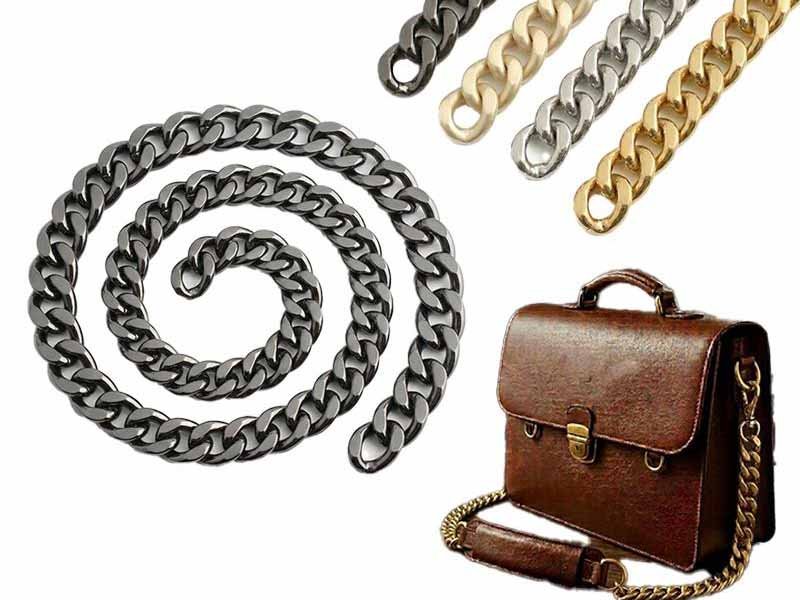
A hook, buckle, D-ring, zipper puller, or logo plate may represent only a small percentage of a bag’s total production cost, but it can influence almost everything the customer notices. Hardware affects the bag’s weight, sound, hand feel, visual quality, carrying safety, corrosion resistance, and long-term reliability. A poorly chosen fitting can make an otherwise well-made bag feel cheap or become the first component to fail.
Zinc alloy is usually better for detailed shapes, decorative plating, substantial hand feel, and custom branding. Aluminum is generally better when reducing weight and creating a clean, technical, anodized appearance are priorities. Neither material is automatically stronger or more durable. Final performance depends on alloy grade, component geometry, wall thickness, manufacturing process, surface treatment, attachment structure, and testing.
The most useful question is therefore not, “Which metal is best?” It is, “Which material is right for this specific component, product category, load, environment, target price, and brand image?” A polished handbag clasp, a lightweight backpack adjuster, and a load-bearing travel-bag hook face completely different demands. The following comparison explains how experienced buyers evaluate those differences before approving samples and bulk production.
What Is Zinc Alloy Hardware?

Zinc alloy hardware is made from zinc combined with controlled amounts of aluminum, magnesium, copper, or other elements. It is widely used for custom bag fittings because it can reproduce detailed shapes, hold stable dimensions, accept many decorative finishes, and create the substantial metallic feel often associated with handbags, leather goods, luggage, and premium branded accessories.
What Are Zinc Alloys Made Of?
“Zinc alloy” is a material family rather than one fixed specification. Common die-casting formulations use zinc as the primary metal and add smaller percentages of aluminum, magnesium, and sometimes copper to adjust castability, hardness, dimensional stability, ductility, or mechanical performance. Zamak 3 and Zamak 5 are two widely recognized grades used for precision die-cast components.
Zamak 3 is commonly valued for its balanced castability, dimensional stability, and finishing properties. Zamak 5 contains approximately one percent copper, which can improve hardness and strength but may reduce ductility compared with Zamak 3. This distinction matters when hardware will be bent, riveted, crimped, or subjected to repeated mechanical stress.
Two fittings described as “zinc alloy hooks” can therefore perform very differently. Their reliability may be affected by alloy composition, casting temperature, mold design, internal porosity, gate location, wall thickness, cooling control, polishing, plating preparation, pin construction, and spring quality.
A professional specification should identify the approved component, dimensions, supplier, finish, load requirement, and sample reference. For critical applications, buyers may also request the alloy grade or a material declaration instead of accepting a generic description such as “metal hardware.”
How Is Zinc Hardware Manufactured?
Most detailed zinc alloy bag fittings are manufactured through pressure die casting. The alloy is melted and injected under pressure into a reusable steel mold. After cooling, the component is released, trimmed, deburred, polished, surface-treated, assembled, inspected, and packed.
Common zinc alloys can be processed by hot-chamber die casting. In this process, part of the injection system is immersed in the molten alloy, allowing relatively efficient production cycles for small and detailed parts. The International Zinc Association describes the hot-chamber process as an efficient casting method that can support fast cycle times and controlled component production.
A custom zinc hardware development process may include:
- Two-dimensional or three-dimensional component design
- Load-path and wall-thickness review
- Mold-flow and parting-line consideration
- Mold construction
- First trial casting
- Trimming and deburring
- Tumbling or manual polishing
- Plating, coating, painting, or antique finishing
- Pin, spring, screw, or magnet assembly
- Dimensional, functional, and appearance inspection
- Pull, cycle, abrasion, or corrosion testing
- Final sample approval
A visually attractive CAD drawing is not automatically ready for mass production. Sharp internal corners, deep recessed logos, hidden cavities, narrow necks, uneven wall thickness, and poorly positioned parting lines can create casting, polishing, plating, or strength problems.
These risks should be reviewed before tooling begins. Changing a three-dimensional file is generally easier than repairing a completed production mold after trial casting exposes a structural or cosmetic defect.
What Are Its Main Advantages?
Zinc alloy’s main advantage is the combination of detailed castability, controlled dimensions, decorative finishing flexibility, and tactile weight. It can reproduce small letters, raised logos, recessed patterns, curved surfaces, thin ribs, textured areas, integrated stops, and complicated three-dimensional profiles.
The material is especially useful when one casting needs to combine several functions. A single zinc component may include a strap opening, hinge support, decorative face, logo, anti-rotation feature, spring housing, attachment point, and assembly stop.
Important advantages for custom bag projects include:
- Detailed custom shapes
- Crisp raised or recessed logos
- Smooth polishing potential
- Broad electroplating options
- Substantial metallic hand feel
- Stable dimensions for mating components
- Good suitability for small cast parts
- Efficient production after tooling
- Integration of decorative and mechanical features
- Strong compatibility with fashion-oriented finishes
Zinc alloy hardware is often associated with a premium feel because its relatively high density creates noticeable weight and balance. That extra weight can support the intended positioning of a structured handbag or leather accessory, although it may be undesirable for a lightweight backpack or travel product.
Buyers should not confuse weight with strength. A heavy fitting can still fail if it contains casting porosity, an undersized pin, a weak spring, a sharp stress concentration, insufficient wall thickness, or an unsuitable attachment structure.
Where Is Zinc Hardware Commonly Used?
Zinc alloy is commonly used in bag components where custom shape, surface appearance, branding, and tactile value matter. Typical applications include swivel hooks, snap hooks, D-rings, rectangular rings, strap adjusters, zipper pullers, turn locks, magnetic-lock housings, logo plates, chain links, bag feet, clasp bodies, decorative corner pieces, and handle anchors.
It is especially common in:
- Fashion handbags
- PU leather bags
- Genuine leather goods
- Cosmetic bags
- Premium travel accessories
- Business bags
- Laptop bags
- Gift products
- Branded promotional collections
- Lifestyle backpacks
- Retail accessory sets
The same specification should not be copied across every category. A decorative zinc hook developed for a small shoulder bag may not be appropriate for a heavy tool bag, pet product, outdoor pack, or travel duffel exposed to shock loads.
The manufacturer should evaluate the fitting together with the webbing, fabric, leather tab, reinforcement, stitch pattern, rivets, screws, and surrounding bag structure. Hardware is only one element in a complete load-bearing system.
Lovrix evaluates custom bag projects through material, structure, hardware, webbing, sampling, production feasibility, and quality-control requirements rather than treating each fitting as an isolated decorative accessory. This approach helps brands develop components that can move from sample approval into repeatable bulk production.
What Is Aluminum Hardware?

Aluminum hardware is made from aluminum-based alloys selected for low density, forming ability, machining, casting, corrosion performance, or anodizing. It is especially valuable in custom bags where total product weight, technical appearance, mobility, and user comfort matter more than the dense feel associated with conventional fashion hardware.
What Are Aluminum Alloys Made Of?
“Aluminum hardware” is another broad description that can hide major differences. Aluminum may be combined with magnesium, silicon, copper, manganese, zinc, and other elements to produce alloys with different levels of strength, hardness, corrosion resistance, machining performance, casting behavior, and finishing compatibility.
A bag fitting may be produced from:
- Die-cast aluminum alloy
- Wrought aluminum sheet
- Extruded aluminum profile
- Machined aluminum billet
- Stamped and formed aluminum
- Forged aluminum alloy
These manufacturing routes produce different component characteristics. A machined or forged aluminum hook should not be evaluated as though it were identical to a low-cost die-cast fitting. The grain structure, surface appearance, dimensional accuracy, cost, wall design, and potential failure modes may differ substantially.
When a component performs a critical function, the buyer should identify both the alloy and manufacturing route. A specification that says only “aluminum buckle” leaves too much room for interpretation.
Aluminum is significantly less dense than common zinc die-casting alloys. This lower density is the main reason it is selected for weight-sensitive bags. The practical weight saving depends on the finished geometry, because an aluminum component may be redesigned with thicker sections or different structural ribs to achieve its target performance.
How Is Aluminum Hardware Manufactured?
Aluminum hardware can be manufactured by cold-chamber die casting, machining, stamping, bending, extrusion, forging, or a combination of processes. The most suitable method depends on the component’s shape, quantity, load, tolerance, finish, and target price.
NADCA explains that aluminum is generally pressure die-cast through a cold-chamber process. The metal is melted in an external furnace and transferred to the injection mechanism before each casting cycle. This differs from the hot-chamber process commonly used for many zinc alloys.
Machined aluminum is cut from solid material or an extruded profile. This route can produce precise dimensions, clean edges, and a premium technical appearance, but it usually requires more machining time and creates additional material waste.
Stamped aluminum is suitable for flatter rings, plates, clips, reinforcement pieces, and simplified adjusters. Forging can deliver strong mechanical performance, although the tooling and production economics may not suit every fashion or promotional bag program.
A typical aluminum hardware process may involve:
- Alloy and production-process selection
- Component and load-path design
- Die casting, machining, extrusion, stamping, or forging
- Deburring and edge finishing
- Brushing, blasting, polishing, or tumbling
- Anodizing, painting, or powder coating
- Laser marking or logo application
- Mechanical assembly
- Dimensional and functional inspection
- Load, wear, and corrosion verification
The production route should be chosen before the buyer compares quotations because tooling cost, unit price, minimum quantity, tolerance, and surface appearance can change significantly between processes.
What Are Its Main Advantages?
Aluminum’s most important advantage is its ability to reduce component weight while maintaining a genuine metal appearance. This is especially valuable in backpacks, travel products, sports bags, cycling equipment, camera bags, and wearable gear containing several hooks, rings, adjusters, buckles, and zipper pullers.
Its practical advantages can include:
- Lower density than zinc alloy
- Reduced finished-product weight
- Modern technical appearance
- Strong compatibility with anodizing
- Good machining potential
- Natural oxide formation
- Suitability for outdoor-oriented aesthetics
- Reduced air-freight weight
- Clean matte or satin finishes
- Good strength-to-weight potential with suitable alloy and geometry
Aluminum is ideally suited to anodizing. The Aluminum Anodizers Council describes anodizing as an electrochemical process that converts the metal surface into a decorative, durable, corrosion-resistant anodic oxide finish. Unlike an ordinary painted film, the anodic layer is formed from the aluminum surface itself.
This does not make every aluminum fitting automatically durable. Thin walls, unsuitable alloy selection, casting porosity, weak pins, sharp edges, incorrect heat treatment, or insufficient cross-sectional area can still lead to deformation or fracture.
Aluminum’s low weight may also be interpreted differently across markets. It can communicate modern engineering in an outdoor product but may feel less substantial than zinc alloy when used on a formal handbag that relies on dense, polished hardware for perceived value.
Where Is Aluminum Hardware Commonly Used?
Aluminum hardware is particularly suitable for product categories in which the customer carries the bag for extended periods or where low weight is part of the marketing promise. It is often considered for hiking packs, lightweight luggage, sports bags, cycling bags, running equipment, camera bags, travel backpacks, technical laptop bags, and modular attachment systems.
Common aluminum applications include:
- Strap adjusters
- Lightweight D-rings
- Technical hooks
- Minimalist buckles
- Zipper pullers
- Equipment attachment points
- Frame or stay components
- Branded plates
- Flat rings
- Specialty clips
Aluminum has a different visual language from zinc alloy. A matte anodized adjuster often feels technical, modern, and purposeful. A polished plated zinc clasp tends to feel decorative, formal, or fashion-oriented.
The buyer should consider what the hardware communicates about the product. A gold-plated zinc turn lock may be appropriate for a structured handbag but inconsistent with an ultralight hiking pack. A matte aluminum fitting may improve an outdoor product while appearing too industrial on an evening bag.
Product category, retail price, target customer, competitor design, sales channel, and brand positioning should all influence the choice. Hardware is not only an engineering decision; it is part of the product’s visual identity and perceived quality.
How Do Zinc Alloy and Aluminum Compare?

Zinc alloy is heavier, highly castable, detailed, and compatible with many plated decorative finishes. Aluminum is much lighter and naturally suited to anodized, technical-looking components. Neither material is universally stronger, more corrosion-resistant, or more economical because the final result depends on alloy, manufacturing route, geometry, finish, attachment, production volume, and testing.
| Comparison Factor | Zinc Alloy Hardware | Aluminum Hardware | Buyer Implication |
|---|---|---|---|
| Relative weight | Heavier and more substantial | Significantly lighter | Evaluate the complete hardware weight budget |
| Visual character | Decorative, formal, premium | Technical, modern, lightweight | Match the metal to brand positioning |
| Fine molded detail | Excellent for small cast details | Depends on alloy and production route | Zinc often suits complex logos |
| Common surface treatment | Plating, painting, coating, antique finish | Anodizing, painting, powder coating | Test the finished surface, not bare metal |
| Shape complexity | Highly suitable for small intricate parts | Process-dependent | Machining may raise aluminum cost |
| Common bag categories | Handbags, leather goods, fashion accessories | Outdoor, sports, travel, technical bags | Product use should guide selection |
| Primary production risk | Porosity, excess weight, plating defects | Thin-section damage, alloy variation, color variation | Require controlled samples and specifications |
| Cost driver | Tooling, polishing, plating, assembly | Process route, machining, anodizing, tooling | Compare total finished-component cost |
Which Material Is Lighter?
Aluminum is the lighter material when equal component volumes are compared. Common aluminum alloys have a density near 2.7 grams per cubic centimeter, while commonly referenced Zamak zinc alloys are considerably denser. This difference means that a zinc component with identical geometry can weigh more than twice as much as an aluminum version.
Real hardware is rarely designed with perfectly identical geometry. Aluminum parts may need thicker walls, broader radii, reinforcing ribs, or a different production method to achieve the required mechanical result. The finished weight difference may therefore be smaller than a simple density comparison suggests.
Buyers should calculate the total hardware weight rather than evaluating one fitting in isolation. A travel bag may include:
- Two main hooks
- Four or more strap adjusters
- Several D-rings
- Multiple zipper pullers
- Handle anchors
- Decorative plates
- Bag feet
- Internal frame components
Saving five or ten grams on one part may appear insignificant, but repeated across a complete hardware set and several product sizes, the total reduction can become commercially meaningful.
For airlines, hiking products, wearable equipment, school bags, and camera gear, lower weight may improve user comfort. In a luxury handbag, a controlled amount of weight may instead support a sense of substance and value. Weight should be treated as a design target rather than an automatic defect.
Which Material Is Stronger?
There is no accurate universal answer because “strength” can describe several different behaviors. Buyers may be concerned about bending, cracking, impact resistance, fatigue, pin pull-out, spring failure, gate opening, or permanent deformation. Each failure mode can produce a different material preference.
A well-designed aluminum fitting can outperform a poorly designed zinc part. A zinc hook with suitable wall thickness, controlled casting quality, and generous internal radii can outperform a thin aluminum hook containing sharp stress concentrations. The complete component matters more than a generic material comparison.
Important variables include:
- Alloy grade
- Manufacturing method
- Heat treatment
- Wall thickness
- Cross-sectional area
- Internal porosity
- Grain structure
- Pin diameter
- Spring design
- Load direction
- Number of operating cycles
- Attachment method
Buyers should define a working load and test requirement instead of asking the supplier to describe the fitting as “strong” or “heavy duty.” The specification should state the loading direction, duration, cycle count, acceptable deformation, and failure criteria.
A hook can pass a straight tensile test but open under diagonal loading. A buckle may survive a static pull but release during impact. A D-ring may remain intact while its webbing tab tears away from the bag. Component-level and assembly-level testing are both necessary.
Which Material Resists Corrosion Better?
Both zinc alloy and aluminum can provide suitable corrosion performance when the alloy, surface preparation, finish, sealing, geometry, and production process are properly controlled. Problems usually occur when buyers compare bare-metal reputation instead of evaluating the finished hardware system.
Aluminum naturally forms an oxide film, and anodizing can create a thicker decorative and corrosion-resistant oxide finish. The exact result still depends on alloy composition, anodizing conditions, coating thickness, sealing, and component preparation. The Aluminum Anodizers Council notes that alloy selection can significantly affect anodized appearance and performance.
Zinc alloy hardware commonly relies on plating, painting, electrophoretic coating, lacquer, or other protective and decorative systems. A well-prepared and correctly plated zinc component can perform reliably in ordinary bag use, while a poorly plated part may discolor, blister, corrode, or lose adhesion quickly.
Bag hardware may be exposed to:
- Sweat and skin oils
- Rainwater
- High humidity
- Saltwater spray
- Cosmetic products
- Cleaning chemicals
- Wet storage
- Scratches from keys or tools
- Contact with other metals
Corrosion requirements should define what constitutes failure. Depending on the product, unacceptable results may include white corrosion, red rust on steel subcomponents, blistering, pitting, discoloration, gloss loss, coating separation, spring seizure, or reduced functionality.
The finished component should be tested because the same base alloy can produce very different results under different surface-treatment systems.
Which Material Handles Wear Better?
Wear resistance depends on the interaction of the substrate, finish, contact pressure, movement, contamination, component geometry, and mating material. A static material comparison cannot predict how a buckle, hook, adjuster, chain, or zipper puller will behave after months of movement.
High-wear locations include:
- Hook gates contacting the hook body
- Swivel joints rotating under load
- Adjusters sliding against webbing
- D-rings rubbing against hooks
- Chain links striking each other
- Zipper pullers hitting sliders
- Turn locks rotating against housings
- Bag feet scraping floors
An anodized aluminum surface can provide good abrasion performance. Hardcoat anodizing may create a substantially thicker and harder oxide layer than conventional decorative anodizing, although it can affect color, texture, dimensions, and cost. The Aluminum Anodizers Council describes hardcoat anodizing as a process intended to deliver strong abrasion and corrosion resistance.
Decoratively plated zinc hardware can also wear well in suitable applications, but repeated metal-on-metal contact may gradually expose the base layer at edges and moving joints.
The test should reproduce actual movement. A salt-spray test cannot show whether an adjuster cuts webbing, while a straight pull test cannot reveal whether a hook’s coating wears through after thousands of opening cycles. Different risks require different test methods.
Which Material Supports Complex Shapes?
Zinc alloy generally offers an advantage for small, intricate die-cast components. It can support fine lettering, recessed branding, narrow ribs, integrated hinge details, rounded surfaces, decorative textures, and multi-function geometries that would require several operations or assembled pieces in other materials.
This capability is valuable for custom logo plates, zipper pullers, turn locks, fashion hooks, clasp bodies, decorative buckles, and branded handle anchors. Zinc die casting can integrate dimensional, structural, and aesthetic features into one production part.
Aluminum can also produce complex hardware, but the appropriate process may be different. A machined aluminum component can provide accurate geometry and a refined technical look, although unit costs may be higher. A die-cast aluminum part may require different wall thicknesses, radii, gates, and draft angles. A forged fitting may deliver strong performance but require a different investment level.
Complexity should serve a functional or branding purpose. Unnecessary cavities, sharp corners, narrow slots, and deep recessed details can complicate casting, polishing, cleaning, finishing, inspection, and assembly.
Before opening a mold, the manufacturer should review parting lines, ejector marks, gate locations, polishing access, plating coverage, stress concentration, assembly clearance, and logo visibility. This development work can prevent expensive modifications after tooling.
Which Material Feels More Premium?
Premium perception depends on product context. Zinc alloy’s density creates a cool, solid, substantial sensation that many customers associate with traditional luxury hardware. This can improve perceived value in structured handbags, leather accessories, business bags, gift products, and fashion collections.
Aluminum can feel equally premium when lightness is part of the product promise. Outdoor, travel, cycling, camera, technology, and performance brands may use anodized aluminum to communicate engineering, efficiency, mobility, and material sophistication.
Premium hardware usually has several qualities working together:
- Smooth edges
- Controlled weight
- Even color
- Consistent gloss
- Clean parting lines
- Crisp branding
- Tight assembly
- Stable spring action
- Minimal rattling
- Correct alignment
- Secure attachment
- Compatibility with the bag design
A heavy fitting is not automatically premium, and a lightweight fitting is not automatically cheap. Poor polishing, visible porosity, loose pins, rough edges, color variation, weak springs, and excessive movement can undermine either material.
The most reliable evaluation is made after the hardware is installed on a complete sample. Fabric texture, webbing width, bag scale, leather thickness, zipper type, and product silhouette all influence how the fitting looks and feels in real use.
Which Material Suits Each Bag Part?

Zinc alloy is often the preferred option for visible, decorative, branded, or complex fittings. Aluminum is attractive for repeated components and load systems where reducing weight improves the product. A bag does not need to use one metal exclusively; a carefully planned mixed-material hardware set can balance appearance, weight, function, and cost.
| Bag Component | Common Zinc Alloy Use | Common Aluminum Use | Main Approval Factors |
|---|---|---|---|
| D-rings | Fashion, handbag, leather and decorative applications | Lightweight outdoor and travel applications | Load, cross-section, edge radius and attachment |
| Hooks | Detailed swivel and snap-hook bodies | Lightweight technical hooks | Gate, spring, pin, swivel and shock load |
| Buckles | Decorative closures and branded fittings | Functional lightweight closures | Cycle life, release force and strap security |
| Adjusters | Visible premium strap fittings | Repeated lightweight strap systems | Webbing fit, slippage, edge abrasion and weight |
| Zipper pullers | Detailed custom logos and plated finishes | Minimalist technical shapes | Slider compatibility, impact, weight and grip |
| Logo hardware | Raised or recessed plated emblems | Anodized, machined or laser-marked plates | Branding, attachment, color and surface quality |
Which Is Better for D-Rings?
Zinc alloy is often suitable for D-rings used on handbags, leather goods, fashion backpacks, cosmetic bags, and premium shoulder straps. It can provide a polished surface, substantial feel, custom profile, decorative finish, and dimensional consistency.
Aluminum may be preferred for travel, outdoor, cycling, sports, and camera products containing several rings. Replacing multiple dense fittings with lighter components can reduce the total weight carried by the user.
The material name alone does not determine D-ring performance. Buyers should evaluate:
- Internal opening
- Cross-sectional thickness
- Casting or forming continuity
- Edge radius
- Surface smoothness
- Load direction
- Rotation under load
- Compatibility with the hook
- Webbing or leather-tab width
- Reinforcement construction
The complete attachment must be tested. A D-ring can remain intact while the webbing tab tears, the stitching pulls out, the fabric delaminates, or the reinforcement patch shifts.
A test should therefore include the D-ring, production webbing, leather or fabric tab, stitch pattern, reinforcement, bag panel, and intended loading direction. For heavy products, dynamic and diagonal loading may reveal risks that a simple straight pull does not expose.
Which Is Better for Hooks?
Zinc alloy is widely used for snap hooks, trigger hooks, swivel hooks, and decorative clips because it can create rounded bodies, integrated hinge supports, recessed logos, complex contours, and coordinated plated finishes.
Aluminum is useful when the hook must remain metallic but low weight is important. It can suit travel bags, sports products, outdoor equipment, modular systems, and lightweight shoulder straps. The buyer should identify whether the hook is die-cast, machined, forged, or assembled from multiple parts.
Hook reliability depends on:
- Gate opening width
- Spring force
- Pin diameter
- Hinge clearance
- Swivel construction
- Neck thickness
- Internal radius
- Closing alignment
- Side-loading behavior
- Opening-cycle life
A strong hook body with a weak spring or undersized pin is still an unreliable component. A hook may withstand a controlled straight load but open when the strap twists, the bag falls, or the fitting is loaded from the side.
The test requirement should reflect the application. A fashion-bag hook may face moderate loads but strict surface expectations. A travel hook may experience repeated impact during handling. A pet-product hook may face sudden dynamic force and frequent outdoor exposure.
Descriptions such as “heavy duty” should be replaced with measurable requirements, including load direction, force, duration, cycle count, acceptable deformation, and failure criteria.
Which Is Better for Buckles?
Zinc alloy is appropriate for decorative buckles, turn locks, clasp bodies, magnetic-lock housings, branded closures, and fashion components where surface quality and custom geometry contribute to product value.
Aluminum can suit lightweight metallic buckles used on outdoor, sports, travel, and technical bags. It can provide a distinctive alternative to plastic hardware when the brand wants low weight without losing a metal appearance.
A buckle evaluation should consider:
- Opening and closing force
- Accidental-release risk
- Cycle durability
- Hinge or pin wear
- Strap slippage
- Webbing abrasion
- Operation with gloves
- Dirt and contamination
- Noise and movement
- Post-corrosion functionality
A presentation sample may look attractive but become loose after repeated use. Another buckle may remain mechanically secure while showing unacceptable finish wear at contact points.
Functional approval should include dimensional inspection, repeated opening, load testing, strap-slippage evaluation, edge review, and visual inspection. For demanding applications, buyers may also evaluate the component after humidity or corrosion exposure.
The mechanism often determines reliability more than the material name. Spring design, pin retention, clearances, engagement depth, and strap interaction should receive the same attention as the buckle body.
Which Is Better for Adjusters?
Aluminum is often an effective choice for strap adjusters because several adjusters may be used in one backpack, travel product, camera bag, tactical-style consumer bag, or sports system. The cumulative weight saving can be meaningful.
Zinc alloy remains attractive for visible adjusters on handbags, leather shoulder straps, business bags, fashion backpacks, and premium accessories where finish, hand feel, and coordination with other hardware are important.
The most critical issue is how the adjuster interacts with production webbing. Buyers should confirm:
- Internal slot width
- Slot height
- Divider thickness
- Corner radius
- Surface roughness
- Webbing thickness
- Webbing density
- Coating or finish friction
- Adjustment force
- Slippage under load
- Fiber abrasion
An adjuster developed for thin polyester webbing may not work correctly with thick nylon, cotton, jacquard, reflective, or padded webbing. A smooth finish may allow movement, while a sharp edge may damage fibers.
Testing must use the actual production webbing. Substituting a convenient workshop strap can produce misleading results because thickness, surface texture, weave, coating, compressibility, and tensile behavior influence adjustment performance.
Lovrix’s material-driven approach evaluates hardware and webbing together because component opening, strap width, thickness, tensile requirement, surface finish, and reinforcement structure all affect the final carrying system.
Which Is Better for Zipper Pullers?
Zinc alloy is often preferred for custom zipper pullers because it can reproduce logos, symbols, letters, textures, branded shapes, raised details, and recessed backgrounds. It can also be plated to coordinate with hooks, rings, locks, and decorative plates.
Aluminum can create a lighter and more technical puller for outdoor, travel, cycling, sports, and performance products. Machined, stamped, or anodized aluminum pullers can support a clean, minimalist design language.
The puller should be evaluated with the selected zipper slider. Important factors include:
- Connection-hole size
- Slider-bridge clearance
- Puller thickness
- Articulation angle
- Grip area
- Edge smoothness
- Impact against the slider
- User operation with gloves
- Logo orientation
- Movement noise
A heavy zinc puller may repeatedly strike a small slider during walking or transport. A thin aluminum puller may bend if the zipper is overloaded or misaligned. An oversized custom puller can place additional stress on the slider bridge.
Custom pullers may require dedicated tooling, finish minimums, and longer lead times. The cost and MOQ should therefore be reviewed together with the complete bag order, planned repeat volume, branding value, and production schedule.
Which Is Better for Logo Hardware?
Zinc alloy is usually the more flexible option for complex custom logo plates. It can create raised letters, recessed backgrounds, curved emblems, decorative textures, dimensional symbols, and small rear attachment features.
Aluminum is suitable for brands that prefer a minimalist, machined, brushed, anodized, engraved, or laser-marked identity. It is particularly compatible with outdoor, technology, travel, performance, and modern lifestyle products.
The visible face is only half of the design. Buyers must also select an attachment method, such as:
- Rivets
- Screws
- Bent legs
- Rear plates
- Adhesive
- Stitching holes
- Molded tabs
- Combined mechanical and adhesive attachment
A logo plate can rotate, loosen, pull through the fabric, damage the coating, or create pressure marks when the rear structure and reinforcement are insufficient.
The specification should define overall dimensions, relief depth, finish, texture, color, logo artwork, attachment, backing material, installation direction, position, and pull-off requirement.
Logo hardware should be approved after installation on the full bag sample. Fabric compression, foam thickness, surface curvature, lining structure, and surrounding stitching can change both appearance and attachment reliability.
How Do Finish and Cost Affect the Choice?
Zinc and aluminum should be compared as finished, inspected, and assembled components rather than raw metals. Total cost includes tooling, alloy, polishing, machining, plating or anodizing, color control, assembly, inspection, rejected pieces, protective packaging, MOQ, and repeat-order stability. A lower raw-material price does not always produce a lower finished-component cost.
How Do Plating and Anodizing Differ?
Plating applies one or more metallic layers onto a prepared substrate. Zinc alloy hardware may receive copper, nickel, chrome, brass-tone, gold-tone, gunmetal, antique, black, or other decorative finish systems. Surface preparation, polishing, activation, intermediate layers, top layers, sealing, and protective coating can all influence the final result.
Anodizing is an electrochemical conversion process. It transforms the aluminum surface into an anodic oxide layer rather than simply placing an independent film on top. This oxide can be colored and sealed to provide a decorative and protective finish.
Practical differences include:
- Plated zinc can imitate traditional luxury metal colors.
- Anodized aluminum often creates modern matte or satin finishes.
- Complex recesses can affect plating uniformity.
- Alloy selection can affect anodized color and appearance.
- Contact points may wear differently from decorative faces.
- Matching colors across several metals can be difficult.
- Batch conditions can influence gloss and shade.
A black zinc hook, black anodized aluminum adjuster, black painted steel ring, and black zipper slider may not look identical even when all suppliers receive the same color reference.
The approved sample should therefore define a coordinated hardware appearance rather than assuming perfect cross-material color matching. Buyers may establish one visible component as the primary reference and approve other materials within an agreed visual range.
Which Finish Resists Scratches Better?
No decorative finish is completely scratch-proof. Performance depends on surface hardness, coating thickness, substrate preparation, sealing, geometry, contact pressure, movement, contamination, and packaging.
Anodized aluminum can provide strong abrasion resistance because the oxide layer is integrated with the substrate. Hardcoat systems can be particularly resistant to rubbing and sliding, although they may not deliver the exact color or decorative appearance required for fashion hardware.
Plated zinc hardware can also perform well when correctly polished, plated, sealed, and used in an appropriate application. However, hook gates, chain links, buckle hinges, ring contact areas, and sharp edges can wear faster than flat decorative surfaces.
Useful evaluations may include:
- Controlled abrasion
- Metal-on-metal movement
- Opening-and-closing cycles
- Key or coin simulation
- Tape or adhesion checks
- Impact review
- Post-corrosion inspection
- Comparison with approved samples
Testing should focus on realistic contact points. Rubbing a flat logo plate with cloth is not equivalent to evaluating two chain links striking each other repeatedly.
Packaging also affects apparent durability. Separating finished products, wrapping hardware, covering logo plates, and preventing bags from pressing against one another can reduce scratches during storage and shipping.
Acceptance criteria should distinguish functional protection from cosmetic appearance. Minor edge polishing may be acceptable for an industrial tool bag but unacceptable for a premium handbag.
How Does Hardware Weight Affect Cost?
Hardware weight influences cost through material consumption, finished-product mass, freight, reinforcement, packaging, and user experience. A heavier component may use more metal and increase air-freight cost, but a lighter alternative is not automatically less expensive to manufacture.
Zinc alloy may offer cost advantages when a complex component can be die-cast near its final shape and requires limited machining. It may also allow several functions to be integrated into one casting, reducing the number of separate pieces and assembly steps.
Aluminum may reduce:
- Finished-bag weight
- Air-freight weight
- User carrying fatigue
- Weight-related retail objections
- The cumulative mass of repeated fittings
Zinc may reduce:
- Secondary machining
- Multi-part assembly
- Difficulty reproducing fine detail
- Cost of achieving certain decorative shapes
- Complexity of integrating logos and mechanical features
The buyer should compare the total finished-component cost rather than the metal price per kilogram. Tooling, polishing, color treatment, inspection, reject rate, assembly, packaging, test requirements, and long-term replacement risk can be more important than the raw-alloy difference.
A low-cost fitting can create a more expensive product if it leads to scratching, corrosion, breakage, customer returns, negative reviews, or damage to the brand’s perceived quality.
Lovrix quotations are based on confirmed specifications, including material, size, structure, lining, zipper, hardware, webbing, logo, packaging, quantity, testing, and shipping requirements rather than an unsupported fixed price.
How Do Molds Affect Unit Price?
Custom hardware tooling creates an upfront investment that must be considered across the planned production volume. Unit prices may become more attractive when the same mold supports repeat orders, multiple bag models, seasonal colors, or a long-term product collection.
Mold cost can be influenced by:
- Component dimensions
- Number of cavities
- Moving slides
- Undercuts
- Internal cores
- Surface texture
- Tolerance
- Tool steel
- Expected tool life
- Trial rounds
- Modification risk
- Assembly requirements
A simple flat logo plate may use relatively straightforward tooling. A swivel hook containing hinge supports, a spring gate, a rotating base, narrow clearances, and several mating dimensions requires greater engineering and trial work.
Buyers should establish how tooling is managed. Common arrangements include:
- Separate tooling payment
- Tooling amortized into the unit price
- Refund after an agreed volume
- Buyer ownership
- Supplier ownership
- Shared maintenance responsibility
- Storage for repeat orders
The mold should be linked to an approved drawing and revision number. Without version control, later adjustments can create disagreement over dimensions, ownership, maintenance, replacement, and which design should be used for repeat production.
Long-term programs should also define how many years the mold will be retained, how maintenance is documented, and what happens when the tool reaches the end of its service life.
Do MOQ and Volume Change the Choice?
Yes. A process that is economical at 20,000 components may be unsuitable for an initial order of 500 bags. Standard hardware usually has a lower entry barrier because the supplier already owns the mold and produces the fitting for multiple buyers.
Custom shapes, proprietary logos, exclusive colors, unique springs, special pins, branded zipper pullers, or unusual finishes may require:
- New tooling
- Plating-batch minimums
- Anodizing-batch minimums
- Color setup charges
- Minimum raw-material purchases
- Dedicated inspection
- Additional spare components
- Longer production scheduling
A machined aluminum component may avoid an expensive casting mold at a lower volume, although its unit price can remain high. A custom zinc puller may provide stronger branding value but require sufficient volume to justify tooling and finish setup.
The buyer should align the hardware investment with the product roadmap. Dedicated tooling makes more sense when the brand expects repeat orders, multiple sizes, several colors, or long-term use across a coordinated collection.
Lovrix’s standard custom bag MOQ is generally 500 pieces, while specific material, hardware, logo, packaging, or product requirements may result in different project minimums. The final quantity should be evaluated after the component and production plan are confirmed.
How Does Custom Color Affect Consistency?
Metallic color is influenced by the base alloy, surface texture, pretreatment, polishing direction, coating thickness, bath conditions, sealing, gloss, lighting, and viewing angle. Custom color therefore requires more control than simply providing a digital color code.
Anodized aluminum color can vary between alloys and process batches. The Aluminum Anodizers Council notes that alloy composition and temper affect how aluminum responds to anodizing, particularly when copper or other alloying elements change oxide characteristics.
Plated zinc colors can also shift between batches, especially with antique, brushed, oil-rubbed, rainbow, gradient, or manually processed finishes.
A practical color-control system should include:
- Physical approved sample
- Finish name and process
- Gloss or matte target
- Surface texture
- Acceptable upper and lower samples
- Standard viewing light
- Supplier identification
- Sample date
- Batch approval procedure
- Protective packaging method
Pantone references can help communicate a direction, but printed ink and reflective metal do not interact with light in the same way. An exact paper-to-metal match may not be realistic.
When several materials must coordinate, the buyer should establish a hierarchy. The visible logo plate may become the primary standard, while zipper sliders, hooks, rings, and adjusters are approved as visually coordinated rather than perfectly identical.
How Should Buyers Choose and Test Hardware?
Buyers should begin with the bag’s intended use, rated load, expected environment, target weight, retail positioning, and hardware visibility. The Tech Pack should then define the component, dimensions, material, production process, finish, attachment, tests, acceptance criteria, and approved sample. Testing must verify both the loose fitting and the complete installed assembly.
| Control Stage | What to Specify or Verify | Example Buyer Decision |
|---|---|---|
| Product definition | User, bag type, capacity, environment and target weight | Travel bag exposed to rain and airport handling |
| Component specification | Material, process, dimensions, finish and supplier | Zinc hook with gunmetal plating |
| Loose-component test | Pull load, operation, wear, corrosion and dimensions | No fracture or release at agreed load |
| Assembly test | Hardware, webbing, stitching, reinforcement and bag panel | Attachment must not tear or pull out |
| Sample approval | Appearance, weight, color, movement and installation | Signed golden sample and controlled BOM |
| Bulk inspection | Critical dimensions, finish, function, quantity and AQL | Defined inspection plan before shipment |
| Repeat-order control | BOM, supplier, finish record, samples and test history | Reconfirm availability before production |
Which Material Fits the Bag Use?
The selection process should begin with the user and product rather than a preferred metal. A luxury handbag may prioritize polished color, tactile weight, logo detail, smooth movement, and coordination across several decorative components. Zinc alloy will often support those goals.
An ultralight hiking pack may prioritize reduced mass, corrosion resistance, simple operation, glove-friendly adjustment, and a technical appearance. Aluminum may be more suitable.
A heavy tool bag, medical bag, pet product, or load-carrying travel system may require a broader comparison that includes steel, engineered plastic, or a hybrid component rather than assuming zinc or aluminum must be used.
A practical decision sequence includes:
- Is the fitting decorative, functional, or load-bearing?
- What is the maximum intended working load?
- Can the product experience impact or shock loading?
- How often will the component move?
- Will it contact sweat, rain, salt, dirt, or chemicals?
- Is low weight a major selling point?
- What finish supports the brand identity?
- Is a proprietary shape necessary?
- What production volume is expected?
- Which tests and compliance documents are required?
This sequence prevents teams from selecting a material based only on a sample’s appearance and discovering performance, MOQ, or cost problems after tooling and production have begun.
What Should a Tech Pack Specify?
A useful Tech Pack should remove ambiguity. Descriptions such as “black metal hook,” “premium buckle,” or “strong D-ring” are not controlled production specifications.
A hardware section may include:
- Component name
- Internal item number
- Supplier reference
- Base material
- Alloy grade when necessary
- Manufacturing process
- Overall dimensions
- Webbing opening
- Wall or wire thickness
- Pin and spring details
- Unit weight and tolerance
- Finish system
- Color reference
- Gloss level
- Logo artwork
- Logo depth and position
- Attachment method
- Working-load requirement
- Corrosion requirement
- Test method
- Acceptance criteria
- Approved-sample reference
Photographs should show the front, rear, side, opening mechanism, parting line, attachment, and installation direction.
For multi-SKU programs, controlled codes should replace informal names such as “small black hook.” Similar-looking parts may have different openings, spring strength, pin size, finish, or weight.
Lovrix can evaluate custom projects from drawings, physical samples, reference images, Tech Packs, and BOMs. The review considers material availability, structure, hardware, webbing, logo method, sampling, cost, production feasibility, packaging, and testing requirements.
Which Load Tests Are Required?
There is no universal force value suitable for every bag fitting. The requirement should reflect the product’s rated capacity, user behavior, potential misuse, loading direction, customer standard, and agreed safety margin.
Relevant evaluations may include:
- Static pull test
- Sustained-load test
- Shock or drop test
- Side-load test
- Torsion test
- Gate-opening test
- Attachment pull test
- Strap-slippage test
- Repeated load cycling
- Opening-and-closing cycle test
Acceptance criteria should state whether temporary movement, permanent deformation, coating damage, seam elongation, spring weakness, gate opening, or functional change is allowed.
The weakest likely direction should be considered. A hook may perform well in a straight pull and fail when twisted. A buckle may hold static weight but release during impact. A ring may remain intact while rotating and cutting its attachment webbing.
The complete installed assembly is the real product. Testing should include production webbing, fabric, leather tabs, stitching, rivets, screws, backing plates, reinforcement, and the surrounding bag panel.
The result should also be documented against a specific sample and revision. Changing the fitting supplier, alloy, pin, spring, finish, wall thickness, or attachment may require retesting because the original report may no longer represent the production component.
Is Salt-Spray Testing Necessary?
Salt-spray testing can provide useful comparative corrosion information when the bag will be exposed to humidity, rain, sweat, coastal conditions, storage moisture, or demanding retail requirements. It should not be treated as a universal prediction of exact service life.
ASTM B117 defines the apparatus, procedure, and conditions used to create a controlled salt-fog environment. The standard does not prescribe one exposure duration or one interpretation for every product. Those details must be established by the customer, supplier, laboratory, or applicable product specification.
A claim such as “passed 48 hours” remains incomplete unless the buyer also knows:
- Which standard and edition were used
- What specimen was tested
- Whether the component was scratched
- How it was positioned
- Which finish and production batch were tested
- What counted as failure
- Whether cosmetic and functional changes were evaluated
- Which laboratory performed the test
ASTM also cautions that standalone salt-spray results do not always correlate directly with natural-environment performance. The test is more useful when combined with coating-thickness review, adhesion checks, actual-use testing, and clear acceptance criteria.
Exposure periods such as 24, 48, or 72 hours are project requirements rather than automatic performance grades created by ASTM B117.
How Should Finish Adhesion Be Tested?
A finish may look correct immediately after production but fail after abrasion, bending, impact, moisture, heat, or repeated movement. The evaluation method should be appropriate for the surface treatment and component geometry.
Possible checks include:
- Tape or cross-hatch testing for suitable coatings
- Controlled scratching
- Abrasion testing
- Bending where geometry permits
- Impact review
- Thermal cycling
- Humidity exposure
- Salt-fog exposure followed by inspection
- Opening-cycle testing
- Metal-on-metal wear testing
Test location matters. Flat decorative faces may perform differently from sharp edges, recessed logos, holes, hook gates, parting lines, hinge areas, and moving joints.
For plated zinc, geometry can affect polishing access and coating distribution. Deep recesses, blind cavities, sharp corners, and narrow slots may be more difficult to prepare and finish consistently.
For anodized aluminum, buyers should verify alloy suitability, sealing, color consistency, surface scratches, contact wear, and dimensional effects. A thicker coating may improve durability while changing tolerances or color.
The approved reference should show both appearance and acceptable performance. When a production component uses a different supplier, process, alloy, or finish from the approved sample, the original adhesion result should not automatically be assumed to remain valid.
What Should Samples Confirm?
A production-intent sample should resolve the questions that drawings and quotations cannot answer reliably. Hardware must be reviewed as part of the assembled bag rather than only as a loose component.
The sample should confirm:
- Actual hardware weight
- Scale relative to the bag
- Surface color and gloss
- Logo clarity
- Edge smoothness
- Parting-line visibility
- Gate and ejector marks
- Spring force
- Hinge movement
- Swivel behavior
- Webbing fit
- Strap slippage
- Contact with fabric
- Attachment security
- Movement noise
- Wear and corrosion results
- Packaging protection
The bag should be filled to its intended capacity and used realistically. The team should adjust straps, open hooks, rotate rings, operate zippers, carry the product, place it on common surfaces, and observe whether hardware contacts or damages surrounding materials.
The approved sample should be linked to:
- BOM
- Hardware code
- Material specification
- Dimension sheet
- Finish reference
- Supplier
- Logo file
- Test record
- Packaging method
- QC checkpoints
- Revision date
A good sample is not simply attractive in a meeting room. It must be suitable for controlled, repeatable, inspectable bulk production.
How Do Buyers Control Bulk Consistency?
Bulk consistency begins during development and supplier selection. It cannot be created by final inspection alone. The manufacturer and buyer should lock the approved component, material, dimensions, supplier, finish process, color range, attachment, functional requirement, test method, packaging, and golden sample before production.
Incoming hardware checks may cover:
- Component dimensions
- Surface color
- Gloss and texture
- Sharp edges
- Plating or anodizing defects
- Spring and gate operation
- Unit weight
- Logo orientation
- Damage or contamination
- Supplier or batch identification
First-piece approval should confirm installation direction, stitch pattern, rivet pressure, reinforcement, alignment, and surrounding material condition. In-line inspection can identify mixed finishes, loose hardware, incorrect sizes, weak stitching, reversed installation, or surface damage before the issue spreads across the order.
Final AQL inspection can assess shipment-level quality, but it does not replace incoming control, first-piece approval, in-line monitoring, or process documentation.
For repeat orders, the manufacturer should retain BOMs, approved samples, material records, logo files, supplier references, QC checkpoints, packaging details, and shipment history. Lovrix’s supply-chain approach uses material records, incoming inspection, supplier management, and controlled alternatives to improve batch consistency while avoiding unrealistic promises that every production batch will be visually identical.
Zinc Alloy or Aluminum: What Is the Final Choice?
Zinc alloy is usually the stronger commercial option when a brand needs intricate shapes, polished or antique plating, visible logos, fashion-oriented design, and a substantial metallic feel. Aluminum is usually the better direction when reducing total weight, using anodized finishes, and creating a modern technical appearance are more important.
The final choice should never be made from material name alone. Buyers should compare the entire component system:
- Base alloy
- Manufacturing process
- Geometry
- Wall thickness
- Pin and spring design
- Surface treatment
- Attachment method
- Production webbing
- Reinforcement
- Intended load
- Environmental exposure
- Test requirement
- MOQ
- Tooling investment
- Repeat-order plan
In many professionally developed products, the most practical solution is a mixed-material system. A bag may use zinc alloy for the visible logo plate and decorative zipper pullers while using aluminum for repeated strap adjusters that would otherwise add unnecessary weight.
That balanced decision can improve product value without allowing one performance target to dominate every component. The right hardware set should support the bag’s brand image, comfort, load requirements, price position, manufacturing feasibility, and expected service environment at the same time.
Request a Custom Bag and Hardware Evaluation
Lovrix is a material-driven OEM/ODM manufacturer for custom bags, fabric products, webbing, and engineered soft goods. Based in Shenzhen, Guangdong, China, Lovrix supports global brands and commercial buyers through material selection, structure development, hardware coordination, sampling, controlled production, quality inspection, packaging, and global delivery.
Lovrix’s standard custom-bag MOQ is generally 500 pieces, although special hardware, exclusive molds, custom finishes, branded components, packaging, material minimums, and testing requirements may affect the final project quantity and cost.
Send your project information to email or contact the Lovrix team through WhatsApp. The team can evaluate the hardware options, identify production and quality risks, coordinate sample development, and prepare a structured OEM/ODM proposal based on confirmed specifications.


