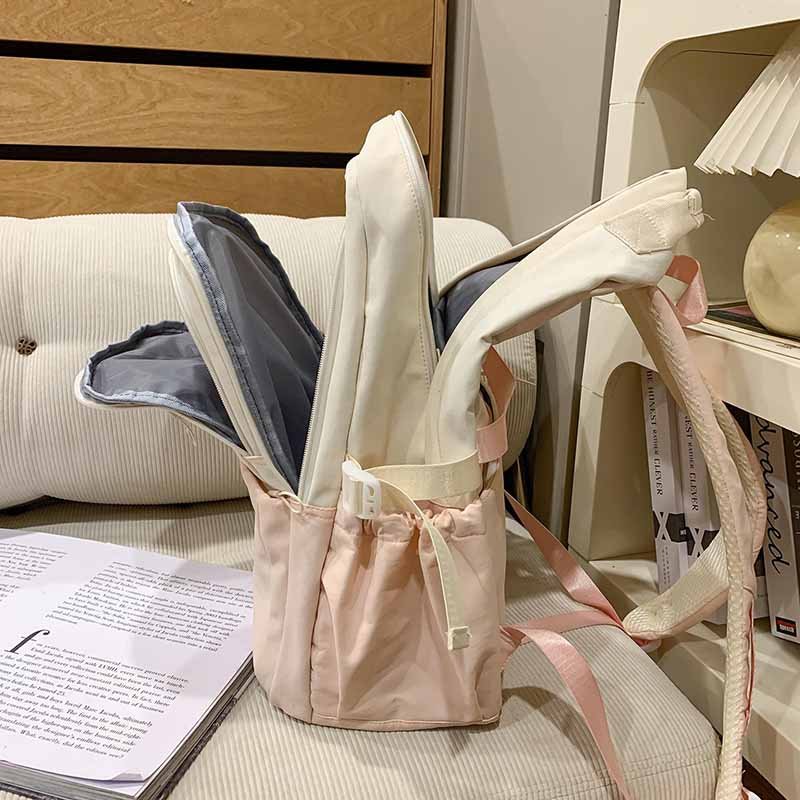
bag fabric
How to Choose Bag Lining Material: Which Fabric Fits Your Bag, Performance, and Cost?
Bag lining is easy to underestimate because it sits inside the product, away from the first product photo and often away from the first sourcing
 Skip to content
Bag lining is easy to underestimate because it sits inside the product, away from the first product photo and often away from the first sourcing
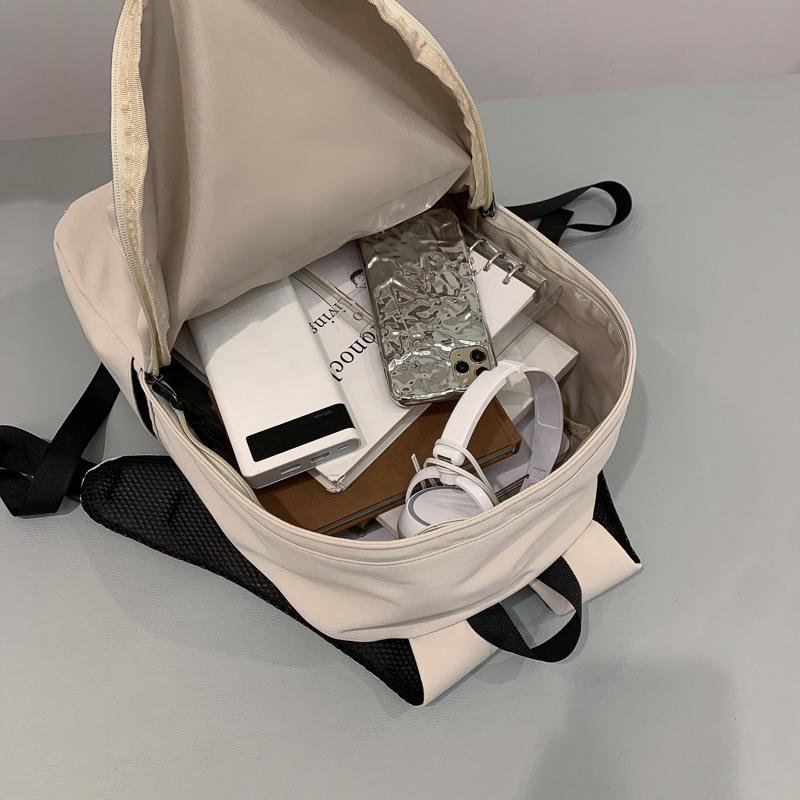
A bag lining rarely fails because of one dramatic mistake. More often, several small decisions work against each other: the lining is slightly too loose,
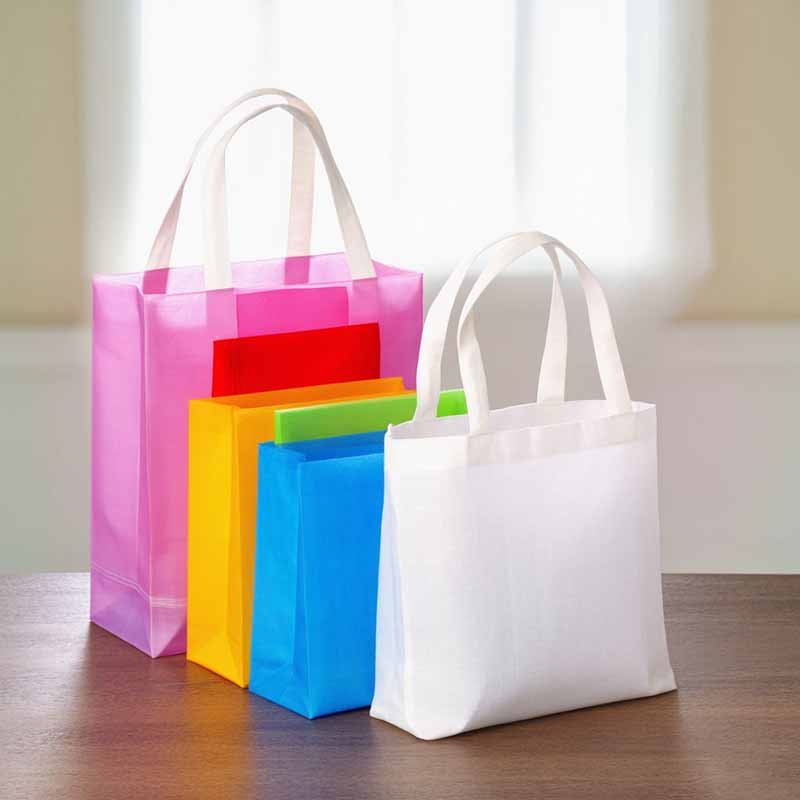
Most promotional bags fail before they ever reach the event table, retail counter, welcome kit, or customer’s hand. Not because the logo is wrong, and
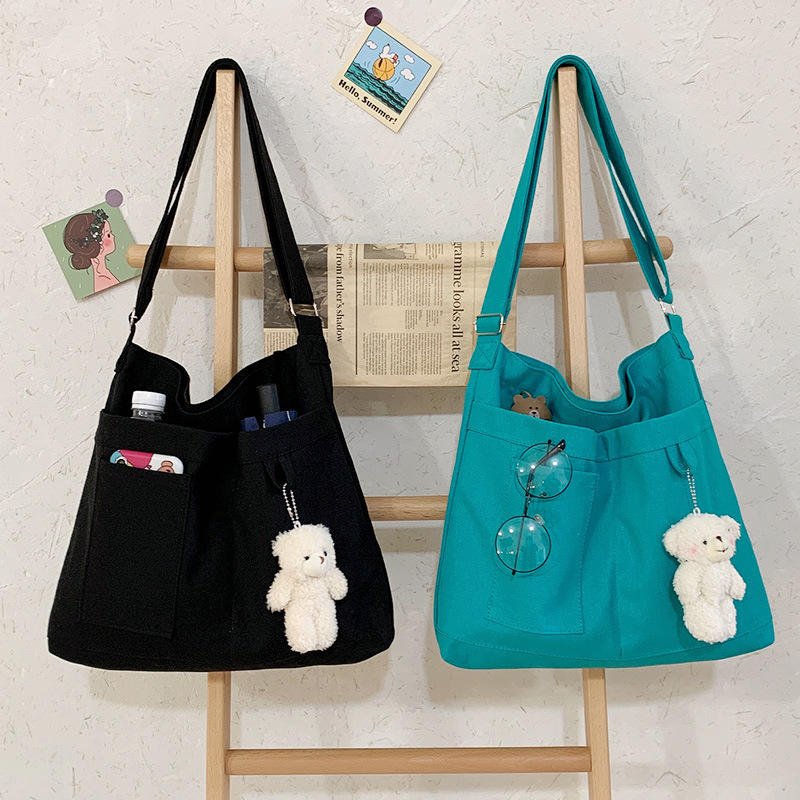
A bag can look perfect in a product photo and still fail in real life because the wrong fabric was chosen at the beginning. This
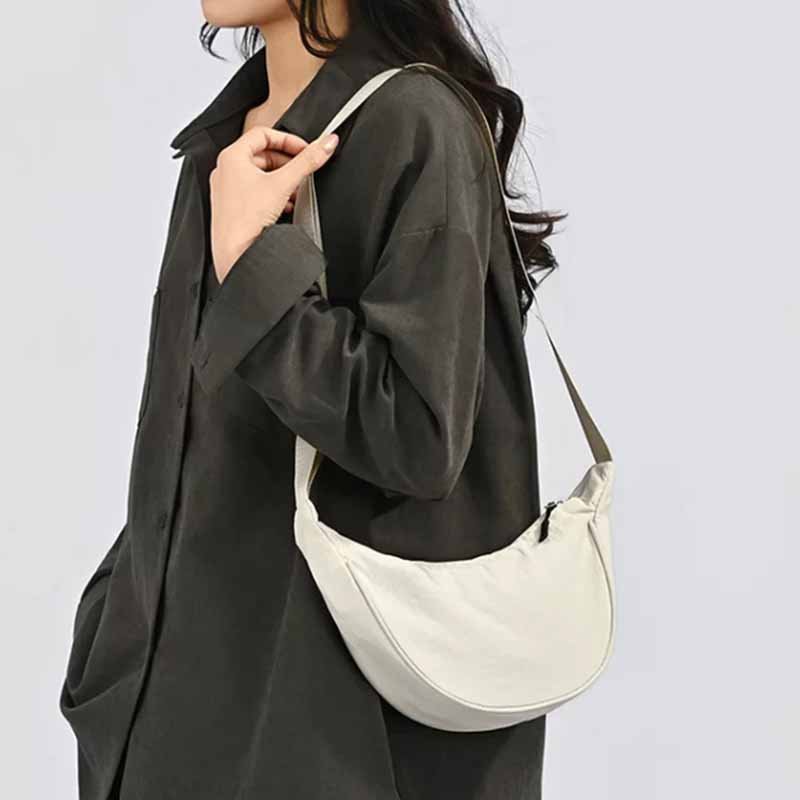
Many bag brands make the same early sourcing mistake: they treat denier like a final quality score. A buyer sees 600D, 900D, 1000D, or 1680D
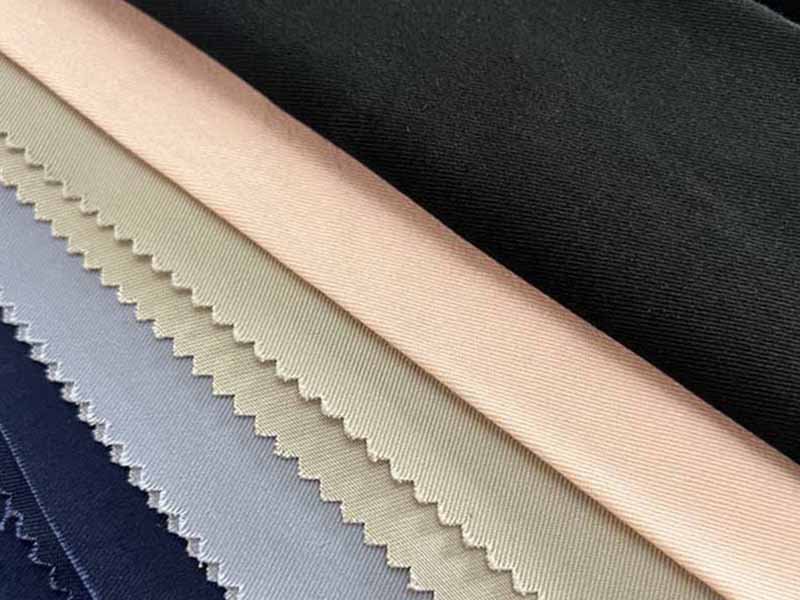
Two fabrics can look almost identical on a sample table. They may have the same color, similar weight, and an equally smooth surface. Yet one may be supported by a traceable certified supply chain, while the other depends entirely on a seller’s claim that it was made from recycled material. For brands building recycled bag collections, that difference can affect compliance reviews, retailer acceptance, marketing language, and customer trust.
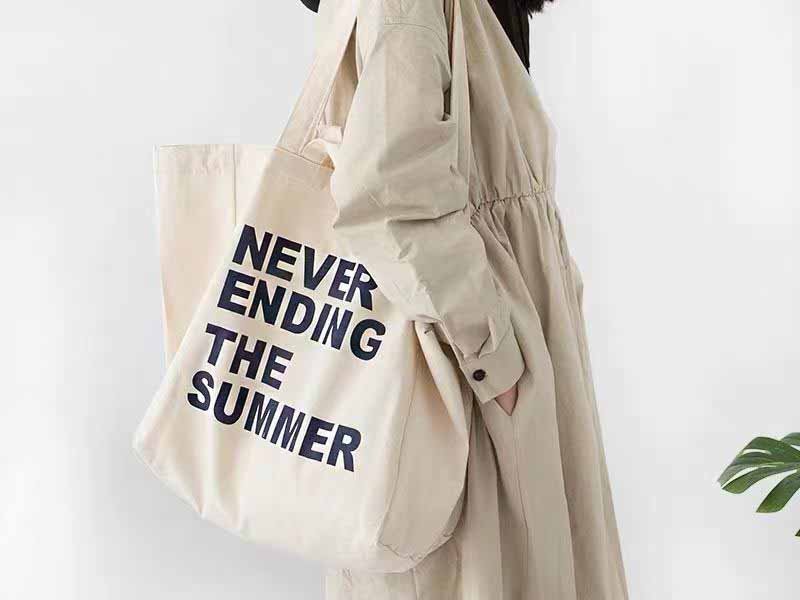
Recycled fabric sourcing often starts with a simple request: “We want this bag made from sustainable material.” The project becomes more complicated when the buyer asks what percentage is recycled, where the raw material came from, whether the coating is included in the claim, whether the supplier’s certificate covers the actual fabric, and whether the finished bag can survive daily use.
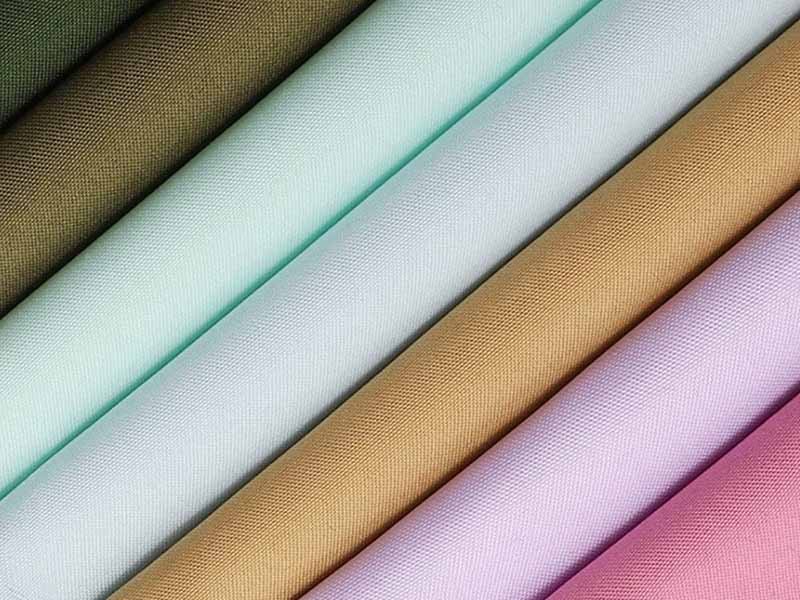
Choosing a sustainable bag material sounds simple until real product development begins. A fabric may contain recycled content but fail after repeated abrasion. A natural fibre may look environmentally responsible but require additional coating, reinforcement, packaging, or frequent replacement. A plant-based leather may support an attractive marketing story while still containing a significant synthetic backing. The decision becomes more complicated when a single bag combines outer fabric, lining, foam, webbing, zippers, adhesives, plastic buckles, labels, printing inks, and metal hardware.
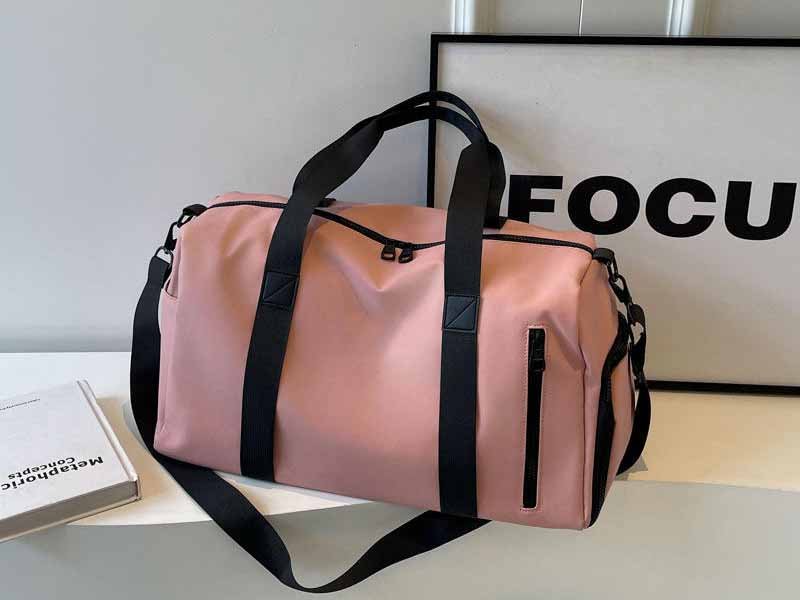
A premium bag does not become premium because the marketing team calls it premium. It becomes premium when the material, structure, hand feel, color, stitching, lining, hardware, logo process, and final use experience all support the same promise. Many brands start material selection by asking, “Which material looks expensive?” That is the wrong first question. A better question is: “Which material can carry our design, survive real use, match our price tier, and stay consistent in bulk production?” When a customer touches a bag, they judge the surface before they read the label. When they carry it, they judge the weight, balance, handle comfort, and zipper movement before they think about the material name. That is why material selection should be treated as a commercial decision, not a decorative choice.
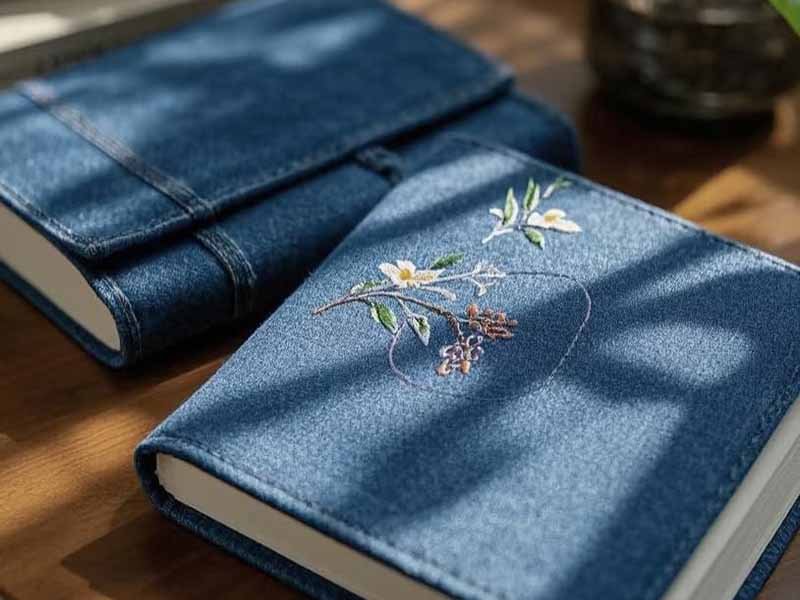
Most people think they understand denim—until something goes wrong.
A bag that loses its shape after a few weeks. Jeans that shrink unexpectedly after the first wash. Color that transfers onto light clothing. Fabric that feels strong in hand but weak in real use. In almost every case, the problem isn’t “denim quality” in general—it’s that the denim was chosen without understanding how it actually behaves.
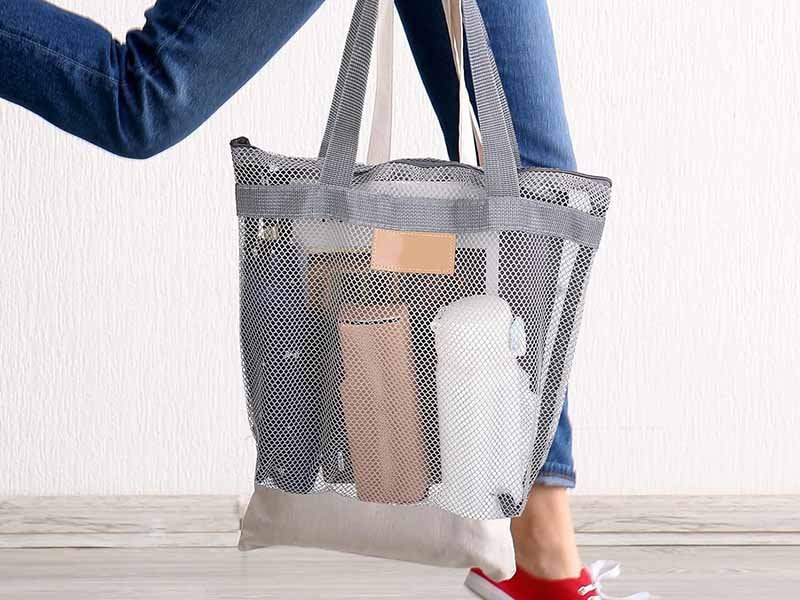
Mesh fabric has quietly become one of the most essential materials in modern bag design—yet it is often misunderstood. From breathable gym sacks and backpack side pockets to beach totes and technical travel gear, mesh plays a role far beyond simple ventilation. The reality is that not all mesh fabrics are the same, and choosing the wrong type can lead to premature tearing, deformation, poor load support, or even customer complaints after launch.