Nylon Fabric
Nylon vs Polyester for Bags: What Should Brands Choose?
Choosing between nylon and polyester sounds like a small material decision until the first bulk order goes wrong. A backpack that sags after three months,
 Skip to content
Choosing between nylon and polyester sounds like a small material decision until the first bulk order goes wrong. A backpack that sags after three months,
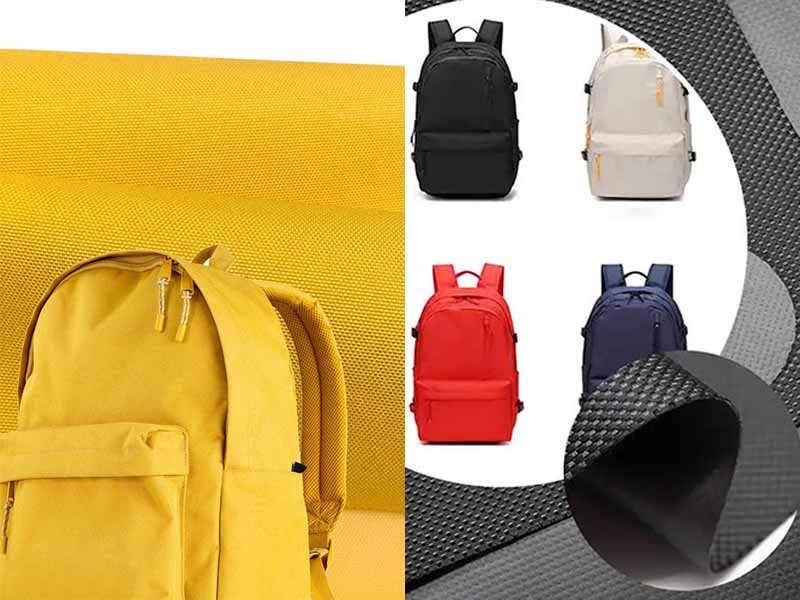
Choosing between 600D and 1680D polyester looks simple until a real bag project moves into sampling. On paper, 1680D sounds stronger because the number is higher. In actual manufacturing, the better material depends on the bag type, expected load, target price, coating, lining, stitching, reinforcement, brand positioning, and how the customer will use the product day after day. A school backpack, a promotional tote, a power-tool bag, and a premium travel duffel should not follow the same fabric logic.
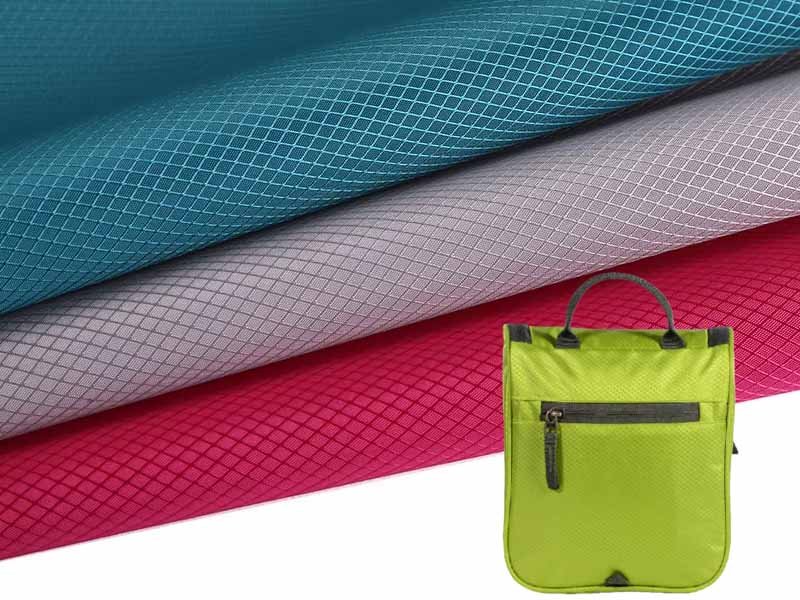
Choosing between 600D and 900D polyester looks simple on paper, but in real bag manufacturing it is one of those small decisions that can quietly shape product cost, user experience, customer reviews, and repeat orders. Many buyers assume 900D must be better because the number is higher. Sometimes it is. But a school backpack, a tool bag, a cooler bag, a promotional tote, and a tactical pack do not live the same life. They carry different loads, touch different surfaces, face different weather conditions, and create different customer expectations.
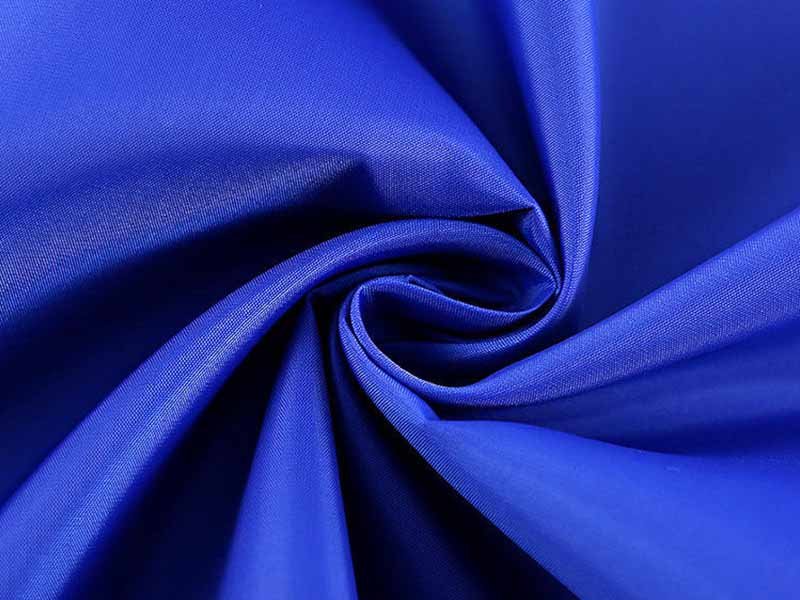
The number printed on a fabric specification sheet can make a material look more straightforward than it really is. A line such as “190T polyester taffeta, PU coated” appears precise, yet it still leaves several important questions unanswered. What yarn is used? Is the stated weight measured before or after coating? How much of the roll width can actually be used for cutting? Will the coating withstand folding, sewing, humidity, and repeated use? Is the material suitable for a lining, an umbrella, a tent fly, or only a lightweight promotional cover?
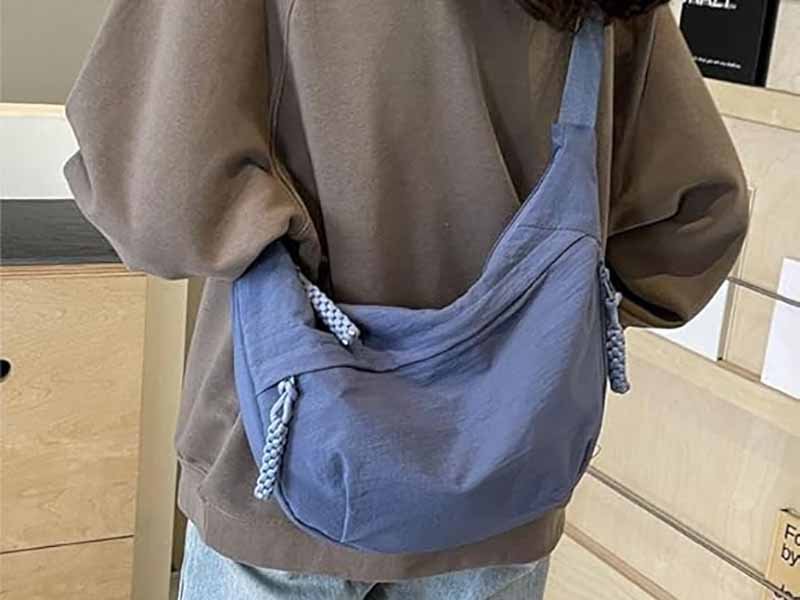
Most bag programs don’t get rejected because the design is “bad.” They get rejected because the material doesn’t match the price point. A $25 backpack made with a “premium-sounding” fabric can still feel cheap if it pills, fades, or collapses after two weeks. And a $120 backpack can lose trust fast if the fabric scuffs easily or looks “plasticky” under store lighting. Nylon vs polyester bags isn’t a debate about which fiber is “best”—it’s about which one supports your product tier, your use-case, and your margin.
Recycled polyester fabric has become a key material in the sustainable fashion movement. This eco-friendly alternative to virgin polyester uses post-consumer waste, such as plastic bottles or discarded textiles, as its raw material. Recycled polyester offers a significant reduction in carbon emissions and waste, addressing two critical environmental issues. While it shares many of the same properties as virgin polyester, it has gained popularity due to its sustainable manufacturing process and its ability to contribute to the circular economy.
Microfiber polyester is one of those materials people touch every day without realizing it. It’s the soft sports shirt that dries fast, the smooth lining inside a travel bag, the sofa fabric that looks clean with a quick wipe, and the cleaning cloth that “grabs” dust instead of pushing it around. But here’s the problem: many products labeled “microfiber” don’t perform the same way. One microfiber cloth can feel plush and absorbent; another feels slick and barely picks up water. Two fabrics can both be called microfiber polyester, yet one pills quickly while the other stays smooth after many washes. The difference is not marketing—it’s fiber fineness, fabric construction, and finishing choices.
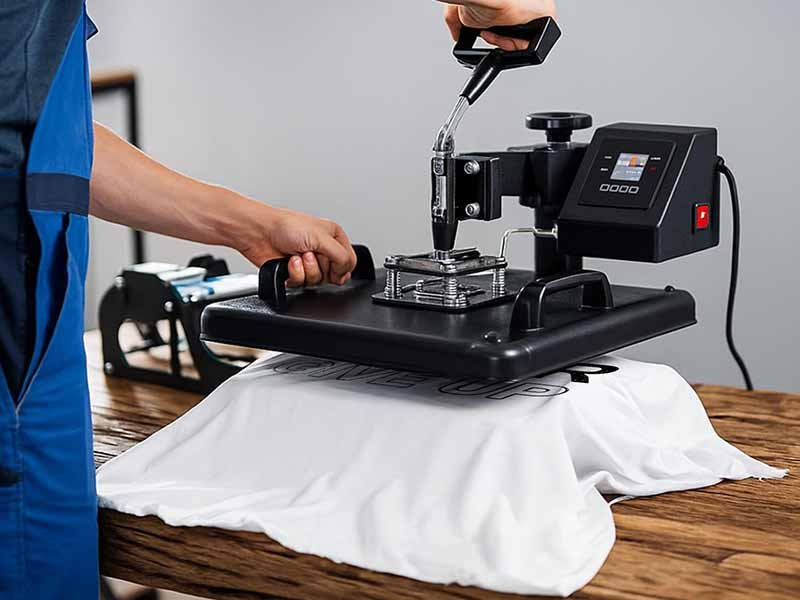
Plain weave polyester fabric is one of those materials that rarely gets “hyped,” yet it shows up everywhere—from jacket linings and uniforms to tote bags, backpacks, dust covers, and industrial covers. The reason is simple: when brands need a woven fabric that behaves predictably on the cutting table, runs smoothly on sewing lines, and holds up through daily friction, they often land on plain weave polyester. It’s not the fanciest textile in the room, but it is often the most dependable—and reliability is what keeps production on schedule.
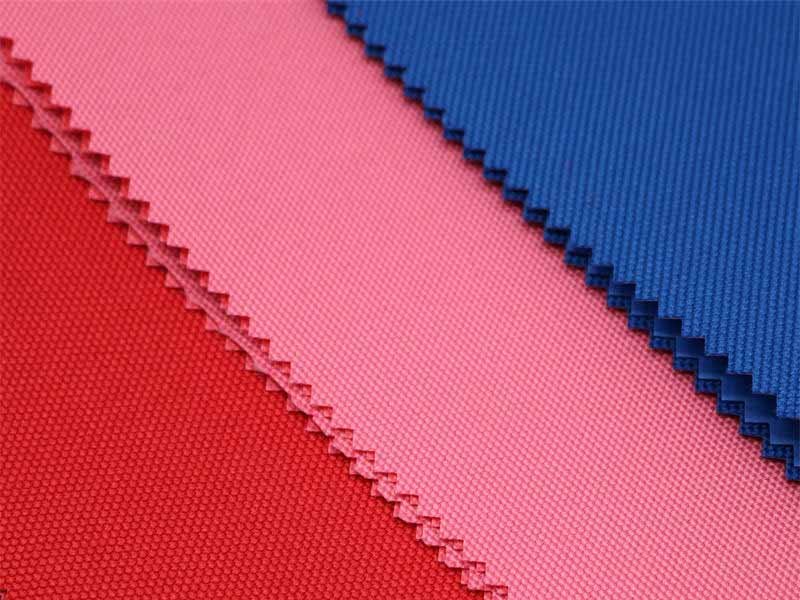
Polyester is everywhere, yet most people misunderstand what it actually is. From backpacks and sportswear to luggage linings, outdoor gear, and industrial textiles, polyester fabric has quietly become one of the most widely used materials in the global textile industry. Its popularity isn’t driven by fashion trends or marketing stories—it’s driven by performance, consistency, and scale.
When you’re selecting polyester fabric for your next product, whether it’s for custom bags, outdoor gear, or any other application, understanding the weight of the material is crucial. GSM (grams per square meter) and Oz (ounces) are two of the most common measurements used to describe fabric weight. But how do these units differ, and which one should you focus on for your needs?