 Skip to content
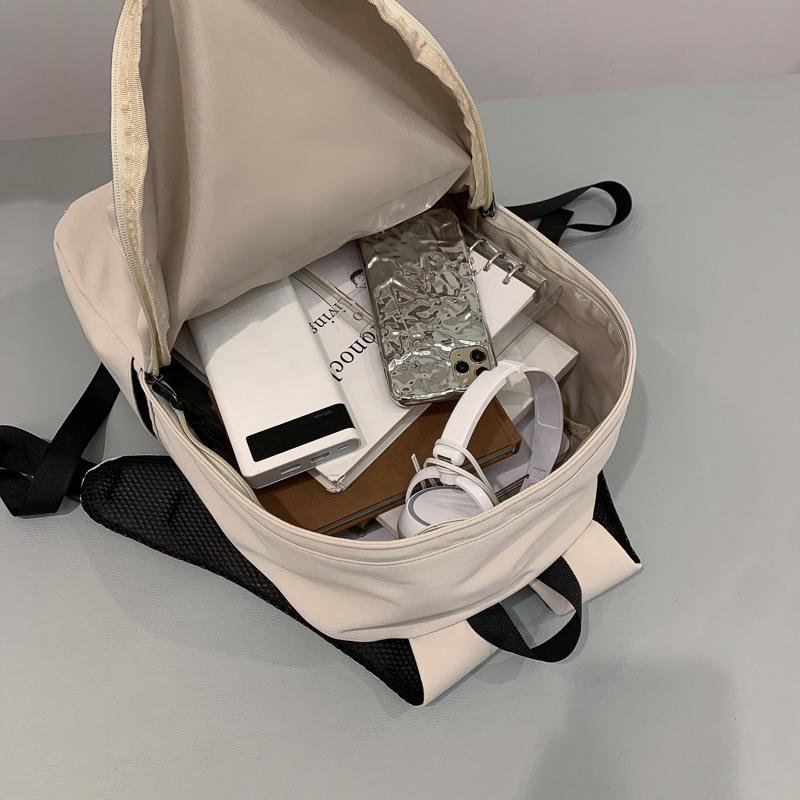
A bag lining rarely fails because of one dramatic mistake. More often, several small decisions work against each other: the lining is slightly too loose, a pocket carries more weight than expected, the seam allowance is marginal, the fabric has limited resistance to yarn movement, or hard objects repeatedly rub the same corner. The damage may appear months later as a small opening, yet the conditions that caused it were built into the product much earlier.
The most reliable way to prevent bag lining from tearing is to match the lining fabric to the actual use of the bag, control seam construction, isolate major loads from lightweight interior fabric, reinforce predictable stress points, and validate the finished structure through realistic sampling and appropriate material or seam testing. Simply choosing a thicker lining does not solve every failure mechanism.
Consider two travel bags that look almost identical when new. One uses a heavier lining, while the other uses a somewhat lighter fabric but supports the bottom properly, anchors pockets carefully, keeps strap loads away from the lining, and reinforces areas exposed to hard objects. After repeated use, the lighter system may perform better. That example captures the central lesson: lining durability comes from the relationship between material, structure, sewing, and real-world loading, not from fabric weight alone.
What Causes Bag Lining to Tear?

Bag lining usually tears when the fabric or sewn structure experiences more abrasion, movement, concentrated stress, yarn displacement, or puncture than it can tolerate. The visible hole is often only the final symptom. Reliable prevention starts by distinguishing fabric tearing from seam slippage, seam opening, abrasion, puncture, fraying, and excessive tension caused by poor lining fit.
Is the Lining Fabric Too Weak?
Sometimes the lining material really is under-specified for the job. A smooth, lightweight polyester can work well in a cosmetic pouch or small handbag but struggle inside a large travel bag filled with shoes, chargers, bottles, and hard accessories. Calling a material “weak,” however, is not specific enough to guide development. The important question is which property fails under the expected use condition.
Fiber content alone does not provide that answer. Two fabrics labeled 100% polyester can have very different yarn sizes, fabric weights, weave densities, finishes, and surface durability. A fabric with more mass may feel stronger in the hand but still allow yarns to move around a seam. Another lighter material may have a tighter construction and remain more stable during sewing and repeated use.
The failure location often provides the first useful clue. If a tear develops in the middle of a lining panel, far from stitching, repeated abrasion, puncture, or insufficient tear resistance should be investigated. If damage develops immediately beside the stitching, the fabric may not actually be breaking in the conventional sense. The yarns may be moving, the seam allowance may be insufficient, or tension may be concentrated too narrowly.
Material approval should therefore go beyond appearance and touch. For relevant projects, useful checks can include fabric weight, yarn specification, tear resistance, tensile properties, abrasion behavior, colorfastness, shrinkage, and coating performance. Lovrix’s documented material-control framework includes denier, GSM, tensile strength, tear resistance, colorfastness, and other performance checks according to project requirements.
Is Seam Slippage the Real Problem?
Some lining failures that look like tears are actually seam slippage. In this situation, the sewing thread may remain intact while yarns in the woven lining move away from the stitch line. As the gap grows, the seam appears ripped even though the fabric has not necessarily suffered a conventional tear through broken yarns. This distinction matters because the corrective action can be completely different.
Seam slippage is more likely when a woven material has limited yarn stability and a local load repeatedly pulls across the seam. Heavy internal pockets, very narrow allowances, over-tight linings, and concentrated pulling around zipper or pocket openings can all increase the stress placed on the yarns around needle penetrations. Using stronger sewing thread does not automatically solve the problem because the thread may remain intact while the surrounding textile continues to move.
When inspecting a damaged bag, look carefully at the direction of the opening. A gap that develops parallel to a seam, with visible yarn separation beside intact stitching, deserves a different diagnosis from random tearing across the body of the fabric. If the same defect appears in the same location across multiple units, it strongly suggests a repeatable construction or material issue rather than accidental damage.
This is one reason actual sewn-sample evaluation is more useful than judging lining fabric from a loose swatch alone. The fabric does not operate independently once it becomes a bag. It is cut, pierced, folded, sewn, tensioned, and loaded, and its performance must be judged in that assembled state.
Do Friction and Sharp Objects Damage Linings?
Repeated abrasion is one of the most common causes of gradual lining deterioration. Keys, charger plugs, laptop corners, cosmetics, camera accessories, power banks, tools, and other rigid objects shift slightly whenever the bag is lifted, carried, placed down, or transported. One movement does almost nothing, but hundreds or thousands of repeated contacts can weaken the same small area until a hole eventually appears.
Abrasion damage often gives warning signs before complete failure. The surface may become fuzzy, shiny, thin, rough, or slightly discolored. In a darker lining, worn fibers may create a pale area. In a smooth woven fabric, the yarn structure may become increasingly visible. These signs indicate that the surface is losing integrity even if no obvious tear has formed yet.
Sharp items create a different sequence. A pen clip, screwdriver tip, metal buckle, charger connector, or exposed accessory edge can make a tiny puncture. Once that initial opening exists, normal loading can extend it into a much larger tear. This means puncture resistance, abrasion resistance, and tear propagation should not be treated as the same property even though they may contribute to one final complaint.
For equipment-oriented bags, the best solution may be structural rather than simply heavier fabric. A reinforced sleeve, protective divider, foam-backed panel, denser bottom material, or better compartment layout can prevent the object from repeatedly contacting a vulnerable area. Designing around the source of wear often produces a more efficient product than increasing lining weight everywhere.
Does a Loose Lining Increase Stress?
A lining needs enough ease to assemble cleanly and follow the outer bag, but excessive loose fabric can create additional movement and unwanted loading. When the bottom of a large lining hangs independently from the structural bottom, the contents may pull downward on the lining itself. Repeated lifting then transfers forces toward upper seams, zipper attachments, pocket edges, and other areas not intended to carry significant weight.
This problem is easy to miss when samples are reviewed empty. An unfilled bag may look perfectly neat on a table, yet the lining can behave very differently after several kilograms of clothing, electronics, or accessories are added. In large totes and travel bags, the interior may sag, shift, and rub against contents every time the product moves.
The opposite extreme is also undesirable. A lining that is too tight can remain under continuous tension around top openings, zippers, and corners. Instead of allowing the bag to flex naturally, it pulls against connection seams whenever the outer shell changes shape. Good fit therefore means controlled ease rather than maximum tightness.
Sample development should include lining dimensions, sewing routes, internal structure, and reinforcement rather than treating the interior as a decorative layer added after the outer bag is complete. Lovrix’s documented sample-development process specifically includes lining structure, sewing routes, and reinforcement methods among the details evaluated before production.
| Visible Failure | Likely Cause | First Area to Check |
|---|---|---|
| Split across the middle of a panel | Tear, puncture, or abrasion | Fabric condition and contents |
| Opening beside intact stitching | Seam slippage | Fabric density and seam construction |
| Broken thread along the seam | Seam or thread failure | Thread, stitch formation, tension |
| Damage at pocket corner | Stress concentration | Pocket geometry and reinforcement |
| Thin bottom area | Repeated abrasion | Contact points and interior movement |
| Tear near zipper end | Local attachment stress | Pattern fit and zipper reinforcement |
Which Bag Lining Materials Resist Tearing Best?

There is no single lining material that is best for every bag. Durable selection depends on the expected load, frequency of use, abrasion, seam stability, hand feel, weight, appearance, and cost. Nylon and polyester are both widely used, but the actual fabric construction, yarn specification, and density often matter more than the fiber name printed on a material sheet.
Is Nylon Better for High-Stress Linings?
Nylon is frequently considered for products where abrasion resistance and mechanical durability are priorities. Backpacks, travel bags, outdoor products, camera bags, and equipment pouches are common examples because their interiors often experience more rubbing from harder contents than a small fashion accessory. A well-specified nylon lining can provide a useful combination of flexibility, toughness, and relatively low weight.
The important qualification is that “nylon” is a material family, not a complete performance specification. A loosely constructed lightweight nylon may perform worse than a denser polyester fabric. Yarn size, weave structure, weight, coating, finishing, and seam behavior all affect whether the final material is actually suitable for the product.
Nylon can also influence the character of the interior. Some constructions feel technical or crisp, which may be ideal for outdoor equipment but less suitable for a refined fashion handbag that requires a soft, elegant hand feel. Material selection needs to support both mechanical performance and the intended product experience.
For demanding programs, comparing actual candidate materials is more useful than comparing fiber labels. The material should be sewn, loaded, rubbed, and examined in the intended construction. When necessary, measurable testing can be added. The practical development question is not whether nylon is stronger in general, but whether a specific nylon construction performs better in the actual bag.
When Is Polyester a Better Choice?
Polyester is one of the most flexible choices for commercial bag interiors because it can be produced in many weights, textures, densities, and surface finishes. It is commonly used in handbags, backpacks, cosmetic bags, promotional bags, travel products, organizers, and many other sewn goods because it can balance durability, appearance, sourcing consistency, color options, and cost.
A lightweight smooth polyester can create a clean interior in a handbag, while a denser polyester construction may suit a functional backpack or travel product. This range makes it easier to select a fabric that supports the intended look without automatically increasing weight or stiffness.
Repeat production is another important consideration. Commercial programs often need consistent color, surface texture, hand feel, and physical performance across multiple purchase orders. A material that performs adequately but changes noticeably from batch to batch can cause as much difficulty as a fabric with insufficient strength. Supply stability is therefore part of material quality.
It is also unhelpful to treat polyester automatically as a lower-grade alternative to nylon. A well-designed polyester lining can be more appropriate than a poorly specified nylon for a particular bag. Materials should be compared by actual construction, performance, and suitability for the product rather than by assumptions attached to the fiber name.
Do GSM, Denier, and Weave Density Matter?
GSM, denier, and weave density all provide useful information, but they measure different aspects of a fabric. GSM describes mass per square meter. Denier relates to yarn linear density. Weave density indicates how closely yarns are arranged. None of these figures independently guarantees that a lining will resist tearing, abrasion, seam slippage, or puncture.
A higher-GSM fabric often feels more substantial, but greater mass does not automatically create better yarn stability around seams. A relatively heavy fabric can still be loosely constructed. A lighter fabric, meanwhile, may perform surprisingly well if its yarns are tightly controlled and its structure suits the type of loading applied to the bag.
The relationship between variables is therefore more important than one headline number. Material teams should consider how easily the fabric distorts, whether yarns shift beside a seam, whether the surface withstands repeated rubbing, whether the fabric remains stable after cutting, and whether the final weight is appropriate for the product.
This becomes especially important when several SKUs share the same lining family. Maintaining an approved material reference, specification, and production record can help keep future orders closer to the original performance instead of relying on a vague description such as “black polyester lining.”
| Material Factor | Useful Information | Does Not Prove |
|---|---|---|
| GSM | Fabric mass per square meter | Tear resistance by itself |
| Denier | Yarn linear density | Finished fabric durability |
| Weave density | Yarn packing and stability | Abrasion resistance alone |
| Tear resistance | Resistance to tear propagation | Seam performance |
| Abrasion resistance | Ability to tolerate repeated rubbing | Puncture resistance |
| Seam test | Behavior of sewn construction | Overall bag life |
Which Lining Fits the Bag Application?
The correct lining should be selected around the contents and use of the finished product rather than simply around fabric availability. A cosmetic bag may prioritize smoothness, cleanability, color, and pocket finishing. A laptop backpack needs better protection against hard edges and charger accessories. A travel bag sees larger moving loads, while a tool bag can face puncture, concentrated pressure, and aggressive abrasion.
Handbags commonly require a refined hand feel and neat visual appearance, which means excessively heavy technical fabrics may not suit the design. However, very delicate lining can also create problems around pockets, zipper compartments, and frequently accessed areas. A balanced material should support the intended appearance while remaining stable enough for daily use.
Backpacks and laptop bags place more emphasis on functional durability. Hard electronics repeatedly contact interior panels, so lining decisions should be coordinated with foam, dividers, protective sleeves, and compartment geometry. In many cases, reducing movement between the object and fabric contributes as much to durability as increasing material strength.
Travel and equipment bags require even more attention to load movement. Large interiors allow items to shift, especially when the bag is only partly filled. For these products, a single lightweight lining across every area may not be efficient. Different zones can use different constructions when the risk level clearly changes.
How Do Sewing Details Affect Lining Strength?

Sewing details strongly influence whether a lining survives repeated use. Seam allowance, stitch formation, thread size, needle selection, tension, edge finishing, and reinforcement determine how forces move through the fabric. A lining with good material properties can still fail early if the seam concentrates stress, damages yarns, or leaves too little material beyond the stitch line.
How Does Seam Allowance Affect Strength?
Seam allowance provides the fabric area beyond the stitch line that helps keep the sewn components securely joined. If the allowance is too narrow, ordinary fraying, yarn movement, cutting tolerance, or sewing variation can reduce the effective amount of fabric holding the seam. A construction that looks acceptable initially can gradually lose stability after repeated loading.
There is no single seam allowance suitable for every lining. Lightweight woven fabrics, mesh, coated textiles, thick nylon, laminated materials, and soft fashion linings can behave differently. Seam type, curve shape, binding method, stitch formation, and expected loading also affect the amount of allowance needed.
Bulk production introduces another practical issue: variation. An experienced sample maker can sew one prototype with exceptional accuracy, while high-volume production naturally involves small differences in cutting and feeding. A design with almost no tolerance can therefore become risky even if the original sample looked perfect.
Critical areas such as zipper connections, pocket openings, and bottom seams should be clearly controlled in patterns and workmanship references. The aim is not to maximize seam allowance everywhere, but to provide enough structural margin that normal production variation does not turn into a durability problem.
Do Stitch Length and Density Matter?
Stitch density affects both seam control and the number of needle penetrations made in the lining. More stitches do not automatically mean higher strength. On some lightweight or coated materials, very dense stitching can create a row of closely spaced holes that behaves almost like a perforation line under repeated stress.
Stitches that are too long can create a different problem. They may provide insufficient control around curves, pocket openings, zipper attachments, and other areas where the lining is pulled in changing directions. The correct setting therefore depends on material thickness, thread size, seam type, and expected use.
Consistency also matters. A technically appropriate stitch specification has limited value if machine tension, needle condition, or operator handling changes significantly during production. The visual appearance of the seam should therefore be evaluated alongside actual construction quality.
An approved sewn sample remains one of the most practical references because it shows how all variables work together. Rather than relying only on a numeric stitch setting, production teams can compare actual seam appearance, tension, material reaction, and workmanship against a physical standard.
Which Thread and Needle Should Be Used?
Thread and needle should be matched to the lining rather than selected simply for maximum strength. An oversized needle can create unnecessarily large holes or damage yarns in lightweight material. This is particularly important with smooth woven linings and coated fabrics where needle marks may remain visible or reduce stability around the stitch line.
A thread that is too heavy can also create distortion or excessive local stress. At the other extreme, thread that is too fine for the required construction may break during repeated loading. The most reliable combination balances fabric structure, thread size, needle size, stitch type, and seam load.
Needle condition deserves routine attention because worn or damaged needles can pull, cut, or disturb yarns rather than penetrating cleanly. Those small defects may be difficult to notice during fast production but can become starting points for runs, holes, or tears after use.
Machine tension adds another variable. Excessive tension can pull the lining into puckers and place unnecessary stress around the stitches, while insufficient tension can leave a loose seam. Good sewing control therefore means producing a balanced stitch that secures the construction without damaging the fabric.
How Should Raw Edges Be Controlled?
Raw edges can become a gradual source of weakness when the selected lining frays easily. As yarns unravel from the cut edge, the amount of stable fabric between the edge and the stitch line becomes smaller. Once the fraying approaches the seam, relatively modest loading can cause the fabric to pull away.
The correct finishing method depends on the material and desired interior appearance. Overlocking works well in many conventional woven constructions, while binding, folded edges, enclosed seams, or other methods may be more appropriate in different bag styles. Coated or heat-sensitive materials may require yet another approach.
Finishing also influences perceived workmanship. Customers notice loose yarns, unfinished edges, and thread accumulation when opening internal pockets or compartments. A clean interior can make the product feel more carefully manufactured even before durability becomes an issue.
The selected edge treatment should therefore be established during development rather than left entirely to production judgment. Consistent documentation is especially valuable for repeat orders and multi-style programs because it reduces the chance that different lines or operators interpret the same interior construction differently.
Which Lining Areas Need Reinforcement?

Reinforcement is most effective when it is concentrated where stress actually accumulates. Pocket corners, zipper ends, divider attachments, bottom corners, and areas close to major carrying structures deserve particular attention. Reinforcing every square centimeter of lining can add unnecessary weight, stiffness, and cost, while targeted support can solve the real failure mechanism much more efficiently.
Do Pocket Corners Need Extra Support?
Pocket corners frequently develop problems because repeated loading concentrates force into small areas. Every time a phone, wallet, bottle, charger, or other object is inserted or removed, the ends of the opening receive tension. A large pocket holding a dense object can apply far more force to the surrounding lining than a small card pocket even when both use identical material.
Several factors determine whether reinforcement is required. Pocket size, depth, expected contents, surrounding fabric strength, opening shape, stitching, and attachment method all influence the local load. In some cases, adjusting pocket geometry can reduce stress more effectively than simply adding stitches.
Reinforcement may use an additional backing layer, controlled bartacking, a wider attachment zone, or a more stable local fabric. However, dense stitching must still be matched to the lining because excessive needle penetration can create a new weakness in delicate material.
Sample evaluation should include realistic loading rather than only visual inspection. Putting an actual phone, power bank, bottle, or intended accessory inside the pocket and repeatedly accessing it can reveal distortion long before a tear appears. If the corners begin stretching in the sample, the structure deserves attention before bulk production.
How Should Zipper Areas Be Reinforced?
Internal zipper areas experience repeated multidirectional forces. The slider moves horizontally, the user often holds or pulls the surrounding material, and items inside the pocket push outward against the seam. These combined forces can create distortion around the zipper tape even when the zipper itself is perfectly functional.
Pattern fit plays an important role. If the surrounding lining is too tight, the zipper seam can remain under continuous tension. If the lining is too loose, excessive movement can increase rubbing and pulling. The goal is a stable attachment that allows the zipper to operate without constantly stressing the fabric.
Zipper ends deserve particular attention because the slider repeatedly reaches the same stopping point. Local backing, improved seam construction, or a more stable material around the ends can reduce the concentration of force.
During sampling, the zipper should be tested with realistic contents inside the pocket. An empty zipper may open and close smoothly but behave differently after a power bank, wallet, passport, or accessories are added. Functional evaluation needs to reflect the conditions under which customers will actually use the compartment.
How Are Strap Loads Isolated?
Major carrying forces should normally move through the structural shell, webbing, reinforcement panels, and load-bearing seams rather than through lightweight lining. This principle becomes especially important in backpacks, travel bags, laptop bags, outdoor products, and equipment bags because the strap or handle can transmit significant force when the product is fully loaded.
A lining may be caught into the same construction area for finishing or appearance, but it should not accidentally become the primary component holding the carrying load. If it does, the interior may begin to tear even though the handle or shoulder strap remains attached.
A useful development exercise is to trace the load path from the handle or strap into the bag. If the product were stripped of its decorative lining, the structural connection should still make sense. If the carrying force seems to rely heavily on the lining, additional reinforcement or a different assembly sequence may be required.
Load isolation is one of the clearest examples of why lining durability cannot be solved by fabric selection alone. Even a relatively strong lining should not be forced to perform the job of dedicated webbing or structural reinforcement.
Is Bottom Reinforcement Necessary?
Bottom reinforcement becomes increasingly useful when the bag carries hard, dense, or frequently moving objects. Gravity keeps contents in contact with the lower interior, while walking, driving, lifting, dropping, and placing the bag down cause repeated movement. A charger brick or metal accessory sliding across the same corner every day can eventually wear through a lining even when the overall load is moderate.
The required solution depends on the product. A soft weekend duffel filled mainly with clothing may not need the same construction as a tool bag, camera case, or equipment carrier of similar size. The risk comes from the content profile, not from dimensions alone.
Possible solutions include using a denser fabric only on the lower panel, adding a removable or fixed base, placing foam between contents and lining, reinforcing corners, or redesigning compartments so hard objects cannot move freely.
This local approach often provides better value than increasing the entire lining specification. Additional material should be placed where it performs useful work rather than being added evenly simply to create an impression of quality.
| Stress Area | Common Risk | Practical Control |
|---|---|---|
| Pocket corners | Local tearing | Backing, improved geometry, controlled reinforcement |
| Zipper ends | Distortion and yarn movement | Stable fabric, proper fit, localized support |
| Strap zones | Load transferred into lining | Structural shell or webbing reinforcement |
| Bottom corners | Abrasion and concentrated pressure | Stronger local panels or base support |
| Dividers | Repeated flex and pull | Secure, distributed anchor points |
| Organizer panels | Loaded-pocket distortion | Broader attachment and stable backing |
How Does Bag Use Change Lining Requirements?
Lining requirements should follow the way the finished bag will actually be used. Handbags prioritize appearance and daily wear, laptop bags manage rigid electronics, travel bags experience larger moving loads, and equipment bags may face sharp or heavy contents. Using one universal lining specification across all categories often creates either unnecessary cost or insufficient durability.
What Does a Handbag Lining Need?
Handbag lining needs to balance tactile quality, visual appearance, seam stability, and everyday durability. Customers see and touch the interior repeatedly, so the lining becomes part of the overall product experience rather than a hidden technical component. A beautiful exterior can feel less premium if the inside wrinkles excessively, frays around pockets, or develops holes quickly.
Typical contents such as phones, keys, wallets, cosmetics, and small accessories may not create extreme total loads, but individual objects can create concentrated wear. Keys repeatedly rub the same areas, cosmetic containers can leak, and pocket openings may be accessed dozens of times each week.
The lining should therefore not be selected purely for softness. A silky fabric that moves excessively at seams or snags easily may create more long-term complaints than a slightly more stable alternative with similar visual quality.
Brand presentation can also influence the choice. Custom colors, contrast interiors, woven labels, or printed lining can strengthen product identity, but these details still need to work with sewing, seam stability, and repeated use. Good handbag lining should feel intentional rather than merely decorative.
What Does a Travel Bag Need?
Travel bags generally expose lining to higher loads and more movement than smaller everyday bags. Shoes, clothing, bottles, toiletries, chargers, and accessories shift during transport, creating repeated pressure across large panels. The same interior may alternate between loose movement when partly filled and high outward pressure when fully packed.
Large volume makes lining support especially important. A wide unsupported panel can sag when the bag is partly empty, allowing contents to move and rub against it. When fully packed, the same material may be pushed hard against seams, corners, and zipper connections.
Compartment design can reduce these stresses. Shoe pockets, padded dividers, compression straps, organizer sections, and structured panels help control how contents move. A better layout can sometimes improve durability without requiring heavier material.
Functional testing should reflect the expected travel scenario. Loading a weekend bag with representative clothing, footwear, electronics, and toiletries provides more useful information than reviewing it empty. A material that looks and feels appropriate on the cutting table still needs to perform once the complete bag is packed and carried.
How Should Tool and Outdoor Bags Differ?
Tool and outdoor bags require more conservative interior decisions because their contents and environments are less forgiving. Metal tools, fishing equipment, camping accessories, hardware, outdoor electronics, and other gear may be heavy, abrasive, wet, dirty, or sharp. A lining that performs well in a fashion bag can therefore fail rapidly when moved into this category without modification.
Certain compartments may not be suitable for conventional lightweight lining at all. A stronger woven panel, coated fabric, reinforced bottom, sleeve, divider, or protective layer may better match the actual risk. Material should be treated as part of a zoning strategy rather than automatically repeated across the whole interior.
Sharp items are especially important. A pointed metal object can puncture even a fabric with respectable tear resistance. Once the puncture forms, repeated use may enlarge the opening. A dedicated sleeve or reinforced compartment often addresses the problem more directly than increasing general fabric weight.
Outdoor use adds moisture, dirt, and cleaning considerations. The lining should be evaluated for the environment in which the product will operate, including surface abrasion, drying behavior, coating stability when relevant, and how easily debris can be removed.
Do Lightweight Bags Need Heavy Linings?
Lightweight bags do not need heavy lining everywhere if the overall structure carries loads correctly. In a well-engineered product, the shell, webbing, foam, reinforcement panels, and major seams handle structural forces. The lining can then focus on organization, interior finish, and surface protection without becoming an unnecessary source of weight.
Adding a very heavy lining can create disadvantages. It increases material usage, adds bulk around seams, reduces packability, and can alter the drape of the product. In small or foldable bags, excessive internal weight may work directly against the intended design.
A more efficient approach is to strengthen the locations where forces are concentrated. Pocket corners can receive backing, bottom panels can use denser material, laptop compartments can include foam or protective fabric, and major strap loads can be directed through dedicated structural components.
This approach is particularly useful in lightweight travel and outdoor products. Removing weight should not mean reducing durability indiscriminately. The goal is to place enough material where it performs a genuine structural function and avoid unnecessary mass in low-stress areas.
How Do Manufacturers Test Lining Durability?
Lining durability is best evaluated through several layers of control rather than one laboratory number. Material testing, sewn-seam evaluation, realistic sample loading, first-piece approval, in-line production checks, and final inspection each reveal different risks. Tear resistance alone cannot predict overall performance because abrasion, seam movement, pocket loads, zipper stress, and workmanship may produce completely different failures.
Which Fabric Tests Matter Most?
The most useful fabric test depends on the failure the product is expected to face. Tear resistance examines how an existing tear propagates under a defined method. Tensile testing measures behavior under pulling force. Abrasion testing evaluates repeated rubbing. These properties describe different aspects of performance and should not be treated as interchangeable.
Additional checks may be relevant depending on the lining. GSM or fabric weight helps control material consistency. Denier can describe the yarn where appropriate. Colorfastness matters for interiors exposed to rubbing or moisture. Shrinkage may matter when natural or blended materials are used, while coating adhesion can become important with treated fabrics.
Test results should support a practical decision rather than simply make a technical specification appear more impressive. If the main risk is repeated rubbing from tools or electronics, abrasion information may be more useful than a property unrelated to the real application.
Lovrix’s documented quality framework allows project-specific evaluation such as tensile strength, tear resistance, abrasion resistance, colorfastness, coating adhesion, denier verification, GSM verification, and seam-strength testing where those checks match the product requirements.
How Is Seam Strength Checked?
Seam evaluation matters because the behavior of loose fabric does not fully predict what happens after the material is cut, folded, pierced, stitched, and loaded. The sewing operation creates a new structural system involving fabric, thread, needle holes, stitch formation, seam allowance, and the direction of applied force.
Useful seam evaluation looks for several possible failures: thread breakage, fabric tearing at the stitch line, seam slippage, excessive elongation, or permanent deformation. These outcomes may look similar when a customer reports that a lining “came apart,” but they often require different corrective actions.
Whenever possible, the test construction should match production. Using a different thread, seam allowance, stitch type, or fabric may provide data that does not represent the actual finished product. Practical sample loading can also reveal early signs such as yarn movement, whitening, puckering, or distortion.
Formal seam testing can be added when customer standards or project risk justify it, but laboratory measurement works best alongside an assembled product. A seam can perform well in isolation while still being overloaded by poor pocket geometry or an incorrect load path inside the final bag.
How Are Samples Checked Before Production?
Sampling is the most economical stage for correcting lining problems because the material, pattern, reinforcement, and sewing construction are still adjustable. Once large quantities of fabric have been cut and production has started, the same correction can affect cost, delivery schedules, work instructions, and previously completed units.
Initial review should examine the unloaded sample for lining fit, pocket alignment, zipper installation, seam finishing, reinforcement placement, bottom structure, and overall workmanship. The interior should look clean, but appearance alone should not determine approval.
Functional loading comes next. Representative items should be placed in the bag, internal pockets should be filled, zippers should be operated repeatedly, and hard objects should be allowed to contact the areas they are likely to reach during real use. The lining can then be checked for stretching, sagging, excessive movement, or distortion.
This is also the right time to compare alternative materials or reinforcement methods. The purpose of the sample is not simply to prove that one attractive unit can be produced. It should demonstrate that the construction is realistic, repeatable, and suitable for the load conditions expected after the product reaches the market.
What Should QC Check During Production?
Production quality control should make sure that the decisions approved during sampling remain intact in bulk manufacturing. Many lining problems begin not with the original design but with variation: a different material lot, reduced seam allowance, missing reinforcement, uneven sewing, poor zipper alignment, or an incorrectly assembled pocket.
Incoming lining should be checked against the approved reference for material type, color, surface condition, and important specifications where applicable. Materials that differ significantly should be reviewed before they enter cutting because correcting a problem becomes much more difficult after panels have been assembled.
First-piece approval is particularly useful because it shows whether pattern, material, machine settings, and sewing instructions are working together under actual production conditions. In-line inspection can then focus on areas that become difficult to repair later, including pocket corners, zipper attachments, bottom seams, reinforcement placement, and critical internal joins.
Final inspection should confirm both workmanship and consistency. Lovrix’s documented quality system covers incoming material inspection, first-piece approval, production monitoring, sewing inspection, dimensional checks, load-related verification, final AQL inspection, and support for customer or third-party inspection.
| Production Stage | Main Check | Warning Sign |
|---|---|---|
| Material approval | Fabric consistency | Different weight, hand feel, or construction |
| First-piece review | Seam and lining fit | Sagging, tension, missing reinforcement |
| Pocket check | Loaded corner stability | Stretching or distortion |
| Zipper check | Attachment stability | Puckering or yarn movement |
| In-line inspection | Repeatable workmanship | Changing seam allowance or stitch quality |
| Final inspection | Finished consistency | Fraying, open seams, loose lining, missed details |
A durable lining is rarely the result of one unusually strong fabric or one extra row of stitching. It comes from a chain of decisions that work together: the material suits the contents, the pattern supports the load, seams remain stable, abrasion is controlled, reinforcement is placed where stress actually occurs, and production consistently follows the approved construction. When these details are coordinated, the lining can remain almost invisible to the user, which is exactly what good engineering should achieve.
For brands developing handbags, backpacks, travel bags, cosmetic bags, outdoor products, or other sewn soft goods, discussing intended contents and failure risks early usually leads to better results than asking for the “strongest lining” at the end of development. Lovrix’s documented approach combines material evaluation, lining structure, reinforcement review, sampling, and production control so that interior durability can be considered before a design becomes a large production order.
When customers use a bag for months or years without noticing the lining, the interior is doing its job. It carries no marketing message, makes no dramatic visual statement, and rarely receives praise, yet it quietly protects the experience of the entire product. That is why preventing lining failure deserves attention early in design rather than being treated as a minor finishing detail after the main bag has already been engineered.
What is the most durable material for a bag lining?
There is no single most durable lining for every application. Nylon and polyester can both perform well when their yarn size, fabric density, weight, and finishing are appropriate. High-abrasion products such as travel, laptop, outdoor, or equipment bags generally require a more mechanically stable lining than small fashion pouches. Comparing actual fabric construction and intended use is more reliable than selecting material by fiber name alone.
Is nylon or polyester better for bag lining?
Nylon is often selected when abrasion resistance and mechanical toughness are major priorities, while polyester can provide an excellent balance of durability, color consistency, hand feel, availability, and cost. Neither fiber is automatically superior. A dense, well-specified polyester lining can outperform a lightweight or loosely woven nylon fabric, so the correct comparison should consider the specific construction rather than only the raw fiber type.
How can seam slippage in bag lining be prevented?
Reducing seam slippage usually requires improving the relationship between the fabric and the sewn construction. A more stable weave, sufficient seam allowance, controlled stitch formation, appropriate thread and needle selection, reduced local tension, and reinforcement around loaded areas can all help. Stronger thread alone may not solve the problem because the sewing thread can remain intact while the fabric yarns move away from the seam.
Should bag lining be thicker to prevent tearing?
A thicker lining can help in some applications, but increasing fabric weight is not a universal solution. Tearing may be caused by abrasion, puncture, poor seam construction, unsupported pockets, or incorrect load transfer rather than insufficient thickness. A better approach is to identify the failure mechanism first and then decide whether the correct solution is heavier fabric, denser construction, reinforcement, improved pattern fit, or better load distribution.
How should lining be reinforced around pockets and zippers?
Pocket corners and zipper ends should be reviewed as local stress points because repeated access concentrates force in relatively small areas. Depending on the fabric and expected load, reinforcement may include backing layers, more stable materials, improved pocket geometry, controlled bartacking, broader attachment zones, or better seam construction. The exact method should be validated on the actual sample because excessive stitching can also damage delicate lining materials.
How should manufacturers test bag lining before mass production?
A practical validation process combines material checks, sewn-seam evaluation, realistic sample loading, and production inspection. Depending on the product, useful measurements may include tear resistance, abrasion resistance, tensile properties, GSM, colorfastness, shrinkage, or seam strength. Samples should also be loaded with realistic contents so pocket corners, zipper areas, bottom panels, and lining fit can be observed before the design is released for bulk production.


